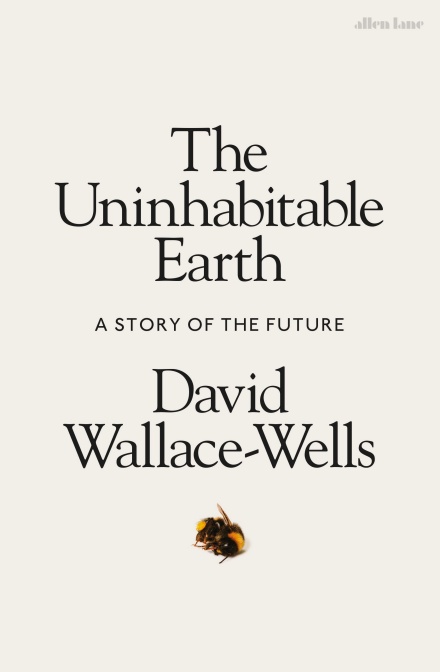
Book — Non-fiction. By David Wallace-Wells. 2019. 320 pages.
This book raises the alarm over the Earth's climate crisis and demands radical action to save human civilization as we know it.
Continue reading
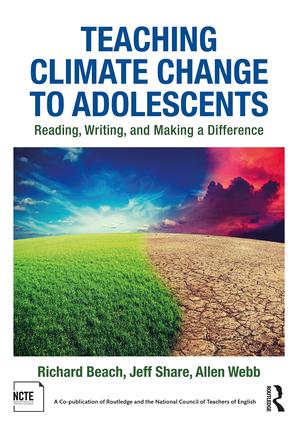
Teaching Guide. By Richard Beach, Jeff Share, and Allen Webb. 2017. 148 pages.
This book offers essential resources for English language and literature teachers to teach climate justice.
Continue reading
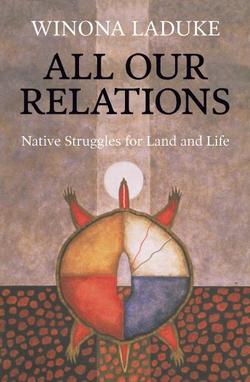
Book — Non-fiction. By Winona LaDuke. 1999.
Native American activists provide testimonies to indigenous efforts to resist oppression and fight both cultural and environmental degradation in the face of U.S. colonialism.
Continue reading
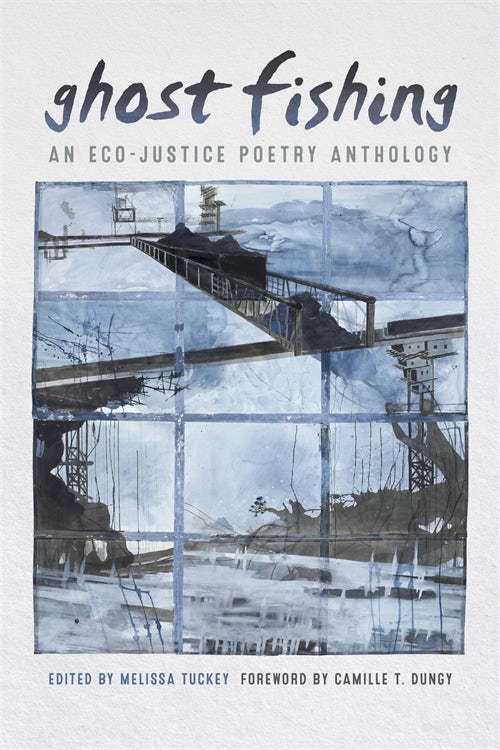
Poetry. Edited by Melissa Tuckey. 2018. 460 pages.
A collection of poetry about colonial dispossession, the environmental crime of war, food and culture, resource extraction, resistance, and the Global South.
Continue reading
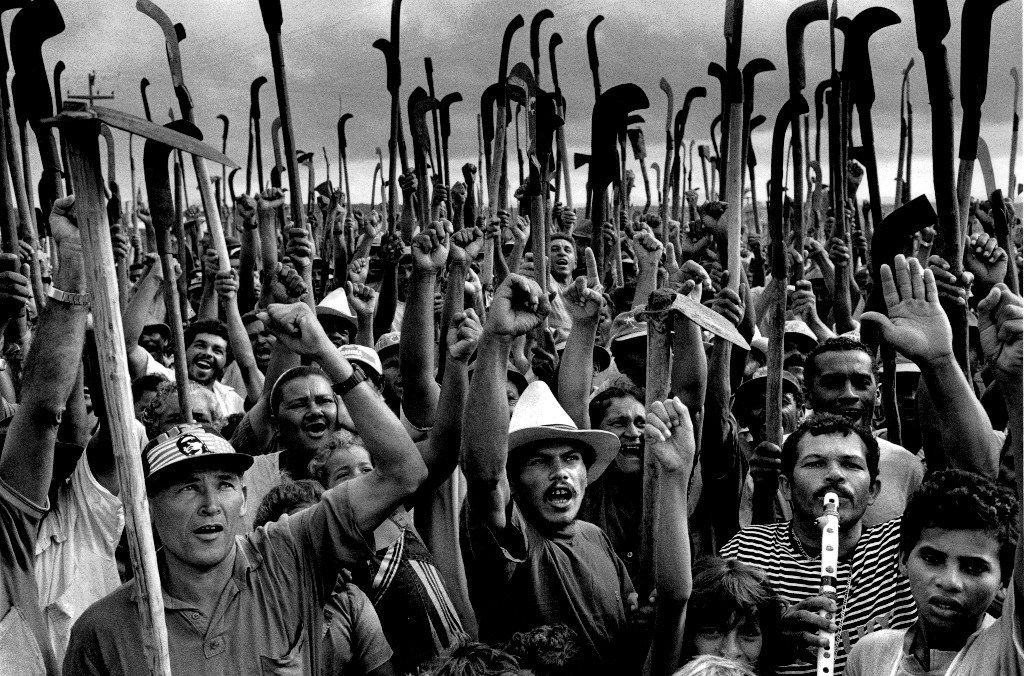
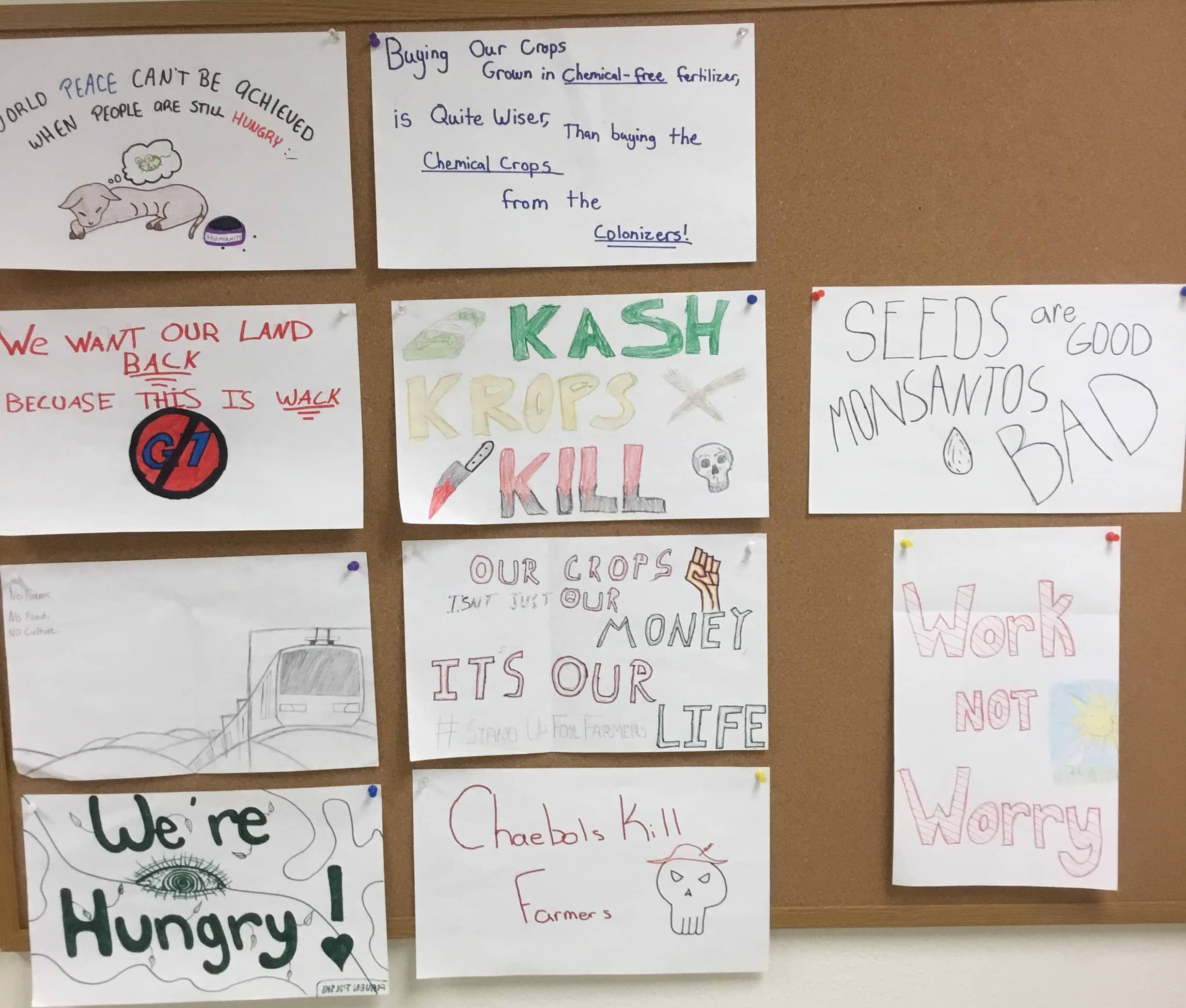
Brazil’s military police gunned down 19 peasant farm workers in the Via Campesina movement who were marching for land sovereignty in 1996.
Continue reading
Film. By Lynne Cherry and Young Voices for the Planet. 2019. 6 minutes.
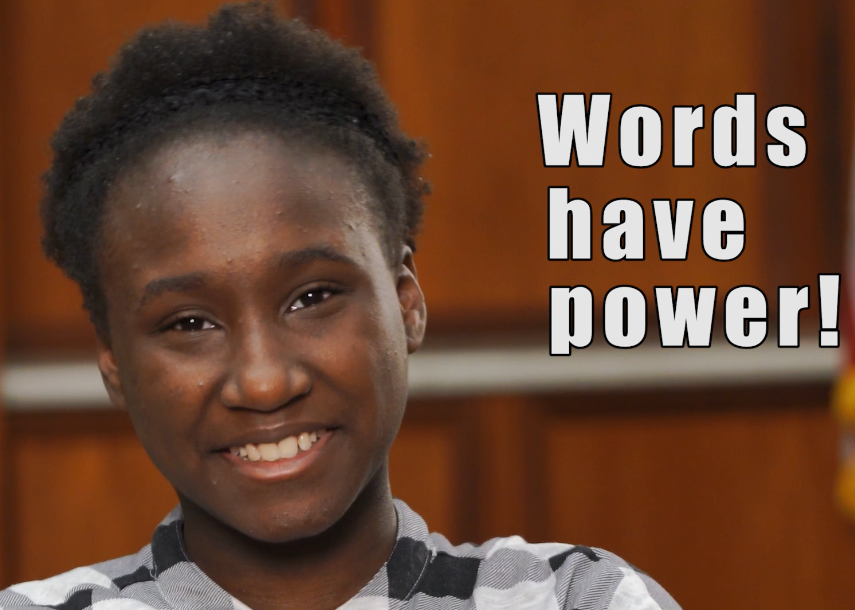
This short documentary features the activism of Jaysa Mellers, a young adolescent girl who rallied her community to challenge local air polluters.
Continue reading
Article. By the Rethinking Schools Editorial Board. Rethinking Schools, Summer 2019.
The Green New Deal will only be brought to life by people who grasp the enormity of the crisis that humanity faces and the radical changes necessary to address it. This requires that we teach a climate justice curriculum.
Continue reading
Teaching Activity. By Flannery Denny. Rethinking Schools, Summer 2019.
A math educator brings data from a friend’s solar panels — and the story to win them in their community — into her 7th-grade classroom to build a bridge between math and climate justice education.
Continue reading
Article. By Moé Yonamine. Rethinking Schools, Summer, 2019.
A high school ethnic studies teacher describes how students in the Pacific Island Club used poetry to refocus the narrative surrounding climate justice onto frontline communities.
Continue reading
Read selections from our favorite classroom stories, written by teachers who have used climate justice lessons found at our website, and see how students respond to lessons about environmental injustice.
Continue reading
Film. By Christopher Walker. 1996. 52 minutes.
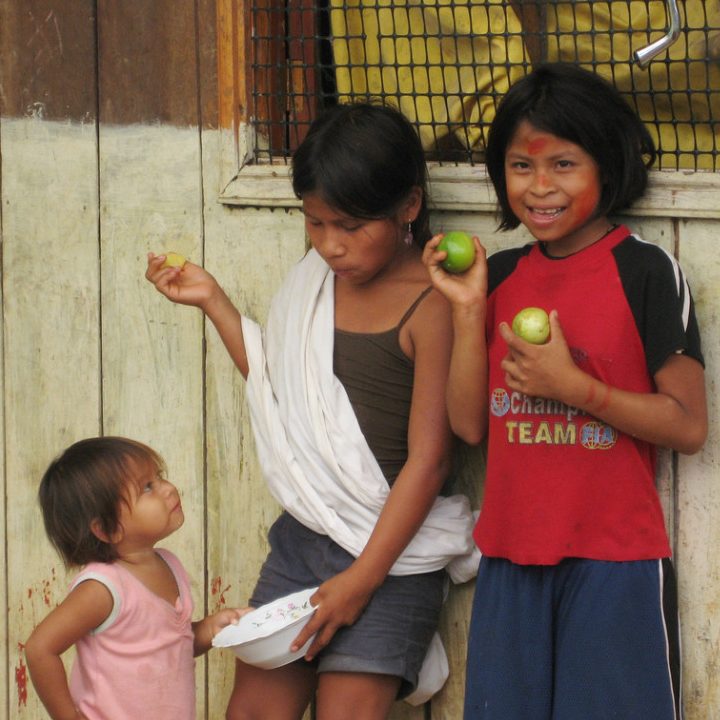
This documentary reveals the funny, heartbreaking, and thrilling story of the battle waged by indigenous people to preserve their way of life in the Amazon, in the face of international capitalism and colonialism.
Continue reading
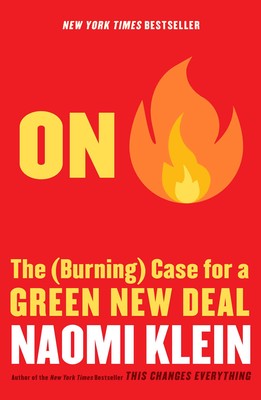
Book — Non-fiction. By Naomi Klein. 2019. 320 pages.
This collection of essays makes a case for a Green New Deal — explaining how bold climate action can be a blueprint for a just and thriving society.
Continue reading
Teaching Activity. By Rachel Hanes. Rethinking Schools.
A 2nd-grade teacher shows how connecting a student's home to the classroom led to profound lessons for all her students — in this case, about pipelines and climate justice.
Continue reading
Teaching Activity. By World Oregon's Young Leaders in Action.
In this role-play, students explore the challenges and perspectives of people — climate refugees — who have "no option except escape" from homes devastated by climate change.
Continue reading
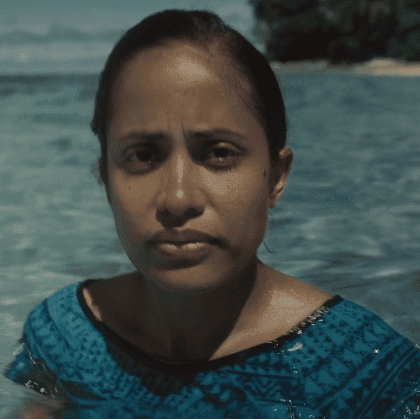
Film clip. Kathy Jetn̄il-Kijiner. Various years.
Video poems by a Marshallese artist show the injustices and harm of environmental racism, nuclear weapons, and climate change around the world.
Continue reading
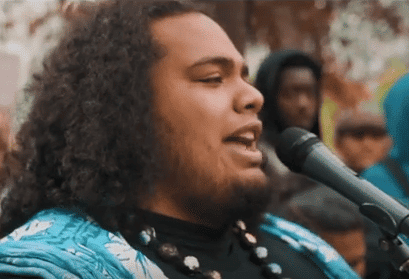
Film clip. Pacific Climate Warriors. 2019.
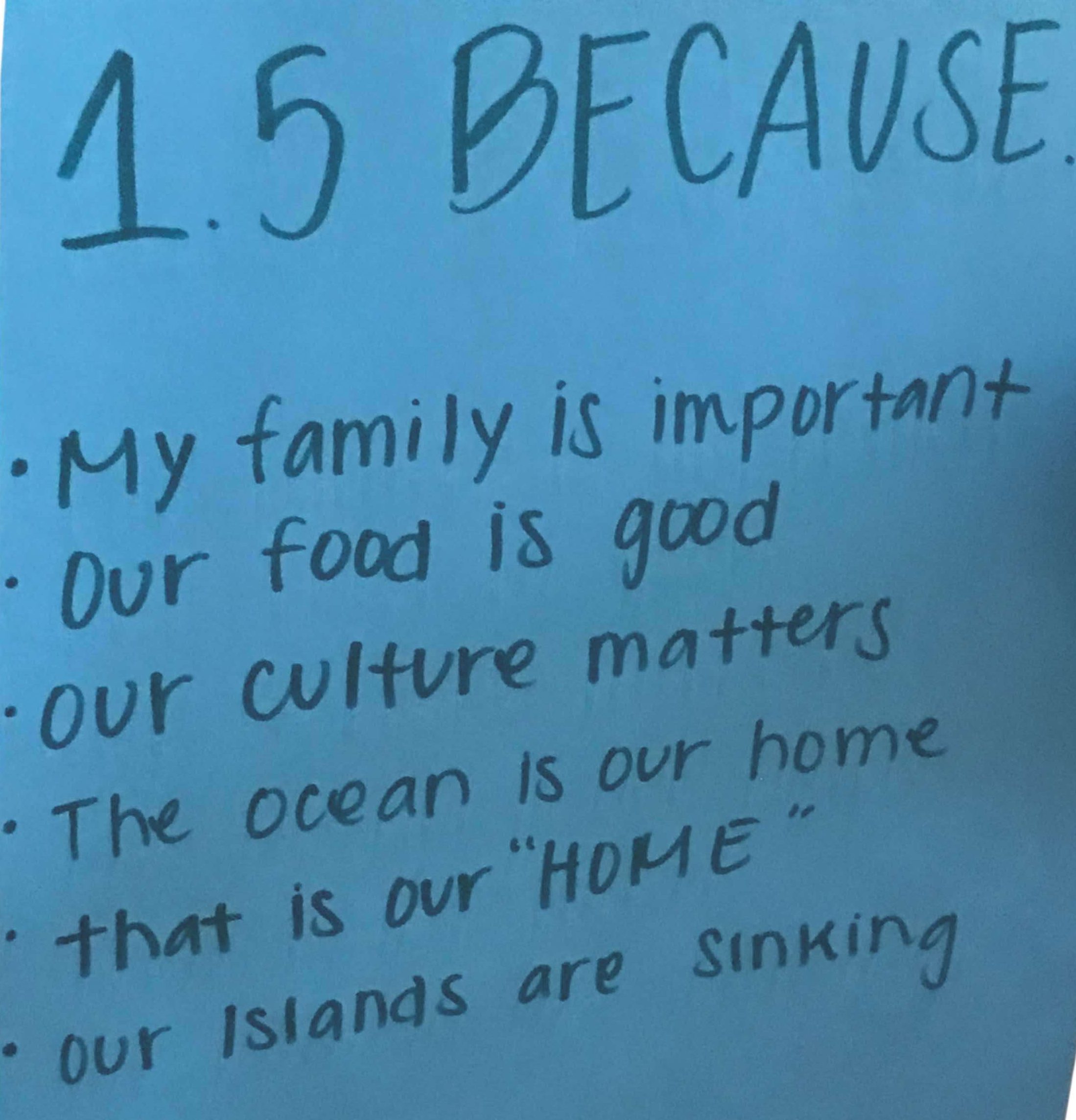
During the Global Climate Strike on Sept. 20, 2019, the Pacific Climate Warriors in Portland showed up at their rally carrying their identity with pride and speaking their truths as Pacific islanders fighting for their homes.
Continue reading
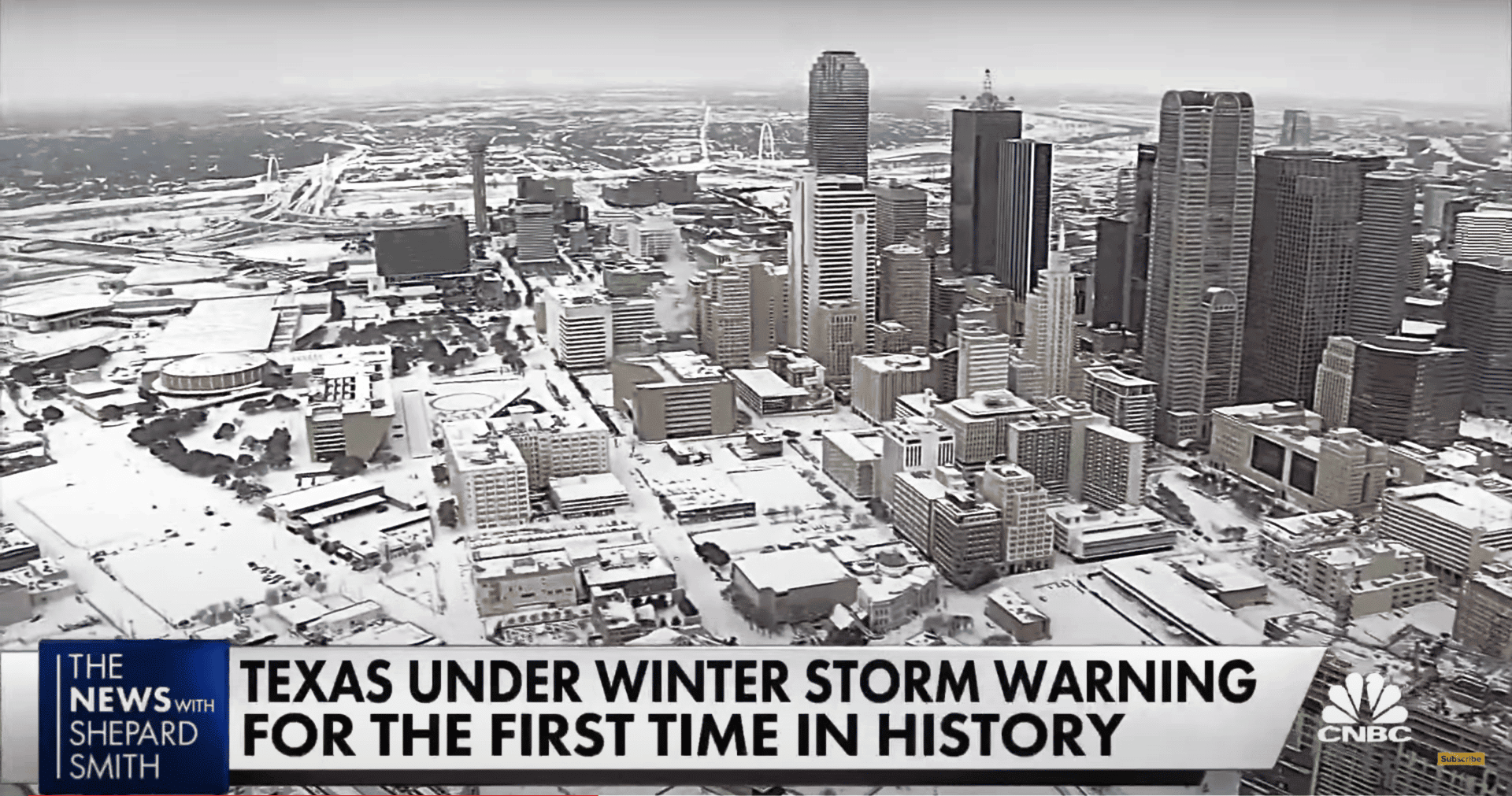
Extreme weather events like those that plunged huge swathes of the United States into freezing temperatures, darkness, danger, and fear in Feb. 2021 are becoming increasingly common.
Continue reading
In early March 2020, the World Health Organization declared the COVID-19 threat to be great enough to warrant labeling it a pandemic.
Continue reading
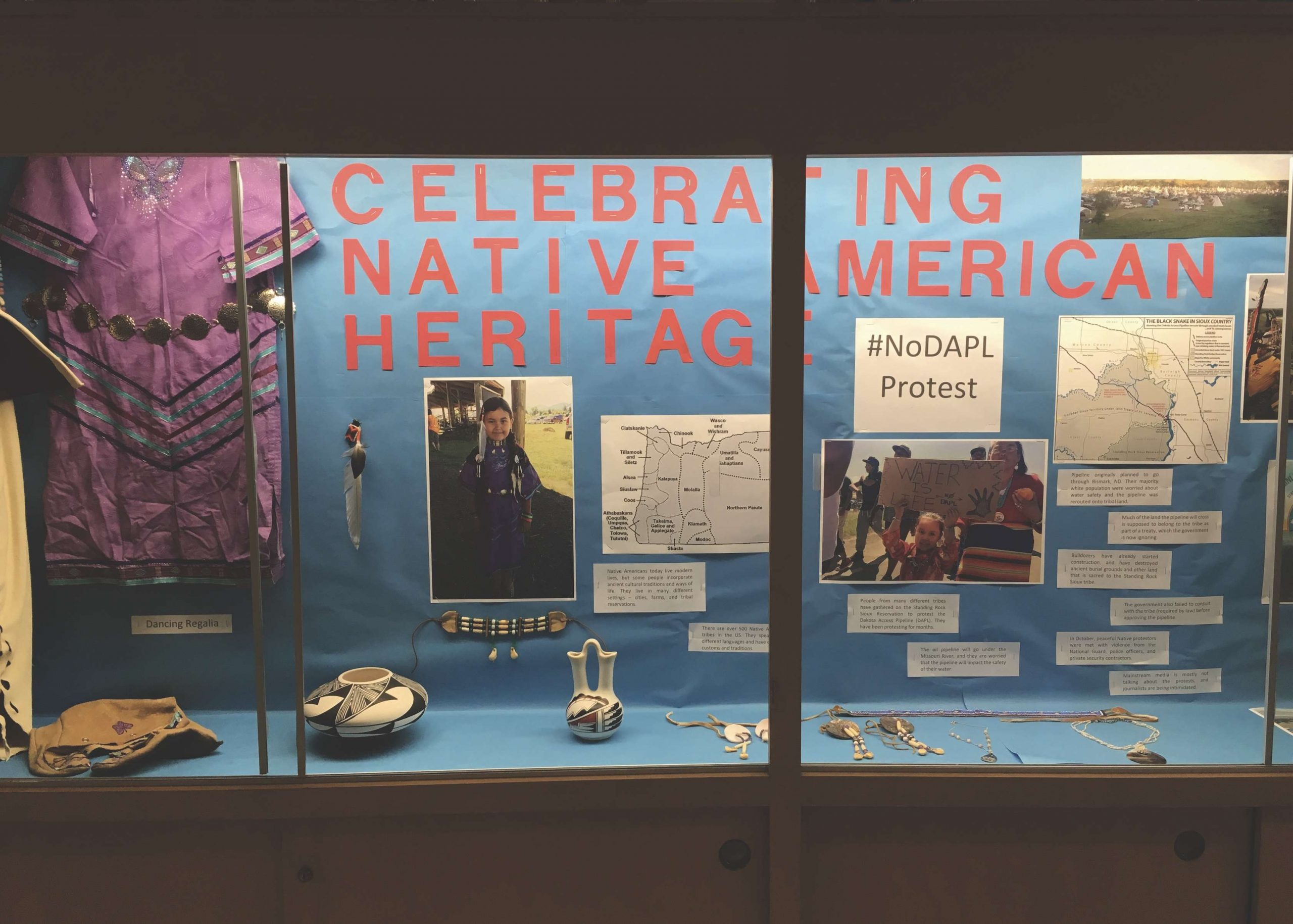
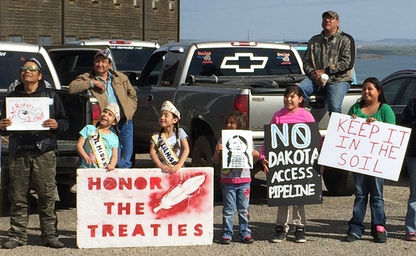
The Standing Rock Sioux and allies founded a Spirit Camp along the proposed route of the Bakken oil pipeline, Dakota Access to protest the route's construction, and to raise awareness of its threat.
Continue reading
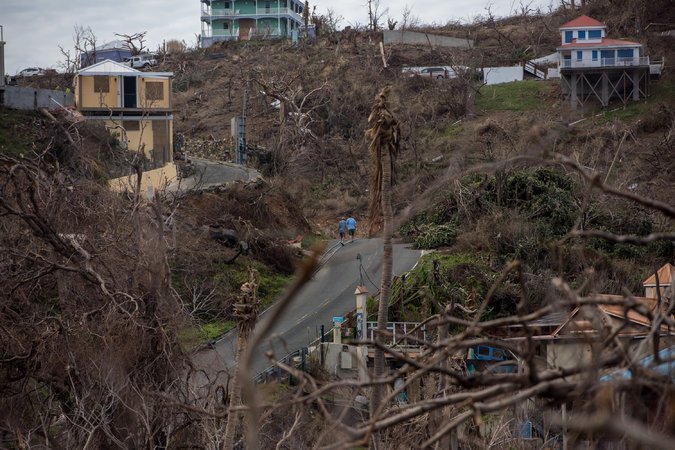
The Virgin Islands were hit by Hurricane Irma. Also, on #tdih in 1928, Hurricane Okeechobee formed and hit Puerto Rico and Florida soon in mid-September.
Continue reading
Profile.
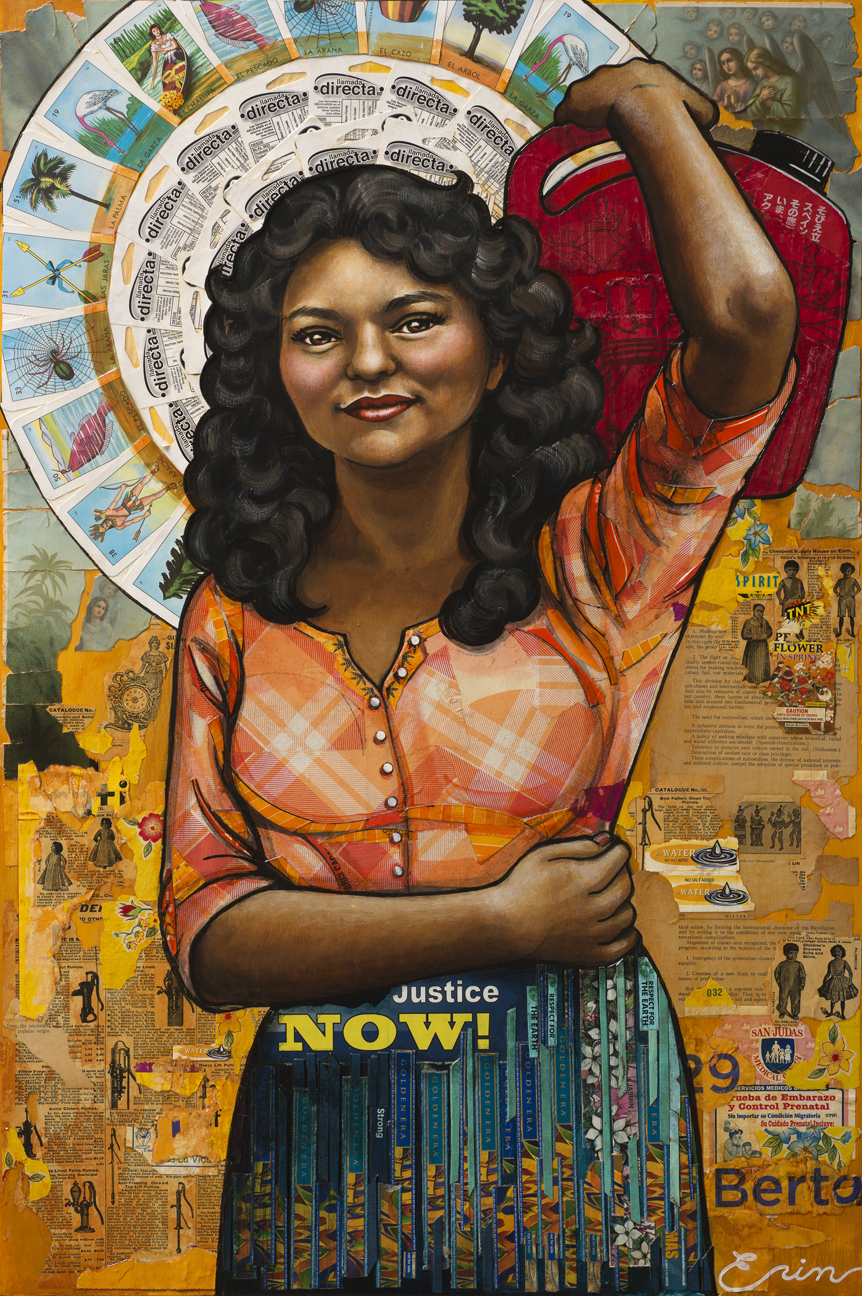
Overview and related resources about Honduran environmental activist Berta Cáceres.
Continue reading
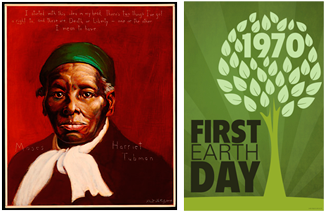
Wangari Maathai was awarded the Nobel Peace Prize for her work on the environment and founded the Greenbelt Movement.
Continue reading
A teacher describes how he uses two lessons from the Zinn Education Project to connect The Grapes of Wrath to issues of farming, climate change, and unionizing that students are still experiencing today.
Continue reading
Teaching Activity. By Bill Bigelow. Rethinking Schools. 15 pages.
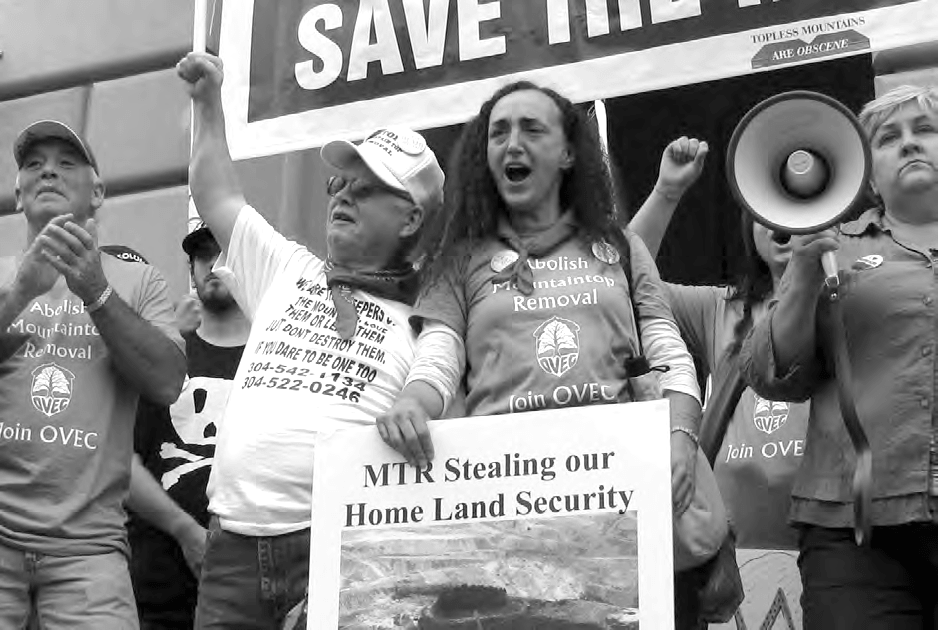
Using chocolate chip cookie "mining," this lively activity takes a critical look at how the coal industry teaches the impact of coal mining.
Continue reading