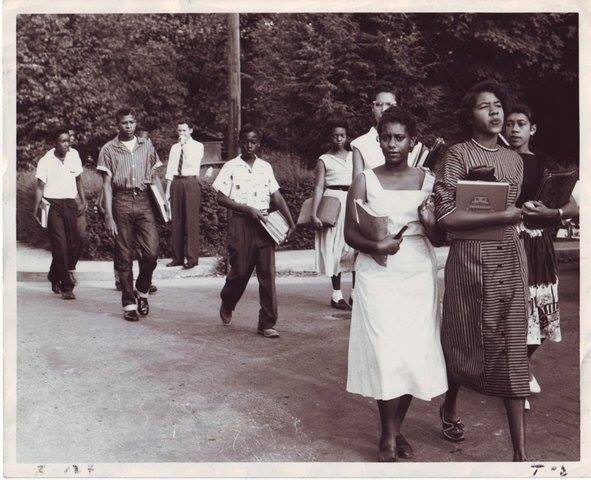
The White Citizens Council and Ku Klux Klan launched full-scale rioting in Clinton, Tennessee in response to school desegregation.
Continue reading
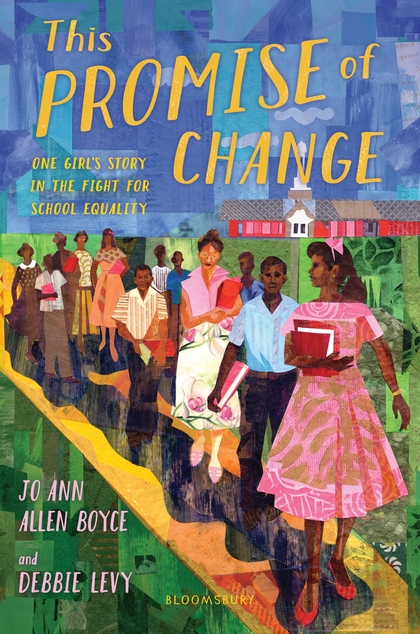
Book — Non-fiction. By Jo Ann Allen Boyce and Debbie Levy. 2019. 320 pages.
Told from the perspective of Jo Ann Allen, this book tells the story of twelve Black students who integrated Clinton High School in Tennessee in 1956.
Continue reading
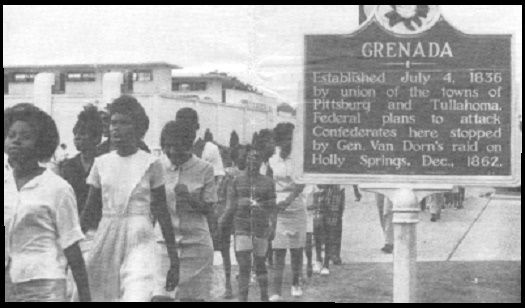
The Grenada, Mississippi school board shuttered school instead of opening its doors to registered Black students.
Continue reading
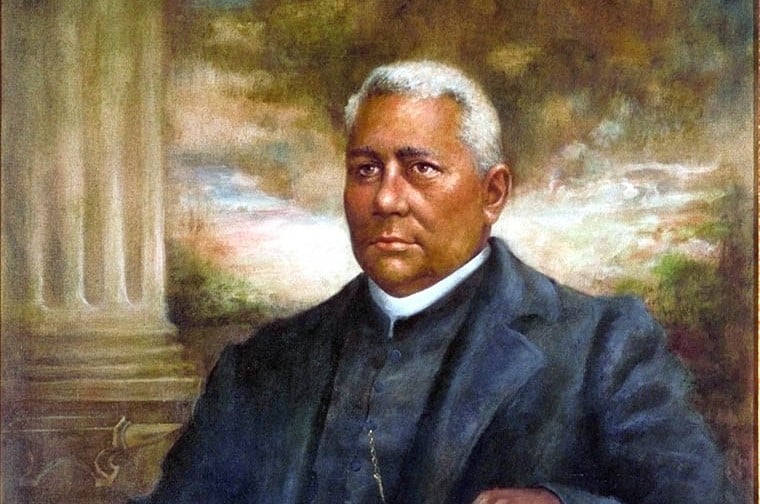
Henry McNeal Turner addressed the Georgia Legislature on its decision to expel all Black representatives.
Continue reading
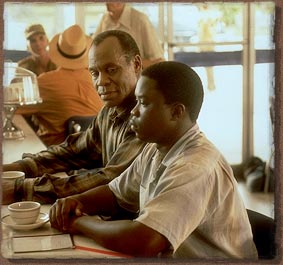
Film. By Phil Alden Robinson. 2006. 117 minutes.
Based on the actual history of the Student Nonviolent Coordinating Committee (SNCC), student activism, and voter registration in McComb, Mississippi, during the Civil Rights Movement.
Continue reading
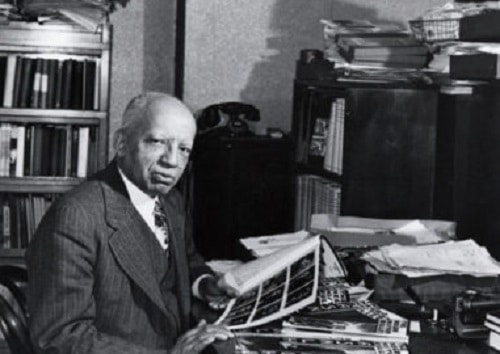
ASALH was established by Carter G. Woodson and Jesse E. Moorland.
Continue reading
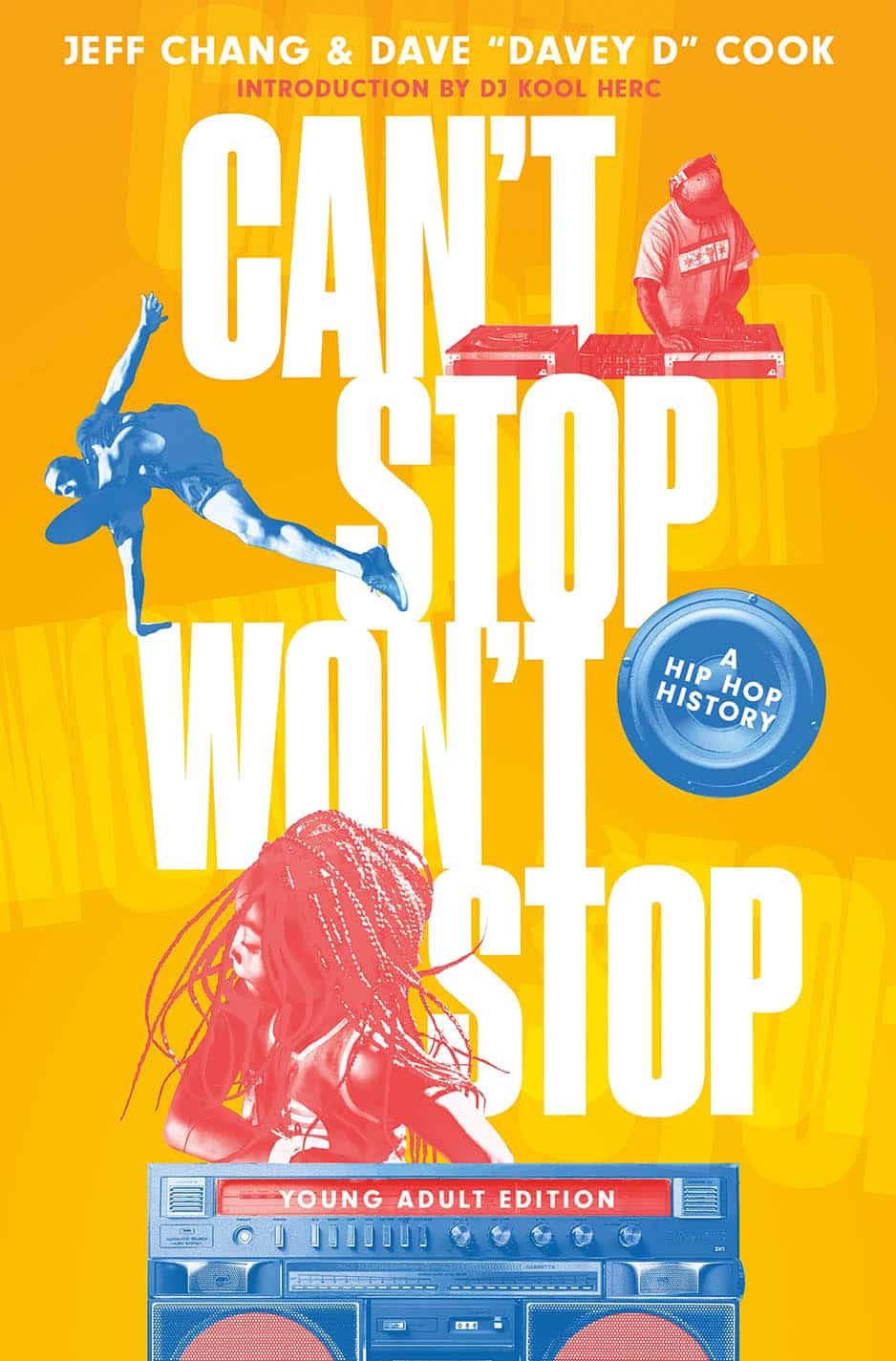
Book — Non-fiction. By Jeff Chang and Davey D Cook. 2021. 352 pages.
An essential guide for understanding hip-hop music and culture.
Continue reading
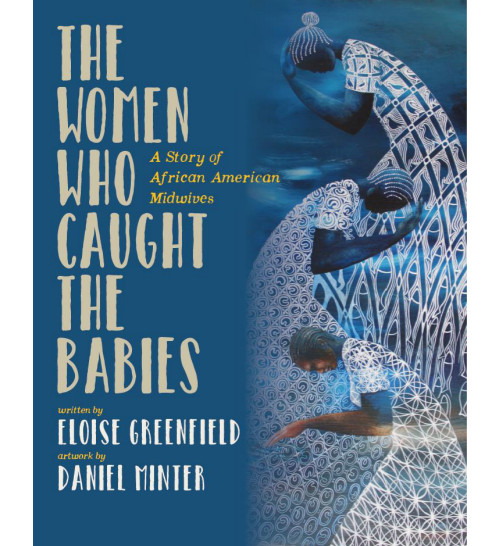
Picture book. By Eloise Greenfield. Illustrated by Daniel Minter. 2019. 32 pages.
This unique picture book begins with historical background on the work of midwives and then switches to poetry to tell vignettes from lives of midwives during slavery, emancipation, and today.
Continue reading
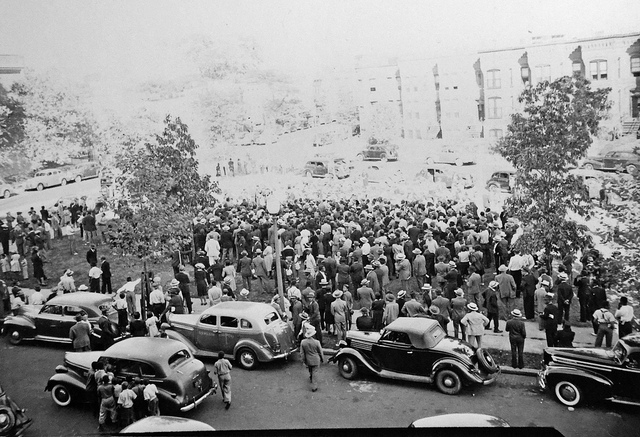
Following years of organizing against police brutality, four marches from different points in the city of Washington, D.C. converged at 10th and U Streets NW.
Continue reading
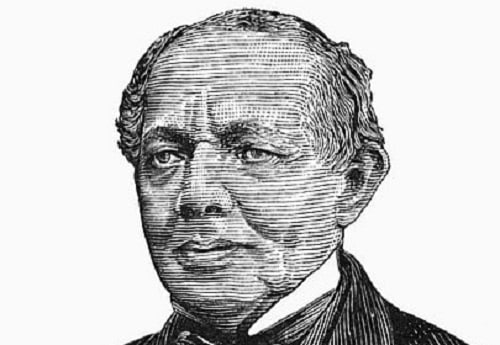
William Whipper published “An Address on Non-Resistance to Offensive Aggression.”
Continue reading
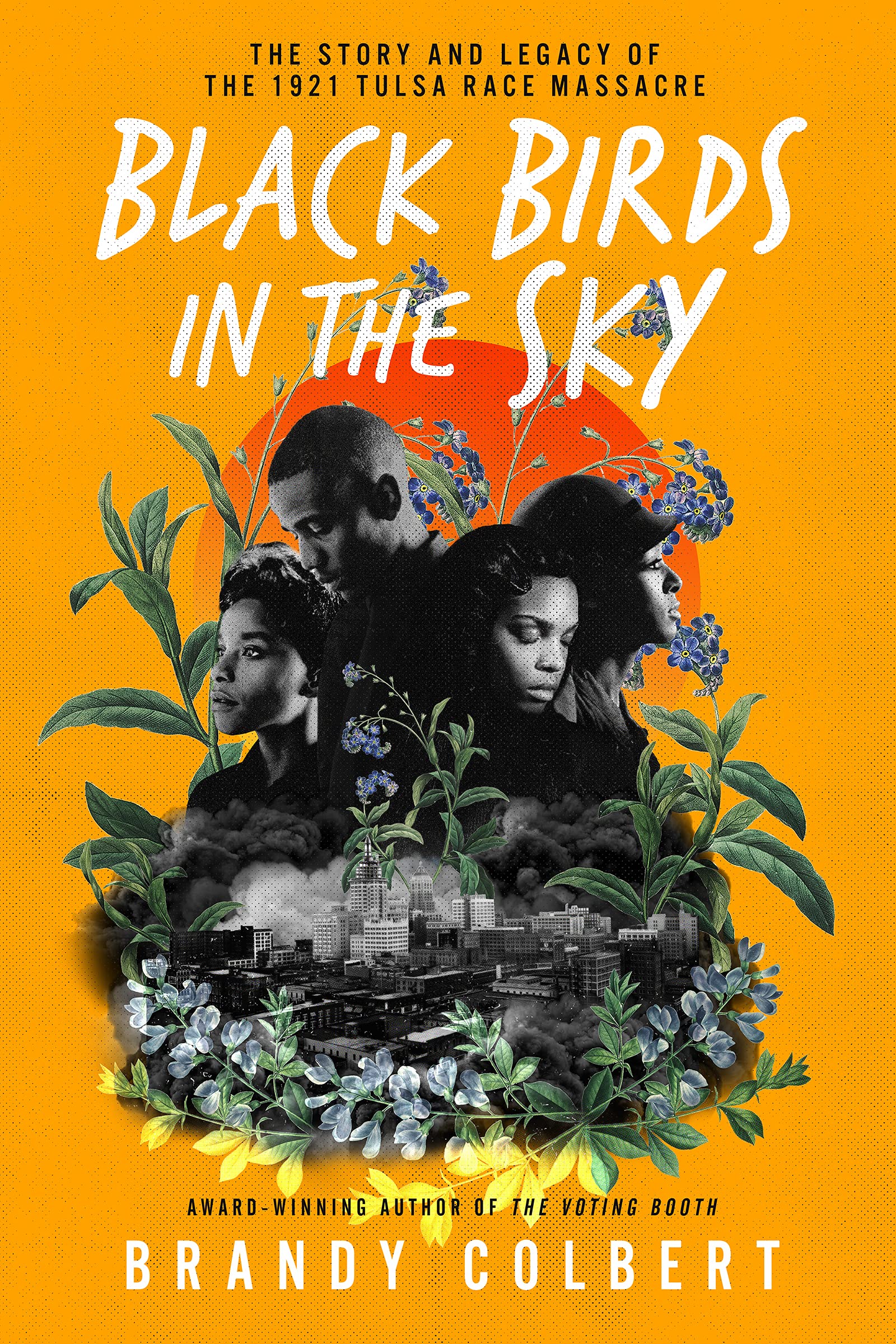
Book — Non-fiction. By Brandy Colbert. 2021. 216 pages.
History of Oklahoma including Trail of Tears, Reconstruction, Black towns, Red Summer, Jim Crow, Black and white newspapers, lynchings, Tulsa Race Massacre, and the ongoing fight for reparations and historical memory.
Continue reading
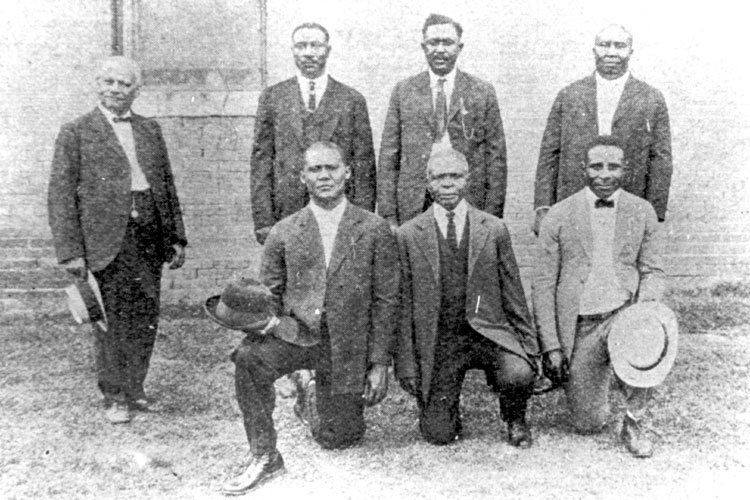
Forty African Americans, elected by communities in nine states, met in Philadelphia, Pennsylvania in 1830 to organize for improving the lives of Black people in North America. That week, they founded the National Colored Conventions movement and held its first official series of formal meetings.
Continue reading
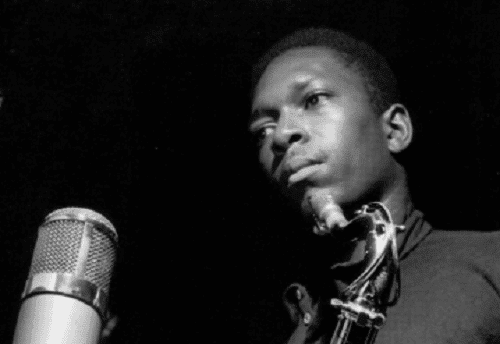
John Coltrane was born. Also born #tdih: Mary Church Terrell (1863), Ray Charles (1930), and Bruce Springsteen (1949).
Continue reading
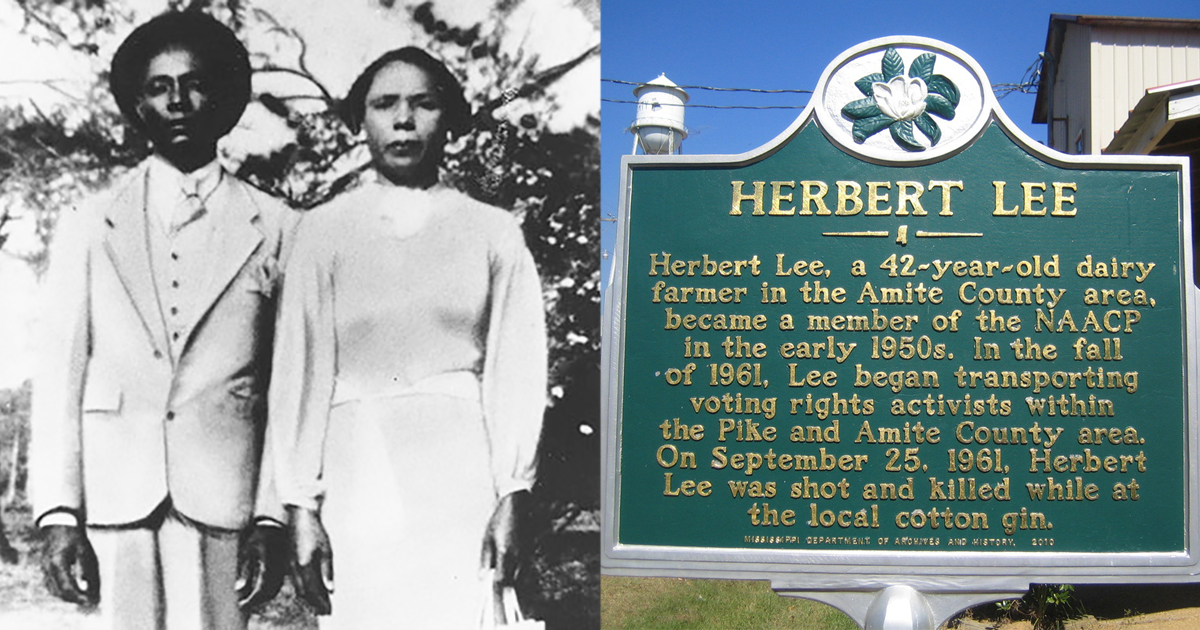
Herbert Lee, a farmer who helped voting rights activists, was murdered by a Mississippi state legislator in broad daylight.
Continue reading
Black farmers were massacred in Elaine, Arkansas for their efforts to fight for better pay and higher cotton prices. A white mob shot at them, and the farmers returned fire in self-defense. Estimates range from 100-800 killed, and 67 survivors were indicted for inciting violence.
Continue reading
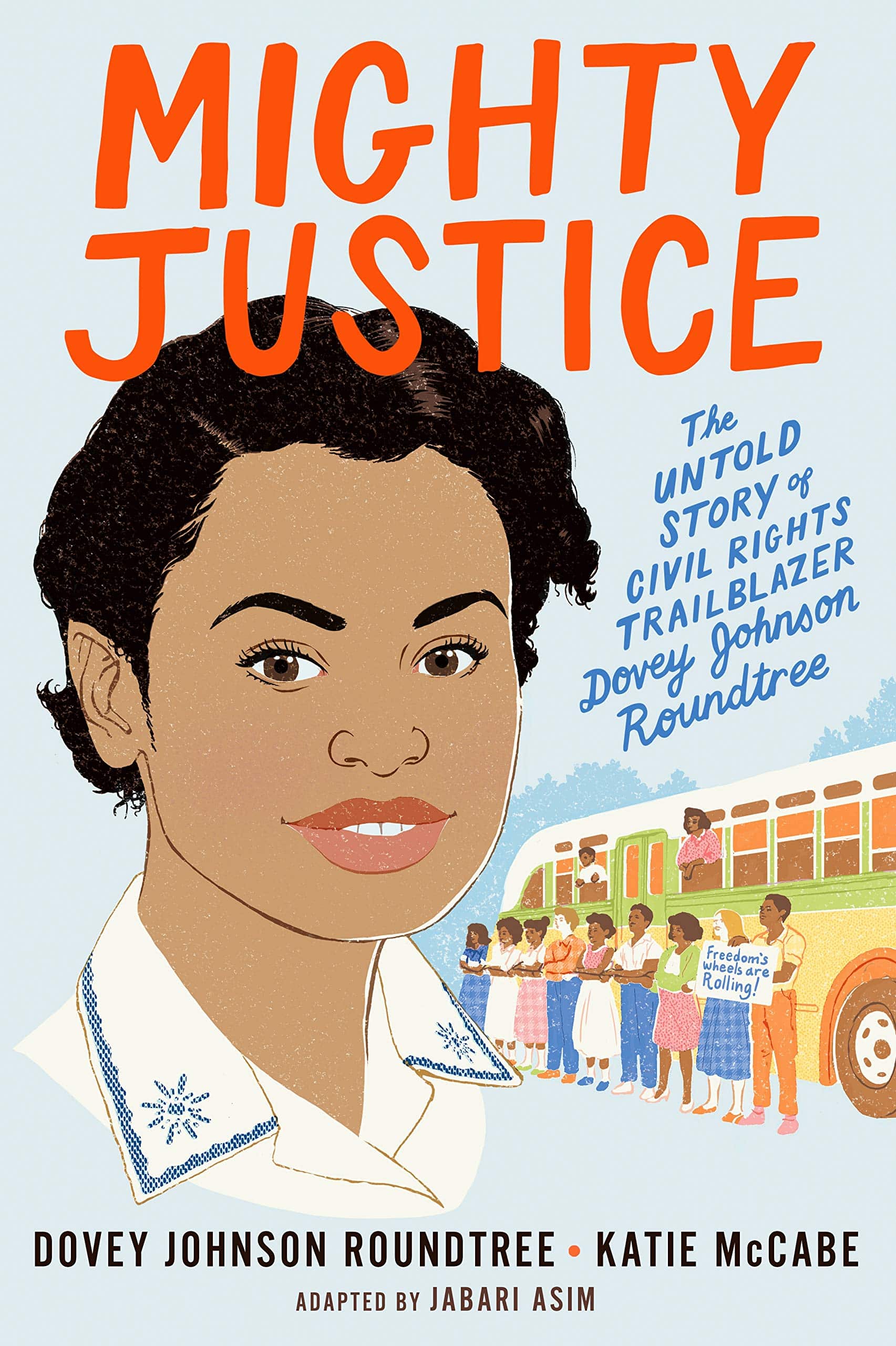
Book — Non-fiction. By Katie McCabe and Jabari Asim. 2020. 208 pages.
A young readers' adaptation of Mighty Justice: My Life in Civil Rights, the memoir of activist lawyer Dovey Johnson Roundtree.
Continue reading
An uprising took place at a Washington, D.C. jail to protest conditions.
Continue reading
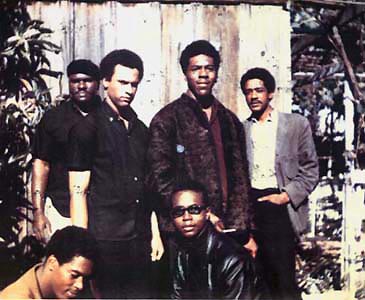
The Black Panther Party sought justice for African Americans and other oppressed communities through a combination of revolutionary theory, education, and community programs.
Continue reading
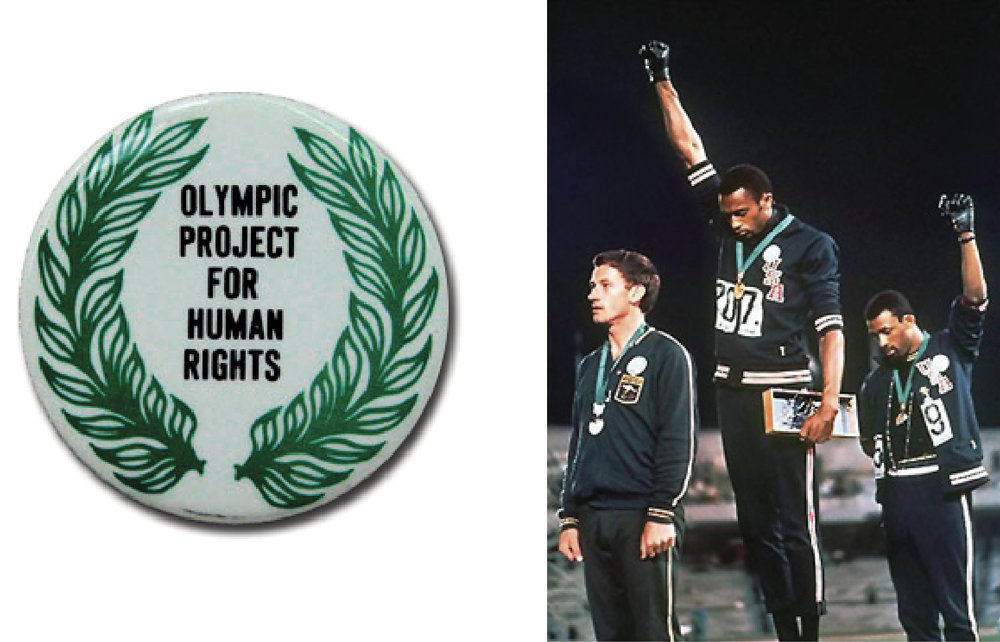
Tommie Smith and John Carlos made a symbolic protest while the U.S. national anthem was played in the Olympics.
Continue reading
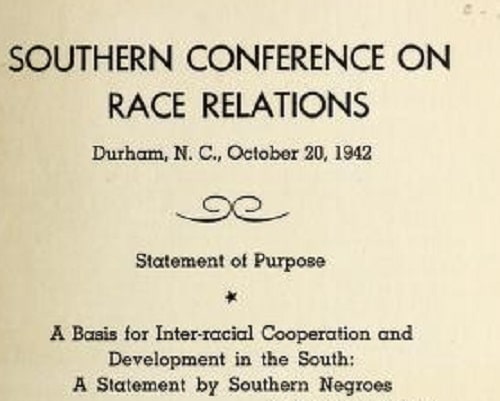
The Southern Conference on Race Relations (SCRR) was held in Durham, North Carolina to address dichotomy between African American soldiers fighting overseas in the name of democracy while in the U.S. they were facing racial violence and being denied basic human rights.
Continue reading
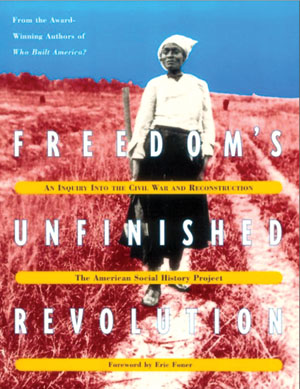
Teaching Guide. By American Social History Project with foreword by Eric Foner. 1996.
Primary documents, essays, and questions to teach the untold story of Reconstruction.
Continue reading
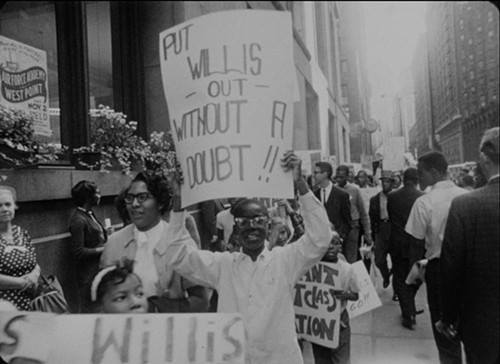
The Chicago Public School Boycott, also known as Freedom Day, was a mass boycott and demonstration against the segregationist policies.
Continue reading
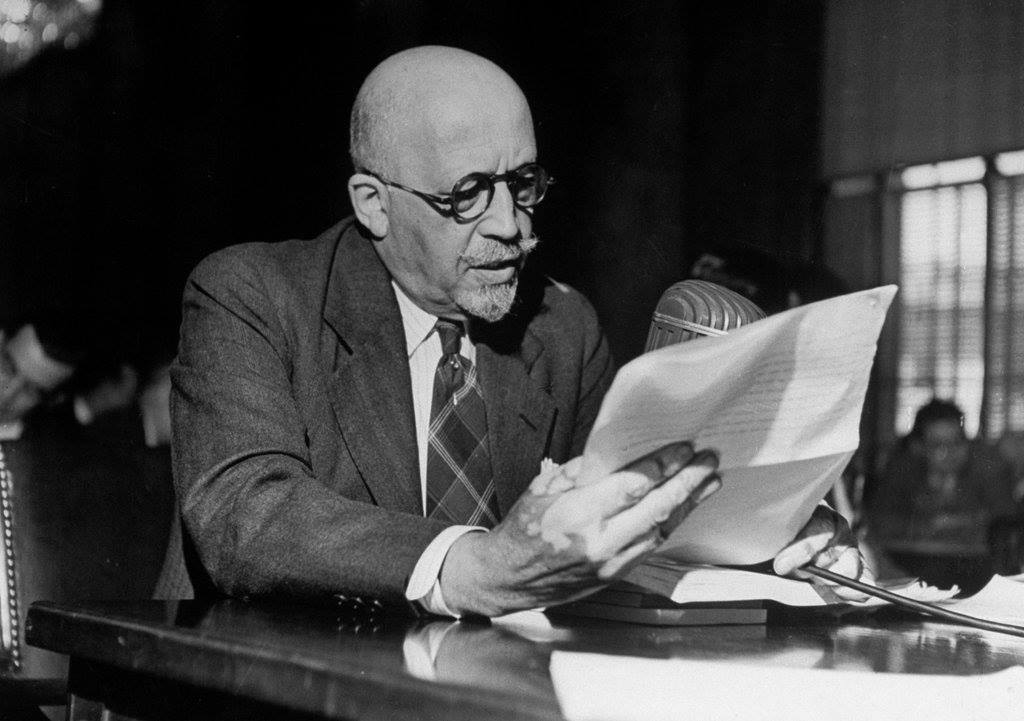
The NAACP sent to the U.N. a document titled “An Appeal to the World,” to redress human rights violations the United States committed against its African-American citizens.
Continue reading
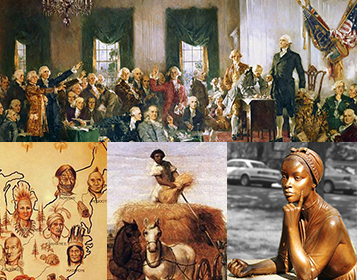
Teaching Activity. By Bill Bigelow. 24 pages.
The U.S. Constitution endorsed slavery and favored the interests of the owning classes. What kind of Constitution would have resulted from founders who were representative of the entire country? That is the question addressed in this role play activity.
Continue reading
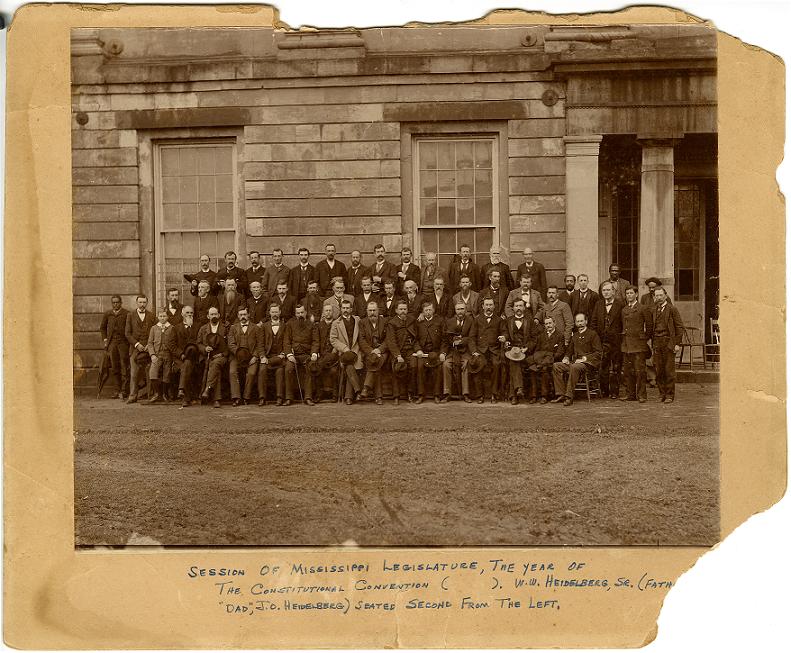
Mississippi adopted a state constitution with poll tax and literacy tests to roll back the gains of the Reconstruction era.
Continue reading