Henry E. Hayne was the first Black student to be accepted to the University of South Carolina’s medical school, a bold act which encouraged other Black students to apply. By 1875, Black men comprised the majority of the student body.
Continue reading
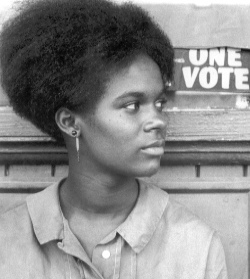
Profile.
Summer initiative to register African American voters in Mississippi.
Continue reading
Approximately ninety-six Africans held captive on the British slave ship Little George revolted against the ship’s captain and crew, eventually taking control of the entire ship.
Continue reading
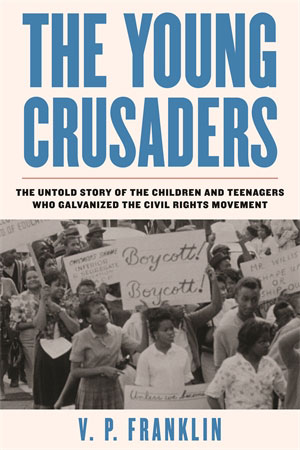
Book — Non-fiction. By V. P. Franklin. 2021. 328 pages.
This books tells the story of the hundreds of thousands of children and teenagers who engaged in sit-ins, school strikes, boycotts, marches, and demonstrations in which Dr. Martin Luther King Jr. and other national civil rights leaders played little or no part.
Teaching Activity by V. P. Franklin
Continue reading
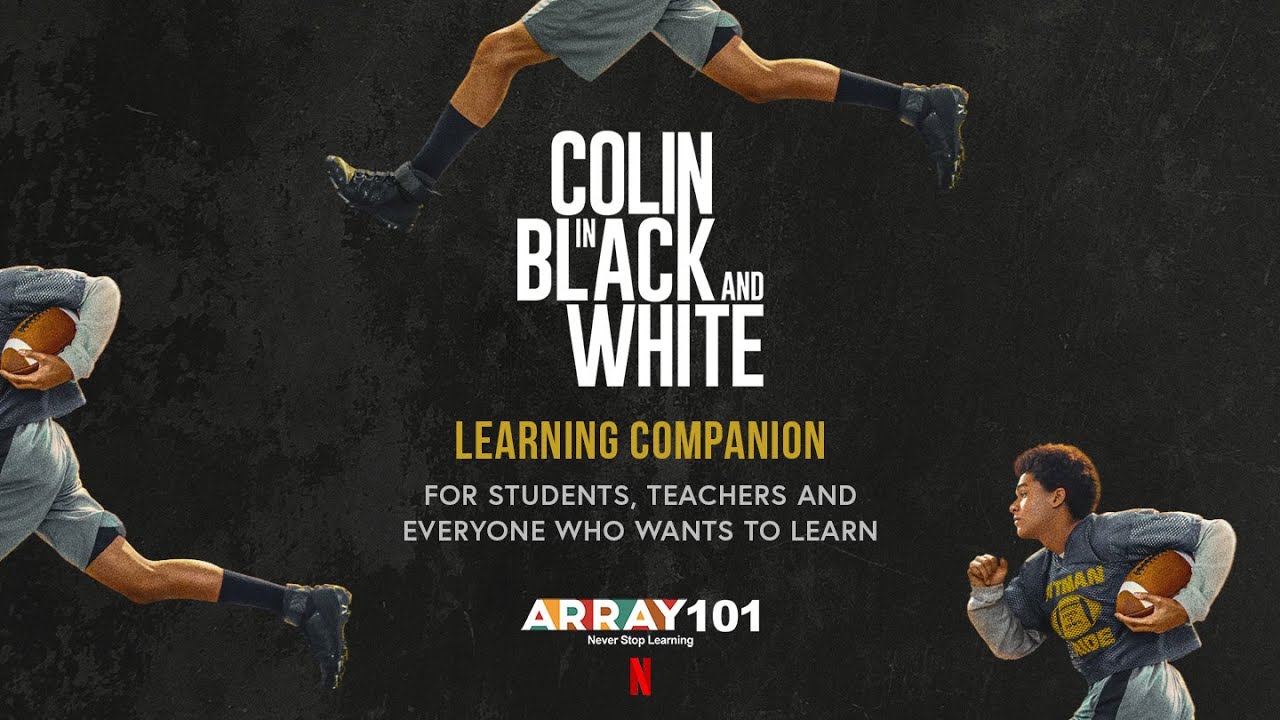
Teaching Guide. Presented by Ra Vision Media & Know Your Rights Camp. 2022. 85 pages.
In conjunction with the Netflix series of the same name, this teaching guide provides students with resources and activities to understand and address systemic and institutional racism.
Continue reading
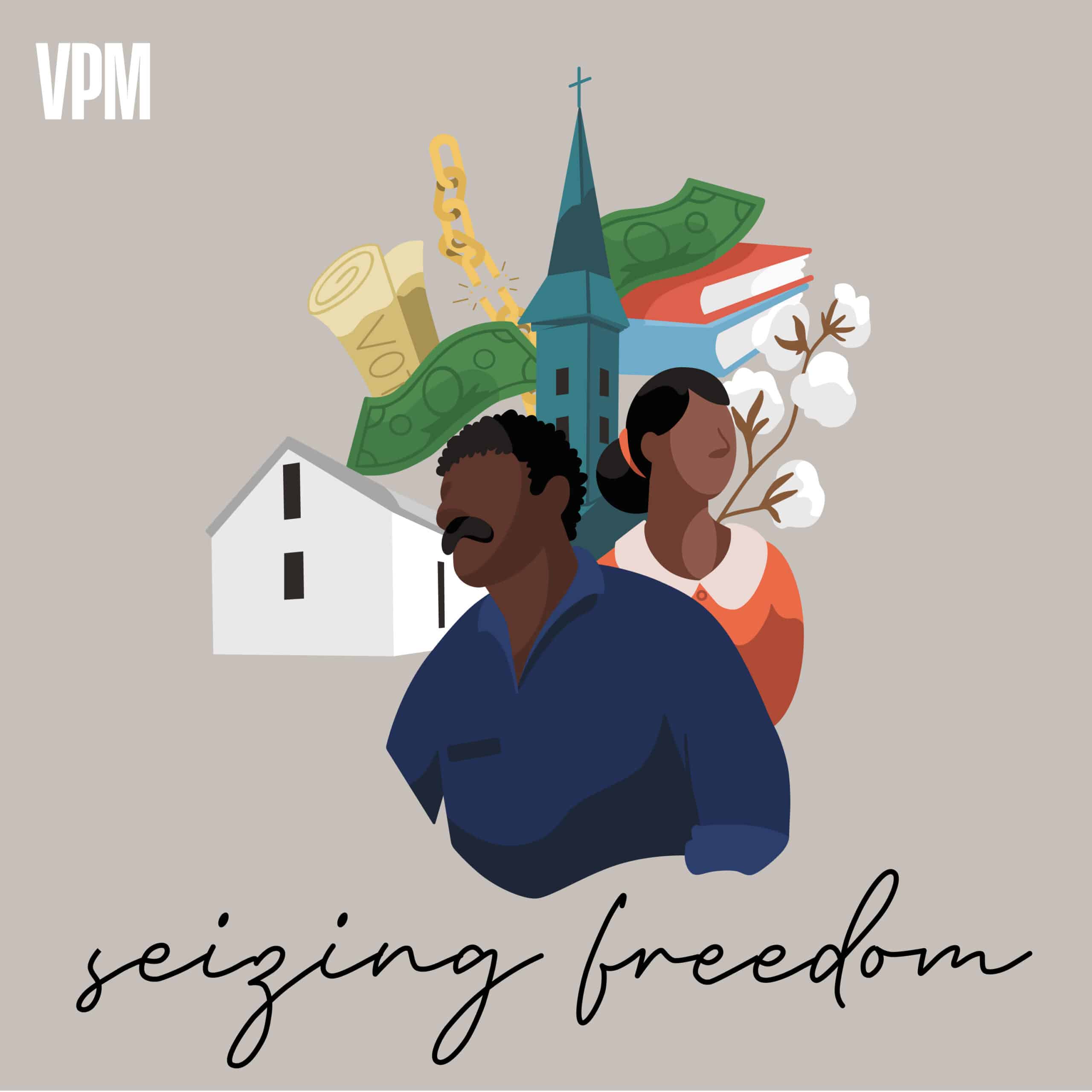
To facilitate bringing the Seizing Freedom podcast to the classroom, we are sharing teaching ideas for selected episodes, beginning with "A Powerful Black Hand."
Continue reading
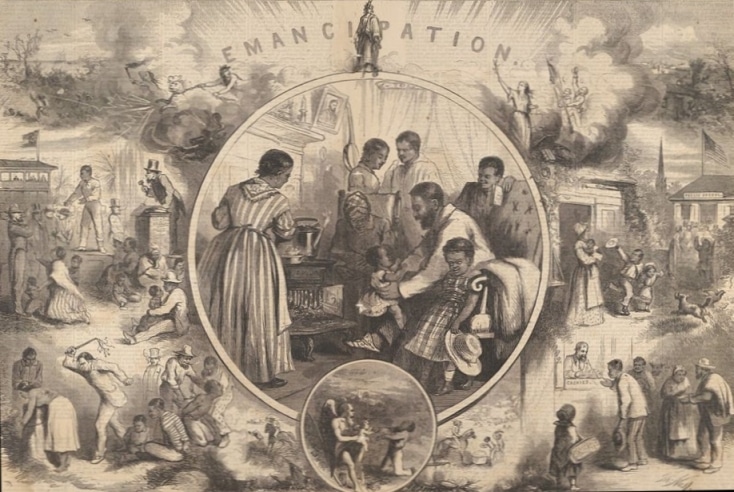
Digital collection. Documents that help explain how Black people traversed the bloody ground from slavery to freedom between the beginning of the Civil War in 1861 and the beginning of Reconstruction in 1867.
Continue reading
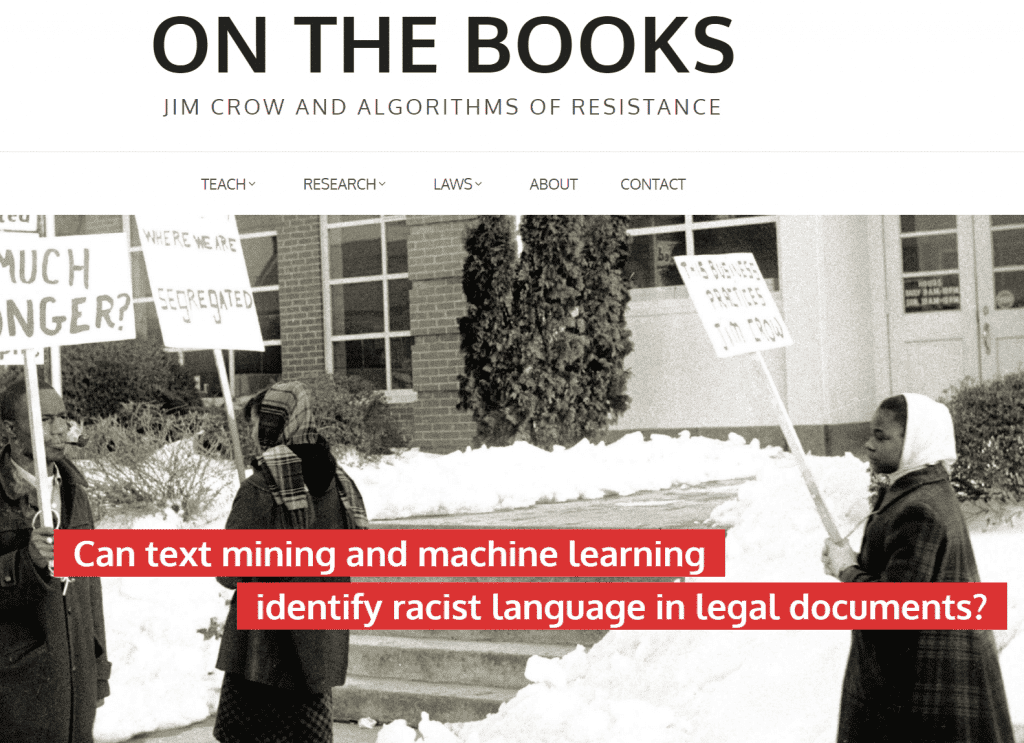
Digital collection. Collections as data and machine learning project examining Jim Crow and racially-based legislation signed into law in North Carolina between Reconstruction and the Civil Rights Movement.
Continue reading
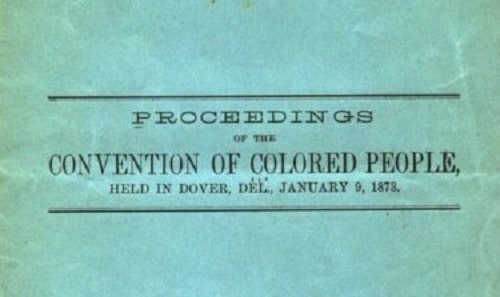
During Reconstruction, Delaware’s Convention of Colored People gathered in Dover to discuss and demand state provisions to educate their children.
Continue reading
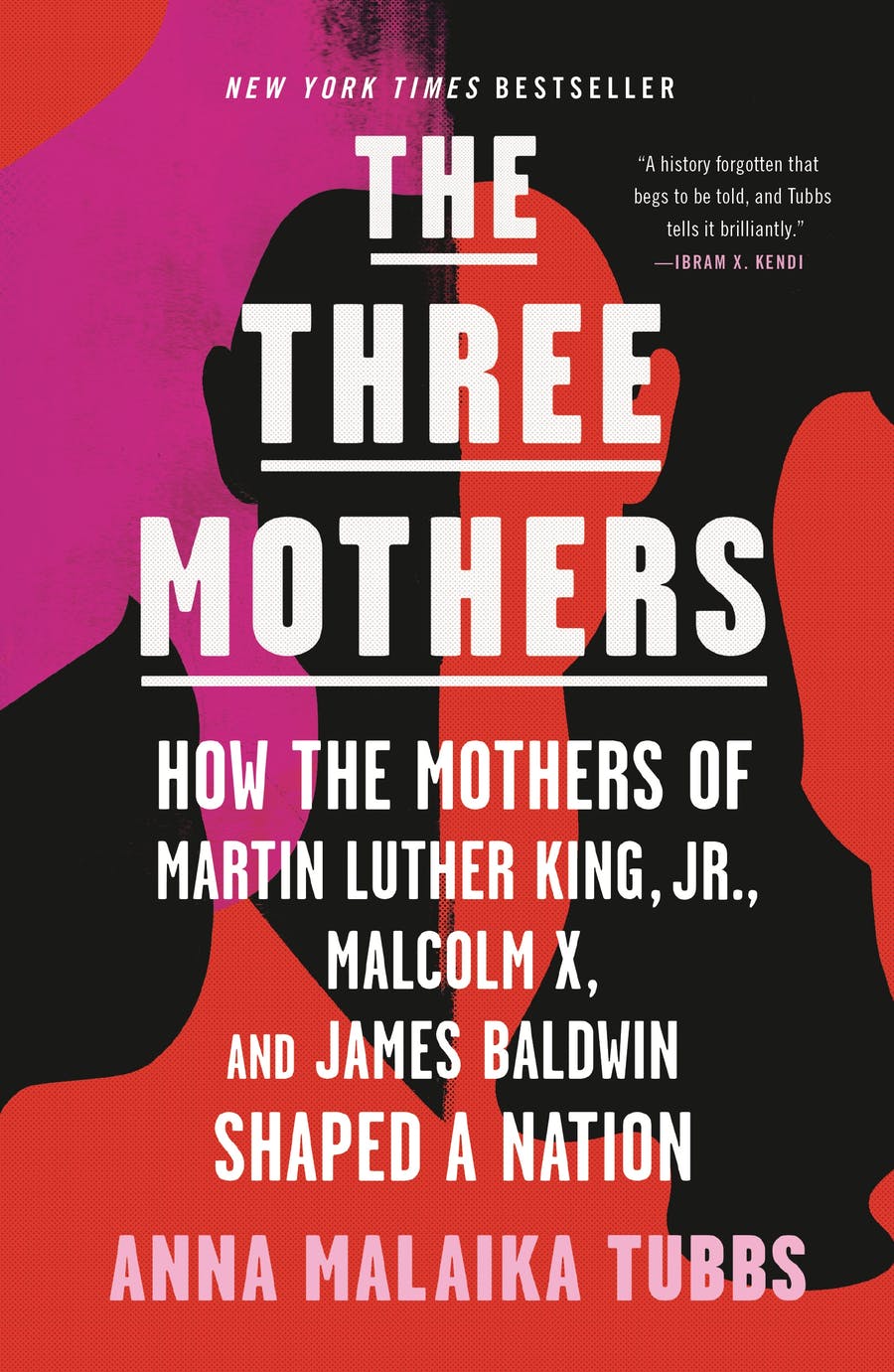
Book — Non-fiction. By Anna Malaika Tubbs. 2021. 288 pages.
This book details the lives of Berdis Baldwin, Alberta King, and Louise Little, the mothers of James Baldwin, Martin Luther King Jr., and Malcolm X, respectively.
Continue reading
Elias Thomson, an African American who lived in Spartanburg, South Carolina, bravely shared testimony detailing violence inflicted against him because he voted for the Republican ticket in the local election.
Continue reading
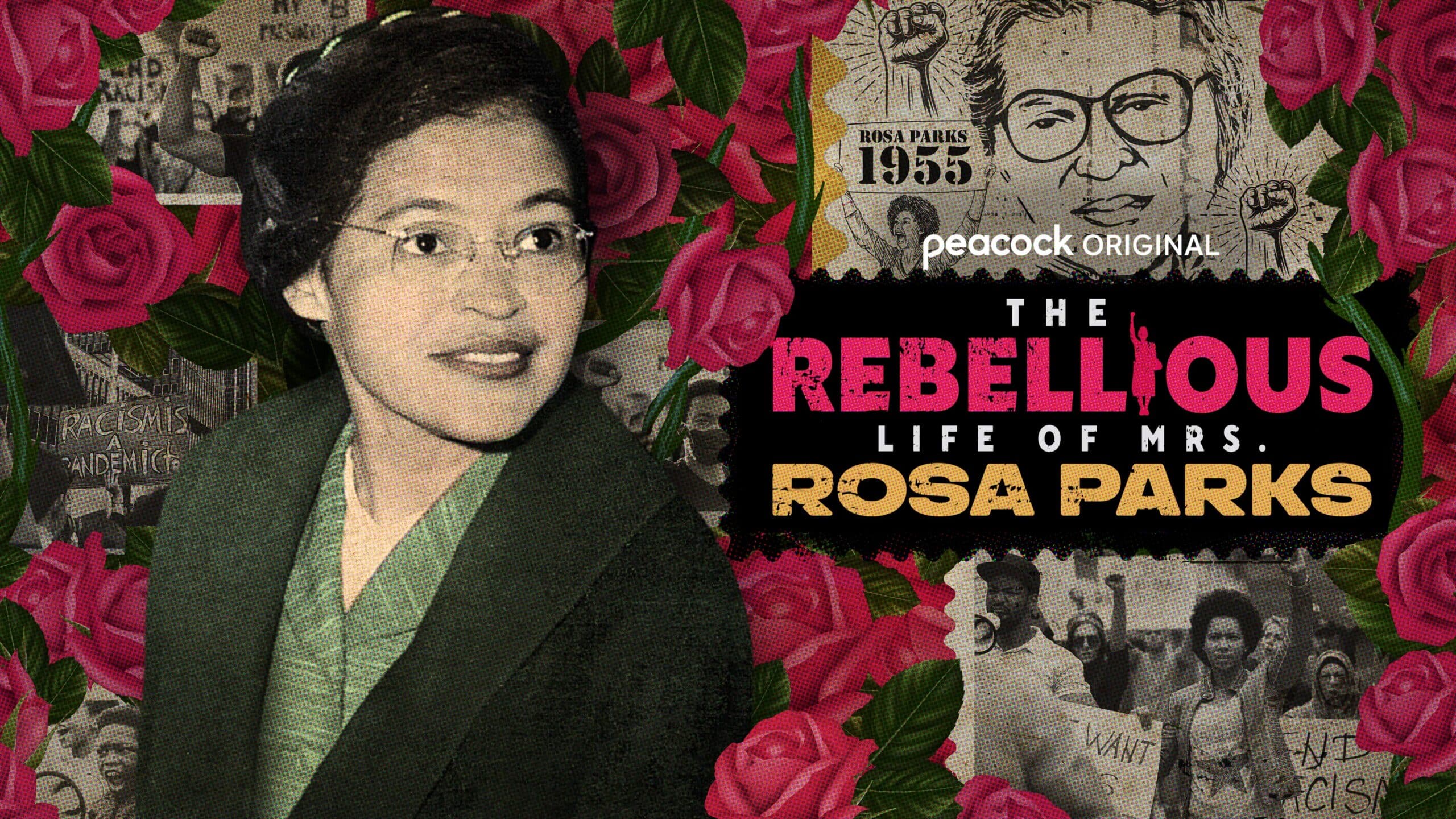
Film. Directed by Johanna Hamilton and Yoruba Richen. Produced by Soledad O’Brien. 2022. 101 minutes.
This documentary sheds light on Rosa Parks' extensive organizing, radical politics, and lifelong dedication to justice.
Continue reading
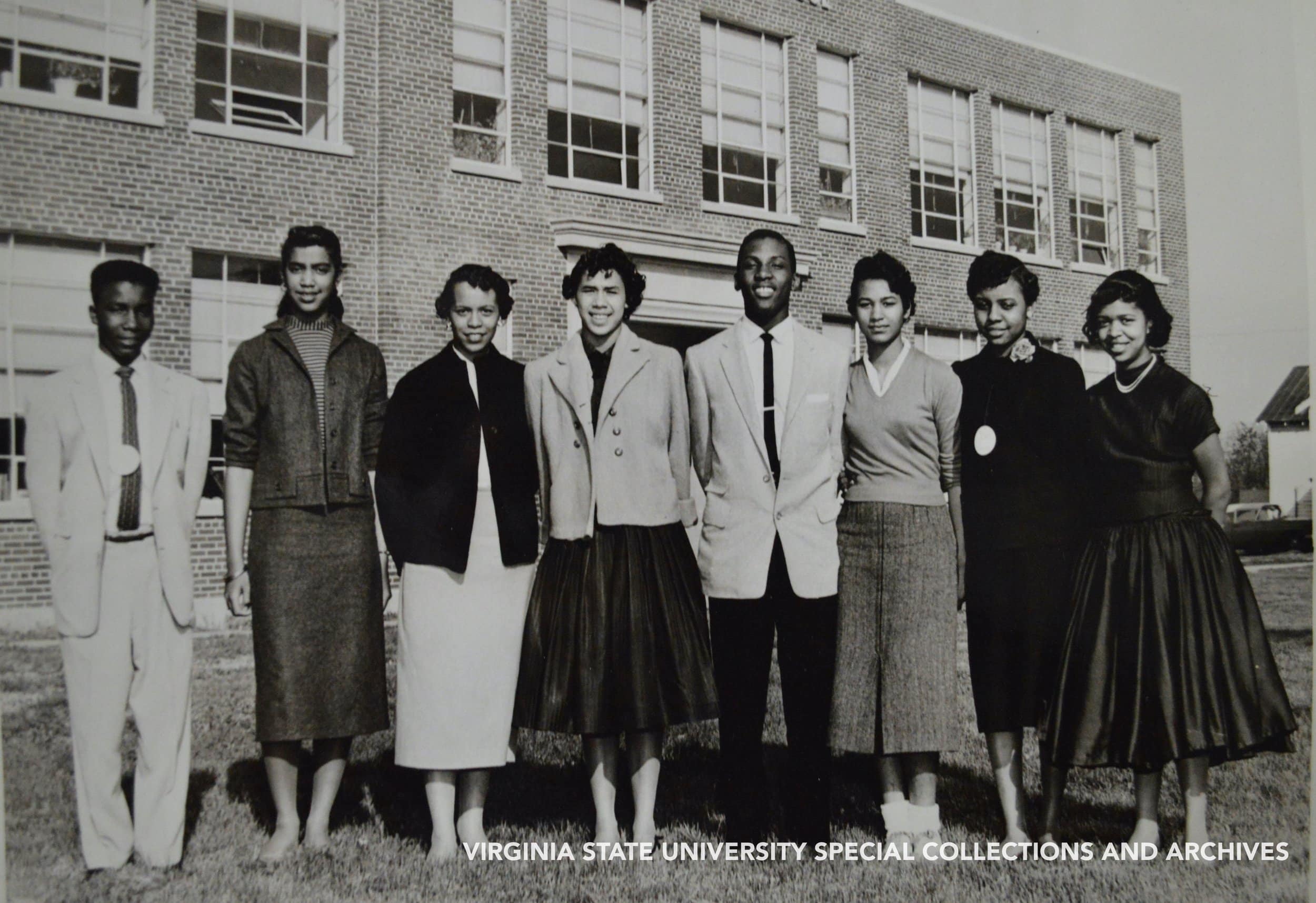
The Virginia Interscholastic Association (VIA) was established to provide African American high school students in Virginia with athletic, artistic, academic, and leadership opportunities unavailable to them in segregated schools.
Continue reading
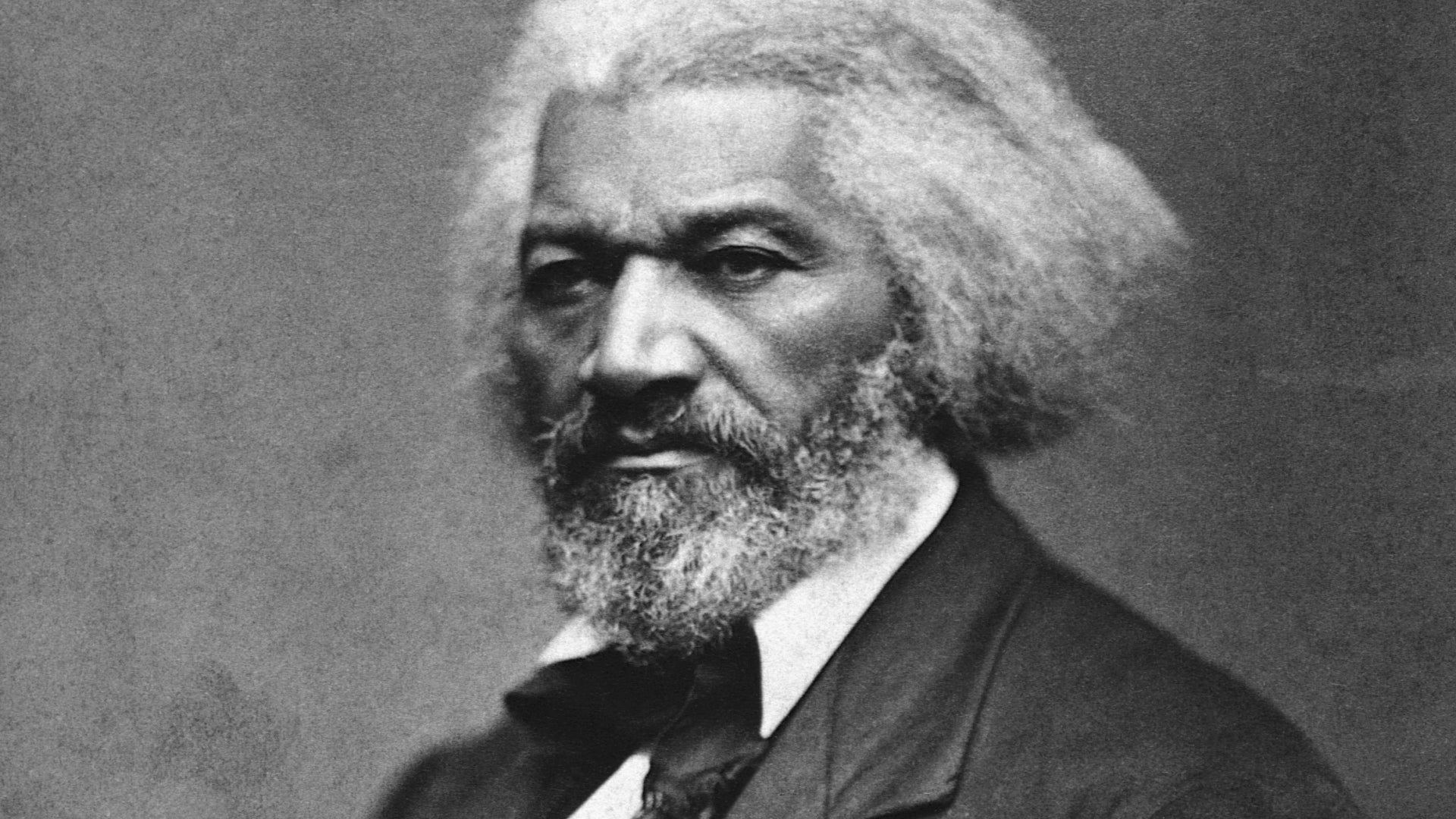
In this speech, Frederick Douglass denounced the Civil Rights Cases of 1883, in which the Supreme Court held that the Thirteenth and Fourteenth Amendments did not empower Congress to outlaw racial discrimination by private individuals.
Continue reading
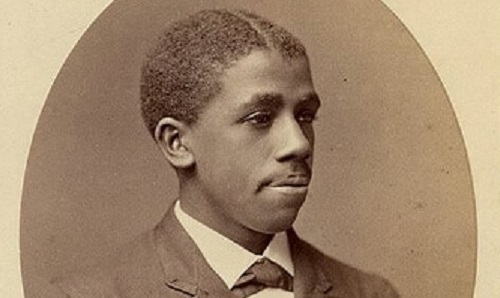
Edward Alexander Bouchet graduated from Yale University as the sixth person to receive a Ph.D. in physics in the United States.
Continue reading
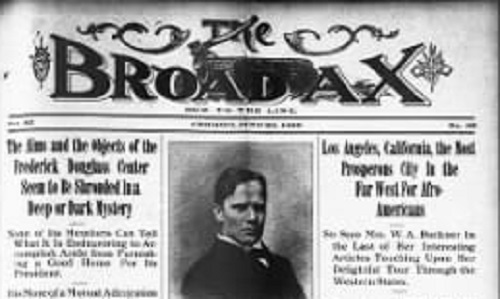
Julius Taylor founded and ran Broad Ax, a Utah-based Black newspaper which challenged commonly accepted beliefs about politics and religion at the end of the twentieth century.
Continue reading
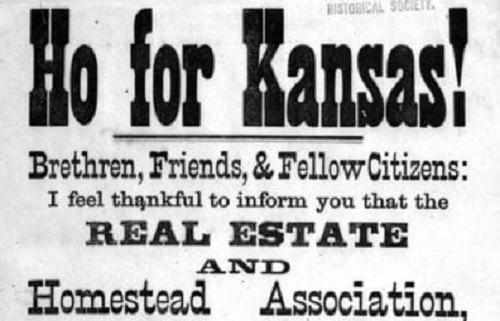
The Real Estate and Homestead Association helped organize travel and settlement for African Americans, “Exodusters,” who fled the South because of racial violence and “bulldozing” by white supremacist groups.
Continue reading
Six Black Kansans and a white developer created the Nicodemus Town Company. With the goal of establishing an all-Black settlement on the Great Plains, W. H. Smith and W. R. Hill advertised the town as a haven for Black migrants.
Continue reading
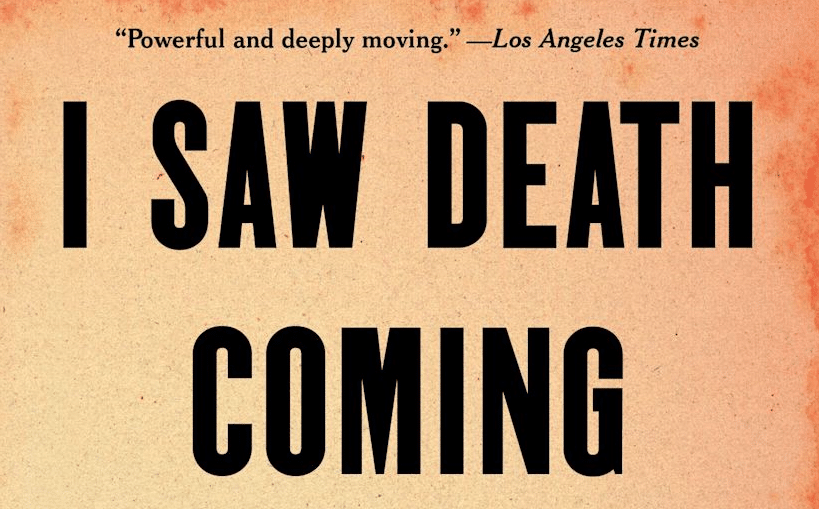
Book — Non-fiction. By Kidada E. Williams. 2024. 384 pages.
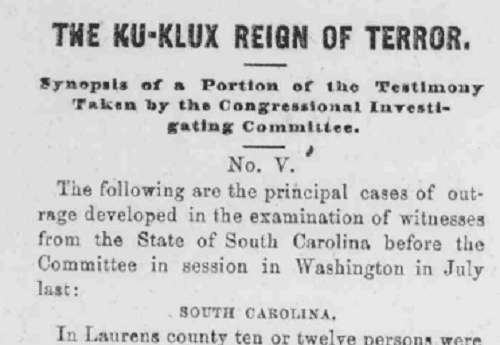
An account of the brutal white supremacist violence and terror that formerly enslaved people were faced with during Reconstruction.
Continue reading
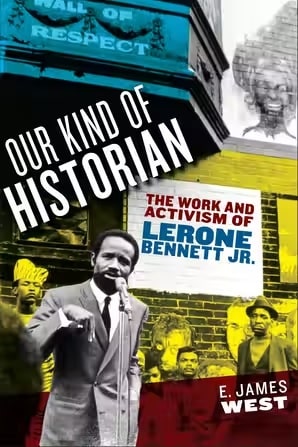
Book — Non-fiction. By E. James West. 2022. 328 pages.
This biography examines the life of historian and activist Lerone Bennett Jr. and his influence on African American culture and history.
Continue reading
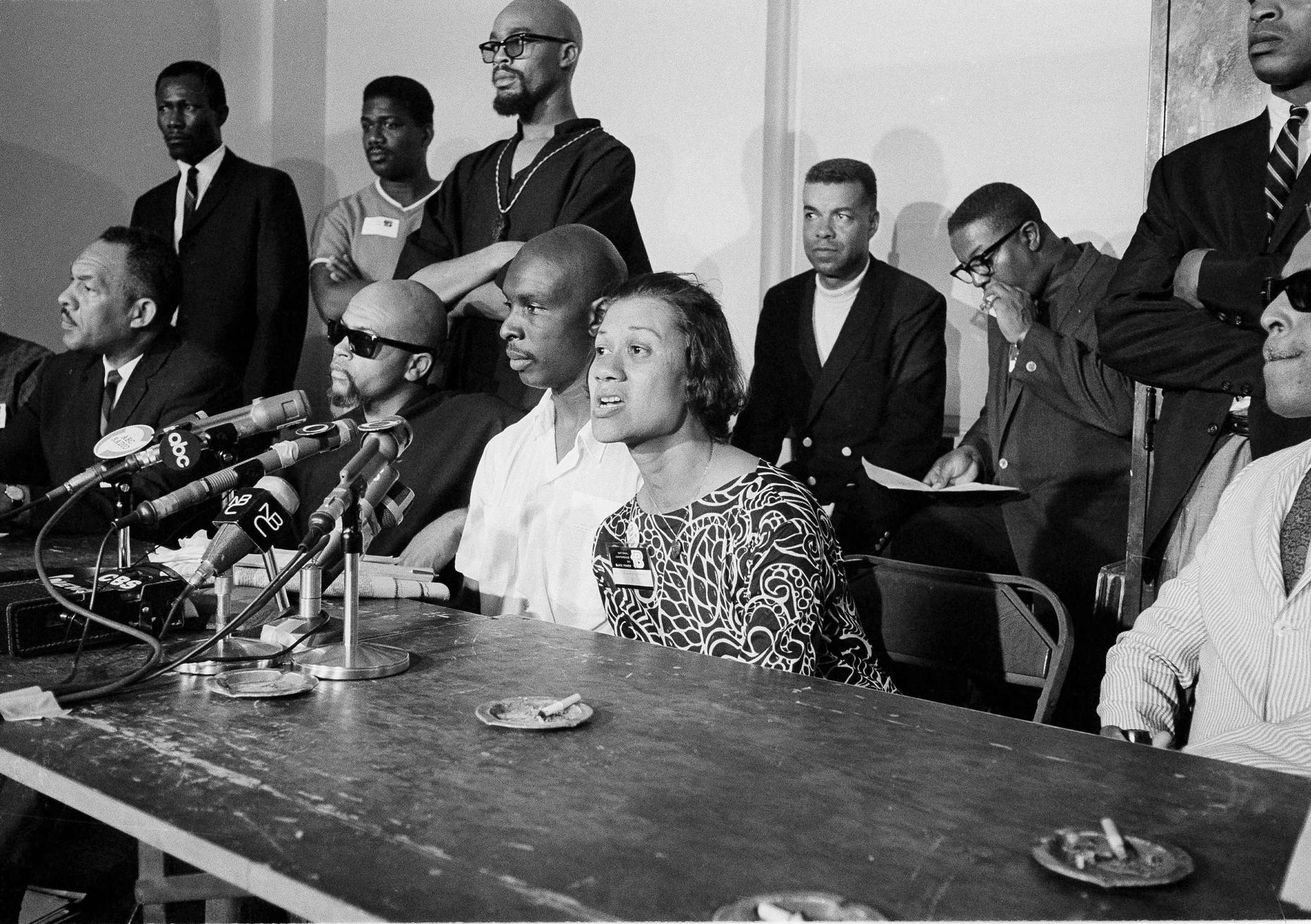
More than 1,000 delegates representing 286 organizations and institutions from 126 cities in 26 states, Bermuda, and Nigeria gathered at the National Conference on Black Power in Newark, New Jersey.
Continue reading
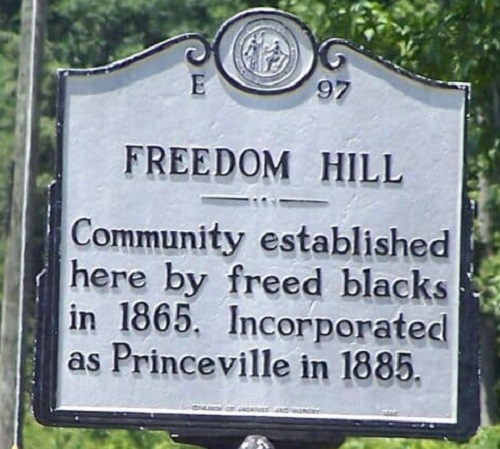
Princeville, North Carolina originated as a resettlement community for freed people and became the oldest incorporated city chartered by African Americans in the United States.
Continue reading
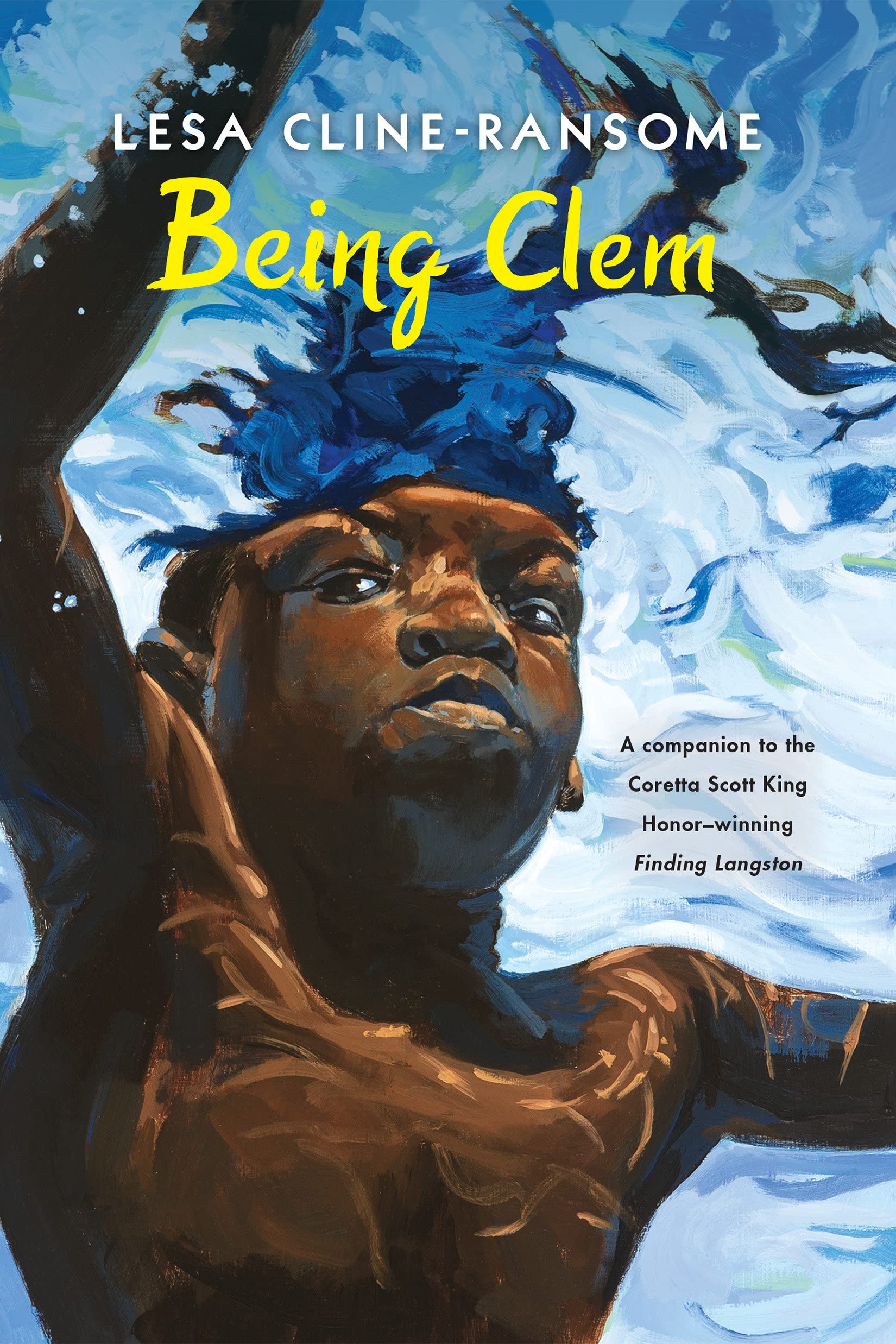
Book — Fiction. By Lesa Cline-Ransome. 2021. 256 pages.
The final novel in the award-winning Finding Langston trilogy, this novel examines mid-twentieth century America through the eyes of Clem, a young boy whose family is torn apart after his father's untimely death.
Teaching Activity by Lesa Cline-Ransome
Continue reading
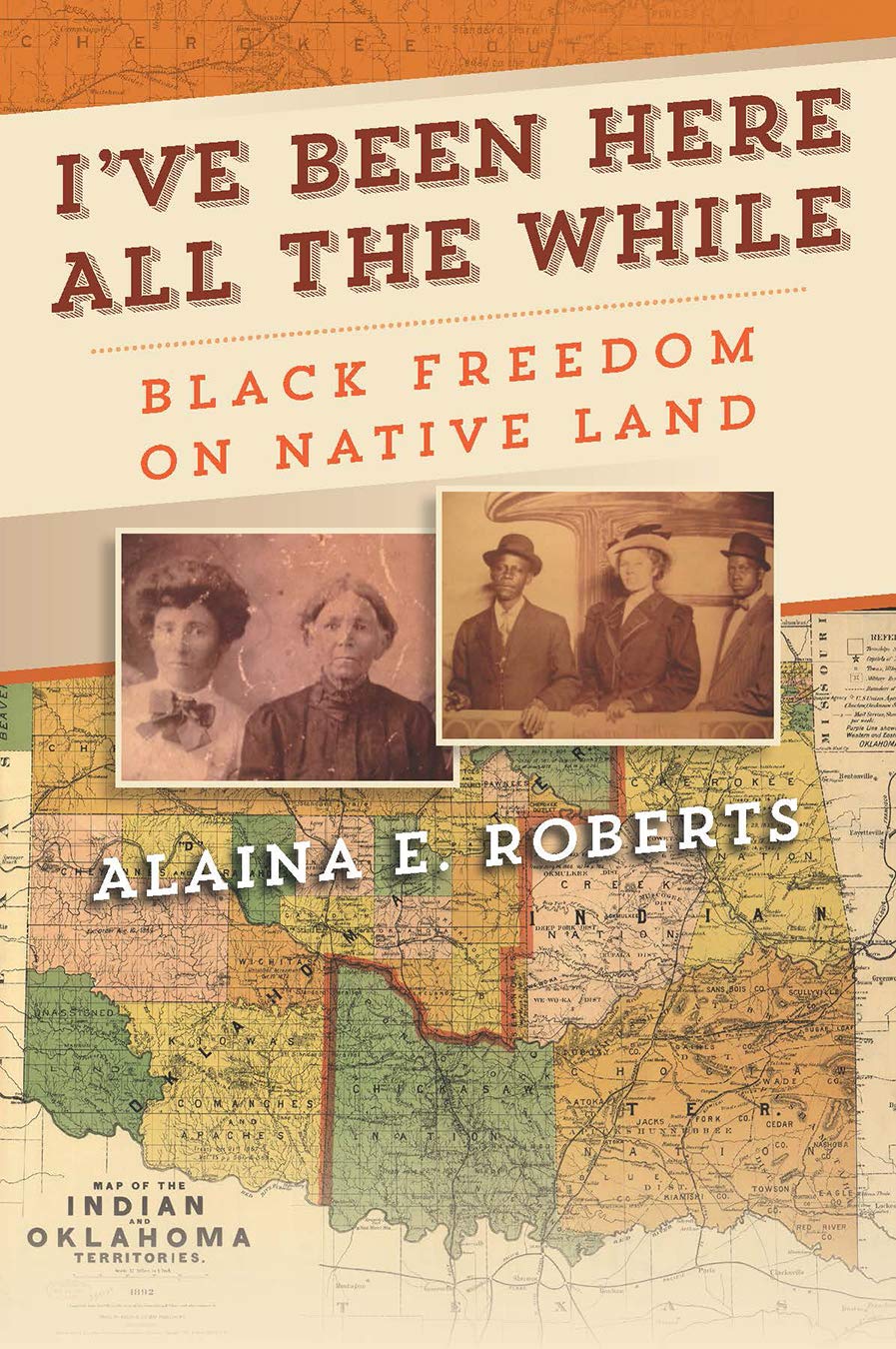
Book - Non-fiction. By Alaina E. Roberts. 224 pages. 2021.
Through chapters that chart cycles of dispossession, land seizure, and settlement in Indian Territory, Alaina E. Roberts connects debates about Black freedom and Native American citizenship to westward expansion onto Native land.
Continue reading
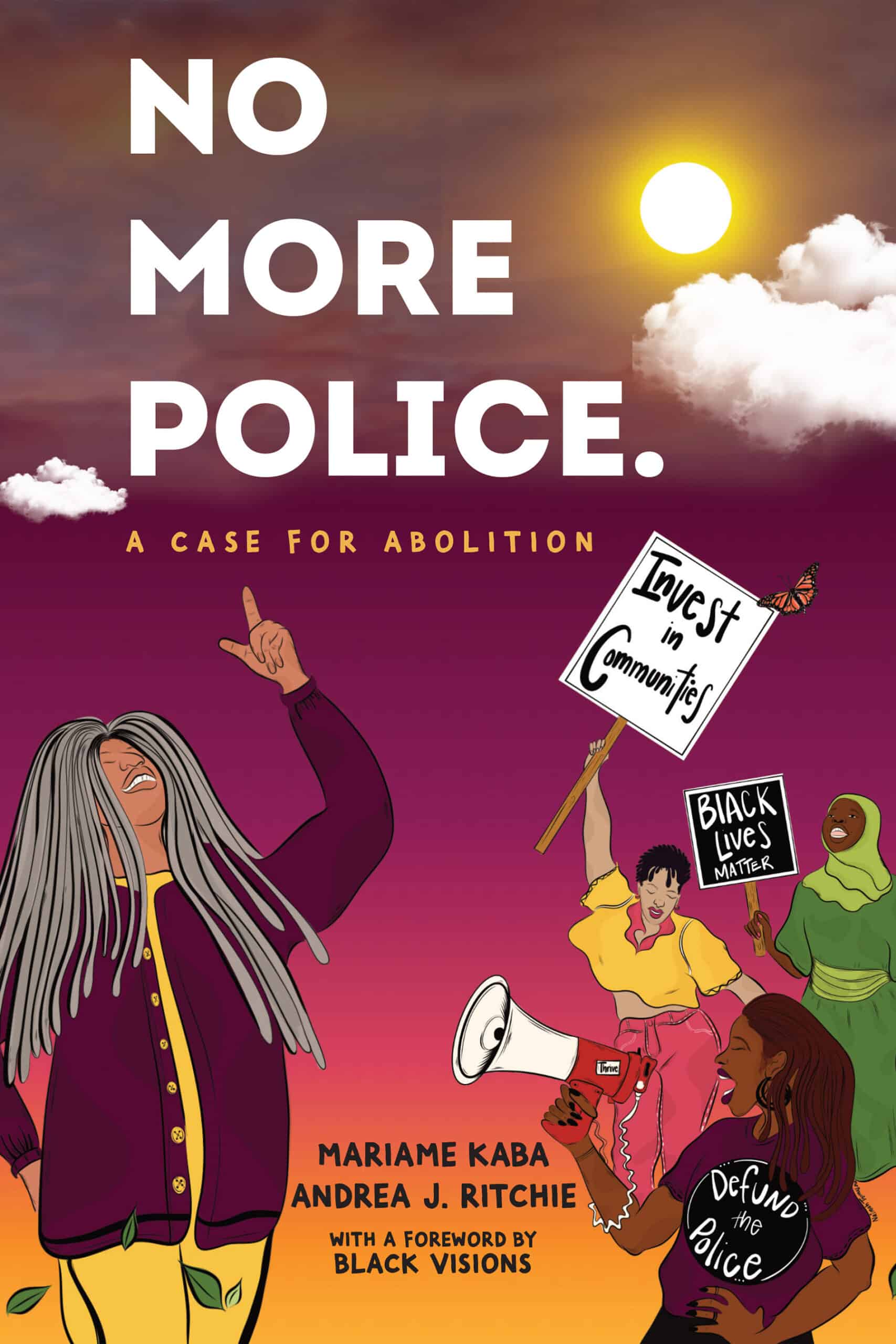
Book — Non-fiction. By Mariame Kaba and Andrea Ritchie. 2022. 400 pages.
No More Police calls on us to turn away from systems that perpetrate violence in the name of ending it toward a world where violence is the exception, and safe, well-resourced and thriving communities are the rule.
Teaching Activity by Mariame Kaba and Andrea Ritchie
Continue reading