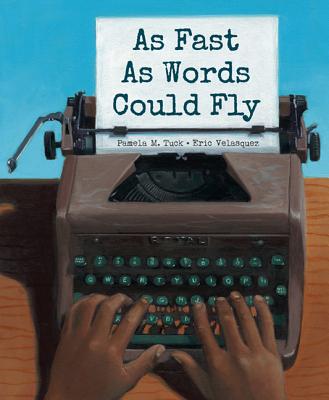
Book — Fiction. By Pamela M Tuck. Illustrated by Eric Velasquez. 2013. 32 pages.
Based on her father’s experience in 1960s North Carolina, Pamela Tuck tells how a family and community challenge racism where they work, shop, and go to school.
Continue reading
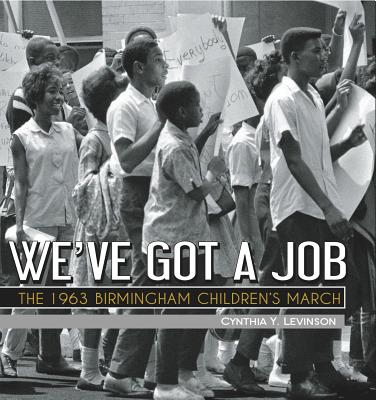
Book — Non-fiction. By Cynthia Levinson. 2012. 176 pages.
Tells the story of the 4,000 Black elementary, middle, and high school students who voluntarily went to jail between May 2 and May 11, 1963.
Continue reading
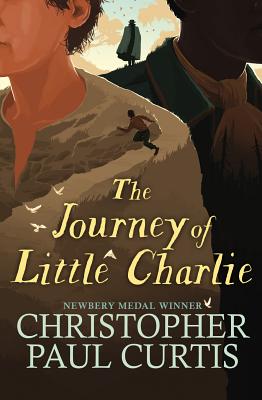
Book — Fiction. By Christopher Paul Curtis. 2018. 256 pages.
A novel for young adults that that shows how slavery was state-sanctioned terrorism and the impact of the Fugitive Slave Law.
Continue reading
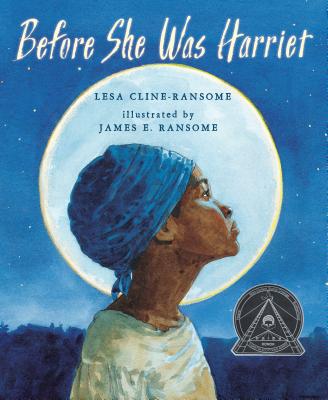
Picture book. By Lesa Cline-Ransome and James E. Ransome. 2017. 32 pages.
An illustrated biography of Harriet Tubman written in verse.
Continue reading
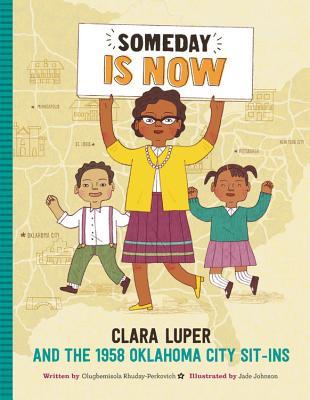
Picture book. By Olugbemisola Rhuday-Perkovich. Illustrated by Jade Johnson. 2018. 32 pages.
The true story of a teacher who led her students to take direct non-violent action to protest segregation.
Continue reading
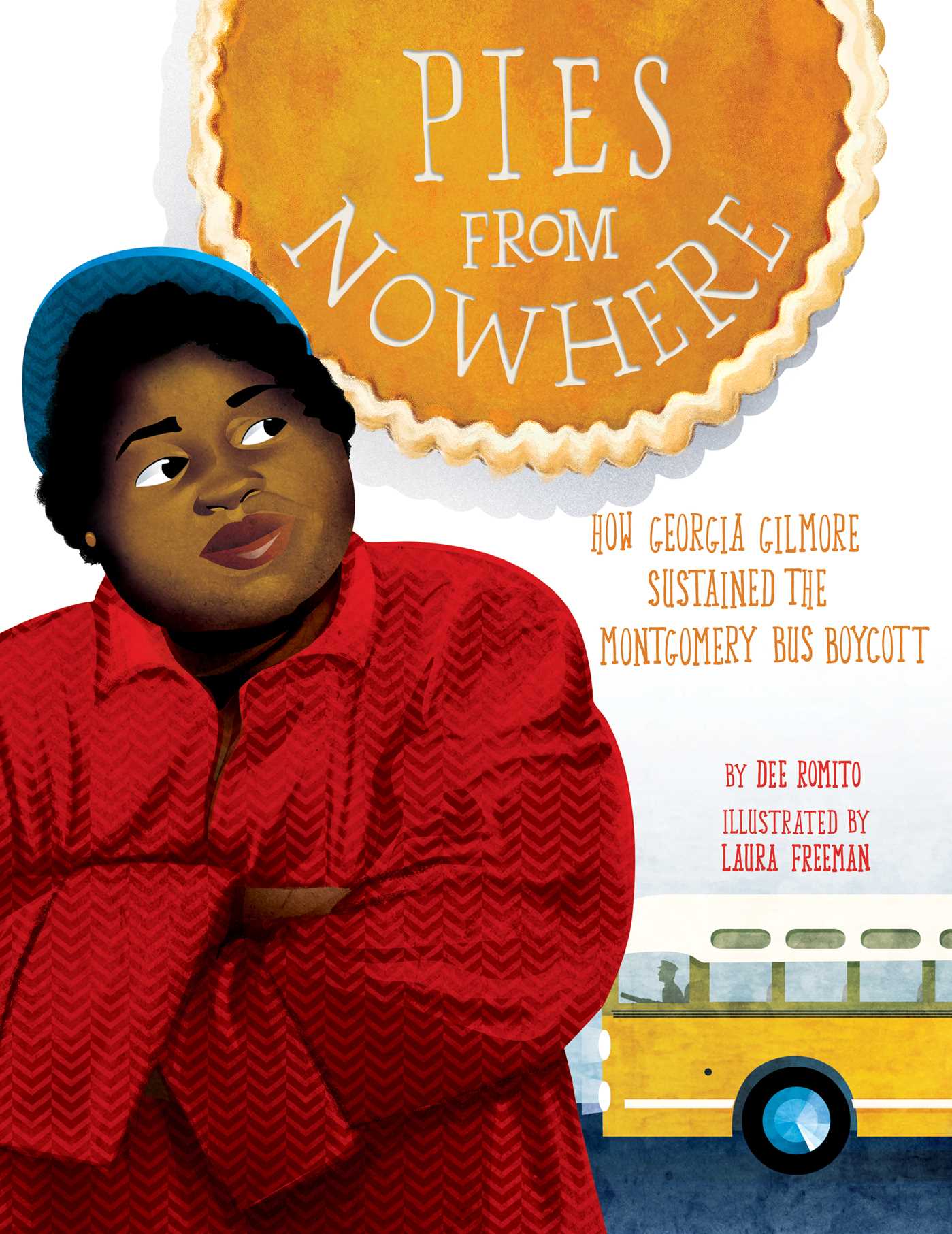
Picture book. By Dee Romito. Illustrated by Laura Freeman. 2018. 40 pages.
The story of Georgia Gilmore and the Club from Nowhere, a grassroots project to provide food and funds for the Montgomery Bus Boycott.
Continue reading
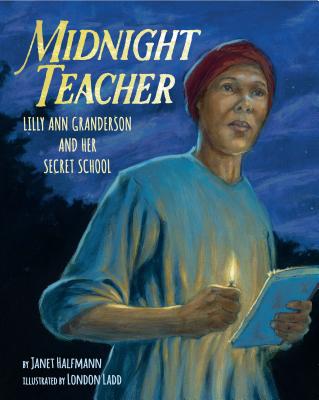
Picture book. By Janet Halfmann. Illustrated by London Ladd. 2018. 40 pages.
Tells the story of Lilly Ann Granderson, an enslaved woman who taught hundreds of people in Kentucky and Mississippi to read.
Continue reading
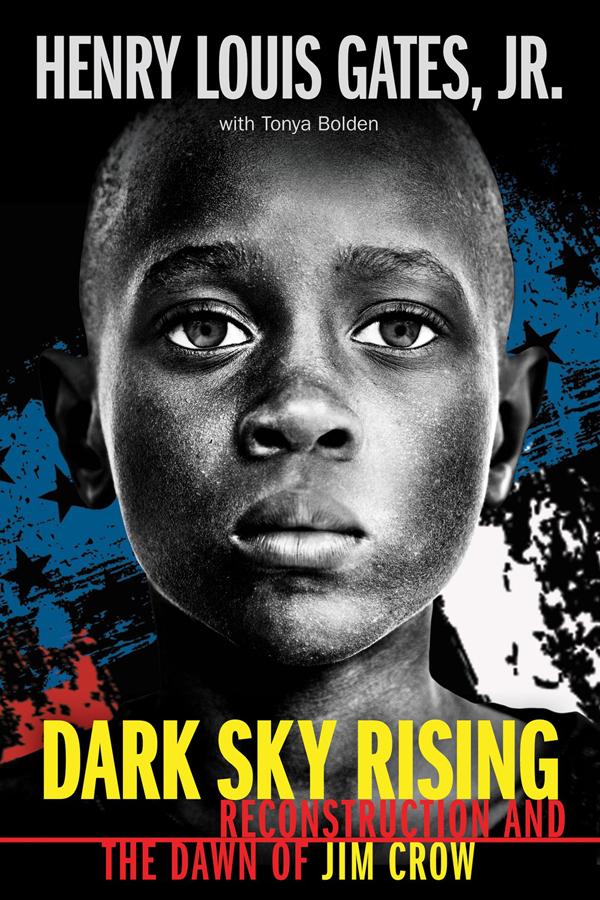
Book — Non-fiction. By Henry Louis Gates Jr. with Tonya Bolden. 2019. 240 pages.
Readers trace the rise and fall of racial equity during Reconstruction as increasingly violent white supremacy and new forms of oppression take hold at the turn of the 20th century.
Continue reading
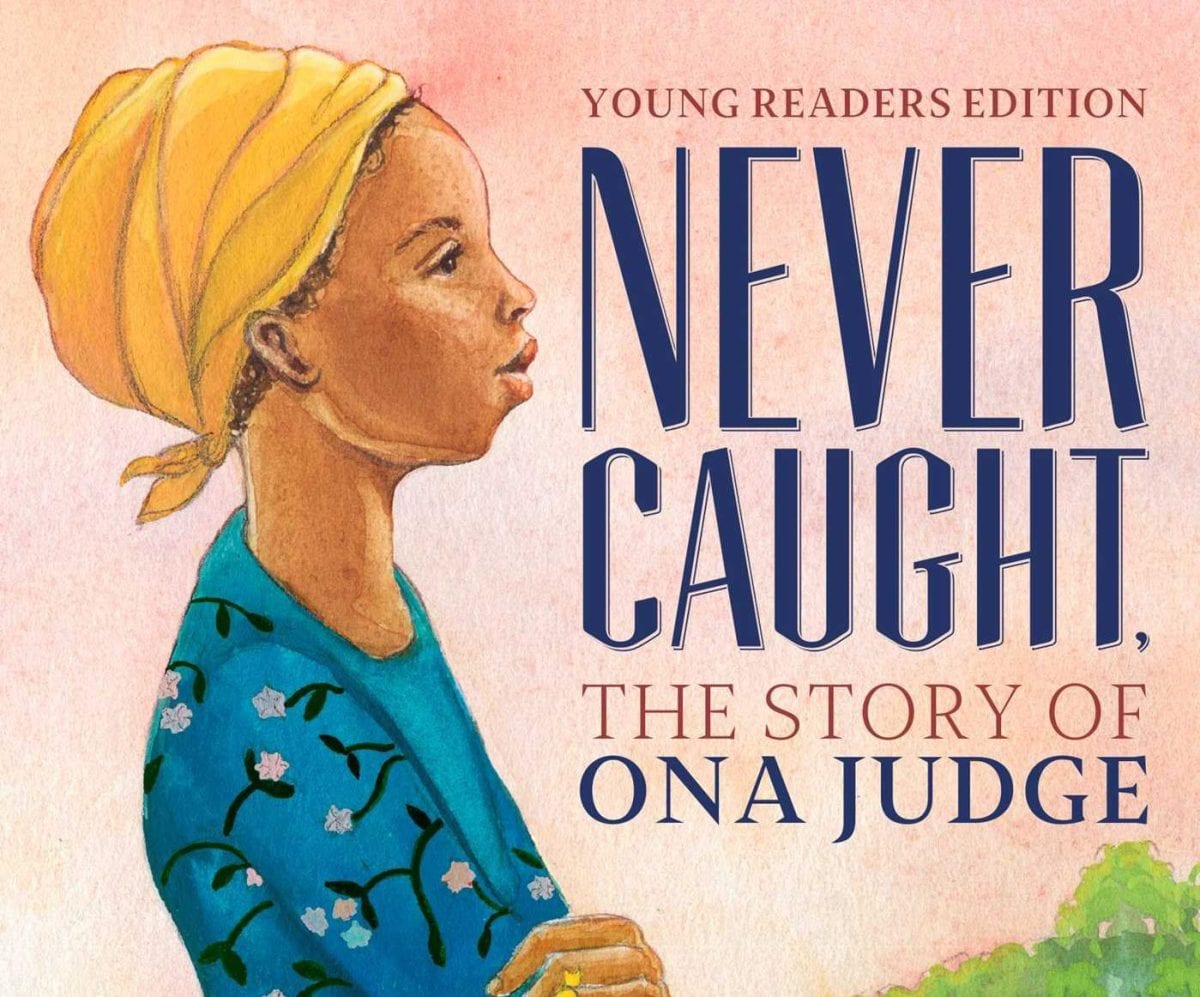
Book — Non-fiction. By Erica Armstrong Dunbar and Kathleen Van Cleve. 2019. 272 pages.
This is the true story of Ona Judge who escaped from enslavement by George and Martha Washington.
Continue reading
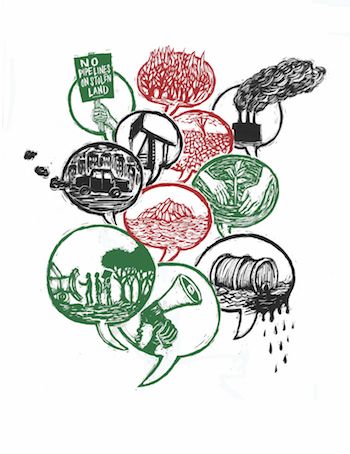
Teaching Activity. By Rowan Shafer. Rethinking Schools.
A teacher adapts the “Climate Change Mixer” designed for older students as a springboard for a unit on global warming and climate justice. She asks, "How could I bring up an issue so big and abstract, so gloom and doom, with 3rd graders? How could I not?"
Continue reading
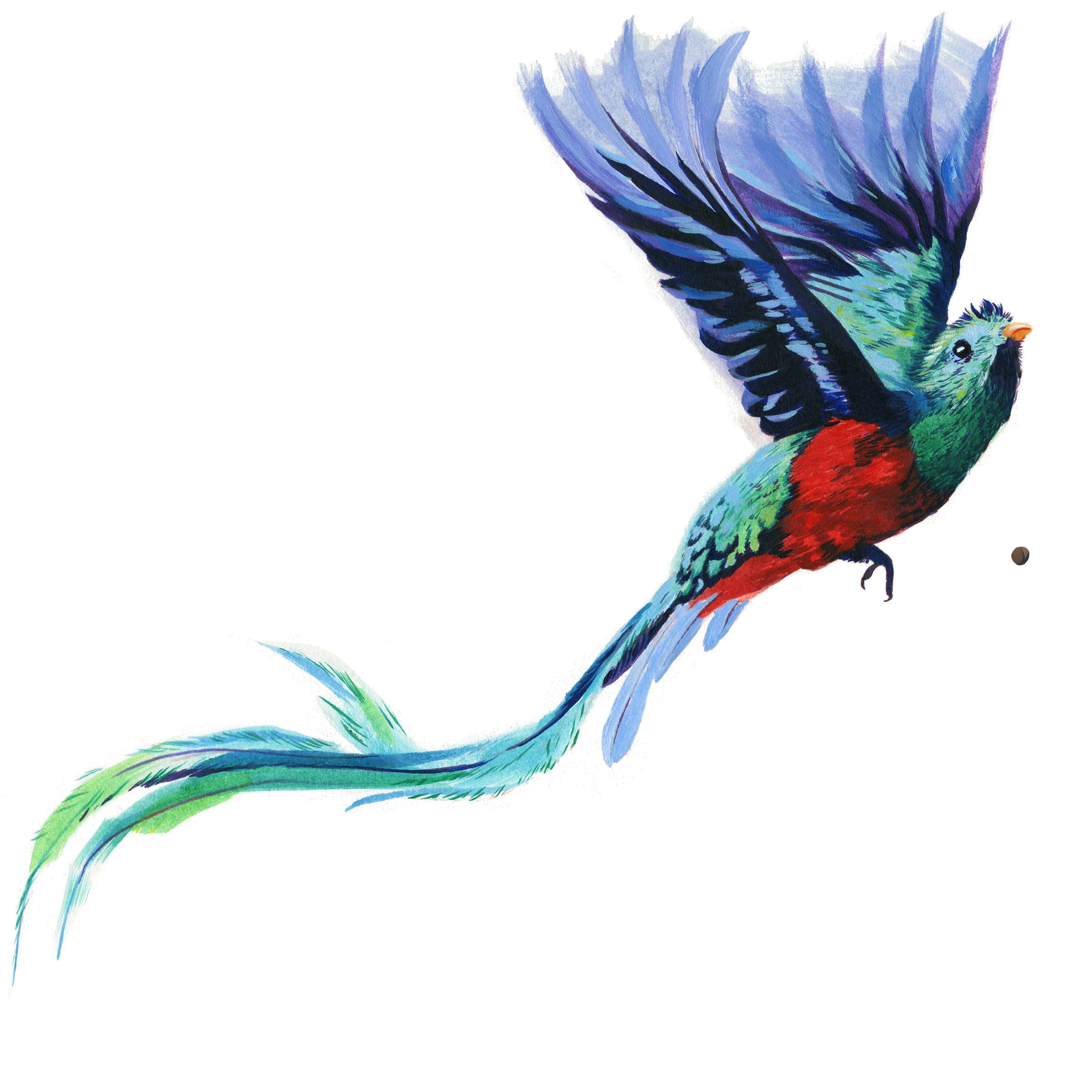
Teaching Activity. By Eric Fishman. Rethinking Schools.
An elementary school teacher developed the engaging Quetzal Conundrum game to help students understand the impact of climate change in Costa Rica.
Continue reading
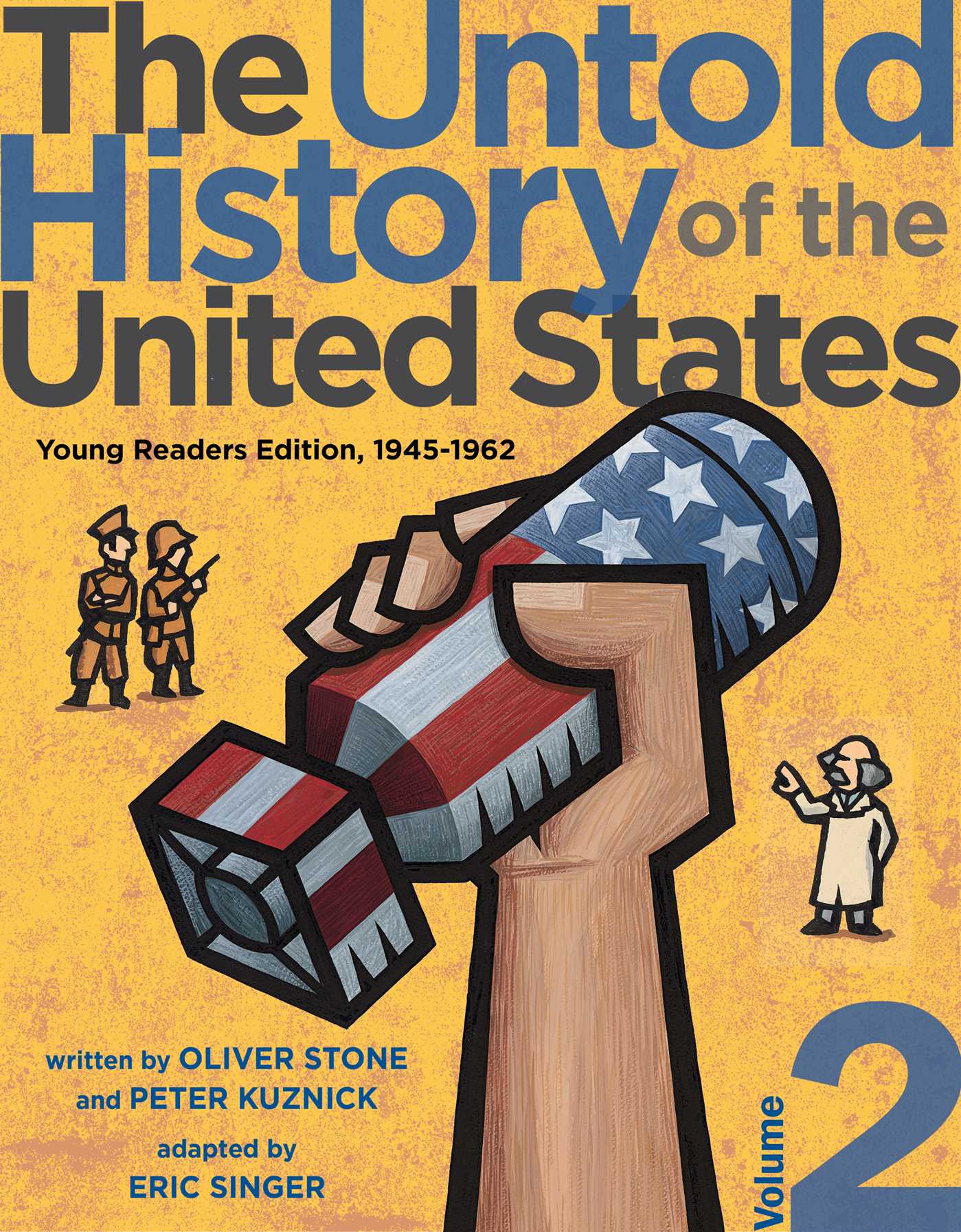
Book — Non-fiction. By Oliver Stone and Peter Kuznick. Adapted by Susan Campbell Bartoletti and Eric S. Singer. Vol 1. 2014. 400 pages. Vol 2. 2019. 320 pages.
These are two volumes of illustrated histories, adapted for students from a documentary book and film of the same name.
Continue reading
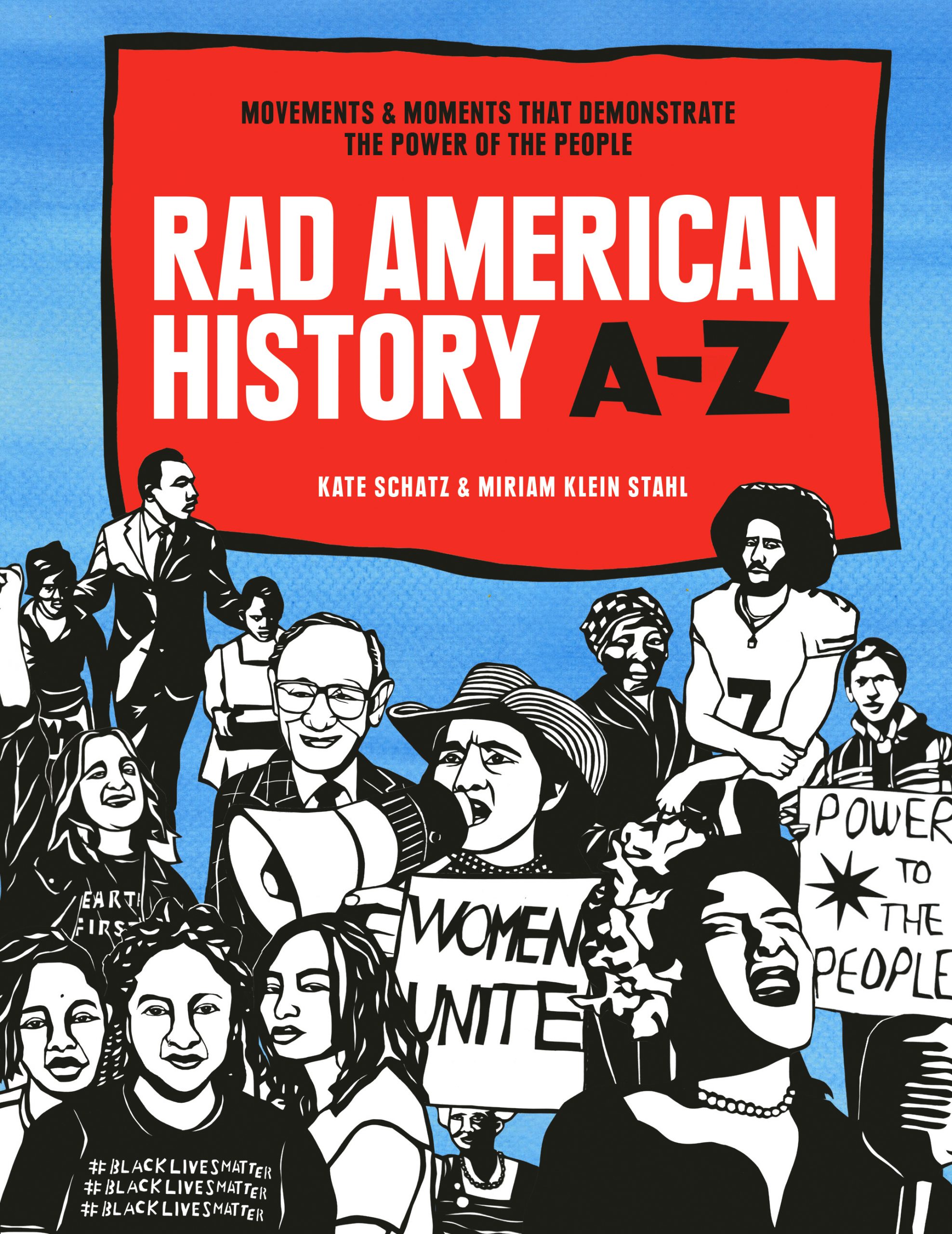
Book — Non-fiction. By Kate Schatz and illustrated by Miriam Klein Stahl. Ten Speed Press. 2020. 176 pages.
Paired with dynamic paper-cut art, readers explore several centuries of U.S. politics, culture, art, activism, and liberation.
Continue reading
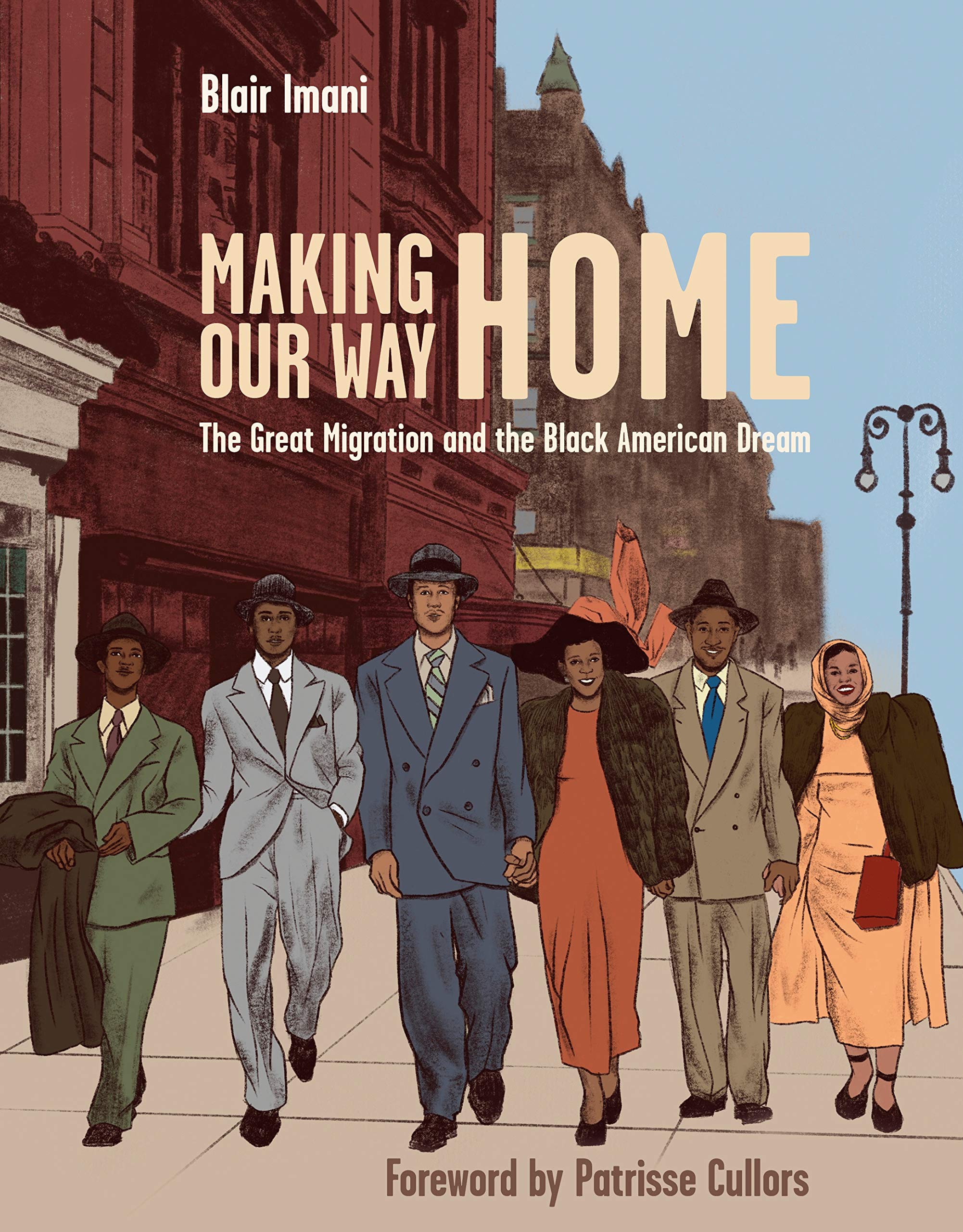
Book — Non-fiction. By Blair Imani. 2020. 192 pages.
An illustrated chronicle of the Great Migration and African American history in the 20th century.
Continue reading
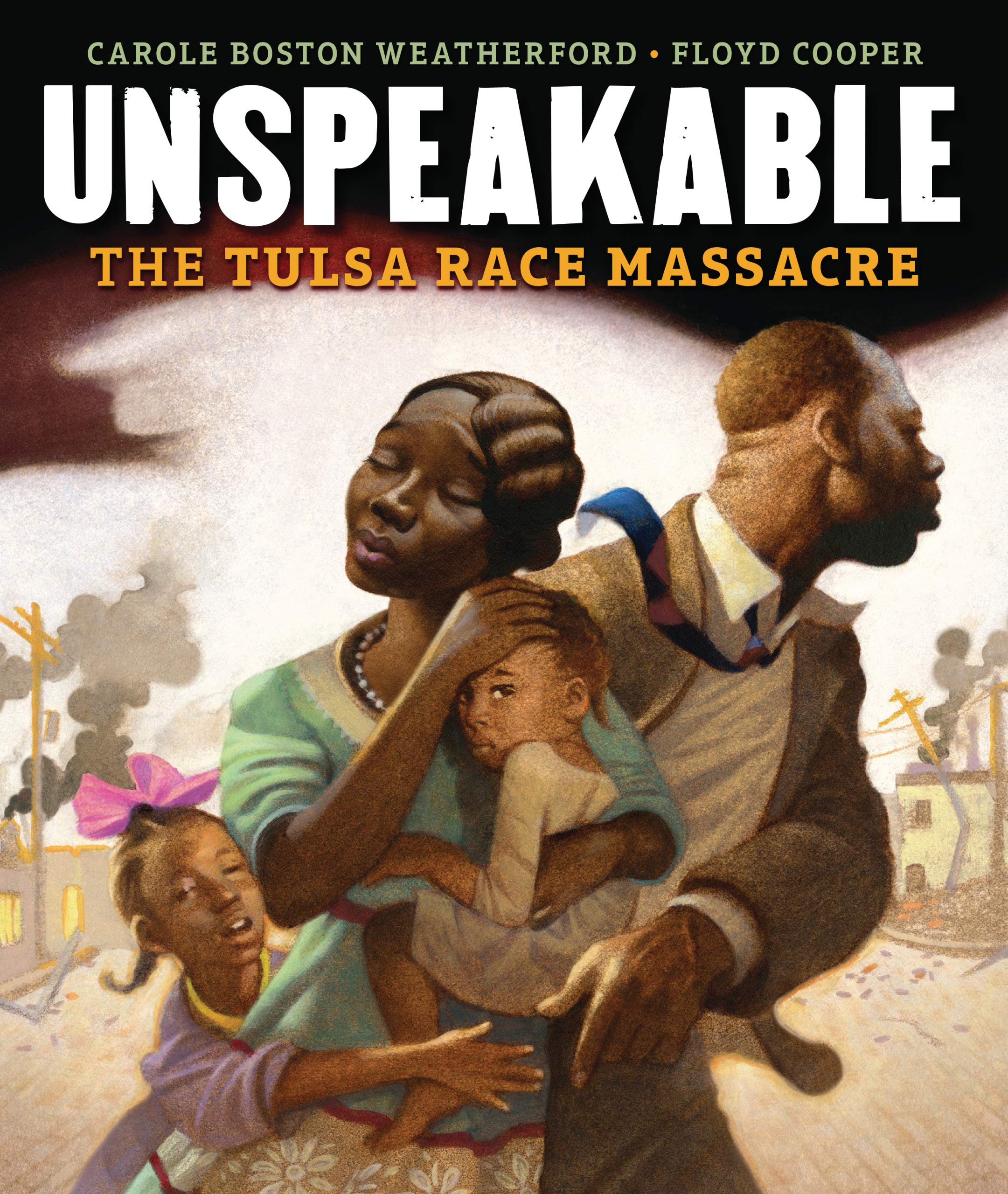
Picture book. By Carole Boston Weatherford and illustrated by Floyd Cooper. 2021. 32 pages.
This children's book centers the history of the thriving Black community of Greenwood before the 1921 Tulsa Massacre.
Continue reading
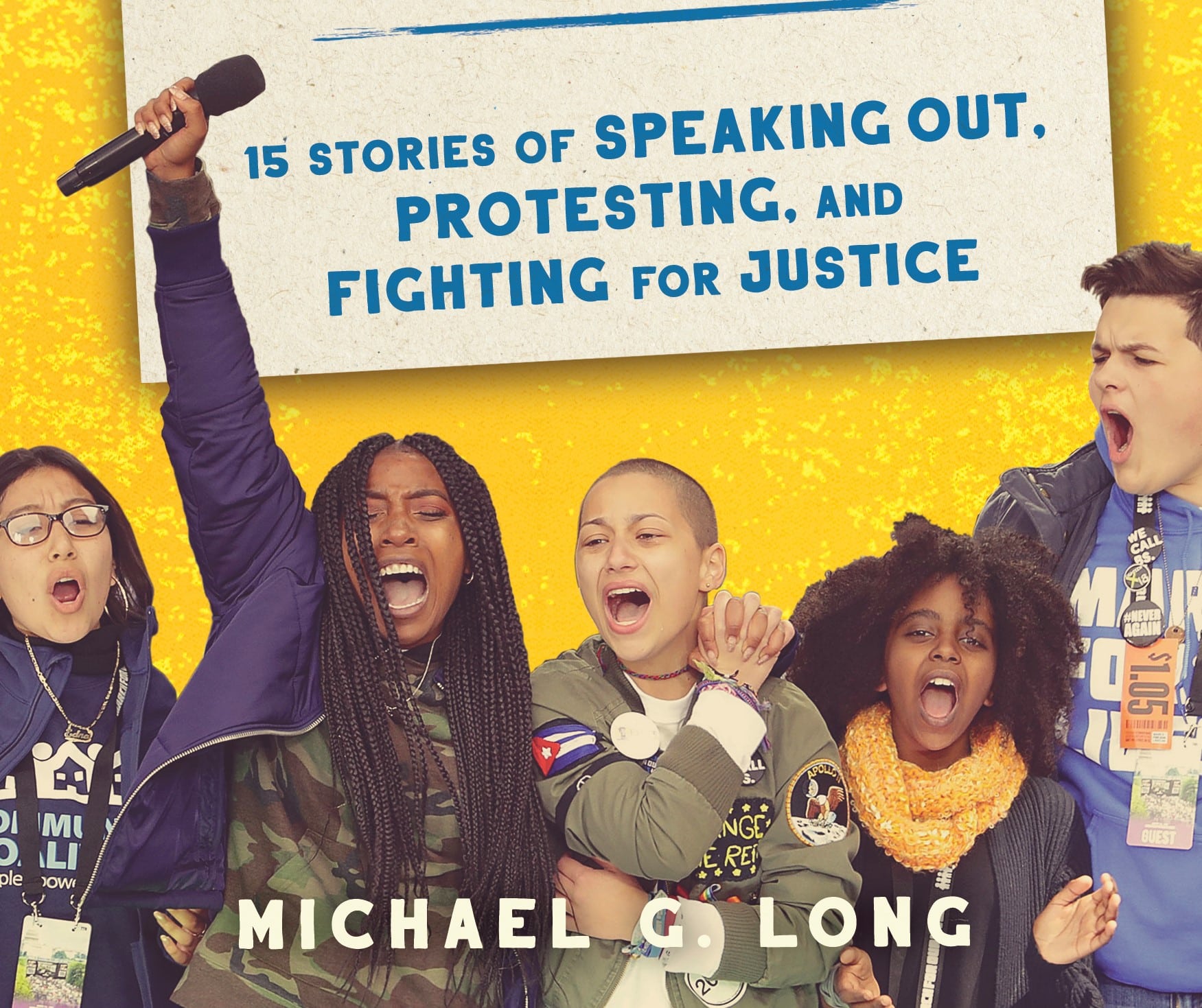
Book — Non-fiction. By Michael Long. 2021. 204 pages.
A history of children's activism in the United States, focusing on 20th and 21st-century marches, strikes, and social justice movements.
Continue reading
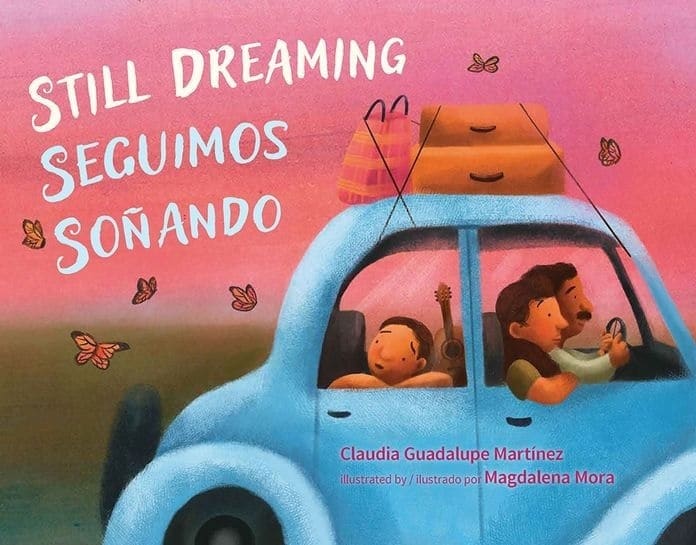
Picture book. Written by Claudia Guadalupe Martínez, illustrated by Magdalena Mora, and translated by Luis Humberto Crosthwaite. 2022. 40 pages.
The story of a boy and his family who leave their beloved home to avoid being separated by the government during the Mexican Repatriation.
Continue reading
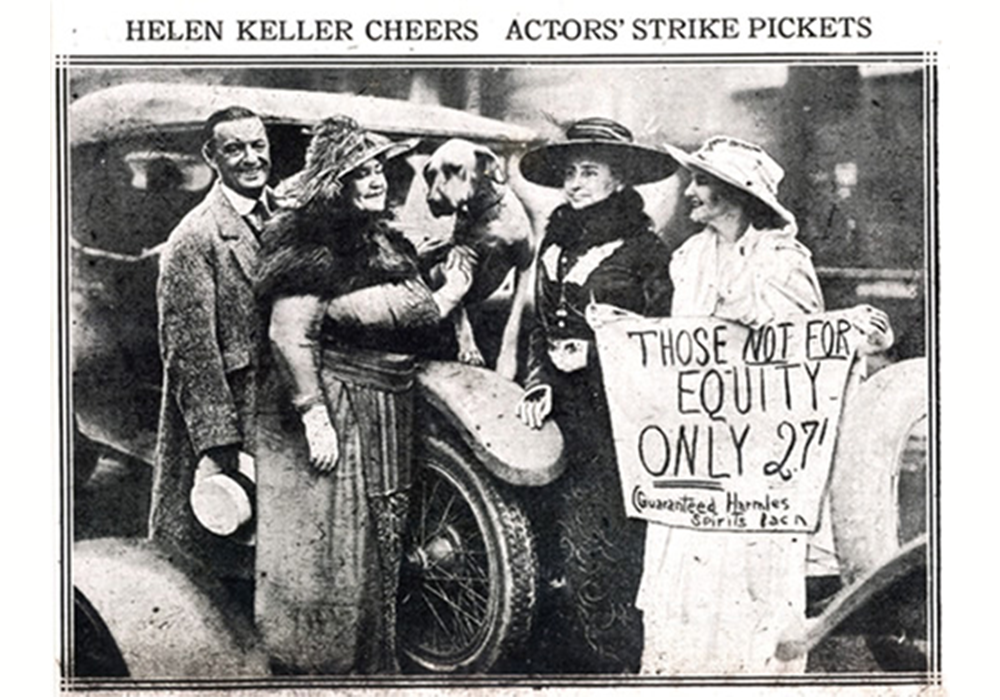
Article. By Ruth Shagoury.
A review of children's picture books about the life of Helen Keller reveals the omission of any description of her active role in key social movements of the 20th century.
Continue reading
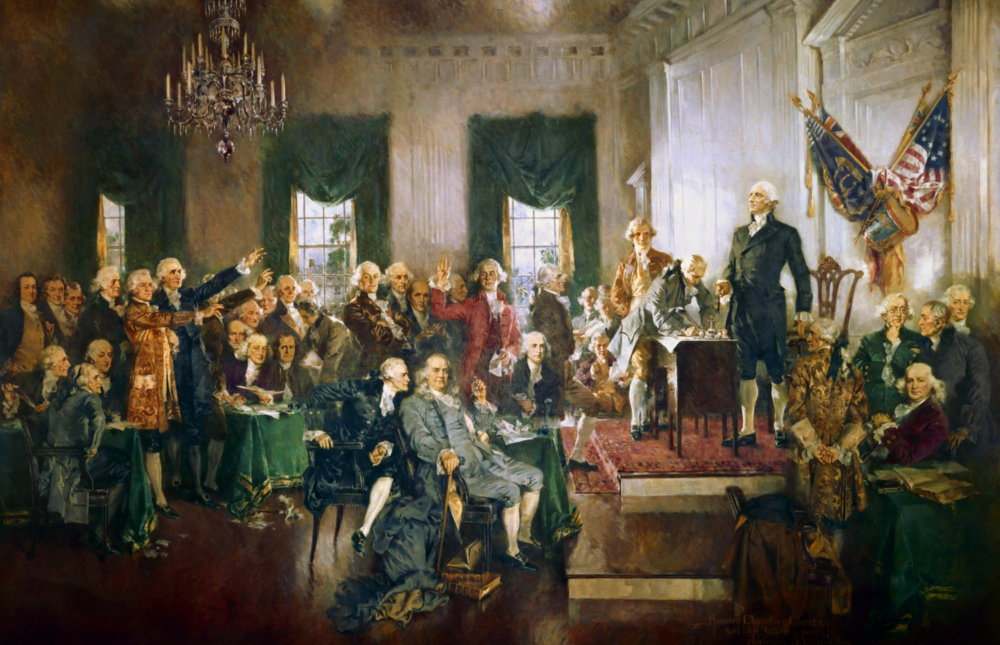
Teaching Activity. By Bob Peterson. Rethinking Schools. 14 pages.
A role play on the Constitutional Convention which brings to life the social forces active during and immediately following the American Revolution with focus on two key topics: suffrage and slavery. An elementary school adaptation of the Constitution Role Play by Bill Bigelow. Roles available in Spanish.
Teaching Activity by Bob Peterson
Continue reading
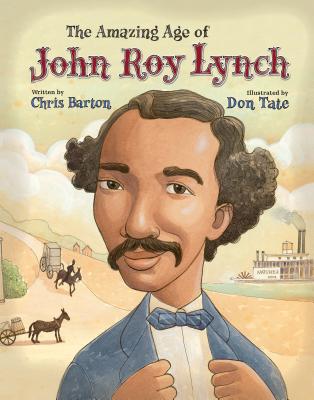
Picture book. By Chris Barton. Illustrated by Don Tate. 2015. 50 pages.
An in-depth look at the Reconstruction period through the life of one of the first African-American congressmen.
Continue reading
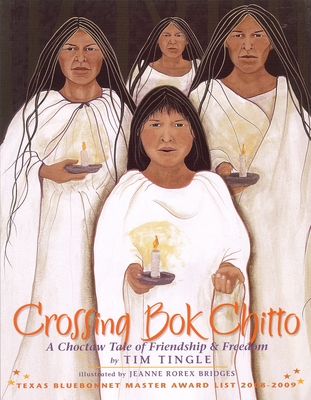
Picture book. By Tim Tingle. 2008. 40 pages.
A picture book that highlights rarely discussed intersections between Native Americans in the South and African Americans in bondage.
Continue reading
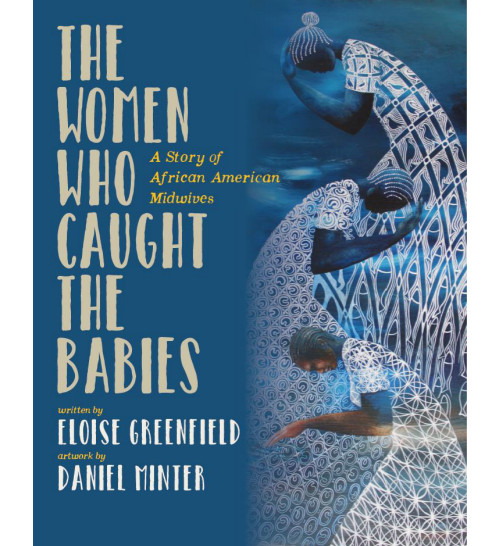
Picture book. By Eloise Greenfield. Illustrated by Daniel Minter. 2019. 32 pages.
This unique picture book begins with historical background on the work of midwives and then switches to poetry to tell vignettes from lives of midwives during slavery, emancipation, and today.
Continue reading
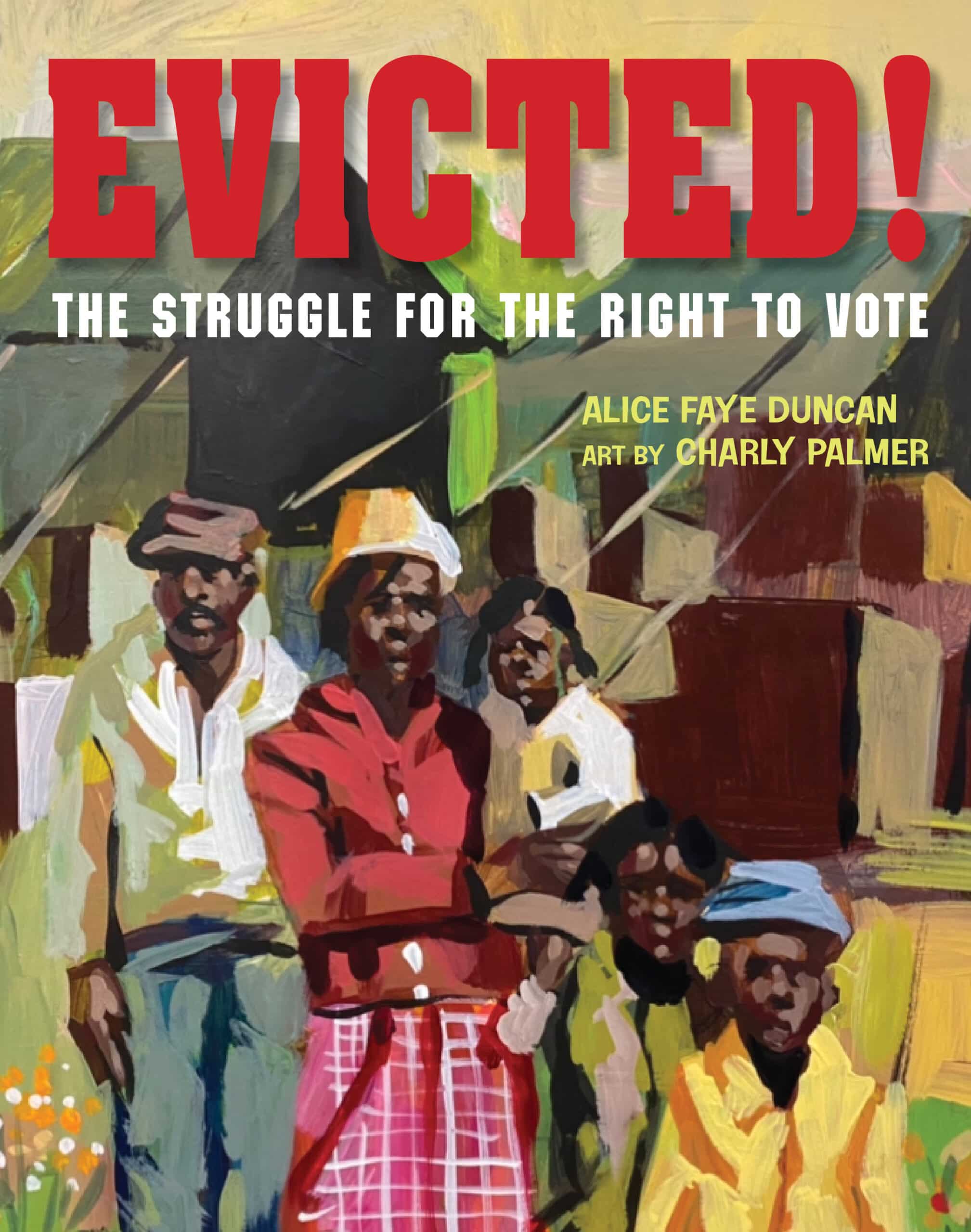
Picture book. By Alice Faye Duncan and illustrated by Charly Palmer. 2022. 64 pages.
This critical civil rights book for middle-graders examines the little-known Tennessee's Fayette County Tent City Movement in the late 1950s and reveals what is possible when people unite and fight for the right to vote.
Continue reading
Teaching Activity. By Bill Bigelow, Adam Sanchez, and Ursula Wolfe-Rocca. Article by Adam Sanchez. 2022. Rethinking Schools
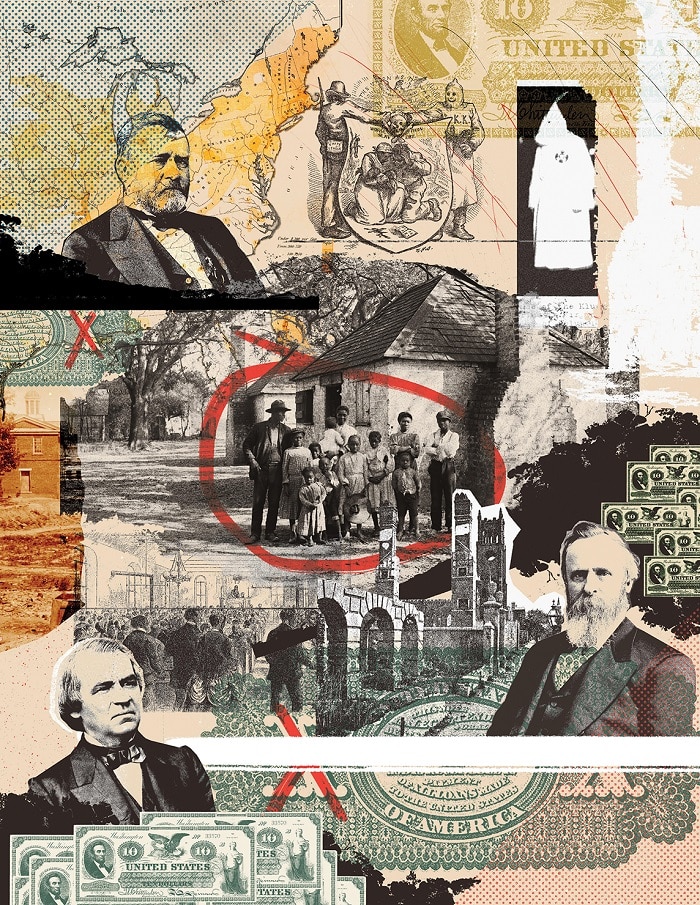
A role play about the demise of Reconstruction that helps students get beyond the question “Was Reconstruction a success or failure?”
Teaching Activity by By Adam Sanchez, Illustrator: Nate Kitch
Continue reading
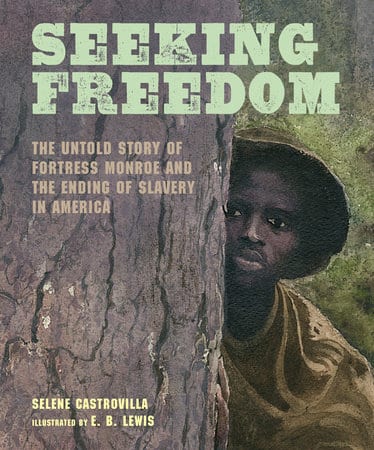
Book — Non-fiction. By Selene Castrovilla. Illustrated by E. B. Lewis. 2022. 40 pages.
A Civil War story about a man who seizes his freedom from slavery and teams up with a Union general to save a Union fort from the Confederates.
Teaching Activity by Selene Castrovilla (Illustrated by E. B. Lewis)
Continue reading