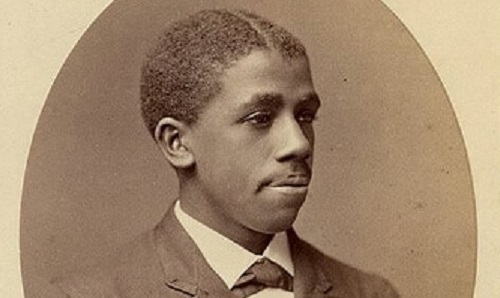
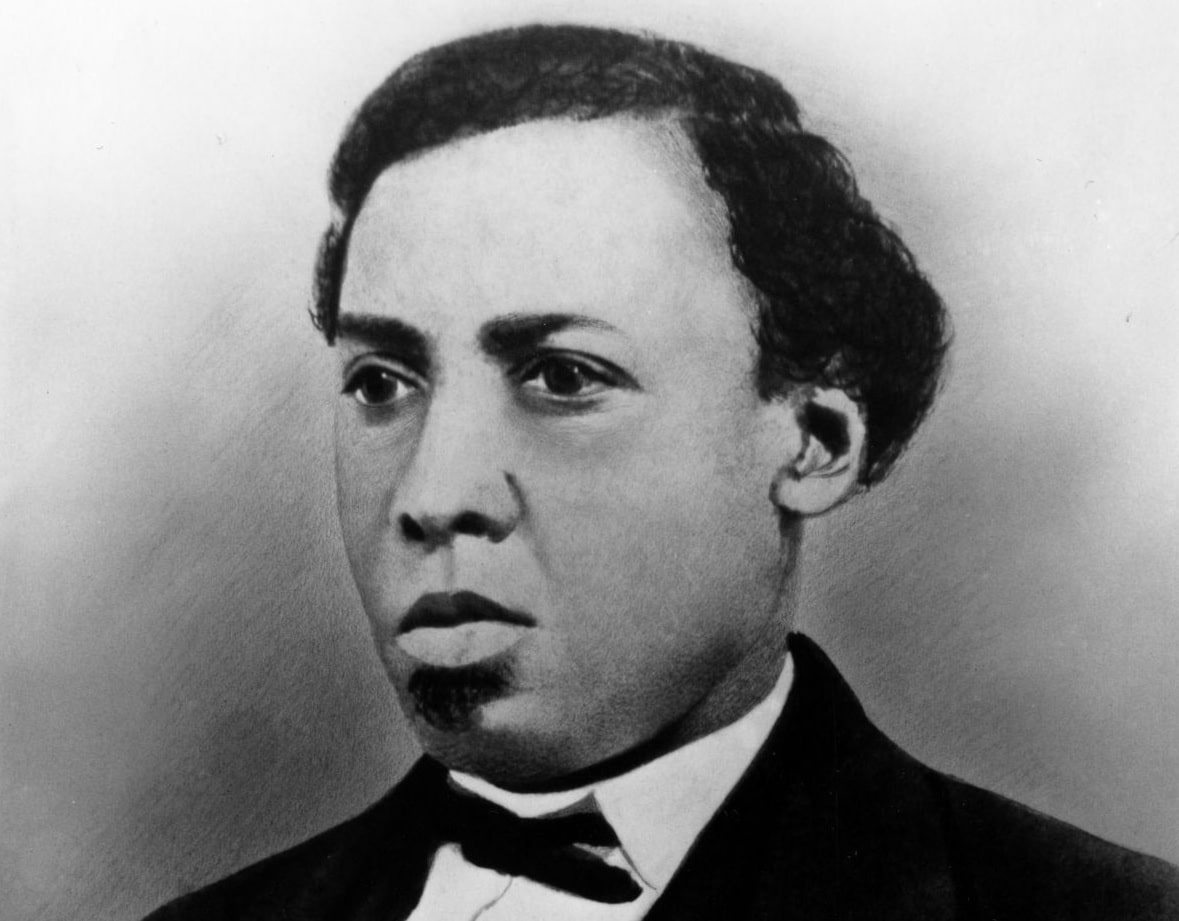
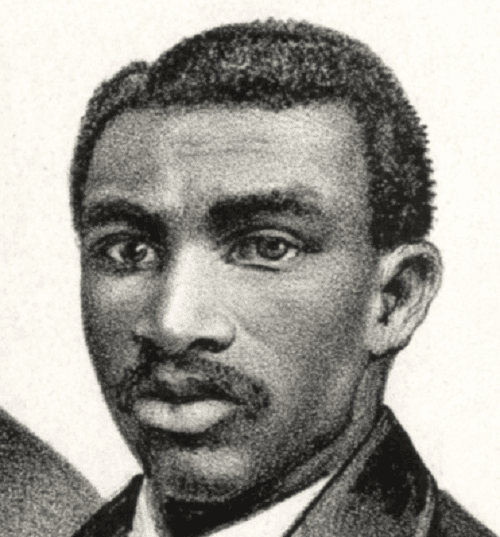
Edward Alexander Bouchet graduated from Yale University as the sixth person to receive a Ph.D. in physics in the United States.
Continue reading
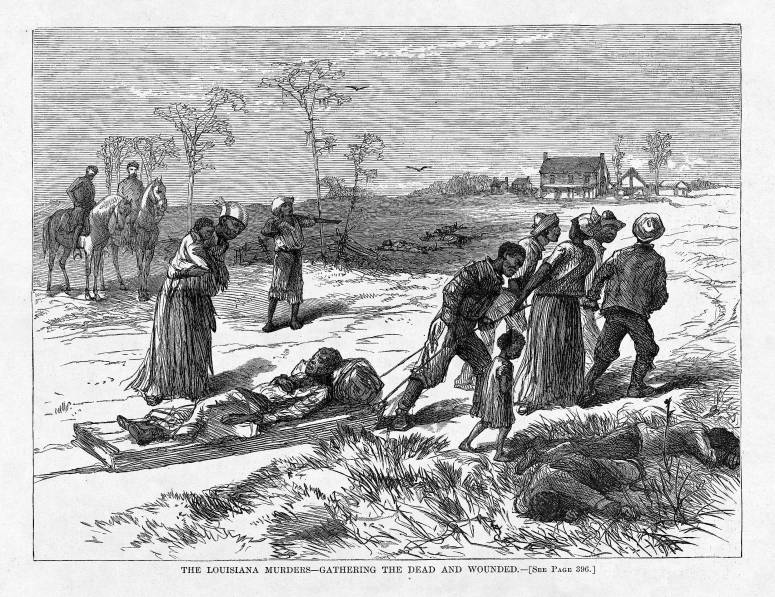
Nearly 50 African-Americans were killed by white mobs during the Clinton Riot.
Continue reading
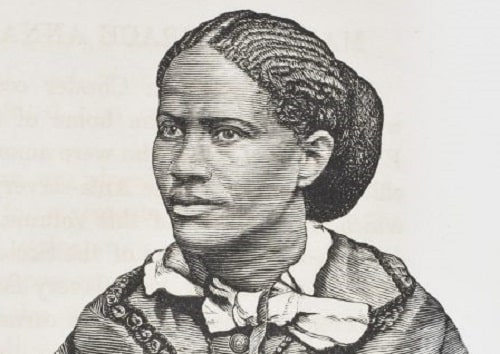
Frances Ellen Watkins Harper spoke in Philadelphia at the Centennial Anniversary of the Pennsylvania Society for Promoting the Abolition of Slavery, urging African Americans to continue organizing for justice.
Continue reading
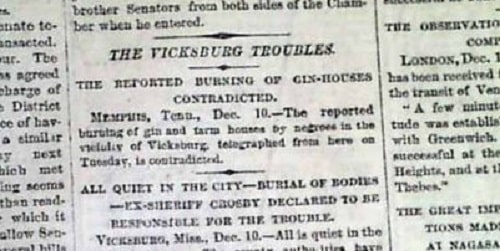
White people attacked and killed many Black citizens who had organized for a Black sheriff to remain in office during the Vicksburg Massacre.
Continue reading
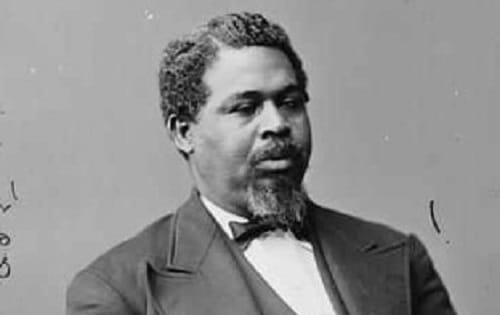
Robert Smalls was elected to Congress from South Carolina during Reconstruction.
Continue reading
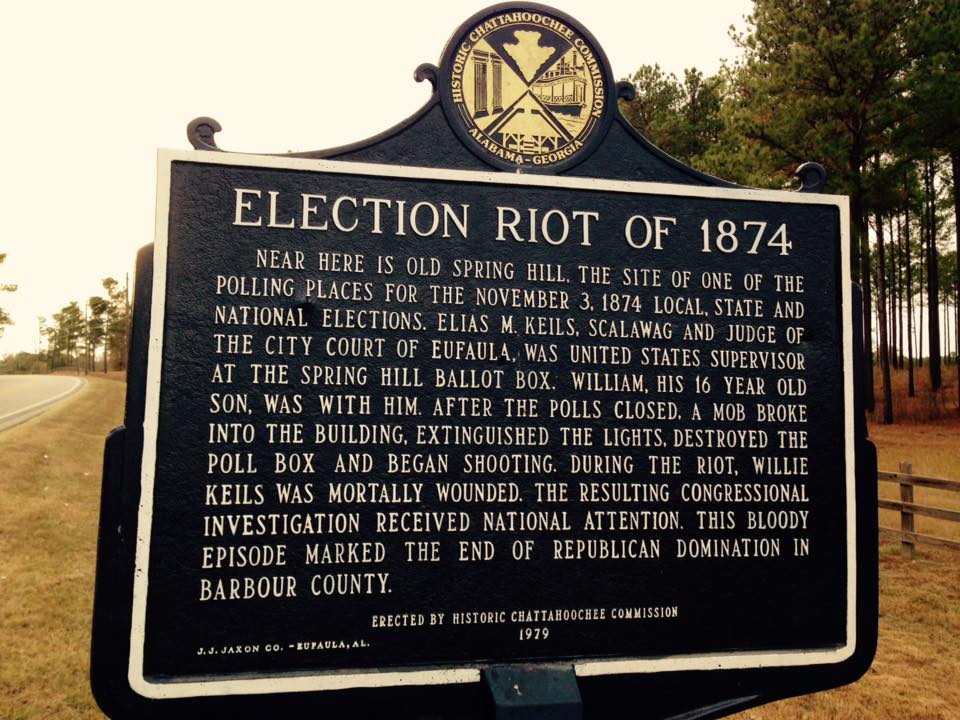
Deadly election “riots” took place in Barbour County, Alabama against African American politicians and voters.
Continue reading
A group of Confederate veterans in Louisiana formed the White League with the goal of using terrorism to undermine Reconstruction.
Continue reading
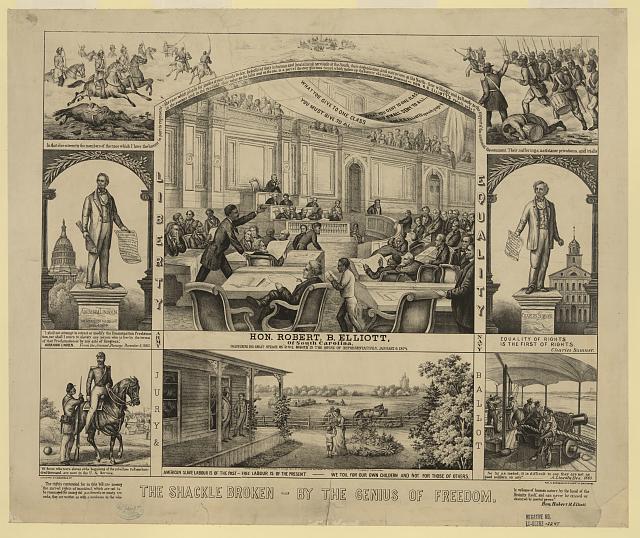
Rep. Robert B. Elliott gave a speech to advocate for the Civil Rights Act, which passed a year later.
Continue reading
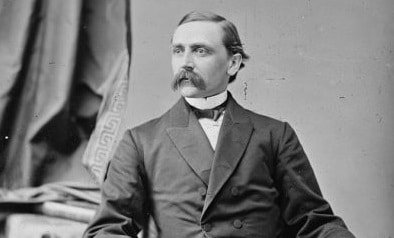
Adelbert Ames become the elected governor of Mississippi during the Reconstruction era.
Continue reading
Henry E. Hayne was the first Black student to be accepted to the University of South Carolina’s medical school, a bold act which encouraged other Black students to apply. By 1875, Black men comprised the majority of the student body.
Continue reading
The Ku Klux Klan carried out the Colfax Massacre in response to a Republican victory in the 1872 elections.
Continue reading
One of the most prominent Black officeholders in Florida during the Reconstruction era, Jonathan Clarkson Gibbs held the positions of Secretary of State and Superintendent of Public Instruction.
Continue reading
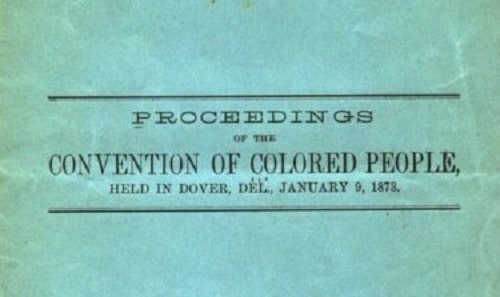
During Reconstruction, Delaware’s Convention of Colored People gathered in Dover to discuss and demand state provisions to educate their children.
Continue reading
A meeting was held in New York of abolitionists to address the injustice of continued slavery in Cuba.
Continue reading
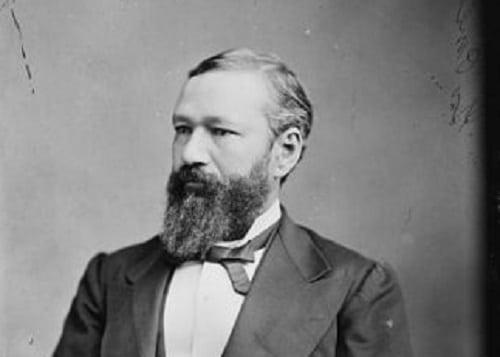
P. B. S. Pinchback of Louisiana became the second Black governor in the United States.
Continue reading
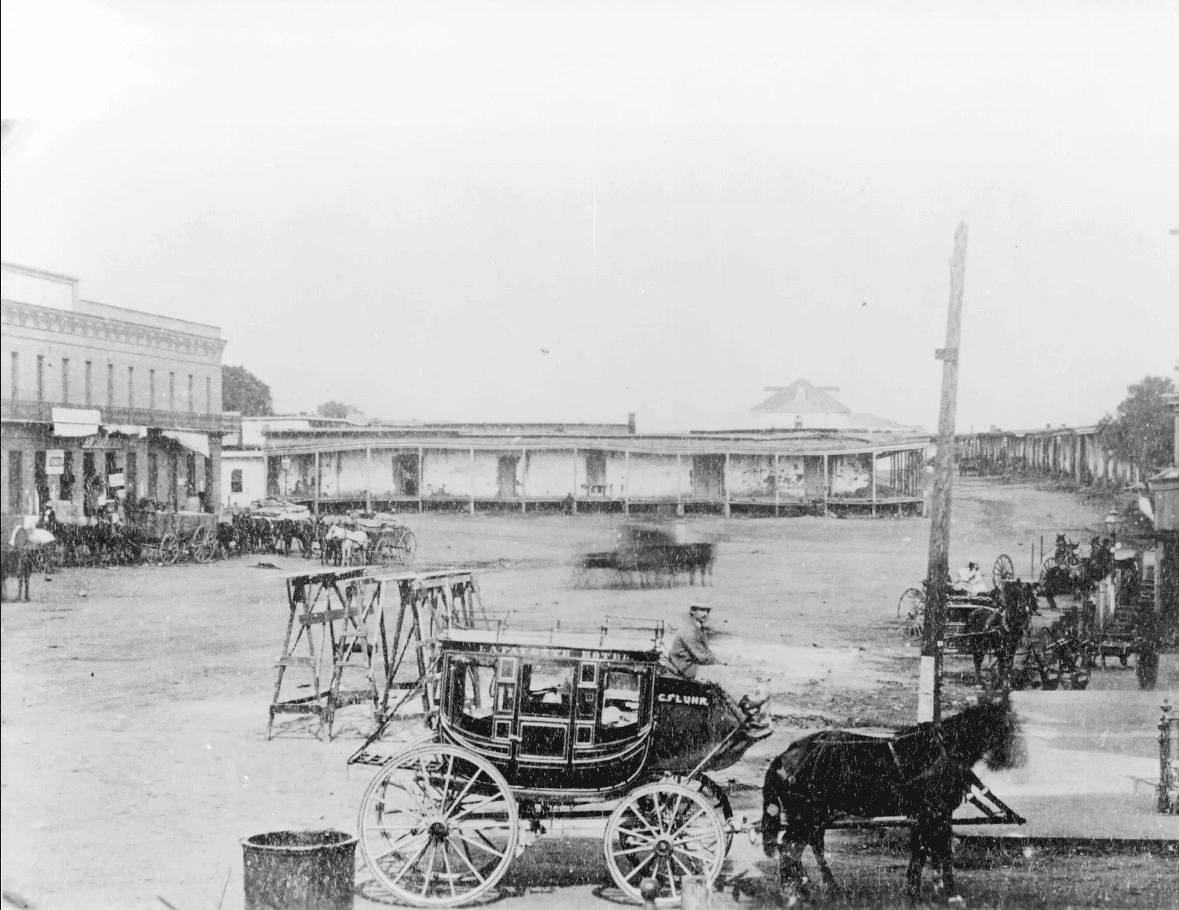
A lynch mob of 500 Anglo and Latino Los Angelinos rioted and murdered at least 17 Chinese residents after a white civilian died in a shootout.
Continue reading
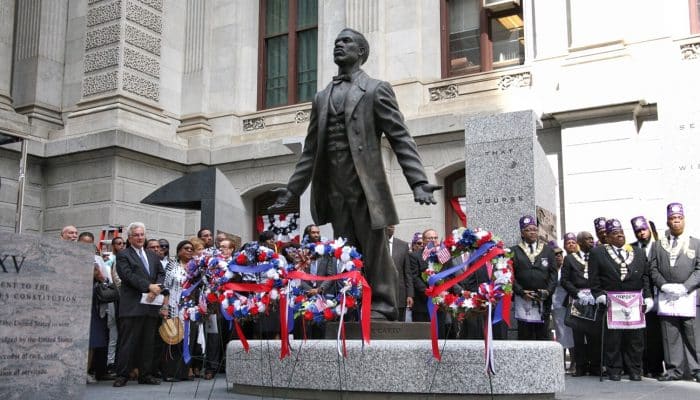
Philadelphia, Pennsylvania Black educator, baseball player, and civil rights activist Octavius V. Catto was murdered by a white supremacist on election day.
Continue reading
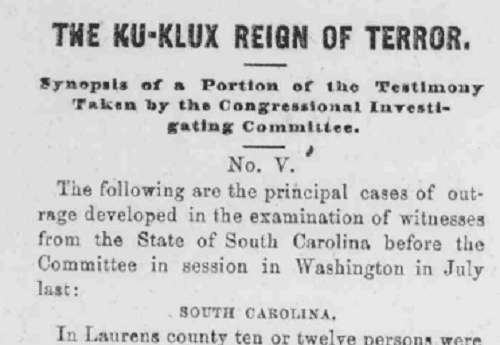
Elias Thomson, an African American who lived in Spartanburg, South Carolina, bravely shared testimony detailing violence inflicted against him because he voted for the Republican ticket in the local election.
Continue reading
President Ulysses S. Grant signed into law the third of the Enforcement Acts, a Reconstruction-era bill that empowered the federal government to intervene when the 13th, 14th, and 15th Amendments are violated.
Continue reading
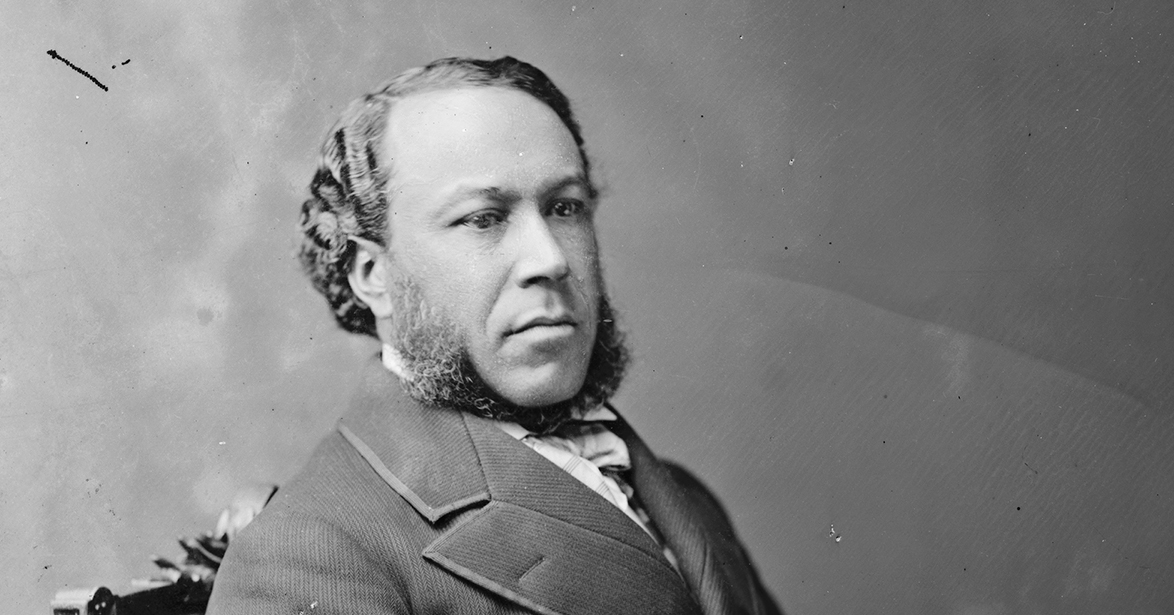
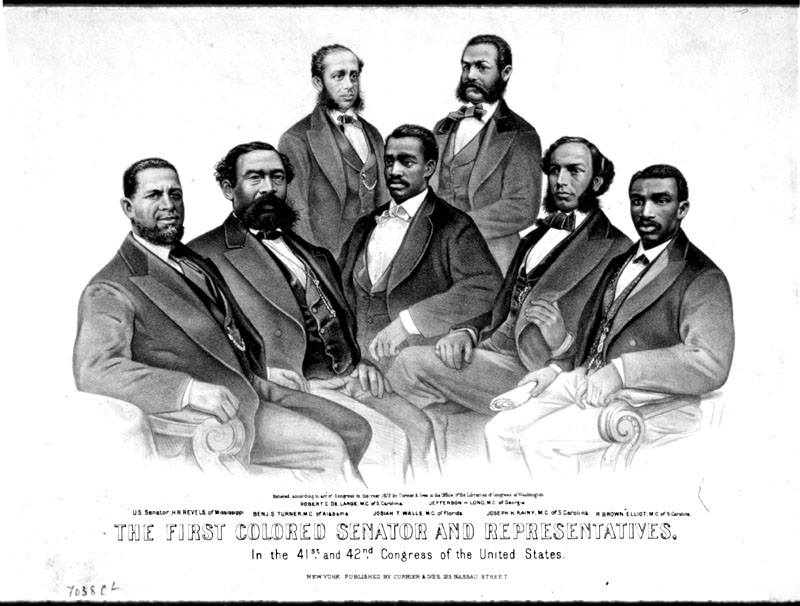
Joseph H. Rainey, from South Carolina, was the first African American to serve in the U.S. House of Representatives.
Continue reading
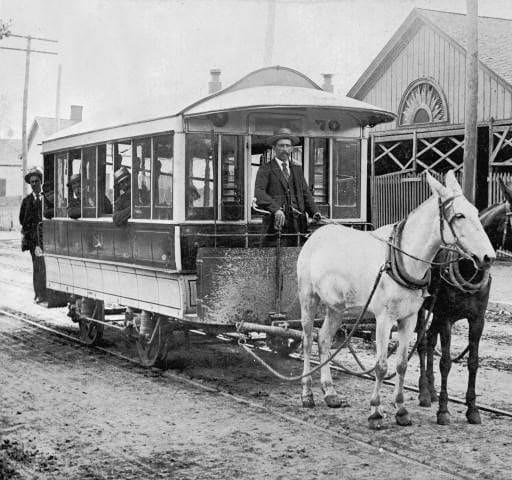
Reconstruction era protest of racist discrimination on streetcars in Louisville, Kentucky.
Continue reading
For the first time, African Americans were elected to the House of Representatives in 1870.
Continue reading
The 15th Amendment to the United States Constitution was formally adopted.
Continue reading
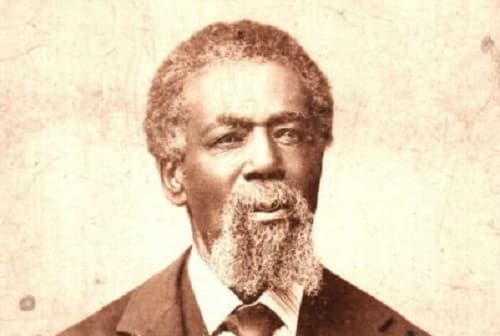
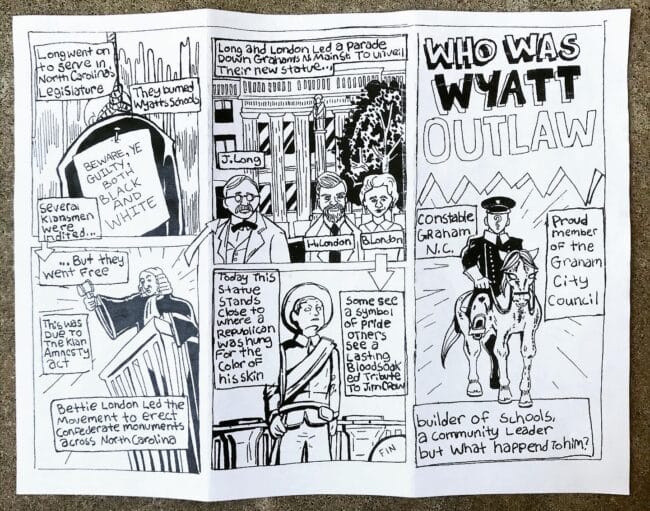
Wyatt Outlaw, a Union veteran who became the first Black town commissioner of Graham, North Carolina, was seized from his home and lynched by members of the Ku Klux Klan known as the White Brotherhood, which controlled the county.
Continue reading
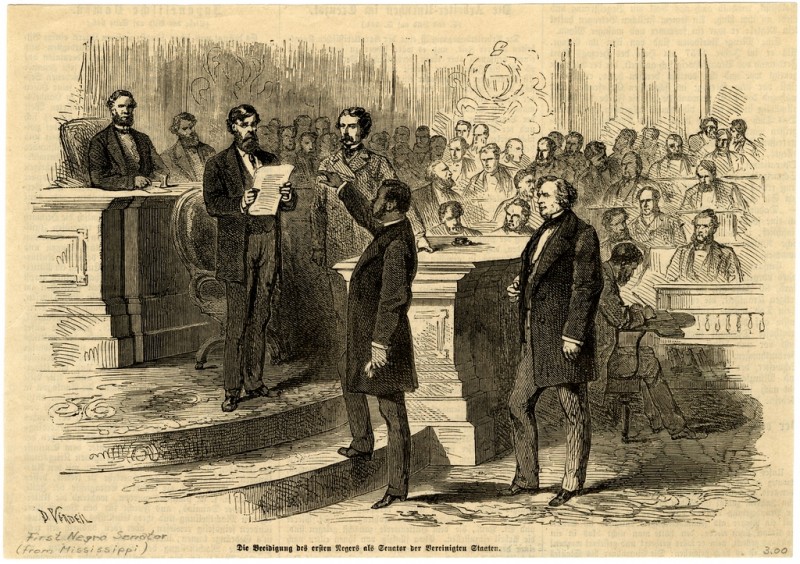
Hiram Revels was sworn into office as senator from Mississippi, becoming the first African American to serve in the U.S. Senate.
Continue reading