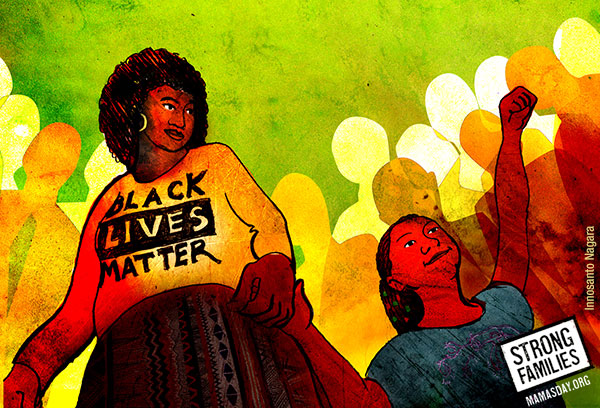
Mother’s Day began as a call to action for healthcare and against war. Activism continues today with #FreeBlackMamas and more.
Continue reading
Teaching Activity. By Ursula Wolfe-Rocca, Bill Bigelow, and Andrew Duden. Article by Ursula Wolfe-Rocca. Rethinking Schools. 15 pages.
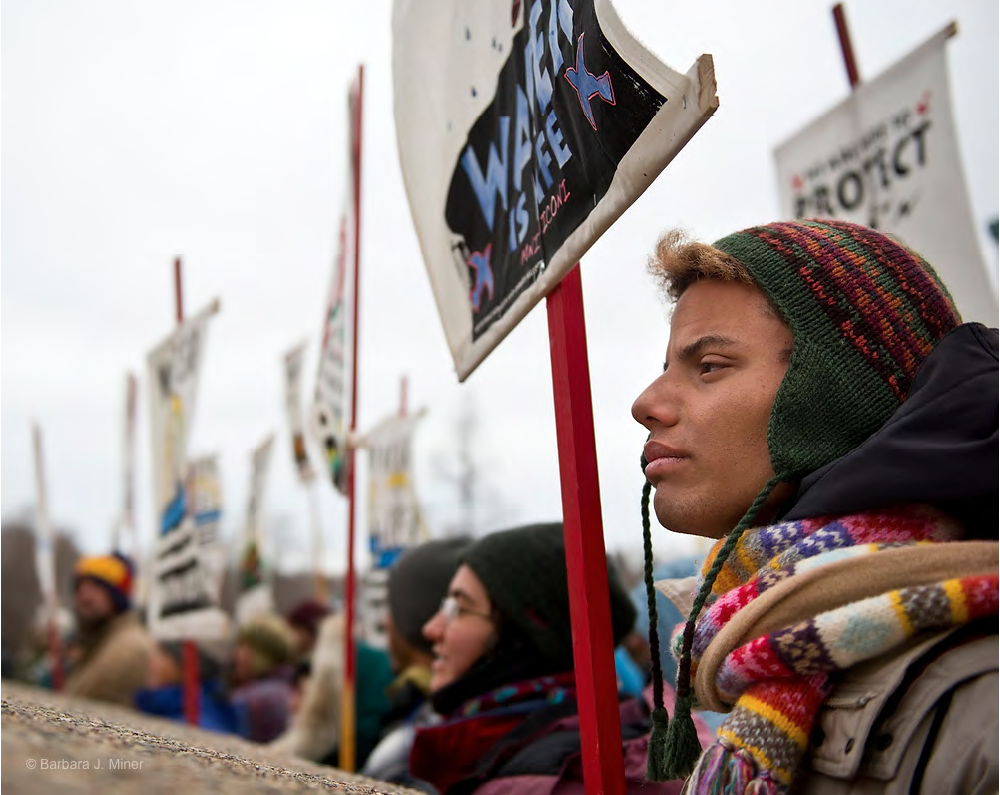
A role play helps students recognize the issues at stake in the historic struggle of the Standing Rock Sioux to block construction of the Dakota Access oil pipeline.
Continue reading
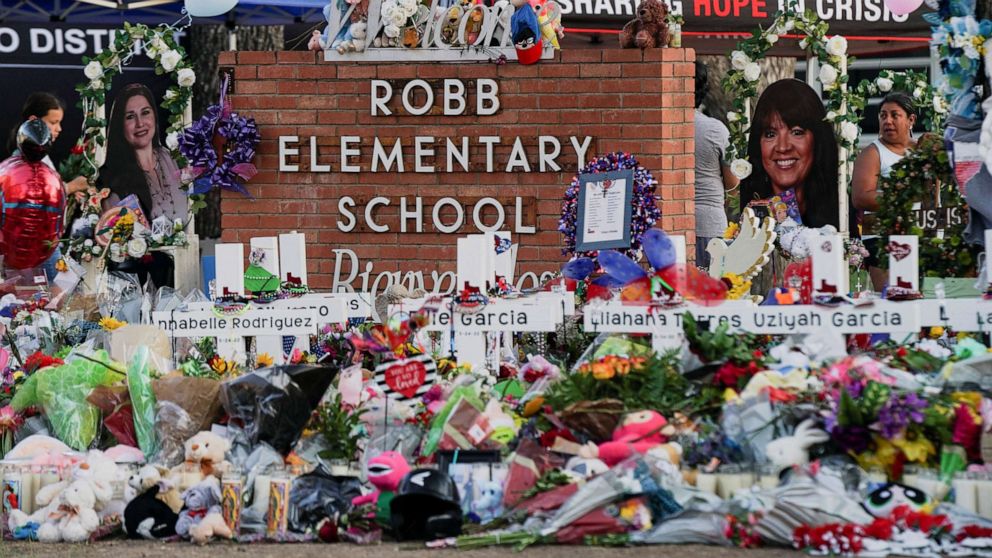
Nineteen children and two teachers were shot dead at an elementary school in Uvalde, Texas.
Continue reading
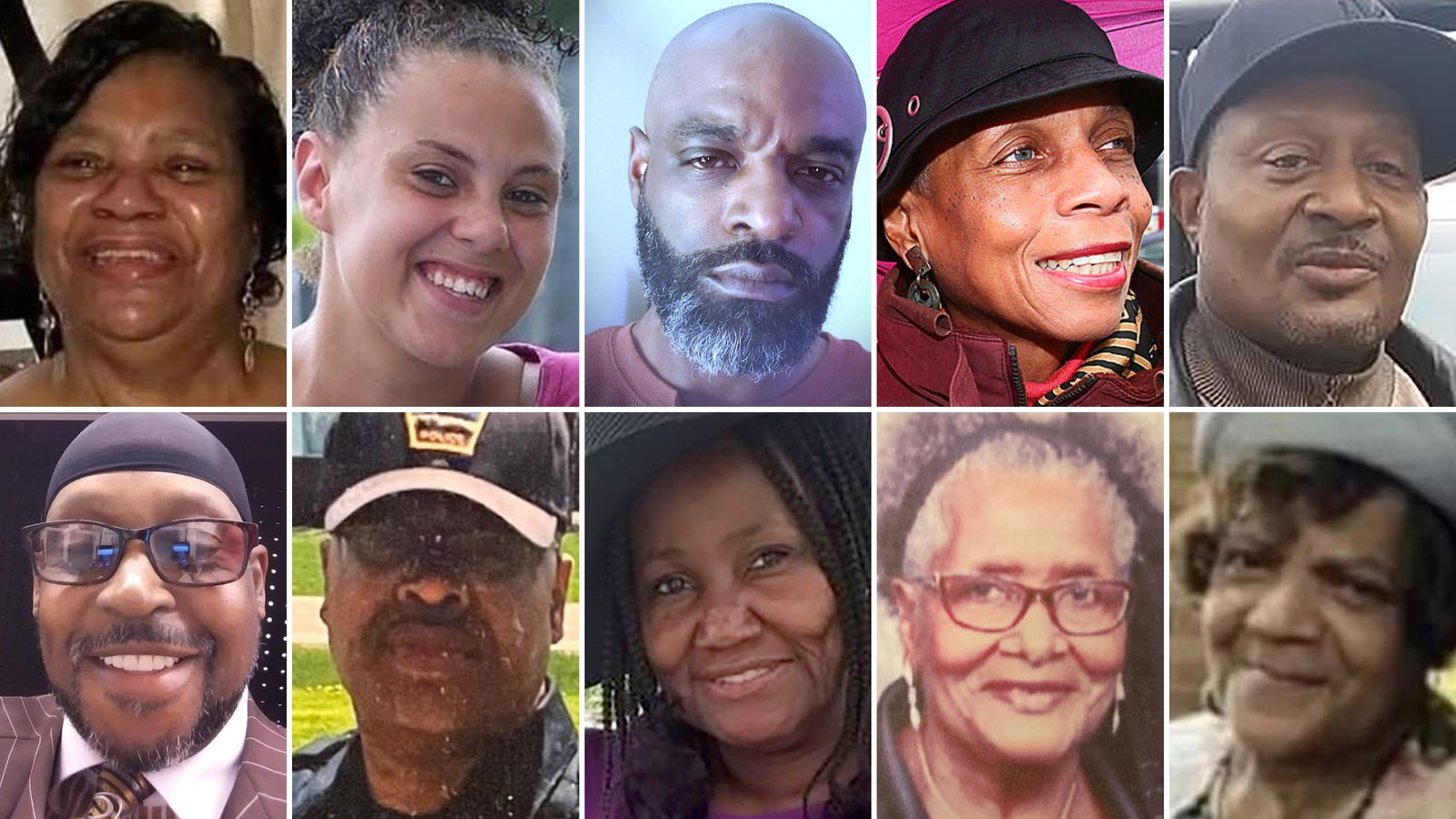
After posting a racist manifesto online before targeting a majority-Black neighborhood, a white supremacist killed ten people at a grocery store in Buffalo, New York.
Continue reading
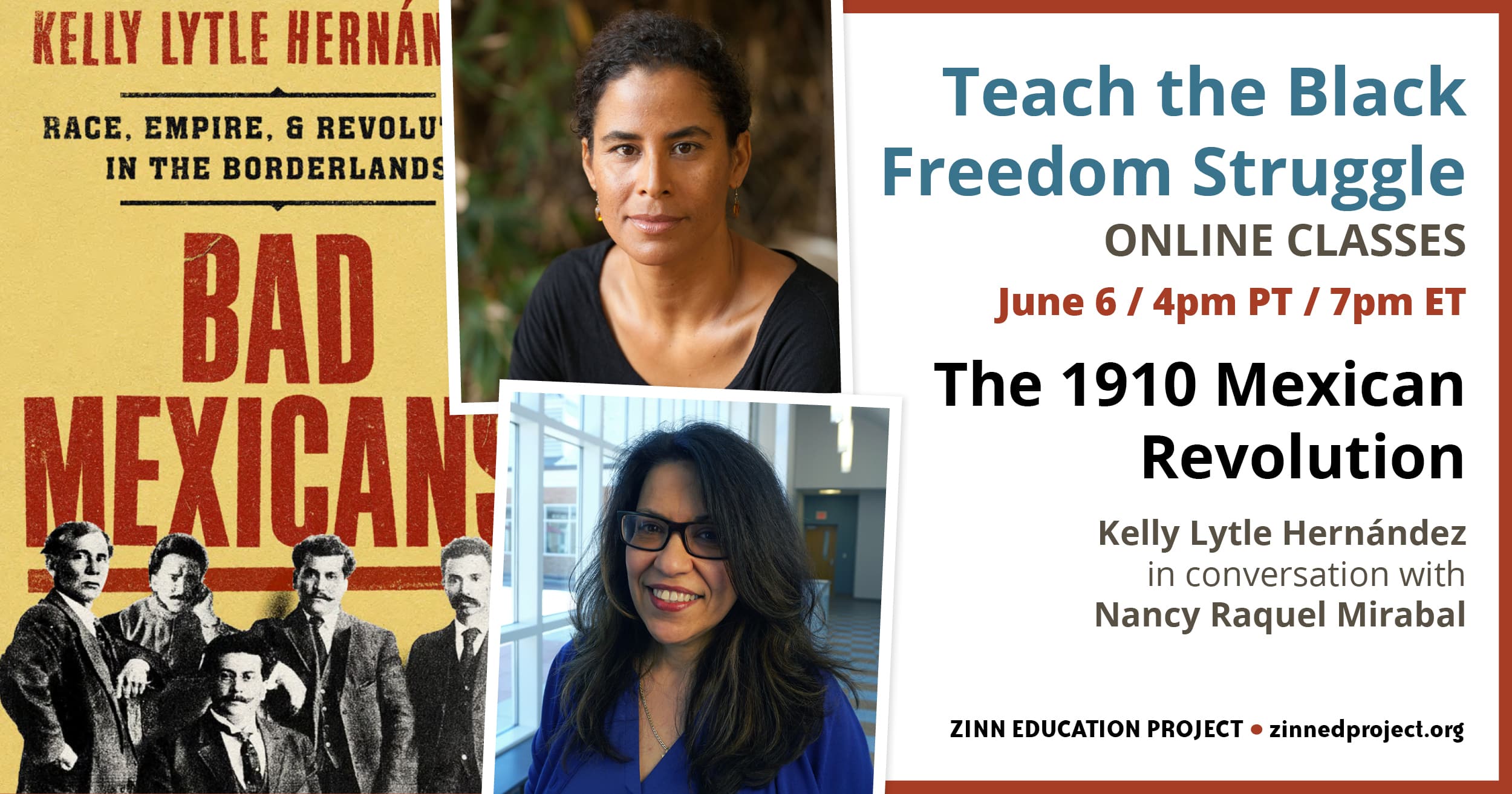
Author Kelly Lytle Hernández spoke about the magonistas, a group of agitators who challenged Mexican dictator Porfirio Díaz in the early 20th century. This session is part of the Zinn Education Project’s Teach the Black Freedom Struggle online people’s history series.
Continue reading
North Dakota passed a law to ban teaching "that racism is systemically embedded in American society and the American legal system to facilitate racial inequality." Instead, teachers must say that "racism is merely the product of learned individual bias or prejudice."
Continue reading
Teaching Activity. By Linda Christensen. Rethinking Schools. 20 pages.
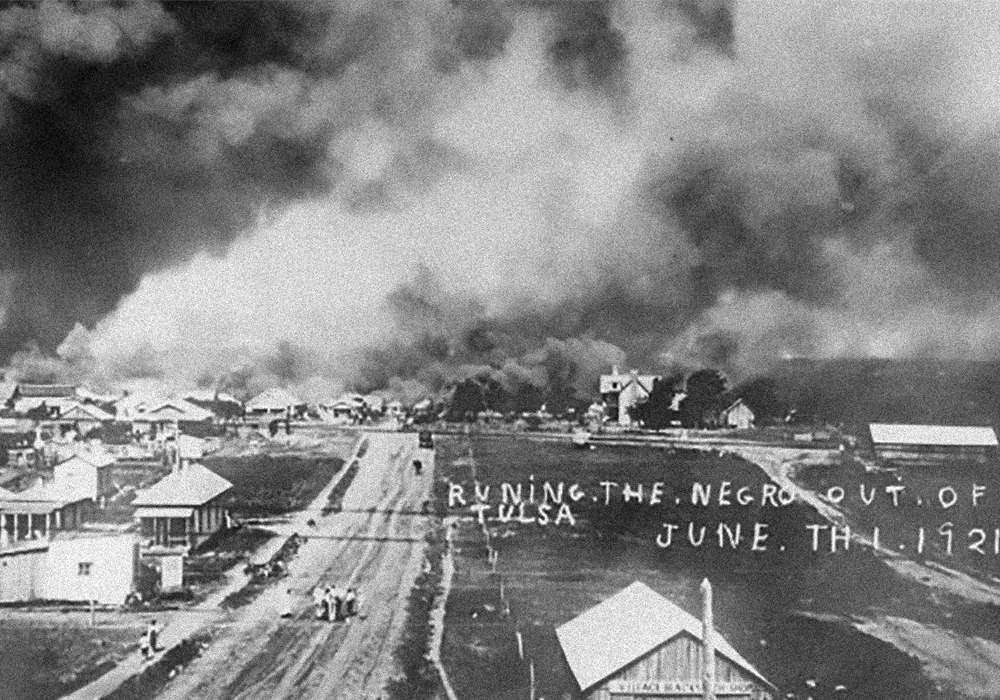
Teaching about racist patterns of murder, theft, displacement, and wealth inequality through the 1921 Tulsa Massacre.
Continue reading
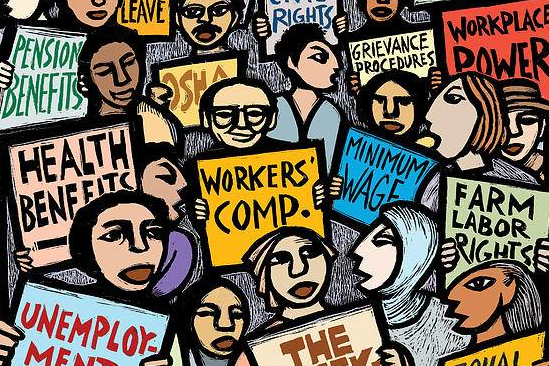
International Workers’ Day began as a commemoration of the 1886 Haymarket massacre in Chicago.
Continue reading
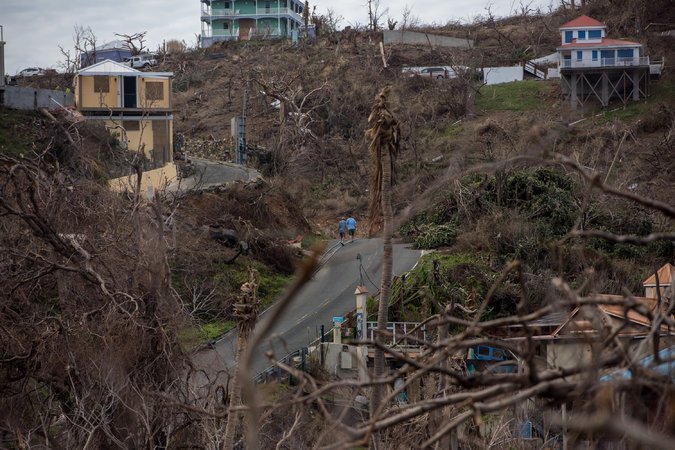
The Virgin Islands were hit by Hurricane Irma. Also, on #tdih in 1928, Hurricane Okeechobee formed and hit Puerto Rico and Florida soon in mid-September.
Continue reading
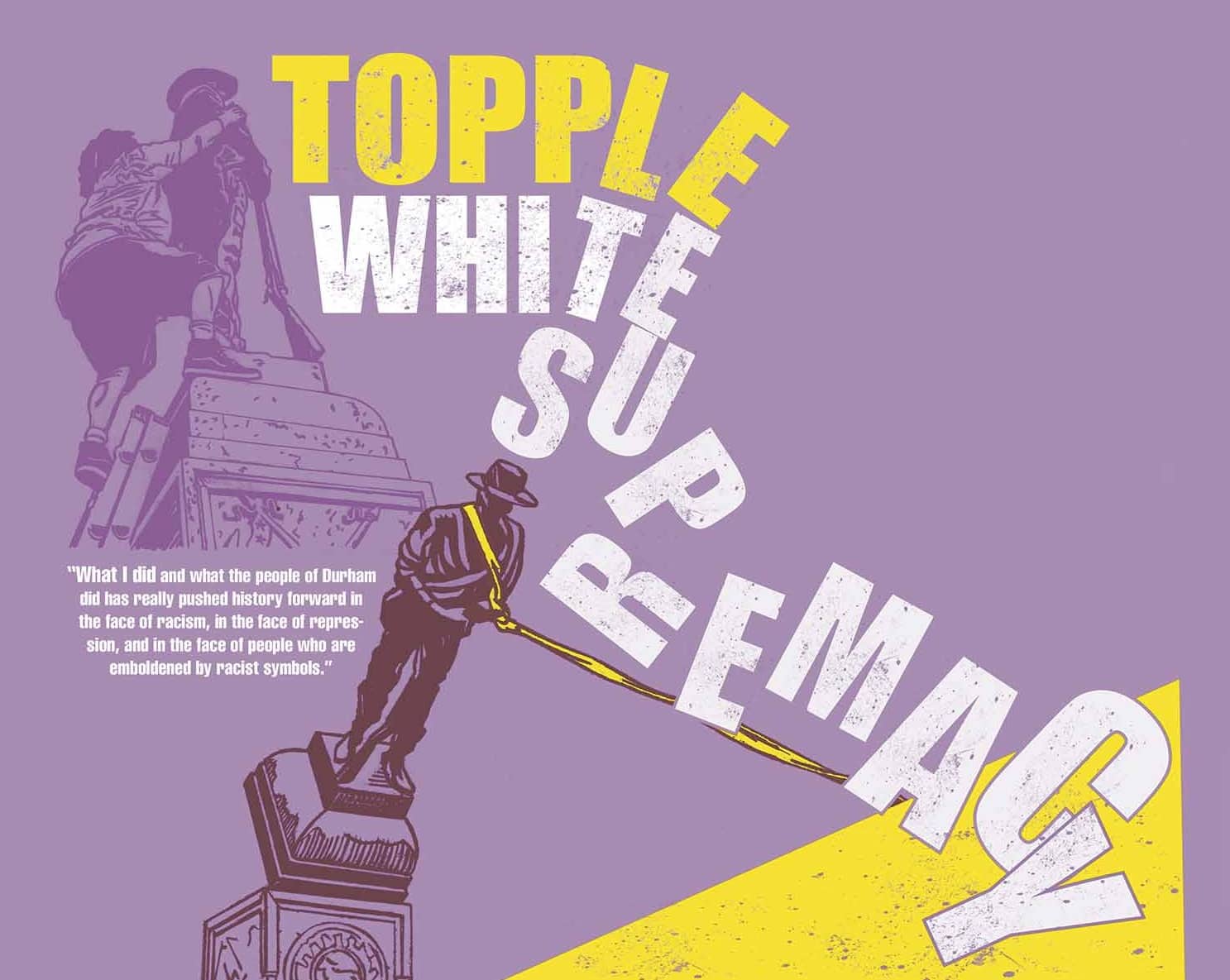
Freedom fighter Takiyah Thompson looped a bright yellow strap around the neck of a Durham, North Carolina monument to Confederate soldiers, and a crowd of other activists pulled it down, inspiring other communities to take direct action in removing public symbols that glorify white supremacy, and to raise up new stories that celebrate all people.
Continue reading
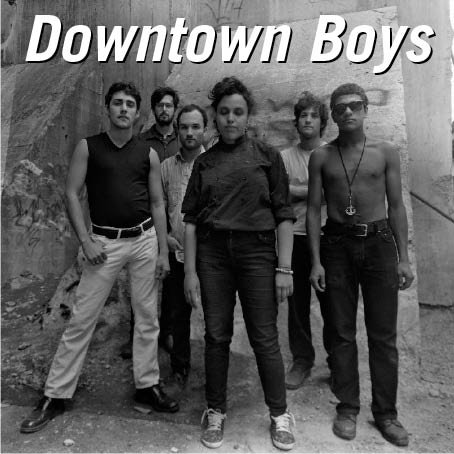
Pitchfork magazine wrote about the 2016 elections in an article titled, "How to Get Involved in Politics Right Now: Take These Musicians’ Leads." They stressed the importance of teaching people's history, "...we must take seriously the ways in which public school resources represent our history. One easy way to do so it to look at the Zinn Education Project."
Continue reading
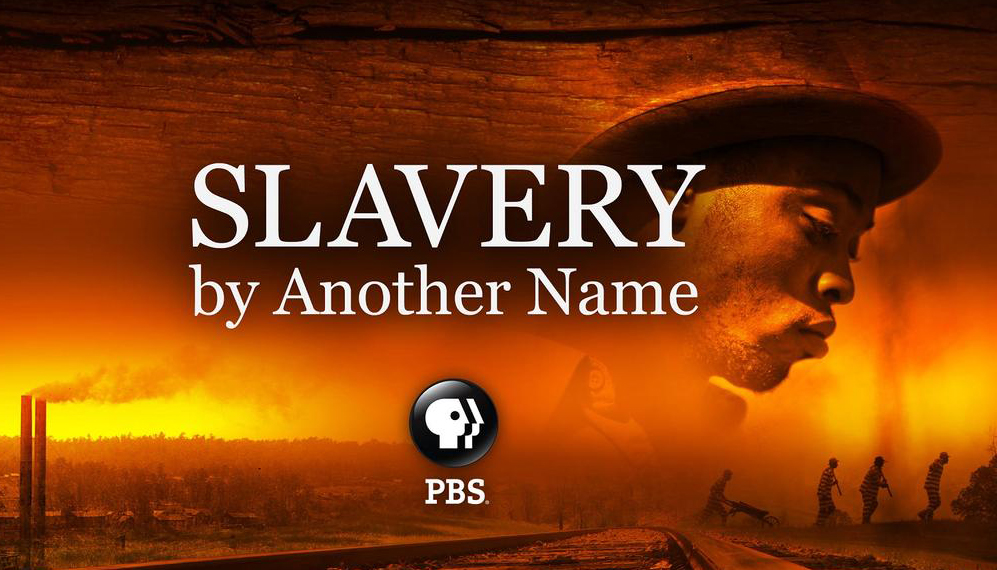
Film. By Sam Pollard, Catherine Allan, Douglas Blackmon and Sheila Curran Bernard. 2012. 90 minutes.
Reveals the interlocking forces in the South and the North that enabled “neoslavery” post-Emancipation Proclamation.
Continue reading
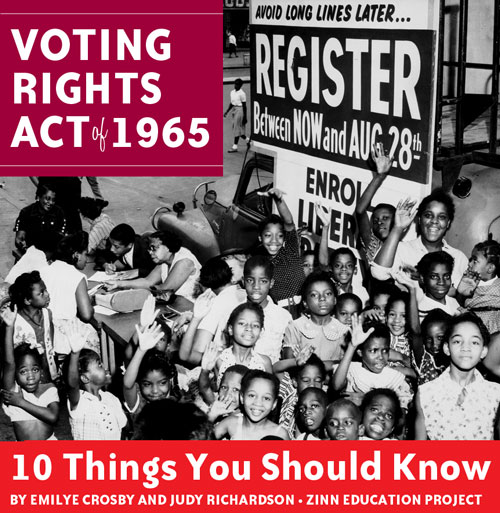
With the 2016 presidential election in the news, we share this article by Emilye Crosby and Judy Richardson, “The Voting Rights Act: Ten Things You Should Know.” Crosby and Richardson discuss key points in the history of the 1965 Voting Rights Act missing from most textbooks. We also share a segment from Democracy Now! on voting rights today.
Continue reading
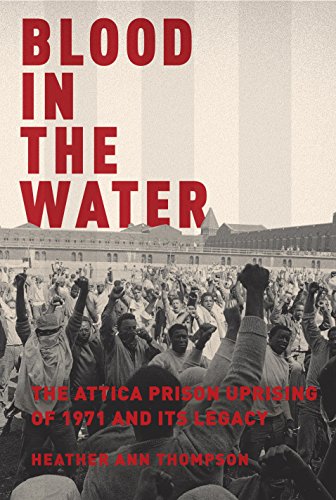
Book — Non-fiction. By Heather Ann Thompson. 2016. 752 pages.
The hidden history of the infamous 1971 Attica Prison Uprising.
Continue reading
Profile.
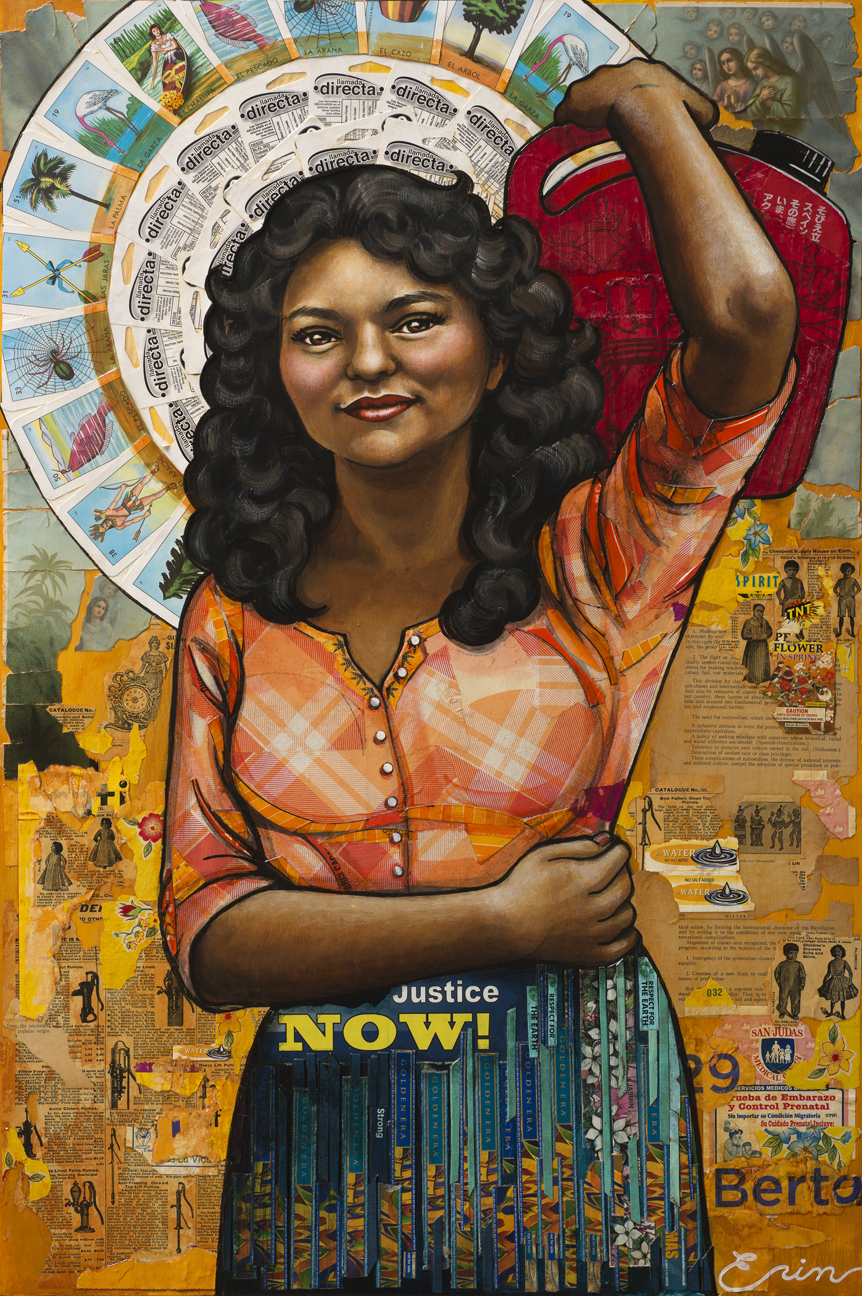
Overview and related resources about Honduran environmental activist Berta Cáceres.
Continue reading
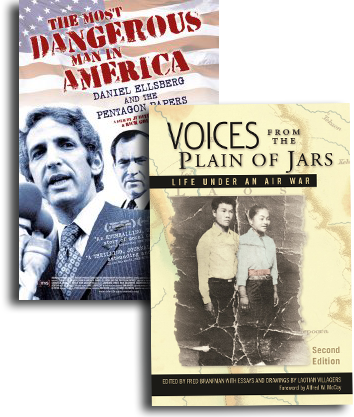
Did you see the Democratic debate last night? Former Secretary of State Henry Kissinger became a point of contention. We can take this opportunity to introduce students to Kissinger. It was Kissinger who famously called anti-Vietnam War activist and whistleblower Daniel Ellsberg "the most dangerous man in America."
Continue reading
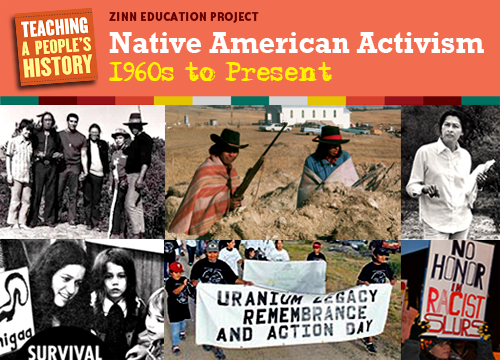
Overview of Native American activism since the late 1960s, including protests at Mt. Rushmore, Alcatraz, Standing Rock, and more.
Continue reading
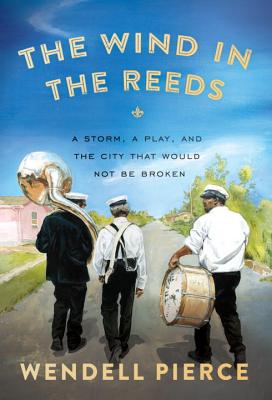
On this tenth anniversary of Hurricane Katrina, we recommend listening to this interview with actor, activist, and author Wendell Pierce on the "greatest crime" in the wake of the storm.
Continue reading
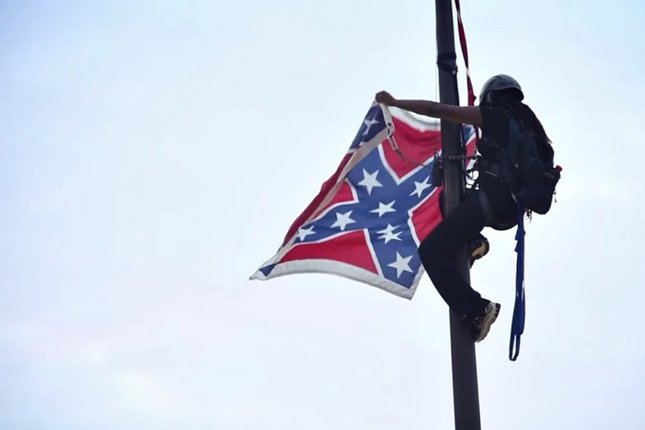
In June, while politicians continued to debate about the implications of taking down the Confederate flag after the shooting of nine people at Emmanuel AME Church and several arson fires on Black churches in the South that followed, Bree Newsome scaled the South Carolina state flag pole and took the flag down herself. She did not organized this effort alone.
Continue reading
While politicians debated the implications of taking down the Confederate flag after the white supremacist murder of nine African Americans at Emmanuel AME Church, Bree Newsome scaled the South Carolina state flag pole and took the flag down.
Continue reading
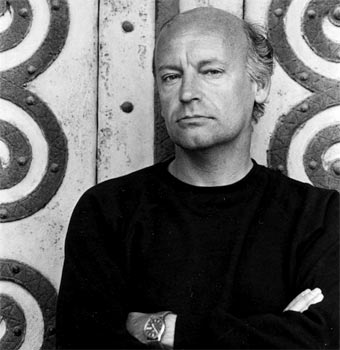
The great writer, historian, activist, and critic, Eduardo Galeano, died on April 13, 2015. His work was a gift to every teacher who hopes to make sense of this "upside down world" with students.
Continue reading
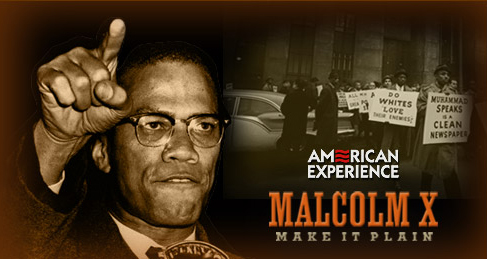
Film. Written by Steve Fayer and Orlando Bagwell. 1994. 138 minutes.
Documentary film on the life and words of Malcolm X/ El-Hajj Malik El-Shabazz.
Continue reading
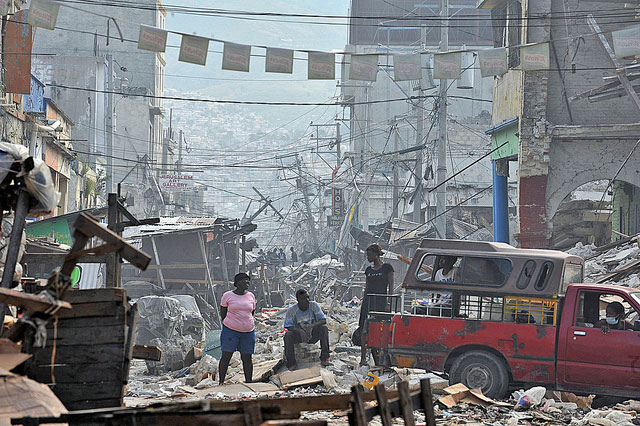
Teaching Activity. By Adam Sanchez. Rethinking Schools. 12 pages.
A trial role play asks students to question the role played by the U.S. government and other international actors in the 2010 earthquake.
Continue reading
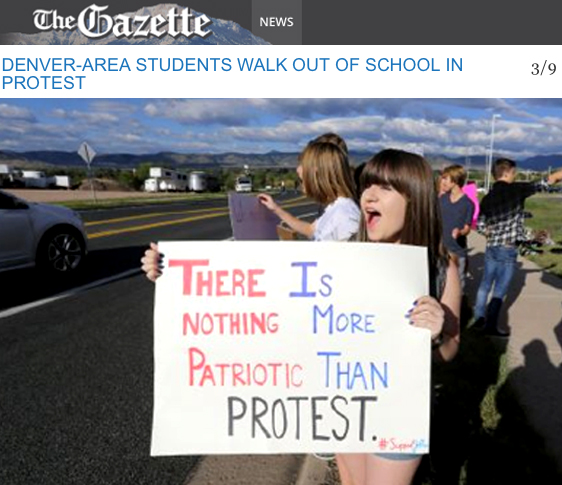
By Zaid Jilani, Alternet.org
As part of the long-running textbook wars over American school curricula, the Jefferson County Colorado Board of Education moved earlier this month to alter AP U.S. history standards to meet a more right-wing view of the world, emphasizing “patriotism” and the “free enterprise system” and downplaying “social strife.”
Continue reading