Teaching Activity. By Bill Bigelow and Norm Diamond. 5 pages.
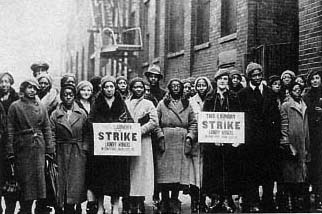
Activity for students to write from the point of view of one of the women featured in the film Union Maids.
Continue reading
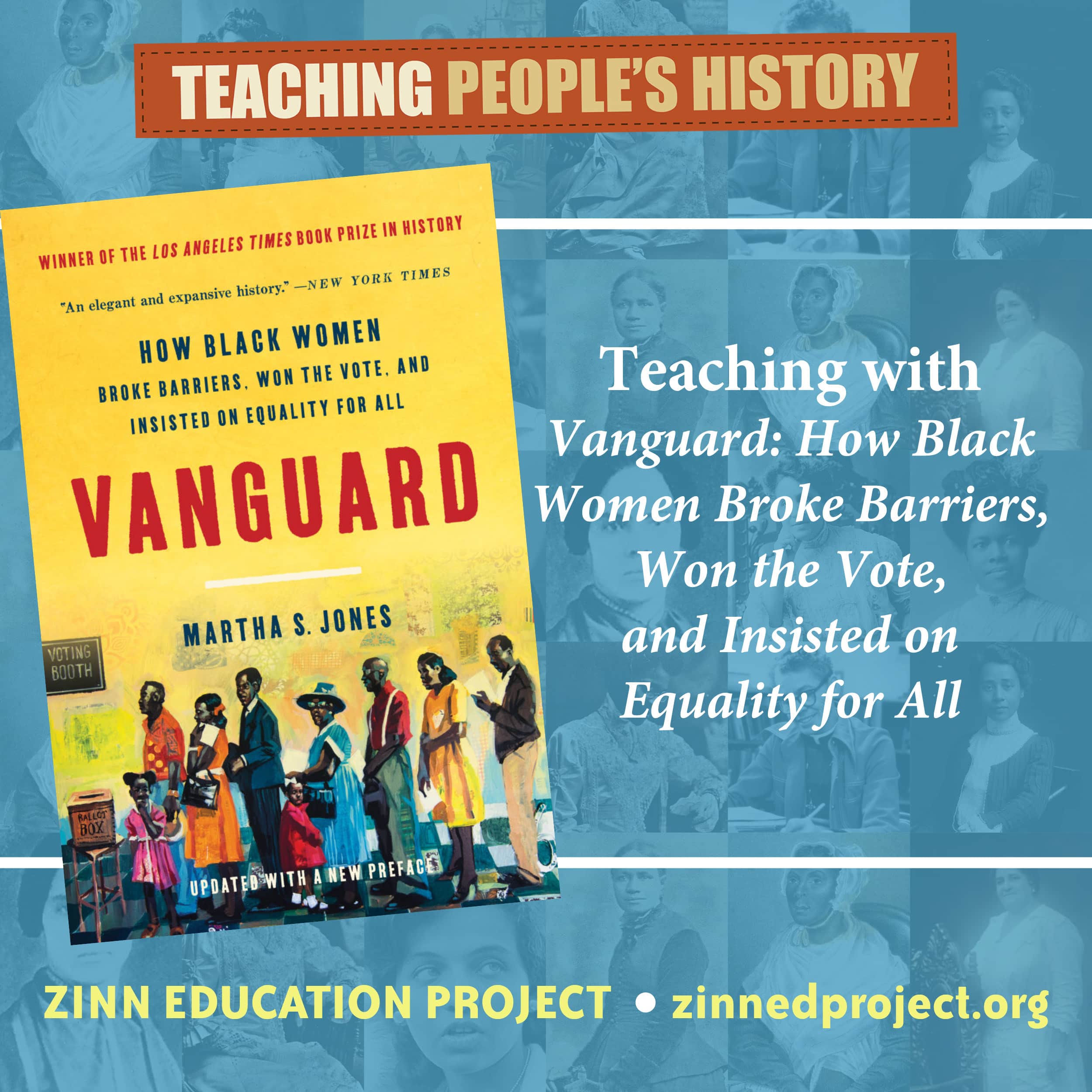
Teaching Activity. By Ursula Wolfe-Rocca. 25 pages.
Students engage in an interactive activity with short excerpts from Martha Jones’ book to learn about the leading role of Black women in the fight for voting rights throughout U.S. history.
Continue reading
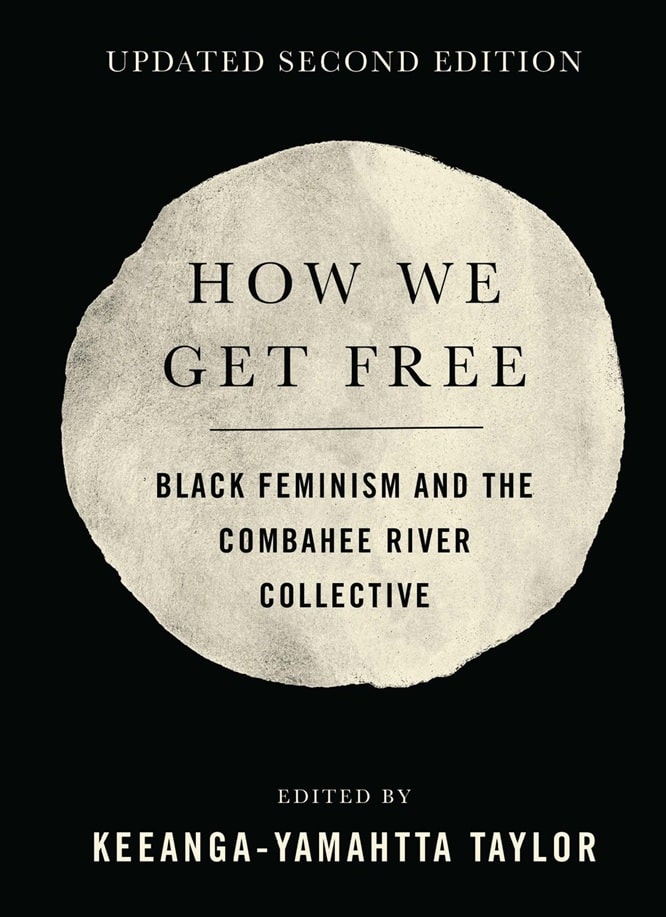
Book — Non-fiction. Edited by Keeanga-Yamahtta Taylor. 2026. 264 pages.
A collection of essays and interviews with founding members of the Combahee River Collective and contemporary activists who reflect on the organization’s contributions to Black feminism and its impact on today’s struggles.
Continue reading
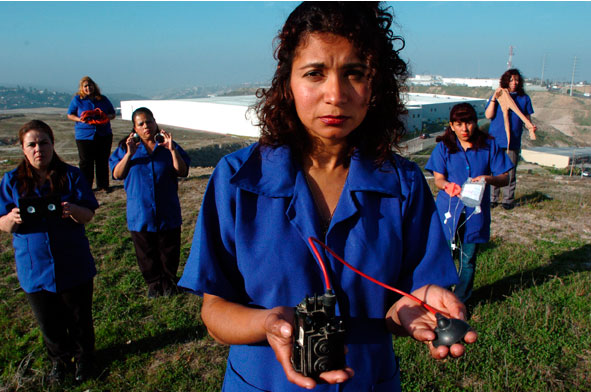
Film. Directed and produced by Vicky Funari and Sergio De La Torre. 2006. 68 minutes.
The impact of globalization as told through the lives of the women who experience it in Tijuana, Mexico.
Continue reading
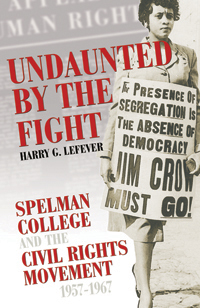
Book — Non-fiction. By Harry G. Lefever. 2005. 304 pages.
The story of Spelman College students and faculty engagement in the Civil Rights Movement from 1957 to 1967.
Continue reading
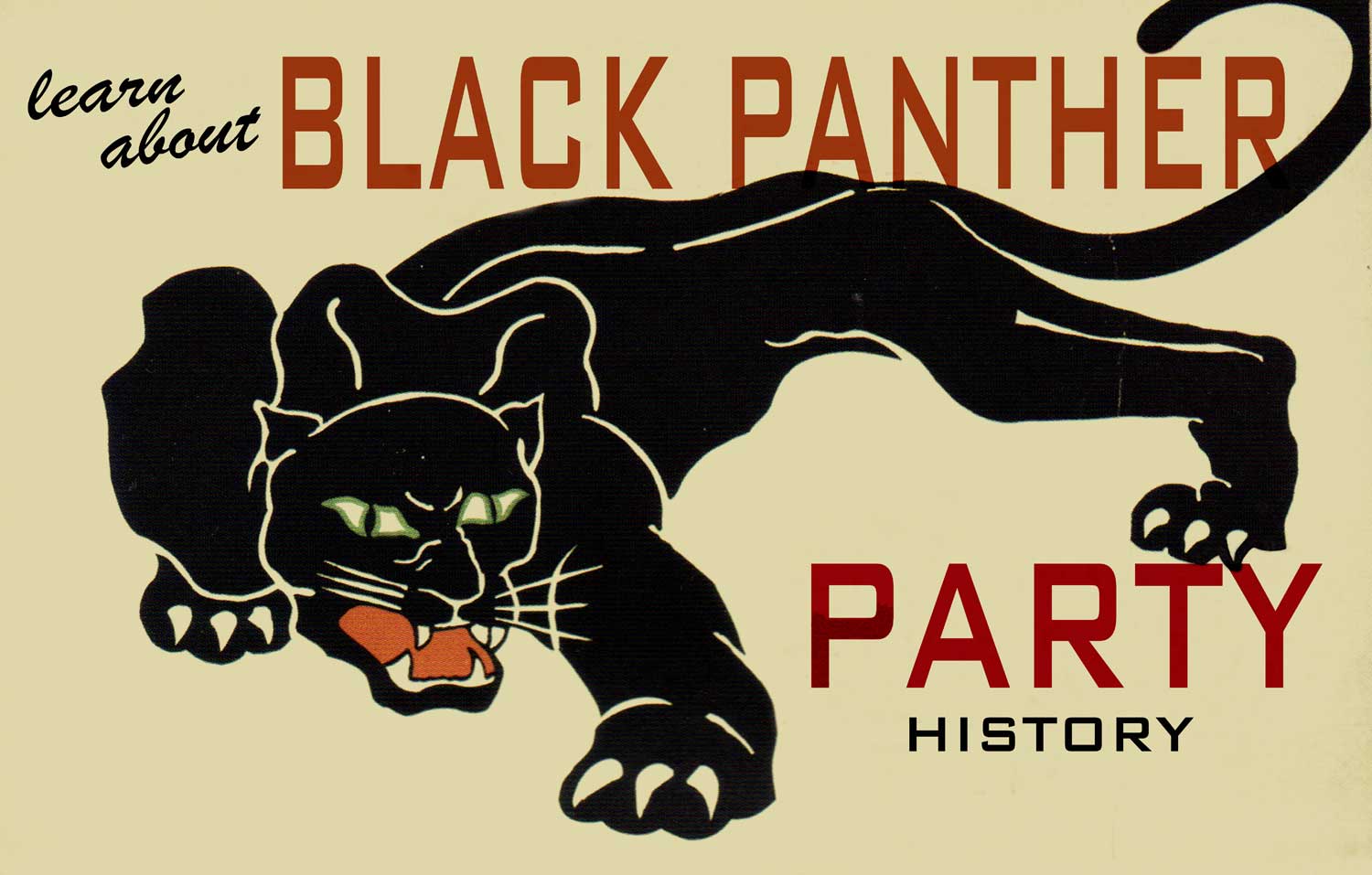
Teaching Activity. By Adam Sanchez and Jesse Hagopian. Rethinking Schools. 33 pages.
A mixer lesson introduces students to the pivotal history of the Black Panthers.
Continue reading
Mary Hamilton's insistence on being addressed by Miss led to a Supreme Court ruling requiring honorifics for everyone in court, regardless of race or gender.
Continue reading
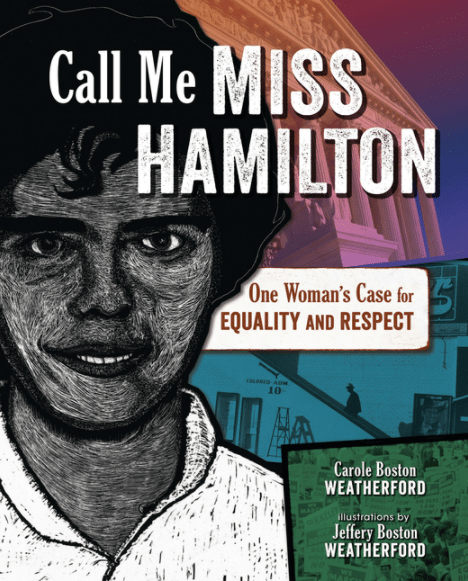
Picture book. By Carole Boston Weatherford, illustrated by Jeffery Boston Weatherford. 2022. 40 pages.
The story of Mary Hamilton, whose 1964 Supreme Court case led to the ruling that all people in court should be referred to with honorifics.
Continue reading
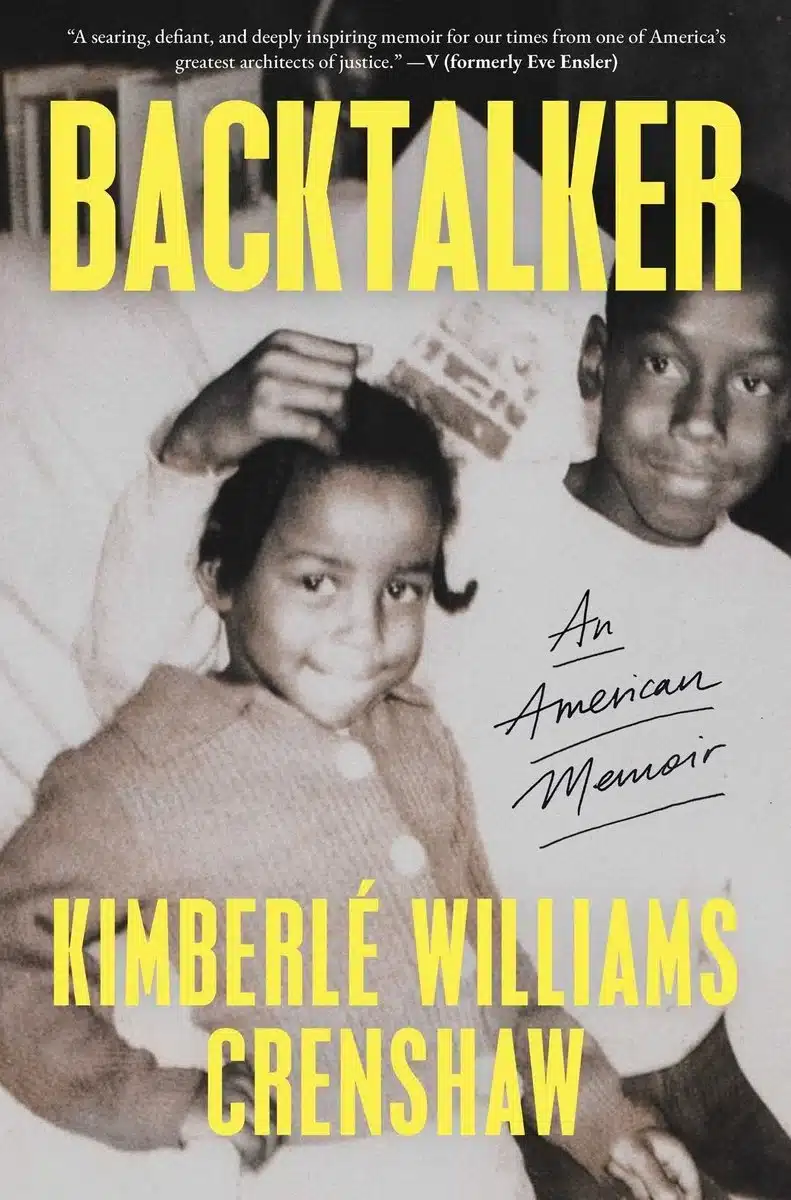
Book — Non-fiction. By Kimberlé Williams Crenshaw. 2026. 400 pages.
This memoir traces the way Crenshaw’s lived experiences led her to articulate the concepts of intersectionality and critical race theory.
Continue reading
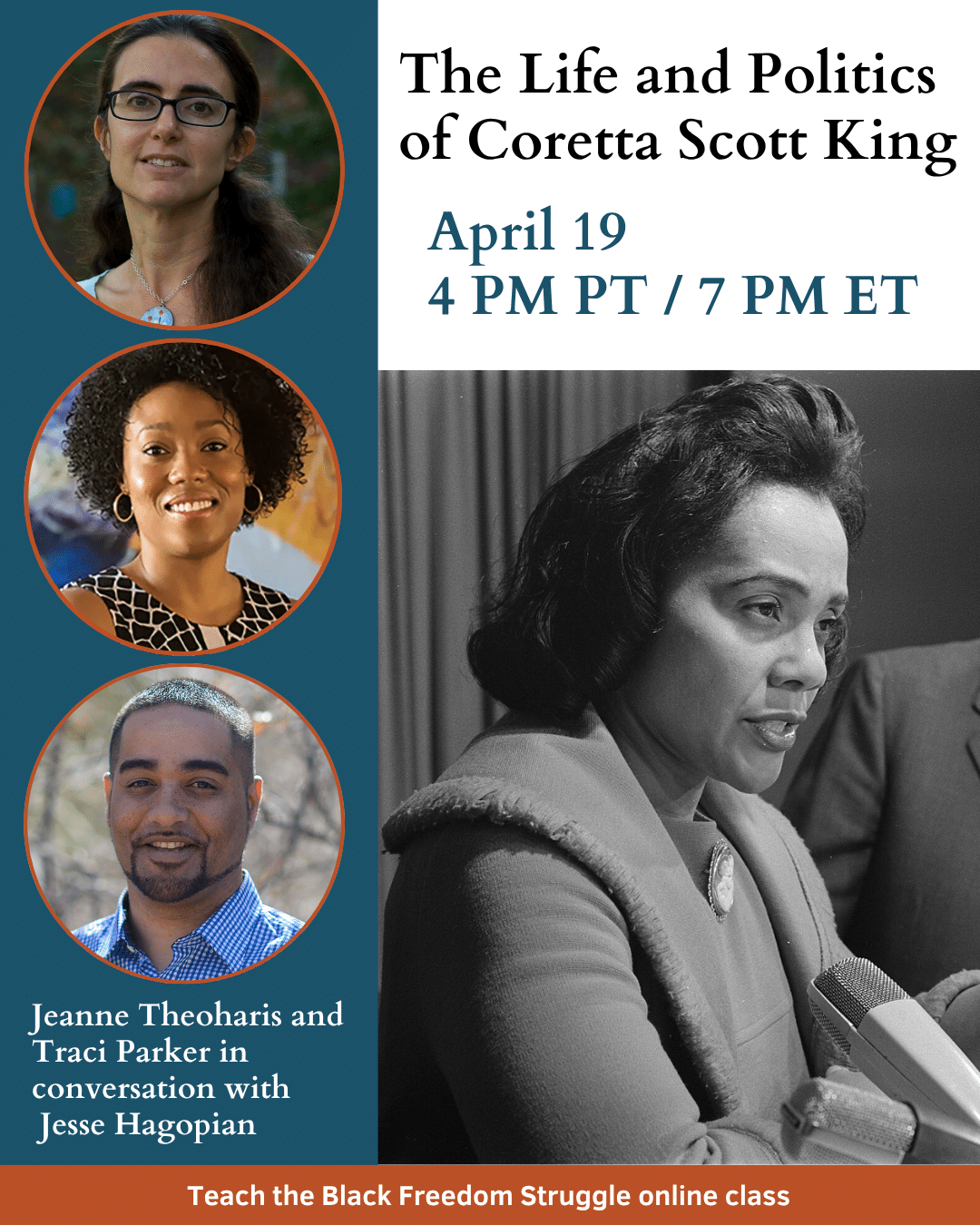
Rethinking Schools editor Jesse Hagopian will be in conversation with historians Jeanne Theoharis and Traci Parker about the life and politics of Coretta Scott King and Theoharis’ book about this often overlooked civil rights icon. This class is part of the Zinn Education Project’s Teach the Black Freedom Struggle online people’s history series.
Continue reading
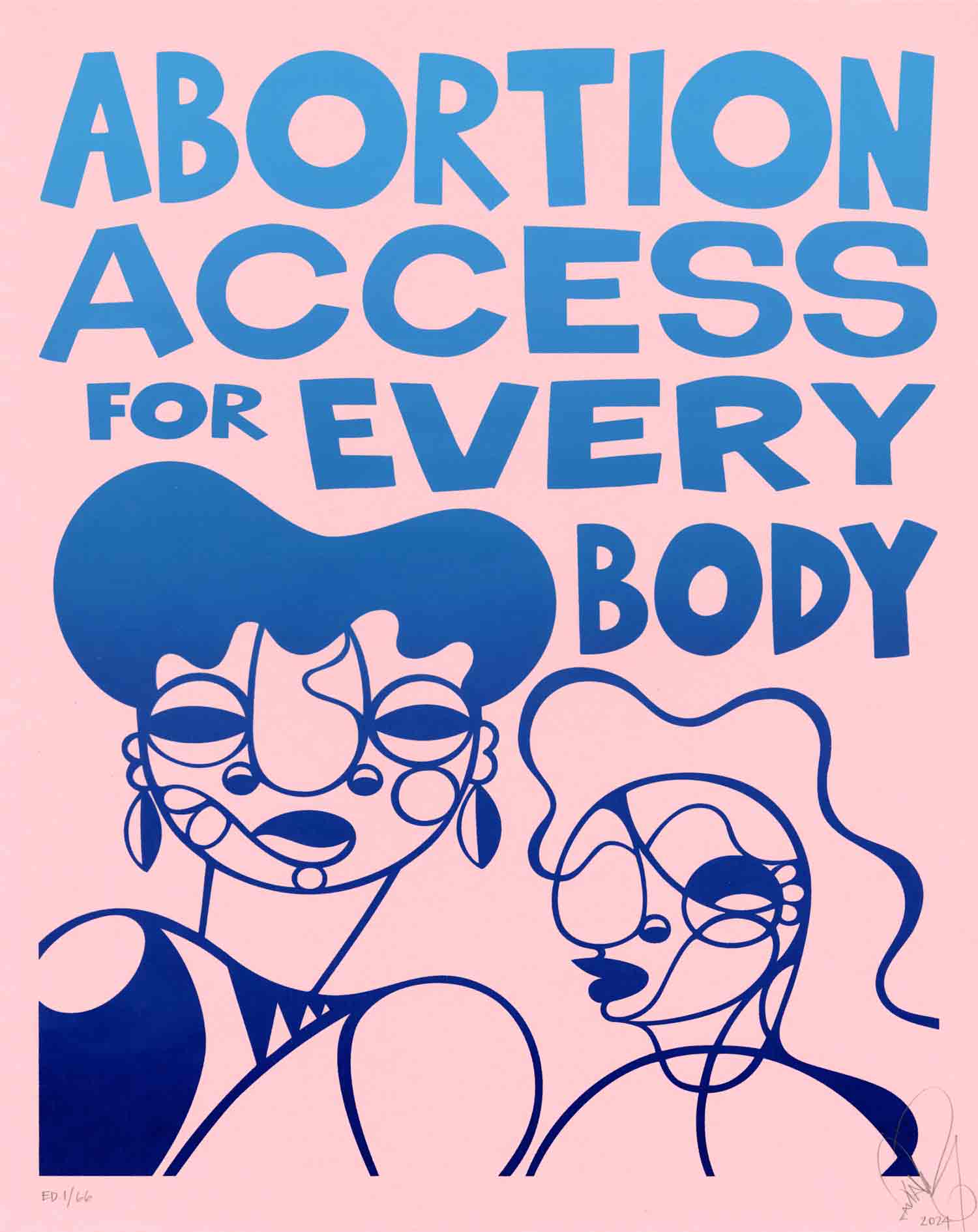
The U.S. Supreme Court overturned Roe v. Wade in Dobbs v. Jackson Women’s Health Organization, ending the federal constitutional right to abortion.
Continue reading
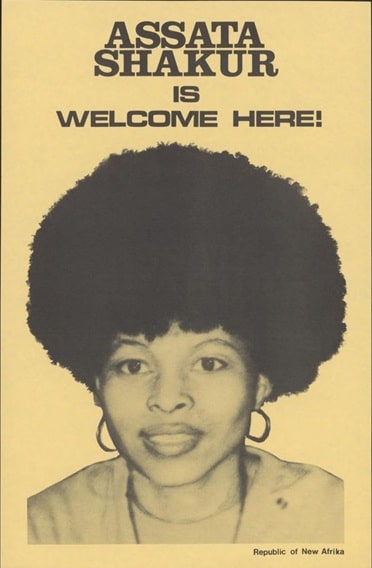
With the help of dedicated comrades, Assata Shakur escaped from prison and her liberation continues to be an inspiration for people and movements around the world.
Continue reading
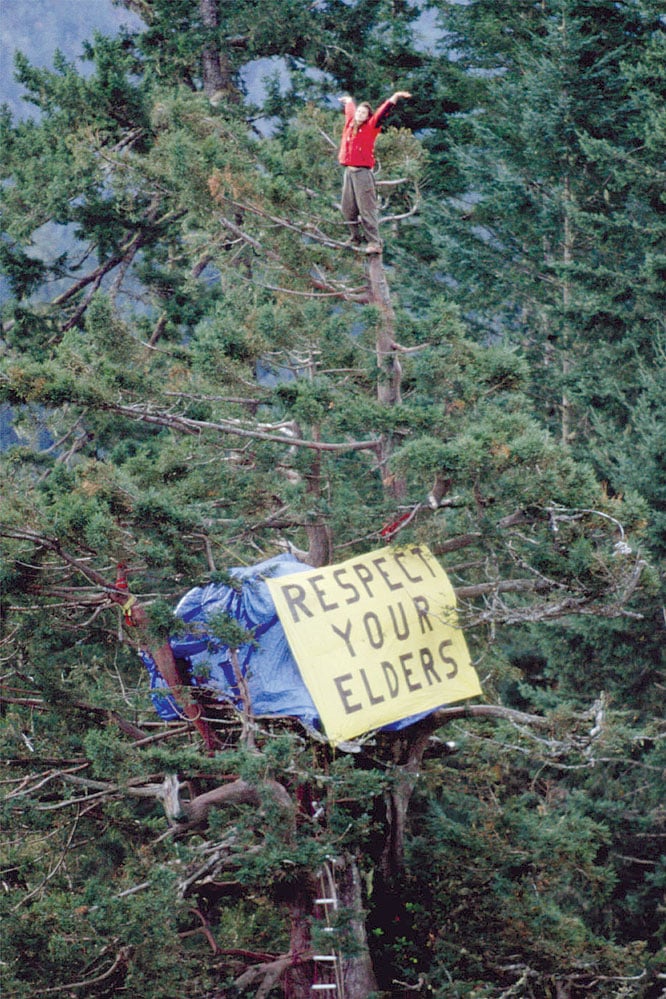
Environmental activist Julia “Butterfly” Hill maintained a tree-sit in an ancient redwood tree in Northern California for 738 days, successfully preventing logging of that area of old growth forest.
Continue reading
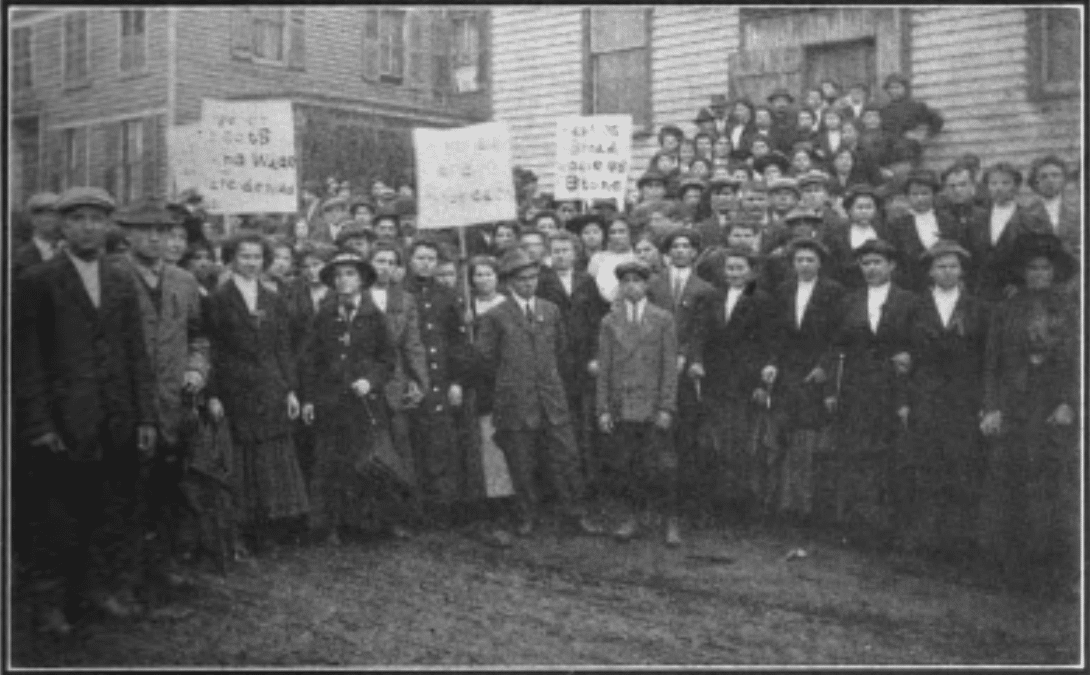
When immigrant women working in the textile mills of Little Falls, New York, walked off the job, they began a struggle that has been historically neglected due to sitting between the Bread and Roses Strike and the Paterson Silk Strike on the timeline of labor studies.
Continue reading
Film. Directed by Catherine Murphy and Iris de Oliveira. 2025. 70 minutes.
Tells the story of an experimental adult education project in Northeastern Brazil led by Paulo Freire that enabled hundreds of rural people to read, write, and begin to vote.
Continue reading