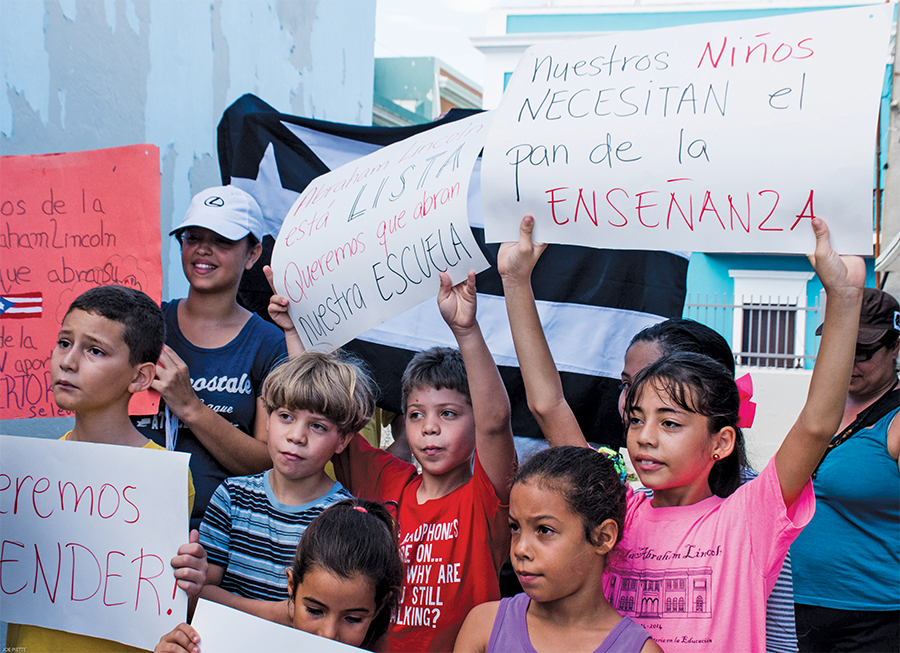
Hurricane Maria struck Puerto Rico as a major Category 4 storm.
Continue reading
When Gonzalo and Felicitas Mendez, two California farmers, sent their children to a local school, their children were told that they would have to go to a separate facility reserved for Mexican American students.
Continue reading
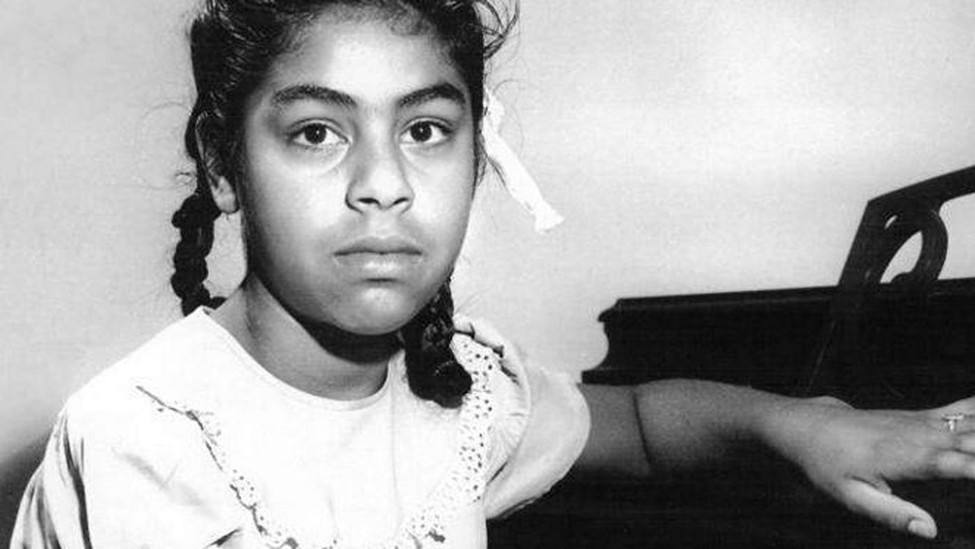
Tenayuca was known as “La Pasionaria de Texas” for her commitment to justice for Mexican American laborers.
Continue reading
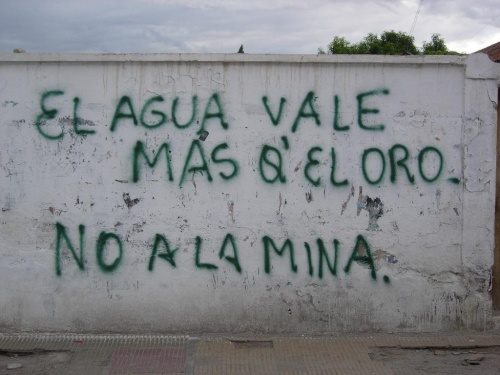
The “civil war” in El Salvador officially ended, but other struggles followed, including to protect the land and water from gold mining.
Continue reading
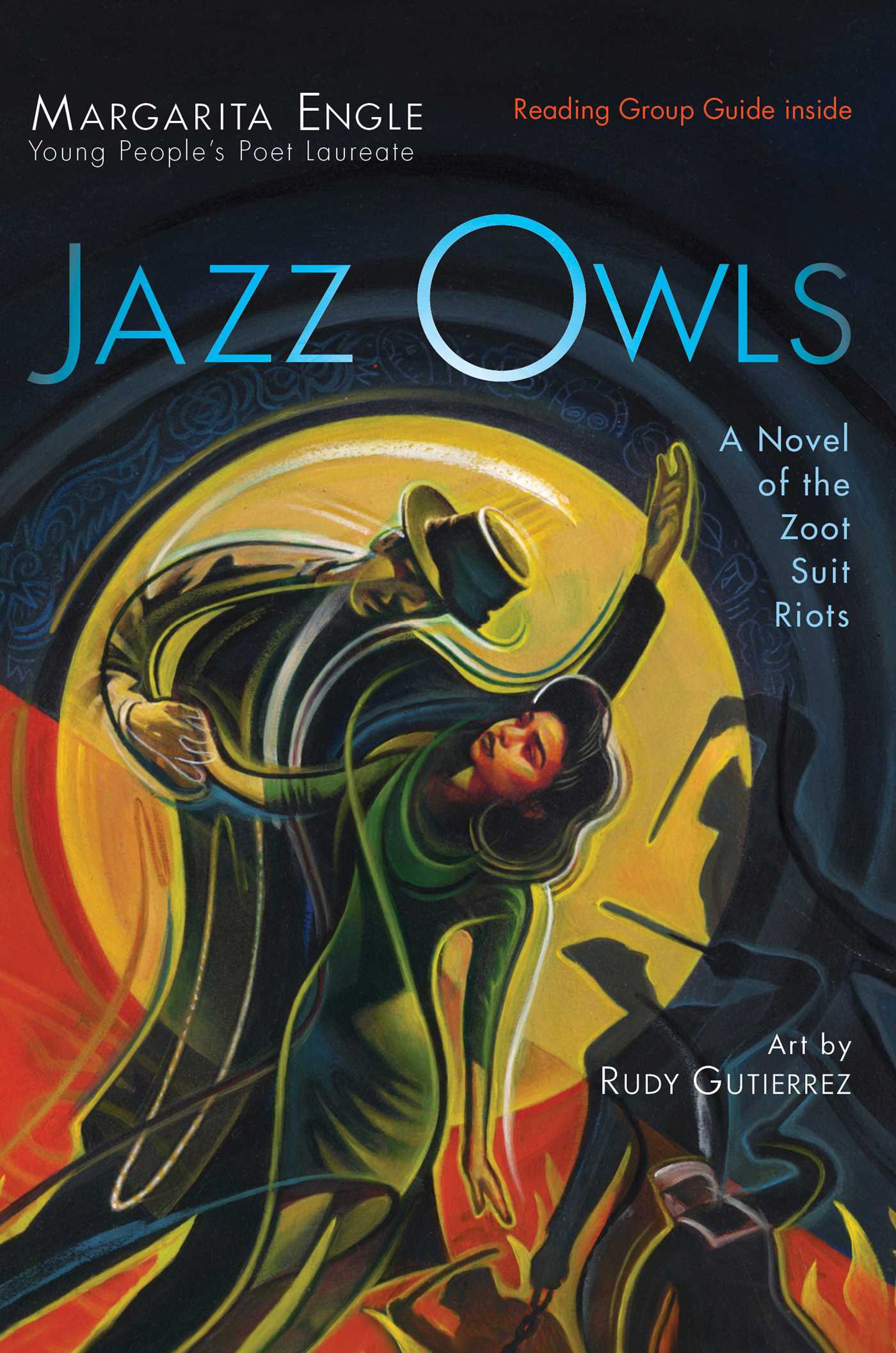
Book — Historical fiction. By Margarita Engle. 2018. 192 pages.
A novel that uses free verse to tell the story of the 1943 Zoot Suit (or Sailor) Riots through a wide range of characters.
Continue reading
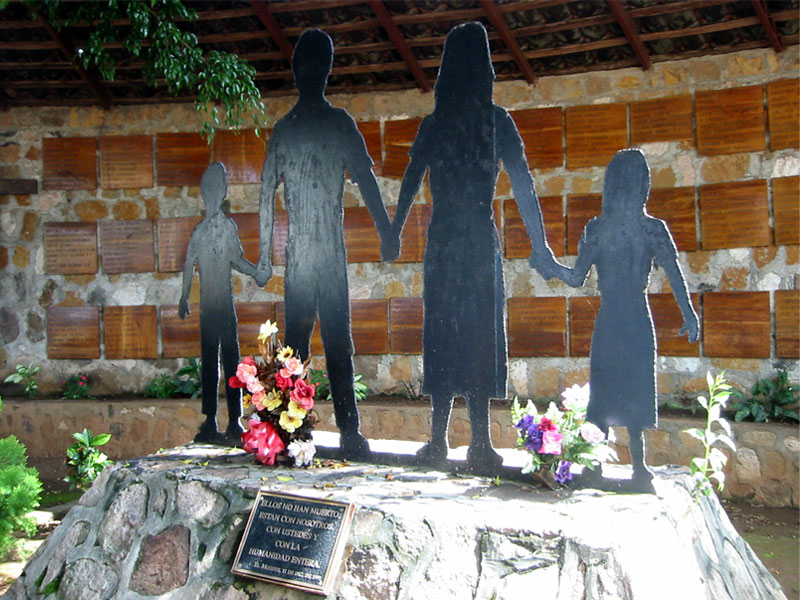
More than 800 civilians were massacred by the U.S.-backed Salvadoran Army in El Mozote.
Continue reading
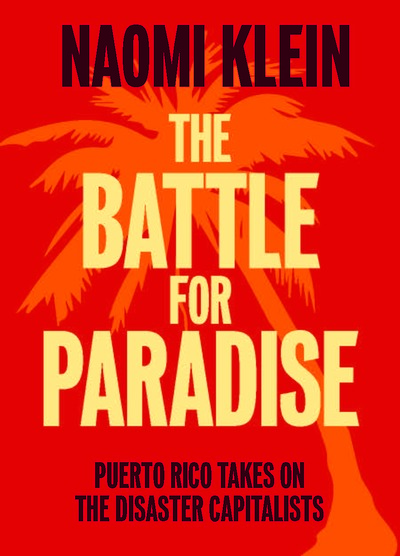
Book — Non-fiction. By Naomi Klein. 2018. 91 pages.
Post-Hurricane Maria, Puerto Ricans are engaged in a pitched struggle with "disaster capitalists" over how to remake the island.
Continue reading
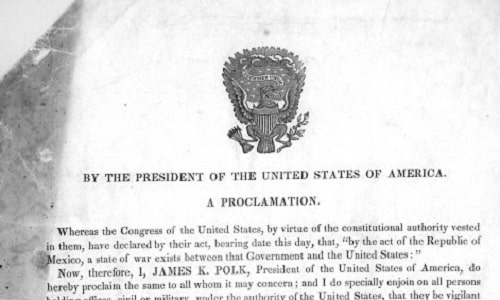
The U.S. Congress overwhelmingly voted in favor of President James K. Polk’s request to declare war on Mexico.
Continue reading
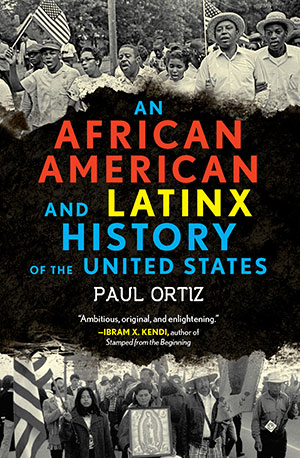
Book — Non-fiction. By Paul Ortiz. 2018. 296 pages.
This narrative, intersectional history describes the shared struggle for African American and Latinx civil rights, and argues that the “Global South” was crucial to the development of the United States.
Continue reading
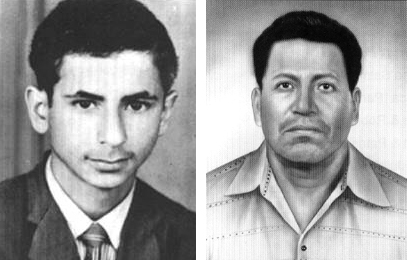
Twelve-year-old Santos Rodriguez and his 13-year-old brother David were pulled from their home in Dallas, Texas, handcuffed, and put inside a police car. Santos was killed when one of the officers played Russian roulette to try to force the boys to confess to a crime.
Continue reading
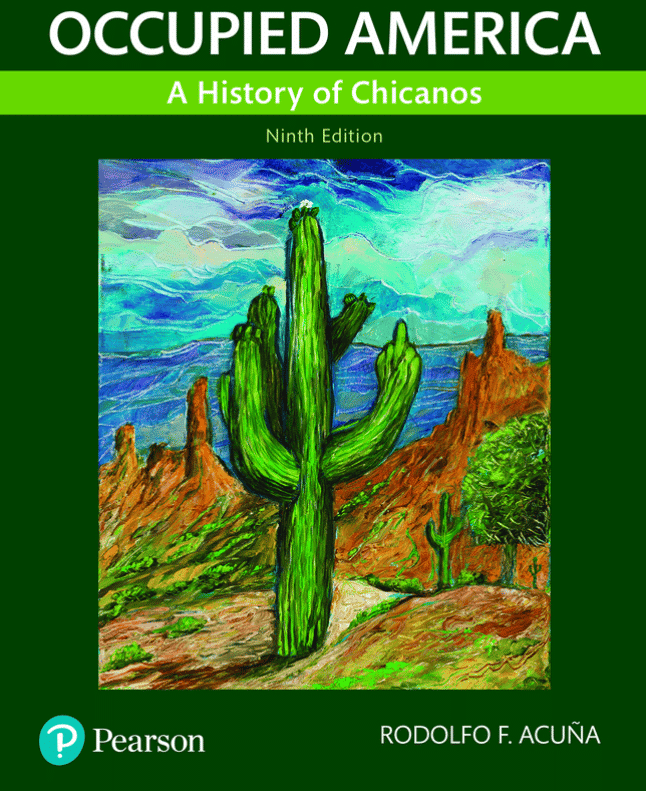
Book — Non-fiction. By Rodolfo Acuña. 2020 (9th Edition). 464 pages.
A leading textbook on Chicano history.
Teaching Activity by Rodolfo Acuña
Continue reading
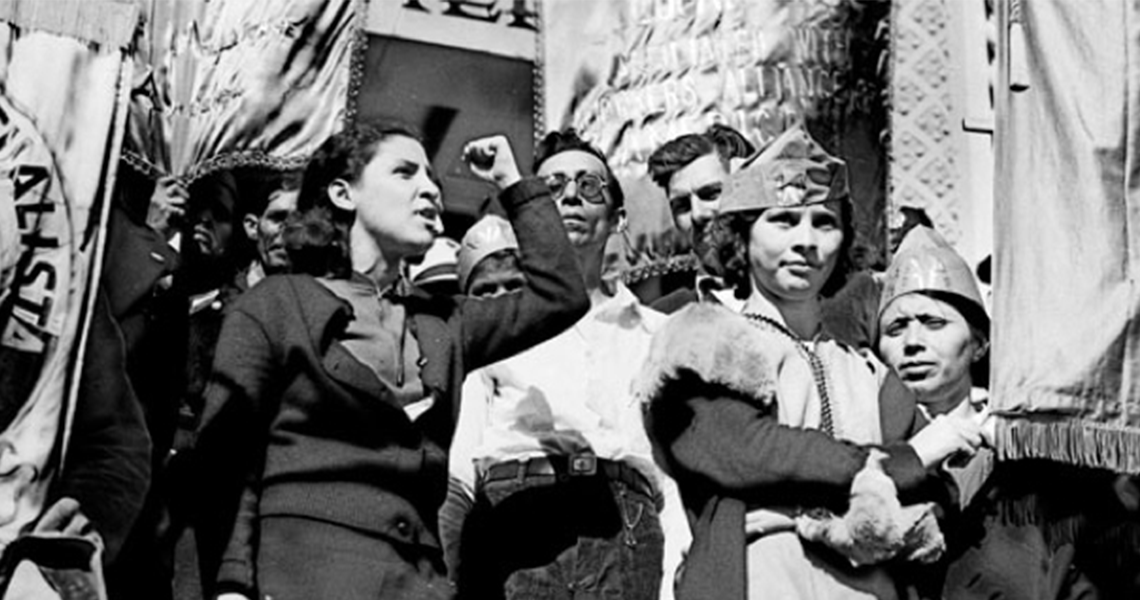
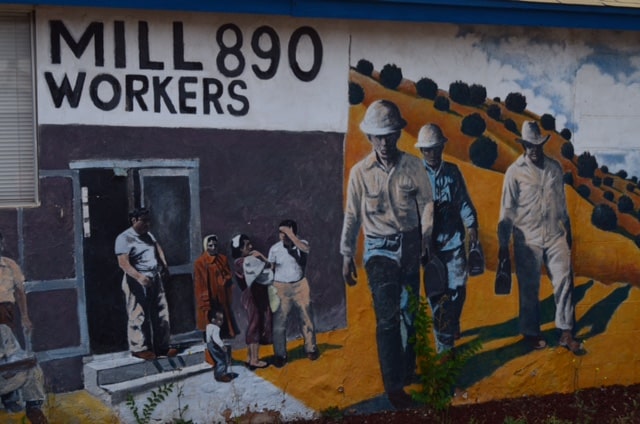
The local chapter of the International Union of Mine, Mill, and Smelter Workers went on strike to protest their segregated housing and unfair wages and living conditions.
Continue reading
Two striking United Farm Workers (UFW) were killed on Aug. 15 and 17, 1973, while picketing.
Continue reading
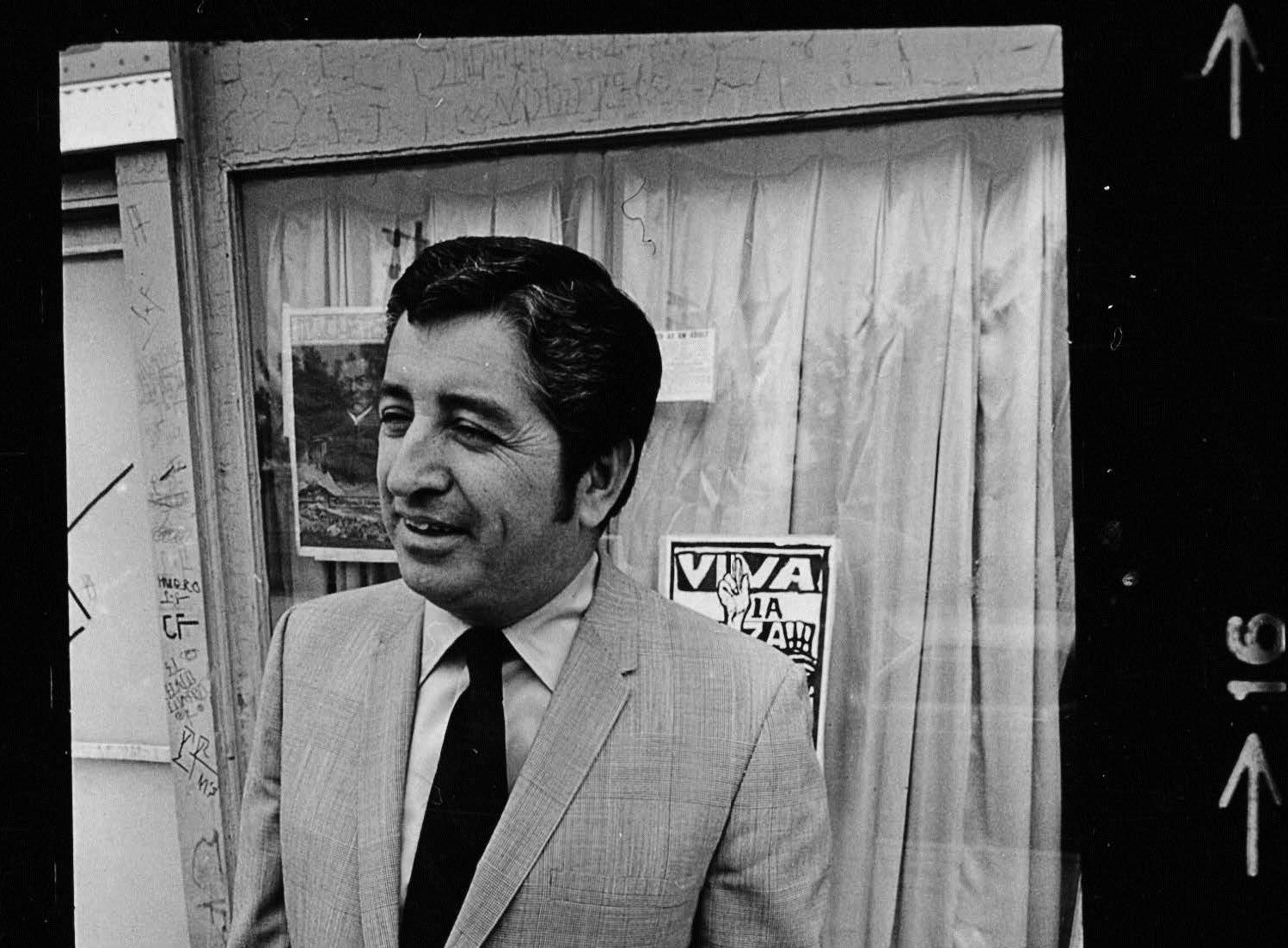
The National Chicano Moratorium March was held to protest the Vietnam War and Latino journalist Ruben Salazar was killed.
Continue reading
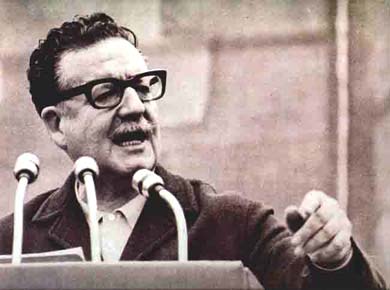
Chile’s democratically elected president, Salvador Allende was killed in a U.S.-backed coup.
Continue reading
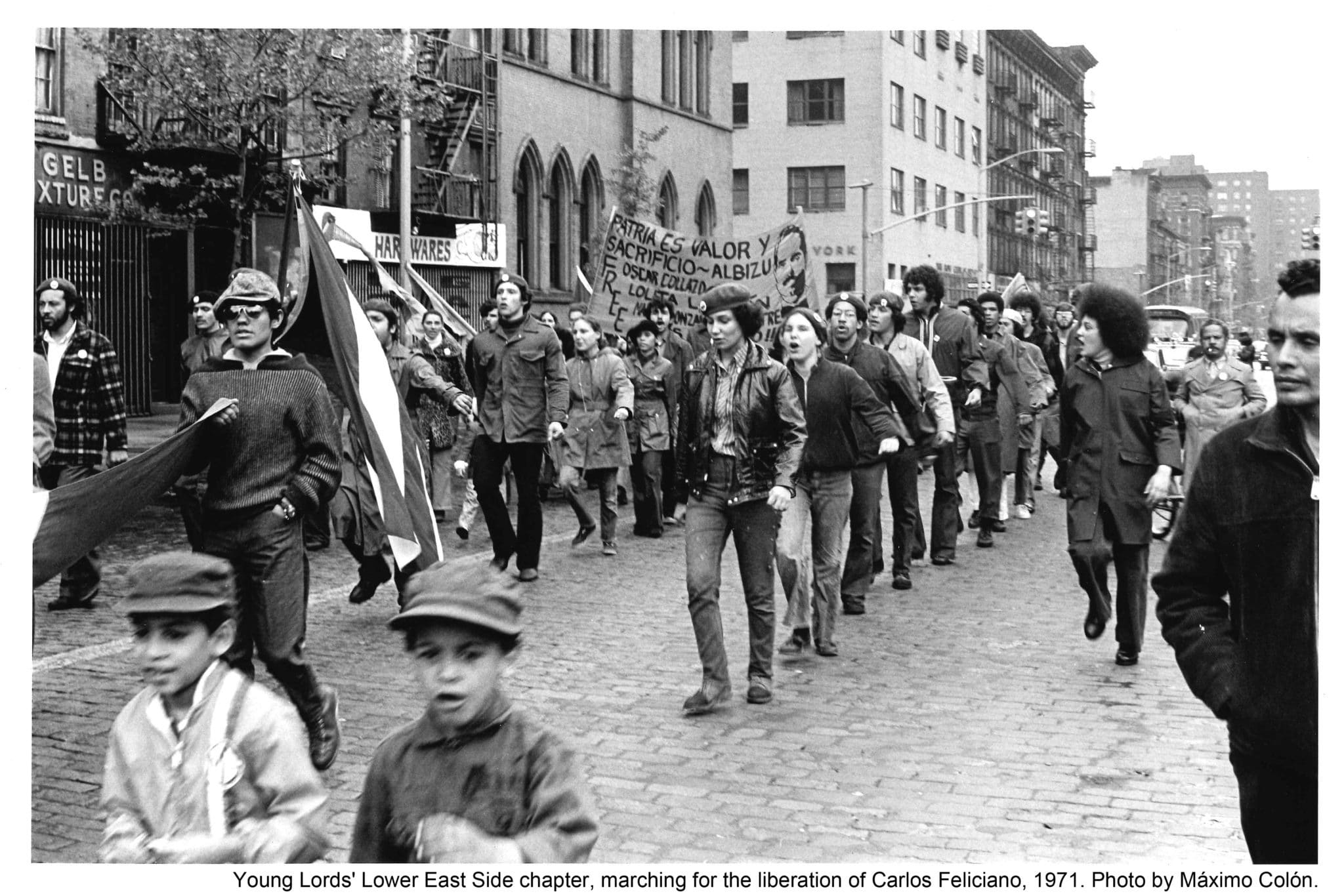
The Young Lords were established in Chicago, Illinois in 1968, led by a street activist named Cha Cha Jiménez, who organized the group to fight local gentrification, police brutality, and racism.
Continue reading
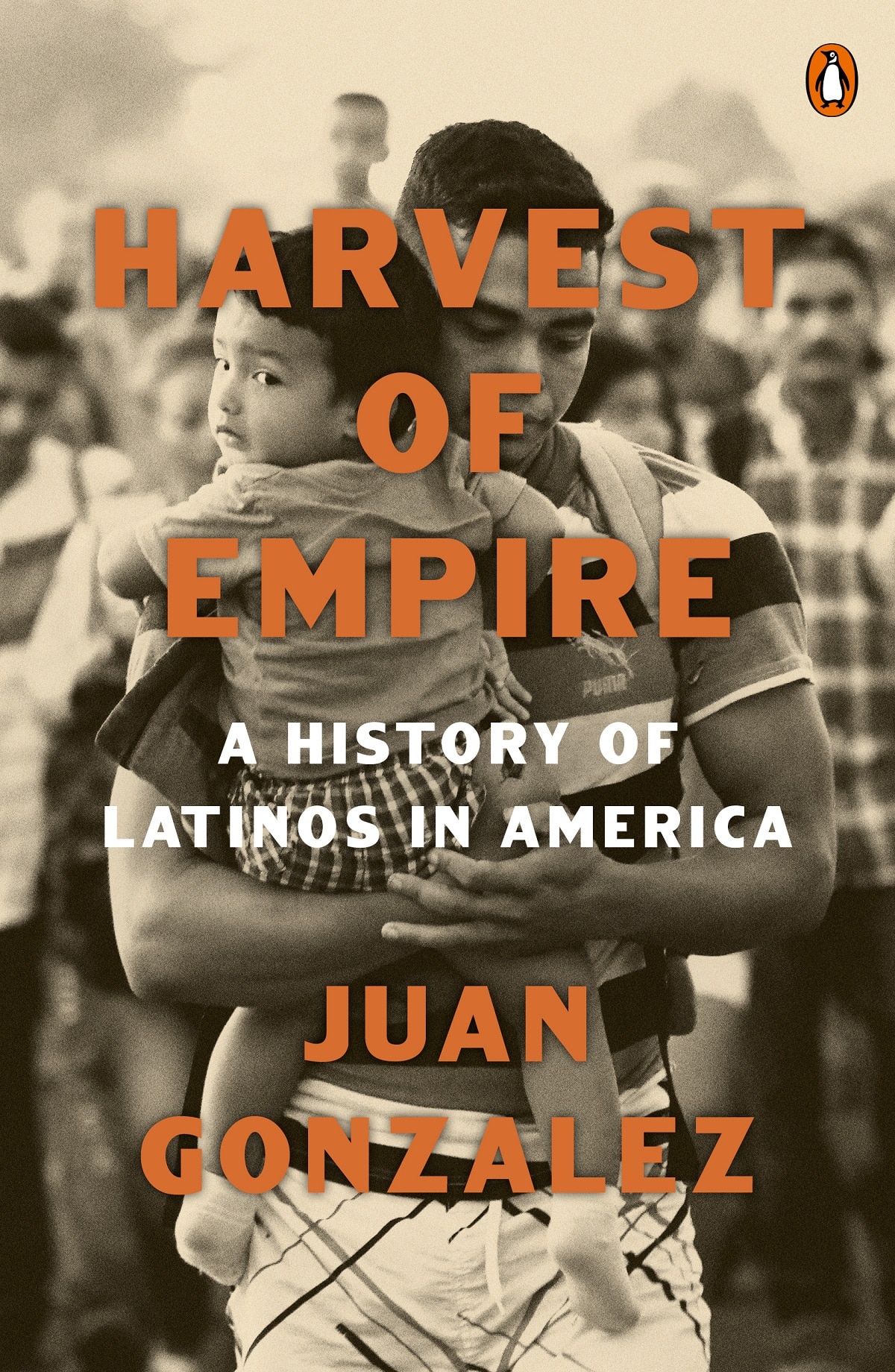
Book — Non-fiction. By Juan Gonzalez. 2022. 560 pages.
An updated and thorough account of the role the United States in the mass migration of Latinos to the U.S.
Continue reading
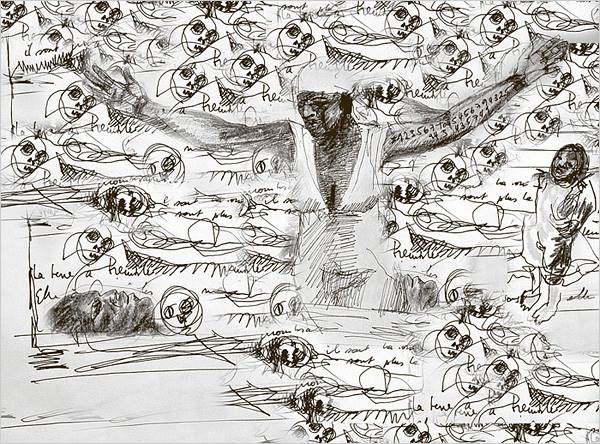
Under the orders of U.S.-backed Dominican dictator President Rafael Trujillo, the execution of more than 20,000 Haitians began in what is now known as the Parsley Massacre at Massacre River.
Continue reading
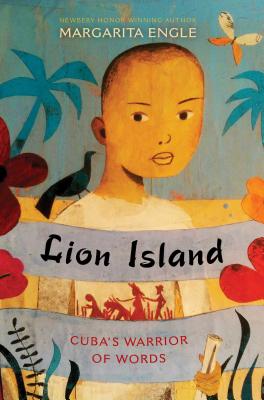
Book — Fiction. By Margarita Engle. 2016. 176 pages.
Story of three friends fighting for freedom in Cuba during the 19th century.
Continue reading
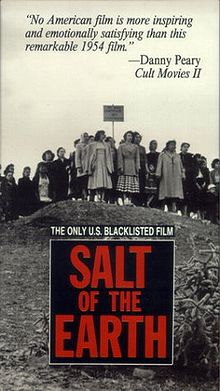
Film. By Herbert Biberman. 1954. 94 minutes.
This classic, powerful film about a miners strike in New Mexico can be used to teach about the intersection of class, race, national origin, and gender.
Continue reading
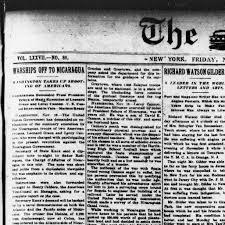
President William Howard Taft ordered U.S. warships to Nicaragua to defend U.S. corporate profits.
Continue reading
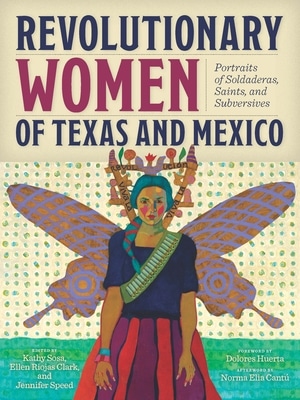
Book — Non-fiction. Edited by Sosa, Clark, and Speed. 2020. 352 pages.
This anthology examines female role models and subversives who stood up for their visions and ideals in Mexico and Texas.
Teaching Activity by Edited by Kathy Sosa, Ellen Riojas Clark, and Jennifer Speed
Continue reading