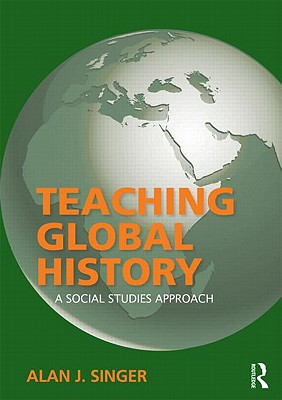
Book — Non-fiction. By Alan J. Singer. 2011. 206 pages.
A guide that proposes another way to teach history from a global perspective.
Continue reading
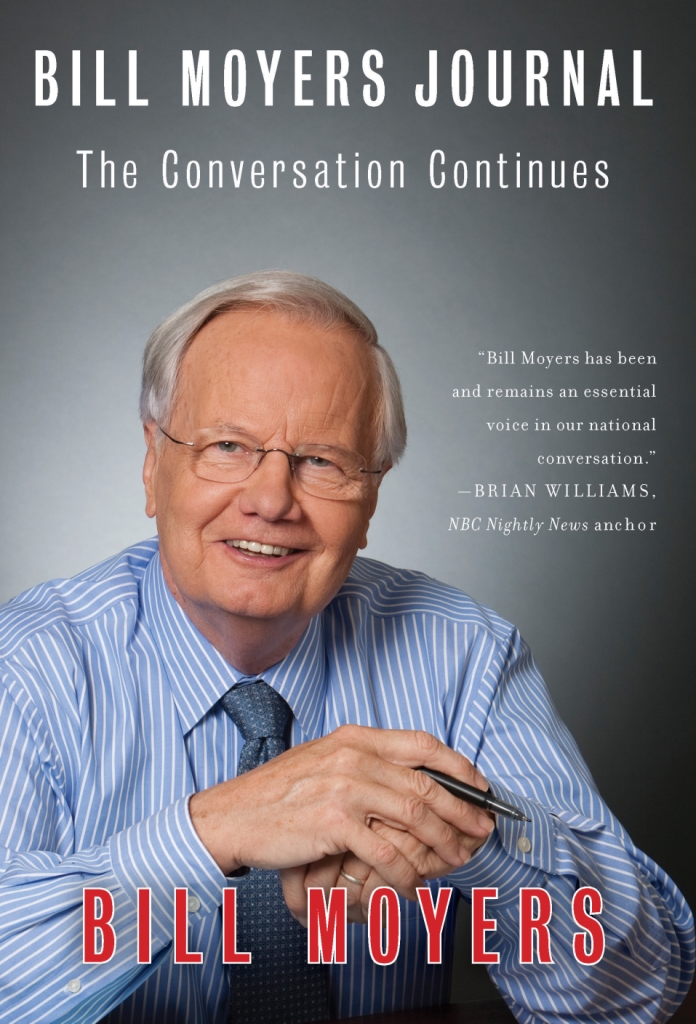
Book — Non-fiction. By Bill Moyers and edited by Michael Winship. 2011. 608 pages.
Fifty interviews with political figures, writers, activists, poets, and scholars.
Continue reading
Film clip. Voices of a People's History.
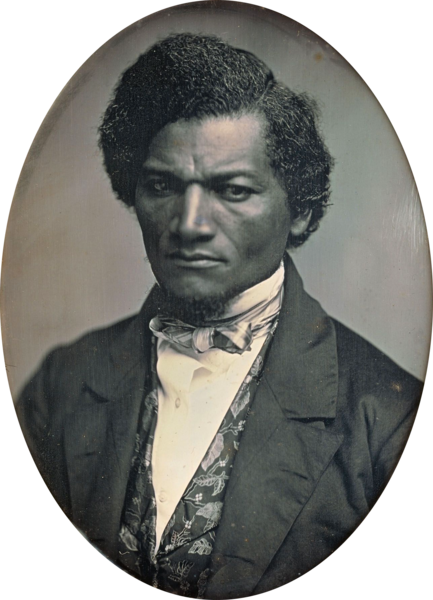
Frederick Douglass' speech "The Meaning of July Fourth for the Negro" (1852) is read by Danny Glover.
Continue reading
Film clip. Voices of a People's History.
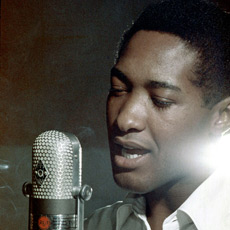
Sam Cooke's "A Change is Gonna Come" (1964), is performed by Allison Moorer.
Continue reading
Film clip. Voices of a People's History.
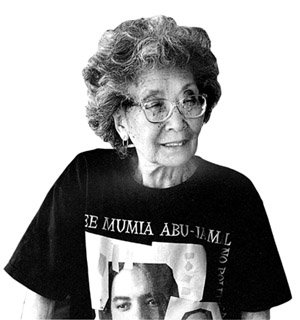
Dramatic reading of Yuri Kochiyama's "Then Came the War" (1991) by Deepa Fernandes.
Continue reading
Film clip. Voices of a People's History.
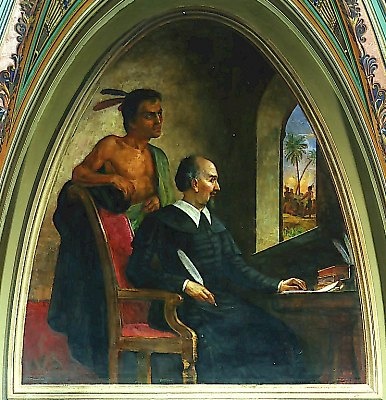
Dramatic reading of Bartolome de las Casas' "Devastation of the Indies: A Brief Account" (1542) by John Sayles, Viggo Mortensen, and Staceyann Chin.
Continue reading
Film clip. Voices of a People's History.
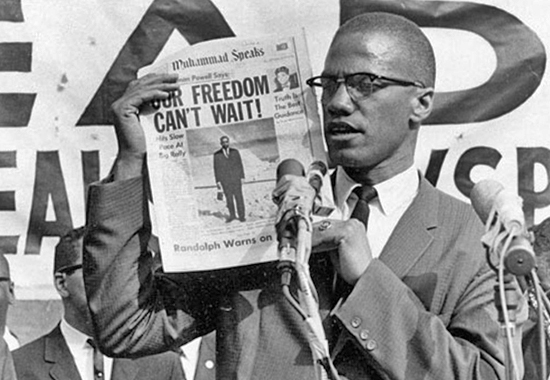
Dramatic reading of Malcolm X's "Message to the Grass Roots" (1963) by Mos Def.
Continue reading
Film clip. Voices of a People's History.
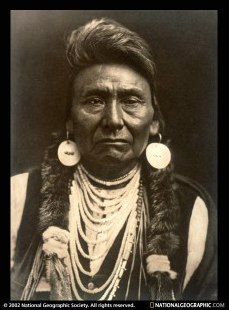
Dramatic reading of Chief Joseph's "Account of His Trip to Washington, D.C." (1879) by Q'Orianka Kilcher.
Continue reading
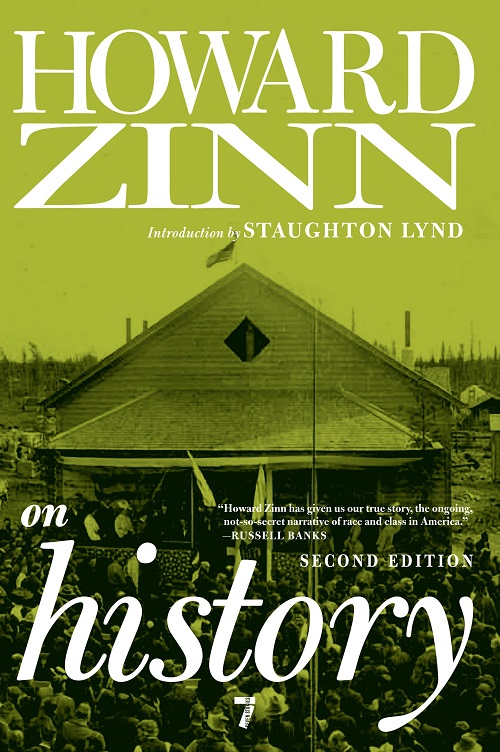
Book — Non-fiction. By Howard Zinn. Introduction by Staughton Lynd. 2011. 192 pages.
A collection of 27 writings on activism, electoral politics, the Holocaust, Marxism, the Iraq War, and the role of the historian.
Continue reading
Film clip. Voices of a People's History.
Henry McNeal Turner's "Eligibility of Colored Members to Seats in the Georgia Legislature" (1868), read by Danny Glover.
Continue reading
Film clip. Voices of a People's History.
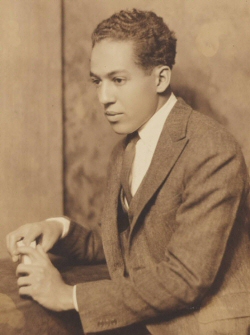
Dramatic reading of Langston Hughes' "Ballad of Roosevelt" (1934) by Danny Glover.
Continue reading
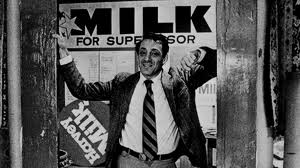
Film. Directed by Rob Epstein. 1984. 90 minutes.
Documentary on the political career and assassination of Harvey Milk, San Francisco's first openly gay supervisor.
Continue reading
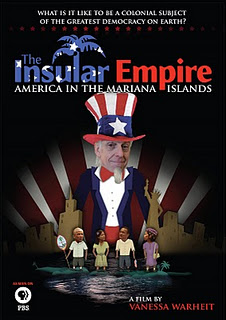
Film. Directed by Vanessa Warheit. 2009. 60 minutes.
Documentary about U.S. colonies in the western Pacific.
Continue reading
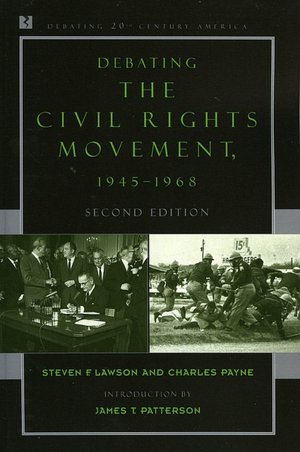
Book — Non-fiction. By Stephen Lawson and Charles Payne. 2006. 227 pages.
Introduces and examines the complex story of the modern Civil Rights Movement as it should be taught, providing key background information and analysis for teachers.
Continue reading
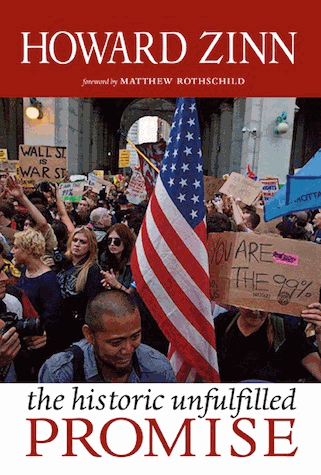
Book — Non-fiction. By Howard Zinn. 2012. 184 pages.
Compilation of articles Zinn penned for The Progressive magazine from 1980 to 2009.
Continue reading
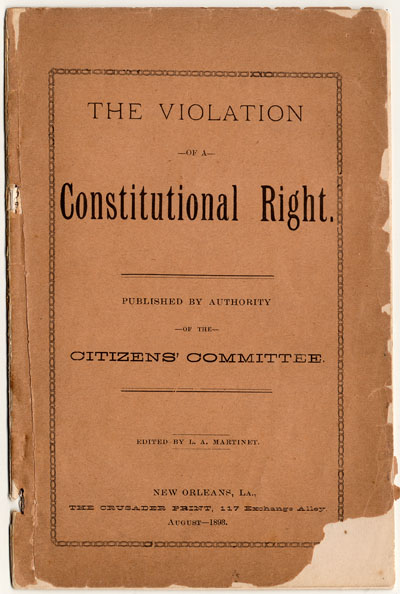
Article. By Keith W. Medley.
The role of the Comité des Citoyens and The Crusader newspaper in the Plessy v. Ferguson case.
Continue reading
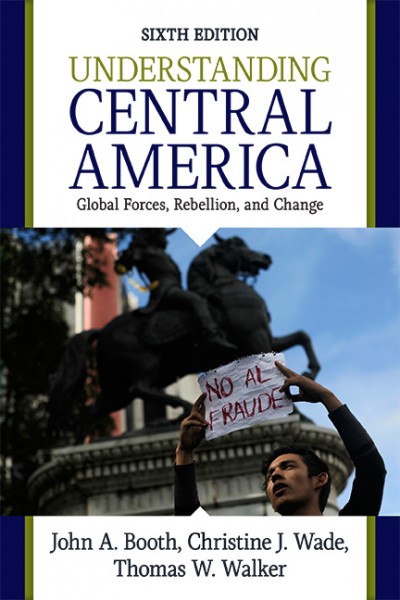
Book — Non-fiction. By John Booth, Christine Wade, and Thomas Walker. 2014. 374 pages.
A primer on the history of Costa Rica, Nicaragua, El Salvador, Guatemala, and Honduras.
Continue reading
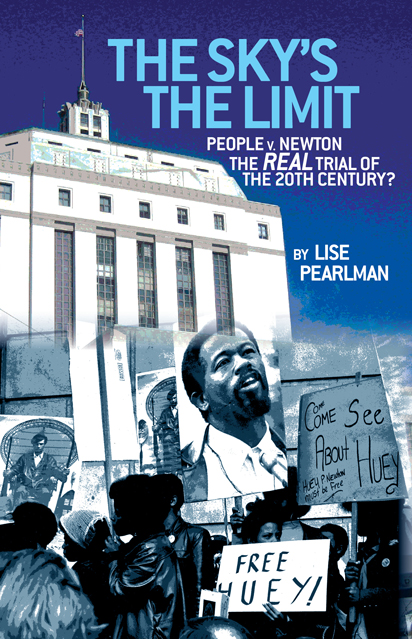
Book — Non-fiction. By Lise Pearlman. 2012. 800 pages.
Brings to life 20th century court cases and protests that played a major role in U.S. history.
Continue reading
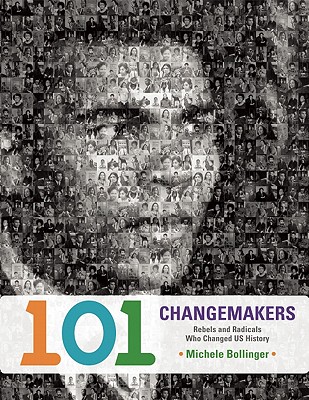
Book — Non-fiction. By Michele Bollinger and Dao Tran. 2012.
A collection of 101 brief and accessible profiles of rebels, radicals, and fighters for social justice.
Continue reading
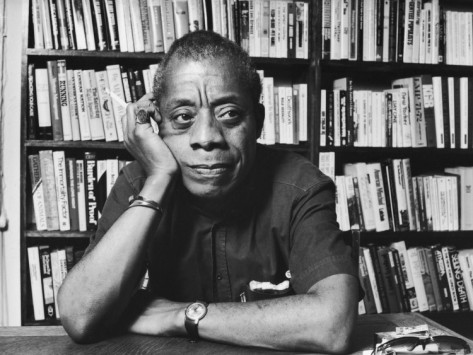
Profile.
A brief biography of James Baldwin, writer and social critic.
Continue reading
Teaching Activity. By Bill Bigelow and Norm Diamond. 3 pages.
This lesson introduces students to Bertolt Brecht’s poem, A Worker Reads History. Students reflect on the creative role of workers in making history.
Continue reading
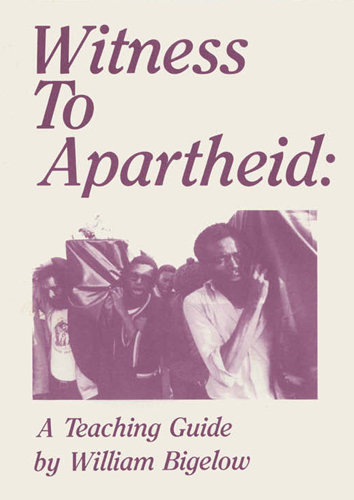
Teaching Guide. By Bill Bigelow. 1987. 24 pages.
Lessons and activities that accompany the 1986 film Witness to Apartheid.
Continue reading
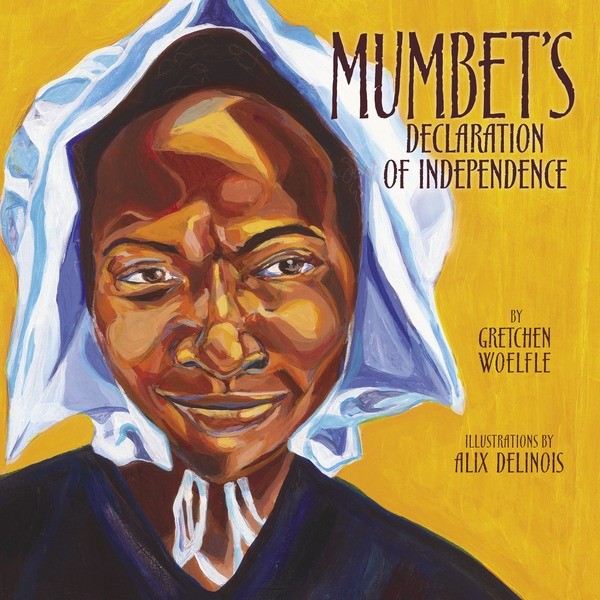
Picture book. By Gretchen Woelfle, with illustrations by Alix Delinois. 2014. 32 pages.
Picture book about true story of Elizabeth Freeman, a woman who challenged the legality of her enslavement.
Continue reading
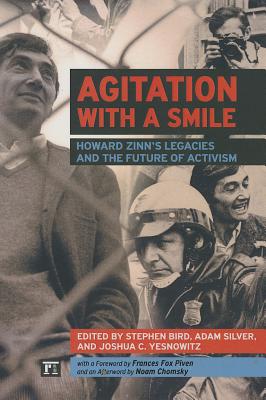
Book — Non-fiction. By Stephen Bird, Adam Silver, and Joshua Yesnowitz. 2014. 274 pages.
Engage the various complexities and tensions present throughout Howard Zinn's work and subject them to a 21st century assessment.
Continue reading
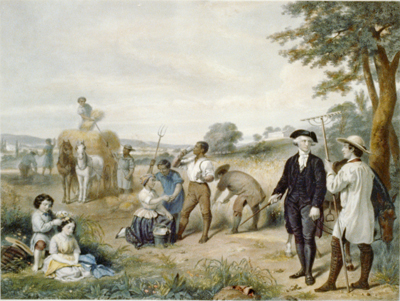
Article. By Clarence Lusane. 2014. If We Knew Our History Series.
Textbooks erase enslaved African Americans from the White House and the presidency and present a false portrait of our country’s history.
Continue reading