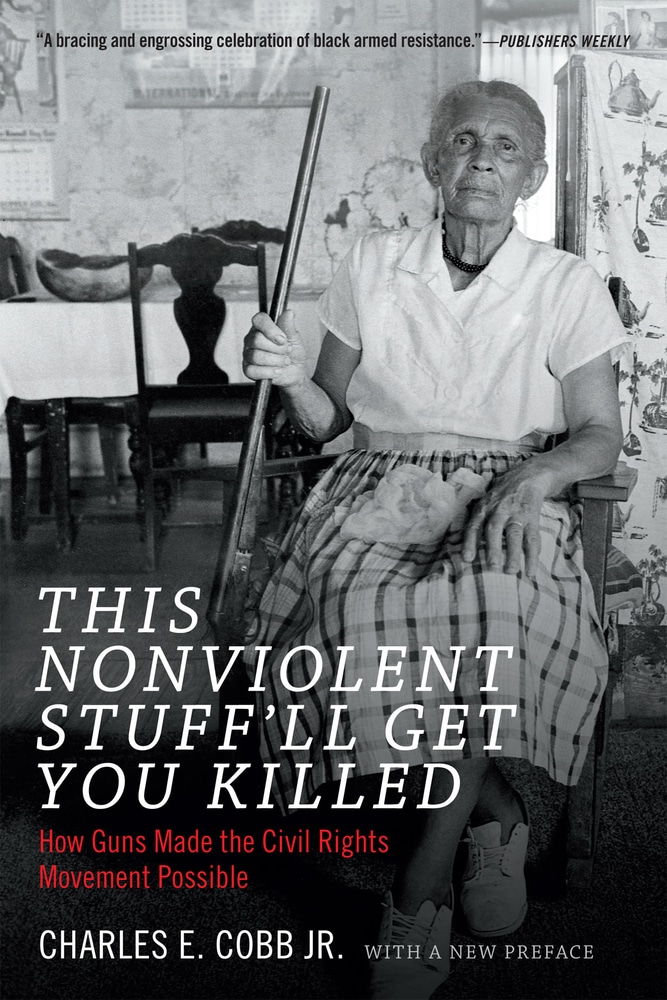
Book — Non-fiction. By Charles E. Cobb Jr. 2015. 328 pages.
Cobb Jr. describes the vital role that armed self-defense played in the survival and liberation of black communities in America during the Southern Freedom Movement of the 1960s.
Continue reading
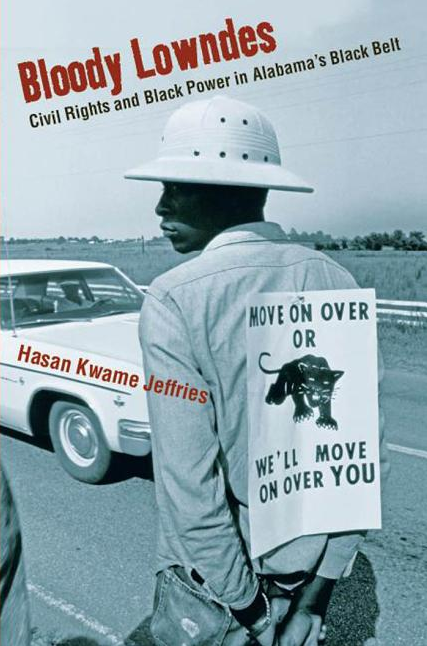
Book — Non-fiction. By Hasan Kwame Jeffries. 2010. 372 pages.
History of the role that activists in Lowndes County played in spurring Black activists nationwide to fight for civil and human rights in new and more radical ways.
Continue reading
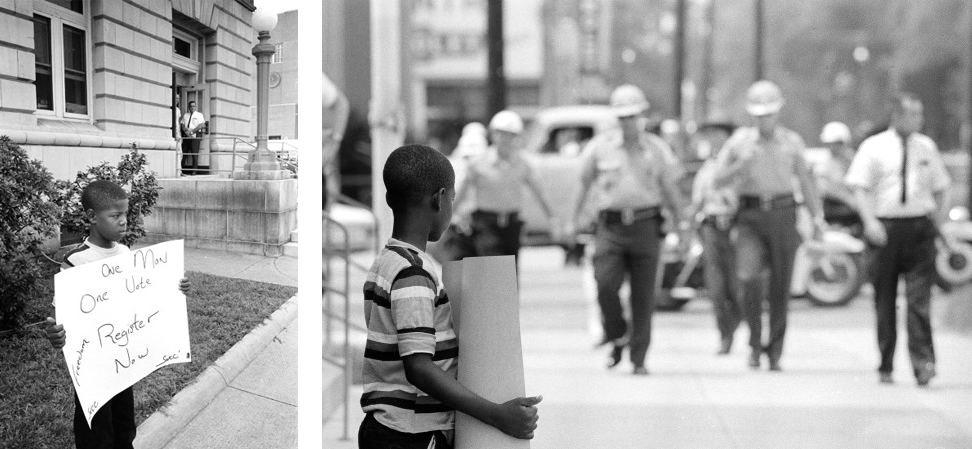
Article. By Howard Zinn. Excerpt from Chapter 5 of You Can't Be Neutral on a Moving Train.
Howard Zinn’s first-hand account of Selma’s Freedom Day in 1963.
Continue reading
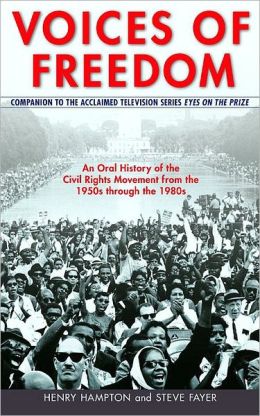
Book — Non-fiction. Henry Hampton and Steve Fayer. 1991. 692 pages.
Oral histories of the Civil Rights Movement spanning three decades.
Continue reading
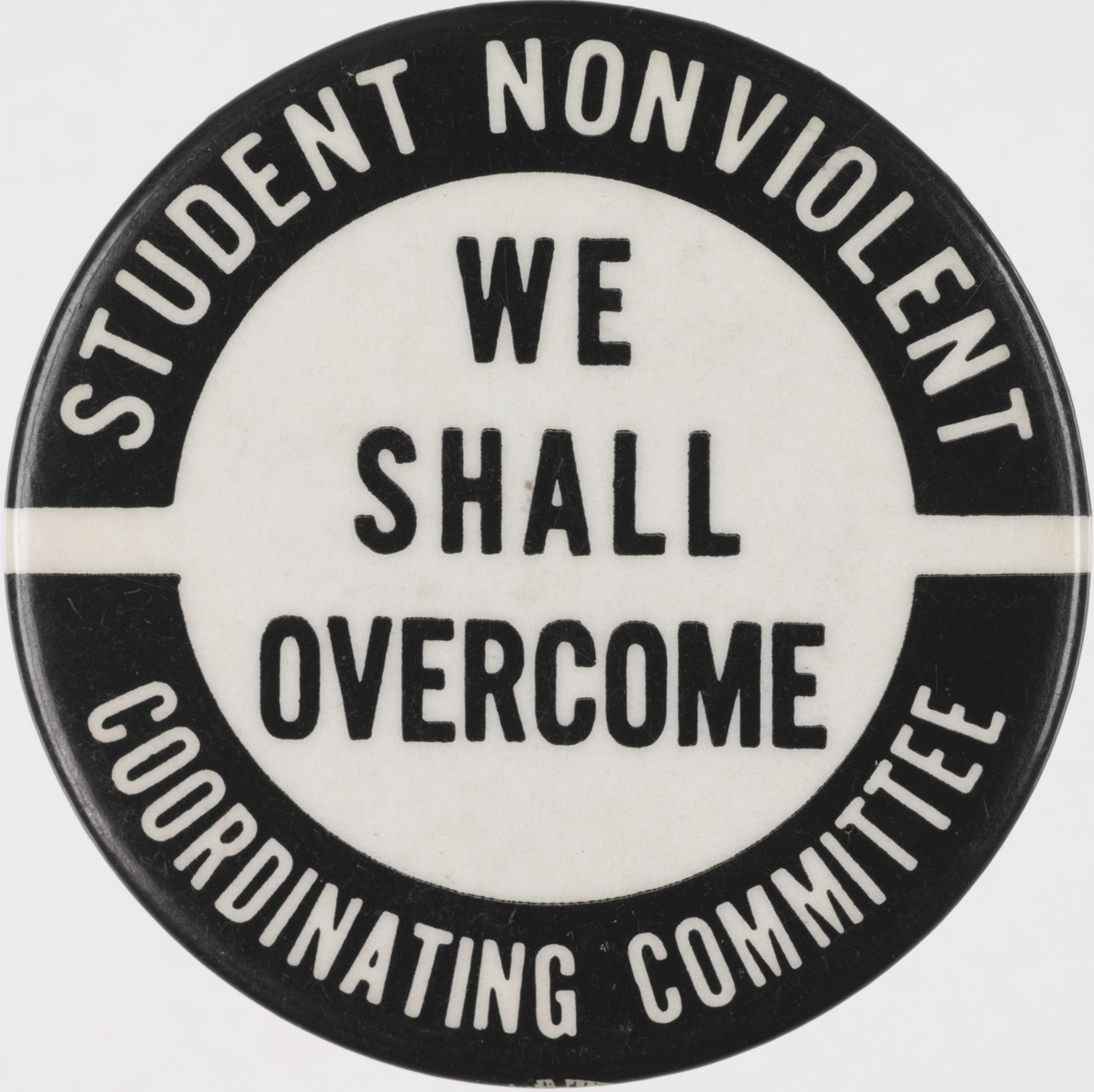
Founding of the youth-led Civil Rights Movement organization, the Student Nonviolent Coordinating Committee.
Continue reading
Teaching Activity. By Adam Renner, Bridget Brew, and Crystal Proctor. Rethinking Schools. 5 pages.
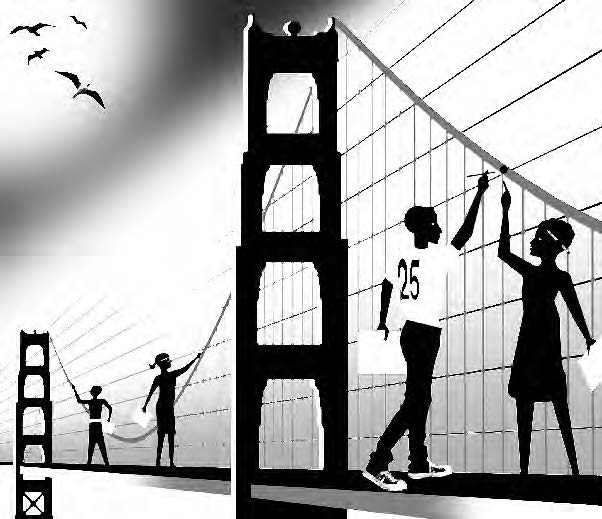
An article describing how math teachers in a San Francisco high school shed light on the ways economics and racism affect education, housing, and job opportunities.
Continue reading
Teaching Activity. By Katharine Johnson. Rethinking Schools. 10 pages.
An elementary school teacher introduces the history of redlining through a role play designed for 1st and 2nd graders.
Continue reading
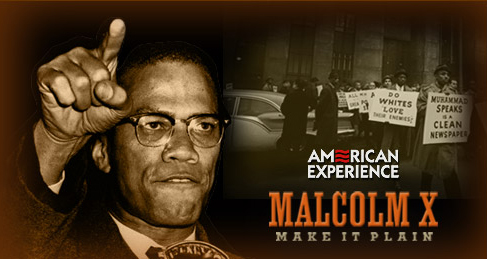
Film. Written by Steve Fayer and Orlando Bagwell. 1994. 138 minutes.
Documentary film on the life and words of Malcolm X/ El-Hajj Malik El-Shabazz.
Continue reading
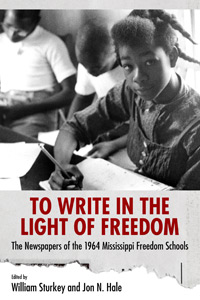
Book — Non-fiction. Edited by William Sturkey and Jon N. Hale. 2015. 176 pages.
A collection and examination of the creative literary work of students published during 1964 Freedom Summer in Mississippi.
Continue reading
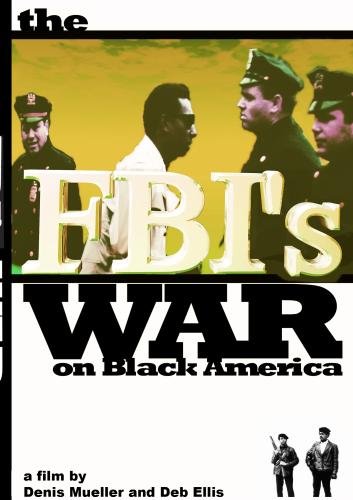
Film. By Deb Ellis and Denis Mueller. 1990. 47 minutes.
Documentary of people targeted by the FBI's Counter Intelligence Program (COINTELPRO) in the 1960s and 70s.
Continue reading
Teaching Activity. Teaching for Change. 2015. 20 pages.
Introductory lesson on key people and events in the long history of the Selma freedom movement.
Continue reading
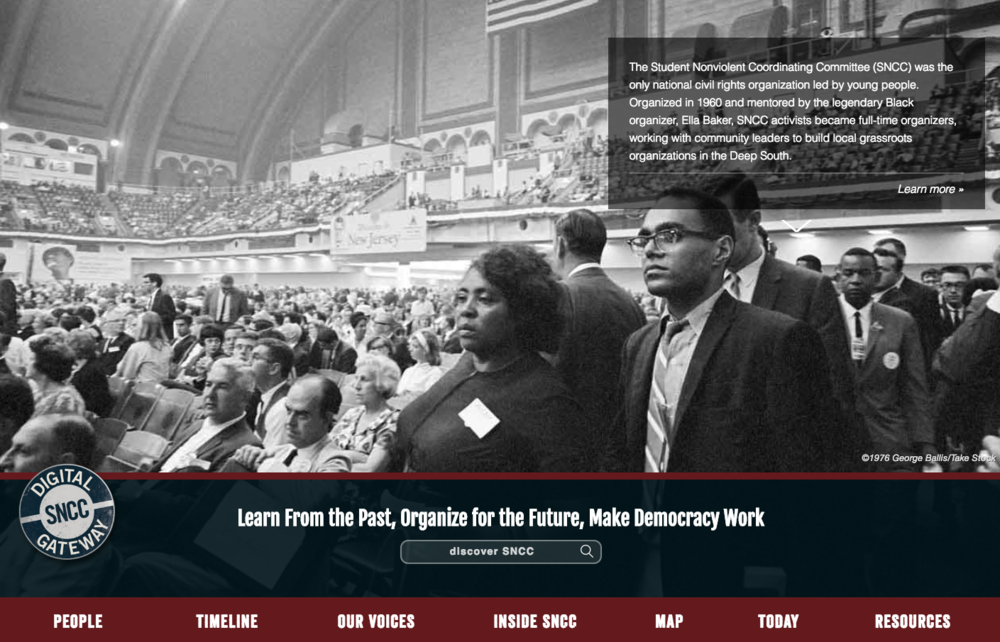
Digital collection. Historical materials, profiles, timeline, map, and stories on SNCC’s voting rights organizing.
Continue reading
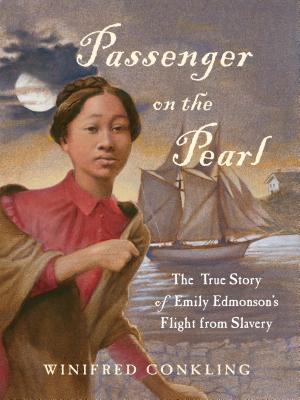
Book — Non-fiction. By Winifred Conkling. 2015. 176 pages.
Young adult biography about Emily Edmonson who was one of 77 who attempted to escape slavery in Washington, D.C.
Continue reading
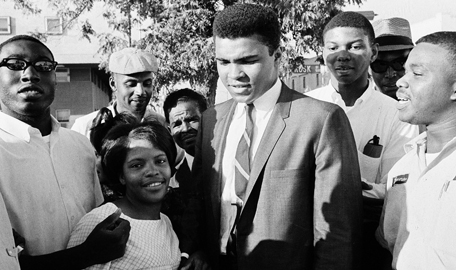
Muhammad Ali was convicted for refusing induction in the U.S. armed forces.
Continue reading
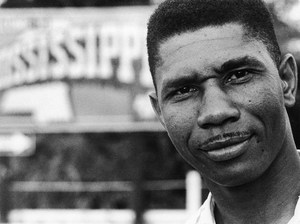
Medgar Evers, WWII veteran and civil rights activist, was murdered by a white supremacist in Jackson, Mississippi.
Continue reading
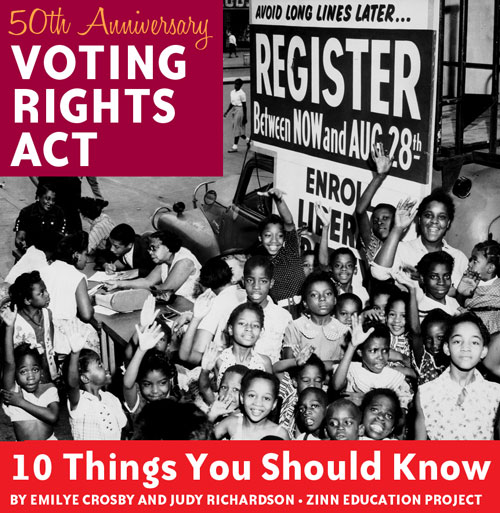
Article. By Emilye Crosby and Judy Richardson. 2015.
Key points in the history of the 1965 Voting Rights Act missing from most textbooks.
Continue reading
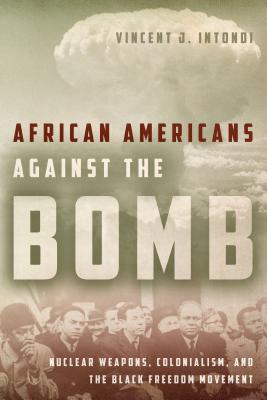
Book — Non-fiction. By Vincent Intondi. 2015. 224 pages.
History of Black activists who fought for nuclear disarmament.
Teaching Activity by Vincent Intondi
Continue reading
Digital Collection. Produced by John T. Edge and the Southern Foodways Alliance; directed by Kate Medley.
Five short films that document the civil disobedience staged at segregated lunch counters in the 1950s and 60s.
Continue reading
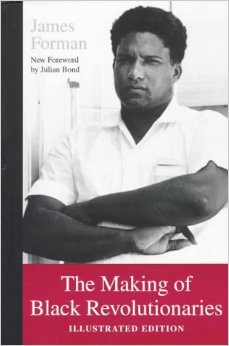
Book — Non-fiction. By James Forman. 1997. 608 pages.
Detailed description of the Civil Rights Movement by one of the central leaders.
Teaching Activity by James Forman
Continue reading
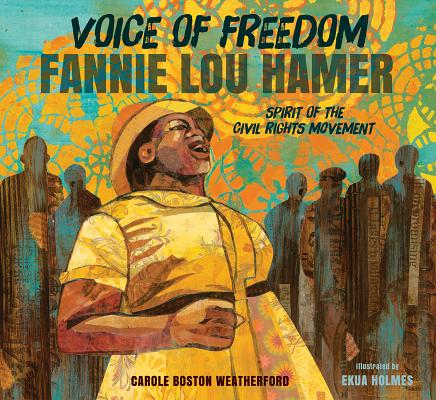
Picture book. By Carole Boston Weatherford. Illustrated by Ekua Holmes. 2015. 45 pages.
Illustrated biography of Fannie Lou Hamer, activist for voting and economic rights from Mississippi.
Continue reading
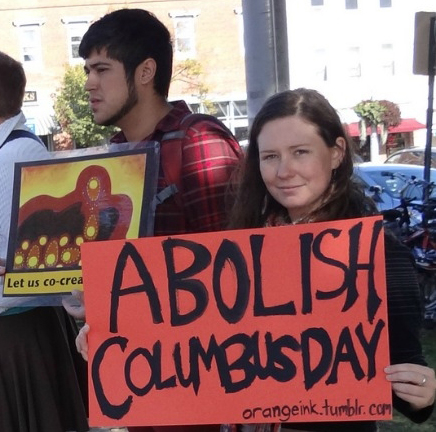
Article. By Bill Bigelow. 2015. If We Knew Our History Series.
When the school curriculum celebrates Columbus, children are taught that it’s OK for white people to rule over peoples of color and that militarily powerful nations can bully weaker nations. By his own account, Columbus enslaved people, destroyed cultures, and terrorized those who challenged his rule. It’s time to abolish Columbus Day.
Continue reading
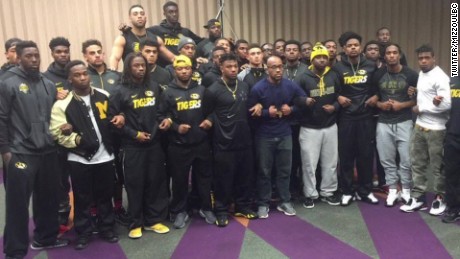
Article. By Dave Zirin. 2015.
The protest by the University of Missouri football team placed in the context of a long history of activism by college athletes.
Continue reading
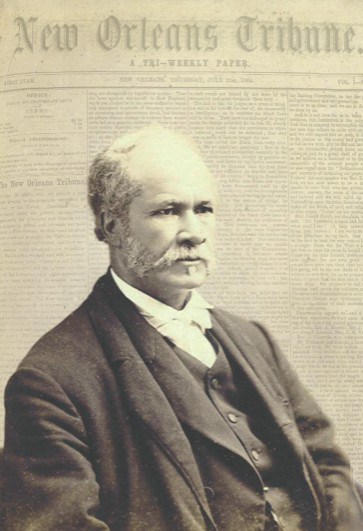
Digital collection. The work of Dr. Louis Charles Roudanez, founder of the first Black daily newspaper in the U.S., the New Orleans Tribune, with articles, excerpts, videos, and a timeline.
Continue reading
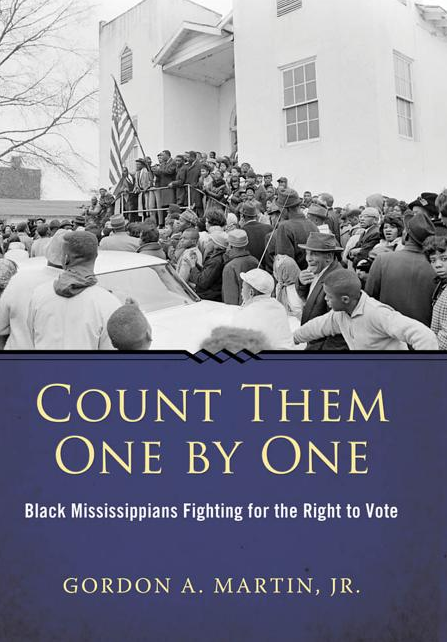
Book — Non-fiction. By Gordon A. Martin Jr. 2014. 272 pages.
A detailed portrait of brave individuals who risked everything in their fight for the right to vote.
Continue reading
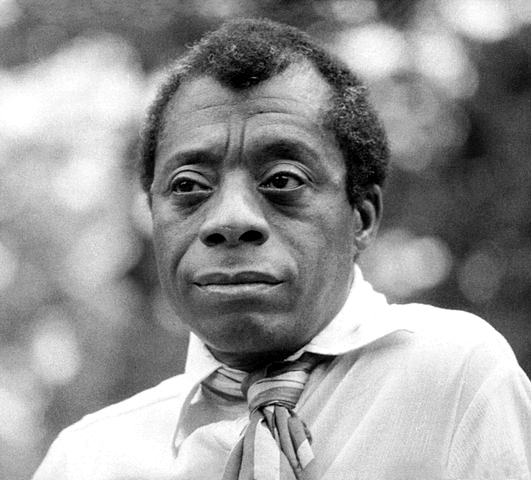
Article. By James Baldwin. October 16, 1963.
Baldwin addresses the challenges of education to prepare children to grapple with the myths and realities of U.S. history.
Continue reading