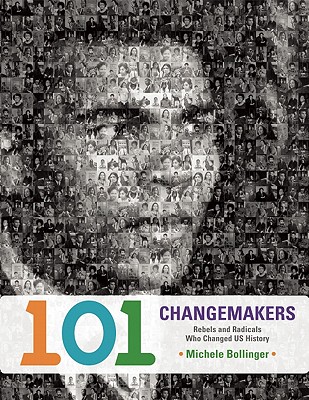
Book — Non-fiction. By Michele Bollinger and Dao Tran. 2012.
A collection of 101 brief and accessible profiles of rebels, radicals, and fighters for social justice.
Continue reading
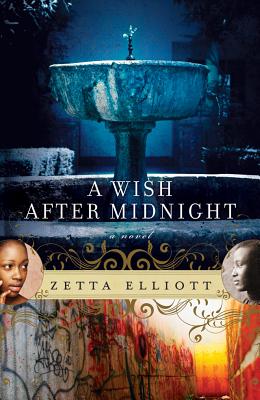
Book — Fiction. By Zetta Elliott. 2010. 270 pages.
When tough Genna gets transported back in time, she must face the perilous realities of Civil War-era Brooklyn, using all her wits to survive and hold on to her humanity in two different worlds.
Continue reading
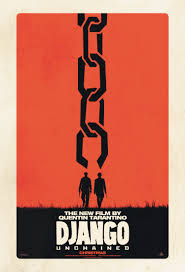
Article. By Larry Miller. January 2013.
A review of the film Django Unchained.
Continue reading
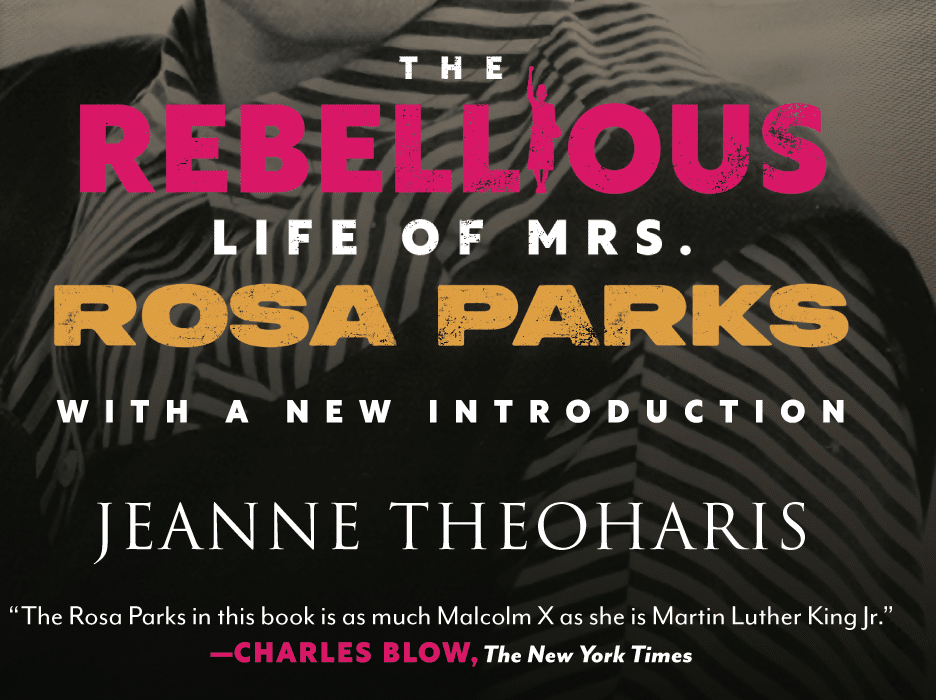
Book — Non-fiction. By Jeanne Theoharis. 2013. 320 pages.
A revealing window into Rosa Parks’ politics and years of activism.
Continue reading
Article. By Dave Zirin. 2013.
Dave Zirin describes how 42 limits the story to a tale of “individual triumph through singular greatness,” ignoring the social movements and broader context of the time.
Continue reading
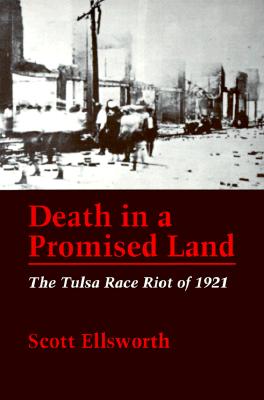
Book — Non-fiction. By Scott Ellsworth. 1992. 159 pages.
A compelling story of racial ideologies, Southwestern politics, and yellow journalism, and of an embattled Black community's struggle to hold onto its land and freedom.
Continue reading
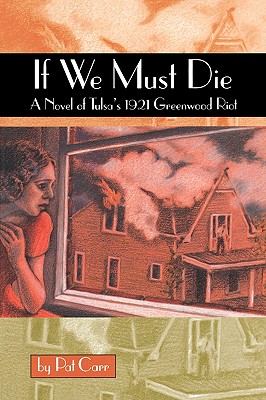
Book — Fiction. By Pat Carr. 2002. 166 pages.
Historical fiction account of the 1921 attack on Tulsa's Black neighborhood Greenwood, known as "Black Wall Street."
Continue reading
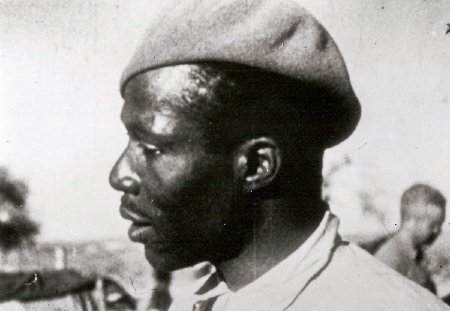
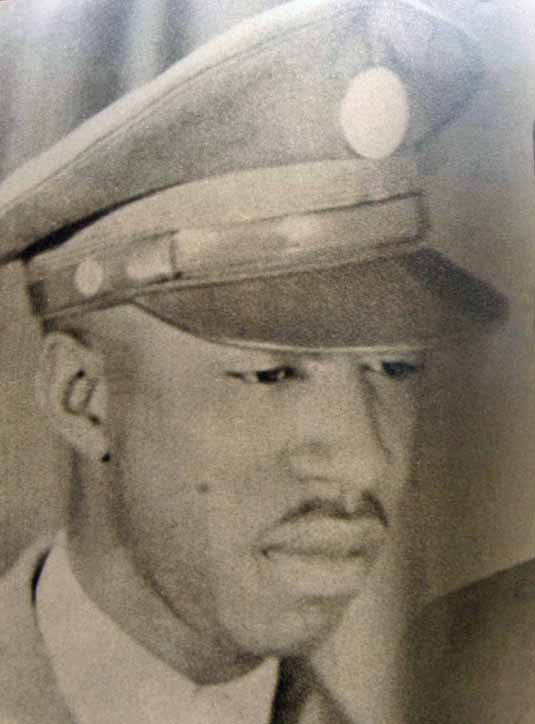
Oliver Law became first Black commander of a U.S. army, the integrated Abraham Lincoln Brigade.
Continue reading
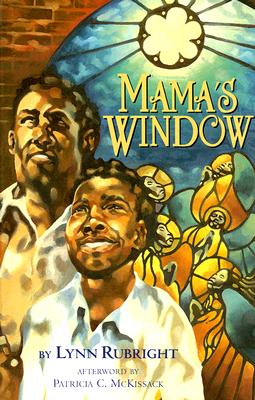
Book — Historical fiction. By Lynn Rubright. 2008. 89 pages.
Historical fiction inspired by incidents in the early life of sharecropper Owen Whitfield, the organizer of the Southern Tenant Farmers Union.
Continue reading
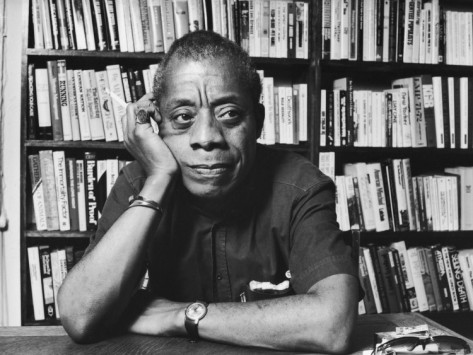
Profile.
A brief biography of James Baldwin, writer and social critic.
Continue reading
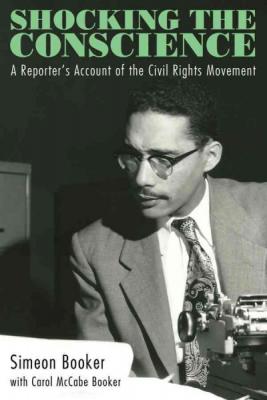
Book — Non-fiction. By Simeon Booker with Carol McCabe Booker. 2013. 334 pages.
Chronicle by Simeon Booker, the first full-time African American reporter for the Washington Post and Jet magazine's White House correspondent, covering half a century of major events that transformed the United States.
Teaching Activity by Simeon Booker with Carol McCabe Booker
Continue reading
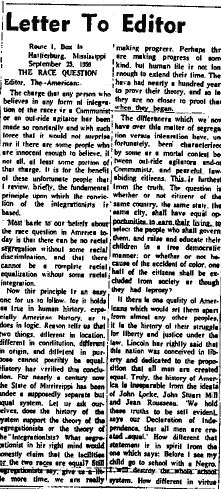
Article. By Clyde Kennard. 1958.
Letter to the editor of the Hattiesburg American on integration.
Continue reading
Article. By Clyde Kennard. 1960.
Letter to the editor of Hattiesburg American on school integration.
Continue reading
Teaching Activity. By Bill Bigelow and Norm Diamond. 8 pages.
In this “mystery” activity, students receive clues and discuss some of the factors that contributed to the intensification of racism in the 1920s in the United States.
Continue reading
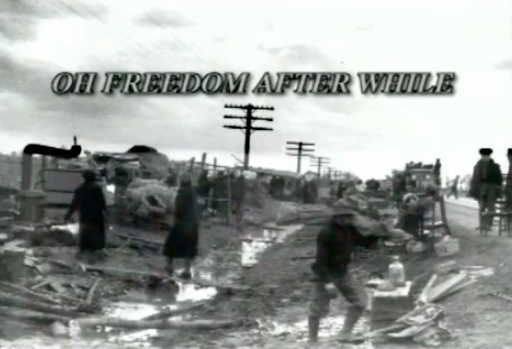
Film. Directed Steven John Ross and written by Candace O'Connor. 1999. 56 minutes.
Archival footage, photographs, and first-hand accounts of sharecroppers — Black and white — organizing in Missouri.
Continue reading
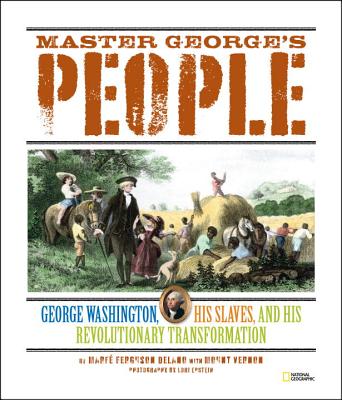
Article. By Clarence Lusane. 2014.
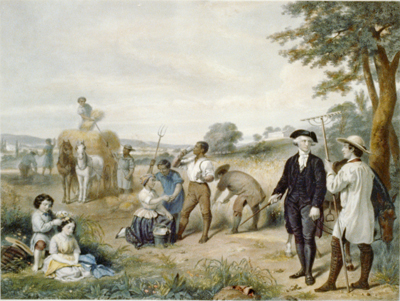
Critical review of an upper elementary non-fiction book about George Washington and the people he kept in bondage.
Continue reading
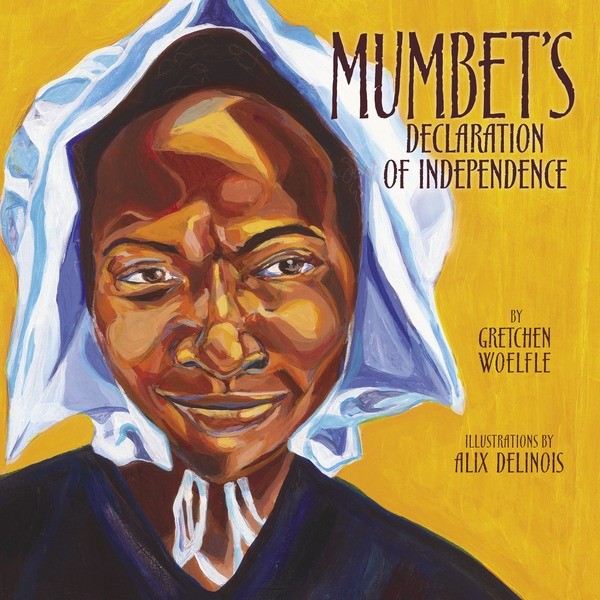
Picture book. By Gretchen Woelfle, with illustrations by Alix Delinois. 2014. 32 pages.
Picture book about true story of Elizabeth Freeman, a woman who challenged the legality of her enslavement.
Continue reading
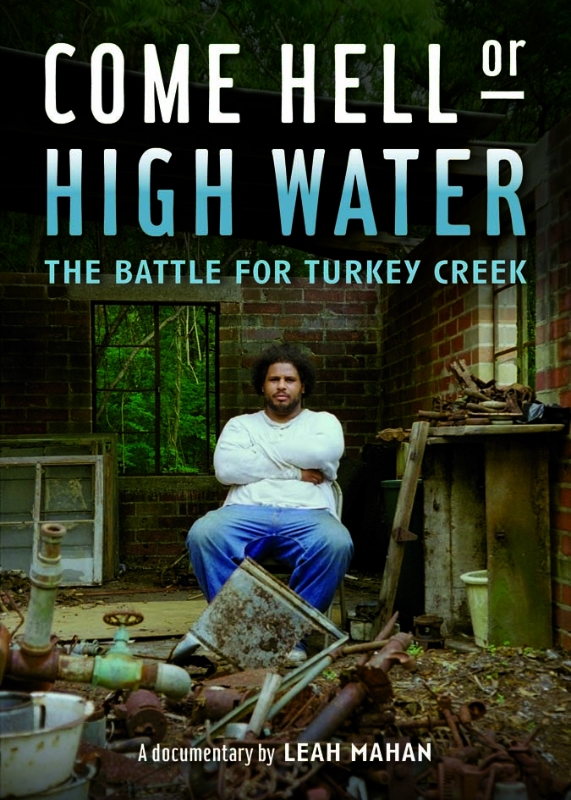
Film. By Leah Mahan. 2013. 60 minutes.
Documentary about the impact of “development” on a historically African American community in Gulfport, Mississippi.
Continue reading
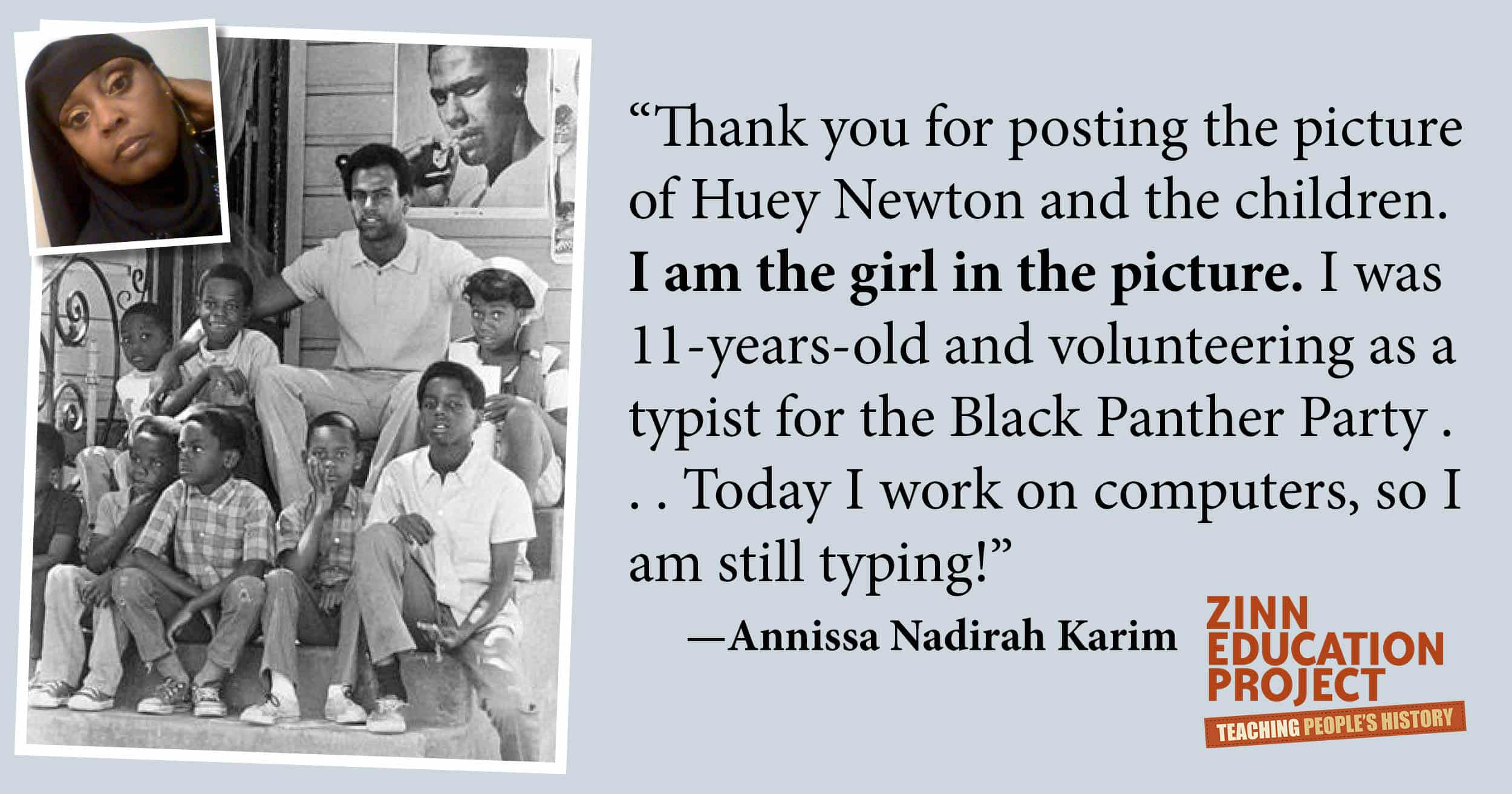
"Thank you for posting the picture of Huey Newton and the children. I am the girl in the picture. I was 11-years-old and volunteering as a typist for the Black Panther Party . . . Today I work on computers, so I am still typing!" -- Annissa Nadirah Karim
Continue reading
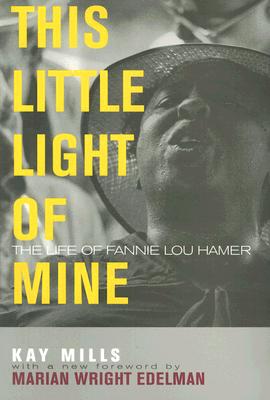
Book — Non-fiction. By Kay Mills. 2007. 390 pages.
First-hand accounts of Fannie Lou Hamer's emergence as a leader of the Civil Rights Movement of the 1960s.
Continue reading
Article. By Clarence Lusane. 2014. If We Knew Our History Series.
Textbooks erase enslaved African Americans from the White House and the presidency and present a false portrait of our country’s history.
Continue reading
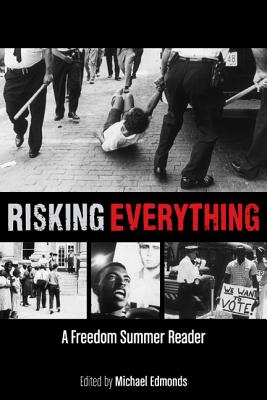
Book — Non-fiction. Edited by Michael Edmonds. 2014. 250 pages.
Anthology of first hand accounts and primary documents from the 1964 Mississippi Freedom Summer Project.
Continue reading
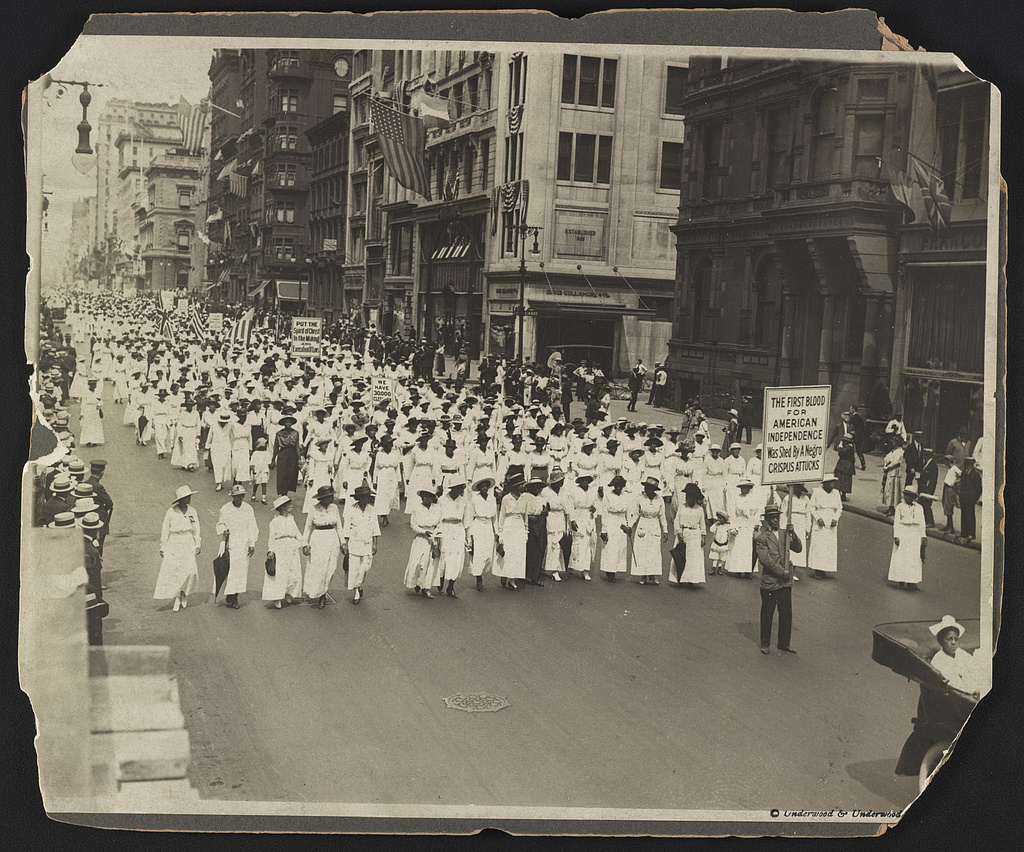
W. E. B. Du Bois and the NAACP organized a silent march in New York City to protest the massacres and lynchings of African Americans.
Continue reading
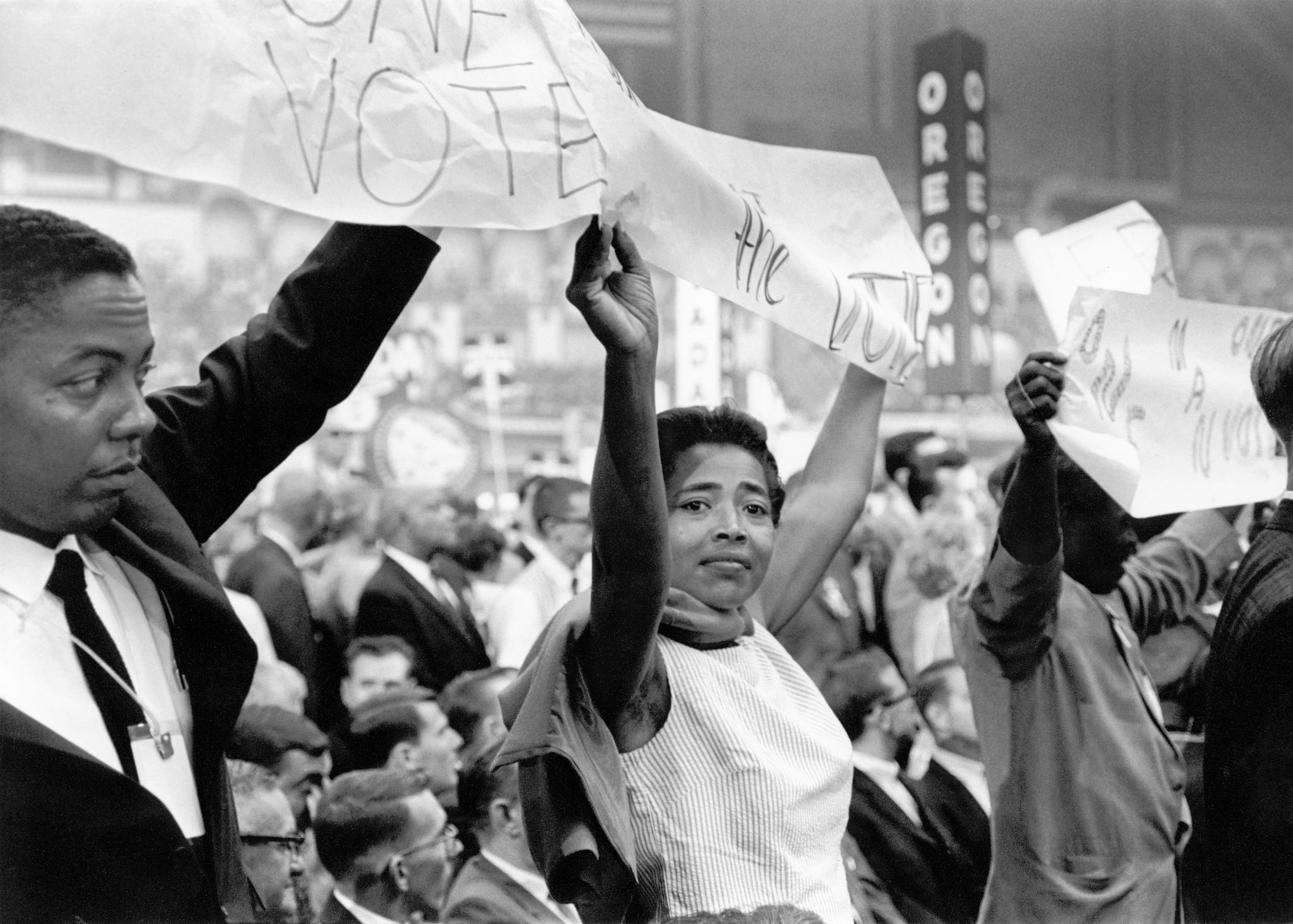
Teaching Activity. By Julian Hipkins III, Deborah Menkart, Sara Evers, and Jenice View.
Role play on the Mississippi Freedom Democratic Party (MFDP) that introduces students to a vital example of small “d” democracy in action. For grades 7+.
Continue reading
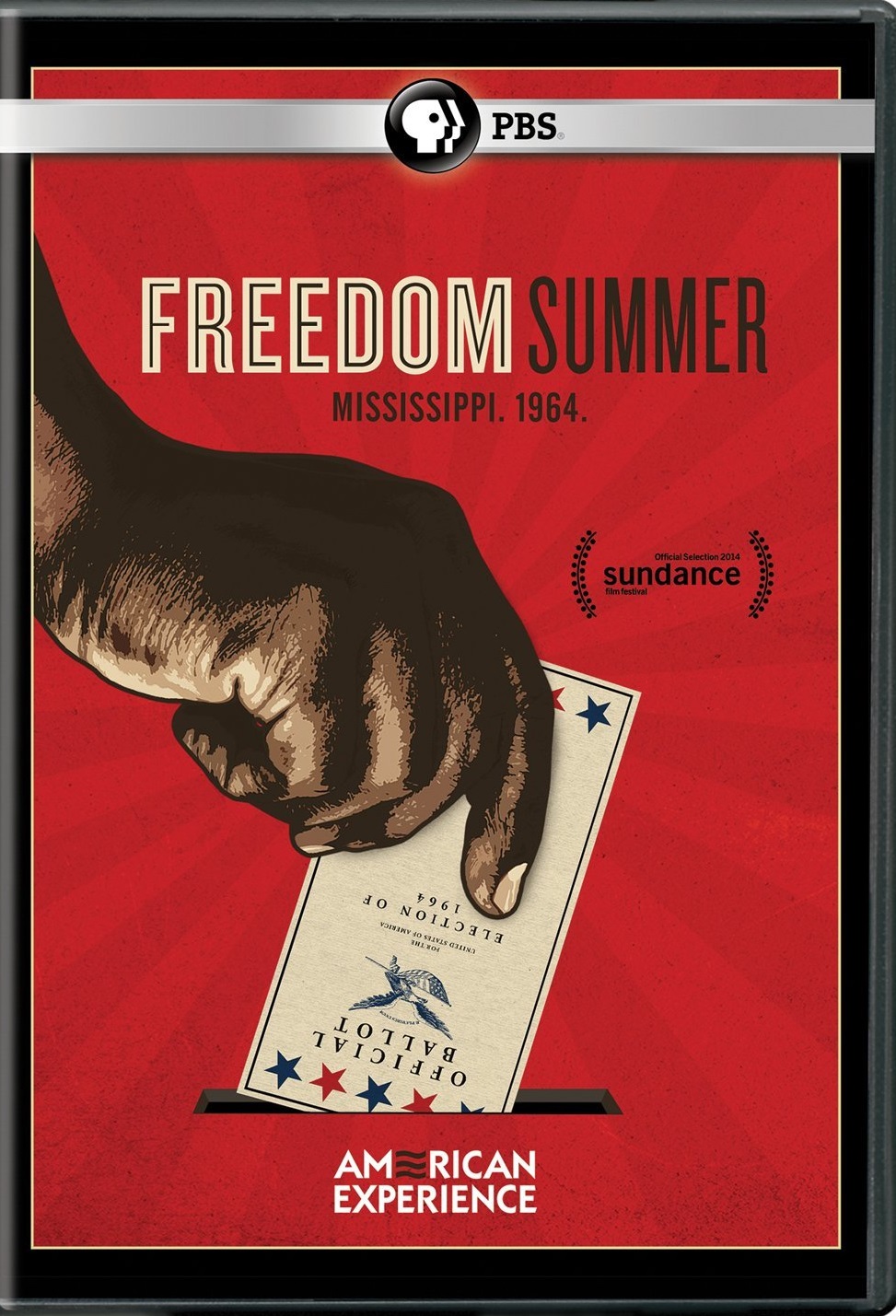
Film. Written, produced, and directed by Stanley Nelson. 2014. 120 minutes.
Documentary about 1964 Freedom Summer in Mississippi.
Continue reading