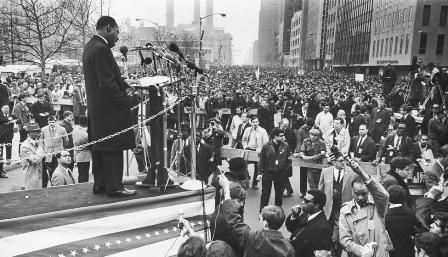
Teaching Activity. By Jeanne Theoharis and Jessica Lovaas. 2026. 10 pages.
Reading, discussion questions, and activity about Martin Luther King's activism in New York on labor rights, police brutality, housing, and education. The reading is from a chapter in King of the North: Martin Luther King’s Freedom Struggle Outside of the South.
Continue reading
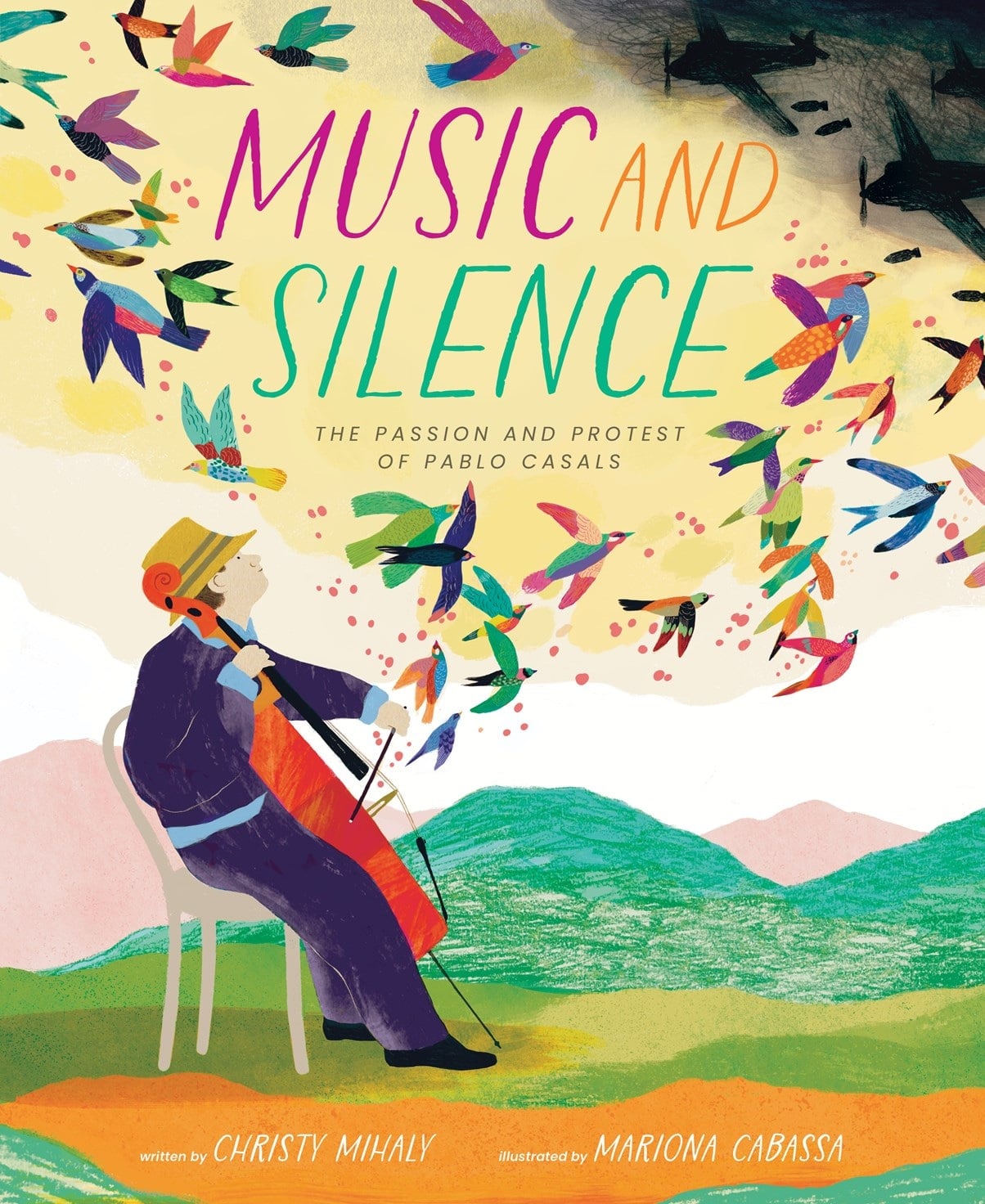
Book — Historical non-fiction. By Christy Mihaly, with illustrations by Mariona Cabassa. 2026. 56 pages.
An inspiring picture book biography of a UN Peace Medal recipient who used his songs — and his silence — to fight fascism, oppression, and violence.
Continue reading
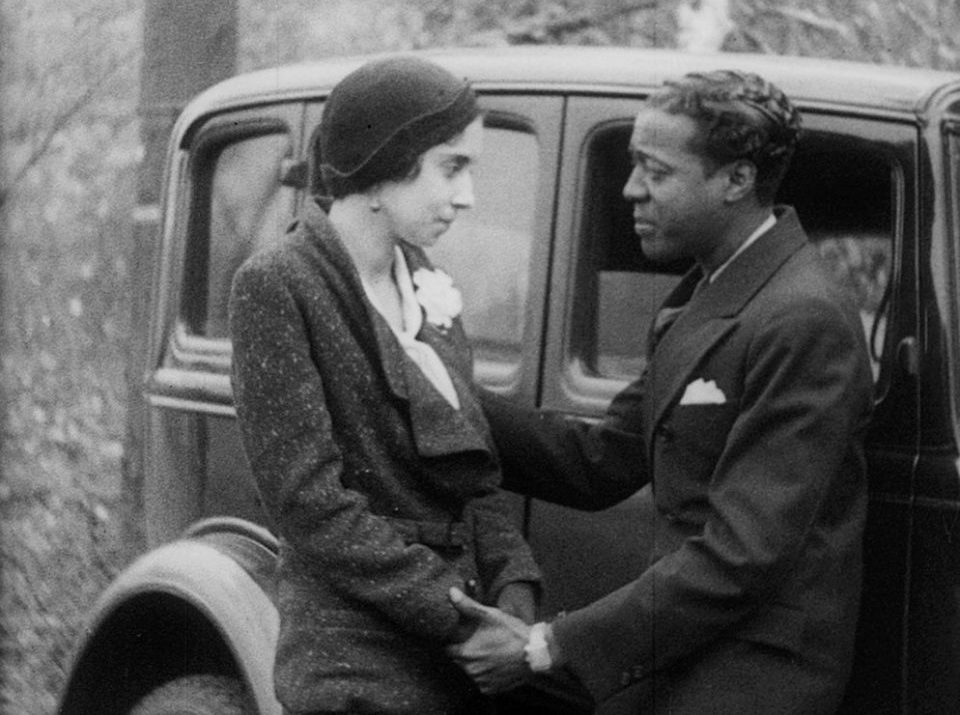
The Virginia Division of Motion Picture Censorship, which racists used to promulgate white supremacy and negative stereotypes of African Americans since 1922, ceased operations.
Continue reading
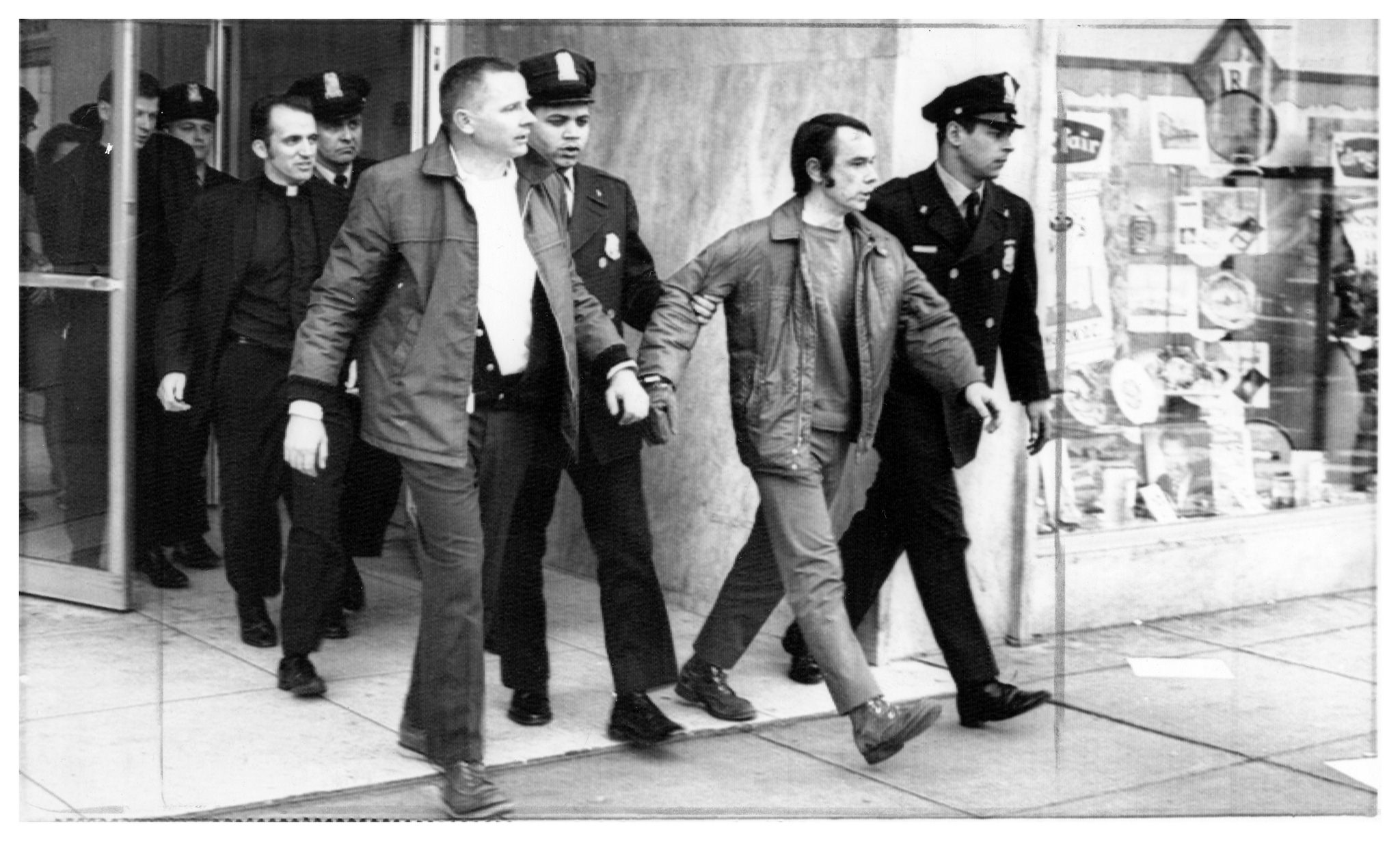
Draft cards burned in solidarity with David Miller, a Catholic pacifist who was one of the first to publicly burn his draft card.
Continue reading
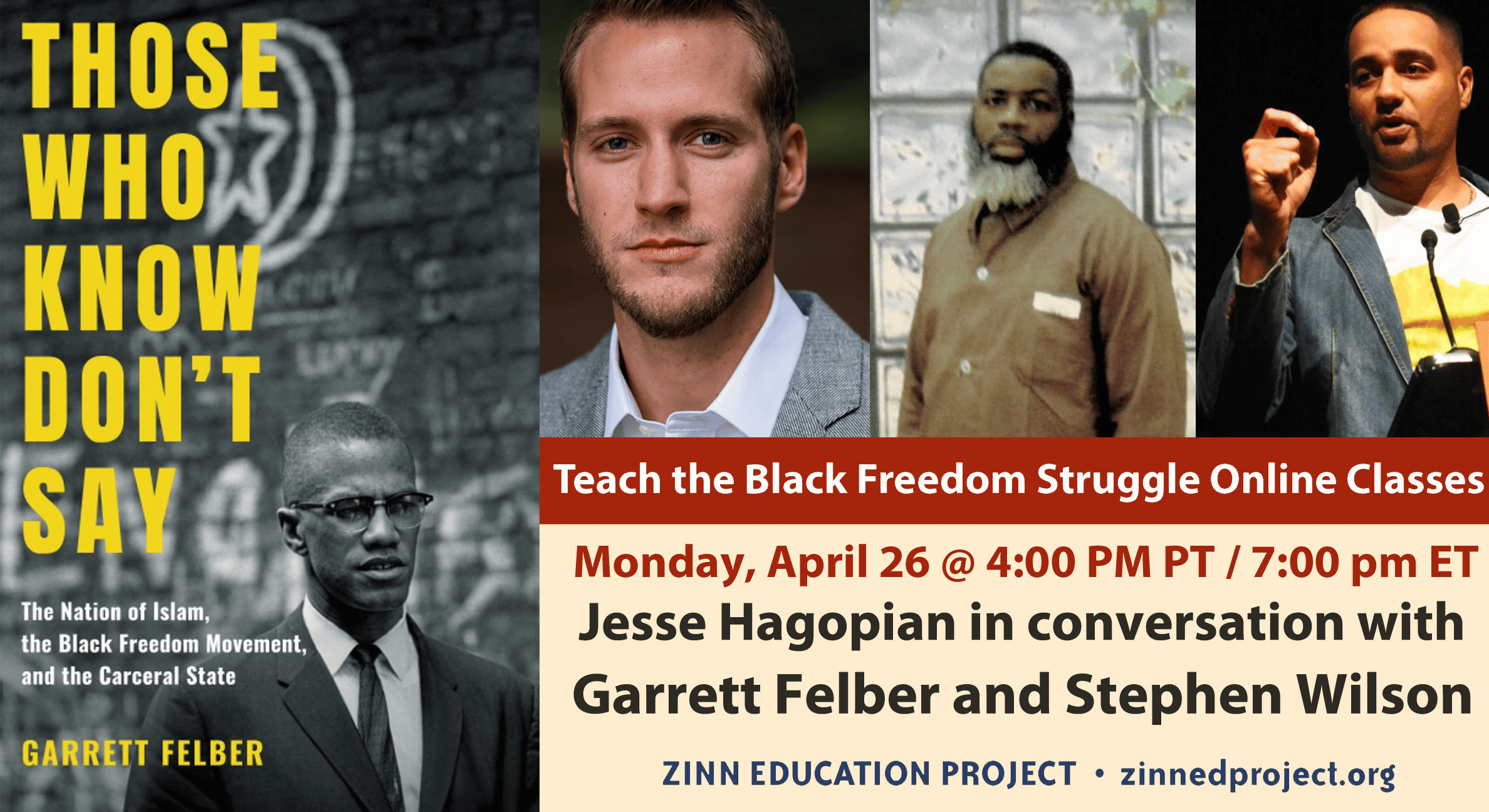
Jesse Hagopian led a conversation with Garrett Felber, Safear Ness, and Stevie Wilson about the prison industrial complex, incarceration, and the history of resistance against that system.
Continue reading
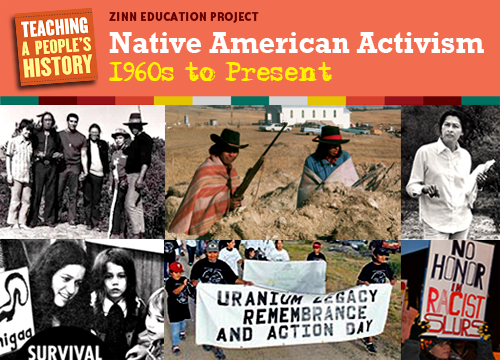
Overview of Native American activism since the late 1960s, including protests at Mt. Rushmore, Alcatraz, Standing Rock, and more.
Continue reading
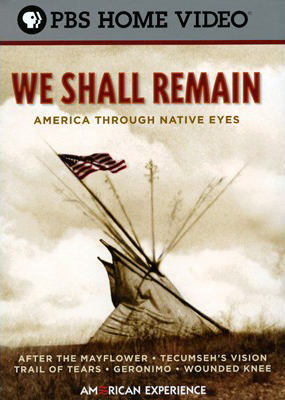
Film. PBS. 2009. 450 minutes.
Three hundred years of Native American history.
Continue reading
Film. Center for Investigative Reporting and Two Tone Productions. 2007. 84 minutes.
Filmmaker Marco Williams examined four examples of primarily white communities violently rising up to force their African-American neighbors to flee town.
Continue reading
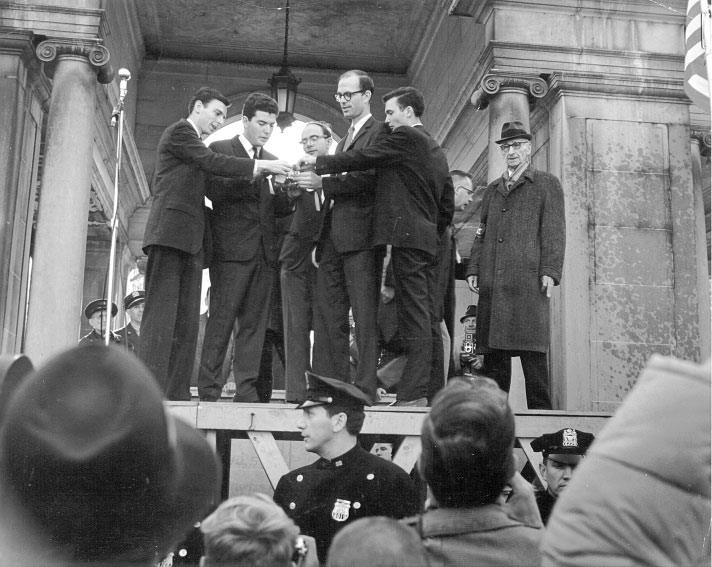
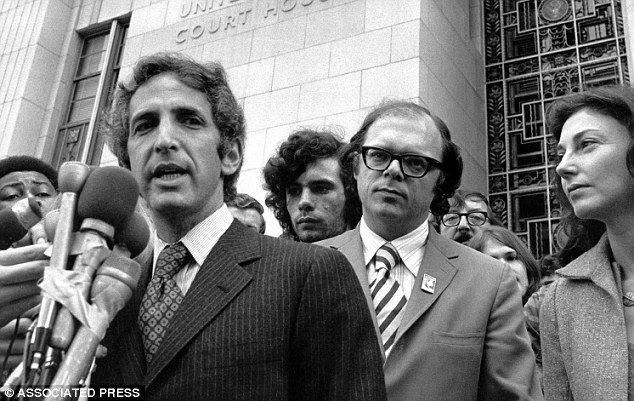
Daniel Ellsberg and Anthony J. “Tony” Russo Jr. were indicted for releasing the Pentagon Papers, detailing the secret history of U.S. involvement in Vietnam.
Continue reading
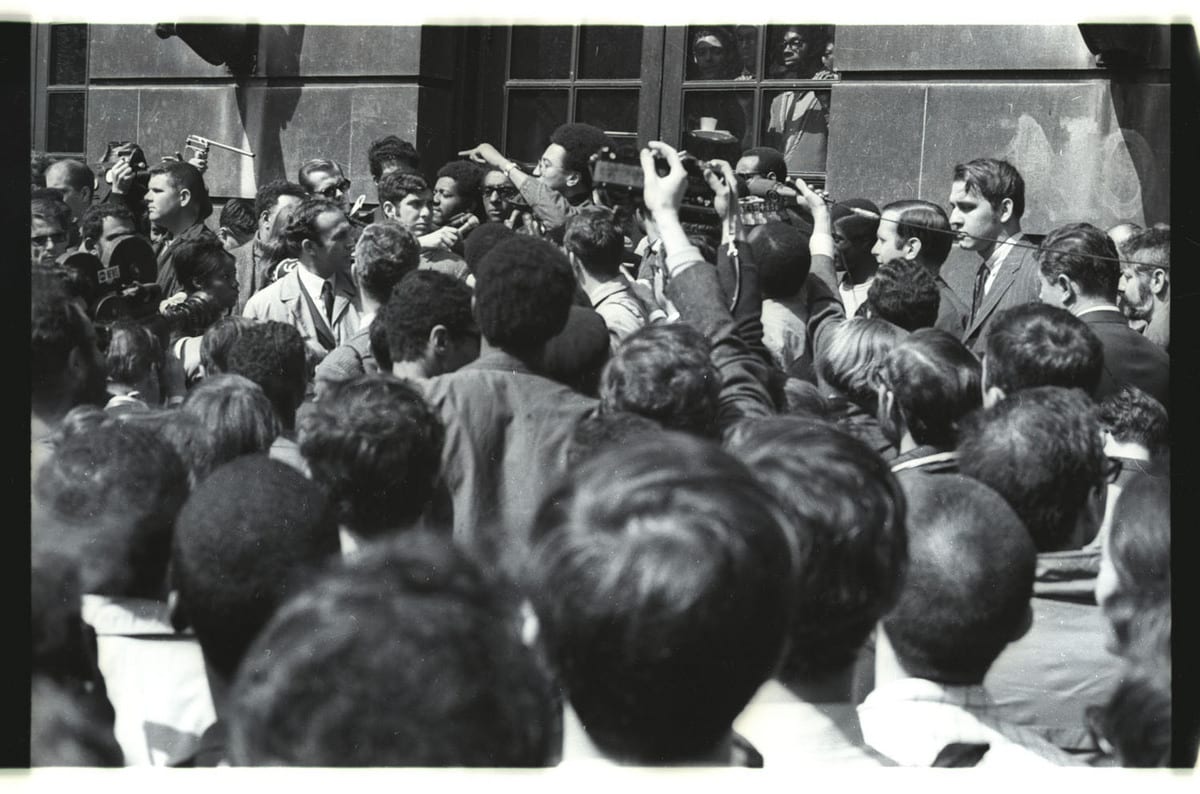
Students for a Democratic Society, Student Afro-American Society and others began a nonviolent occupation of campus buildings at Columbia University.
Continue reading
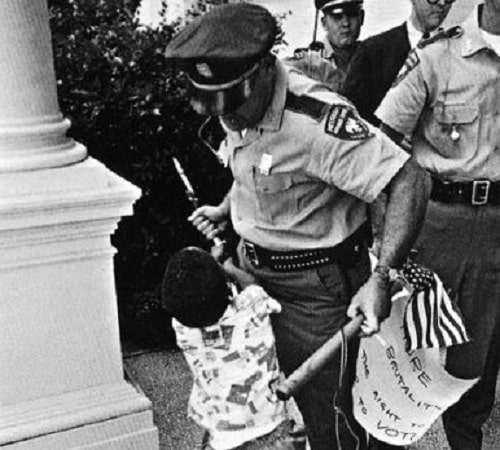
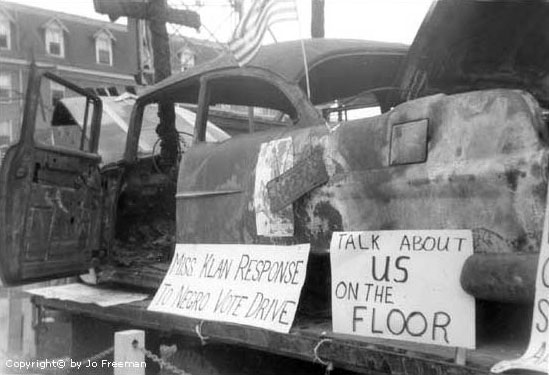
Five-year-old Anthony Quin and his mother and siblings protested against the election of five Mississippi Congressmen from districts where Black people were not allowed to vote. Refused admittance, they sat on the steps and police-instigated mayhem ensued.
Continue reading
The first African Liberation Day drew some 60,000 demonstrators in cities across the United States and Canada, including one on the National Mall in Washington D. C.
Continue reading
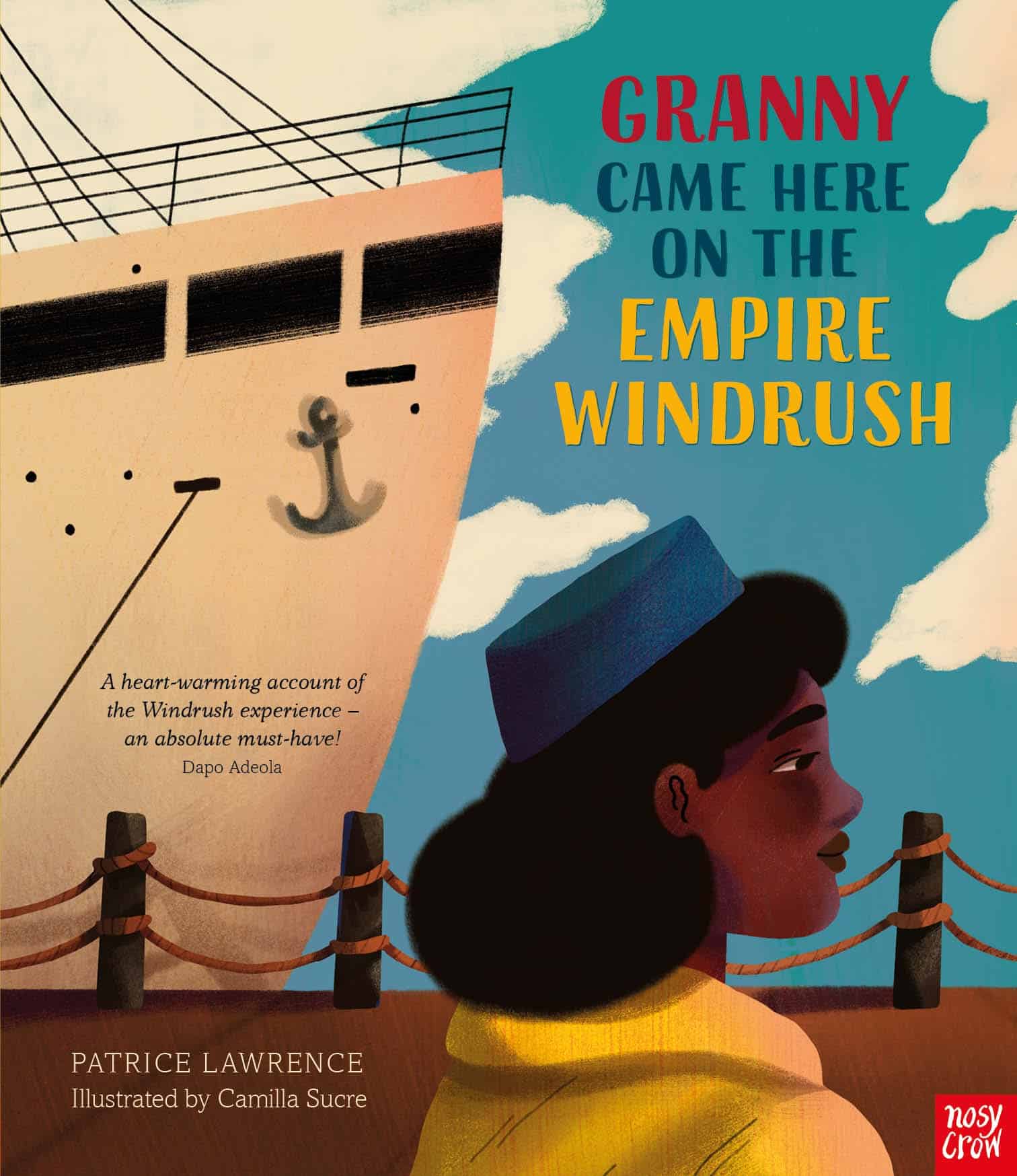
Picture book. By Patrice Lawrence. Illustrated by Camilla Sucre. 2025. 40 pp.
The book's young protagonist learns from her beloved grandmother about the Windrush generation in England.
Continue reading
Film. By Deb Ellis and Denis Mueller. 2010. 78 minutes.
Documentary on life and work of Howard Zinn.
Continue reading
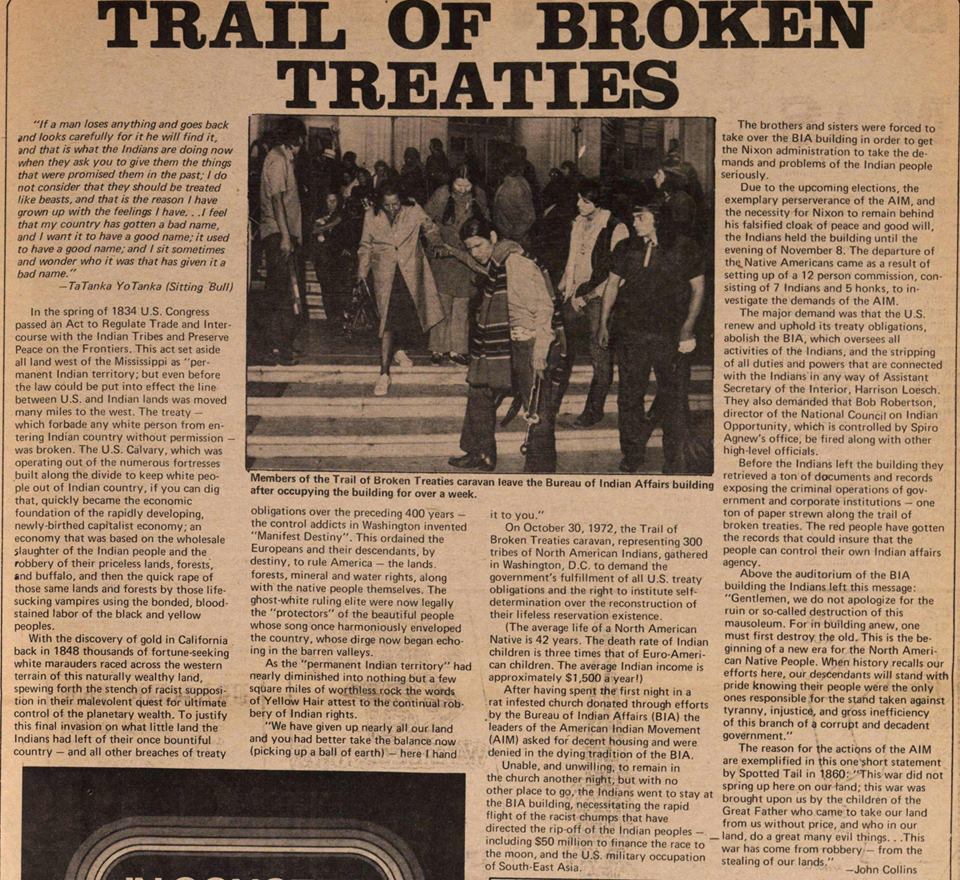
Protesters from the Trail of Broken Treaties Caravan occupied the Bureau of Indian Affairs (BIA) offices in Washington, D.C. for six days.
Continue reading
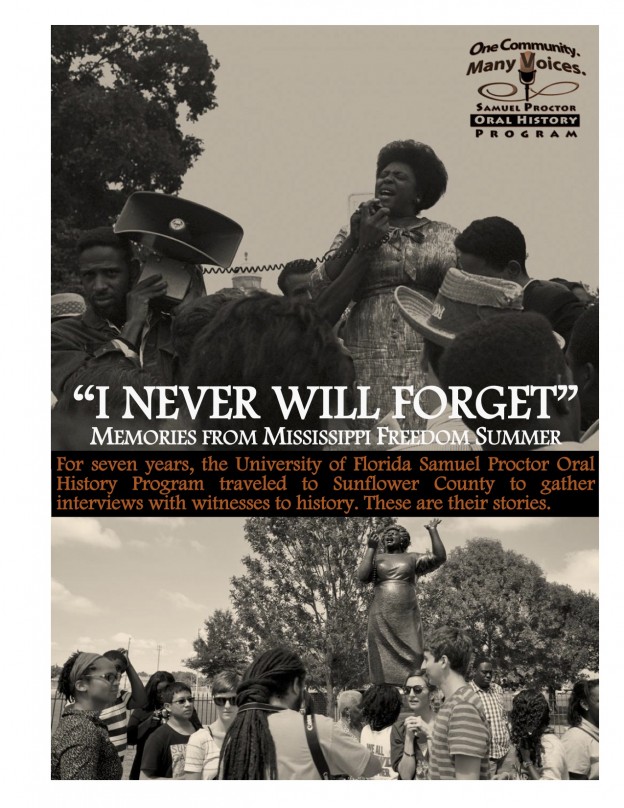
Book — Non-fiction. Edited by Sarah Blanc. 2014. 115 pages.
A collection of interviews conducted by the Samuel Proctor Oral History Program over seven years in Sunflower County, Mississippi. The stories provide a powerful first person introduction to the history of the Mississippi Civl Rights Movement.
Continue reading
Nine protesters smashed glass, hurled files out a fourth floor window, and poured blood on files and furniture at the Dow Chemical offices in Washington, D.C.
Continue reading
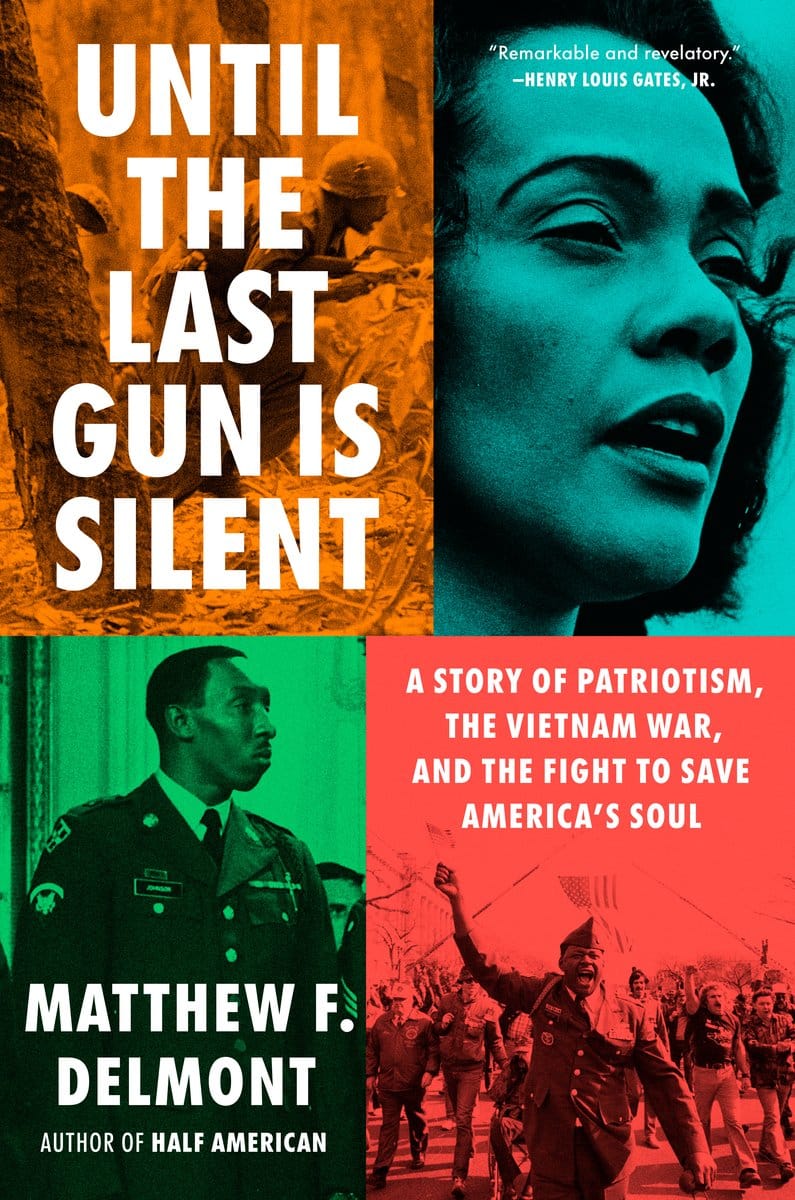
Book — Non-fiction. By Matthew F. Delmont. 2026. 368 pages.
The history of the Vietnam War with a focus on the African American experience in the antiwar movement and as returning soldiers.
Continue reading
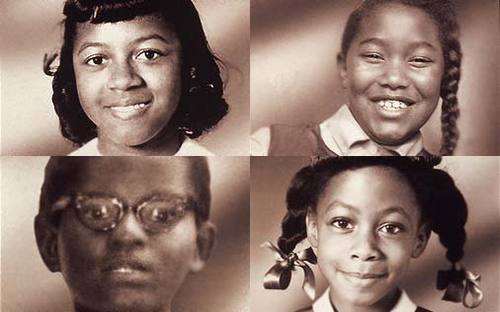
The 16th Street Baptist Church was bombed in an act of terrorism in Birmingham, Alabama.
Continue reading
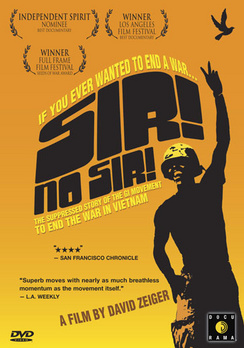
Film. By David Zeiger. 2005. 84 minutes.
This award-winning film demonstrates the role soldiers and veterans played in the anti-Vietnam War movement.
Continue reading
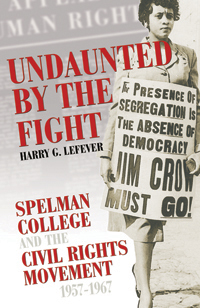
Book — Non-fiction. By Harry G. Lefever. 2005. 304 pages.
The story of Spelman College students and faculty engagement in the Civil Rights Movement from 1957 to 1967.
Continue reading
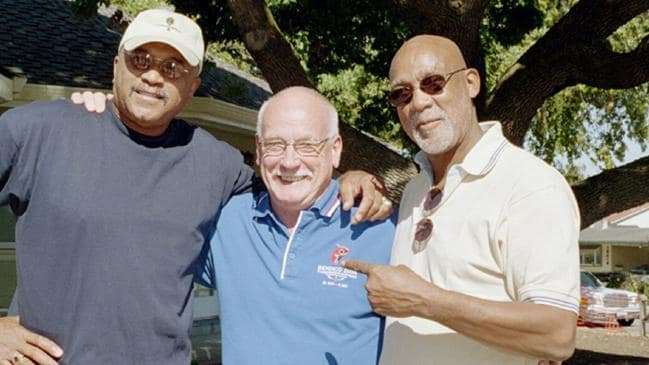
Poem. By Josh Healey.
Poem about Peter Norman, the white Australian athlete in the historic protest and iconic photo at the 1968 Olympics.
Continue reading