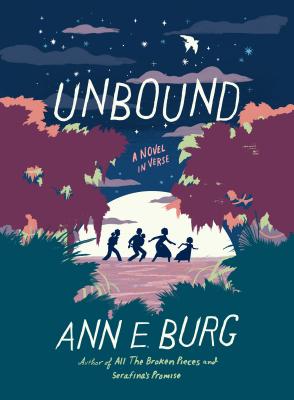
Book — Fiction. By Ann E. Burg. 2016. 352 pages.
Story of a family fleeing slavery written in verse for grades 4-8.
Continue reading
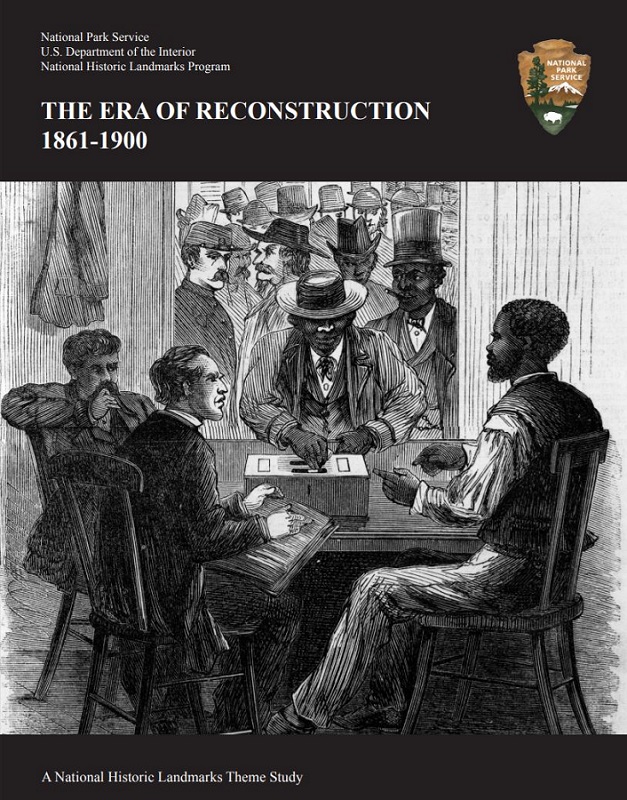
Book — Non-fiction. By National Park Service. 2017. 165 pages.
A theme study on the history of the Reconstruction era.
Continue reading
The Lowry Band helped guide General Sherman on his march to end the Civil War.
Continue reading
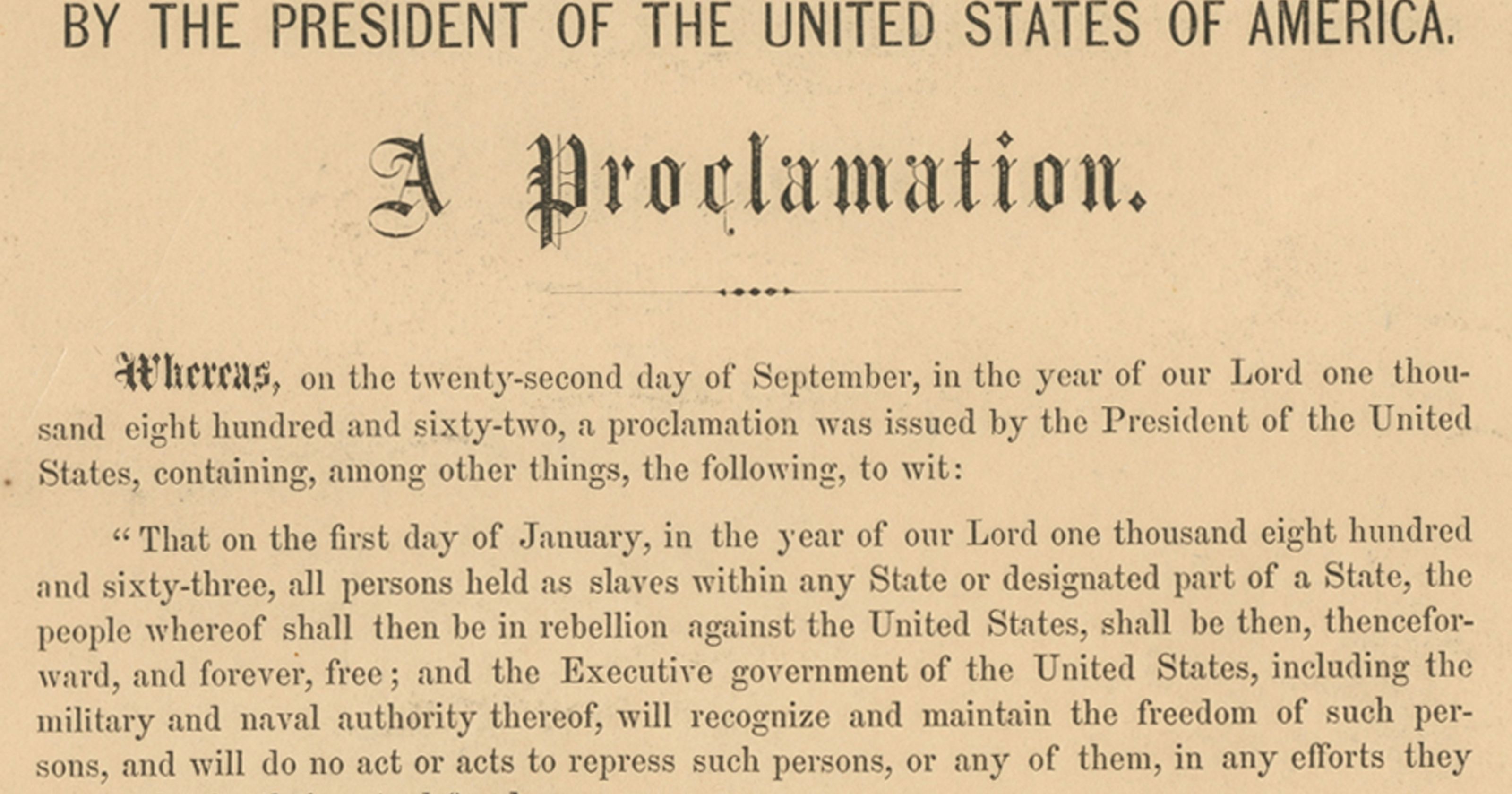
The Emancipation Proclamation took effect in 1863. Who did it “emancipate”? And who gets credited?
Continue reading
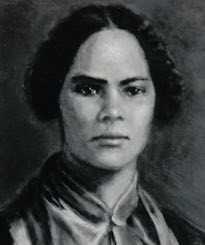
Mary Ann Shadd Cary published the first edition of “The Provincial Freeman,” Canada’s first anti-slavery newspaper.
Continue reading
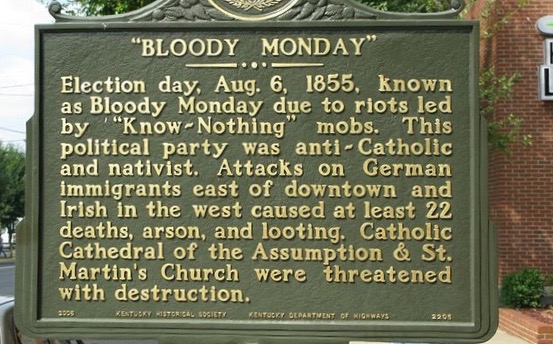
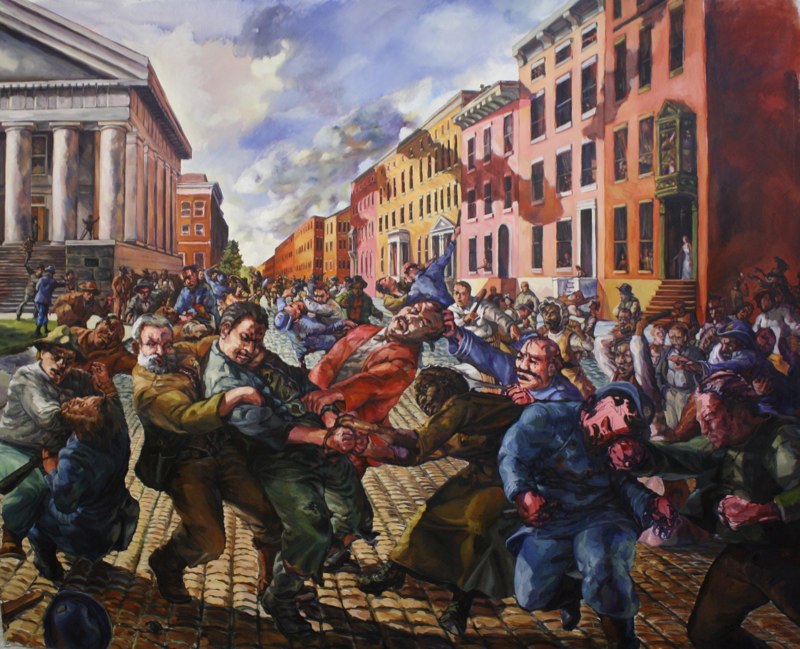
On election day, in Louisville, Kentucky, Protestant mobs attacked German and Irish Catholic neighborhoods.
Continue reading
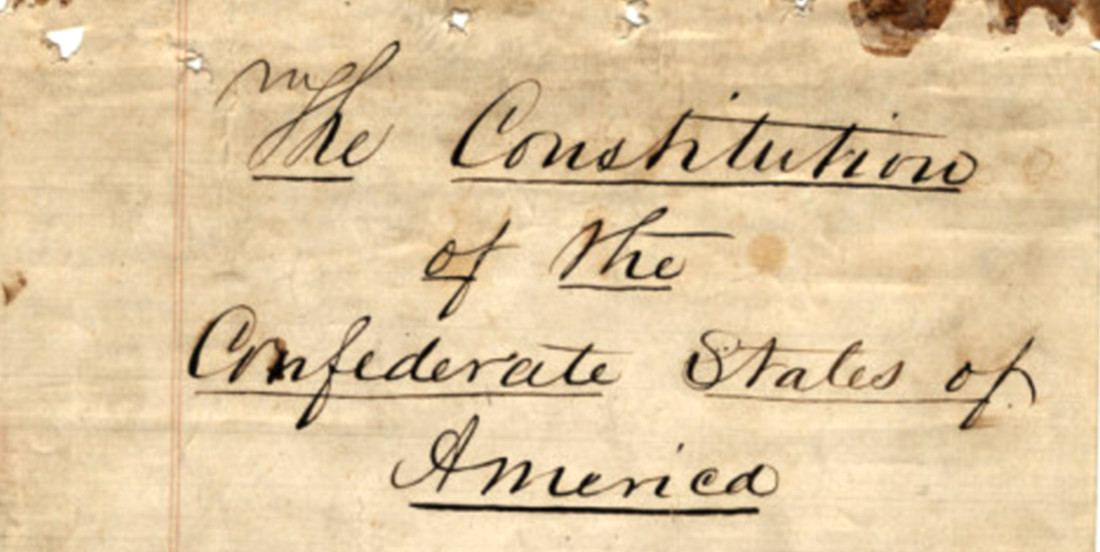
The Constitution of the Confederate States of America was adopted a month before the Civil War started.
Continue reading
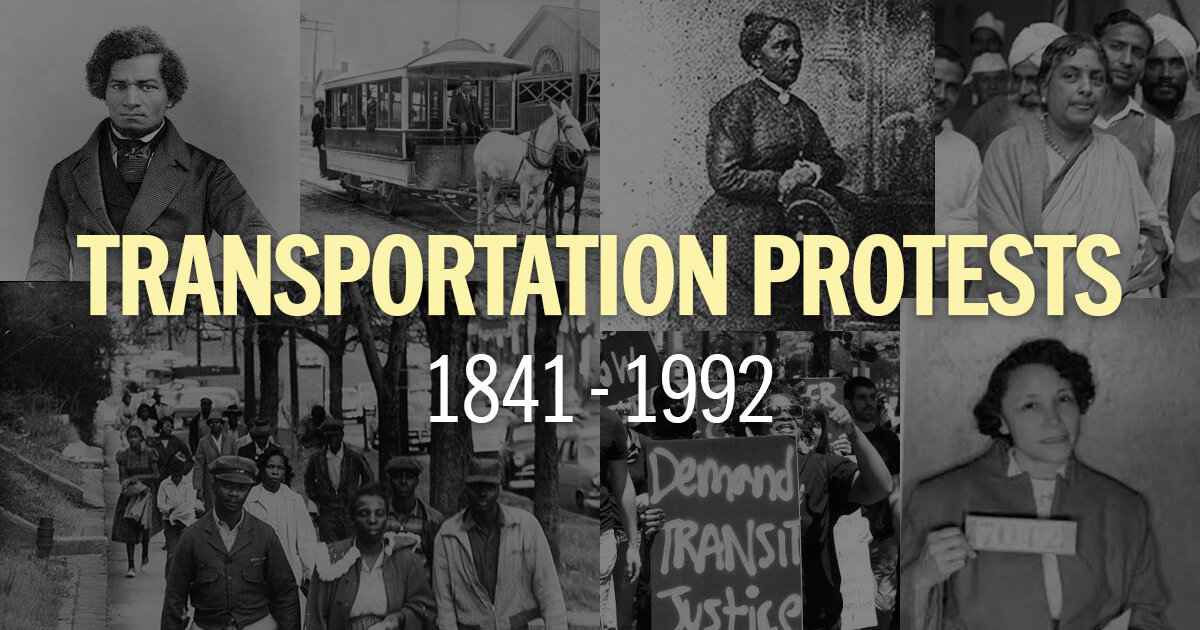
Charlotte Brown was forcibly removed from a horse-drawn streetcar in San Francisco.
Continue reading
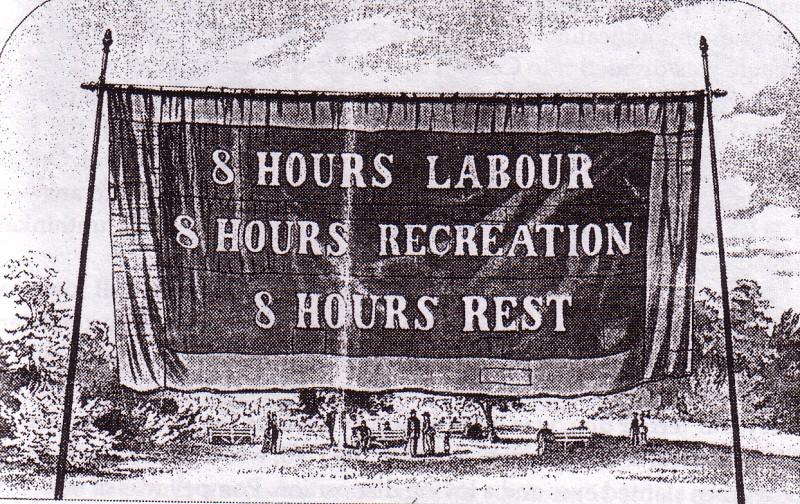
Stonemasons and other construction workers protested for an eight-hour workday.
Continue reading
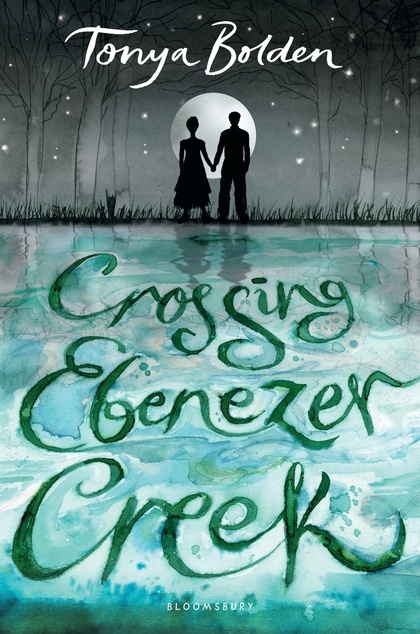
Book — Historical fiction. By Tonya Bolden. 2017. 240 pages.
A moving account of the Civil War massacre at Ebenezer Creek in Georgia.
Continue reading
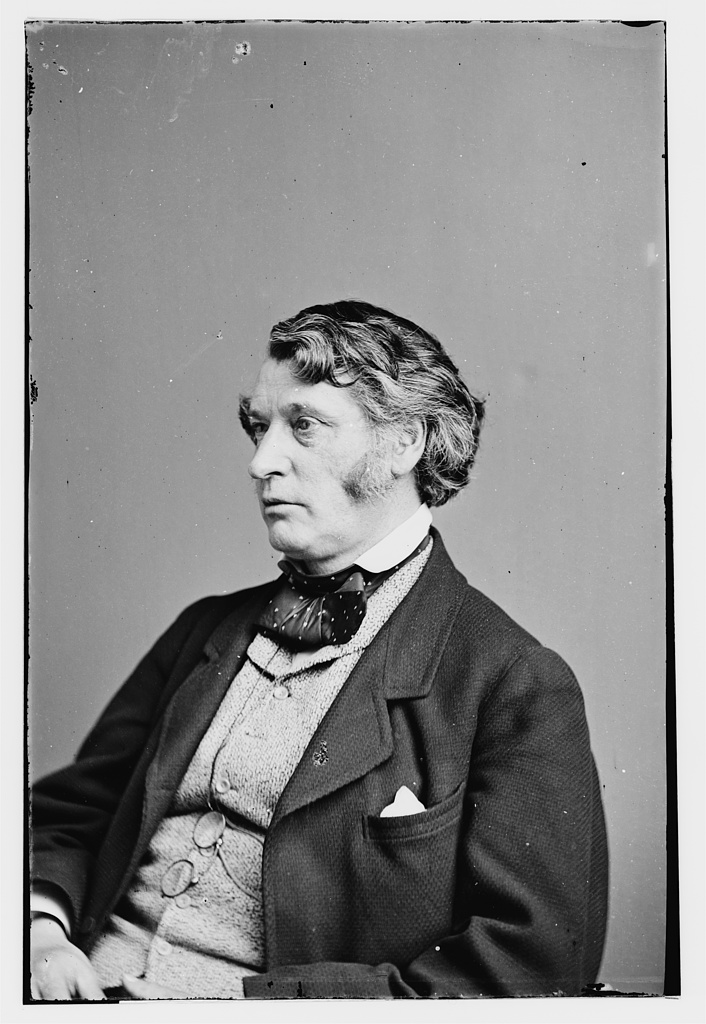
Profile.
Charles Sumner, Civil War and Reconstruction era politician in the United States.
Continue reading
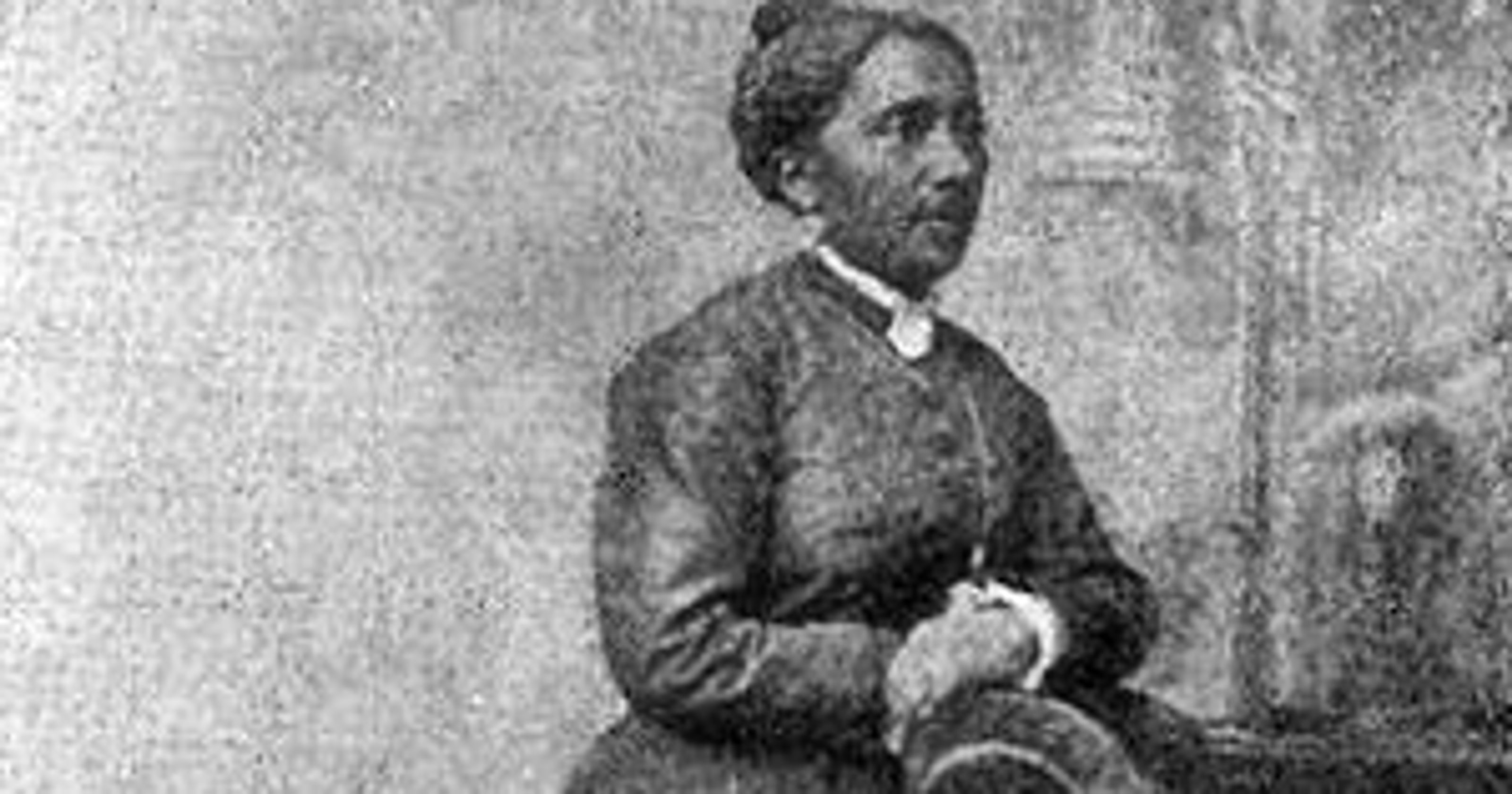
Schoolteacher Elizabeth Jennings Graham successfully challenged racist streetcar policies in New York City.
Continue reading
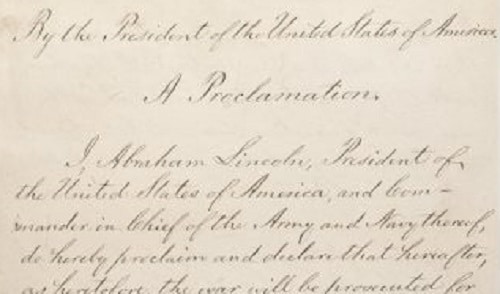
Abraham Lincoln issued the preliminary Emancipation Proclamation.
Continue reading
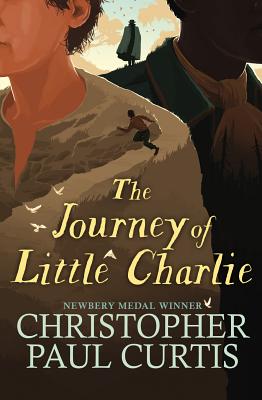
Book — Fiction. By Christopher Paul Curtis. 2018. 256 pages.
A novel for young adults that that shows how slavery was state-sanctioned terrorism and the impact of the Fugitive Slave Law.
Continue reading
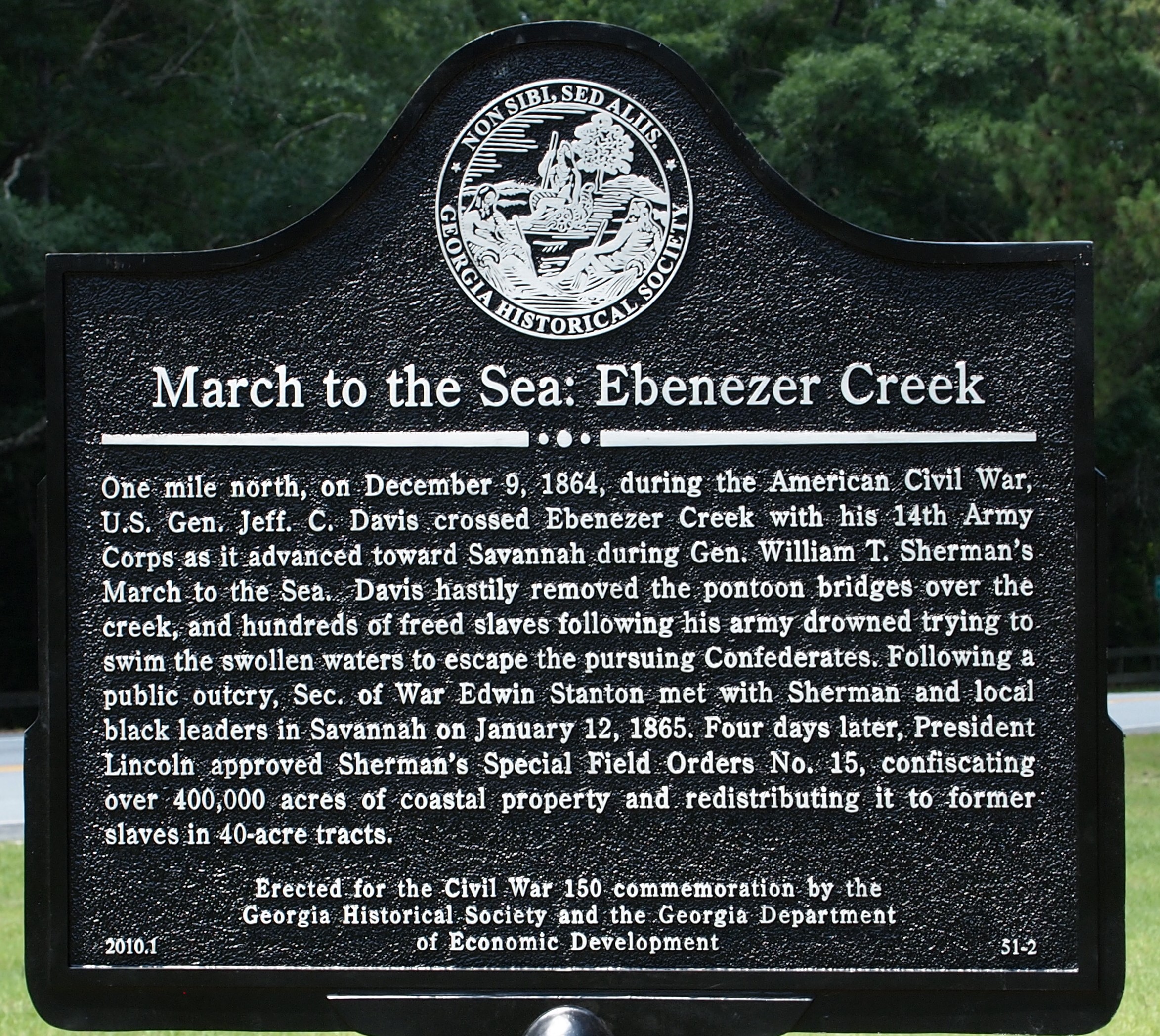
People who had escaped from slavery and were following the Union Army, were blocked from crossing the Ebenezer Creek, leading to their death.
Continue reading
Abolitionist and suffragist Harriet Tubman, perhaps the most famous conductor of the Underground Railroad, engineered her first rescue mission in December 1850.
Continue reading
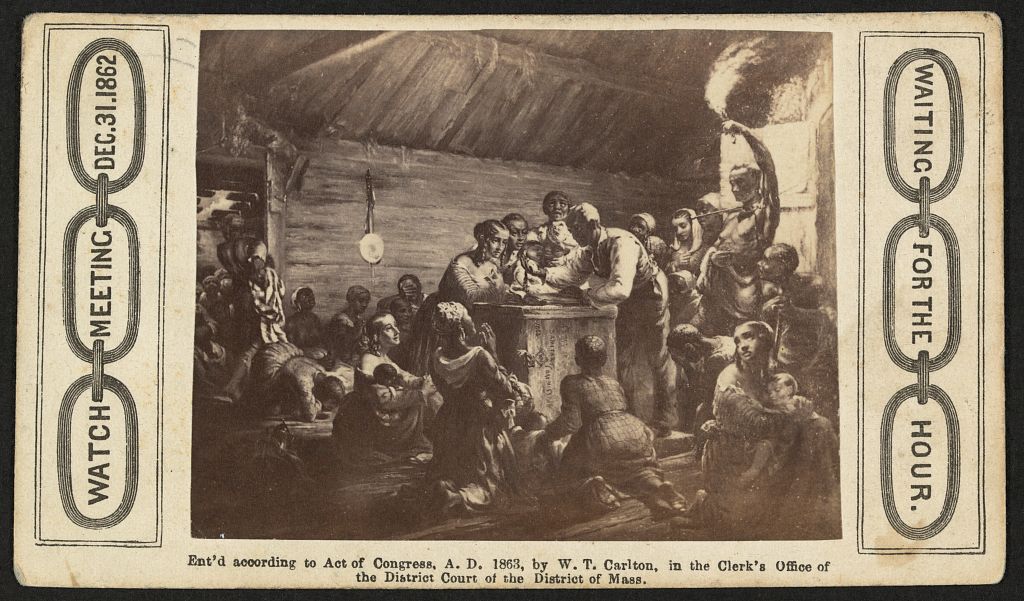
African Americans across the United States, free and enslaved, in the North and South, held watch meetings for the abolition of slavery.
Continue reading
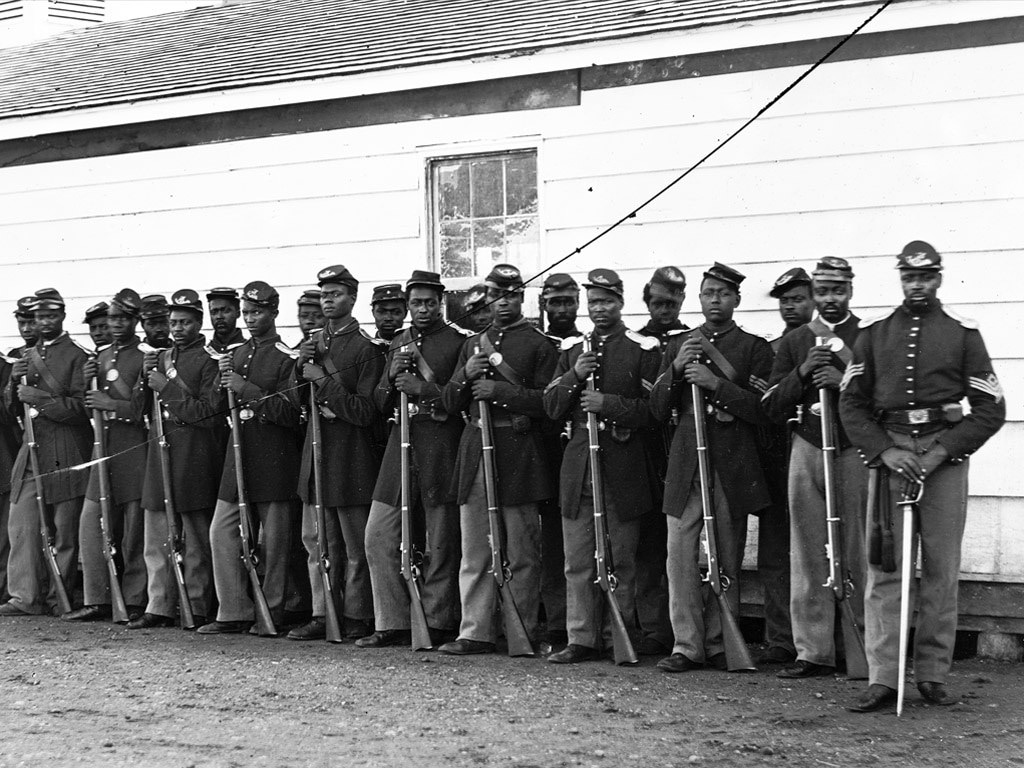
The U.S. War Department authorized the governor of Massachusetts to recruit Black troops to the Union Army in the Civil War.
Continue reading
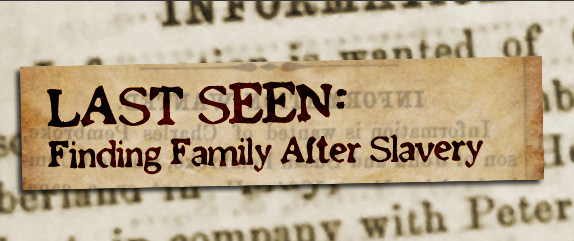
During the Reconstruction Era, people emancipated from slavery searched for their loved ones throughout the United States and Canada. They often used "last seen" ads. This is one case of successful reunification.
Continue reading
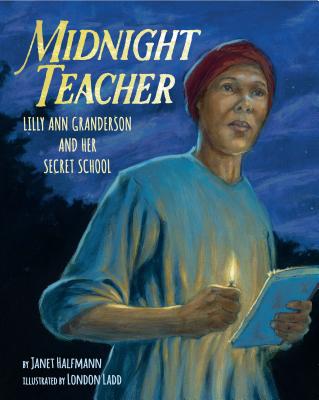
Picture book. By Janet Halfmann. Illustrated by London Ladd. 2018. 40 pages.
Tells the story of Lilly Ann Granderson, an enslaved woman who taught hundreds of people in Kentucky and Mississippi to read.
Continue reading
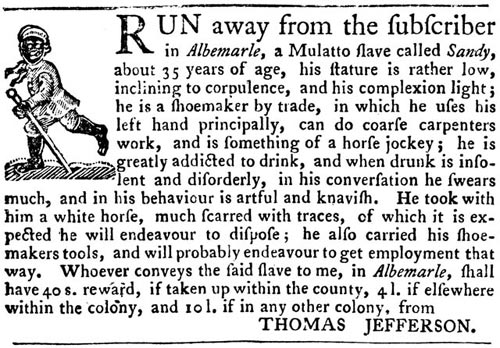
Digital collection. Crowdsourcing project that provides access to information, through thousands of print advertisements, about freedom-seekers and their would-be enslavers in the 18th and 19th centuries.
Continue reading
Harriet Tubman helped rescue Charles Nalle, a fugitive from slavery in Virginia, in Troy, New York.
Continue reading
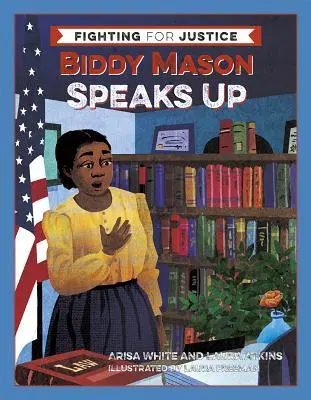
Book — Non-fiction. By Arisa White and Laura Atkins. 2019. 112 pages.
An illustrated children's book tells the story of real-life champion for civil rights Bridget "Biddy" Mason.
Continue reading
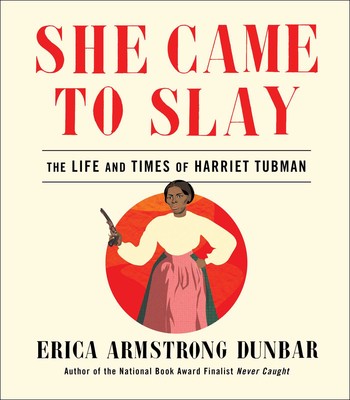
Book — Non-fiction. By Erica Armstrong Dunbar. 2019. 176 pages.
This book blends traditional biography with illustrations, photos, and engaging sidebars that illuminate the life of Harriet Tubman.
Continue reading
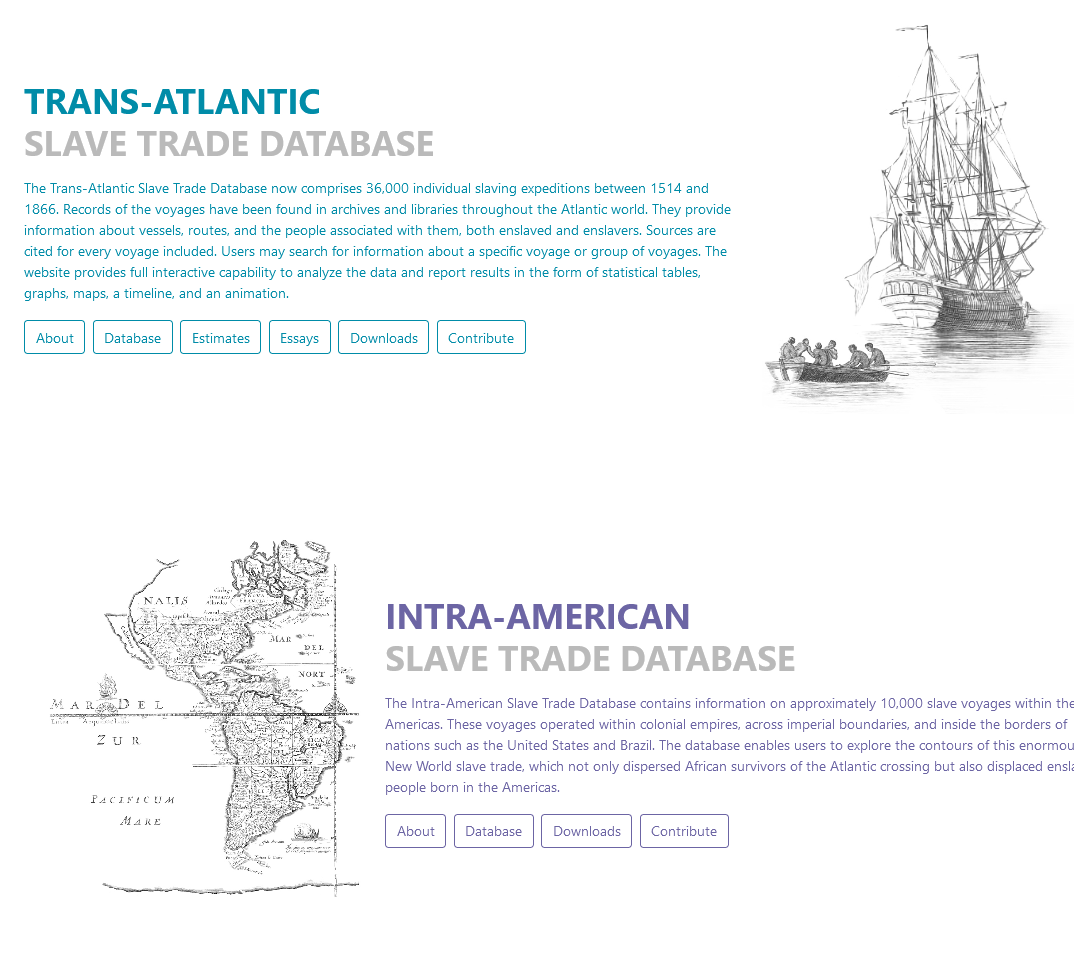
Digital collection.
Through this website, over 130,000 voyages made in the Trans-Atlantic and Intra-American slave trade can be searched, filtered, and sorted by variables including the port of origin, the number of enslaved Africans on board, and the ship's name.
Continue reading