Teaching Activity. By Thom Thacker and Michael A. Lord. Rethinking Schools. 4 pages.
An art contest is used as the basis from which students can examine primary historical documents (advertisements for runaway slaves) to gain a deeper understanding of the institution of slavery in the North.
Continue reading
Reading for Teachers. By Bill Bigelow. 7 pages.
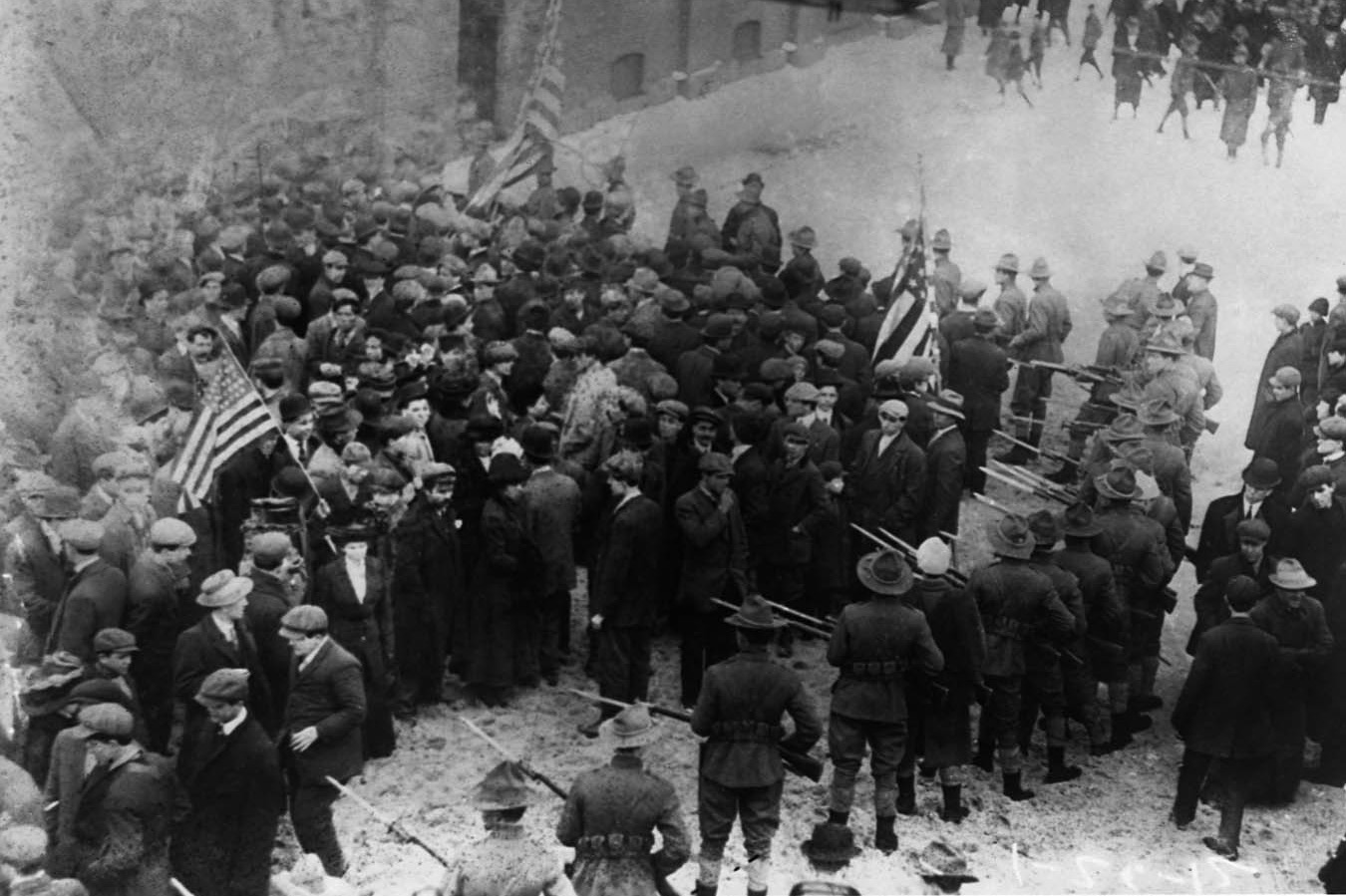
Author describes how students applied strategies from the Lawrence strike to their own present day activism.
Continue reading
Teaching Activity. By Bill Bigelow. 12 pages.
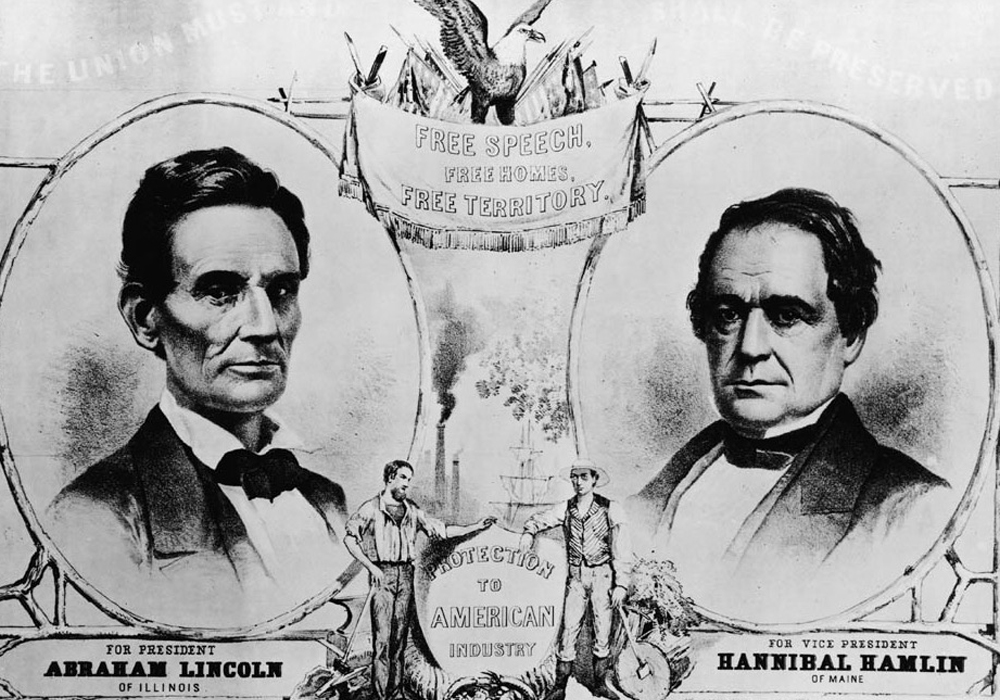
A role play based on the election of 1860 allows students to explore the political debates of the time and the real reasons for the Civil War.
Continue reading
Teaching Activity. By Renée Watson. Rethinking Schools. 7 pages.
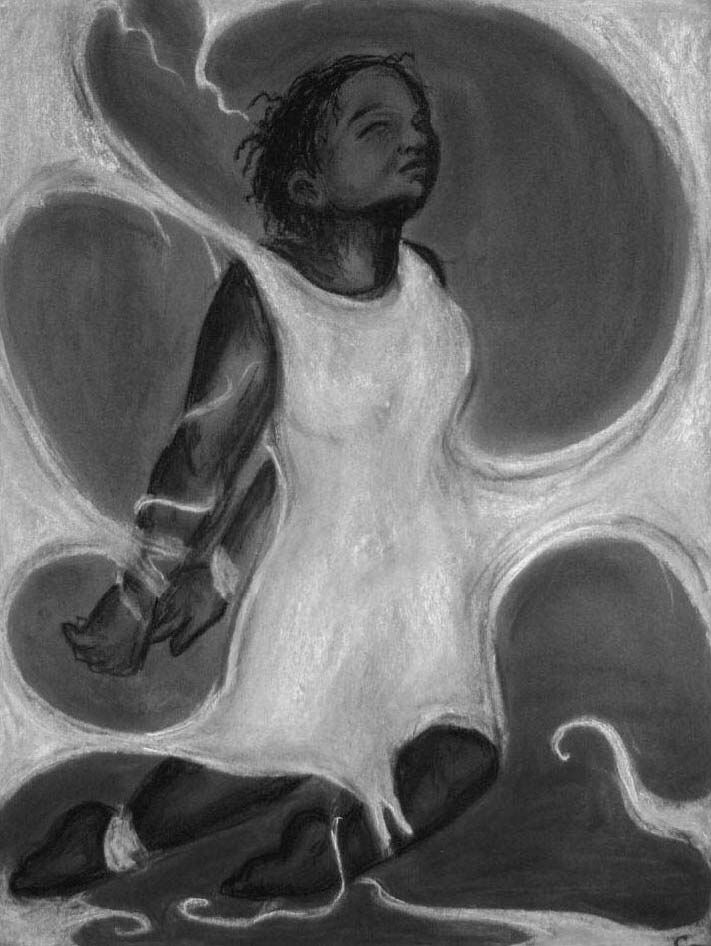
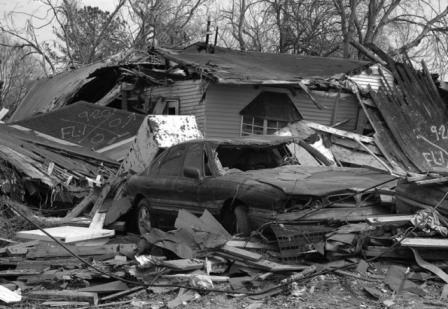
A teacher's reflection on the power of poetry to spark critical discussion and reflection on current issues of inequality surrounding disaster response in the United States.
Continue reading
Teaching Activity. By Bill Bigelow and Bob Peterson. Rethinking Schools. 4 pages.
Using photographs to spark creative writing and critical thinking about child labor issues and social justice.
Continue reading
Teaching Activity. By Naomi Shihab Nye and Linda Christensen. 4 pages.
An essay, poem, and teaching idea utilizing famous Palestinian poet Mahmoud Darwish's work to help students "name the invisible forces that imprison them."
Continue reading
Teaching Activity. By Andrew Reed. Rethinking Schools. 5 pages.
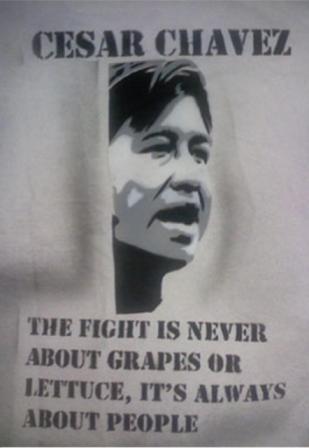
Teaching activity connects students to history of art as a means of protest and gives them opportunity and skills to create their own stencil with a powerful message.
Continue reading
Teaching Activity. By Linda Christensen. Rethinking Schools. 10 pages.
Teacher reflection on different ways to effectively incorporate poetry into history or literature classes.
Continue reading
Teaching Activity. By Craig Gordon, Urban Dreams, and the Martin Luther King Jr. Papers Project. 2003, updated in 2017.
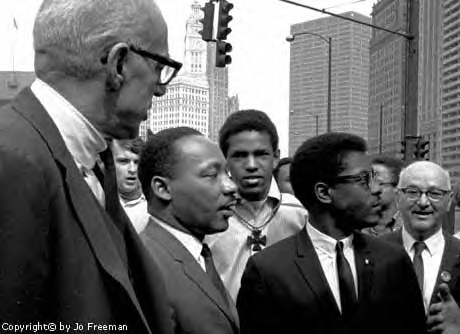
Lesson to introduce students to the speeches and work of Dr. King beyond "I have a dream."
Continue reading
Teaching Activity. By Moé Yonamine. Rethinking Schools. 11 pages.
Lesson based on ANPO: Art X War, a documentary about visual resistance to U.S. military bases in Japan by Japan’s foremost contemporary artists.
Continue reading
Teaching Activity. By Abby MacPhail. Rethinking Schools. 17 pages.
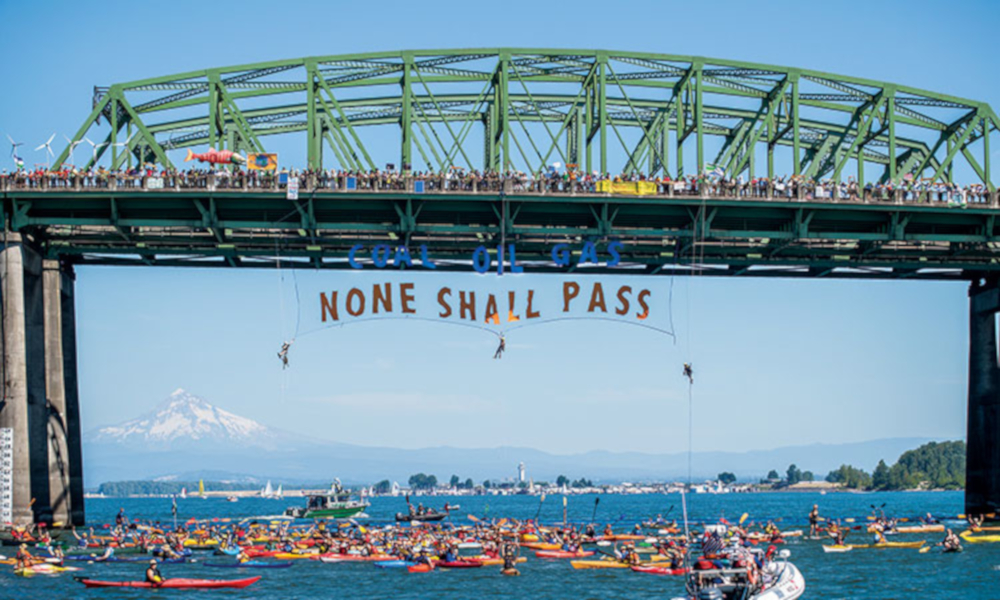
A lesson on the Keystone XL Pipeline battle.
Continue reading
Teaching Activity. By Bill Bigelow. Rethinking Schools. 15 pages.
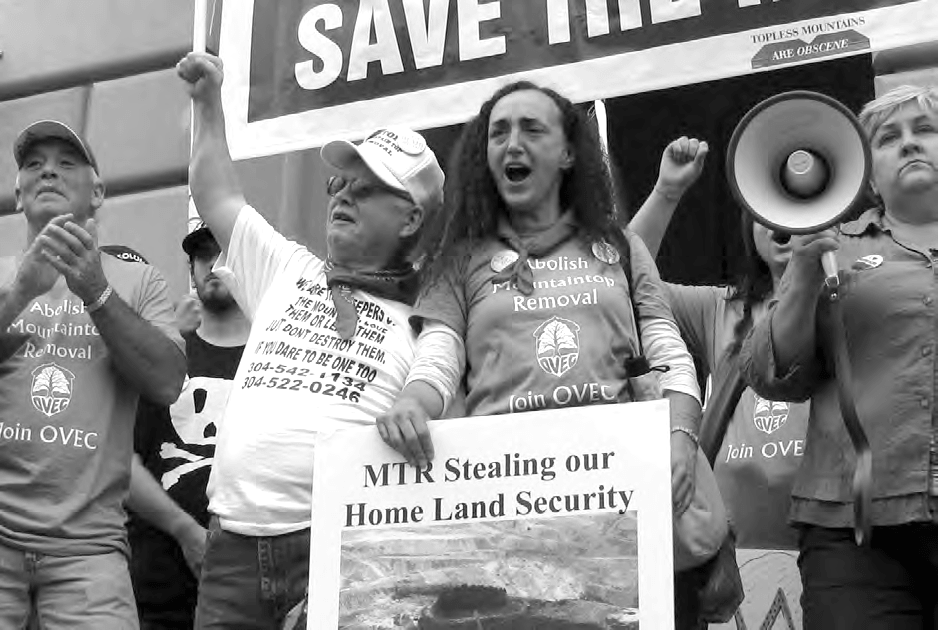
Using chocolate chip cookie "mining," this lively activity takes a critical look at how the coal industry teaches the impact of coal mining.
Continue reading
Teaching Activity. By Bill Bigelow. Rethinking Schools. 13 pages.
Through encountering "clues," students probe the dangerous link between fossil fuels, carbon, and climate change.
Continue reading
Teaching Activity. By Bill Bigelow and Norm Diamond. 8 pages.
Lesson engages students in a lively simulation that helps them experience some of the pressures that lead workers to organize.
Continue reading
Teaching Activity. By Bill Bigelow and Norm Diamond. 3 pages.
This lesson introduces students to Bertolt Brecht’s poem, A Worker Reads History. Students reflect on the creative role of workers in making history.
Continue reading
Teaching Activity. By Bill Bigelow and Norm Diamond. 4 pages.
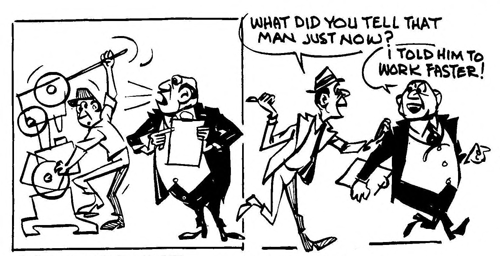
Students make paper airplanes to learn about the origins and effects of “scientific management,” owners’ attempts to capture workers’ skills and knowledge and then to exploit that knowledge to reorganize work and cut costs by deskilling workers.
Continue reading
Teaching Activity. By Bill Bigelow and Norm Diamond. 6 pages.
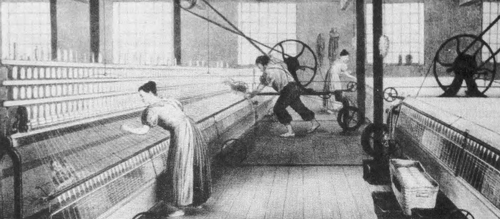
Students work with a chapter from Milton Meltzer’s classic book, Bread and Roses, to see the impact of late 19th century factory work on workers’ home lives.
Continue reading
Teaching Activity. By Bill Bigelow and Norm Diamond.
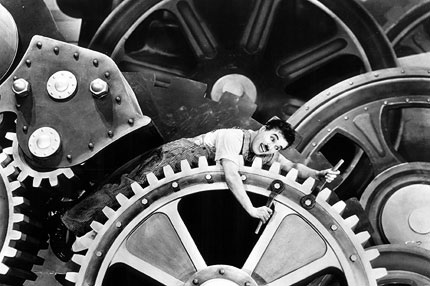
This lesson uses Charlie Chaplin’s hilarious classic film, Modern Times, to help students think about the impact of “scientific management” on the workplace.
Continue reading
Teaching Activity. By Bill Bigelow and Norm Diamond. 8 pages.
In this lesson, students re-examine and restructure a burger joint so that it is more democratically and imaginatively operated.
Continue reading
Teaching Activity. By Bill Bigelow and Norm Diamond. 11 pages.
This role play activity on the famous 1892 Homestead Strike, explores the possibility of solidarity among workers of very different backgrounds and at different levels in the workplace hierarchy.
Continue reading
Teaching Activity. By Bill Bigelow and Norm Diamond. 7 pages.
Writing activity for students to complete the narrative of women workers striking at a glove-making factory, exploring possible outcomes.
Continue reading
Teaching Activity. By Bill Bigelow and Norm Diamond. 8 pages.
In this “mystery” activity, students receive clues and discuss some of the factors that contributed to the intensification of racism in the 1920s in the United States.
Continue reading
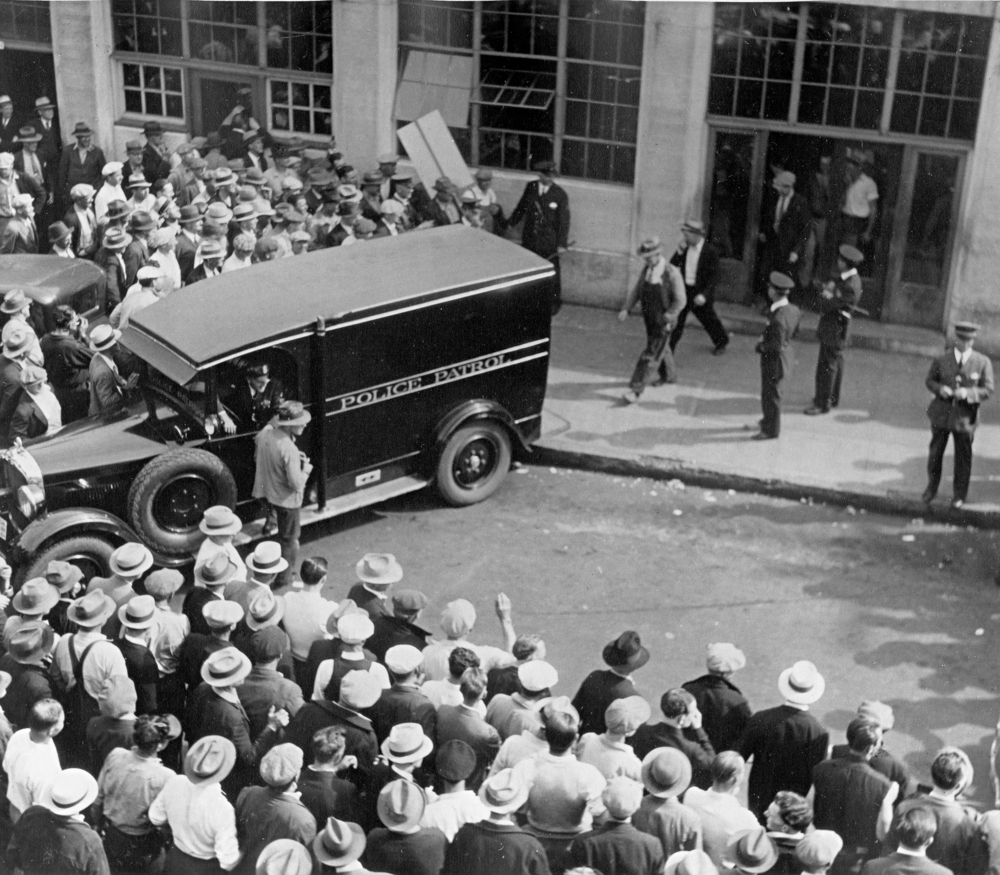
Teaching Activity. By Bill Bigelow and Norm Diamond. 20 pages.
Students “become” several of the social groups who participated in the 1934 Longshore Workers Strike — some of whom had to answer the question, “Which side are you on?”
Continue reading
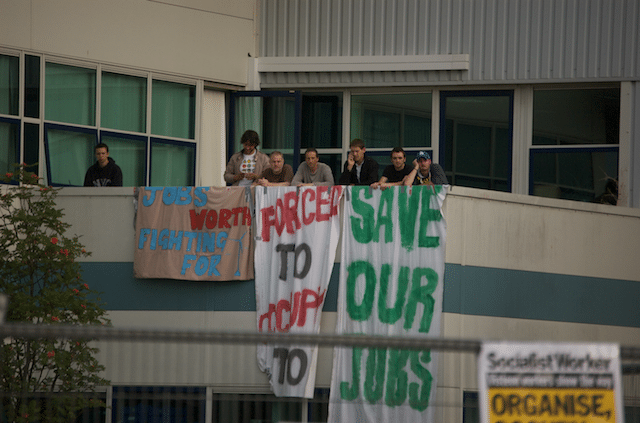
Teaching Activity. By Bill Bigelow and Norm Diamond. 14 pages.
In this role play activity, students assume the roles of union members and attempt to figure out how to respond to a threatened plant closure.
Continue reading
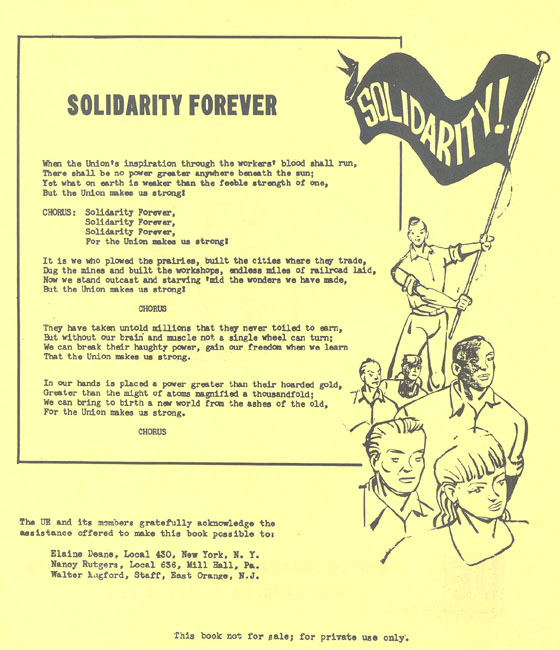
Teaching Activity. By Bill Bigelow and Norm Diamond. 7 pages.
Students explore the power of songs to build solidarity and increase understanding. This is the final activity from Bigelow and Diamond’s labor history book, The Power in Our Hands, and draws on the other lessons.
Continue reading