Teaching Activity. By Bill Bigelow and Norm Diamond. 8 pages.
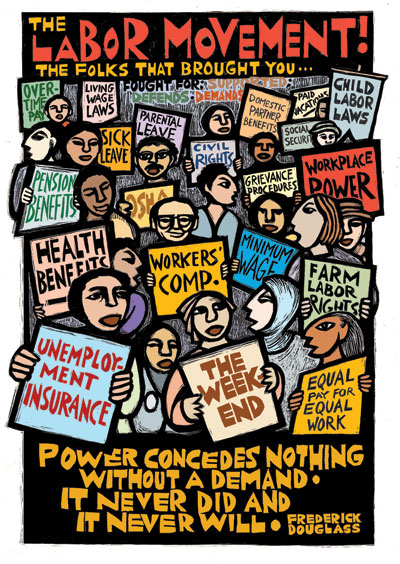
This lesson teaches some of the nuts and bolts of labor unions and then moves beyond to ask students to consider what rights they have at work, and to recognize that “rights” depend in large part on what people have fought for and won.
Continue reading
Teaching Activity. By Bill Bigelow, Adam Sanchez, and Tim Swinehart.
A role-play activity engages students in building solidarity among different groups and organizations fighting fossil fuels and searching for alternatives.
Continue reading
Teaching Activity. By Adam Sanchez and Nqobile Mthethwa. 25 pages.
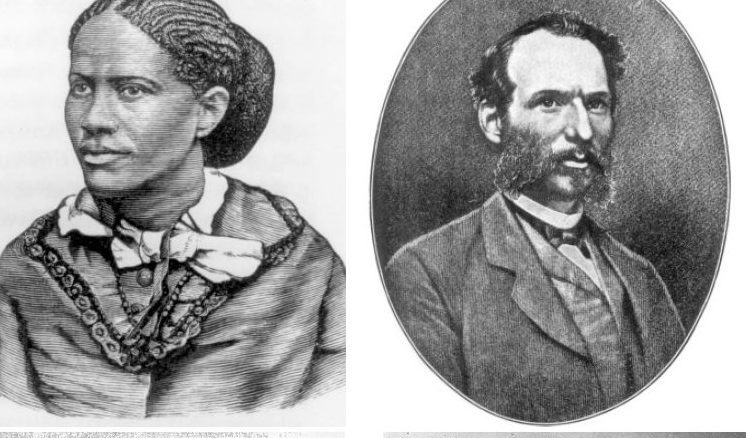
A mixer role play explores the connections between different social movements during Reconstruction.
Continue reading
Teaching Activity. By Ursula Wolfe-Rocca.
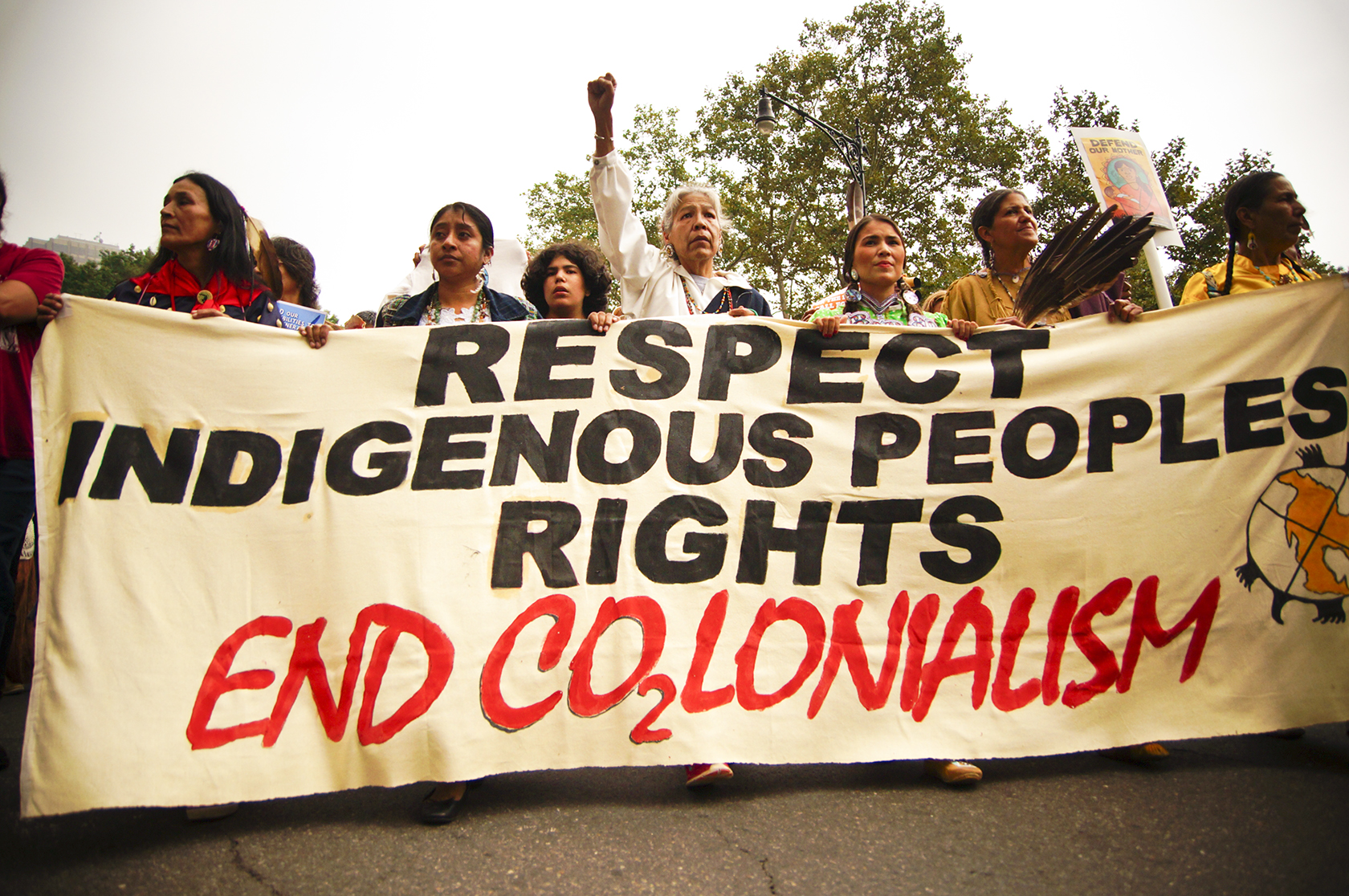
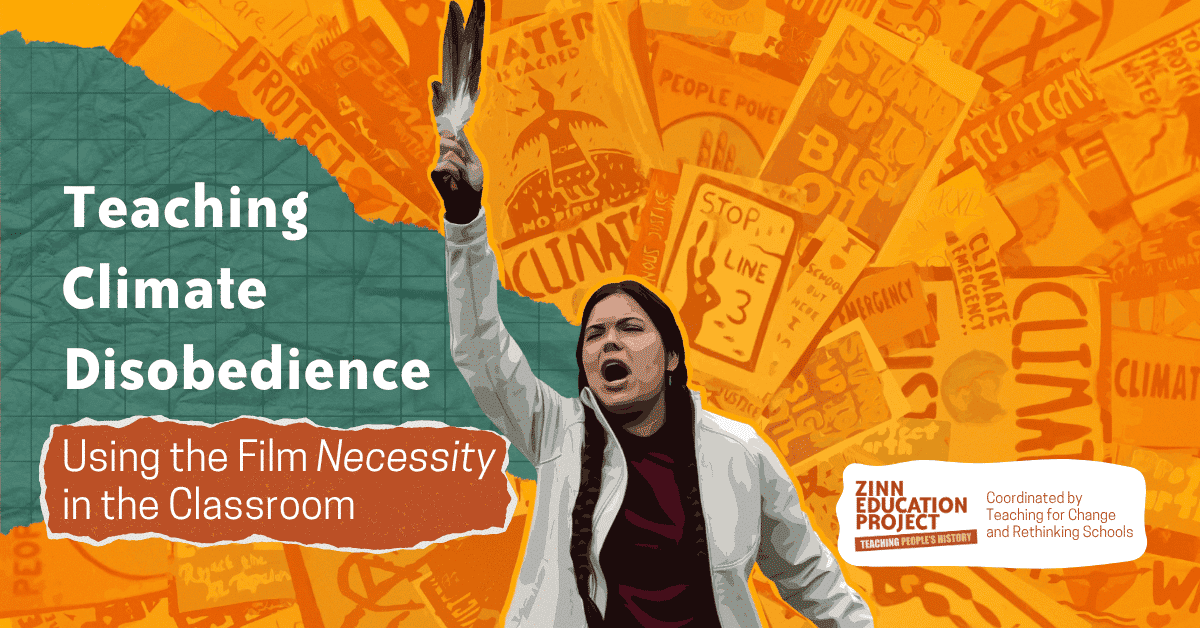
A lesson about multiple cohorts of climate activists: Indigenous leaders in the Climate Justice Movement, valve turners using civil disobedience to stop the flow of oil, and the legal team that uses the “necessity defense” in the courts.
Continue reading
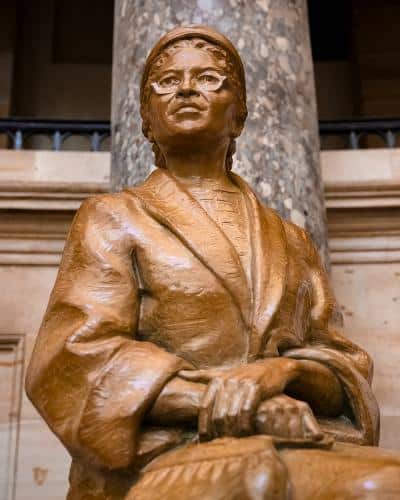
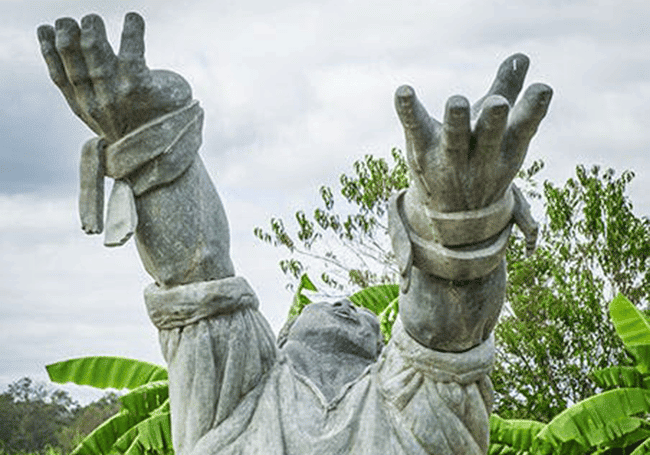
This lesson by Cierra Kaler-Jones invites students to consider how Rosa Parks’ legacy is memorialized by critically examining her statue at the U.S. Capitol. Students learn the fuller story of Rosa Parks’ life and use that information to determine how they would memorialize her legacy.
Continue reading
Teaching Activity. By Alison Kysia. 28 pages.
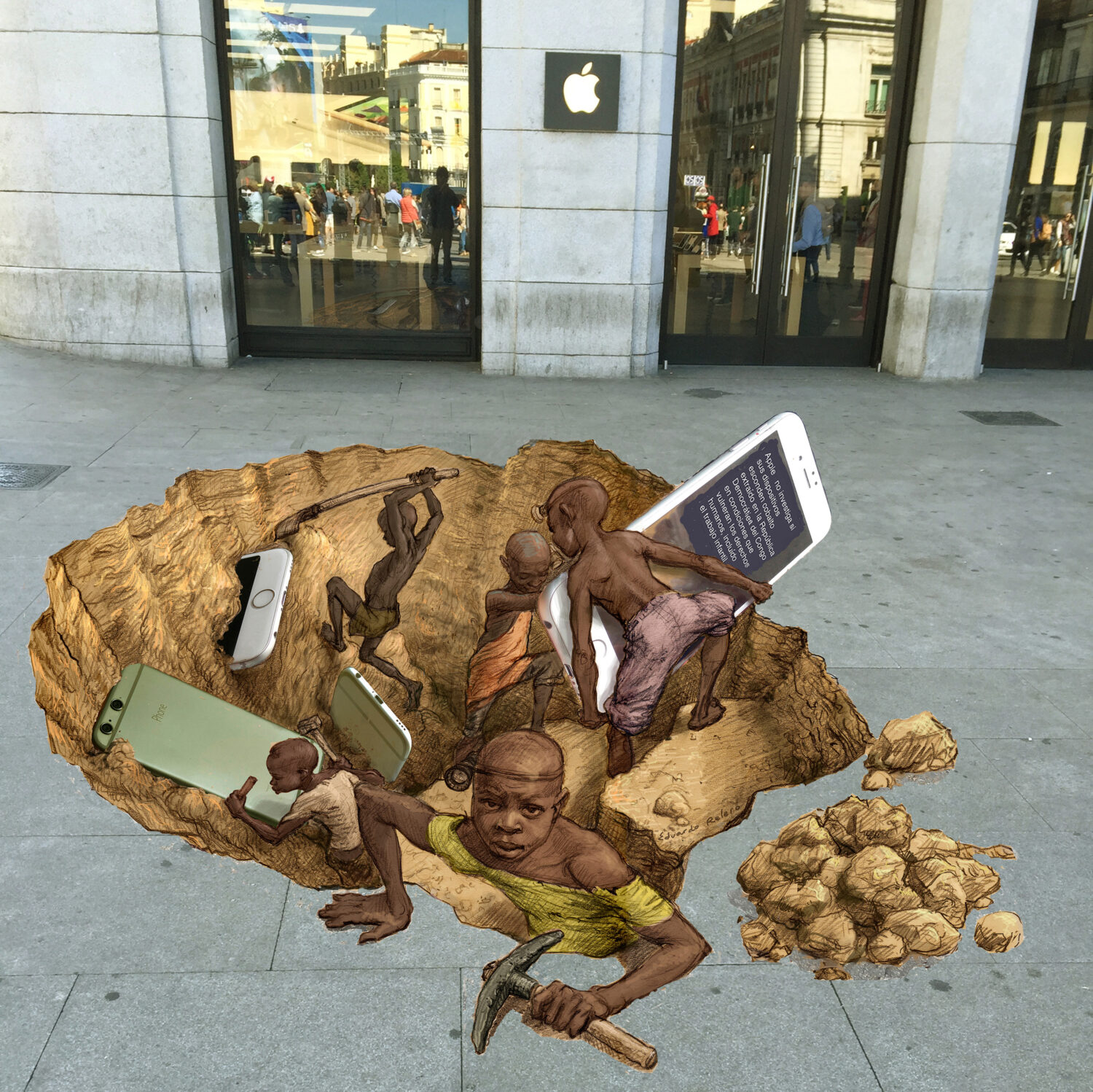
In this lesson, students learn about the colonial history of Congo, debate responsibility for crimes against humanity, and investigate the connection, past and present, between the exploitation of natural resources and violence.
Continue reading
Teaching Activity. By Mark Sweeting. Rethinking Schools. 4 pages.
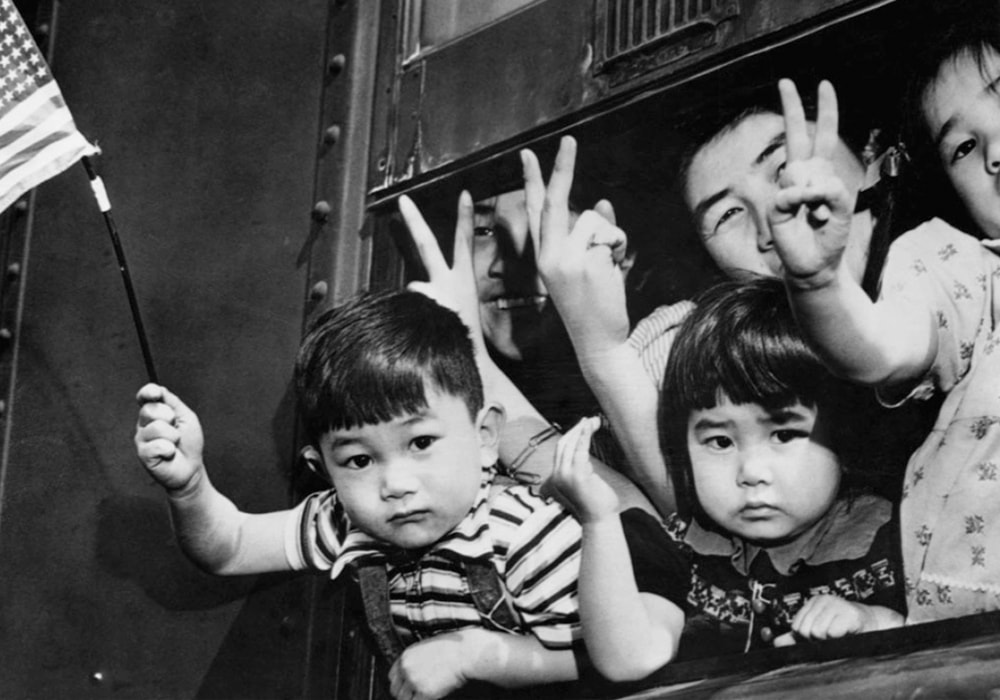
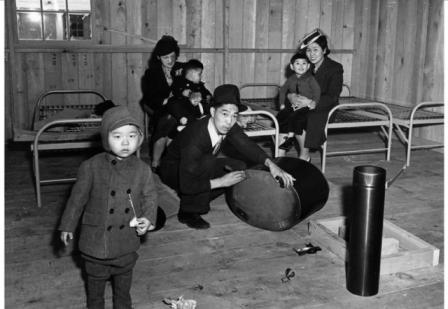
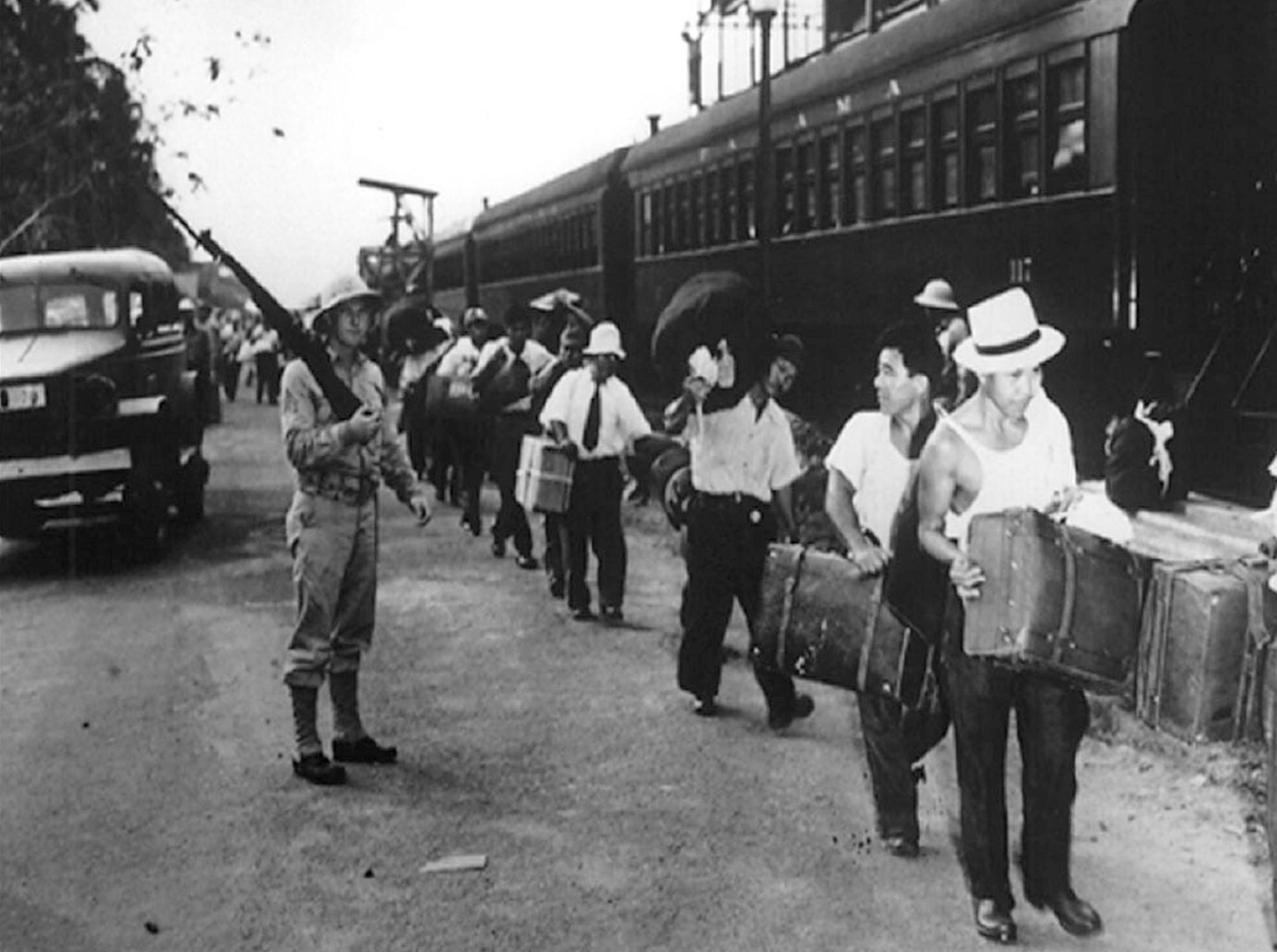
How one teacher engaged his students in a critical examination of the language used in textbooks to describe the Japanese American incarceration.
Continue reading
Teaching Activity. By Bill Bigelow. 10 pages.
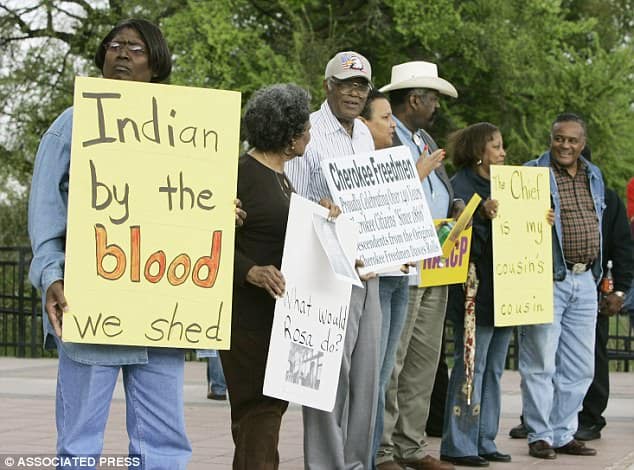
What led up to the Trail of Tears? In this lesson, students learn about the decision to remove the Cherokee and Seminole people from their lands.
Continue reading
Teaching Activity. By Bill Bigelow. 9 pages.
Students are invited to solve a mystery, using historical clues, about the real story of the Draft Riots.
Continue reading
Teaching Activity. By John DeRose. Rethinking Schools. 4 pages.
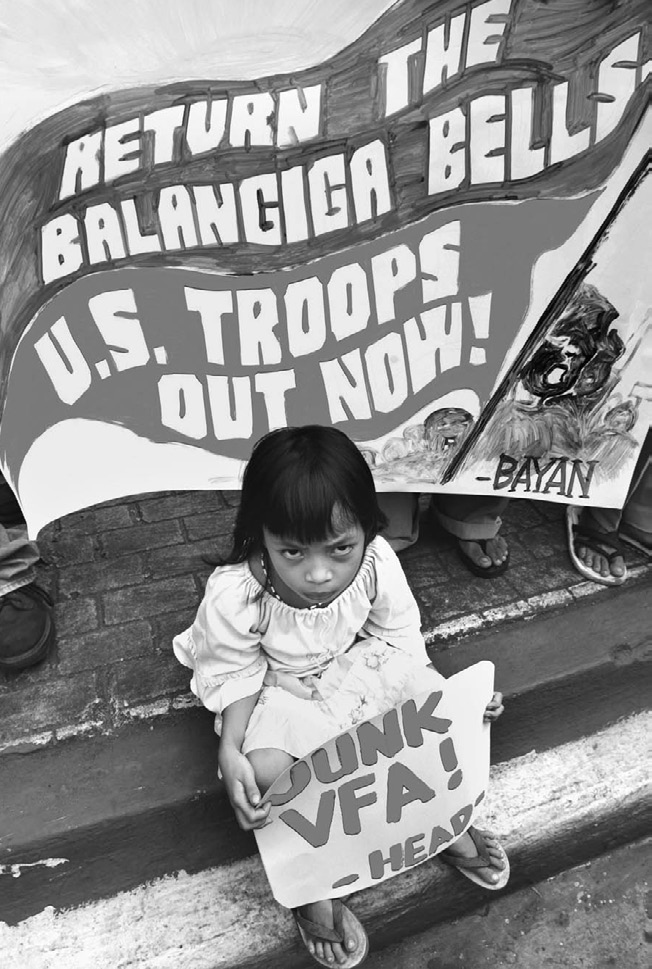
Analysis of textbook passages from different countries, videos and books are used to explore different perspectives about the same event in history, i.e. "Philippine-American War" vs. "War of Philippine Independence."
Continue reading
Teaching Activity. By Bill Bigelow. Rethinking Schools. 6 pages.
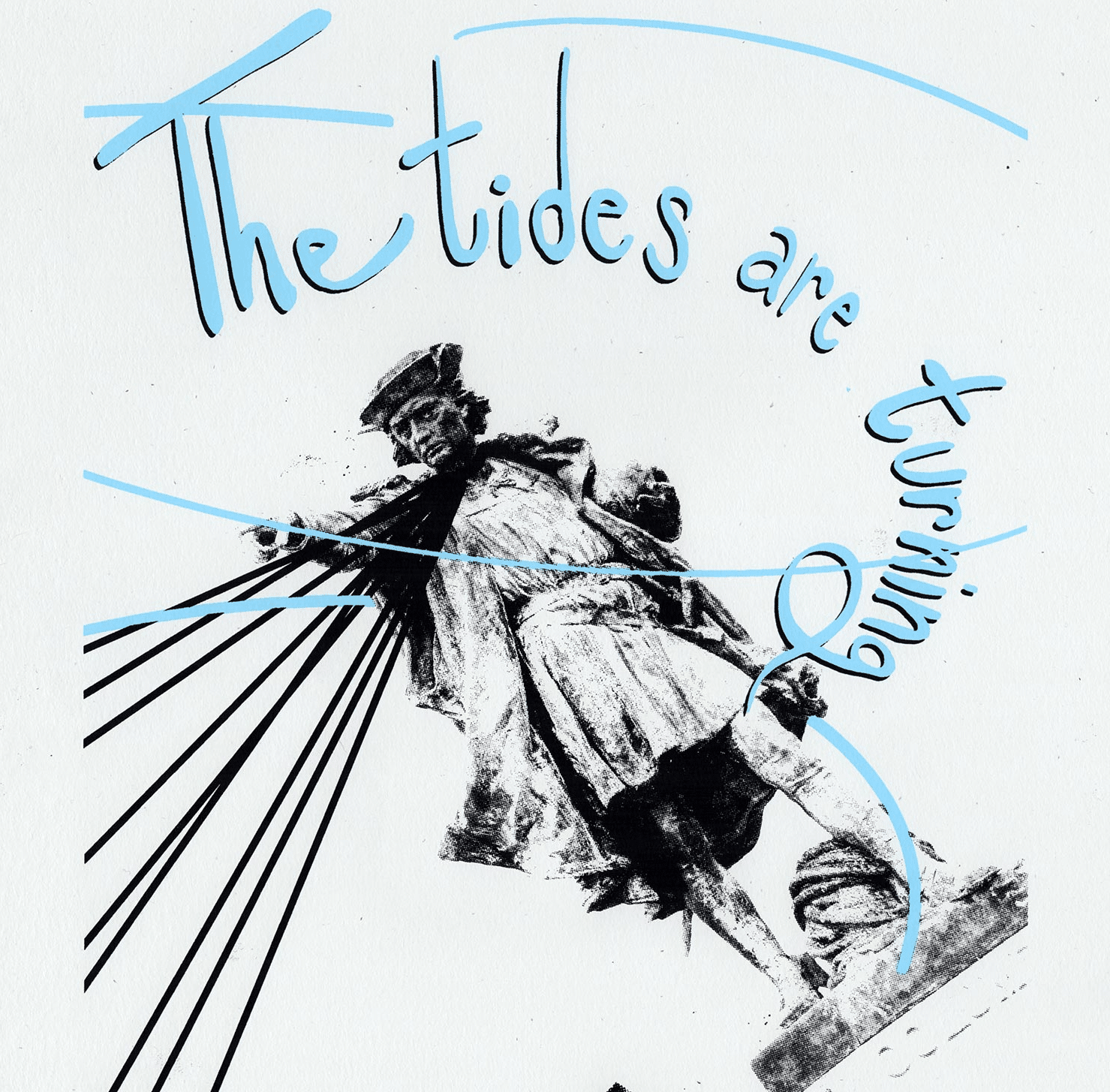
How to engage students in a critical analysis of the textbook version of "discovery."
Continue reading
Teaching Activity. Lesson by Bill Bigelow and student reading by Howard Zinn. Rethinking Schools. 21 pages.
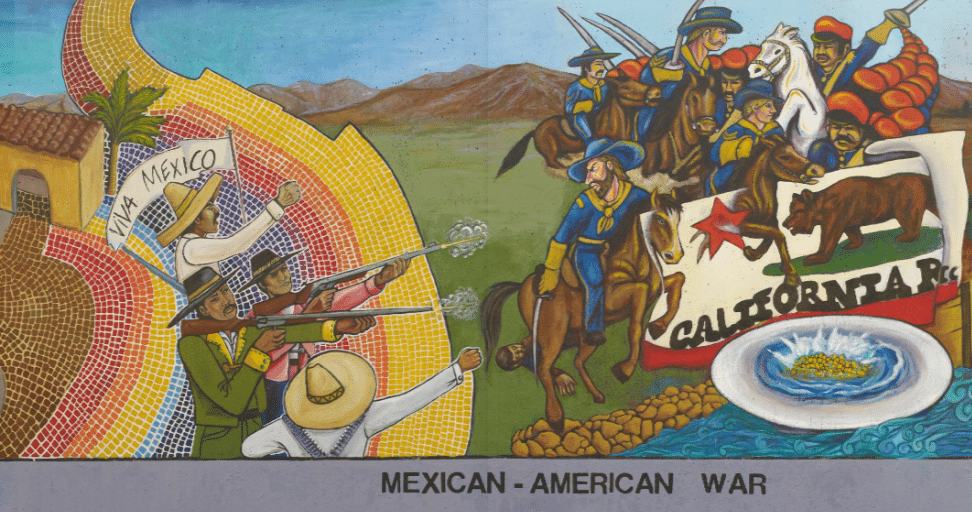
Interactive activity introduces students to the history and often untold story of the U.S.-Mexico War. Roles available in Spanish.
Continue reading
Teaching Activity. By the Zinn Education Project. 100 pages.
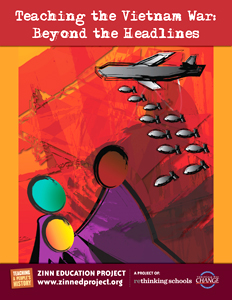
Eight lessons about the Vietnam War, Daniel Ellsberg, the Pentagon Papers, and whistleblowing.
Continue reading
Teaching Activity. By Katie Baydo-Reed. Rethinking Schools. 10 pages.
Students hold a mixer and a mock trial in preparation for reading literature about Japanese American incarceration.
Continue reading
Teaching Activity. By Moé Yonamine. Rethinking Schools. 18 pages.
Poetry, photography, and text are used in this role play to teach about the seldom told history of Japanese Latin American incarceration during WWII.
Continue reading
Teaching Activity. Zinn Education Project. 21 pages.
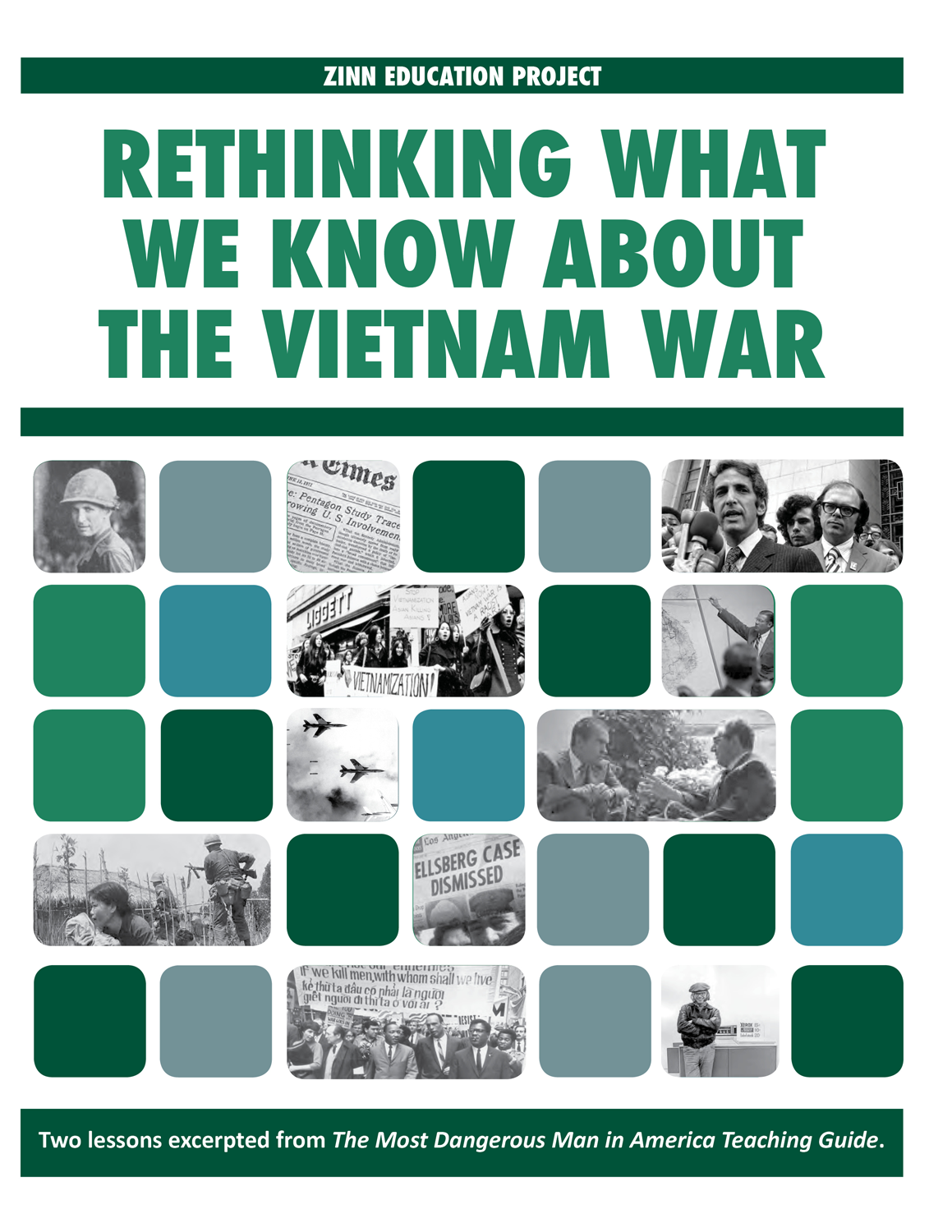
Two lessons to introduce key facts about the Vietnam War and the Pentagon Papers, documents that provide essential history that is often ignored by textbooks.
Continue reading
Teaching Activity. By Bill Bigelow. Rethinking Schools.
The Thingamabob Game helps students grasp the essential relationship between climate and capitalism.
Continue reading
Teaching Activity. By Ursula Wolfe-Rocca.
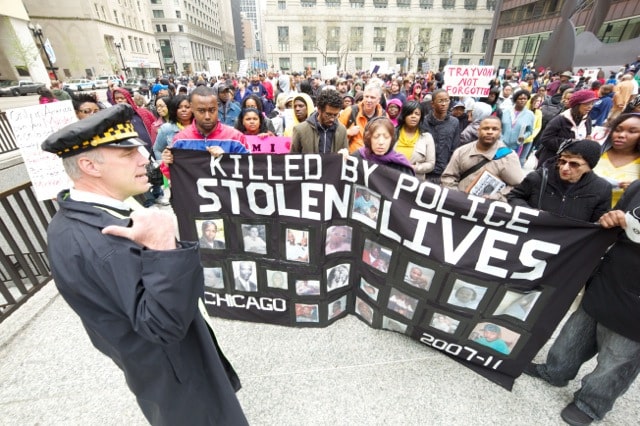
Students explore three documents produced in the wake of three major episodes of racial violence (1919, 1967, 2014) to understand the long trajectory of police violence in Black communities.
Continue reading
Teaching Activity. By Ursula Wolfe-Rocca.
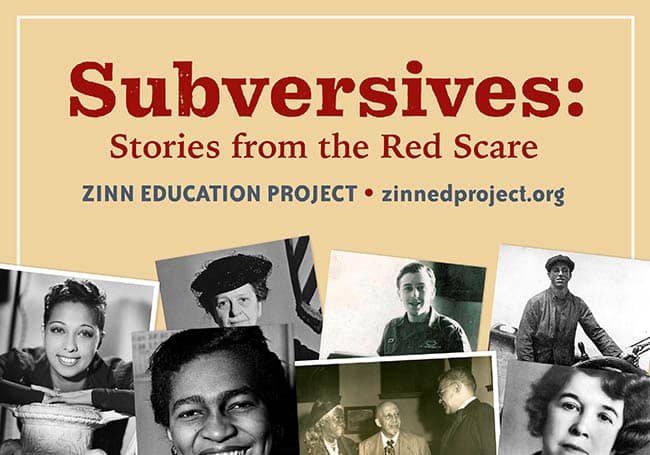
In this mixer lesson, students meet 27 different targets of government harassment and repression to analyze why disparate individuals might have become targets of the same campaign, determining what kind of threat they posed in the view of the U.S. government.
Continue reading
Teaching Activity. By Bill Bigelow, Jesse Hagopian, Cierra Kaler-Jones, Ana Rosado, and Ursula Wolfe-Rocca.
Students read about sites of memory in How the Word Is Passed and imagine how to commemorate what occurred there. They then compare that to how the respective site is currently commemorated and described by docents.
Continue reading
Teaching Activity. By Mimi Eisen and Ursula Wolfe-Rocca. 47 pages.
A follow-up lesson to “Reconstructing the South,” using primary source documents to reveal key outcomes of the Reconstruction era.
Continue reading
Teaching Activity. By Samia Shoman. Rethinking Schools. 2014.
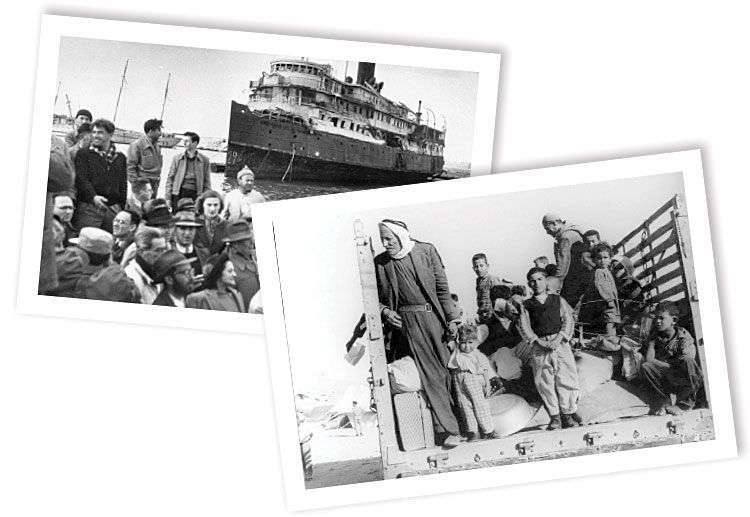
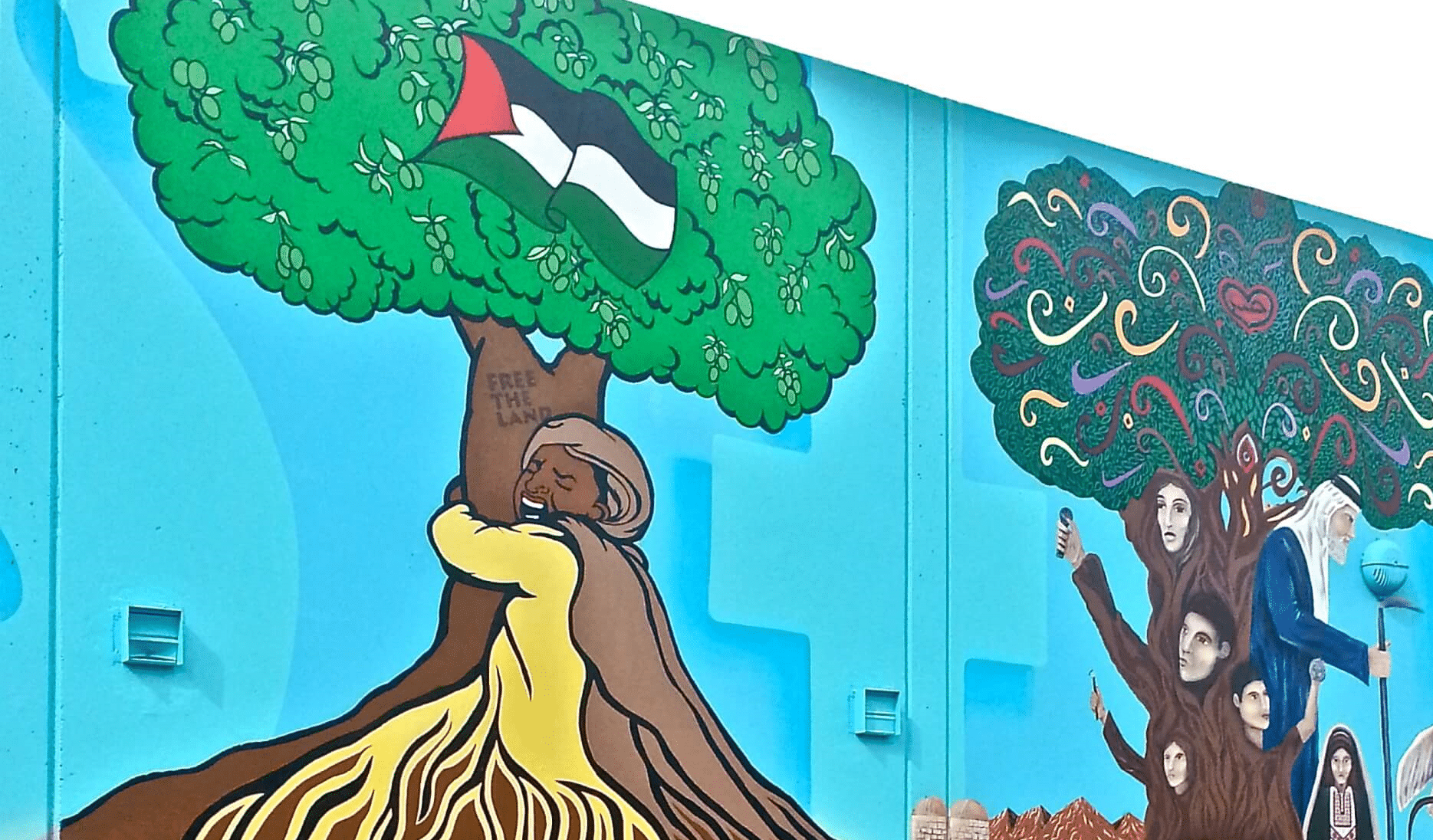
A social studies teacher uses conflicting narratives to engage students in studying the history of Palestine and Israel, focusing on the events of 1948.
Continue reading
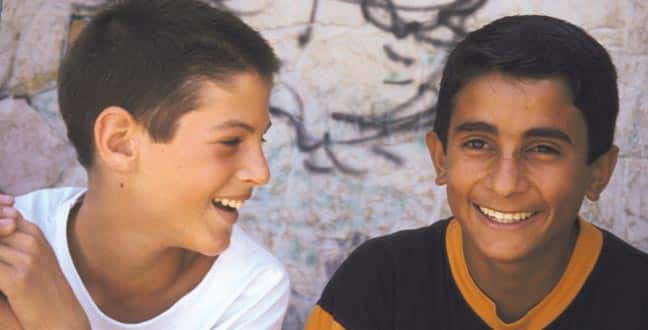
A lesson to accompany the 2001 documentary Promises, which explores the Palestinian-Israeli conflict from the eyes and experiences of Israeli and Palestinian children living in the West Bank.
Continue reading
Teaching Activity. By Bill Bigelow. 2024. 33 pages.
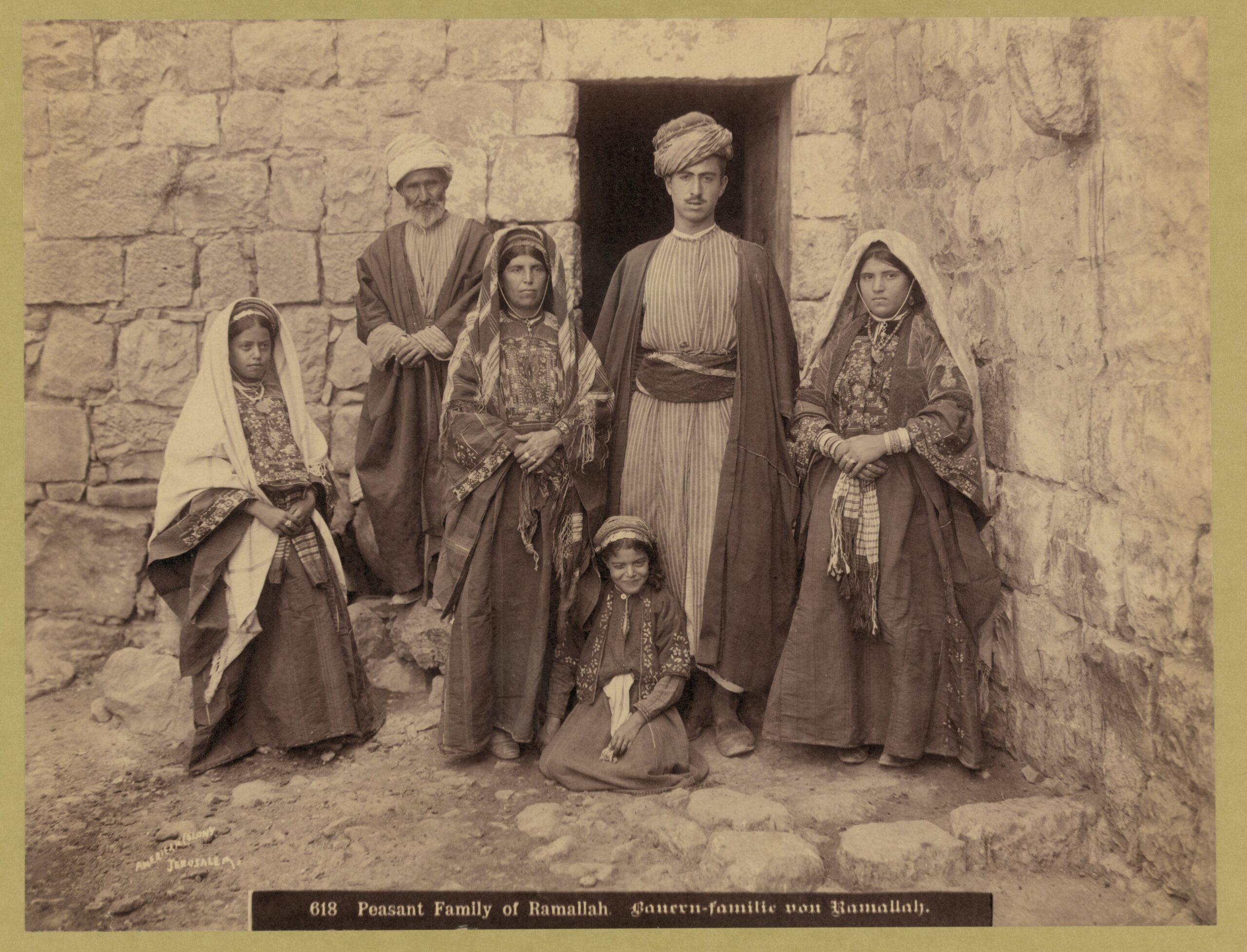
A mixer/mystery activity on Zionism, anti-Zionism, peasant resistance, the Great War, the British Mandate, and more.
Continue reading
Teaching Activity. By Hannah Gann, Nick Palazzolo, Keziah Ridgeway, and Adam Sanchez. Rethinking Schools. 2024. 23 pages.
This lesson highlights the complexity and diversity of thought as Civil Rights and Black Power leaders and organizations developed their views on Palestine-Israel.
Continue reading