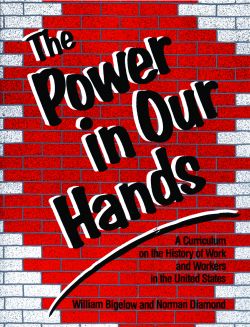
Article. By Bill Bigelow and Norm Diamond. 1988.
Teaching insights and introduction to using The Power In Our Hands curriculum book.
Teaching Activity by Bill Bigelow and Norm Diamond
Continue reading
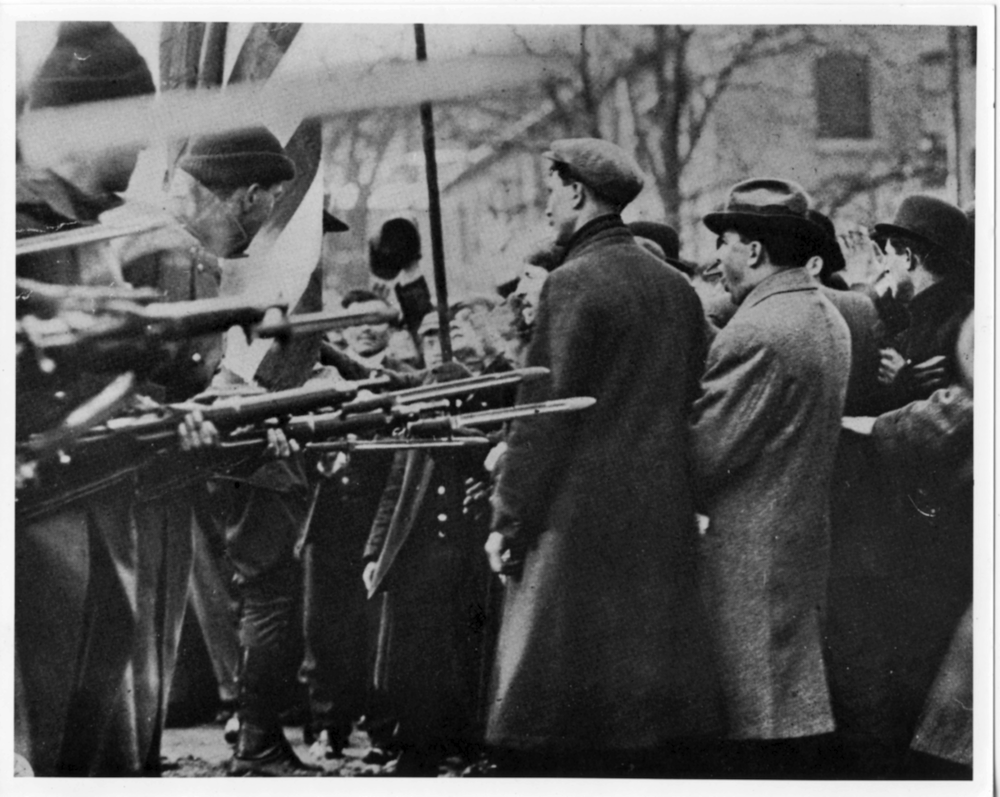
Article. By Robert Forrant. 2013.
The author challenges the common myth that the Bread and Roses Strike was spontaneous.
Continue reading
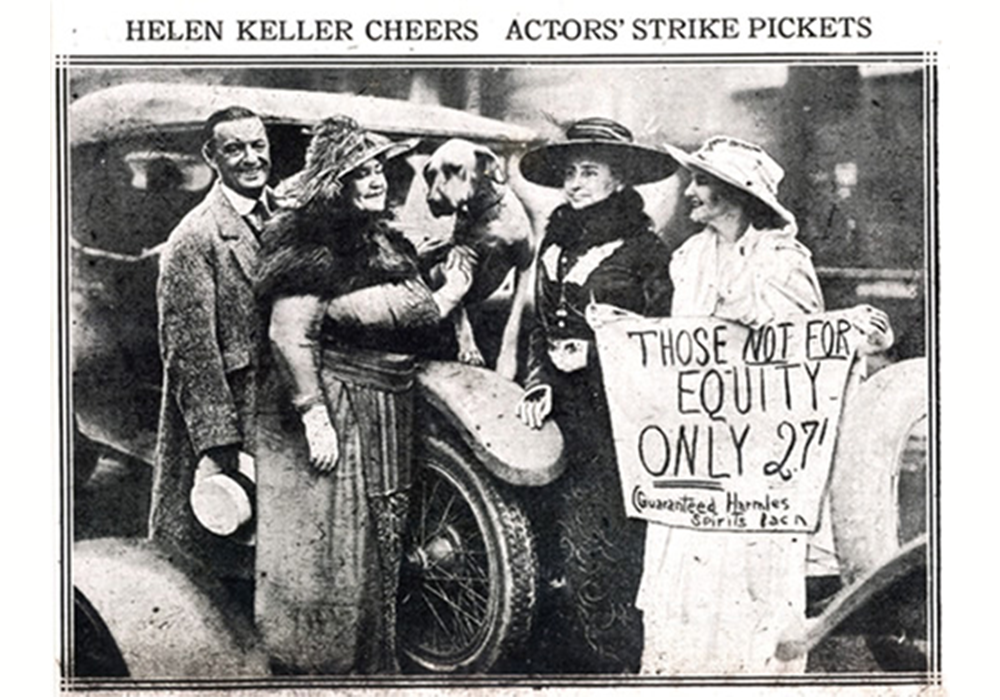
Article. By Ruth Shagoury.
A review of children's picture books about the life of Helen Keller reveals the omission of any description of her active role in key social movements of the 20th century.
Continue reading
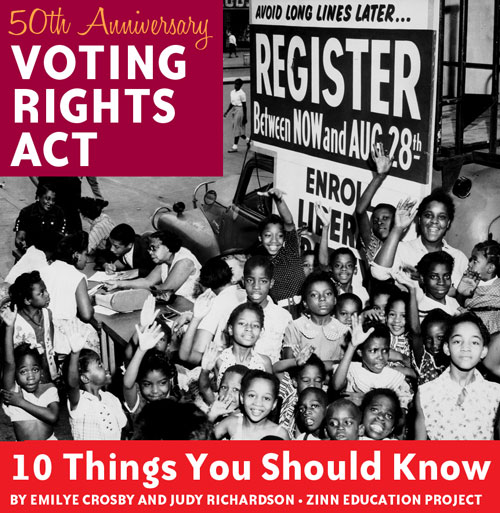
Article. By Emilye Crosby and Judy Richardson. 2015.
Key points in the history of the 1965 Voting Rights Act missing from most textbooks.
Continue reading
Article. By William Loren Katz. 2010.
The abolitionist influence on the history of Christmas celebrations in the United States.
Continue reading
Article. By Craig Gordon.
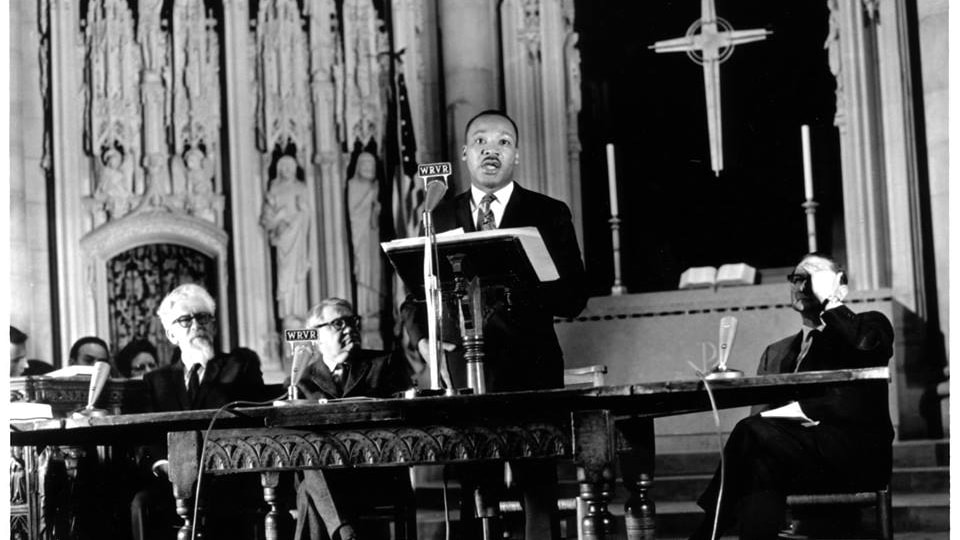
Back in 2001, I was trying to get my eleventh grade U.S. history class to focus on a passage from Dr. Martin Luther King Jr.’s 1967 book, Where Do We Go From Here: Chaos or Community? Unfortunately, I was not surprised when a student protested, "We already know about him. We're tired of hearing about Martin Luther King."
Continue reading
Article. By Bill Bigelow. 2015. If We Knew Our History Series.
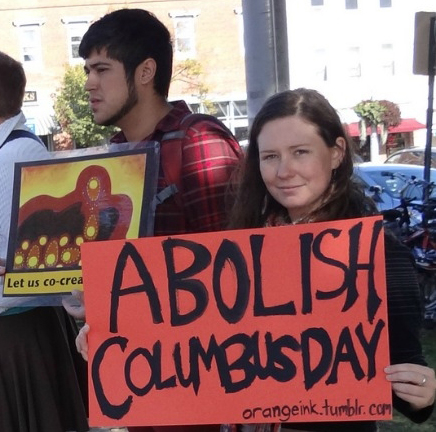
When the school curriculum celebrates Columbus, children are taught that it’s OK for white people to rule over peoples of color and that militarily powerful nations can bully weaker nations. By his own account, Columbus enslaved people, destroyed cultures, and terrorized those who challenged his rule. It’s time to abolish Columbus Day.
Continue reading
Student Handout. By Bill Bigelow. 3 pages.
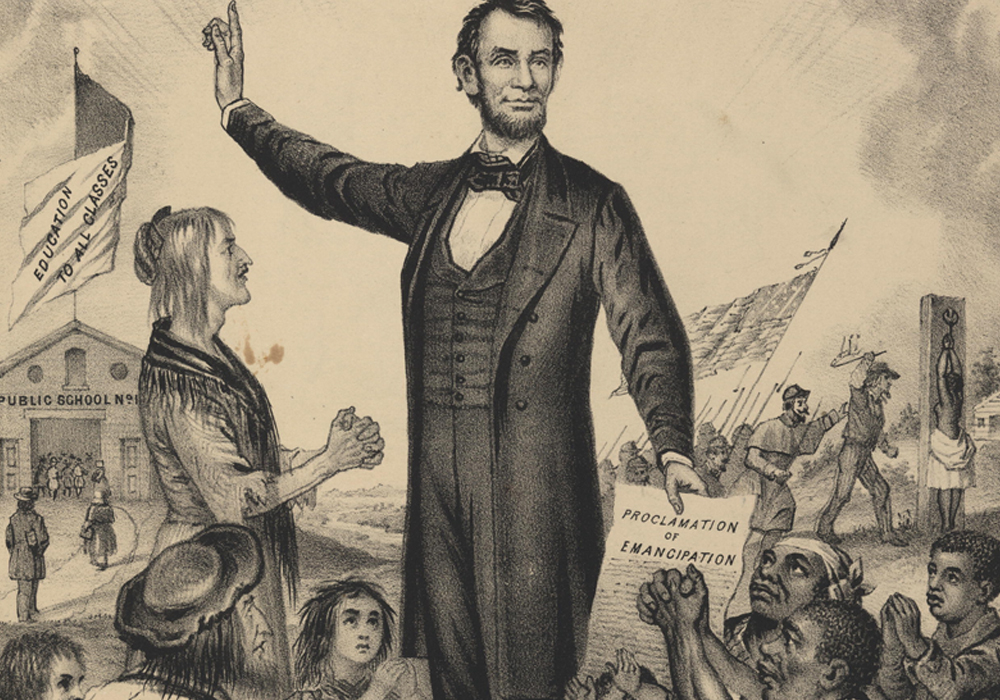
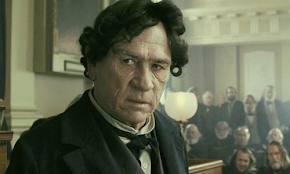
This timeline can be used as a resource for lessons on the Civil War, President Lincoln, the 54th Regiment, and the end of slavery.
Continue reading
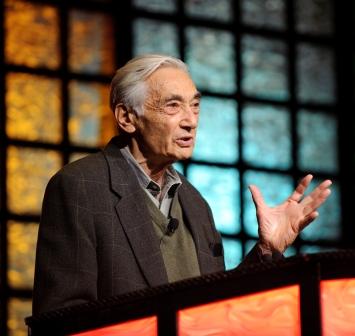
Article. By Howard Zinn. 2002.
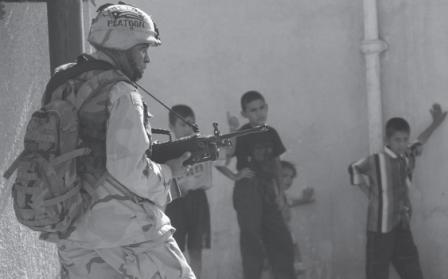
Background reading for teachers and high school students on the impact of war.
Continue reading
Article. By Clarence Lusane. 2014.
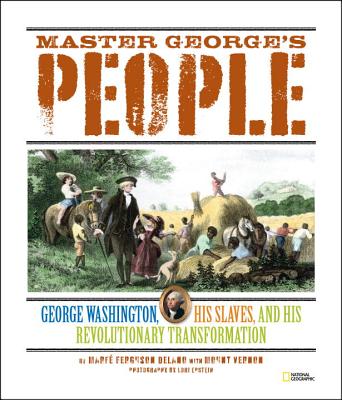
Critical review of an upper elementary non-fiction book about George Washington and the people he kept in bondage.
Continue reading
Article. By Bob Peterson.
A critique of social studies textbooks and the rationale for a campaign to rethink them.
Continue reading
Article. By Howard Zinn. 1976.
Essay urging readers to rethink Memorial Day, who we honor, and what resources we prioritize.
Continue reading
Article. By William Katz. 2013.
An opportunity to highlight Congressman Thaddeus Stevens' fight for equality.
Continue reading
Background Reading. By Howard Zinn. 1994.
Interview conducted by Barbara Miner on a number of questions about the study of history.
Continue reading
Article. Howard Zinn interview by Barbara Miner. 1994. Rethinking Schools magazine.
I started studying history with one view in mind: to look for answers to the issues and problems I saw in the world about me. By the time I went to college I had worked in a shipyard, had been in the Air Force, had been in a war. I came to history asking questions about war and peace, about wealth and poverty, about racial division.
Continue reading
Article. By James W. Loewen.
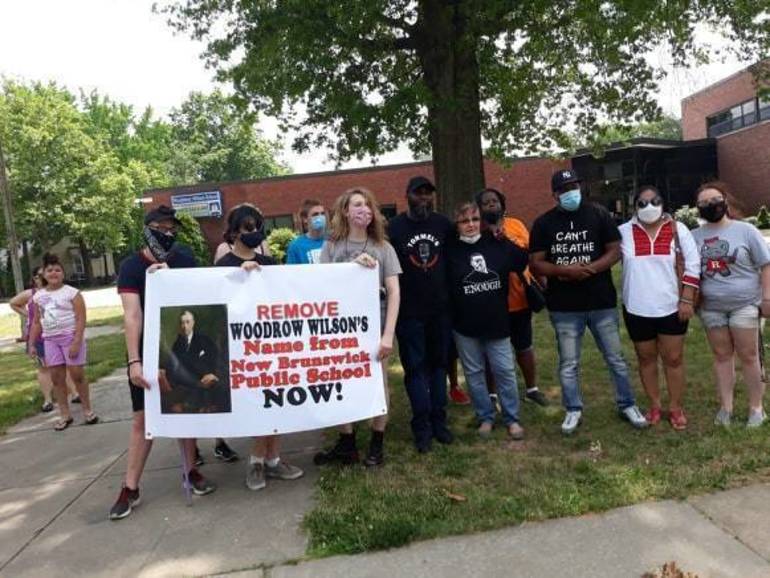
Excerpt about President Woodrow Wilson from "Lies My Teacher Told Me" (The New Press).
Continue reading
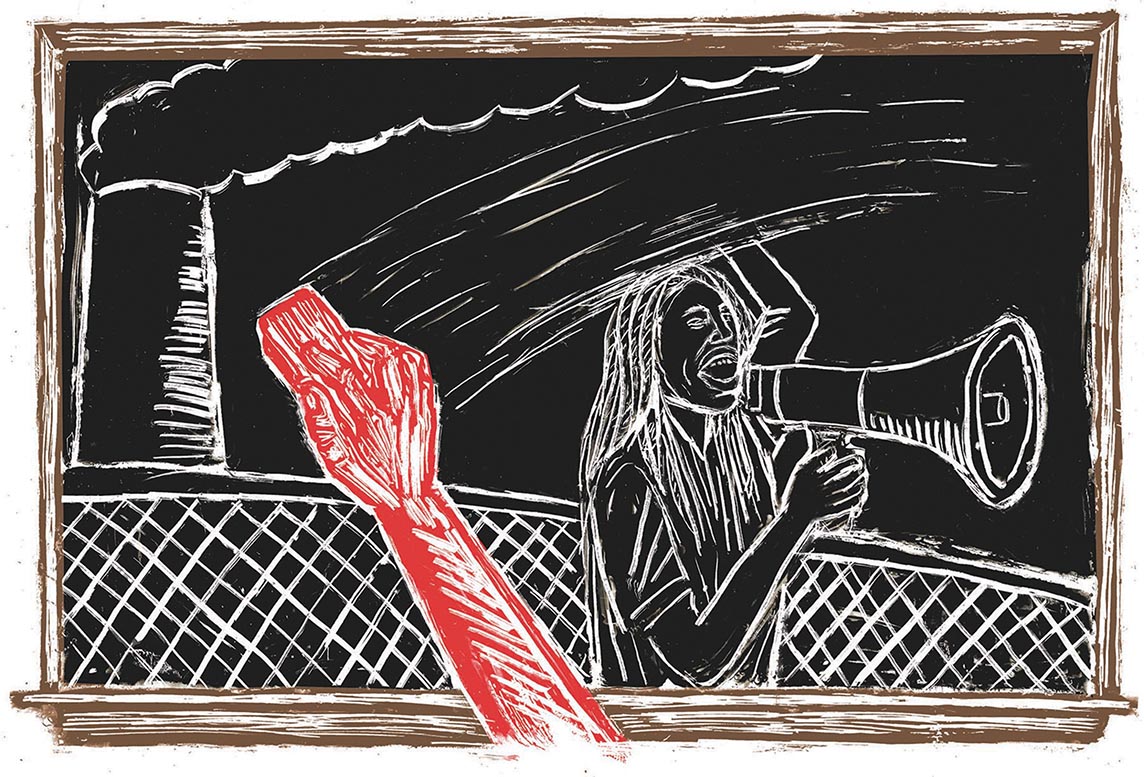
The right-wing legislation restricting lessons on history and systemic racism also denies students climate literacy.
Continue reading
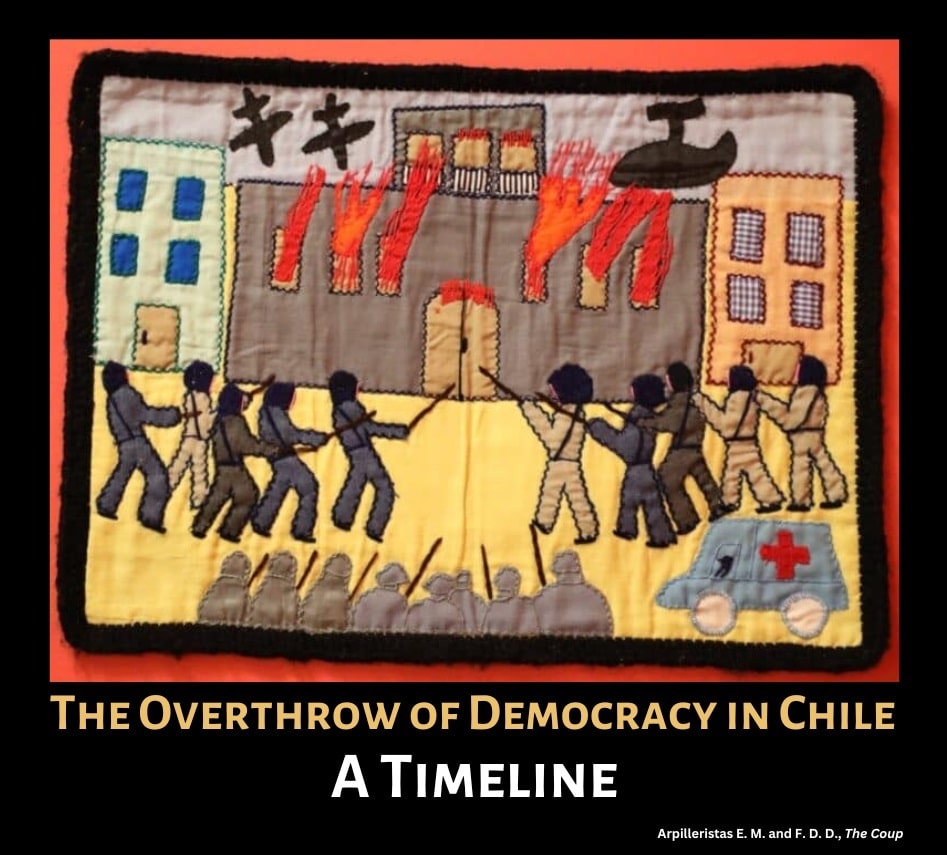
Article. Timeline by Bill Bigelow. 2023.
A timeline of the overthrow of democracy in Chile — the fall of Salvador Allende and the rise of Augusto Pinochet.
Continue reading
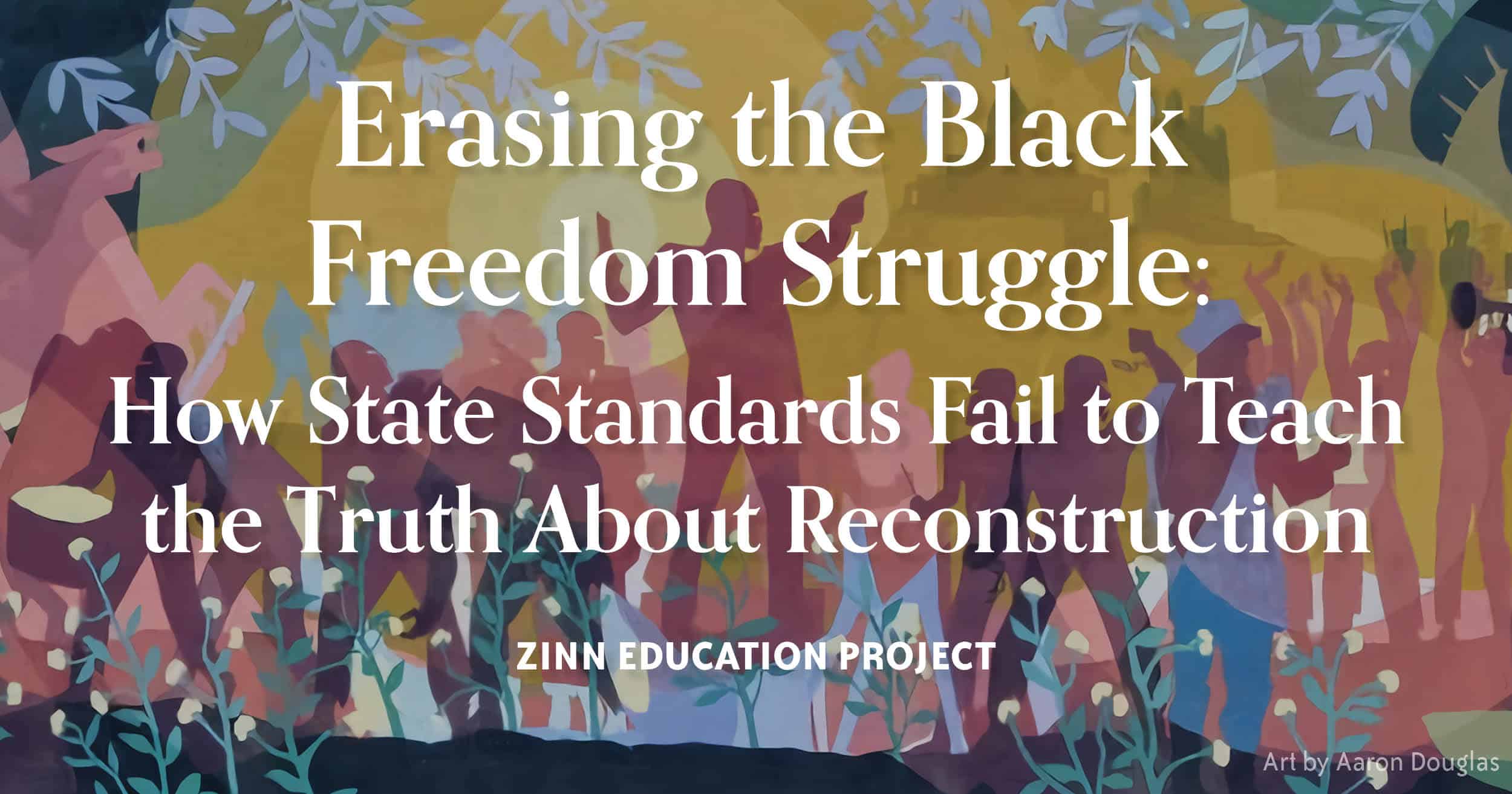
Article. By Ana Rosado, Gideon Cohn-Postar, and Mimi Eisen. 2022. 44 pages.
The report includes assessments of education standards in all 50 states and the District of Columbia, along with findings and recommendations for how to improve instruction on Reconstruction.
Continue reading
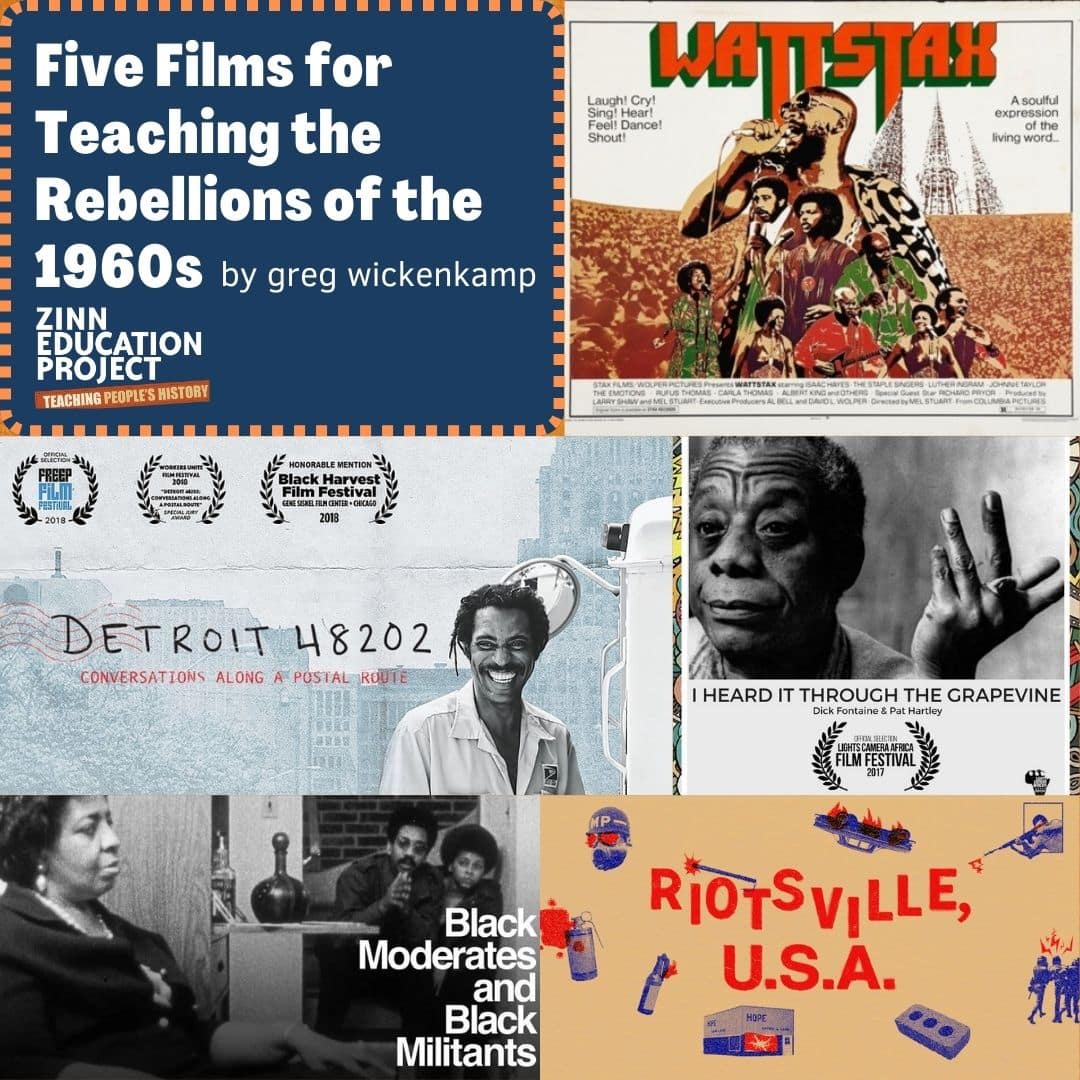
Article. By greg wickenkamp. 2024.
A description of the top five films for teaching about the uprisings of the 1960s, plus a handful of honorable mentions.
Continue reading
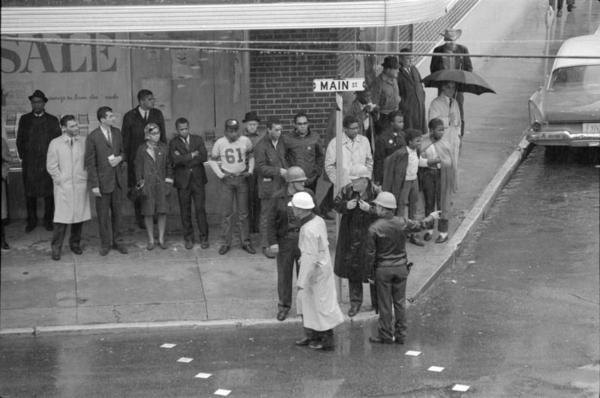
Article. By Howard Zinn. From Chapter 6 of You Can't Be Neutral on a Moving Train.
Zinn describes the Student Nonviolent Coordinating Committee (SNCC) voting rights campaign called Freedom Day in Hattiesburg, Miss.
Continue reading
Article. By James W. Loewen. July 2015 in the Washington Post.
A critique of textbook and mainstream media coverage of the Civil War.
Continue reading