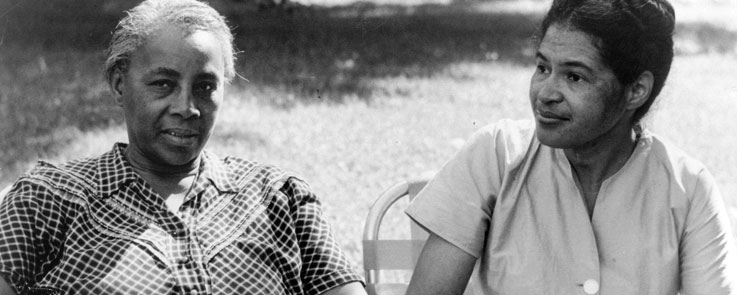
Article. By Jeanne Theoharis. The Washington Post. 2015.
The radical life history of Rosa Parks, before and after the Montgomery Bus Boycott.
Continue reading
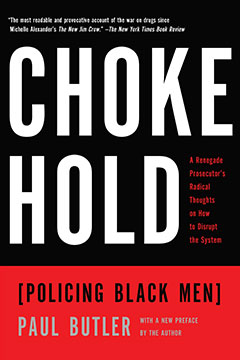
Book — Non-fiction. By Paul Butler. 2018. 320 pages.
A former federal prosecutor explains how the criminal justice system works against the people and how we can disrupt its abuse.
Continue reading
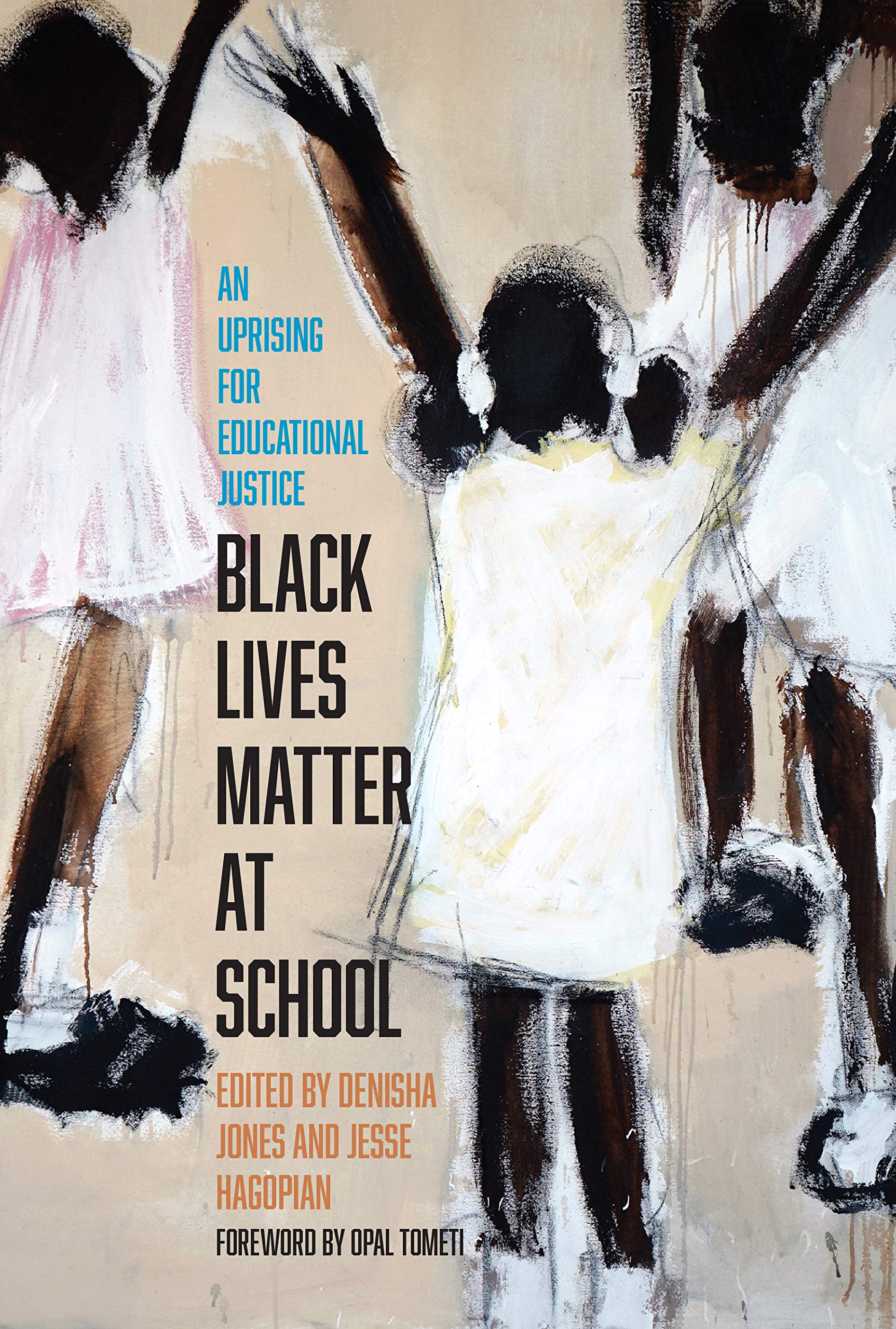
Book — Non-fiction. Edited by Denisha Jones and Jesse Hagopian. 2020.
This collection of writings offers lessons from successful challenges to institutional racism that have been won through the grassroots Black Lives Matter at School movement.
Continue reading
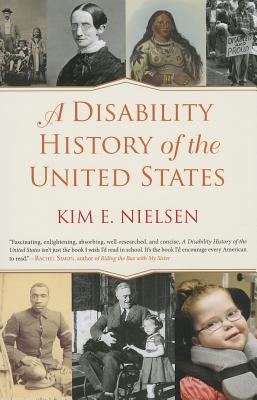
Book — Non-fiction. By Kim E. Nielsen. 2013.
Covering the entirety of US history from pre-1492 to the present, this is the first book to place the experiences of people with disabilities at the center of the American narrative.
Continue reading
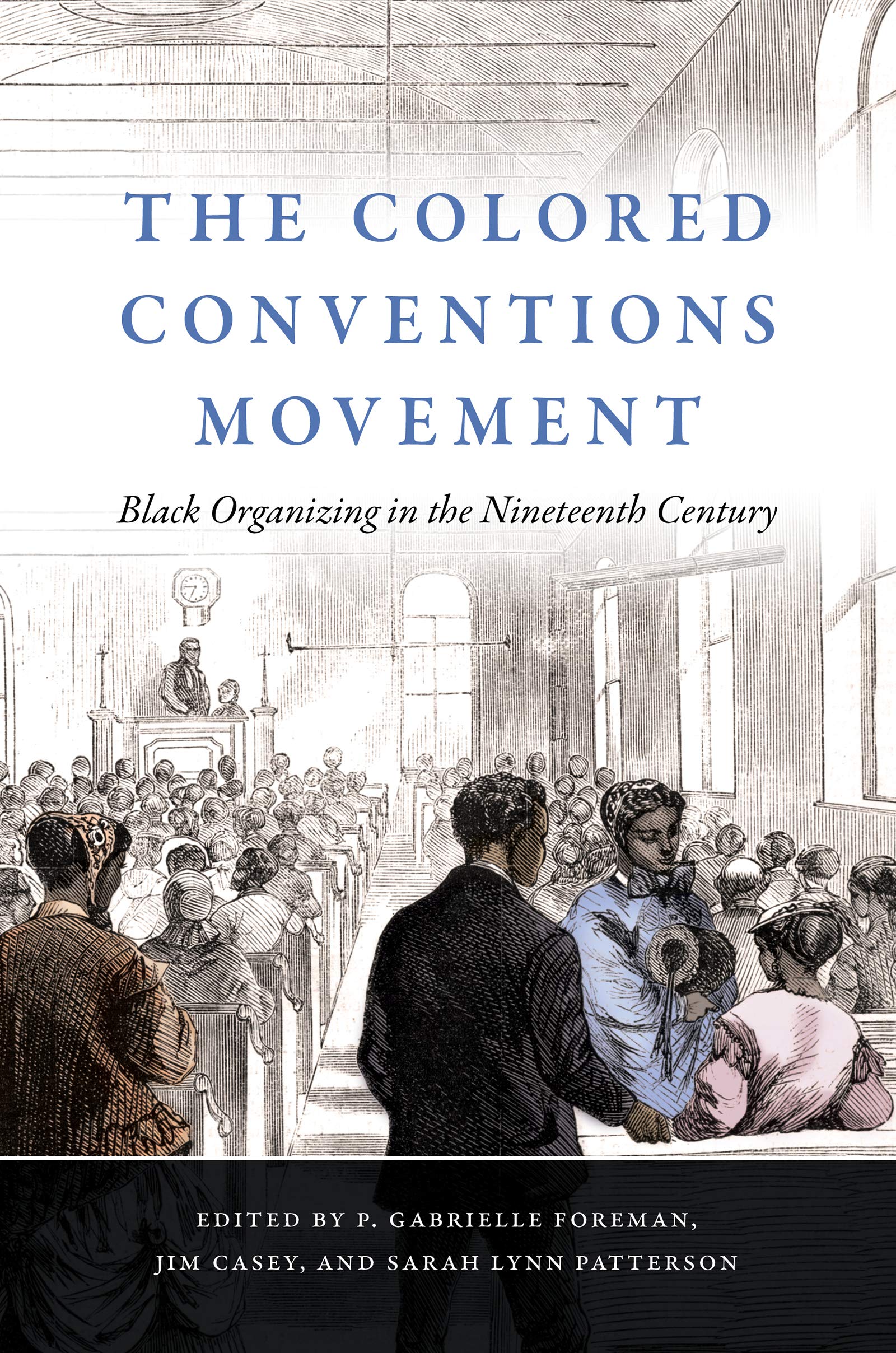
Book — Non-fiction. Edited by Gabrielle Foreman, Jim Casey, and Sarah Patterson. Introduction by P. Gabrielle Foreman. 2021.
This volume of essays is the first to focus on the Colored Conventions movement, the nineteenth century’s longest campaign for Black civil rights.
Continue reading
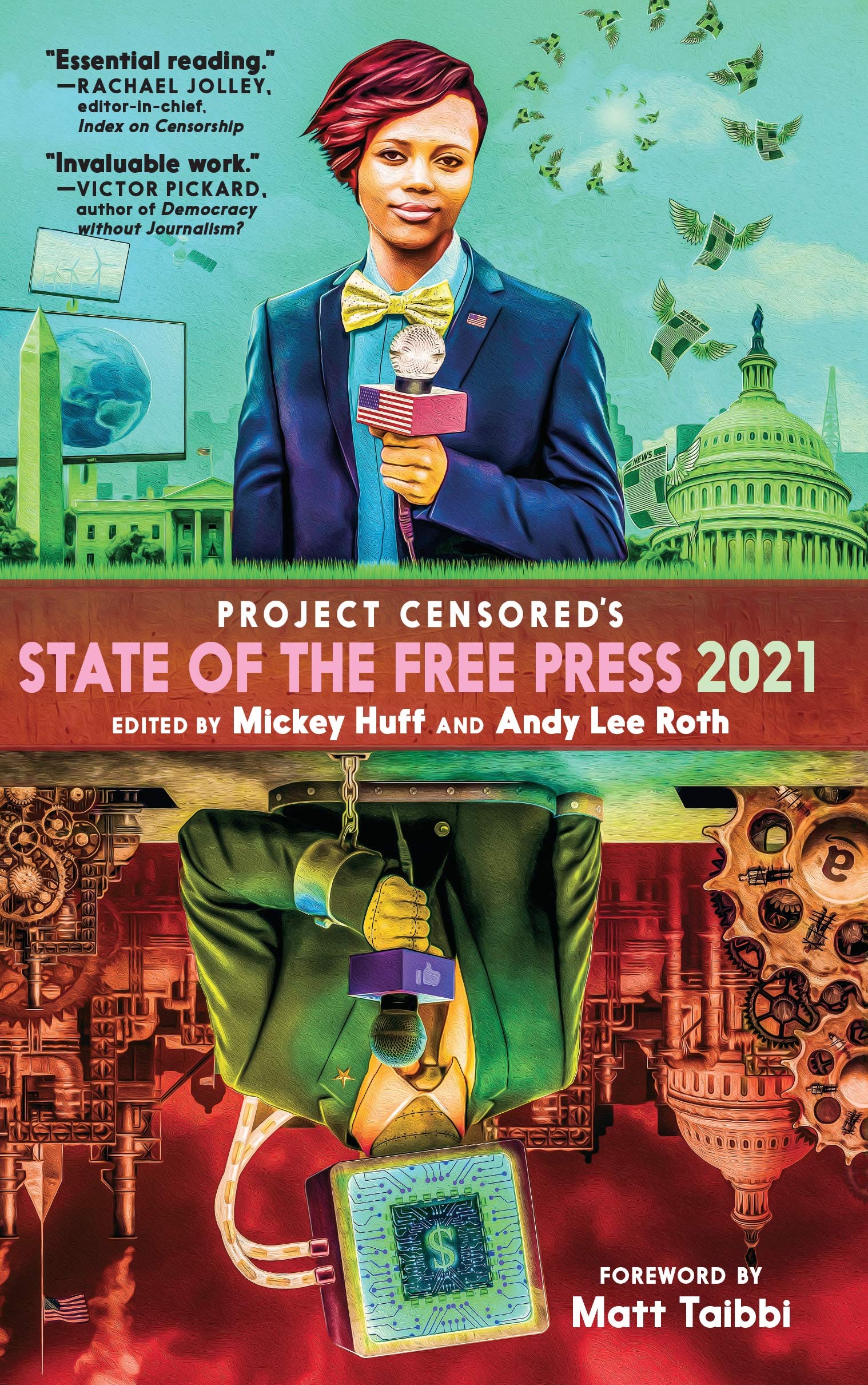
Book — Non-fiction. Edited by Mickey Huff and Andy Lee Roth. Forward by Matt Taibbl. 2020.
The news-monitoring group Project Censored offers a succinct and comprehensive survey of the most important but underreported news stories of 2020.
Continue reading
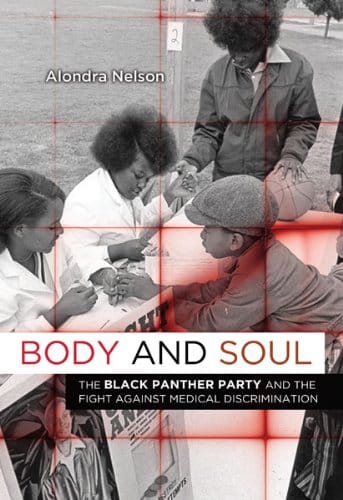
Book — Non-fiction. By Alondra Nelson. 2013.
Drawing on extensive historical research as well as interviews with former members of the Black Panther Party, Alondra Nelson documents the Party’s focus on health care.
Continue reading
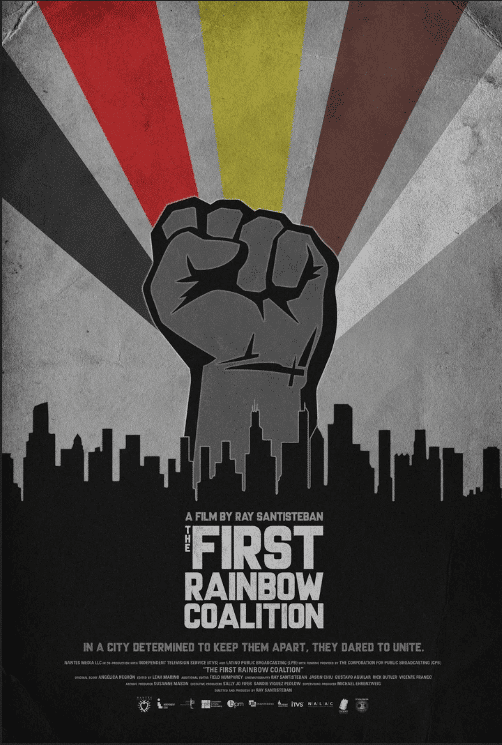
Film. Directed and produced by Ray Santisteban. Nantes Media LLC. 2019. 56 minutes.
In this documentary, Chicago's Black Panther Party forms alliances across lines of race and ethnicity with other community-based movements in the city to collectively confront issues such as police brutality and substandard housing.
Continue reading
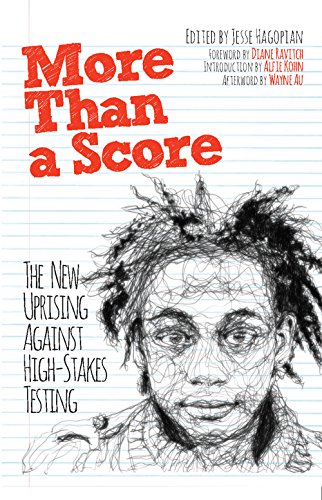
Book — Non-fiction. Edited by Jesse Hagopian. 2014. 336 pages.
A collection of essays, poems, speeches, and interviews from frontline fighters who are defying the corporate education reformers and fueling a national movement to reclaim and transform public education.
Teaching Activity by Edited by Jesse Hagopian
Continue reading
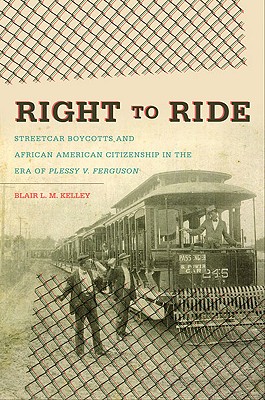
Book — Non-fiction. By Blair L. M. Kelley. 2010. 280 pages.
Examines acts of protest and resistance to segregated trains and streetcars during the early Jim Crow era.
Continue reading
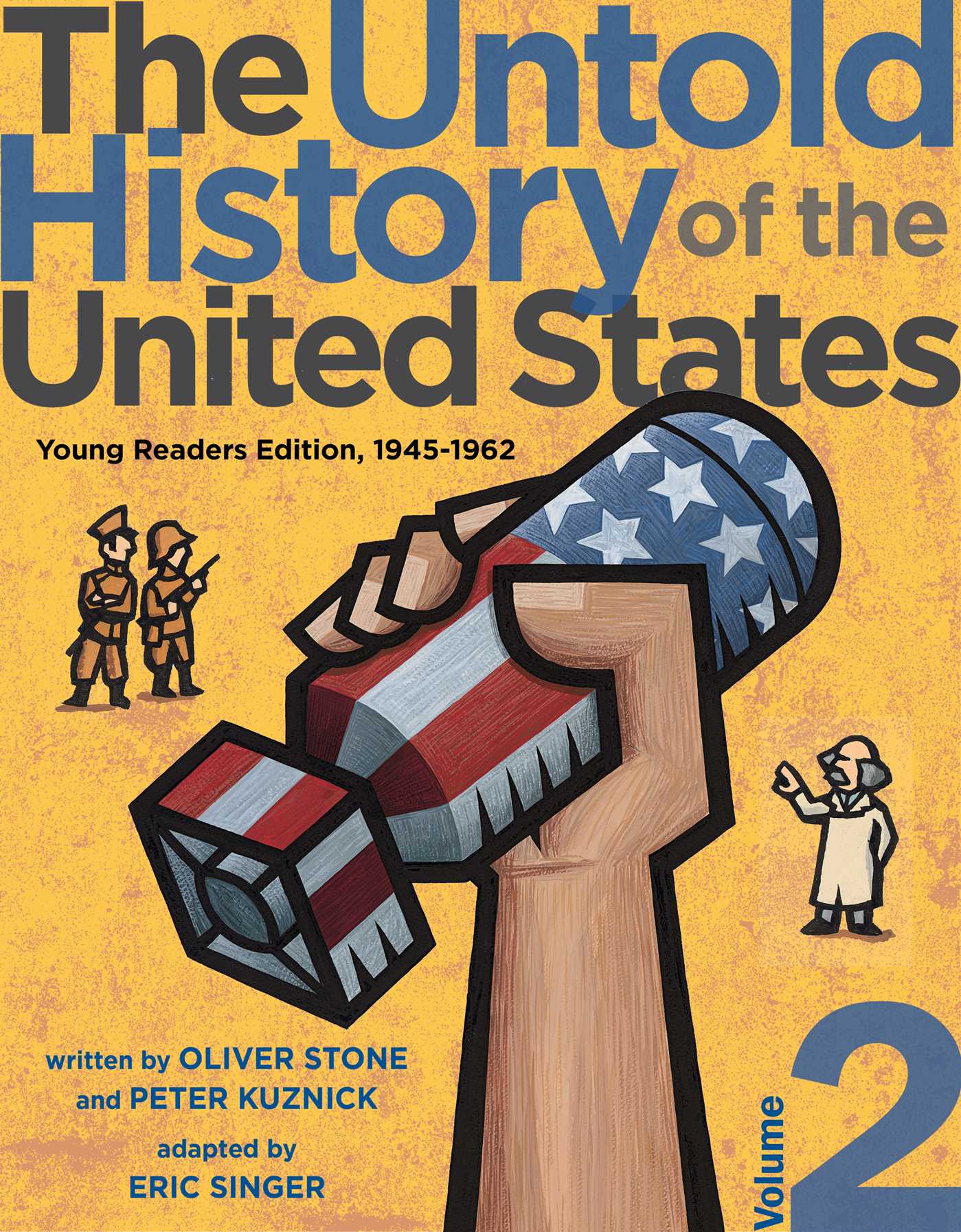
Book — Non-fiction. By Oliver Stone and Peter Kuznick. Adapted by Susan Campbell Bartoletti and Eric S. Singer. Vol 1. 2014. 400 pages. Vol 2. 2019. 320 pages.
These are two volumes of illustrated histories, adapted for students from a documentary book and film of the same name.
Continue reading
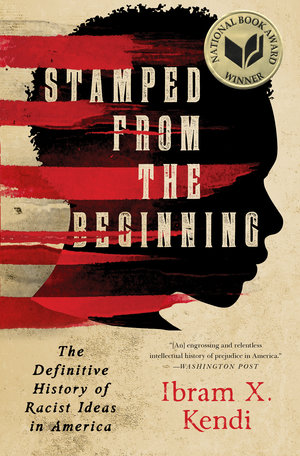
Book — Non-fiction. By Ibram X. Kendi. 2016. 608 pages.
This book chronicles the origins and growth of anti-Black racist ideas, and their power, over the course of U.S. history.
Continue reading
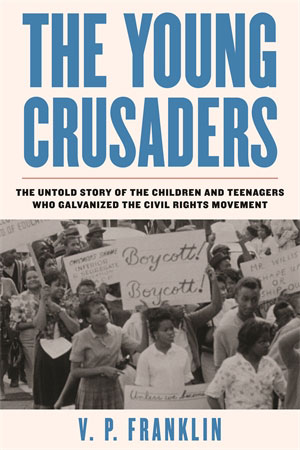
Book — Non-fiction. By V. P. Franklin. 2021. 328 pages.
This books tells the story of the hundreds of thousands of children and teenagers who engaged in sit-ins, school strikes, boycotts, marches, and demonstrations in which Dr. Martin Luther King Jr. and other national civil rights leaders played little or no part.
Teaching Activity by V. P. Franklin
Continue reading
Film. By Annie Leonard. 2010. 7 minutes.
A viewer-friendly, informative, animated critique of the bottled water industry.
Continue reading
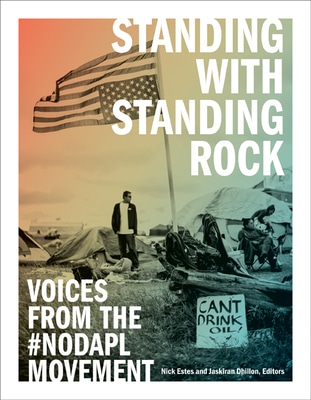
Book — Non-fiction. Edited by Nick Estes and Jaskiran Dhillon. 2019. 448 pages.
Through poetry and prose, essays, photography, interviews, and polemical interventions, the contributors, including leaders of the Standing Rock movement, reflect on Indigenous history and politics and on the movement's significance.
Teaching Activity by Nick Estes (editor)
Continue reading
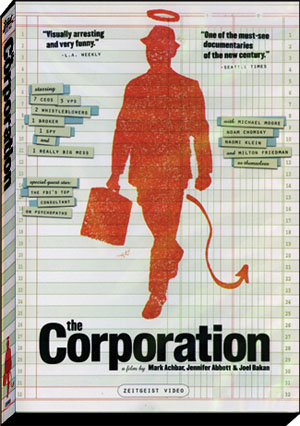
Film. By Mark Achbar, Jennifer Abbott, and Joel Bakan. 2004. 145 minutes.
This award-winning documentary examines the nature, evolution, impacts, and future of the modern business corporation and the increasing role it plays in society and our everyday lives.
Continue reading
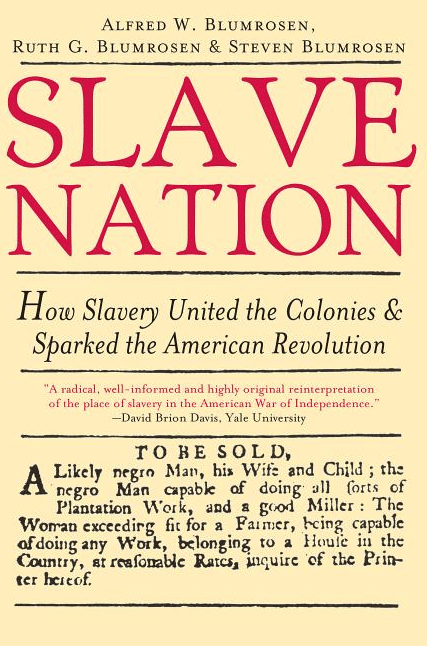
Book — Non-fiction. By Alfred Blumrosen and Ruth Blumrosen. 2006. 304 pages.
A detailed account of the role slavery played in the Revolutionary War and the writing of the U.S. Constitution.
Continue reading
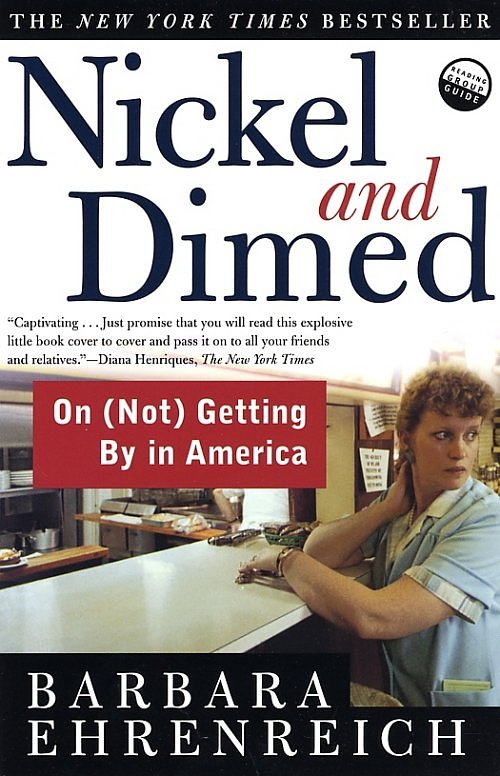
Book — Non-fiction. By Barbara Ehrenreich. 2008. 256 pages.
Undercover journalism exposing hard realities of life for the working poor.
Continue reading
Book — Non-fiction. By Bill Fletcher Jr. 2012. 224 pages.
Scholar and labor organizer Bill Fletcher Jr. unpacks the 21 myths most often cited by anti-labor propagandists.
Continue reading
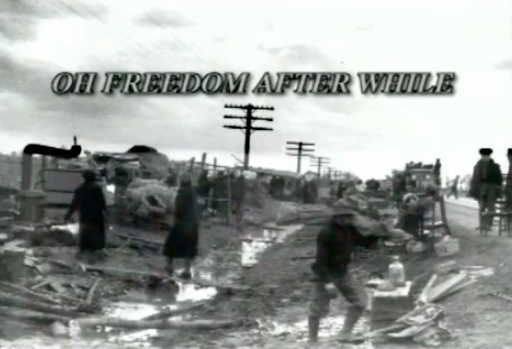
Film. Directed Steven John Ross and written by Candace O'Connor. 1999. 56 minutes.
Archival footage, photographs, and first-hand accounts of sharecroppers — Black and white — organizing in Missouri.
Continue reading
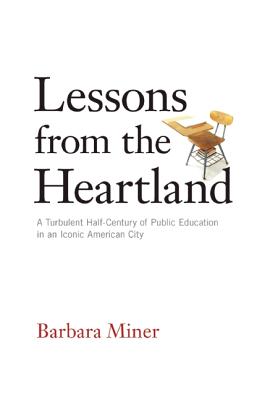
Book — Non-fiction. By Barbara Miner. 2013. 305 pages.
The history of public education in Milwaukee in the context of the broader story of racism in the rust belt.
Continue reading
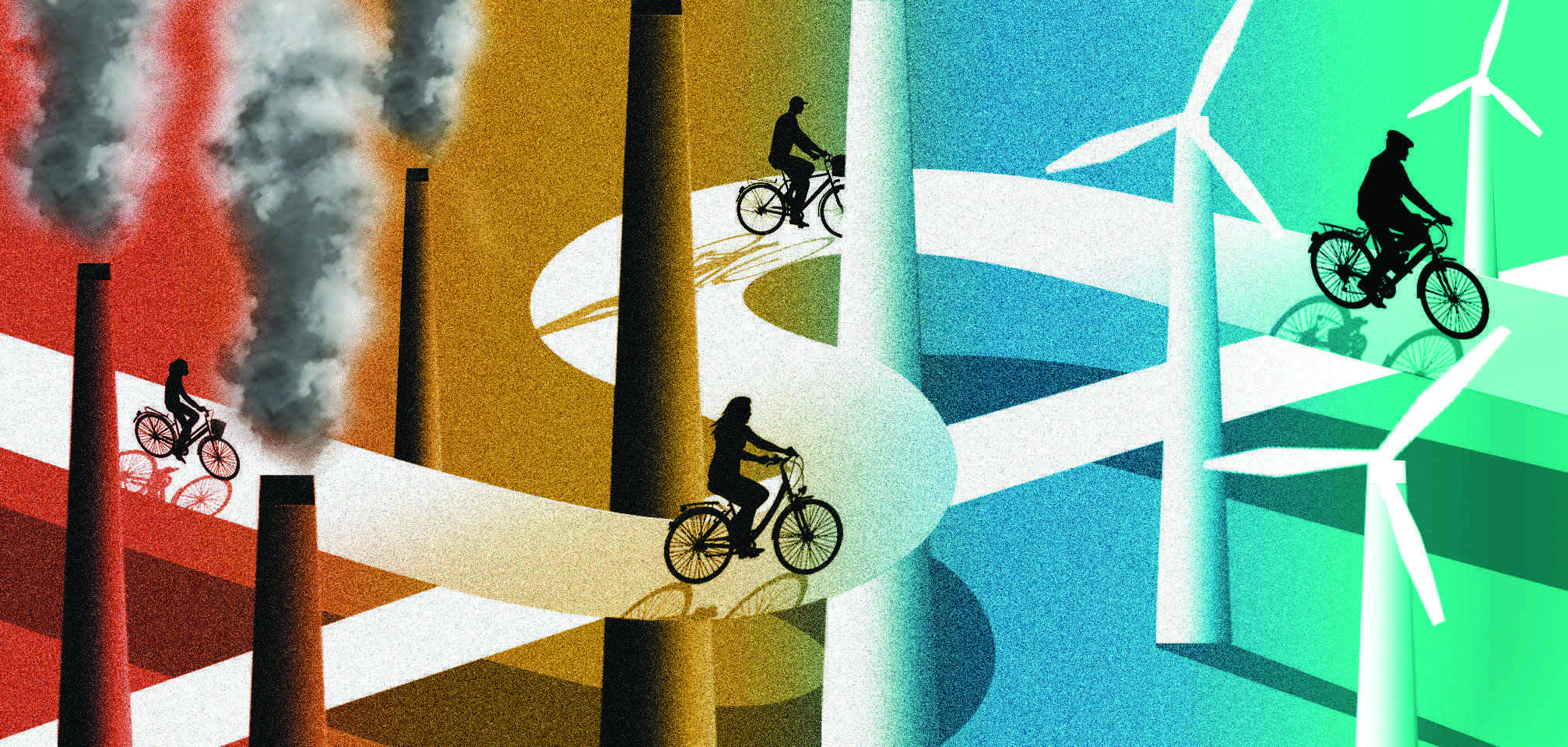
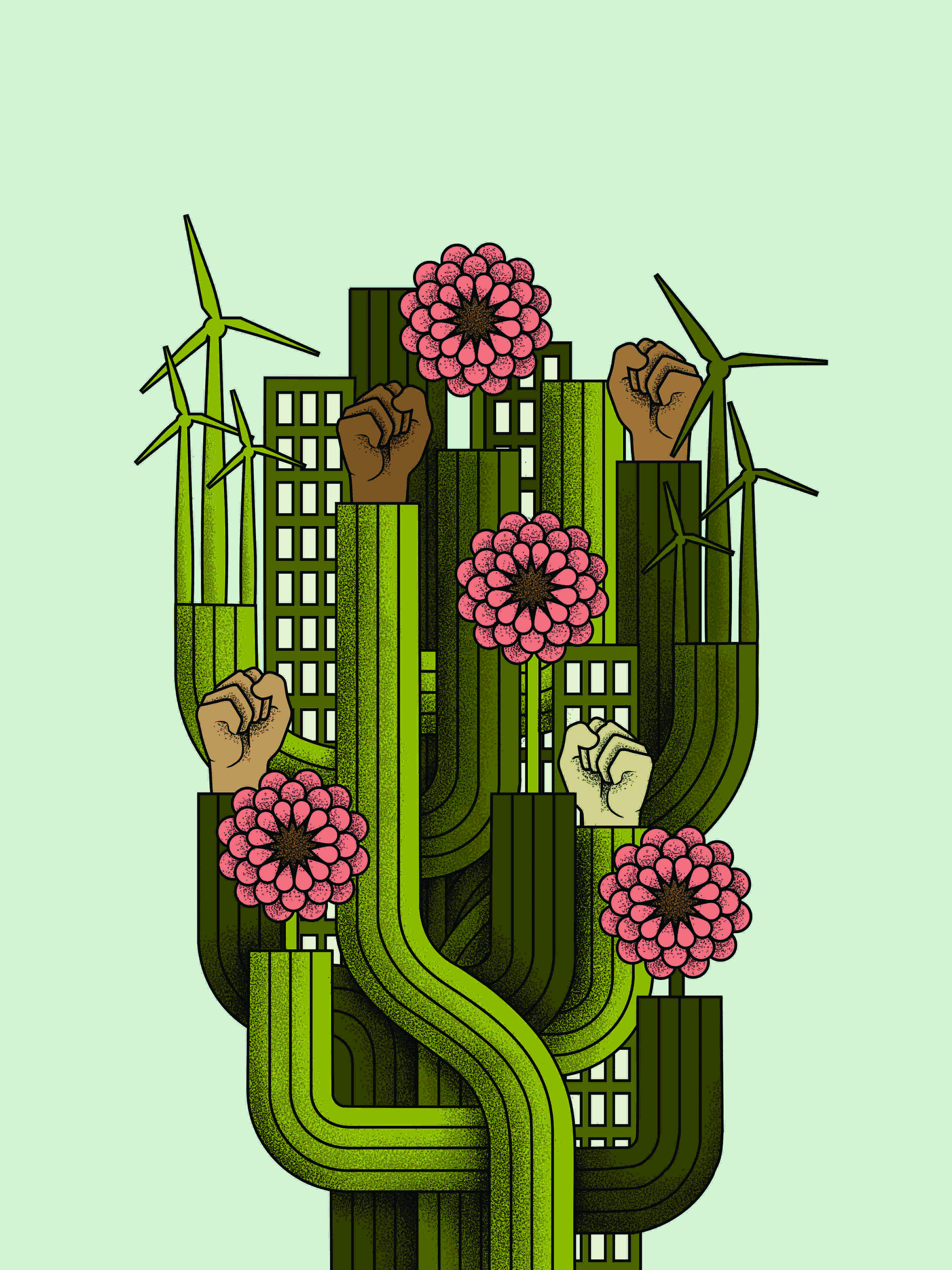
Article. By Bill Bigelow. Rethinking Schools, Winter 2018.
The “just transition” away from fossil fuels can also be a move toward a society that is cleaner, more equal, and more democratic.
Continue reading
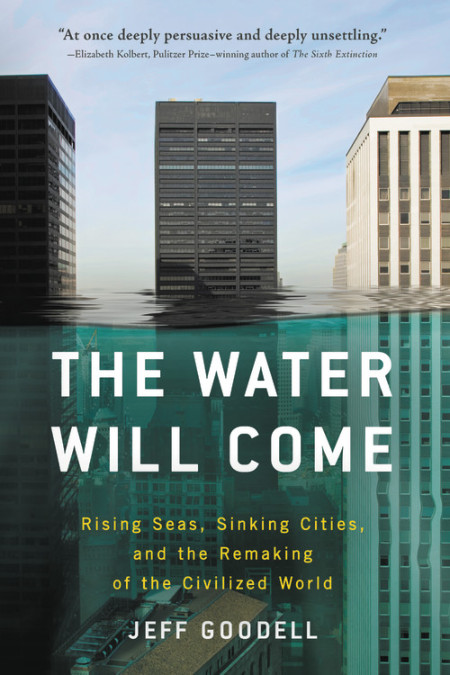
Book — Non-fiction. By Jeff Goodell. 2018. 352 pages.
Early 21st century societies scramble to fight rising seas and science journalist Jeff Goodell predicts what will happen if (and when) we fail.
Continue reading
Article. By the Rethinking Schools Editorial Board. Rethinking Schools, Summer 2019.
The Green New Deal will only be brought to life by people who grasp the enormity of the crisis that humanity faces and the radical changes necessary to address it. This requires that we teach a climate justice curriculum.
Continue reading
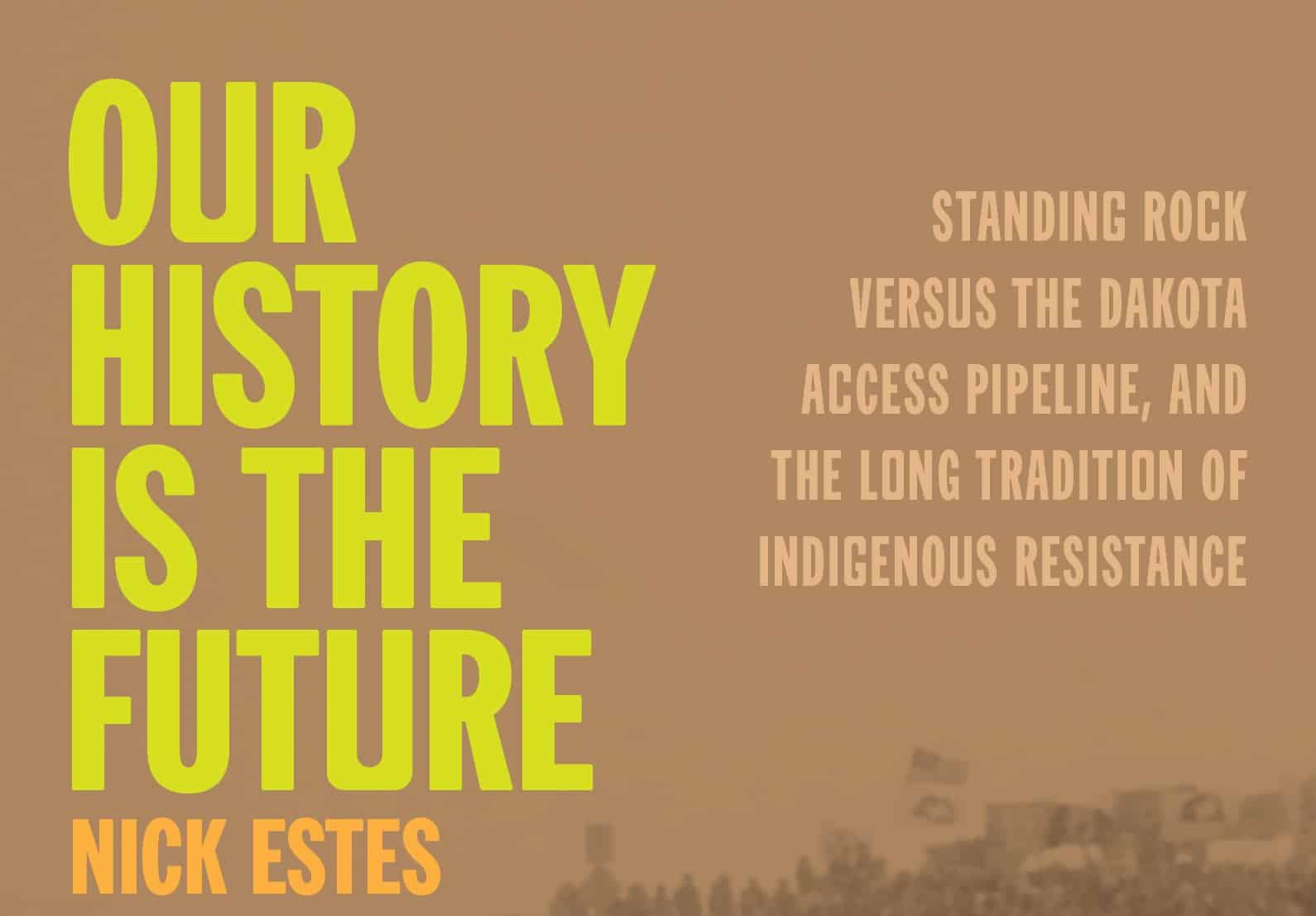
Book — Non-fiction. By Nick Estes. 2024. 328 pages.
In Our History Is the Future, Nick Estes traces traditions of Indigenous resistance that led to the #NoDAPL movement.
Teaching Activity by Nick Estes
Continue reading