
U.S. history textbooks and standards are plastered with the country’s founding documents, so-called “Charters of Freedom”: the Declaration of Independence, the Constitution, and the Bill of Rights. It is important that young people study these texts, so they can better understand and act upon the system of government they have inherited. In most cases, however, the curricular charge accompanying these documents discourages critical thinking. Instead, they and their authors must be celebrated, if not worshipped. The story goes that the “Founding Fathers” were imperfect geniuses — practically demigods — who carved these magnificent, objective treatises on liberty and equality into the cornerstone of the United States. Never mind that many of these wealthy white men enslaved people; they were simply a product of their time. And in their time, allegedly, the Founders set the United States on an ever-widening path toward equal rights for everyone, so we should be ever-grateful. This message blares across the landscape of K–12 education, and it is untrue on every level.
No primary source is objective. Each one is shaped by the experiences and aims of those who created it. Further, the forces that determine who is allowed to put pen to paper and whose records survive are far from impartial. But among the shouts and silences of the archive, there are truths to be told. What mountains of historical evidence bear out is that the Founders wielded terms like “freedom” or “natural rights” to assert their own supremacy over the vast majority of people in and beyond the United States. A careful look at the past shows us that any expansion in rights and freedoms — from the abolition of slavery, to the Reconstruction Amendments, to women’s suffrage, to workers’ rights, to environmental protections — has been hard-fought and won from the bottom up, not benevolently granted from the top down.
The period that makes up the American Revolution was a vibrant and instructive struggle for freedom and equality. For decades, historians have written more complex and accurate accounts of the era than those that appear in most educational materials. Yet the dominant, sweepingly reverent narrative of the country’s founding remains among the most powerful and pervasive in all of U.S. history. This narrow version that we, and our students, are told to embrace is a tool of those who want to maintain a discriminatory status quo. In the face of the racial justice uprisings of 2020, the Trump administration doubled down on this approach with a glaringly whitewashed “1776 Commission.” And state lawmakers have flooded legislatures with bills that outlaw teaching the history of racism or sexism while insisting upon the “study” of founding documents. These measures ask teachers and students to never question the ruling class that founded this country — nor the one at the helm today.
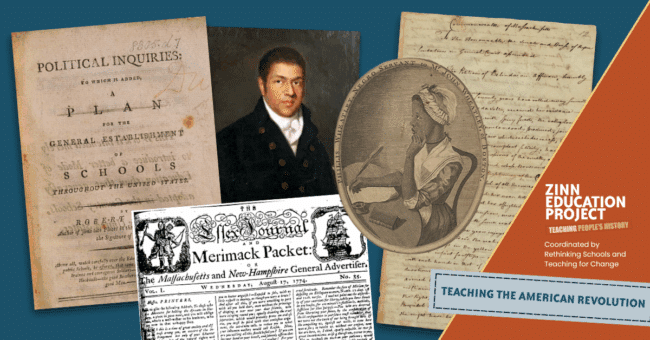
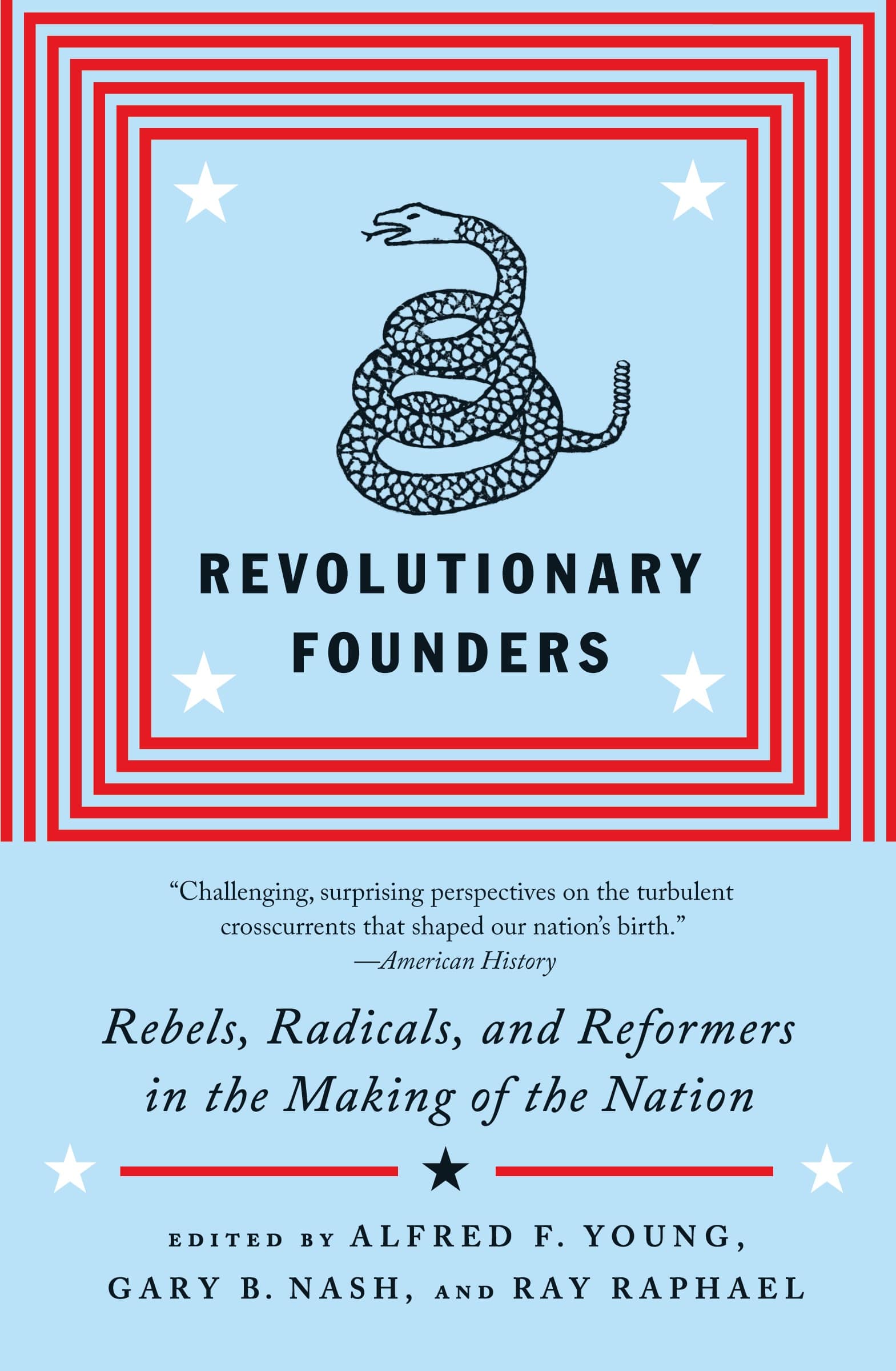
The set of documents assembled here extend a different invitation to teachers and students. Dated from 1774 to 1798, these 26 letters, petitions, poems, essays, and declarations were authored by contemporaries of the Founders: a Cherokee leader in what became Tennessee, a formerly enslaved woman in Boston, a populist mob in Philadelphia, and many more voices typically cast to the margins or wiped from the mainstream historical record. Some speak directly to the likes of John Adams and Thomas Jefferson. All ask that we rethink the meaning of the principles professed by the Founders. Each document counters the prevailing narrative that the United States was born from a revolution that championed freedom, equality, and justice. Most do this not only by criticizing the vastly unequal state of things, but also by asking their audiences to consider other ways that the world might be organized.
This is not to say that every author in this collection would find common cause with one another. A wealthy white woman might call for gender equality, but tout her support for racial and class hierarchies. A formerly enslaved man might organize for racial equality among men, but leave out women. A small farmer might rail against the policies of economic elites, but only on behalf of poor white men like himself. Some people, however, did build coalitions or articulate visions of justice for all corners of the new country — and the Native lands onto which it perennially encroached.
Unlike the founding documents, these belong to people who might fall under the common 18th-century expression of “the many-headed hydra.” The monstrous hydra was a symbol taken up by the ruling classes of the Atlantic world, who fancied themselves as a sort of heroic Hercules in a righteous battle against all groups — variously forming the heads of this chaotic beast — who posed threats to empire and capitalism. These “Herculean” powers used this myth to justify violence across oceans and continents. In fact, in 1776 John Adams suggested the seal for the United States be “The Judgment of Hercules.” It wasn’t chosen in part because, as Adams confessed, it was too complicated for a seal, “and it is not original.”
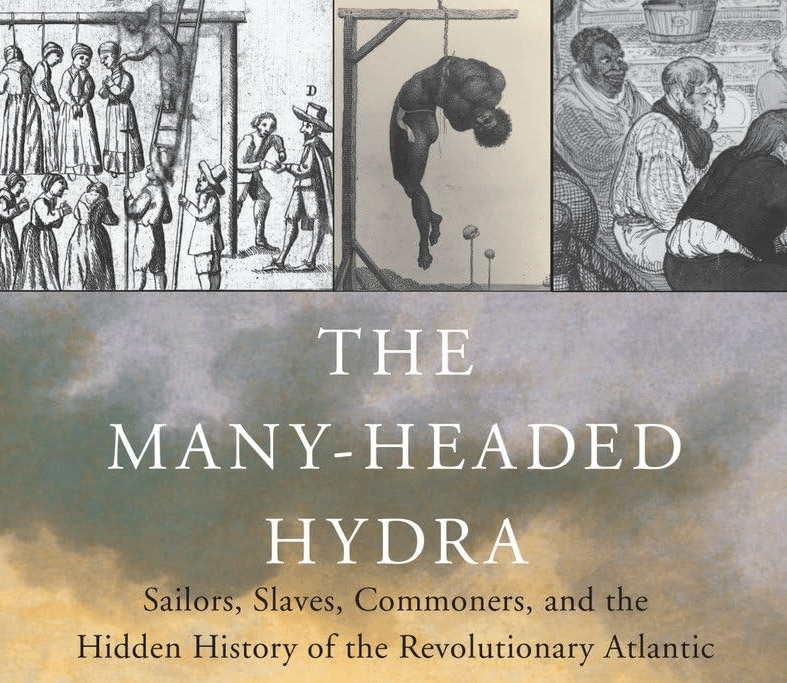
But the Hercules-hydra myth was not merely a tool of conquest brandished by political elites who lived and died hundreds of years ago. In the excellent book The Many-Headed Hydra: Sailors, Slaves, Commoners, and the Hidden History of the Revolutionary Atlantic, co-authors Peter Linebaugh and Marcus Rediker point out that the hydra has taken on a new purpose for historians. It has become “a means of exploring multiplicity, movement, and connection, the long waves and planetary currents of humanity.” Put another way, it’s a symbol that helps us analyze what most people were up to. When did they channel their collective power to resist ruling classes, and when did divide-and-conquer attacks on solidarity pull them apart? What opportunities did they grasp to mount powerful movements against oppression, and what opportunities slipped away? As Linebaugh and Rediker write, the past is full of “connections that have, over the centuries, usually been denied, ignored, or simply not seen, but that nonetheless profoundly shaped the history of the world” that we inhabit today. When examined in conversation with one another, the primary sources in this collection can help students explore some of the big questions that history asks of us.
I offer the document set and suggested teaching activities outlined below as an intervention in the common curriculum on the American Revolution — and as part of a wider curricular project on the meanings and makings of freedom and justice in the United States.
Suggested Activities and Procedures
A few notes on this primary source collection, for any activity.
Arrangement
You’ll find the collection of all 26 documents on pages 13–51, in chronological order. Each one has something to offer — but you may have fewer than 26 students, or you may decide for other reasons to have your class analyze a smaller set of documents. For such cases, I’ve loosely arranged the documents below in order of those most necessary to ensuring students encounter a wide breadth of perspectives. I encourage you to use the documents in the order they appear here, especially when running the table group or mixer activities described on pages 5–7:
|
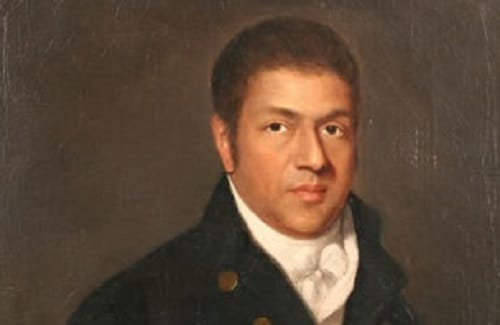
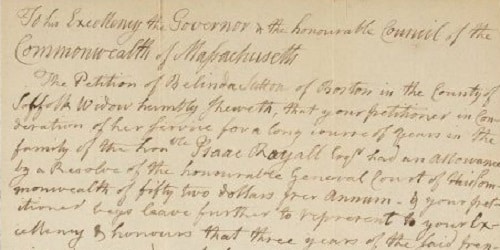
A. 1774 Letter by Phillis Wheatley B. 1791 Letter by Benjamin Banneker C. 1786 Address by the United Indian Nations D. 1779 Broadside by a Philadelphia Mob E. 1776 Letter by Abigail Adams F. 1776 Essay by Lemuel Haynes G. 1781 Speech by Nancy (Nanyehi) Ward H. 1783 Petition by Belinda Sutton I. 1784 Petition by Ned Griffin J. 1785 Address by Corn Tassel (Onitositah) K. 1787 Essay by “Centinel” L. 1791 Pamphlet by Robert Coram M. 1774 Essay by Caesar Sarter N. 1776 Petition by Virginia Baptists |
O. 1780 Petition by Paul Cuffe P. 1787 Essay by Samuel Hopkins Q. 1785 Poem by Hannah Griffitts R. 1777 Petition by Prince Hall S. 1776 Broadside by a Group of Philadelphians T. 1785 Letter by Leaders of the Creek, Chickasaw, and Cherokee Nations U. 1788 Remarks by Samuel Thompson V. 1774 Declaration by Residents of Worcester, Massachusetts W. 1786 Remarks by William Findley X. 1790 Essay by Judith Sargent Murray Y. 1787 Letter by Daniel Shays and Daniel Gray Z. 1798 Article by Thomas Greenleaf |
Continue reading and access lesson from “Download to Read in Full” button.
Classroom Stories

Using the “Founding” Documents We Don’t Learn About lesson was an engaging and meaningful experience for my seniors in U.S. History. I implemented it as a mixer activity, assigning each student a different primary source document from the collection. Students examined their document closely and answered guiding questions from the author’s perspective, which encouraged them to think more deeply about historical context, purpose, and point of view. This approach helped students move beyond memorizing names and dates and instead engage with the voices, choices, and motivations within these lesser-known founding documents.
As students rotated around the room and shared their authors’ perspectives with one another, the classroom quickly filled with authentic discussion and curiosity. They not only learned about their own assigned text but also gained exposure to a wide range of documents through peer conversation. The activity promoted collaboration, critical thinking, and confidence in discussing primary sources. My students walked away with a more complex understanding of the nation’s early political landscape — and they genuinely enjoyed the process. I highly recommend this resource to any teacher looking to deepen student engagement with historical texts.
I used the “Founding” Documents We Don’t Learn About lesson in my AP Government class, and it became one of the most impactful lessons of the year. Students were astounded by reading primary sources from perspectives they had never encountered in previous classes, and the lesson sparked rich discussion about how textbooks define “freedom” in the context of the Declaration of Independence.
I assigned students different sources, gave them time to read and reflect independently, and then facilitated the mixer activity where they shared their documents with classmates. The students really enjoyed hearing about the other perspectives and making connections between the sources. Many commented that they had never realized how many voices were missing from the historical narratives they had previously learned. The activity created a high level of engagement because students were learning from one another rather than simply listening to a lecture.
After the mixer activity, we completed the debrief questions as a whole group discussion, which led to one of the strongest conversations of the year. Students were eager to share their reactions, challenge one another’s assumptions, and reflect on how their understanding of the founding era had evolved throughout the lesson. The discussion went especially well because students felt personally invested in the material after engaging directly with the sources and hearing the interpretations of their classmates. They had a spirited discussion about how their minds were opened because of the lesson and how exposure to these additional voices expanded their understanding of early U.S. history. The students particularly responded to the question, “Did any of your conversations change your understanding of the Declaration of Independence, Constitution, or Founders?” because it encouraged them to think about how historical narratives are constructed and why certain voices are often prioritized over others.
Many students acknowledged that the lesson complicated their previous understanding of the Founders, but they also recognized that examining multiple perspectives gave them a more accurate and nuanced understanding of the era rather than diminishing its importance. Several students reflected on how easy it is for textbooks to simplify complex historical realities into a single narrative, and they appreciated having the opportunity to critically examine those narratives for themselves.
I believe this lesson was so impactful because it pushed students beyond memorization of facts and encouraged them to engage in authentic historical thinking. Rather than simply accepting information at face value, students analyzed evidence, considered multiple perspectives, and evaluated how definitions of freedom and equality have changed over time. The lesson also reinforced the importance of civil discourse because students respectfully listened to one another, asked thoughtful questions, and supported their ideas with evidence from the sources. By the end of the discussion, students demonstrated a deeper understanding not only of the founding documents themselves, but also of the importance of including diverse voices when studying history and government.
This experience reminded me how powerful primary sources can be in helping students connect emotionally and intellectually to historical content while also developing stronger critical thinking and discussion skills. One of the most encouraging aspects of the lesson was seeing quieter students become active participants in the conversation because the material felt relevant to them. Students who do not usually volunteer contributed thoughtful insights and reflections about fairness, citizenship, and representation. The lesson created an environment where students felt asking difficult questions and reconsidering ideas they had previously accepted. That level of engagement made the experience truly memorable for both the students and me.

Let me tell you — the primary sources in “Founding” Documents We Don’t Learn About were everything!
We started off taking a look at an excerpt from the Declaration of Independence and Thomas Jefferson and the principles of “life, liberty, and the pursuit of happiness.” Then we dove into these gems of primary source documents from the lesson and what the people had to say.
A fan favorite was a 1774 essay by Caesar Sarter where he says “. . . I need not point out the absurdity of your exertions for liberty, while you have slaves in your houses . . .” He’s essentially clocking white colonists who stood on their convictions about natural rights and their protests against Britain and how they were the same folks who enslaved Africans!
I highly recommend this lesson if you want to move beyond the typical founding documents, dive into the perspectives of those who were critical of the ideals of the founding and American “Revolution,” and engage your students!
Students in my 8th grade class took a three-day block to comb through and dissect several documents of their choosing from the Zinn Education Project lesson “Founding” Documents We Don’t Learn About. We regularly access ZEP materials in class, so students were already prepared to ask questions with a critical and “but what else?” mindset. After three days of going through the lesson in groups, students presented a narrative to their peers about the documents they chose, while the others filled in notes about what their peers researched and learned.
It was fabulous to see students compare and contrast how they perceived some documents, their meaning, and what stuck out to them versus others — especially students who may have chosen the same documents. It was a great way to build a different perspective on U.S. history after we’d just done an intensive study on the Declaration, so students had a wealth of knowledge for other critical pieces of history normally not found in textbooks. Also, what a great way to work with primary sources!
Using the “Founding” Documents We Don’t Learn About lesson from the Zinn Education Project has been an incredibly valuable addition to my classroom.
As an 8th grade social studies teacher, I want my students to see themselves in history and understand that the past includes many voices, not just the ones we traditionally focus on. This resource helped me create that space.
When we worked through the lesson, I watched my students engage with historical documents that shared perspectives they had rarely encountered before — voices of people who questioned, challenged, and hoped for a more just society during the founding era. Some of my students were genuinely surprised to learn that people like women, enslaved individuals, and working-class citizens were speaking out about freedom and rights at the same time as the more famous founding figures. Seeing their reactions reminded me how important it is to approach history with empathy and curiosity.
What stood out most to me was how the lesson encouraged students to slow down and think about the human experiences behind these documents. Instead of just asking what happened, my students began asking who was affected and whose voices were missing. Those conversations were powerful. Students started connecting the struggles and hopes expressed in these historical documents to ideas about fairness, voice, and belonging today.
As a teacher, moments like that matter deeply. This lesson helped me guide students toward a more thoughtful and compassionate understanding of history. It reminded all of us that the founding of our country involved many people with different perspectives and experiences, and that listening to those voices helps us better understand the world we live in now.
I found the Zinn Education Project during my first year of teaching and I have used their resources ever since. This school year for Civics class, I decided to add the “Founding” Documents We Don’t Learn About lesson when discussing the usual foundational documents.
Although I did not get to go through all the documents, they still had a profound impact. My students were allowed to hear from other voices instead of the same old privileged white men. For them it created this discourse of what freedom meant to different groups and whether or not the outcome was beneficial to those groups. This activity led to more discussion-based activities this year. My students actively engaged in Socratic method discussions, became more curious, and started to ask more questions — not just from me but their from peers as well.
I went on to use other lessons I have not in the used before, including Who Gets to Vote? Teaching About the Struggle for Voting Rights in the United States and Teaching Debt Pollution in Schools. The latter went over really well while discussing the latest outcomes of Leandro v North Carolina, which directly impacts my students.
I used the materials from “Founding” Documents We Don’t Learn About and the Ten Ways to Rethink the Constitution gallery walk activity for my 11th grade language arts class. Seeing the students engage with the documents from the 1700s and have meaningful conversations during the lesson was gratifying.
Students came up with poignant connections and questions to discuss with one another as they moved about the room. I love how the resource included a diversity of voices based on gender, race, and nationality. This resource helped students to see that more than just the framers of the Constitution were involved in establishing the nation.
The day I did the lesson, our advisory (or homeroom) lesson was also about the Constitution, which allowed students to generalize what they learned in homeroom to our classroom. I found that working in tangent with another class’s curriculum enriched the experience for students. I hope that I can find other ways to connect our American Literature curriculum to other subjects, especially U.S. history.
Despite teaching an America in History 3 (1945–present) course, I find that I am consistently coming back to our founding principles and the American Revolution. Specifically, I find myself coming back to issues of the responsibility of the Federal government to its residents/citizens, the ideals of the United States, and the importance of the Constitution (both in its limitations and its alleged guarantees).
I have utilized both “Founding” Documents We Don’t Learn About by Mimi Eisen and Race, Class, and the Constitutional Convention by Bill Bigelow (with modifications to best support my students) so I can incorporate them into my class. I want my students to be able to make these connections to the “founding” parts of our history and then also be able to make the connections to issues of race and class that we see playing out today. I especially appreciated Bigelow’s creation of the space to have students question the supposed sanctity of the Constitution. It helped my students recognize the importance of inquiry and questioning their long held assumption about authority and things they just “know”.
Zinn Education Project materials always help me with sparking that inquiry which is so important in history classrooms.
Using the “Founding” Documents We Don’t Learn About lesson, my students were fascinated to see different perspectives and viewpoints on the founding of this country — who was this country designed for and who benefitted from our founding combined with who wasn’t included and what their experiences were like.
Next we used the Race, Class, and the Constitutional Convention lesson, which allowed us to have multiple perspectives in creating a Constitution. Needless to say, having done this probably 30 times now, each class has created a vastly different Constitution. It’s amazing to see with multiple perspectives that high school sophomores and juniors have created a much more equitable Constitution than our founding fathers did.
That perspective in the founding of our country has allowed us to point back throughout the school year to these decisions as root causes of future problems our country has faced. I always enjoy when, months later, a student refers to a classmate in their frustration over our current topic (i.e. “Had we only listened to Noah during the Constitutional Convention, we would not have this issue.”).
I just ran the “Founding” Documents We Don’t Learn About lesson (modified and shortened a bit) in my APUSH class and it went really well!
First, the kids practiced a Short Answer Question on the Declaration of Independence in the AP classroom. Then I explained how we will examine other “founding” documents from this period to understand multiple perspectives on what freedom and liberty looked like to people in the Revolutionary era. I selected documents that dealt with the American Revolution specifically, as we have not yet covered the Constitution.
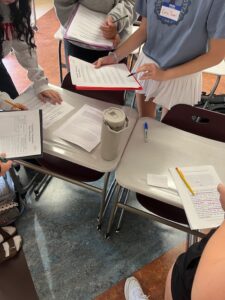
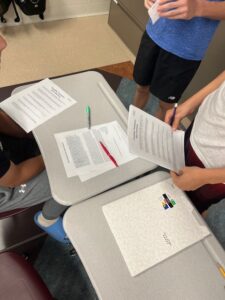
Kids first read through their document silently and annotated it using the provided template. Then I had the kids make name tags for their person or group and walk around to meet other people who had similar perspectives to their person or group.
 |
 |
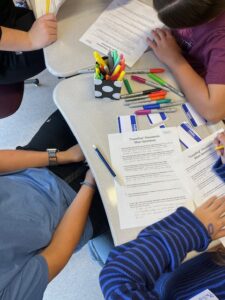 |
I loved hearing the great conversations as kids found connections of freedom within — and between — different groups and people. Many of them noticed the words “freedom” and “liberty” used from their person’s perspective, and it was an awesome springboard into discussion of the Declaration of Independence. Above are a few pictures of them working.
This is really the lesson I’ve been looking for. Thank you for putting together these rich primary sources! It really helped my students gain nuance of this period.

I opened my U.S. history classes this year with a look at the founding documents required by our state standards (which include the Haudenosaunee Great Peace, Declaration of Independence, and Preamble to the Constitution). The standards call for students to look at whose voices are represented and missing, and whose interests are evident in the documents. Because my class sizes are small, I decided to jigsaw the sources from the “Founding” Documents We Don’t Learn About lesson to enhance my original lesson based on the standards. Each student chose two of those documents to analyze using a modified version of the worksheet from the lesson and with the same questions about voices and then they shared out, looking for common themes.
Students noticed connections among documents including documents by white people tending to ignore the needs or desires of people of color and women being typically excluded, and also common themes of peace and development. In general, students had never heard of some of the people in the additional documents from the lesson and I found these documents helped provide a more holistic context for the founding period.
My students enjoyed the letter from Phillis Wheatley in the “Founding” Documents We Don’t Learn About lesson. Her personal story resonated with the students who could see themselves in her. They understood instantly the hypocrisy Phillis was referencing in her letter. They agreed with her and would have made the same points in their letters.
Reading the letter led to a discussion about things they would change if they could and things they would say to back up their positions. The students began talking, we recorded their thoughts, and we were all amazed with how many things they thought of to change or that upset them.
From there, we wrote and drew out what the changes and differences could look like. They were more and more excited about what they were thinking of and considering as their thoughts became drawings and their ideas became concrete.
This exercise of learning about Phillis Wheatley, reading her letter, examining and understanding her letter and what it was saying, finding the similarities, and then discovering what was bothering them and what they would do to change things was a wonderful learning experience.
View this post on Instagram
View this post on Instagram

Twitter
Google plus
LinkedIn