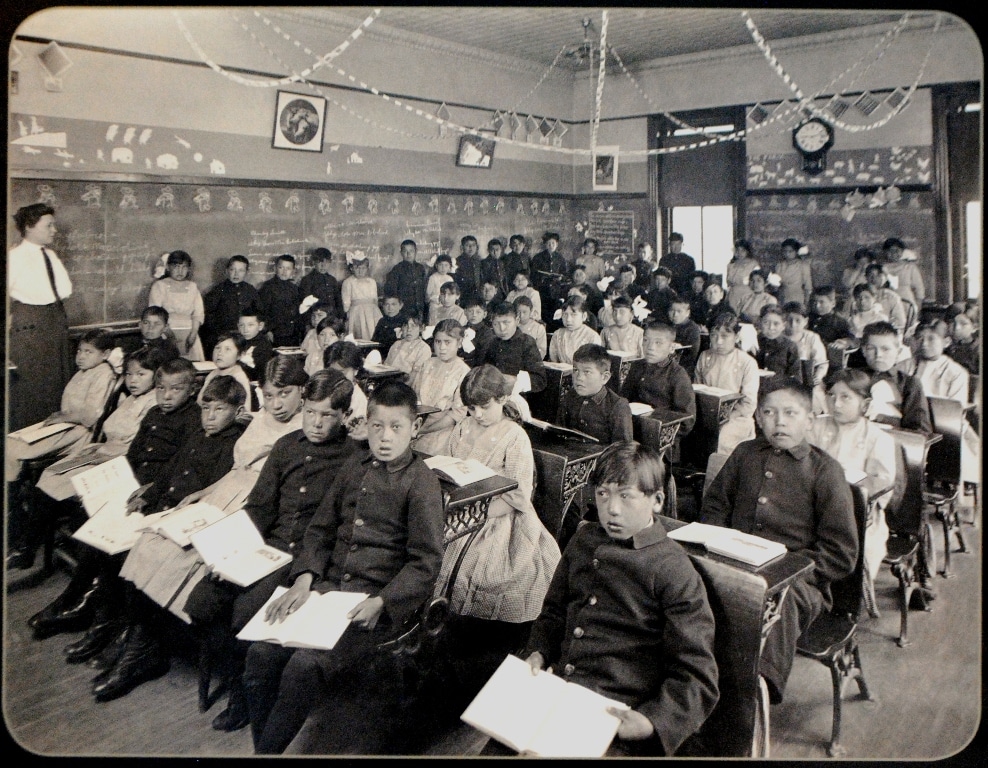
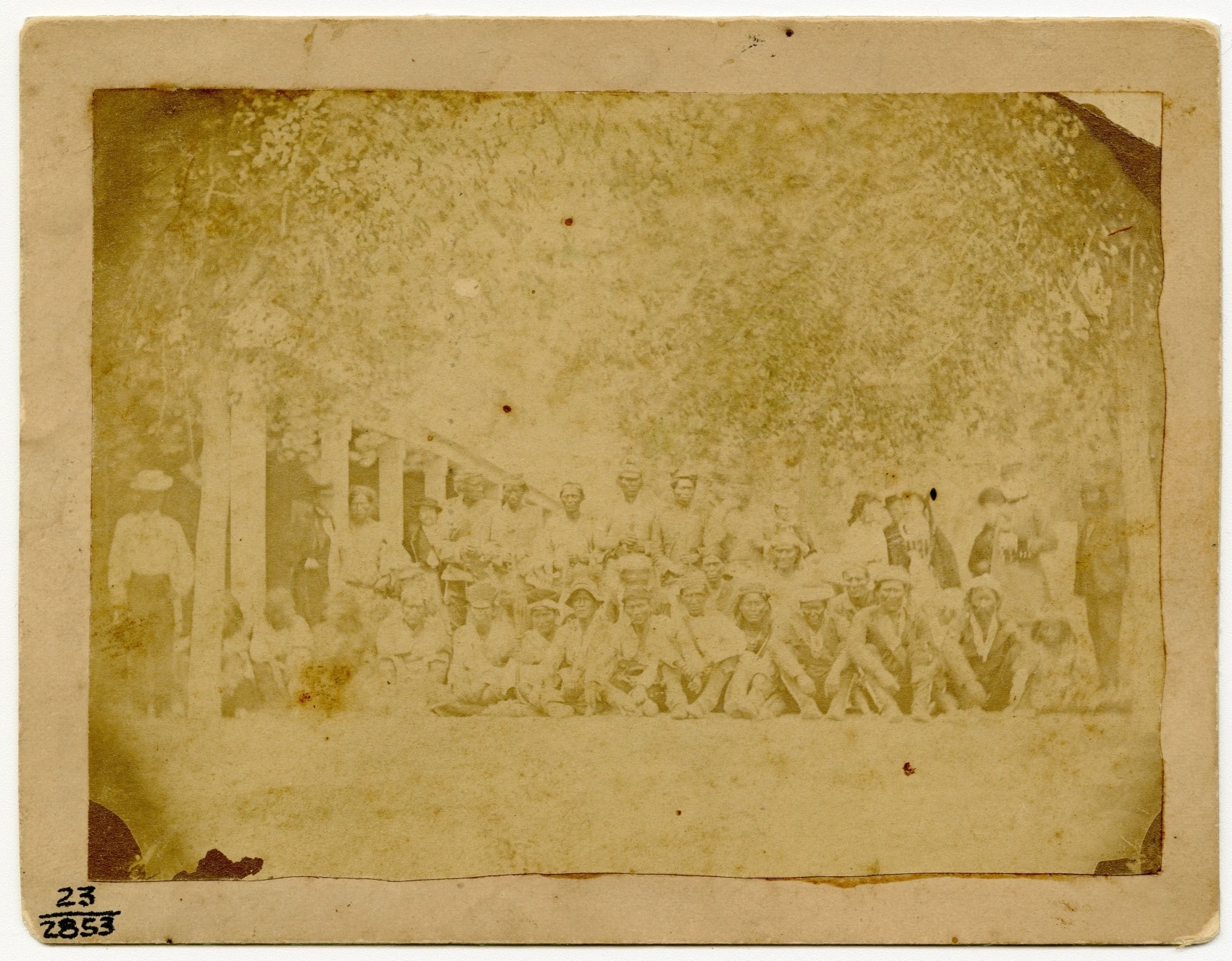
The Indian Industrial School of Genoa, Nebraska, the fourth non-reservation boarding school, was established by the Office of Indian Affairs.
Continue reading
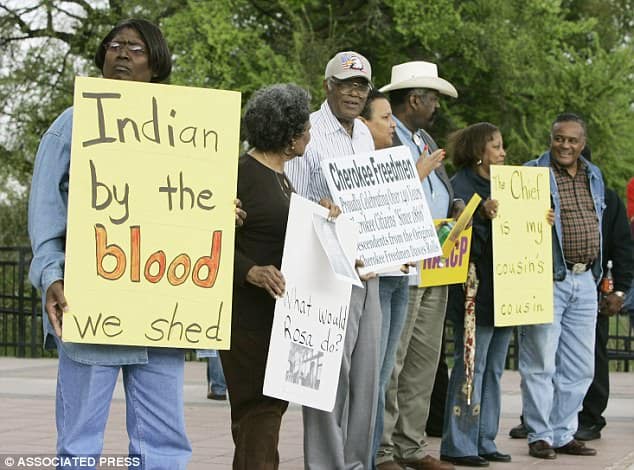
The Slave Revolt of 1842 — when dozens of enslaved Black people in Webbers Falls, Oklahoma fought back and briefly escaped from their Cherokee overseers — was the largest rebellion of enslaved people in Indian Territory history.
Continue reading
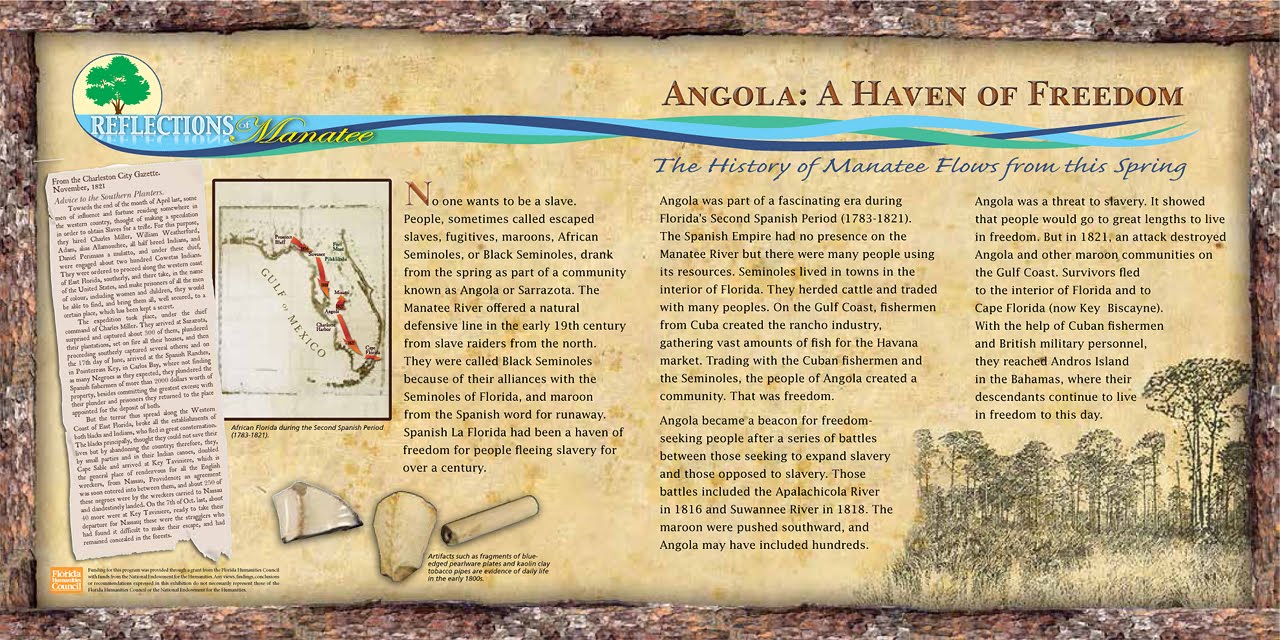
After becoming governor of Florida in 1821, Andrew Jackson attacked the native and Black maroon community at Angola.
Continue reading
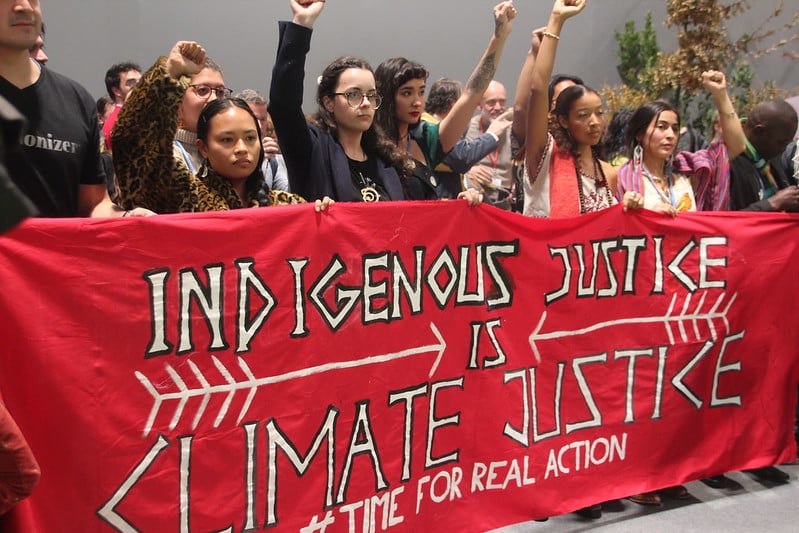
Indigenous representatives from around the world met in Anchorage, Alaska, in April 2009, to share experiences and strategies for confronting environmental degradation. They issued a declaration that details their observations and demands from the front lines of the climate crisis.
Continue reading
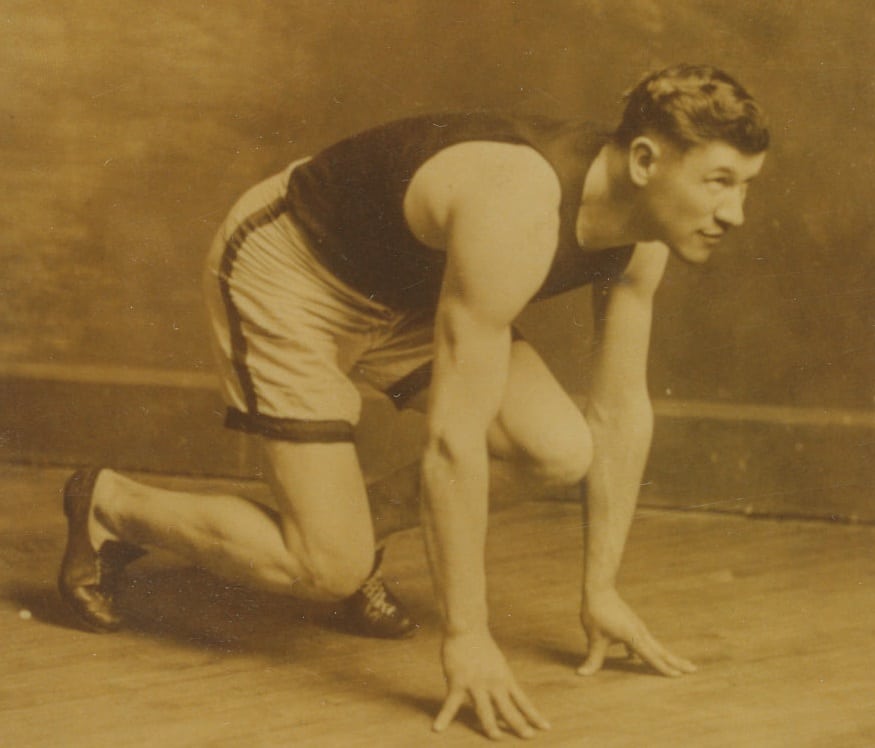
Jim Thorpe was the first Native American to win Olympic gold for team U.S.A.
Continue reading
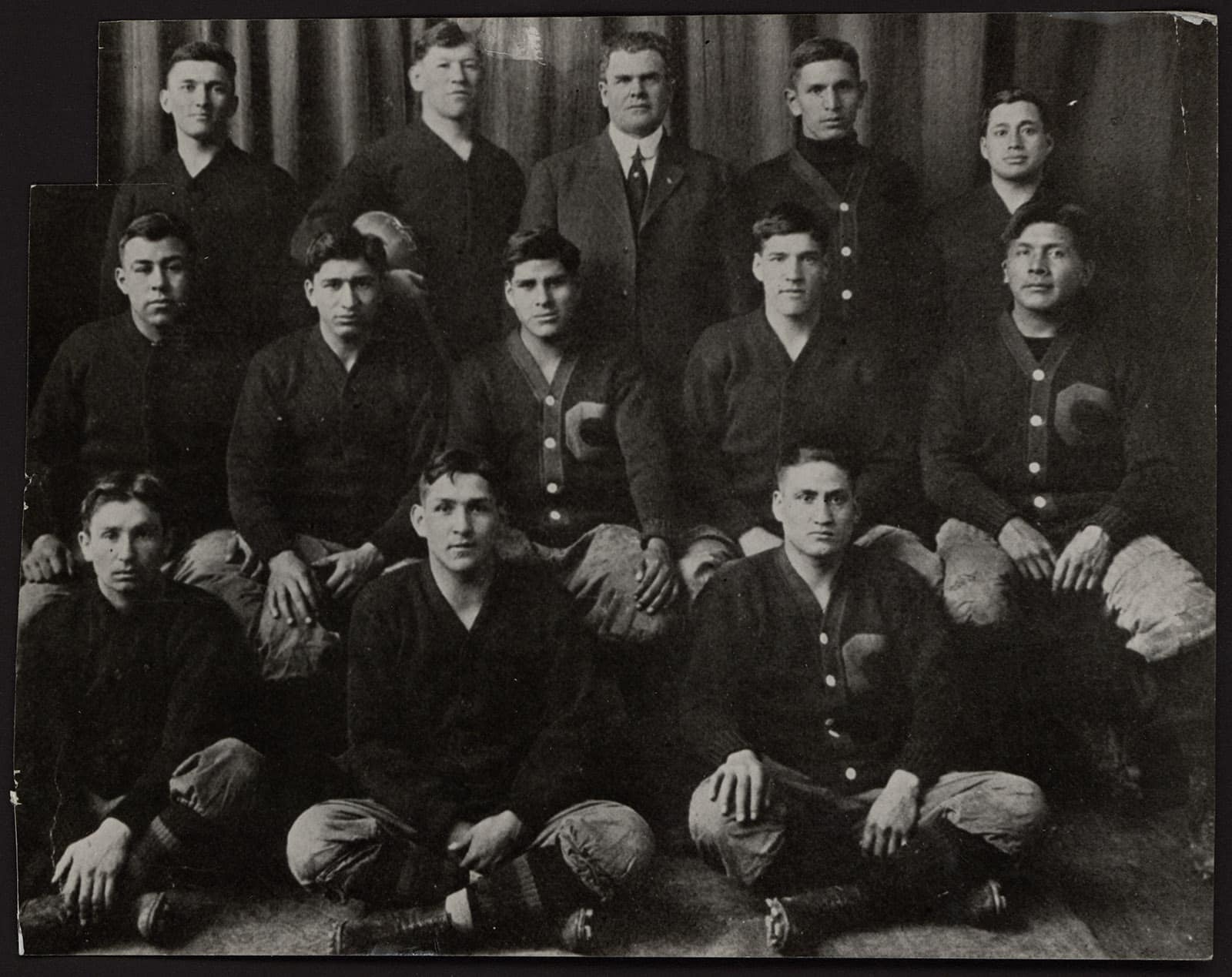
The undefeated Carlisle Indian School football team faced off against the Army football team at the West Point Academy campus in front of a crowd of 3,000 people. The Carlisle team defeated Army 27–6 in this game.
Continue reading
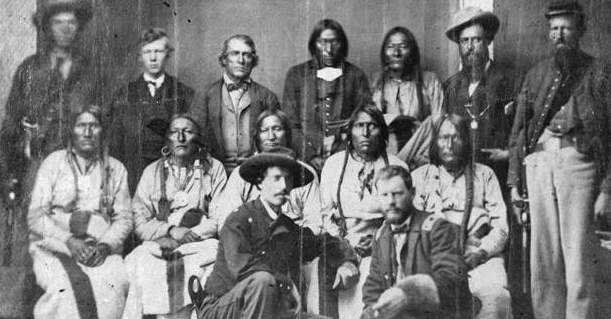
Bringing an end to the Navajo Wars, the Navajo Treaty of 1868 created a sovereign nation for the Navajo peoples and returned those interned at Fort Sumner following the Long Walk.
Continue reading
Lakota, Northern Cheyenne, and Arapaho defended their land in the battle of the Greasy Grass (Battle of Little Big Horn).
Continue reading
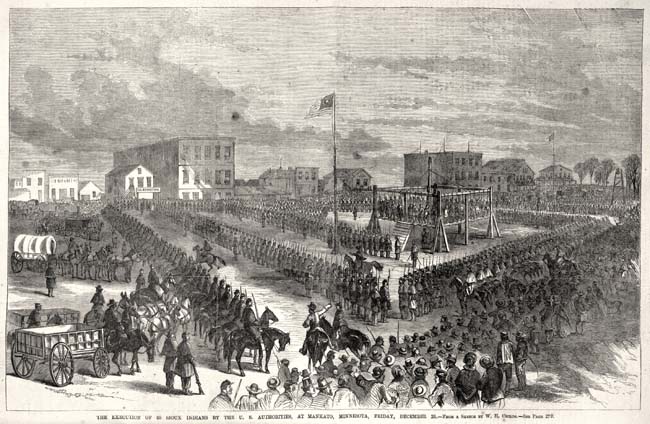
The mass execution of 38 Dakota Indians was ordered by President Abraham Lincoln.
Continue reading
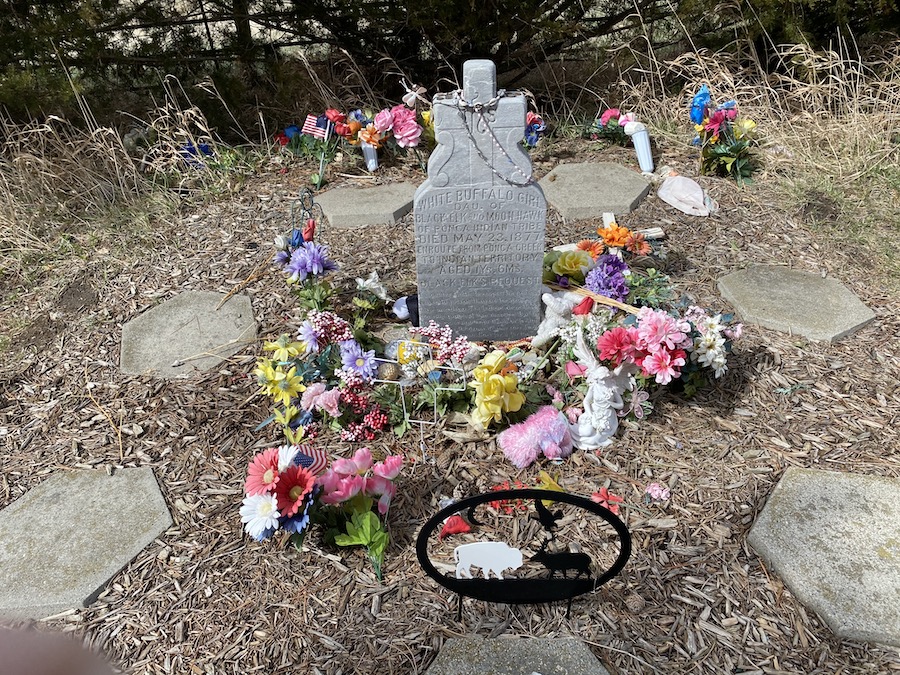
Along the “Trail of Tears” in Neligh, Nebraska, a farmer signed a deed to return ancestral land to the Ponca Tribe.
Continue reading
In a landmark decision, the Supreme Court ruled that the state did not have jurisdiction over crimes committed on Native reservations, affirming Indigenous treaty rights and sovereignty.
Continue reading
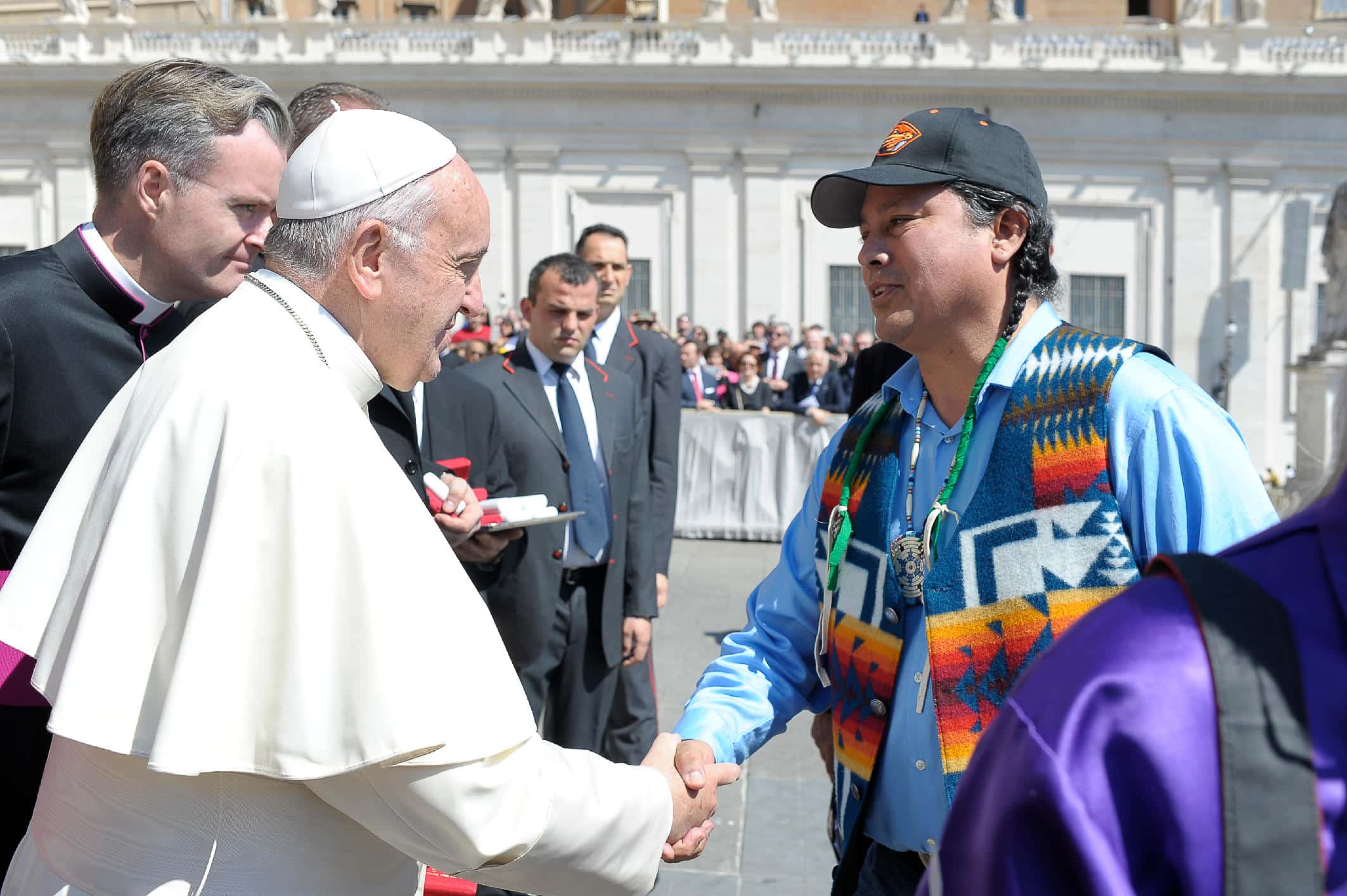
A delegation representing Native nations marched upon the Vatican and were successful in convincing the Vatican to revoke the Doctrine of Discovery.
Continue reading
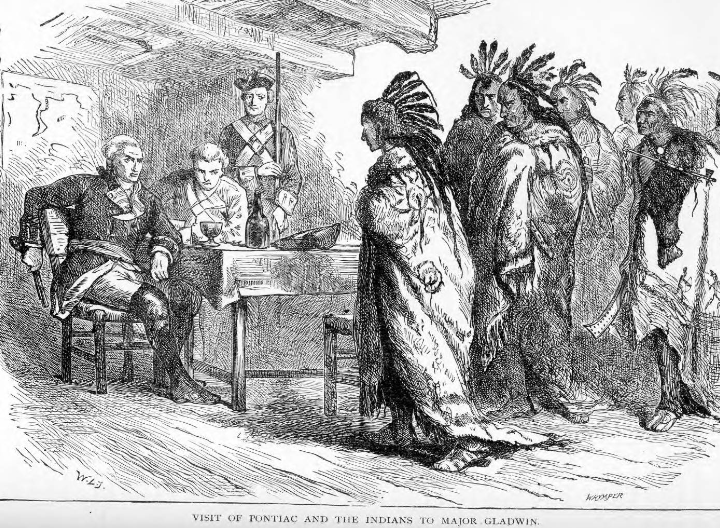
Fighting alongside Odawa Chief Pontiac, the unified Native warriors defeated 250 British soldiers during their siege at Fort Detroit during Pontiac’s War.
Continue reading
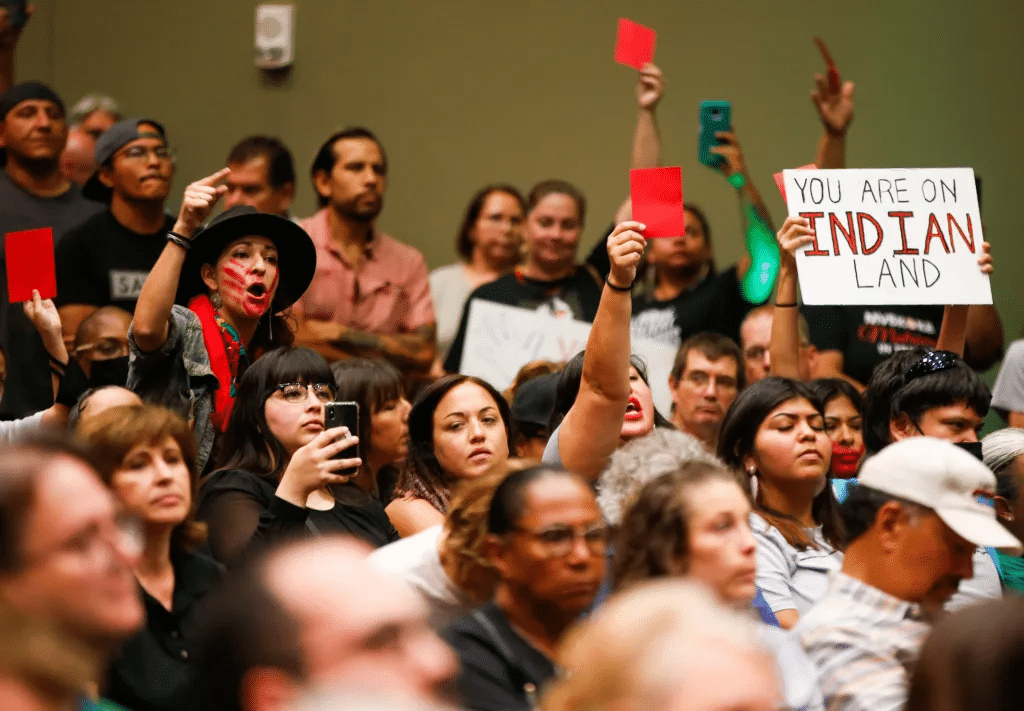
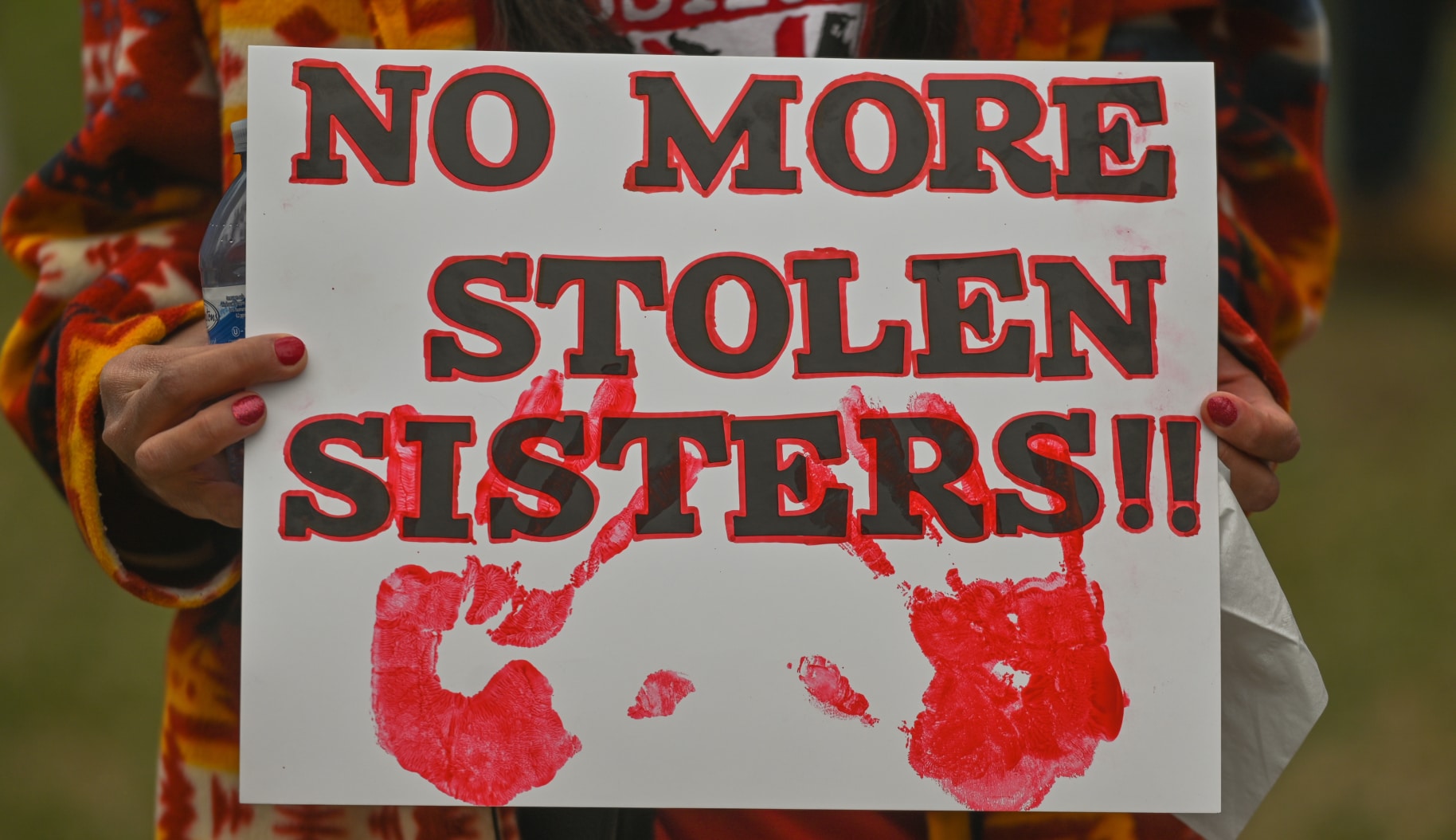
A national day of awareness for Missing and Murdered Indigenous Women and Girls and 2SLGBTQI+ people (MMIWG2S).
Continue reading
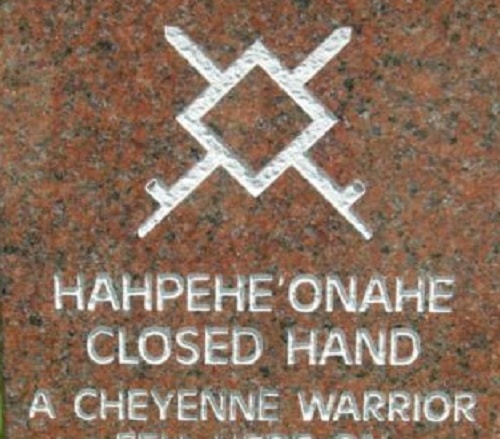
A Colorado Cavalry unit, on orders from Colorado’s governor and ignoring a surrender flag, brutally attacked Cheyenne and Arapaho Tribes. White abolitionist Silas Soule was assassinated for reporting on the event.
Continue reading
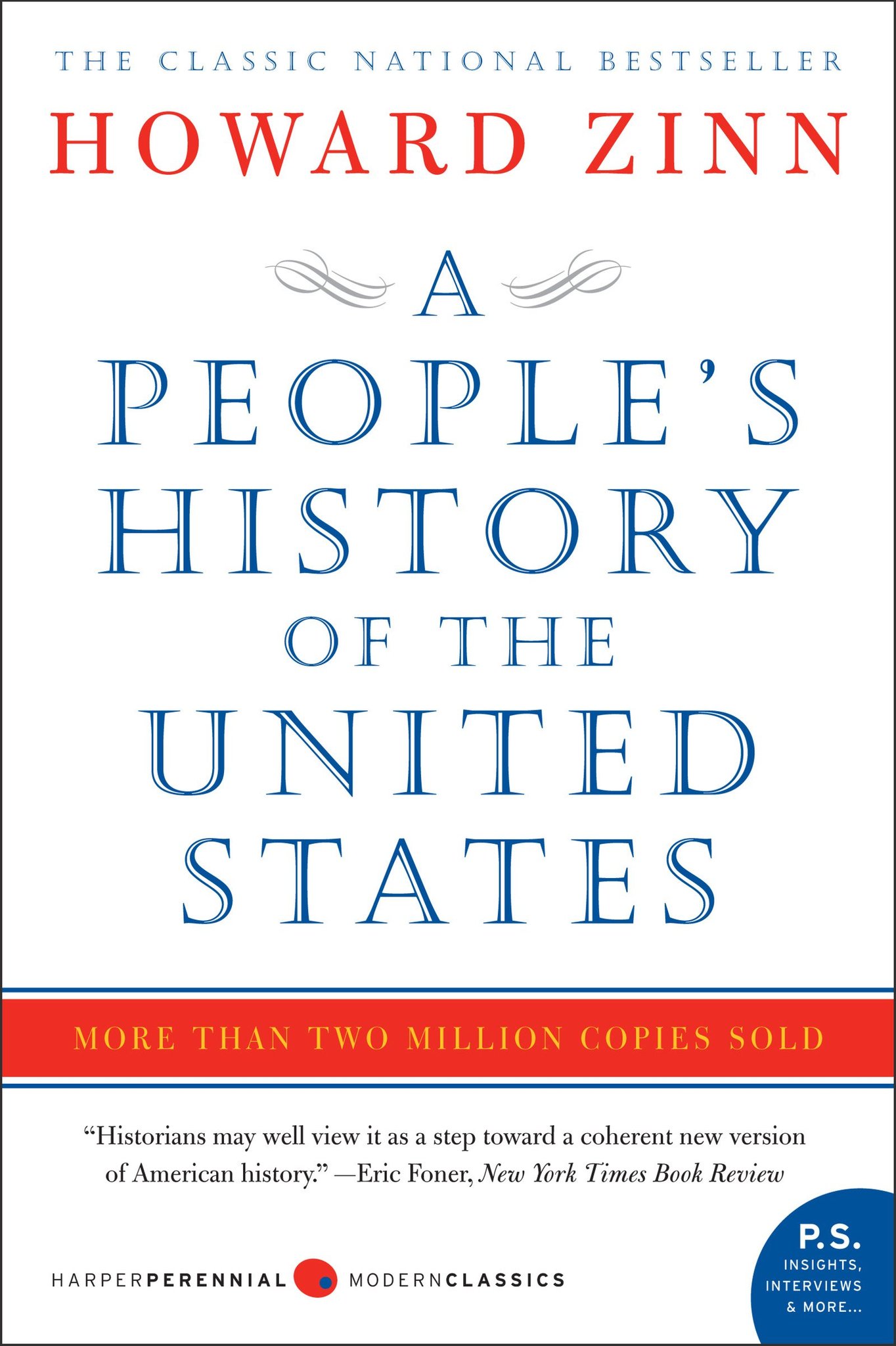
Book — Non-fiction. By Howard Zinn. 2005, with a new introduction by Anthony Arnove in 2015. 784 pages.
Howard Zinn's groundbreaking work on U.S. history. This book details lives and facts rarely included in textbooks—an indispensable teacher and student resource.
Continue reading
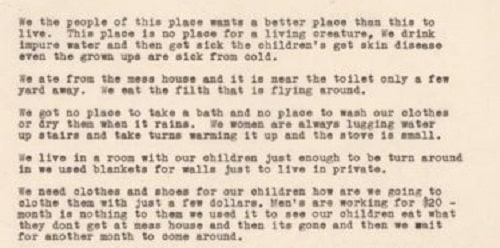
Aleut women from the Pribilof Islands Program wrote a petition about the dangerous incarceration camp conditions during World War II.
Continue reading
Native Americans took over and held Alcatraz Island as Indian Land during the Alcatraz Occupation.
Continue reading
The forcible removal of Native American tribes, known as the Trail of Tears, began.
Continue reading
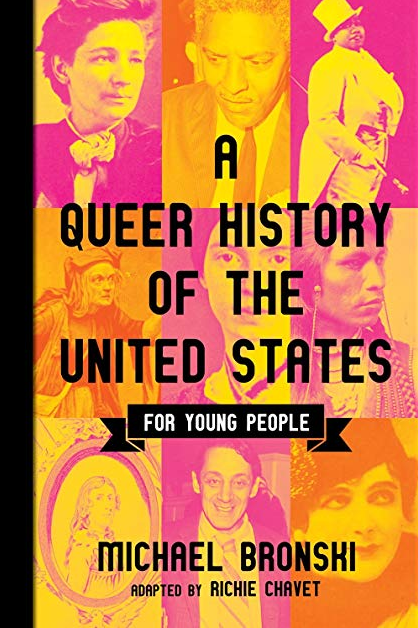
Book — Non-fiction. By Michael Bronski, adapted for by Richie Chevat. 2019. 336 pages.
A young adult readers edition of the original text explores the history of LGBTQ+ experiences in the U.S. since 1500.
Continue reading
A coalition of groups set up a series of road blockades preventing gas exploration in New Brunswick, Canada.
Continue reading
Teaching Activity. By Bill Bigelow. 10 pages.
What led up to the Trail of Tears? In this lesson, students learn about the decision to remove the Cherokee and Seminole people from their lands.
Continue reading
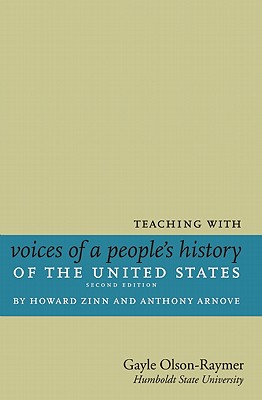
Teaching Activity. By Gayle Olson-Raymer. 18 pages.
Questions and teaching ideas for Chapter 7 of Voices of a People's History of the United States on the American policy of "Manifest Destiny" and Native American resistance to their own displacement.
Continue reading
Teaching Activity. By Bill Bigelow. Rethinking Schools. 6 pages.
How to engage students in a critical analysis of the textbook version of "discovery."
Continue reading
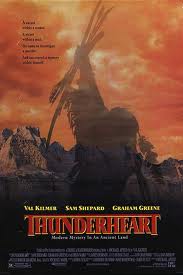
Film. By Michael Apted. 1992. 118 minutes.
Captures some of the conflicts on the Pine Ridge Reservation in the 1970s relating to corporate/government collusion to exploit Native lands for profit.
Continue reading