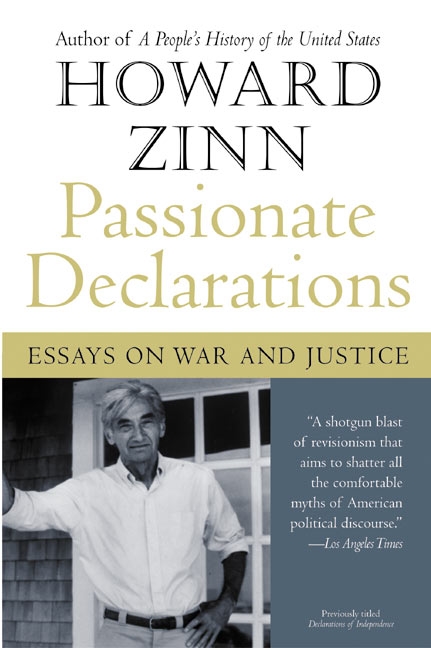
Book — Non-fiction. By Howard Zinn. 2003. 368 pages.
A selection of passionate, honest, and piercing essays looking at political ideology in the United States.
Continue reading
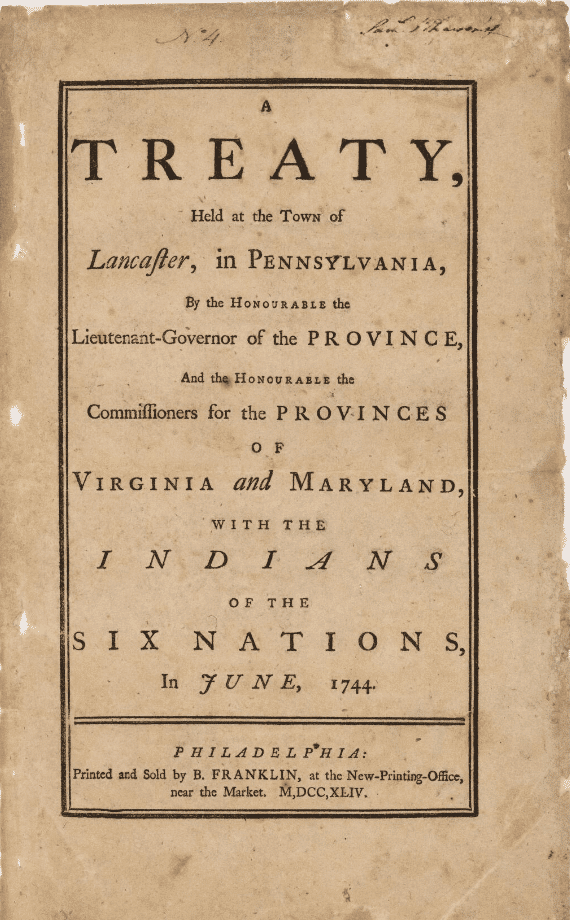
Digital collection. View digitized historic treaties between Indigenous tribes and the U.S. government alongside key historic works that provide context to the agreements made and the histories of shared lands.
Continue reading
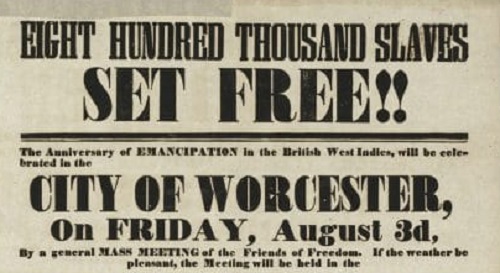
August First Day became a symbol of hope for enslaved people and abolitionists in the United States when Britain passed the Slavery Abolition Act in 1834, abolishing slavery throughout its colonies around the world.
Continue reading
Audio CD. By Howard Zinn. 2011. 60 minutes.
Recorded in Madison, Wisconsin on October 9, 1991, Howard Zinn challenges the myths of the Columbus legend.
Continue reading
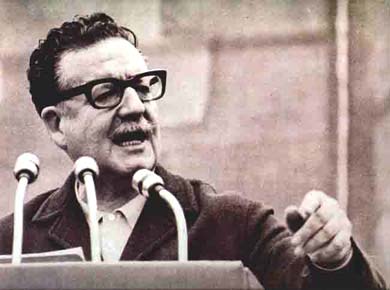
Chile’s democratically elected president, Salvador Allende was killed in a U.S.-backed coup.
Continue reading
Film clip. Voices of a People's History.
Dramatic reading of Cindy Sheehan's speech "It's Time the Antiwar Choir Started Singing" (2005) is read by Marisa Tomei and Staceyann Chin.
Continue reading
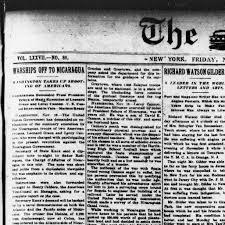
President William Howard Taft ordered U.S. warships to Nicaragua to defend U.S. corporate profits.
Continue reading
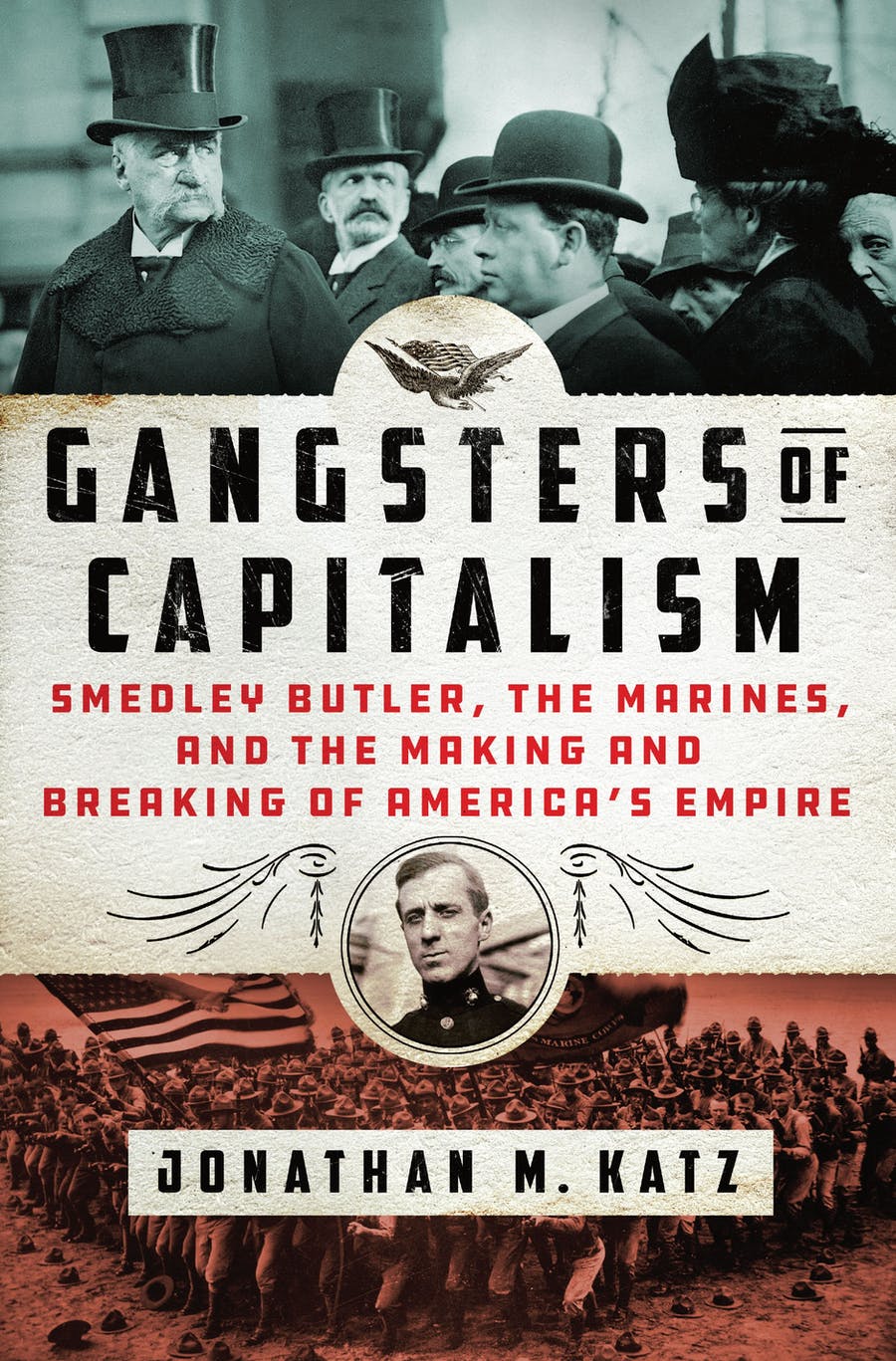
Book — Non-fiction. By Jonathan M. Katz. 2022. 432 pages.
This book traces a path from the first wave of U.S. overseas expansionism to the rise of fascism in the 1930s to the crises of democracy in our own time.
Teaching Activity by Jonathan M. Katz
Continue reading
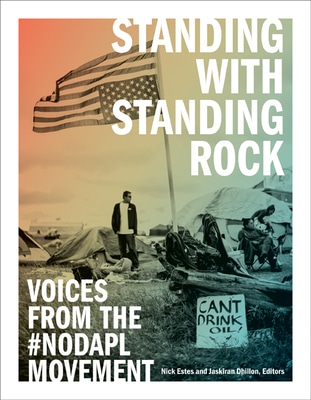
Book — Non-fiction. Edited by Nick Estes and Jaskiran Dhillon. 2019. 448 pages.
Through poetry and prose, essays, photography, interviews, and polemical interventions, the contributors, including leaders of the Standing Rock movement, reflect on Indigenous history and politics and on the movement's significance.
Teaching Activity by Nick Estes (editor)
Continue reading
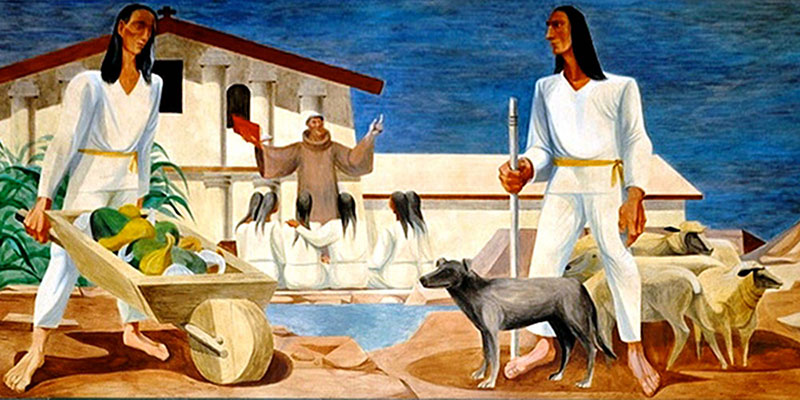
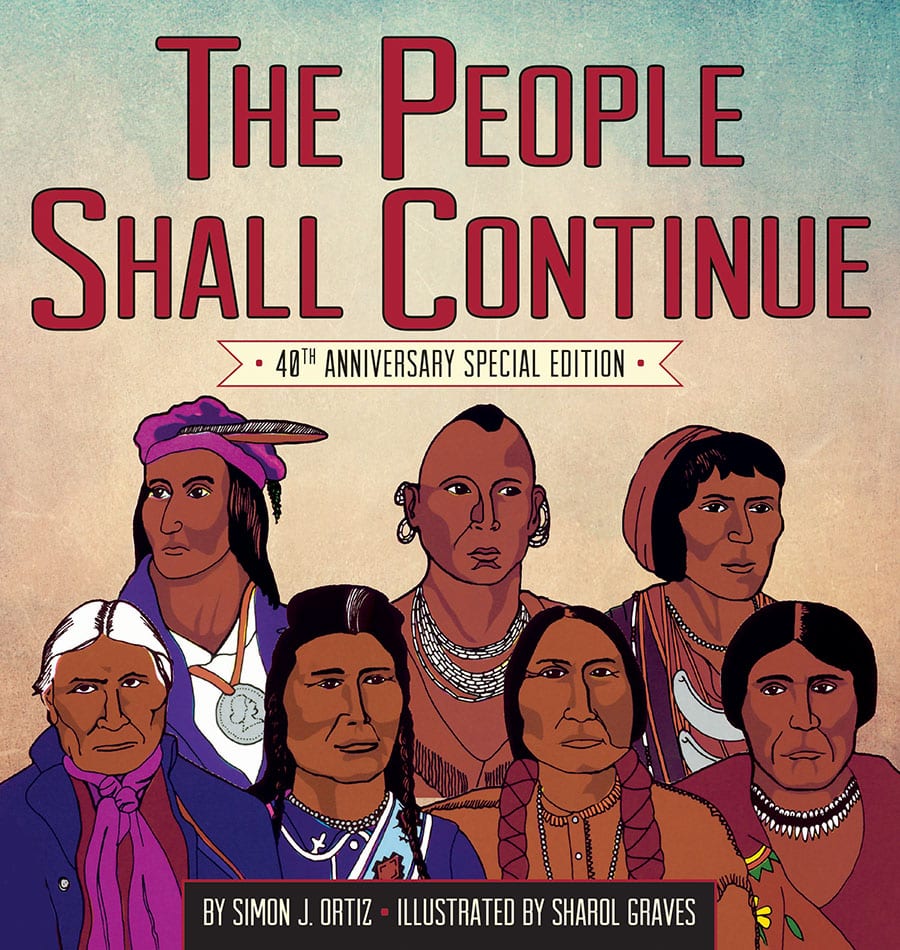
Picture Book. By Simon J. Ortiz, illustrated by Sharol Graves. 2022. 32 pages.
This powerful telling of the history of the Native/Indigenous peoples of North America recounts their story from Creation to the invasion and usurpation of Native lands.
Teaching Activity by By Simon J. Ortiz, Illustrated by Sharol Graves
Continue reading
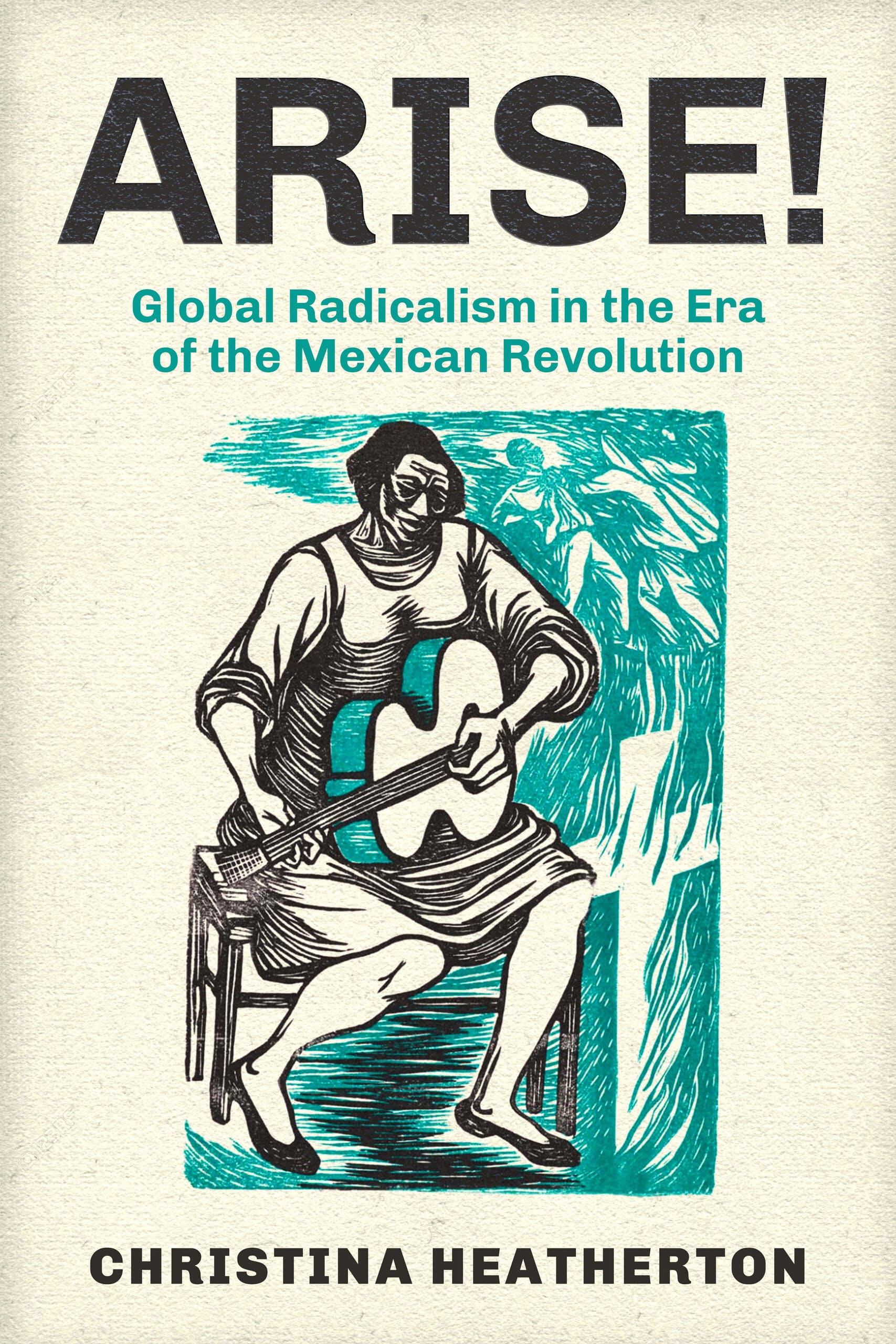
Book — Non-fiction. By Christina Heatherton. 2022. 336 pages.
This book tells the international history of radical movements and their convergences during the Mexican Revolution, reconstructing how this era's organizers found new ways to fight global capitalism.
Continue reading
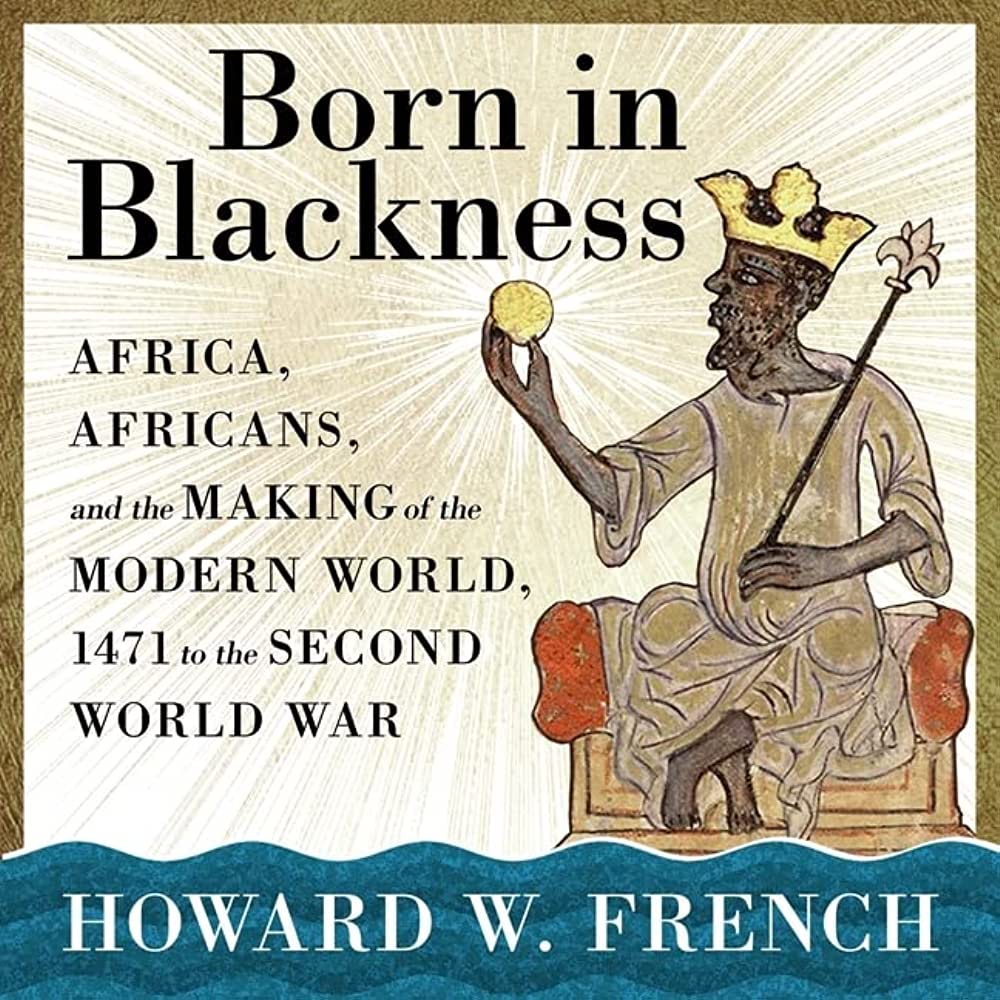
Book — Non-fiction. By Howard W. French. 2021. 521 pages.
This sweeping history reveals a long-concealed history of trivialization and, more often, elision in depictions of African history throughout the last five hundred years.
Continue reading
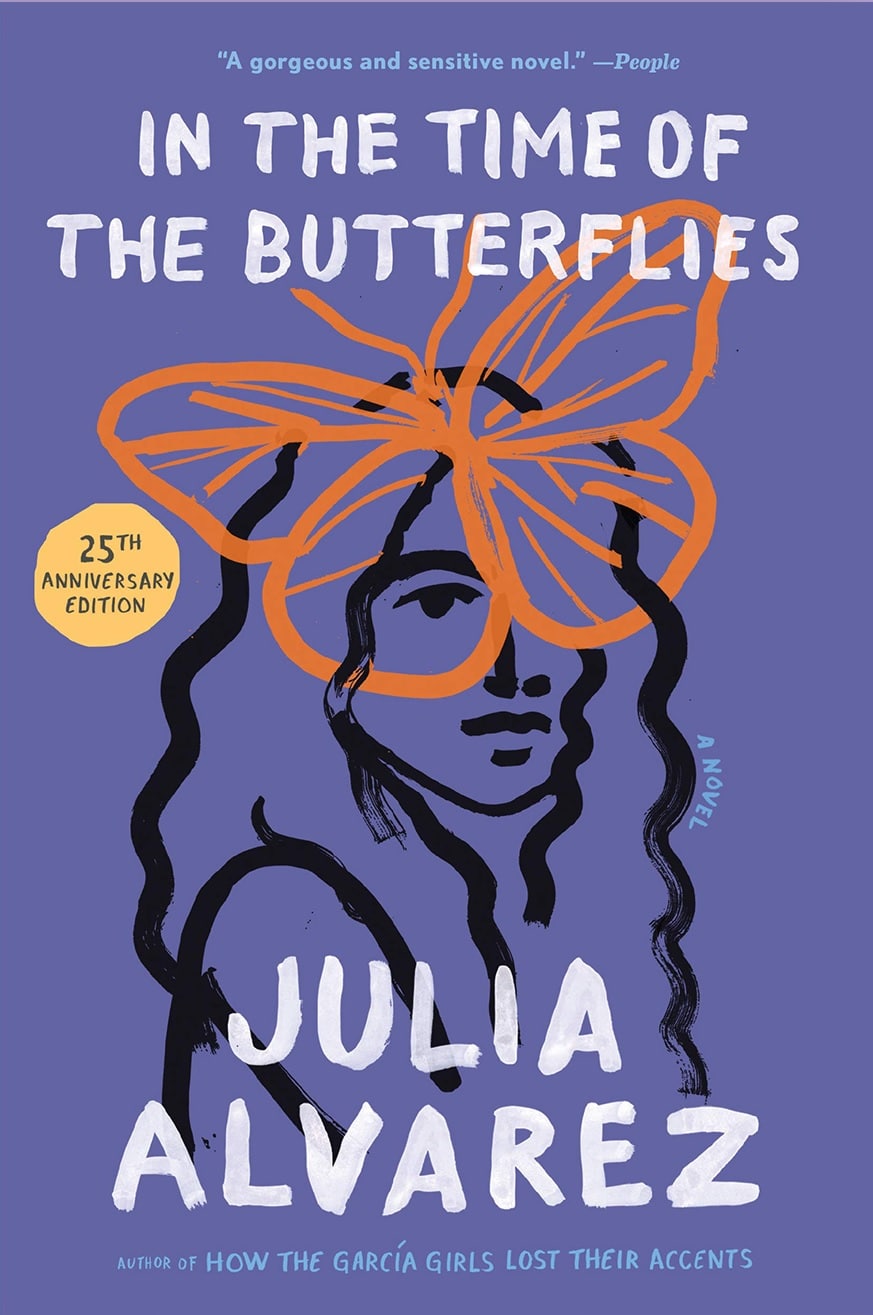
Book — Fiction. By Julia Alvarez. 2010. 352 pages.
The story of Las Mariposas — “The Butterflies” — is about four sisters and their tragic deaths under Trujillo’s dictatorship in the Dominican Republic.
Continue reading
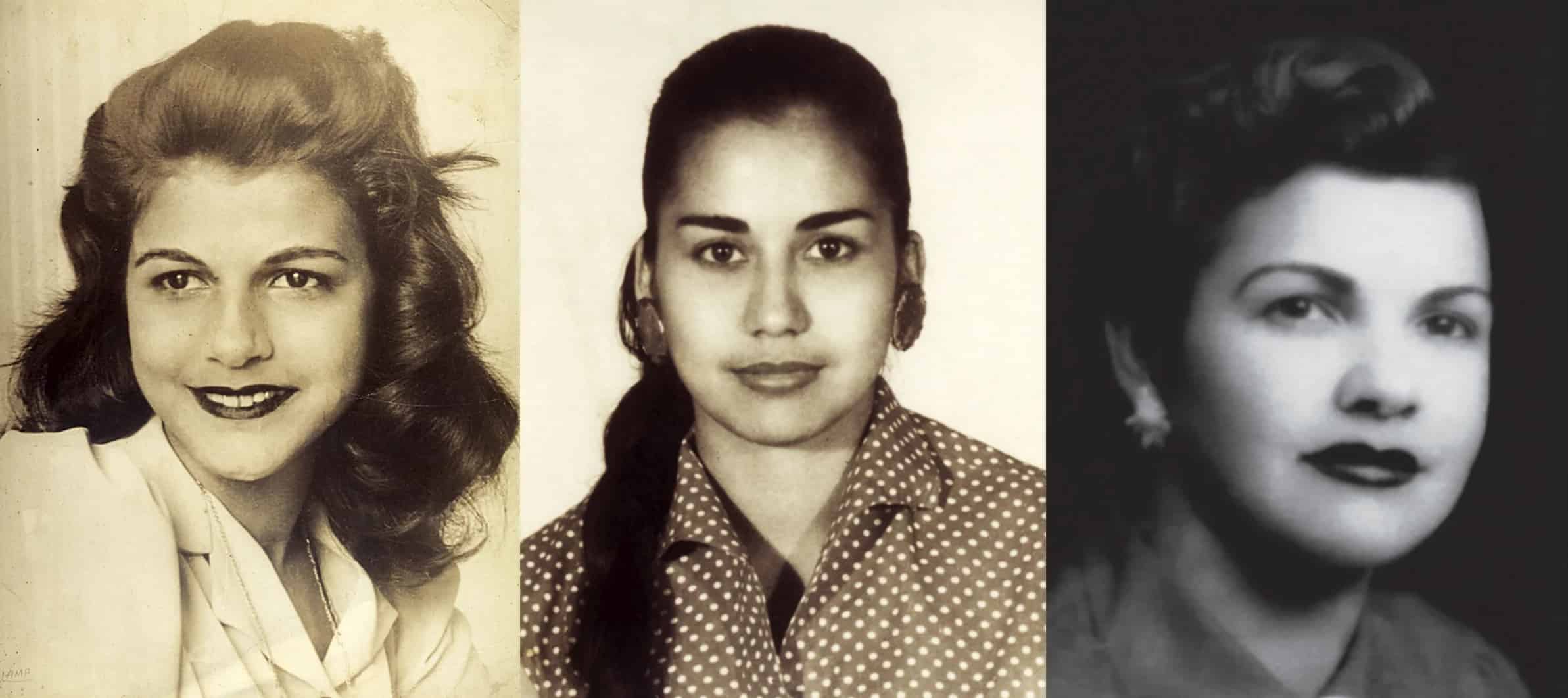
The murder of the Mirabal sisters — who clandestinely opposed the dictatorship of Rafael Trujillo in the Dominican Republic and were then brutally killed — has become an international symbol of resistance to violence against women.
Continue reading
Book — Non-fiction. By Gerald Horne. 2022. 632 pages.
A detailed history of counterrevolutionary forces in Texas state history.
Continue reading
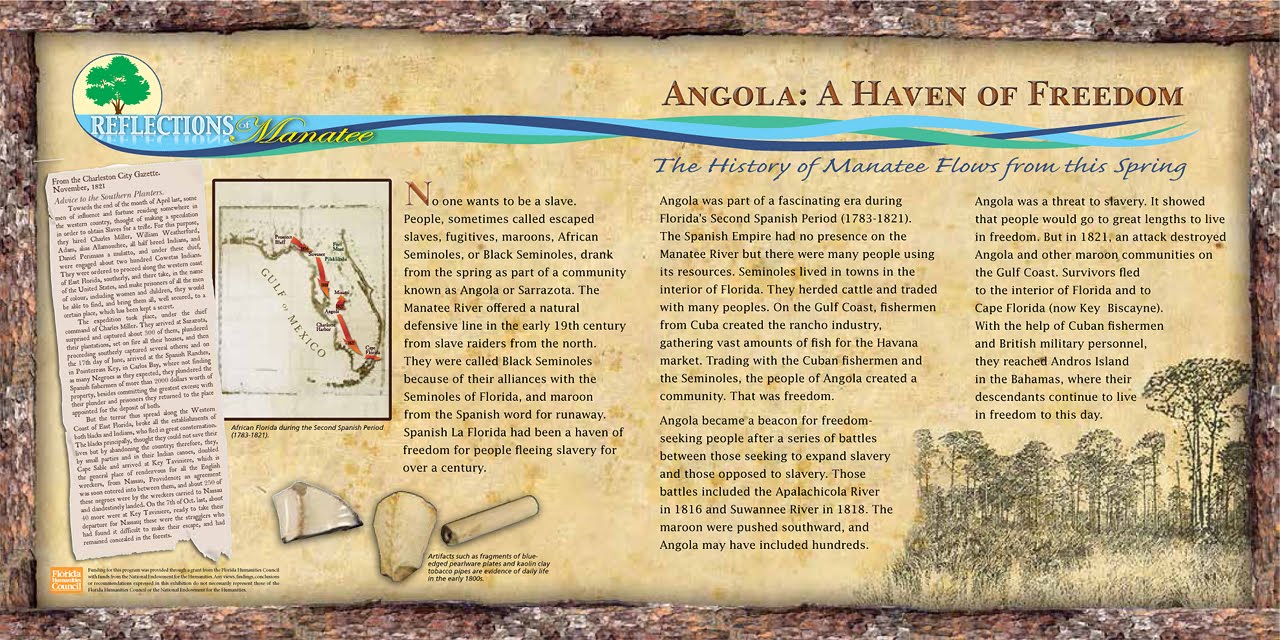
After becoming governor of Florida in 1821, Andrew Jackson attacked the native and Black maroon community at Angola.
Continue reading
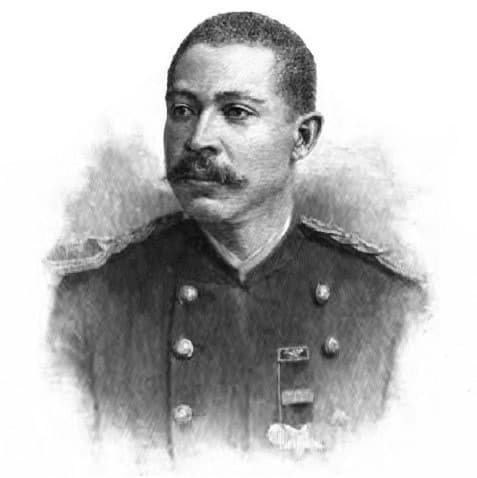
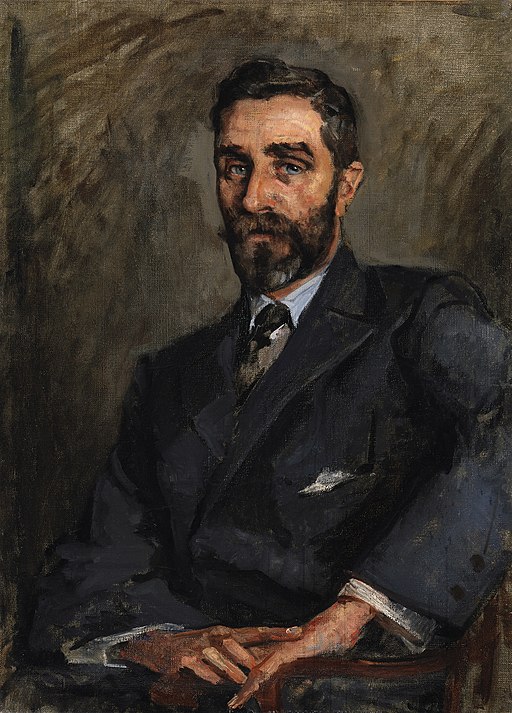
Hoping to spark a movement in protest of the Belgian government’s role in its African colony, historian George Washington Williams wrote an open letter to Belgian King Leopold II exposing atrocities in the Congo.
Continue reading
The Casement Report was delivered before the British Houses of Parliament, providing firsthand accounts of the brutal violence inflicted upon the indigenous people and the land in the Congo Free State by settler colonialists acting on behalf of Belgium’s King Leopold II.
Continue reading
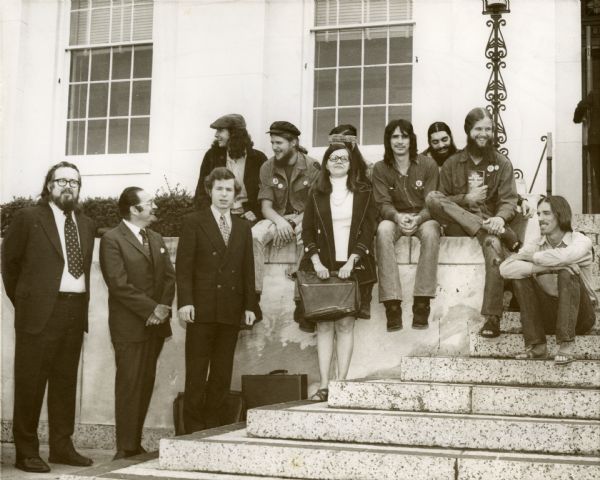
Members of the Vietnam Veterans Against the War (VVAW) were arrested and erroneously charged with inciting violence at the 1972 Republican National Convention in Miami. They were all later acquitted after a lengthy and much publicized trial.
Continue reading
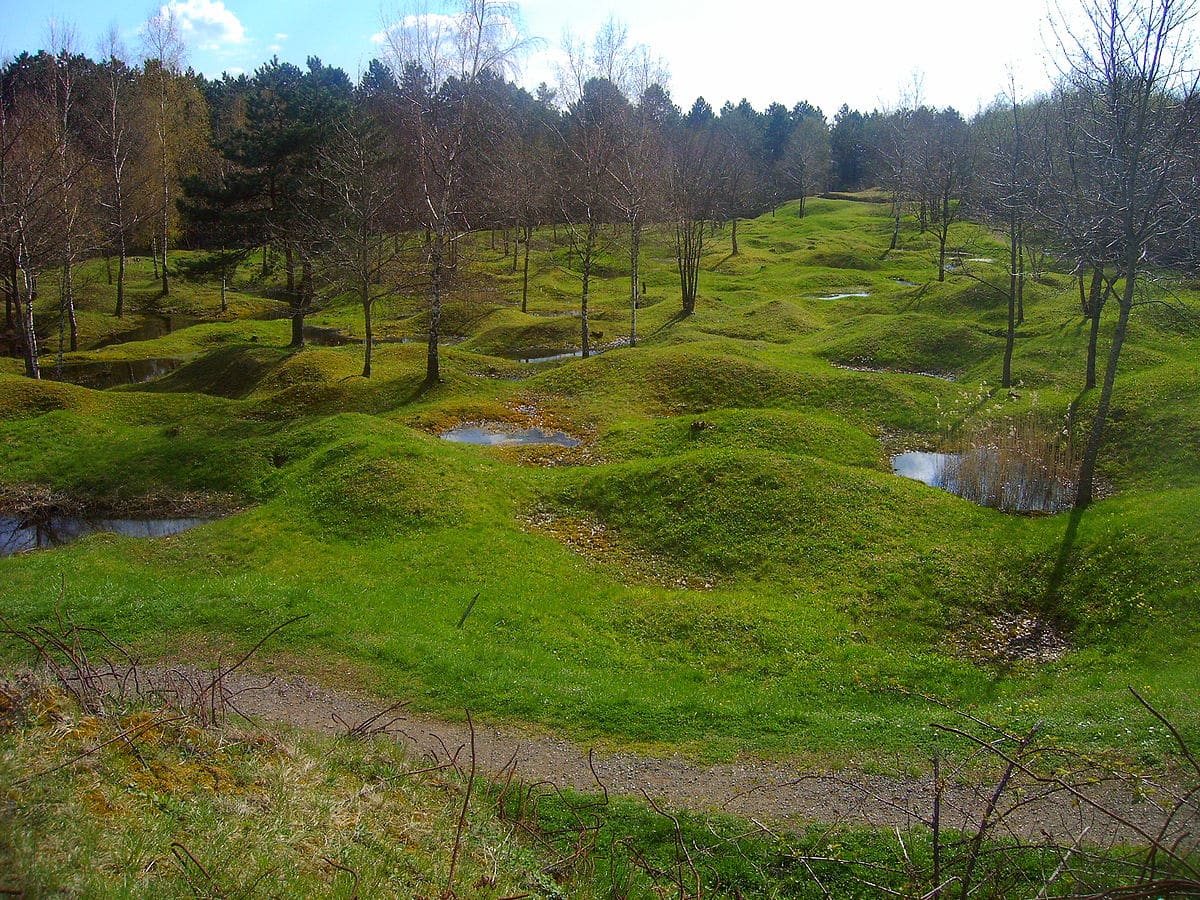
The First World War killed roughly 20 million people. Fighting transitioned from mainly human- and animal-powered to fossil fuel-powered technologies and accessing and protecting fossil fuel supplies became part of sustaining a powerful military. The Earth and the environment have suffered ever since.
Continue reading