Teaching Activity. By Bill Bigelow. 7 pages.
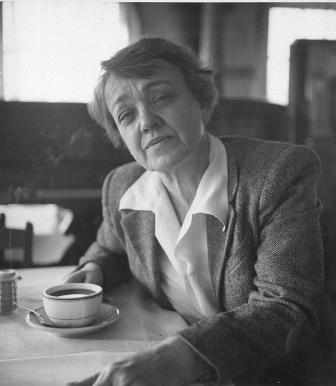
Students read a poignant excerpt from Agnes Smedley's novel, Daughter of Earth, and use it to think and write about how schooling—their own included—teaches lessons about social class.
Continue reading
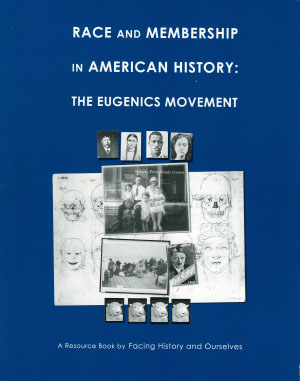
Teaching Guide. 2020. By Alan Stoskopf. Facing History and Ourselves. 374 pages.
Resources for teaching about the eugenics movement in the United States.
Continue reading
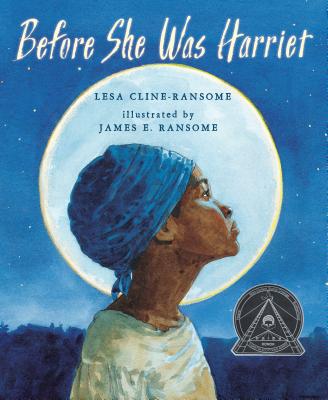
Picture book. By Lesa Cline-Ransome and James E. Ransome. 2017. 32 pages.
An illustrated biography of Harriet Tubman written in verse.
Continue reading
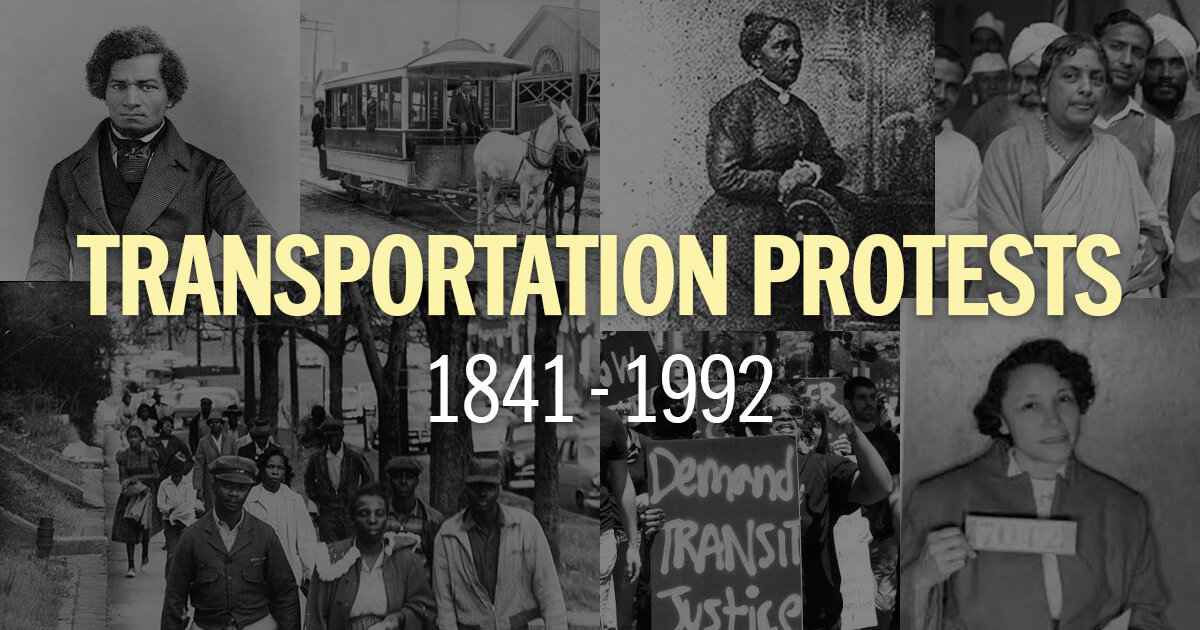
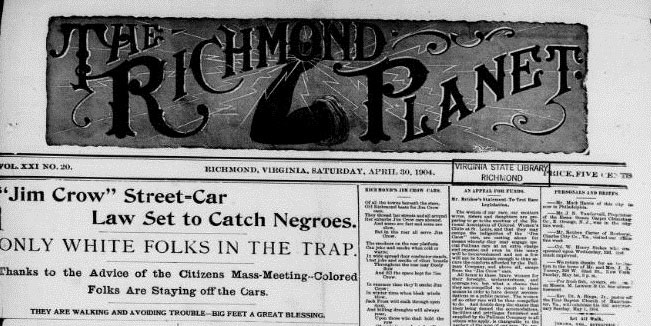
African Americans in Little Rock organized a boycott and “we walk” league to protest the Streetcar Segregation Act.
Continue reading
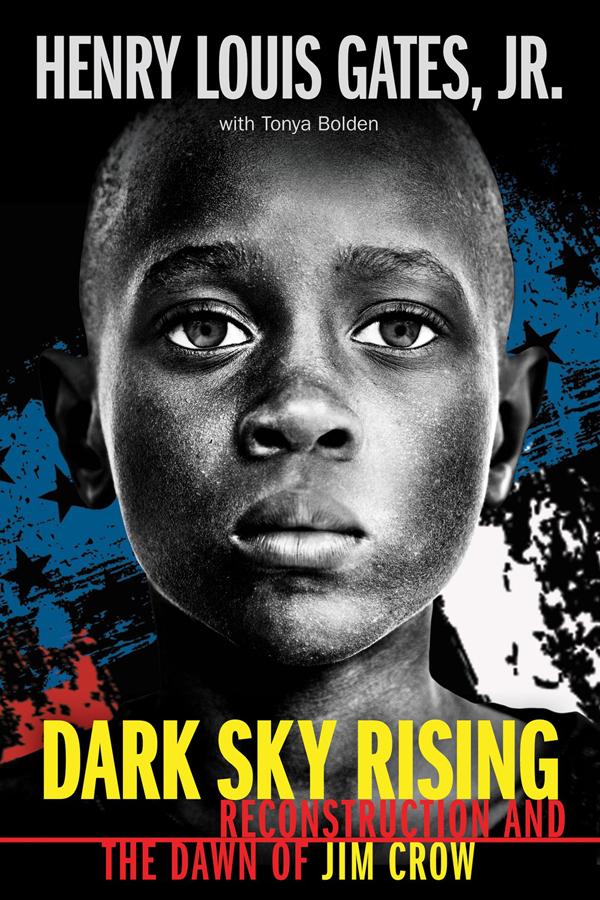
Book — Non-fiction. By Henry Louis Gates Jr. with Tonya Bolden. 2019. 240 pages.
Readers trace the rise and fall of racial equity during Reconstruction as increasingly violent white supremacy and new forms of oppression take hold at the turn of the 20th century.
Continue reading
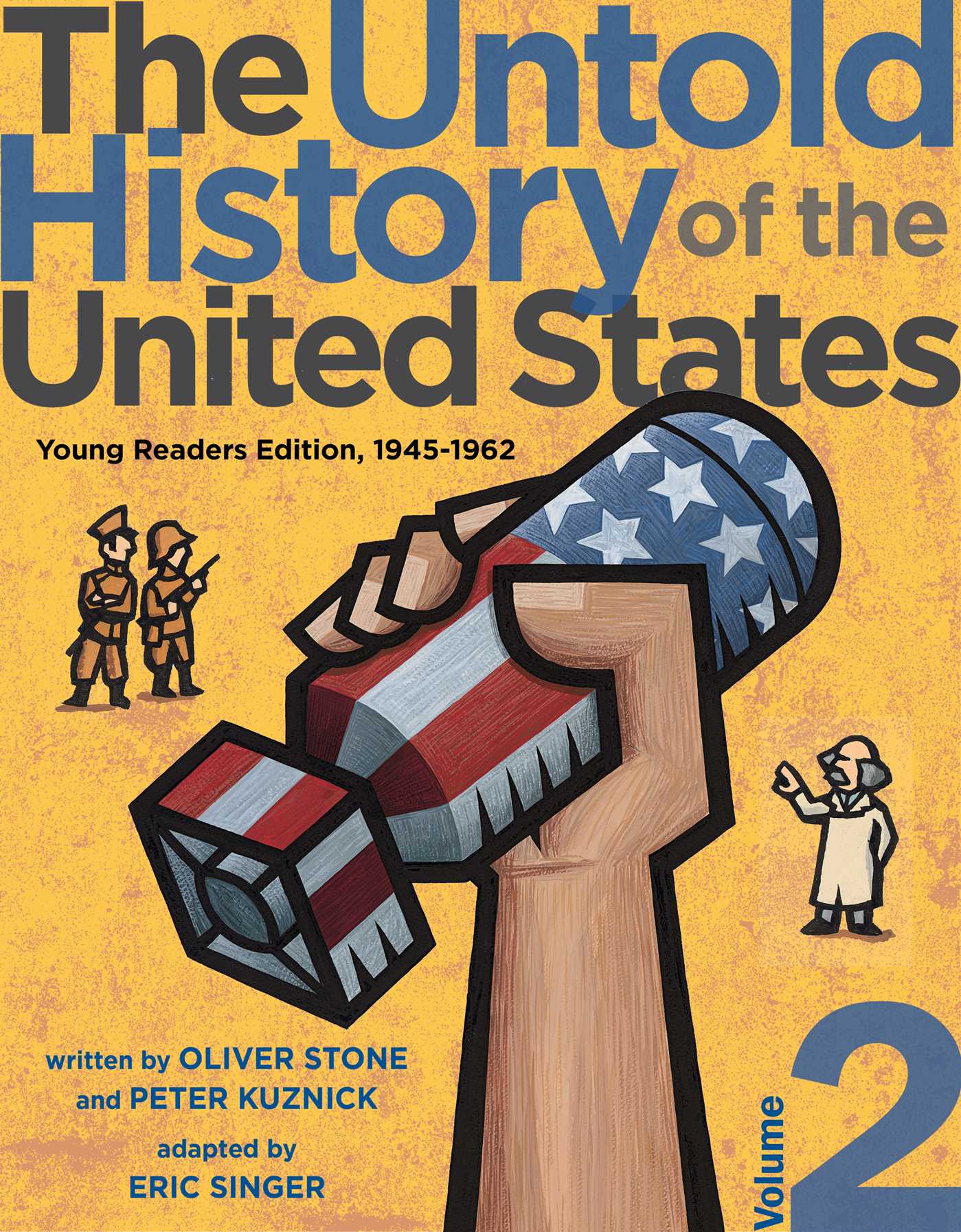
Book — Non-fiction. By Oliver Stone and Peter Kuznick. Adapted by Susan Campbell Bartoletti and Eric S. Singer. Vol 1. 2014. 400 pages. Vol 2. 2019. 320 pages.
These are two volumes of illustrated histories, adapted for students from a documentary book and film of the same name.
Continue reading
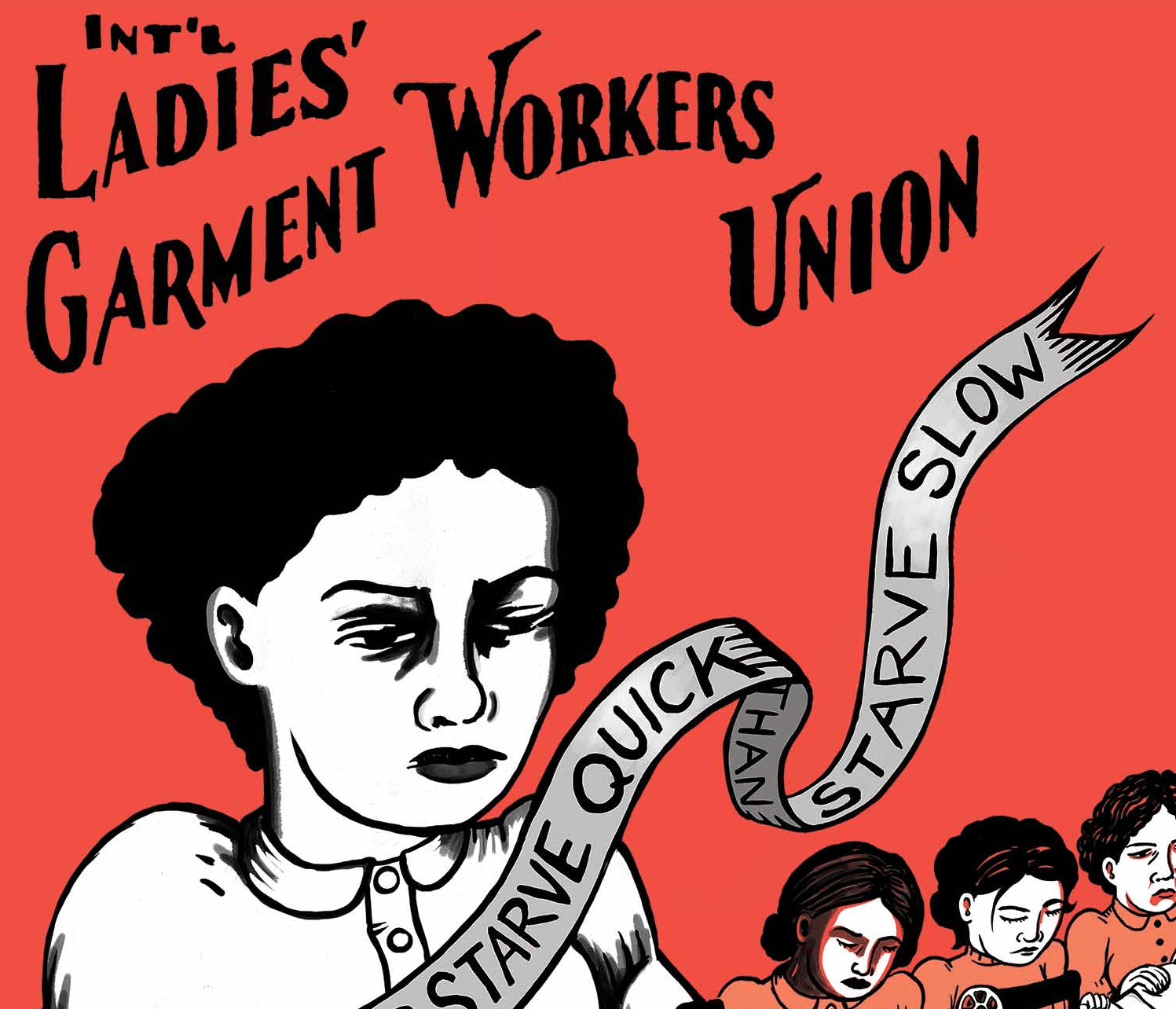
Local 25 of the International Ladies’ Garment Workers’ Union (ILGWU) declared a strike.
Continue reading
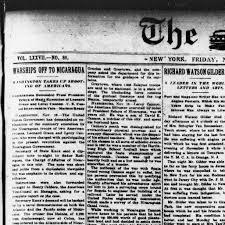
President William Howard Taft ordered U.S. warships to Nicaragua to defend U.S. corporate profits.
Continue reading
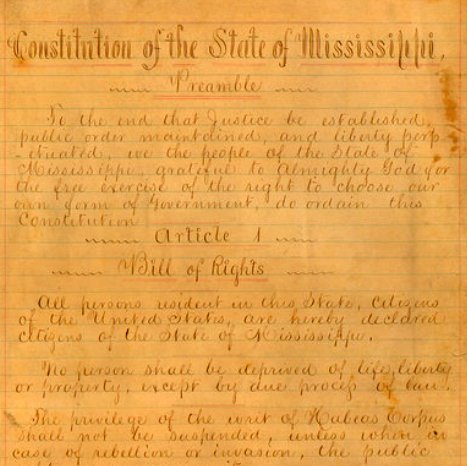
The Mississippi Constitution was one of the first pieces of legislation that provided a uniform system of free public education for children regardless of race.
Continue reading
An unexpected hurricane crashed into the Gulf Coast and devastated Galveston, Texas, leaving thousands of people dead and even more left houseless. The storm’s turmoil and destruction allowed white terror and fraud to flourish.
Continue reading
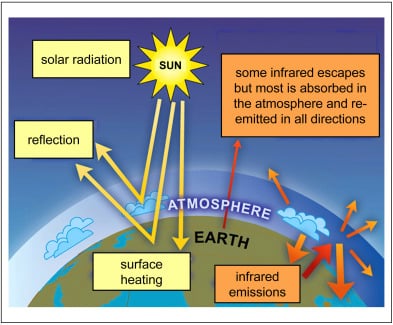
Swedish chemist Svante Arrhenius calculated that burning fossil fuels (coal) will, over time, lead to a hotter Earth. His findings led the way for the emergence of modern climate science and a better understanding of the greenhouse effect.
Continue reading
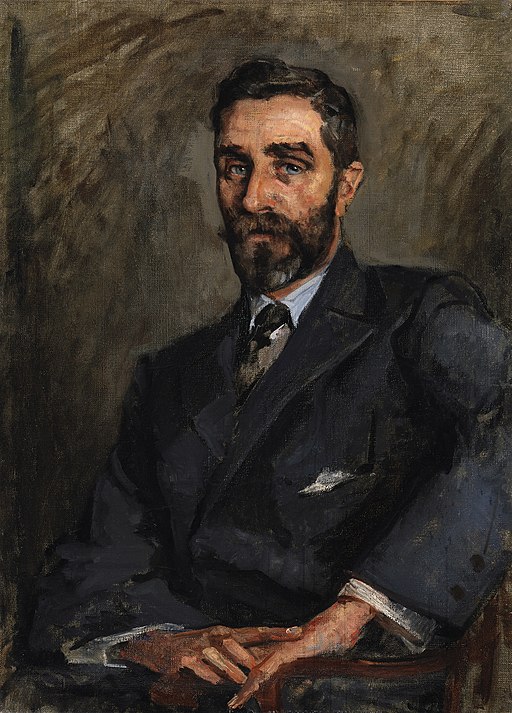
The Casement Report was delivered before the British Houses of Parliament, providing firsthand accounts of the brutal violence inflicted upon the indigenous people and the land in the Congo Free State by settler colonialists acting on behalf of Belgium’s King Leopold II.
Continue reading
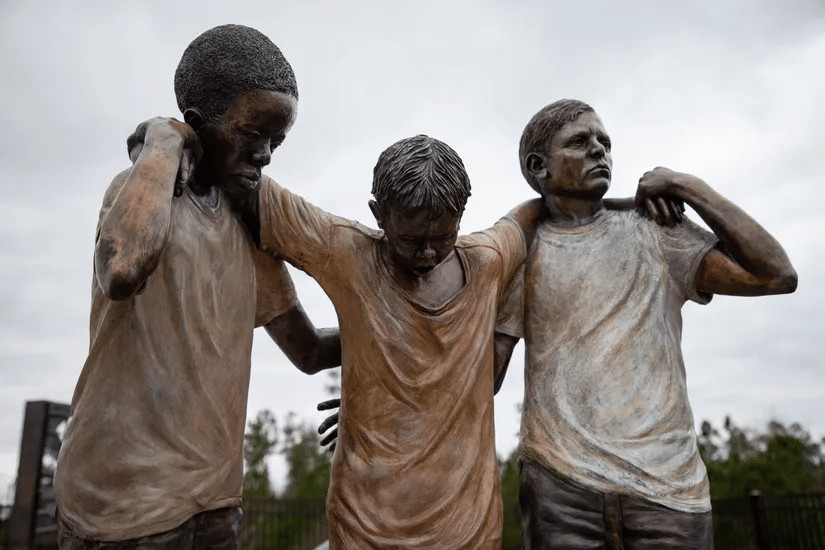
The infamous Arthur G. Dozier School for Boys in Marianna, Florida swirled with allegations of cruelty, rape, and physical abuse for nearly all of its 111 years.
Continue reading
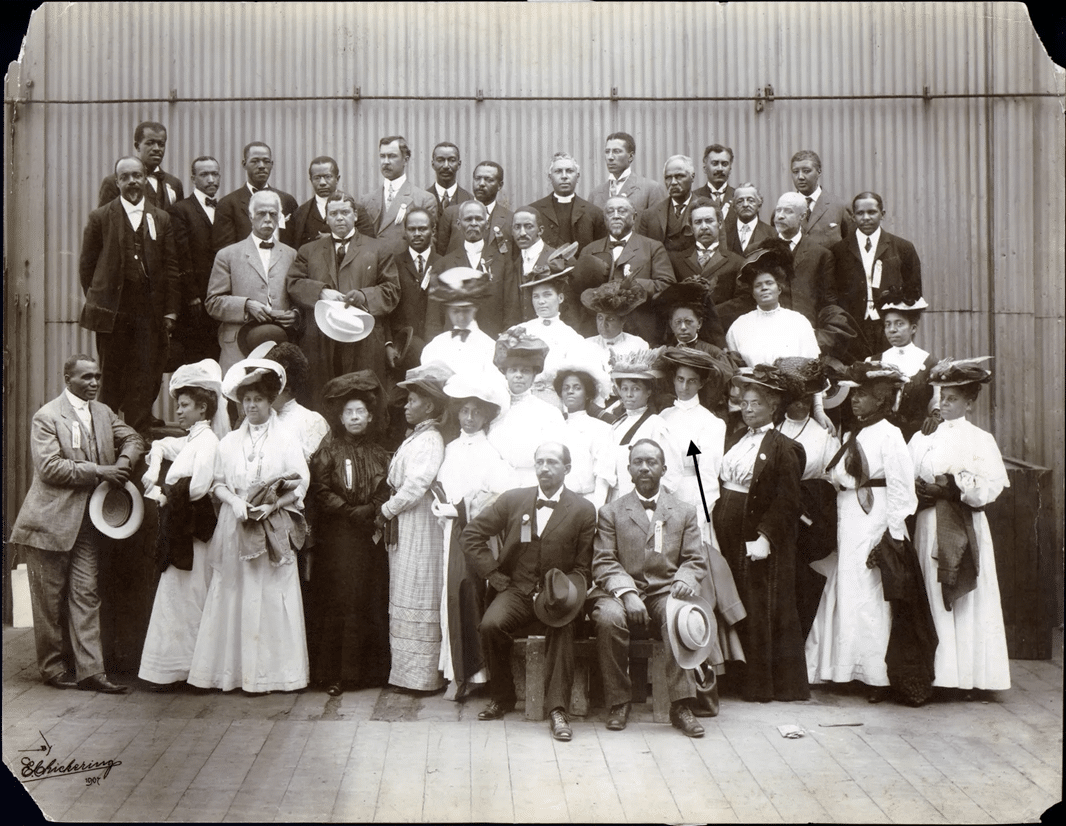
High school teacher, fiction author, and civil rights activist Barbara Pope refused to sit in the ‘colored’ compartment of a train heading from Washington, D.C. to Virginia.
Continue reading
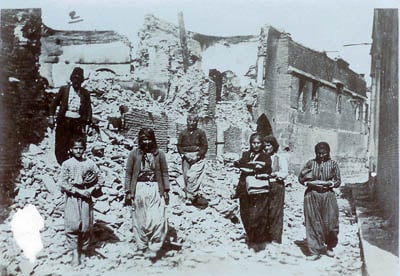
In and around the city of Adana, approximately 20,000 to 25,000 Armenians were tortured and killed by Ottoman Muslims following political unrest in the region.
Continue reading
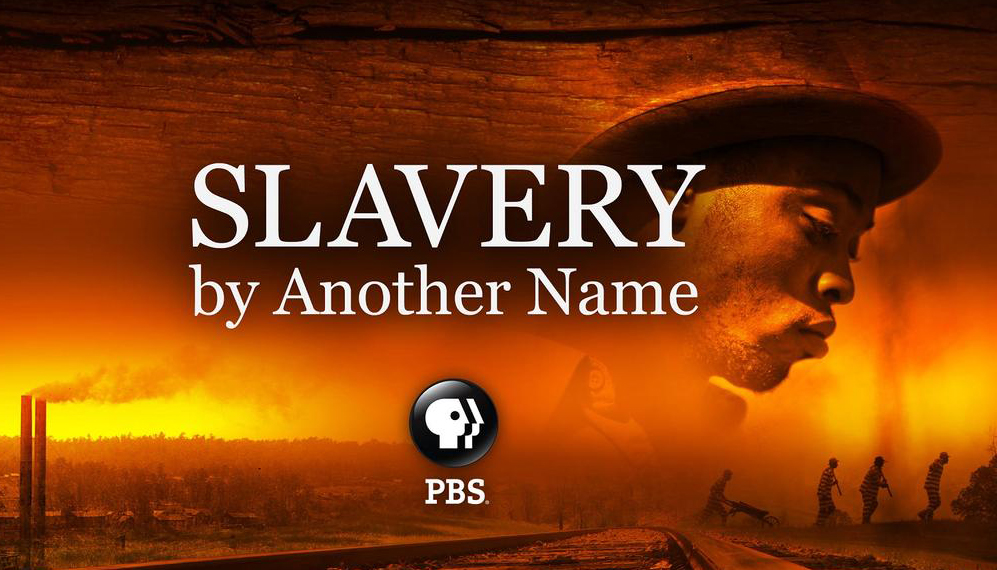
Film. By Sam Pollard, Catherine Allan, Douglas Blackmon and Sheila Curran Bernard. 2012. 90 minutes.
Reveals the interlocking forces in the South and the North that enabled “neoslavery” post-Emancipation Proclamation.
Continue reading
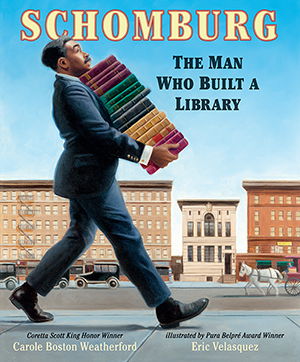
Picture book. By Carole Boston Weatherford and Eric Velasquez. 2017. 48 pages.
This picture book is a tribute to Arturo Schomburg, the Afro Puerto Rican historian collector and activist who chronicled the Black history of the Diaspora.
Continue reading
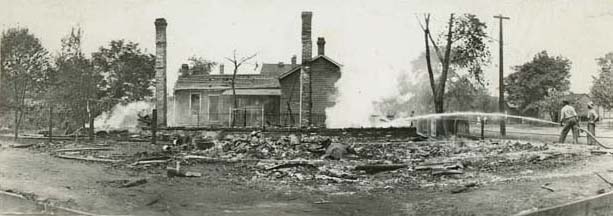
This massacre was committed against African Americans by a mob of about 5,000 white people in Springfield, Illinois.
Continue reading
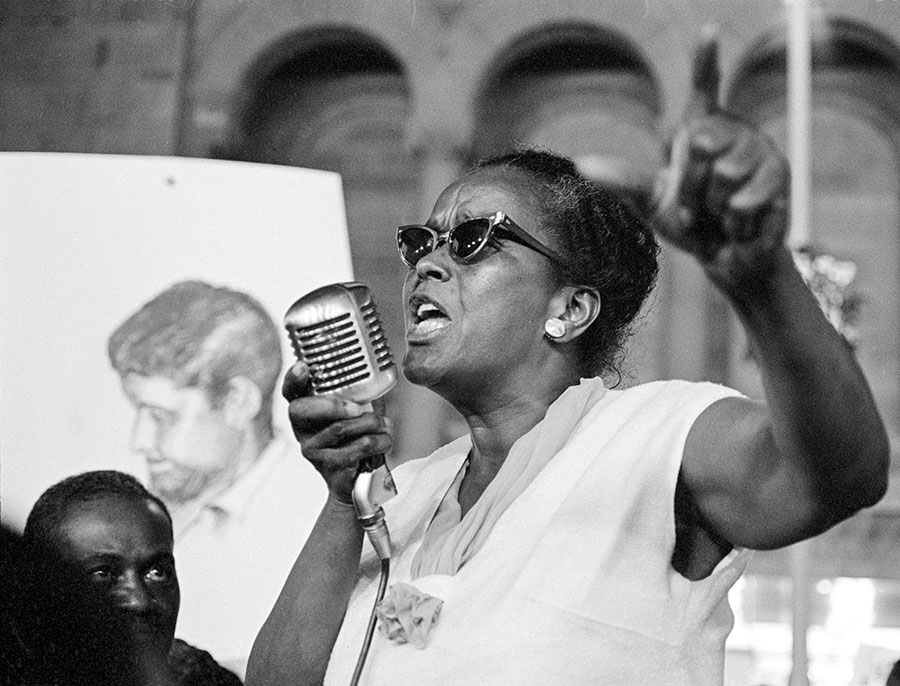
Born on this day, Ella Baker was a civil rights and human rights activist beginning in the 1930s whose career spanned more than five decades.
Continue reading
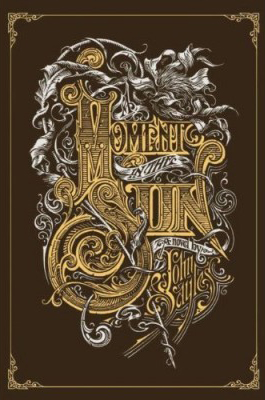
Book — Fiction. By John Sayles. 2011. 955 pages.
Spanning five years and half a dozen countries, Sayles' novel of historical fiction paints a picture of the late 1890s — from the racist coup in Wilmington, North Carolina, to the bloody dawn of U.S. interventionism in Cuba and the Philippines.
Continue reading
Teaching Activity. By Learning for Justice.
Introduces students to the role of the labor movement in securing contemporary benefits such as the 40-hour work week, the minimum wage, and workplace safety regulations.
Continue reading
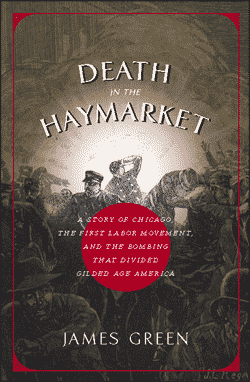
Book — Non-fiction. By James Green. 2007. 400 pages.
History of the late 19th century labor movement.
Continue reading
Teaching Activity. By Mike Benbow and Robin Pickering. 17 pages.
Questions and teaching ideas for Chapter 18 of Voices of a People's History of the United States on opposition to the Vietnam War.
Continue reading
Teaching Activity. By John DeRose. Rethinking Schools. 4 pages.
Analysis of textbook passages from different countries, videos and books are used to explore different perspectives about the same event in history, i.e. "Philippine-American War" vs. "War of Philippine Independence."
Continue reading