
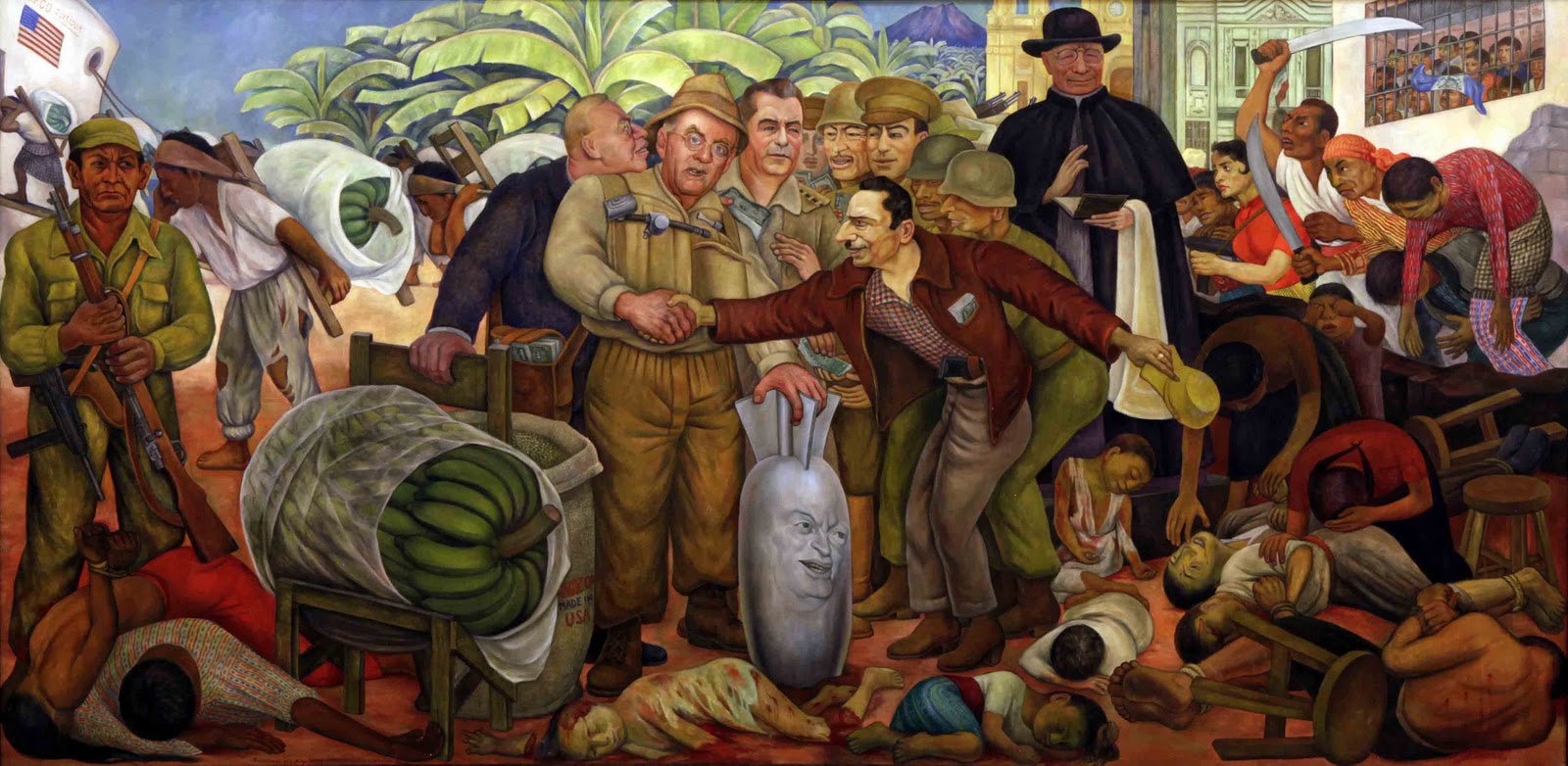
This painting by Diego Rivera, “Gloriosa Victoria,” tells the story of the 1954 overthrow of the democratically elected Jacobo Arbenz gov’t. Coup Colonel Carlos Castillo Armas greets secretary of state John Foster Dulles, who holds a bomb with the face of Eisenhower, surrounded by people who were murdered in the coup. To his left is U.S. ambassador John Peurifoy with military officers and CIA director Allen W. Dulles whispering in his brother’s ear. On the right, the archbishop of Guatemala, Mariano Rossell Arellano blesses the act, while Guatemalans protest.
Imperialism. When one nation bullies and attempts to rule another. From the American colonies’ wars against Indigenous nations, to the war on Mexico (1846–1848), to the occupation of Haiti (1915–1934), to the U.S.-engineered coups in Iran (1953) and Guatemala (1954), the decades in Vietnam, Cambodia, and Laos — right up to the recent kidnapping of the leader of Venezuela and Trump’s declaration that “We will run the country,” to the current U.S.-Israeli war against Iran, it has been part of this nation’s DNA. When young people learn a people’s history, they learn the legacy of imperialism — as well as organized resistance.
As we equip students to understand today’s immoral and illegal U.S. interventions, let’s frame these actions in terms of the much longer history of U.S. efforts to control other people’s lives and resources. Here, we highlight a few teaching resources.
 |
Why Did the United States Invade Venezuela? Student InquiryBy Jesse Hagopian Students are invited to explore competing explanations for U.S. intervention in Venezuela and then develop their own hypothesis. |
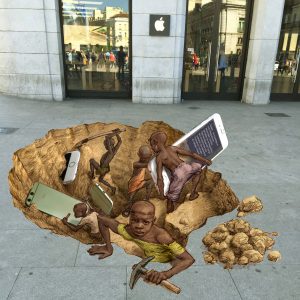 |
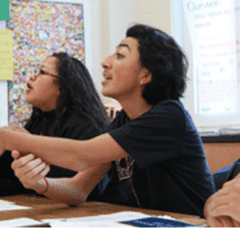
Congo, Coltan, and Cell Phones: A People’s HistoryBy Alison Kysia Students learn about the colonial history of Congo, debate responsibility for crimes against humanity, and investigate the connection, past and present, between the exploitation of natural resources and violence. |
 |
The People vs. Columbus, et al.By Bill Bigelow with contributions from members of the Taíno community In this mock trial, students determine who is responsible for the death of millions of Taínos on the island of Hispaniola in the late 15th century. |
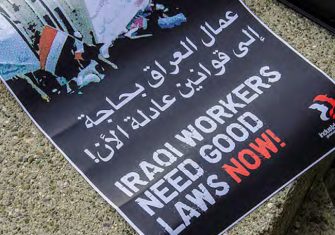 |
Greed as a Weapon: Teaching the Other Iraq WarBy Adam Sanchez A role play investigating the economic consequences of the U.S. occupation of Iraq. |
 |
Subversives: Stories from the Red ScareBy Ursula Wolfe-Rocca In this mixer lesson, students meet 27 different targets of government harassment and repression to analyze why disparate individuals might have become targets of the same campaign, determining what kind of threat they posed in the view of the U.S. government. This included people who challenged U.S. imperialism. |
| More Lessons | Teaching Guides |
If We Knew Our History: Textbooks on Imperialism
In Disguising Imperialism: How Textbooks Get the Cold War Wrong and Dupe Students, high school teacher Ursula Wolfe-Rocca offers a sharp textbook critique that is useful for staff and student discussions. Here is an excerpt.
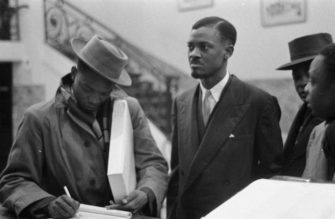
Patrice Lumumba (center), at the 1960 round table conference in Brussels to discuss Congo’s independence. Source: Wikicommons.
The dominant periodization of U.S. history — in most textbooks and curricula — would have us learn something called “Westward Expansion,” separately from “U.S. Imperialism,” separately from “The Cold War.” In reality, these are better understood as a continuum. The political, economic, racial, and religious rationales used to justify the theft of Native land on this continent were the very same trotted out in 1893 and 1898 to steal the faraway lands of Hawaii, the Philippines, Puerto Rico, and Guam.
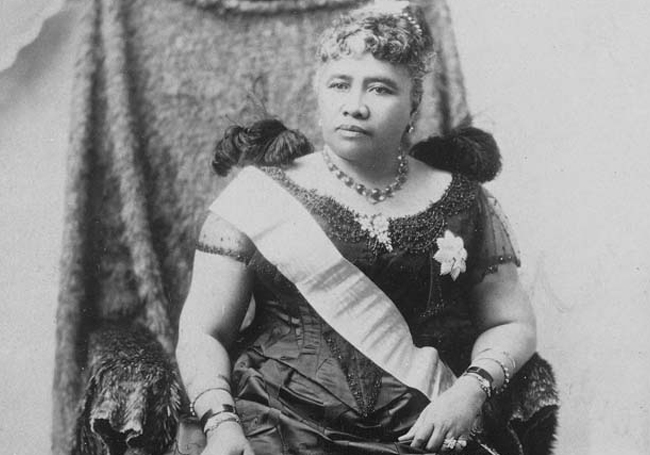
The same insatiable greed for resources that led U.S. sugar barons to overthrow Queen Lili‘uokalani also fueled United Fruit’s seizure of land across Central America and its collaboration with the CIA to install business-friendly regimes there. U.S. imperialism cannot be neatly periodized; it is not an era to be bounded by the pages of a chapter. As long as the drive for profits remains paramount to U.S. foreign policy, imperialism will be central to the very existence of the United States.
And by failing to teach the Cold War as imperialism, we also miss an opportunity to highlight the resistance that was at its heart.
News Coverage
For contemporary news coverage, we recommend following Democracy Now!, including their stories on Venezuela.
More Resources
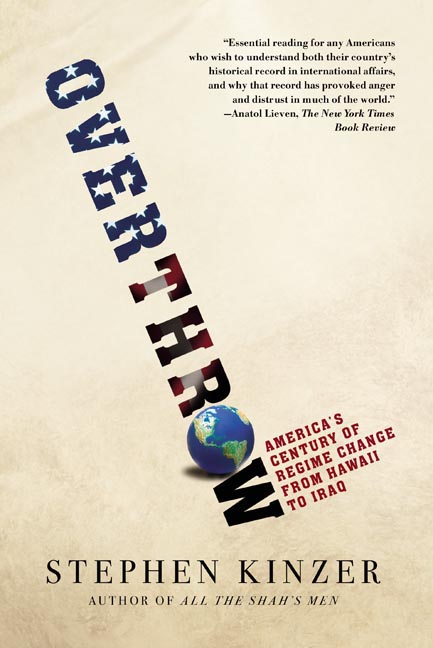
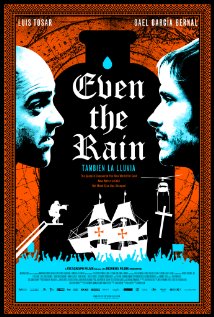
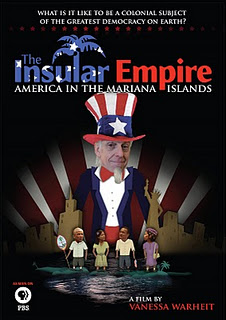
See additional lessons, books, articles, and films below.

Twitter
Google plus
LinkedIn