Teaching Activity. By Bill Bigelow and Linda Christensen. Rethinking Schools. 3 pages.
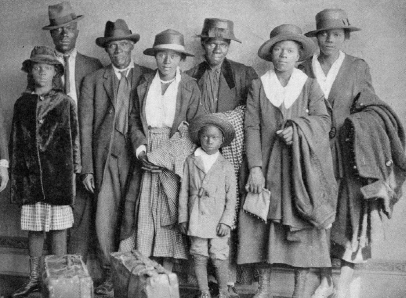
Empathy, or "social imagination," allows students to connect to "the other" with whom, on the surface, they may appear to have little in common.
Continue reading
Teaching Activity. By Bill Bigelow. Rethinking Schools. 8 pages.
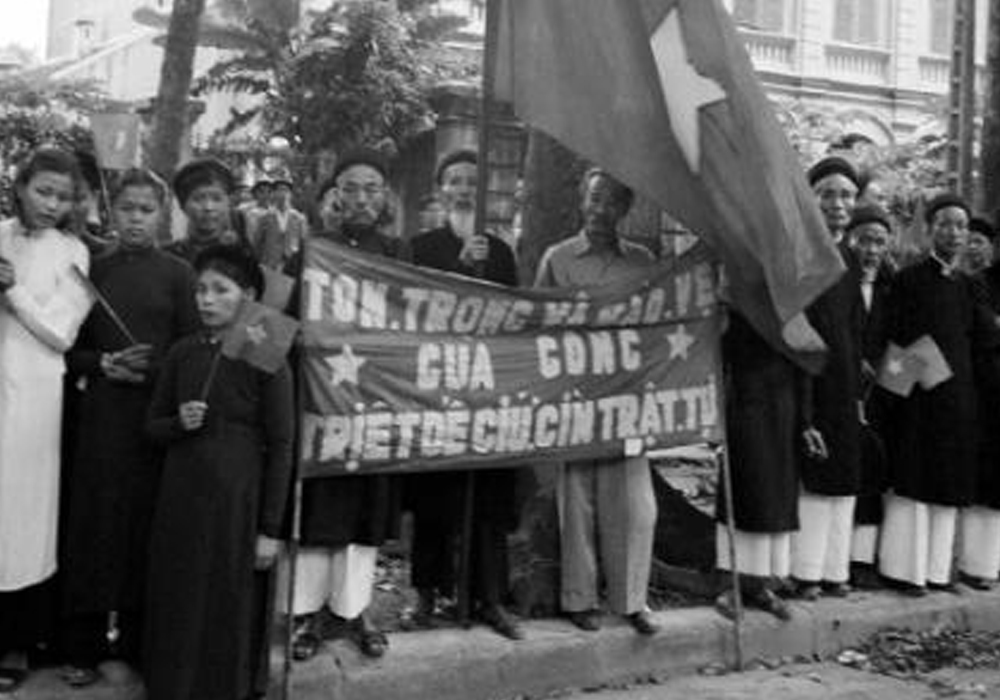
A role play on the history of the Vietnam War that is left out of traditional textbooks.
Continue reading
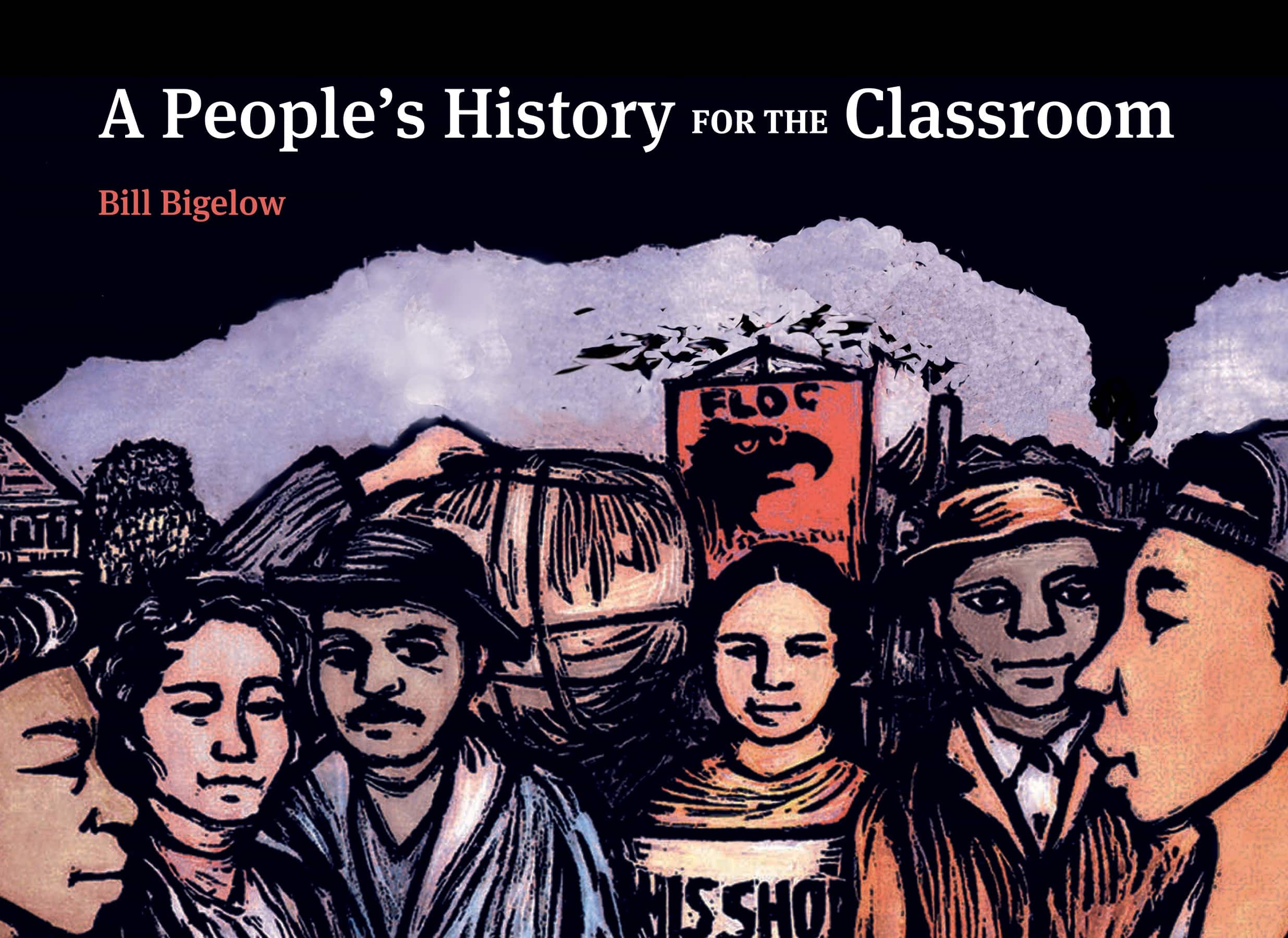
Teaching Guide. By Bill Bigelow. Rethinking Schools. 2008. 120 pages.
Lessons to introduce students to a more accurate, complex, and engaging understanding of U.S. history than is found in traditional textbooks and curricula. Published by Rethinking Schools.
Continue reading
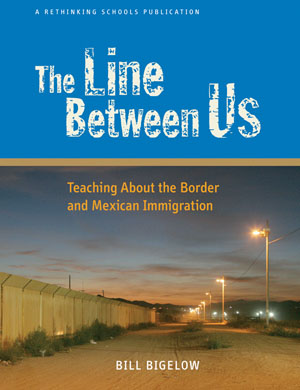
Teaching Guide. By Bill Bigelow. 2006. 160 pages. Rethinking Schools.
Lessons for teaching about the history of U.S.–Mexico relations and current border and immigration issues.
Continue reading
Teaching Guide. By Bill Bigelow and Norm Diamond. 1988. 184 pages.
Role plays and writing activities project high school students into real-life situations to explore the history and contemporary reality of employment (and unemployment) in the U.S.
Continue reading
Article. By Bill Bigelow and Norm Diamond. 1988.
Teaching insights and introduction to using The Power In Our Hands curriculum book.
Teaching Activity by Bill Bigelow and Norm Diamond
Continue reading
Teaching Guide. Edited by Bill Bigelow and Bob Peterson. Rethinking Schools. 2003. 192 pages.
Readings and lessons for grades 5 to 12 about the impact and legacy of the arrival of Columbus in the Americas.
Continue reading
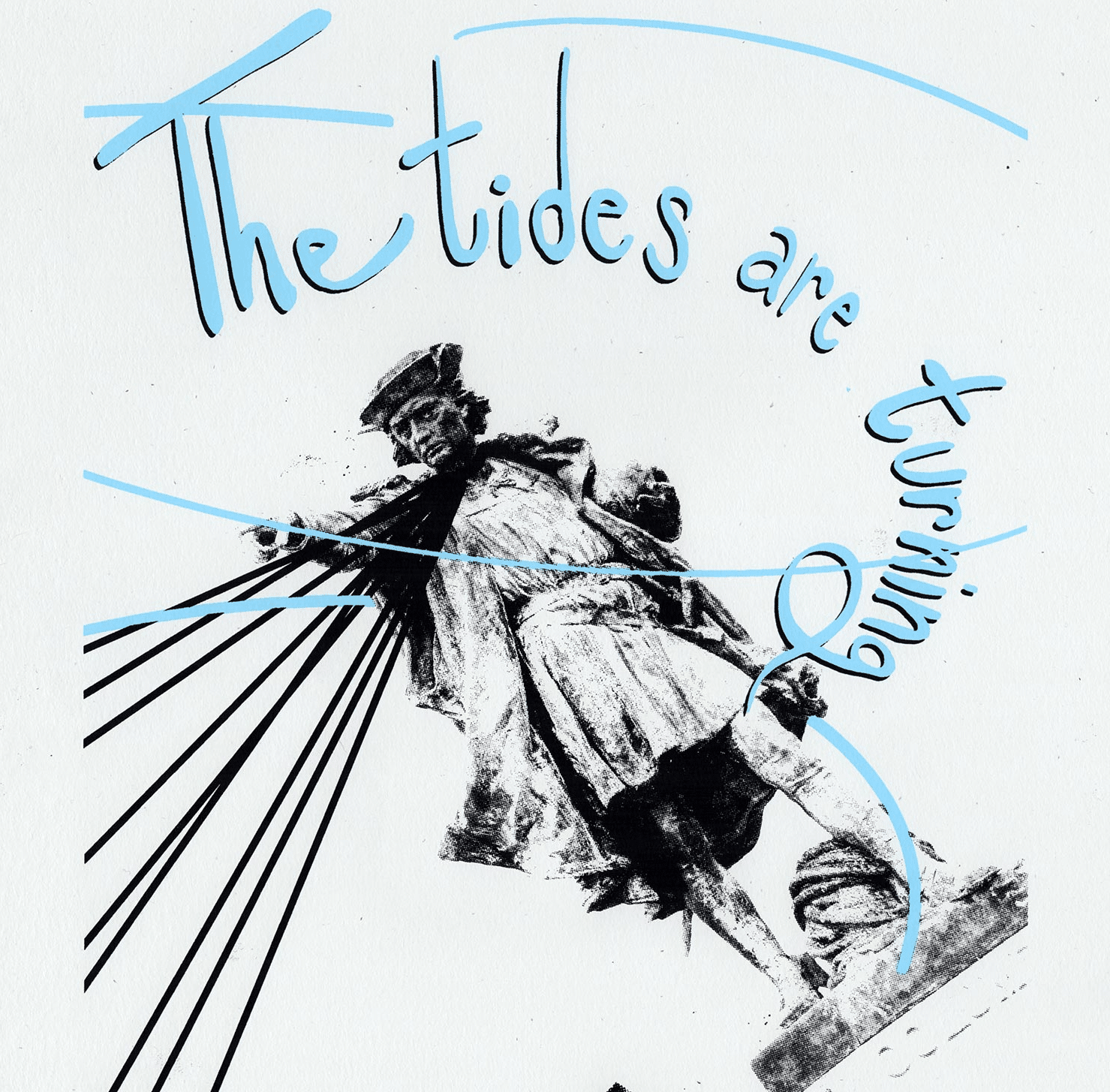
Teaching Activity. By Bill Bigelow. Rethinking Schools. 6 pages.
How to engage students in a critical analysis of the textbook version of "discovery."
Continue reading
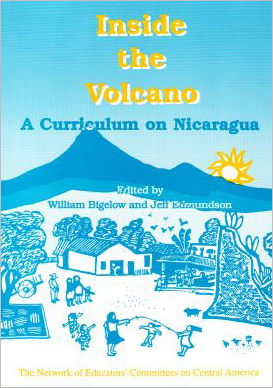
Teaching Guide. Edited by Bill Bigelow and Jeff Edmundson. 1990. 130 pages.
Fourteen interactive lessons on the history of Nicaragua.
Continue reading
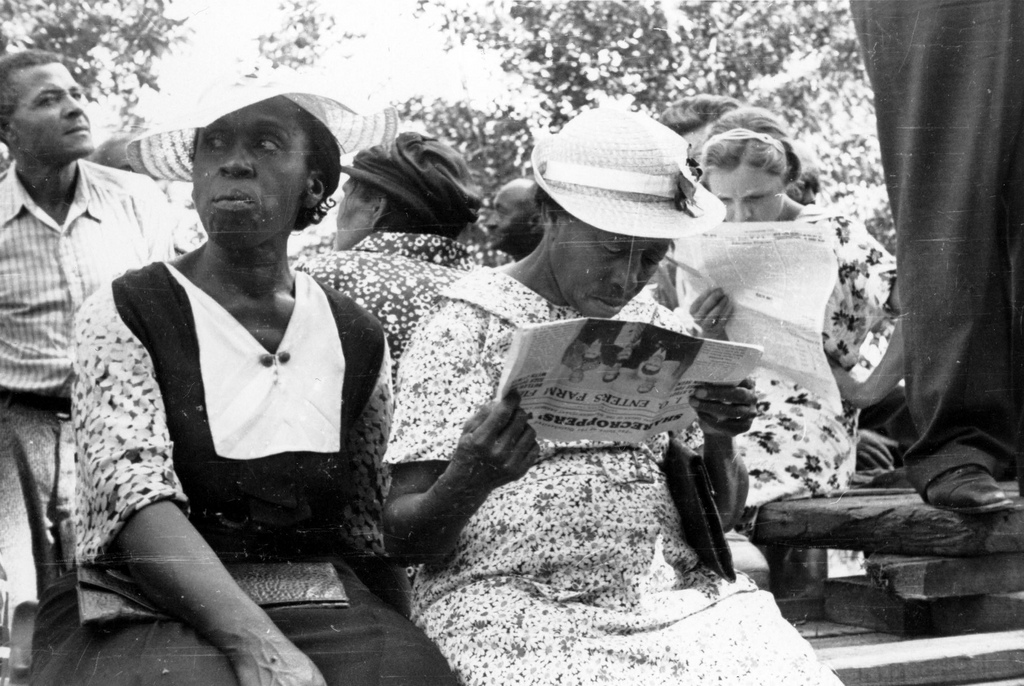
The Southern Tenant Farmers Union broke away from a larger organization and became a racially integrated workers union.
Continue reading
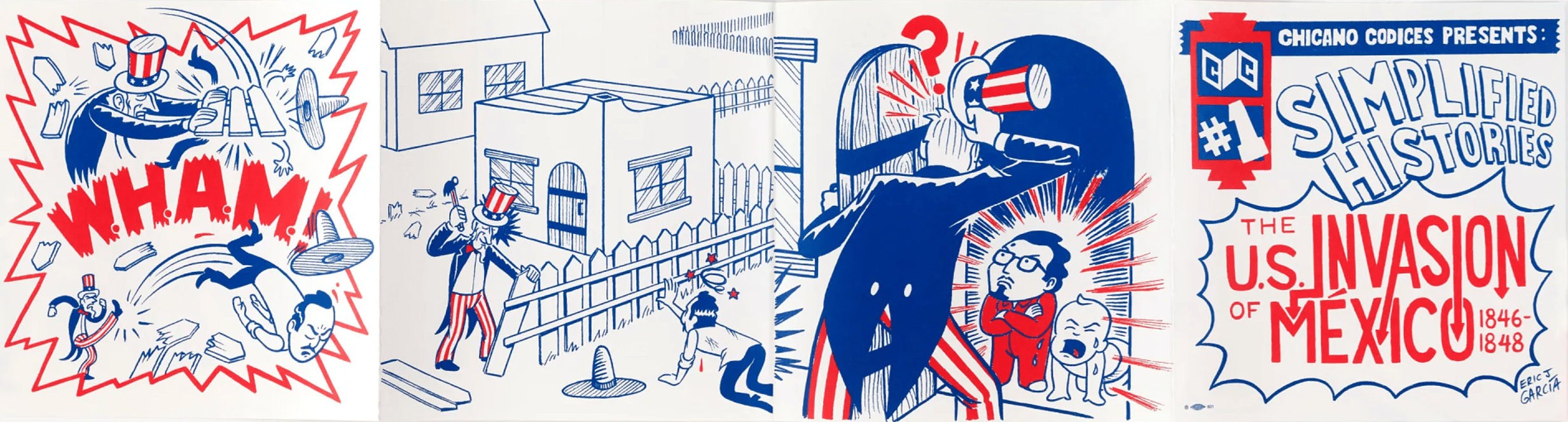
Today’s border with Mexico is the product of invasion and war. Grasping some of the motives for that war and some of its immediate effects begins to provide students the kind of historical context that is crucial for thinking about the line that separates the United States and Mexico.
Continue reading