
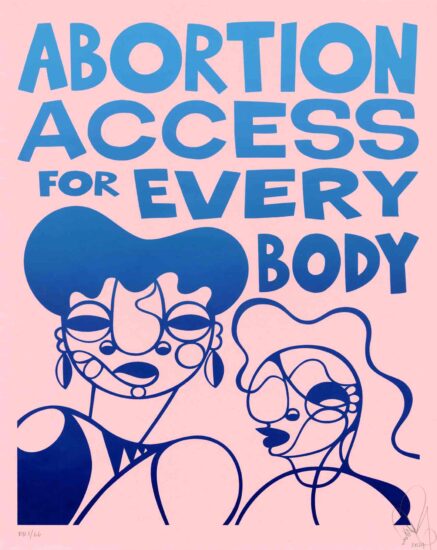
“Abortion Access for Every Body” by Favianna Rodriguez. Source: Justseeds Artists’ Collective
On June 24, 2022, the U.S. Supreme Court overturned Roe v. Wade in Dobbs v. Jackson Women’s Health Organization, ending the federal constitutional right to abortion.
Since then, many states have enacted abortion bans and restrictions, forcing patients to travel long distances for care and increasing reliance on medication abortion (most commonly using mifepristone and misoprostol), telehealth, abortion funds, and mutual aid networks.
Wesley Hogan, author of People’s History of Abortion Care in the United States, shared the essay below on how Dobbs revived dormant “zombie laws” that threaten bodily autonomy, while also inspiring new forms of collective care and resistance.
In the Aftermath of the Dobbs Decision
By Wesley Hogan
“Zombie laws” are federal and state laws still on the books, but currently not enforceable. They’re laws from an earlier time that no one has bothered to repeal. These include South Carolina’s state law that you can’t play pinball if you’re under 18, and California’s Fish and Game code that prohibits anyone from eating frogs competing in a frog-jumping contest.
Zombie laws aren’t just odd historical relics, though; they often reveal prejudices of an earlier era. Some demand school segregation, or restrict marriage to heterosexuals, or restrict houses from being sold from whites to Black people, Native Americans, or immigrants.
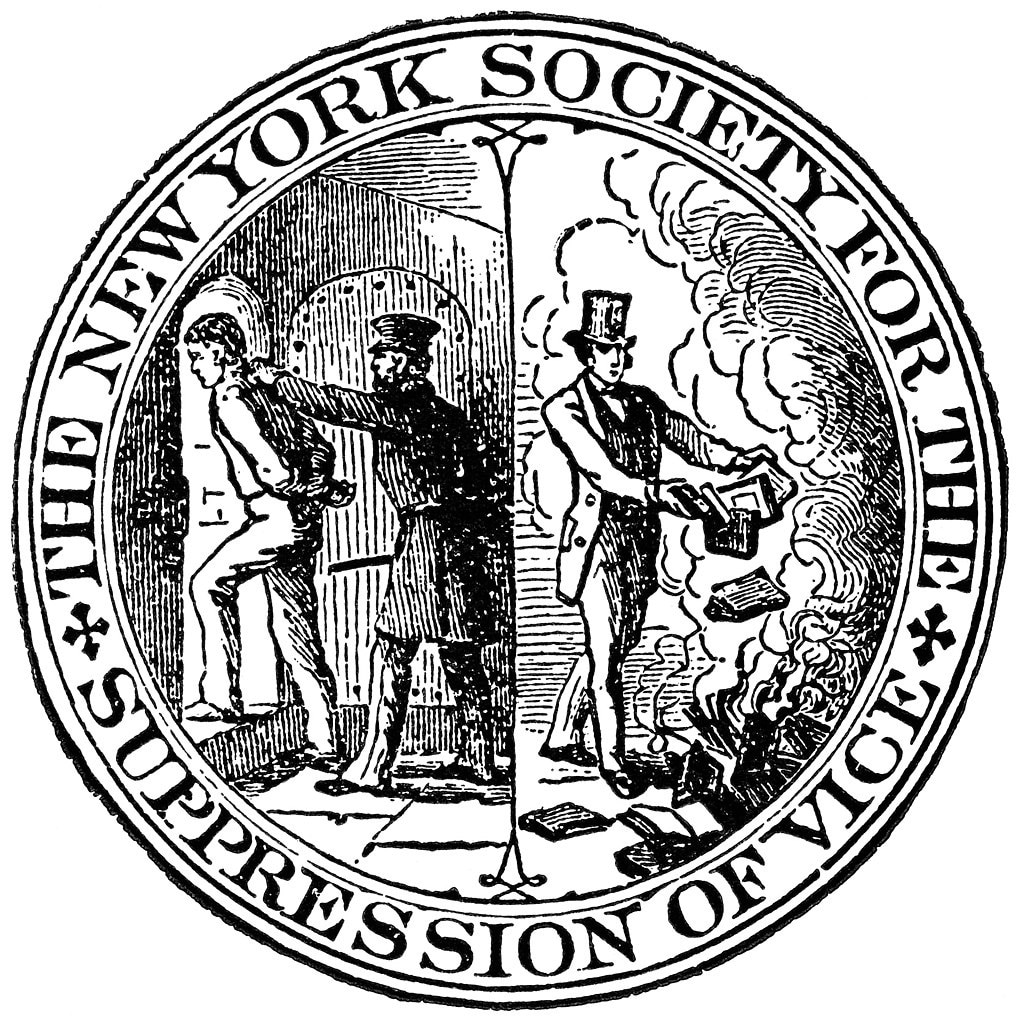
In the aftermath of Dobbs, zombie laws that restrict body autonomy are suddenly popping up, threatening a second life. These earlier laws prohibited gay marriage, sodomy, and abortion, and now menace equal access to basic human rights. Supreme Court Justice Clarence Thomas’ 2022 opinion concurring with Dobbs explicitly referenced Obergefell, the court case legalizing gay marriage, as newly vulnerable by the same logic the Court used to overturn Roe. Thomas rose up with a second zombie law threat in May 2026 in his dissent in the mifepristone decision (Danco Laboratories v Louisiana): “It is a criminal offense to ship mifepristone for use in abortions. The Comstock Act bans using ‘the mails’ to ship any ‘drug . . . for producing abortion.’” He writes that the makers of abortion medication are involved in a “criminal enterprise . . . commit[ing] crimes.” Comstock, a zombie law preventing sending pornography through the mail, has not been used to prosecute anything for a century, except those trafficking in child pornography. Further, Comstock specifically exempts any medications listed when prescribed by a doctor.
Yet as ever, intensifying repression generates fresh forms of mutual aid and innovation. Particularly in the South, people are taking care of one another in ban states. Discreetly sharing information, helping one another, and forming stronger community ties, their work lies just out of sight, underneath the brutal public story of Dobbs. In Louisiana, Georgia, Alabama and Texas, women of color are leading reproductive justice mutual aid groups like the Louisiana Abortion Fund, Southerners on New Ground, Bloodys Red Tijuana, and Sister Song.
In ban states across the country, reproductive care providers are flying or driving three to eight hours to enter access states to care for their hometown patients in territory where it is legal, and to keep their skills in place for the day when they can use them again on home turf. Journalists from the South like Savannah Tryens-Fernandes and Kavitha Surana risk their safety to tell stories all people living in abortion ban states need to hear.
Some of this quiet network roots itself in anger: people have to figure out who to blame and who to fight when their humanity is so badly trampled. Yet perhaps more noteworthy is the fact that those who carry the most difficult stories are surrounded by communities of care. When a woman with a military husband overseas realized she was pregnant, it took almost a month for her to reach him on the phone due to the details of his particular deployment. When the couple decided to terminate, it took many people to support their decision — organizing childcare, transportation, food, and medical care. Still, when the woman finally arrived in an access state, she had to drive alone. This meant she could not choose anesthesia, because she couldn’t afford to stay overnight, and anesthesia would not allow her to drive with a clear head. It was the clinicians and nurses who offered care and companionship as she bore the pain of her procedure. More than twenty people worked together to make her care possible. This is happening routinely across ban states.
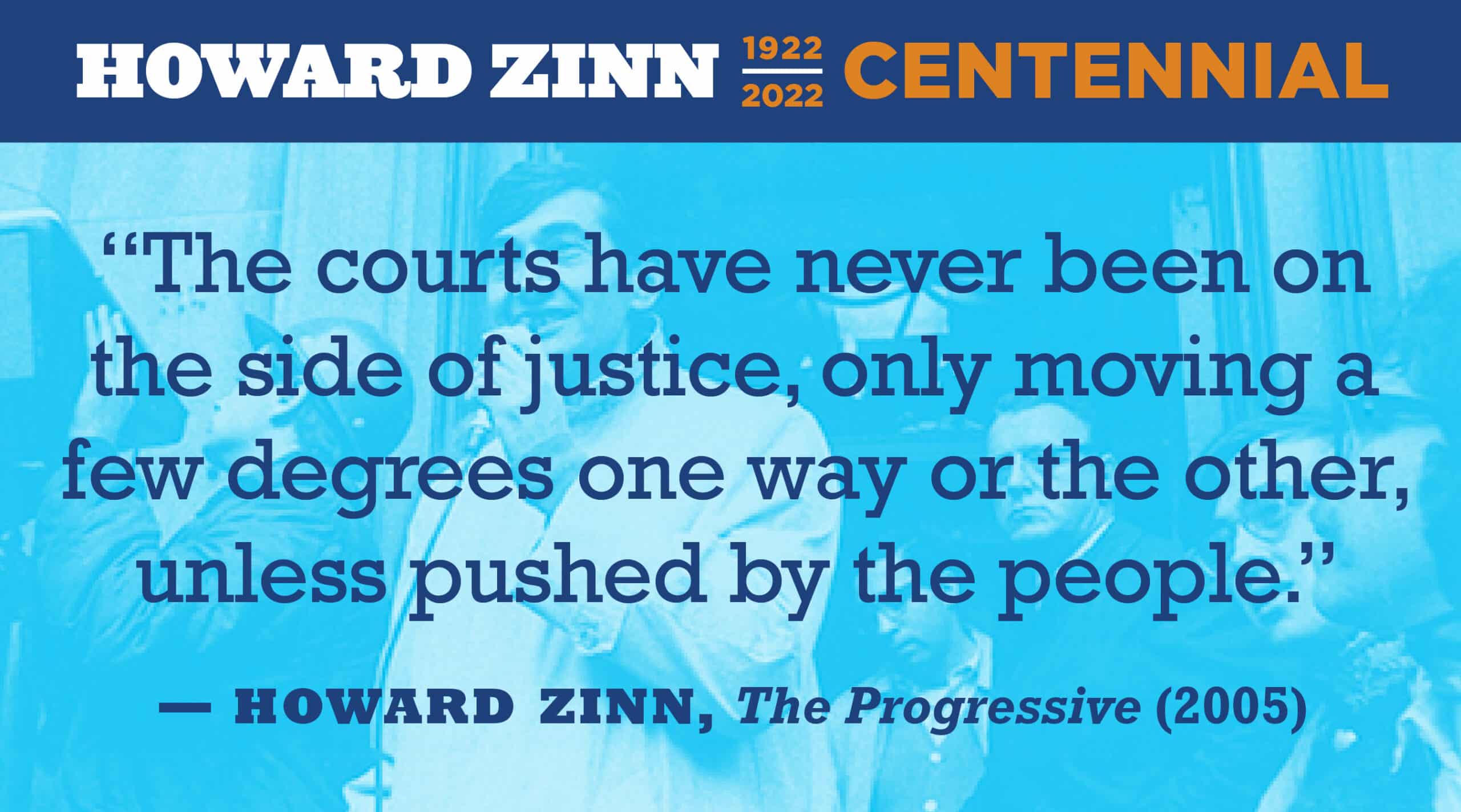
It is worth remembering that we have a healthcare system that is entirely capable of delivering abortion and miscarriage care in humane, safe ways with low-to-no pain. We just legally forbid it, and don’t fund it. People made this system, and as Howard Zinn never tired of noting, people can unmake it too. Even when the work is hard, there is so much beauty in the ways people support one another.
For more resources on high-school friendly resources on southern freedom traditions emerging since Dobbs, see:
Podcasts: The A Files: A Secret History of Abortion (2025), The South Has the Answers Apple | Spotify, Crossing the Line Apple | Spotify, The New Abortion Underground
Articles: “Community Groups Sharing Free Pills,” Ms (2026), Care As Resistance (2026)
Photography: Allison Grant, Holding Together , Bethany Mollenkof, Birthing in Bama, Abortion In Mississippi, Carmen Winant, The Last Safe Abortion
Project: The United States of Abortion Project
Documentary films: The Devil Is Busy (HBO, 31 min, 2024), Zurawski v Texas (YouTube, 98 min. 2024), Belly of the Beast (Kanopy, 81 min., 2020), and Abortion Helpline, This Is Lisa (YouTube, 13 min, 2019)
Wesley Hogan is a research professor at the Franklin Humanities Institute and History. She is the author of On the Freedom Side: How Five Decades of Youth Activists Have Remixed American History and Many Minds, One Heart: SNCC’s Dream for a New America, and co-facilitates a partnership between the SNCC Legacy Project and Duke, the SNCC Digital Gateway. Part of her current work is to facilitate a team of medical clinicians, researchers, and students doing oral histories of reproductive care providers in the post-Roe era.

Twitter
Google plus
LinkedIn