Studying the Constitution is essential — especially now, as constitutional rights are increasingly under attack.
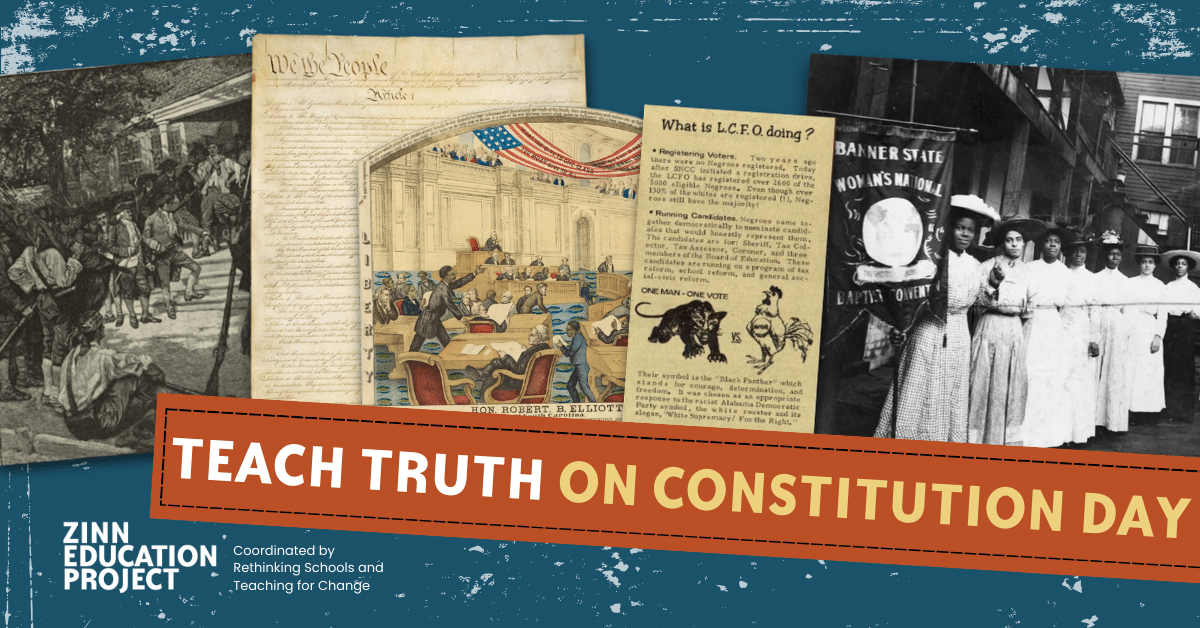
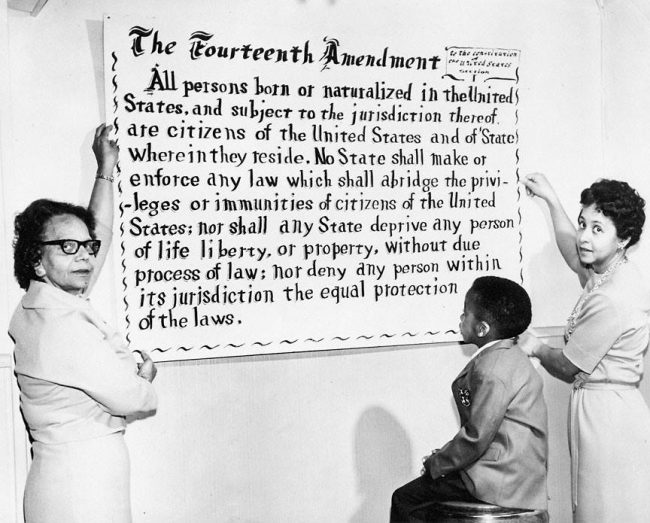
Each September, schools across the country celebrate Constitution Day — students create posters praising the document, watch patriotic videos, or recite the Preamble — rather than engage in critical inquiry. These rituals present the Constitution as a sacred text, not a document created and amended through struggle. From liberal to conservative circles, Constitution Day is too often framed as a celebration of “American exceptionalism” rather than an invitation to think critically about the rights the Constitution guarantees — and the ones it doesn’t.
Students rarely learn who the Constitution was written for — and who was excluded. They are taught to revere the document as the cornerstone of democracy, not to question its origins or its limits.
Today, powerful figures wield the Constitution — and undermine it — in ways that intensify profound harms across the country. It is essential that students know their rights: not just to pass a test, but to protect themselves. They should learn that throughout U.S. history, people have fought to expand the rights the Constitution promises, and to demand the rights it omits. Constitution Day should not be a celebration of myth, but an invitation to think critically.
The schools that receive federal funding are mandated to teach about the Constitution on Constitution Day (September 17). So, let’s do that. Let’s engage young people in an active study of the Constitution and voting rights.
Join our call to action to Teach Truth about the Constitution and voting rights. Learn more about whyand our framework, Ten Ways to Rethink the Constitution.
We encourage teachers to use Constitution Day to do one or more of the activities outlined below. Sign up to participate — let’s make our commitment to teaching truthfully visible and contagious. (Not a teacher? We suggest ways you can support the campaign and defend the freedom to learn.)
Teach honestly about the Constitution.
Why it is worded the way it is, how it has been amended, and what it allows/denies to the public.
Framework and Lessons on the Constitution
The lessons below facilitate a study of the Constitution including who it benefited and whose rights were constrained. Before engaging students in any of these lessons, we recommend reading our framework,Ten Ways to Rethink the Constitution. We also offer resources on the American Revolution in preparation for the 250th anniversary in 2026.
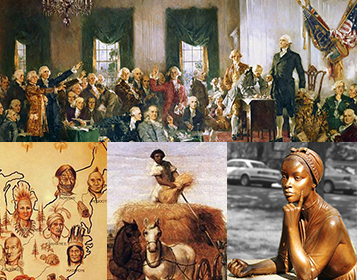
Race, Class, and the Constitutional Convention by Bill Bigelow. The U.S. Constitution endorsed slavery and favored the interests of the owning classes. What kind of Constitution would have resulted from founders who were representative of the entire country? That is the question addressed in this lesson.
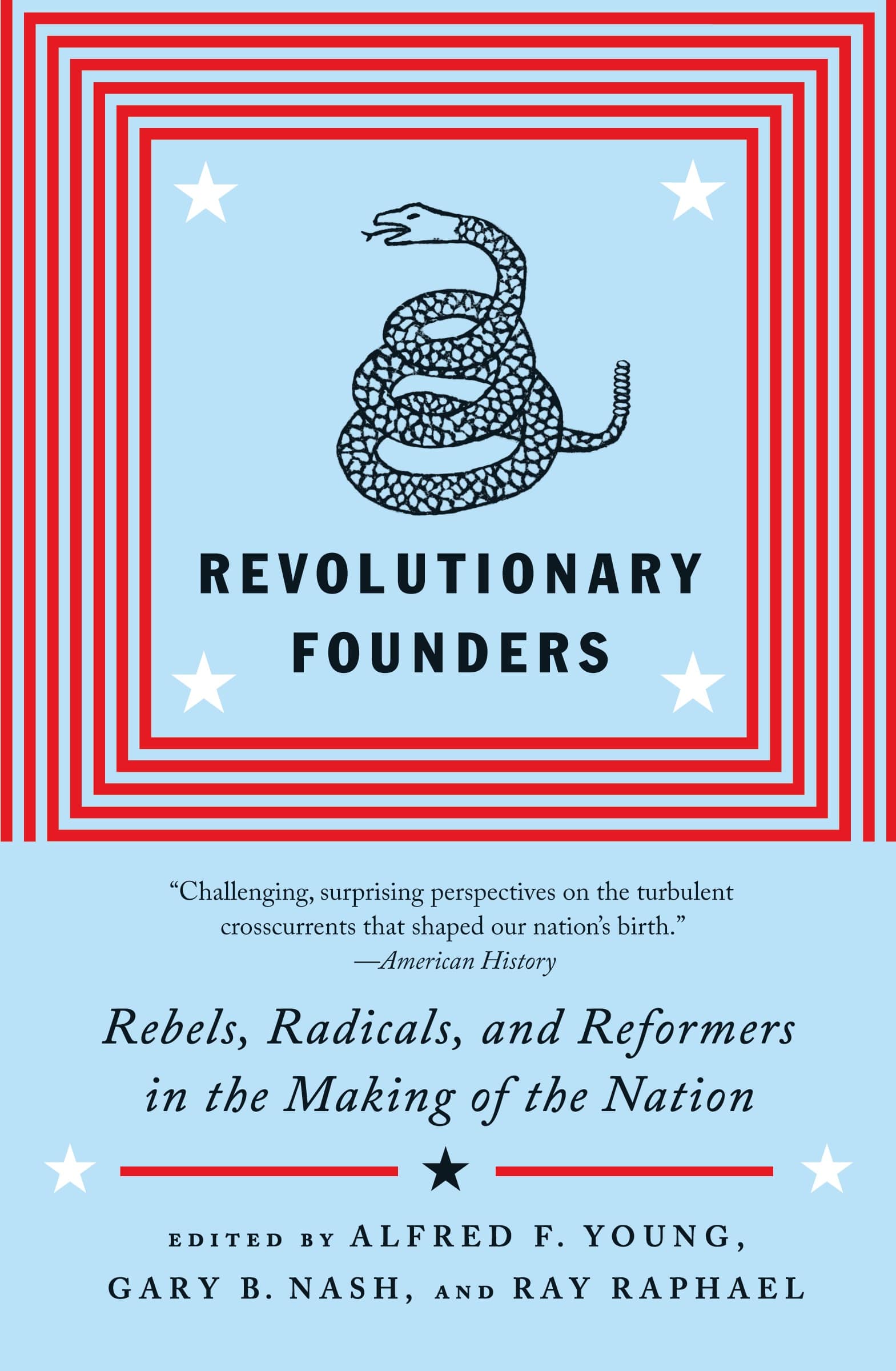
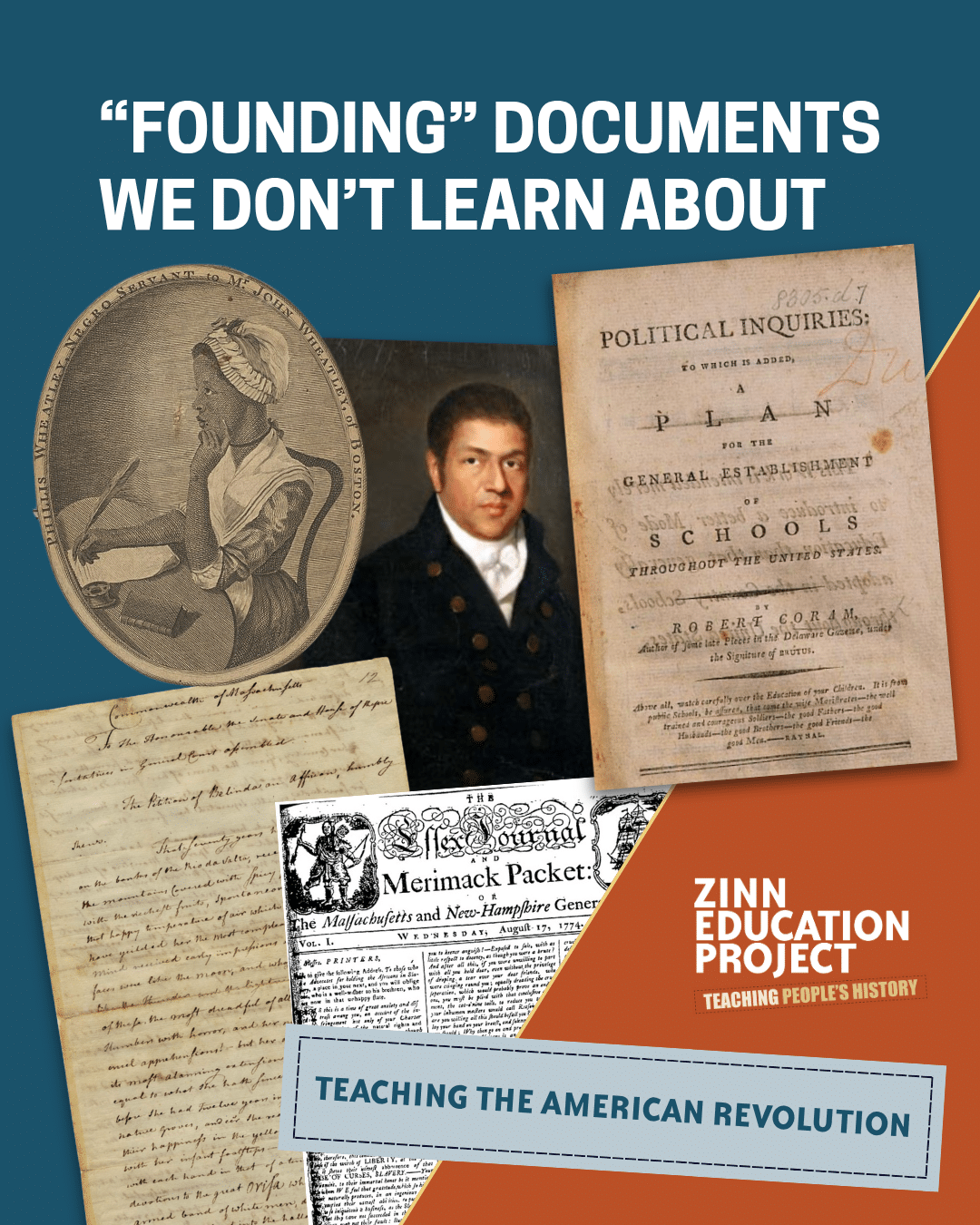
“Founding” Documents We Don’t Learn About by Mimi Eisen. A set of primary source documents and teaching activities reveal a profound cast of voices from the era of the American Revolution and U.S. founding. None of them are “Founding Fathers.”
“We the People”: Whose Rights Does the Constitution Protect? by Jesse Hagopian. A lesson to help students consider not just what the Constitution says, but what it leaves out. Students examine rights guaranteed in other countries’ constitutions that they would want added to the U.S. Constitution.
A New U.S. Bill of Rights by Larry Miller. Students discuss and examine the U.N. Universal Declaration of Human Rights, as well as the U.S. and South African Bill of Rights. Then they reflect on the rights that they believe should be universal and create a new U.S. Bill of Rights.
Emphasize that rights are not fixed or guaranteed.
Rights must be championed and protected by each new generation, in and beyond the Constitution.
Lessons and Resources on Organizing
With these lessons, students learn how people have organized to defend and expand their rights. They can take inspiration and adapt strategies to use today.
Teaching Climate Disobedience: Using the Film Necessity in the Classroom by Ursula Wolfe-Rocca. A lesson about multiple cohorts of climate activists: Indigenous leaders in the Climate Justice Movement, valve turners using civil disobedience to stop the flow of oil, and the legal team that uses the “necessity defense” in the courts.
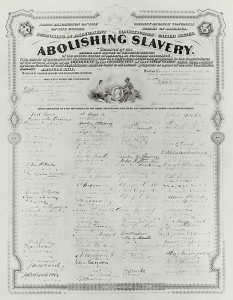
Teach Reconstruction Campaign: This “second founding” of the United States fundamentally transformed the nature of citizenship and the powers of the federal government. Our campaign offers lessons, recommended books and films, and a national report on teaching Reconstruction.
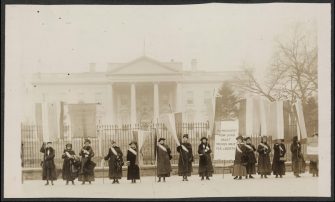
Voting Rights Lessons: A collection of teaching activities that explores the question “Who Gets to Vote?” — from the colonial era to the present day.
Civil Rights Movement Lessons: A collection of teaching activities that illuminate the long grassroots struggle for civil rights.
What Rights Do We Have? by Bill Bigelow and Norm Diamond. This lesson teaches some of the nuts and bolts of labor unions and then moves beyond to ask students to consider what rights they have at work, and to recognize that “rights” depend in large part on what people have fought for and won.
Host a Gallery Walk of Ten Ways to Rethink the Constitutionat a house gathering, union meeting, library, or other public space to promote discussion and understanding.
Plan a Teach-In on the Constitution using any of the resources provided for teachers.
Host an information table with a #TeachTruth pop-up display
Write an op-ed in defense of the freedom to learn
Let’s make visible the fact that teachers everywhere are helping young people learn about the Constitution, including knowing their rights and how to organize to defend and expand those rights.
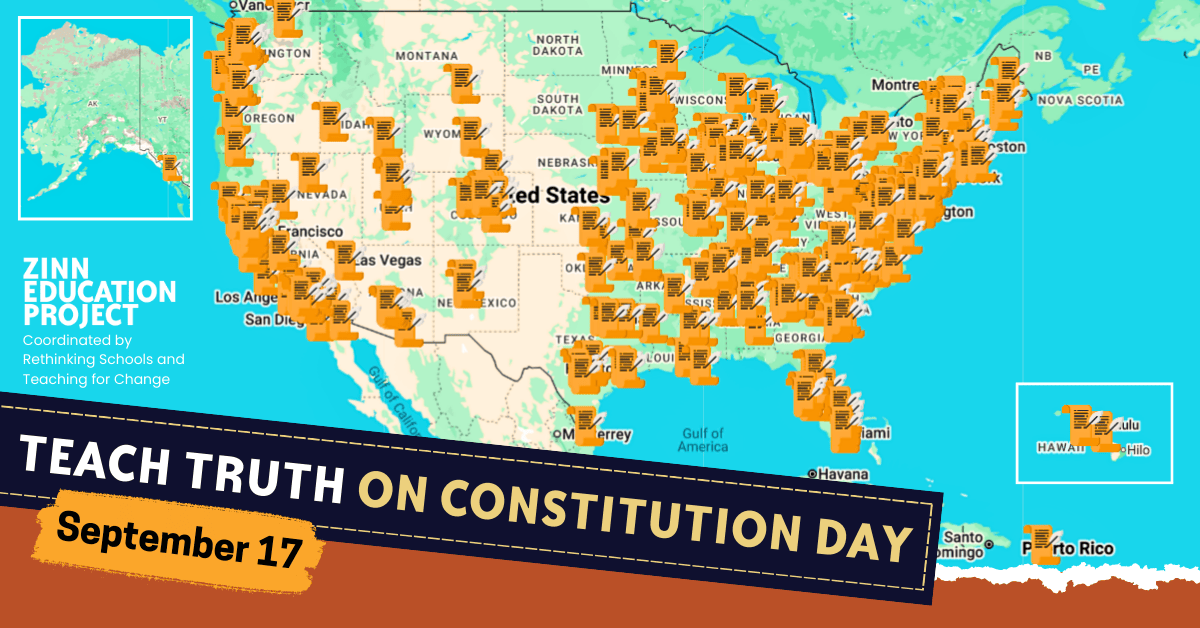
Sign up to show that you are committed to teach truthfully about the Constitution on Constitution Day and all year long. We will post dots on a map to show the cities/states where teachers are participating. We will NOT share your name, role, or contact info. Community members can commit to actively defend the freedom to learn.
Help us fill the map so that it reflects participation in all 50 states and territories.
Daniel Shays’s Honorable Rebellion: An American Story by Daniel Bullen. A history of Shays’s Rebellion, where farmers challenged the state’s authority to seize their farms for flagrantly unjust taxes, told from the protesters’ perspective.
The Second Founding: How the Civil War and Reconstruction Remade the Constitution by Eric Foner. A history that traces the arc of the three foundational Reconstruction amendments from their origins in antebellum activism and adoption after the Civil War to their virtual nullification by narrow Supreme Court decisions and Jim Crow laws.
The Dead End of Checks and Balances by Lisa L. Miller. Far from the cure to Trumpian authoritarianism, the U.S. constitutional system is driving our democratic decline.
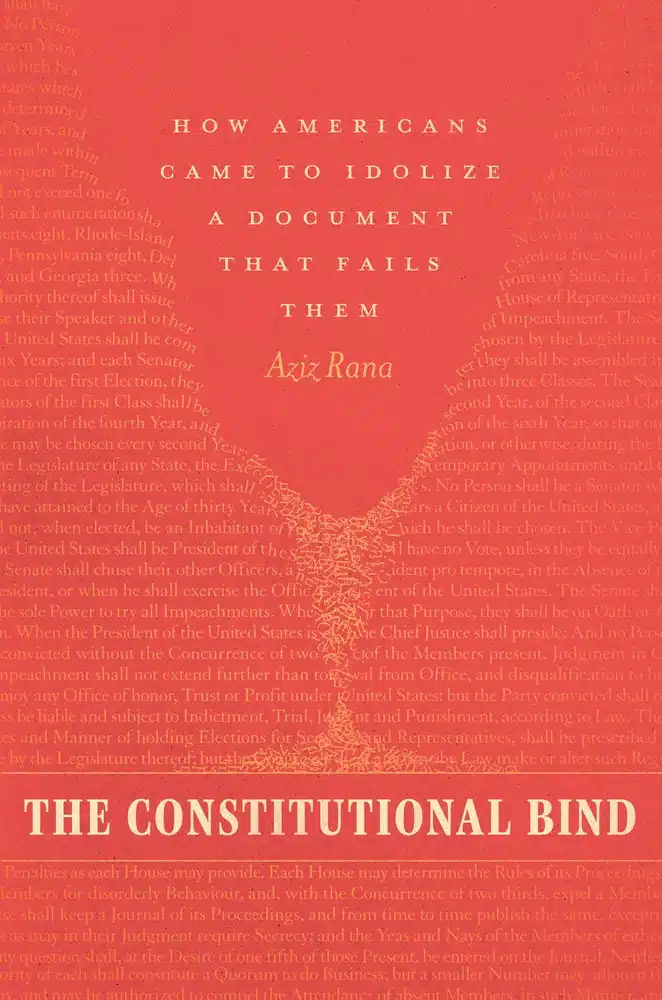
Why the Constitution Blocks Real Change, a New Books Network interview with Aziz Rana on The Constitutional Bind: How Americans Came to Idolize a Document That Fails Them.
U.S. Constitution podcast series by The Dig, hosted by Daniel Denvir in conversation with Aziz Rana.
The Land That Never Has Been Yet podcast series by Scene on Radio, produced by John Biewen with co-host Chenjerai Kumanyika. See “Episode 2: ‘The Excess of Democracy.’”
These are short, classroom-friendly films and film clips.
The U.S. Constitution, Three-Fifths “Compromise,” and the Slave Trade Clause episode of Crash Course: Black American History by Clint Smith
Clint Smith, author of How the Word Is Passed, describes how the U.S. Constitution entrenched the institution of slavery in the fundamental law of the new United States.
The Purpose of Checks and Balances by Robert Ovetz
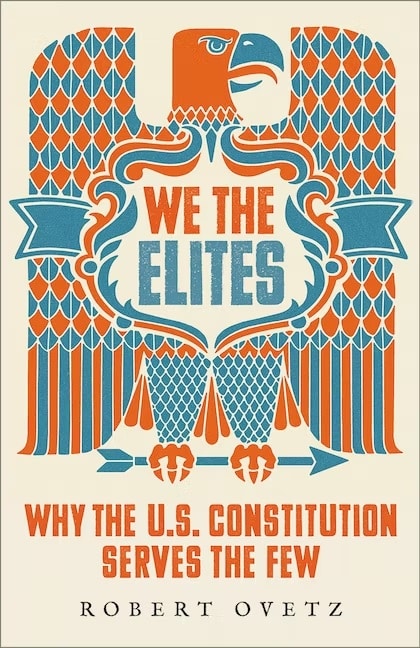
Robert Ovetz, author of We the Elites: Why the U.S. Constitution Serves the Few, explains how the U.S. political system was designed to constrain political democracy and prevent economic democracy.
We also recommend What the Constitution Means to Me, a play by Heidi Schreck. It is also available on film. Schreck traces how the Constitution shaped the lives of four generations of women in her family, and invites young people to imagine how it might shape the next generation.
In preparation for Constitution Day (September 17), we ask everyone to respond to questions about the challenges you may face this year when teaching truthfully about the Constitution.
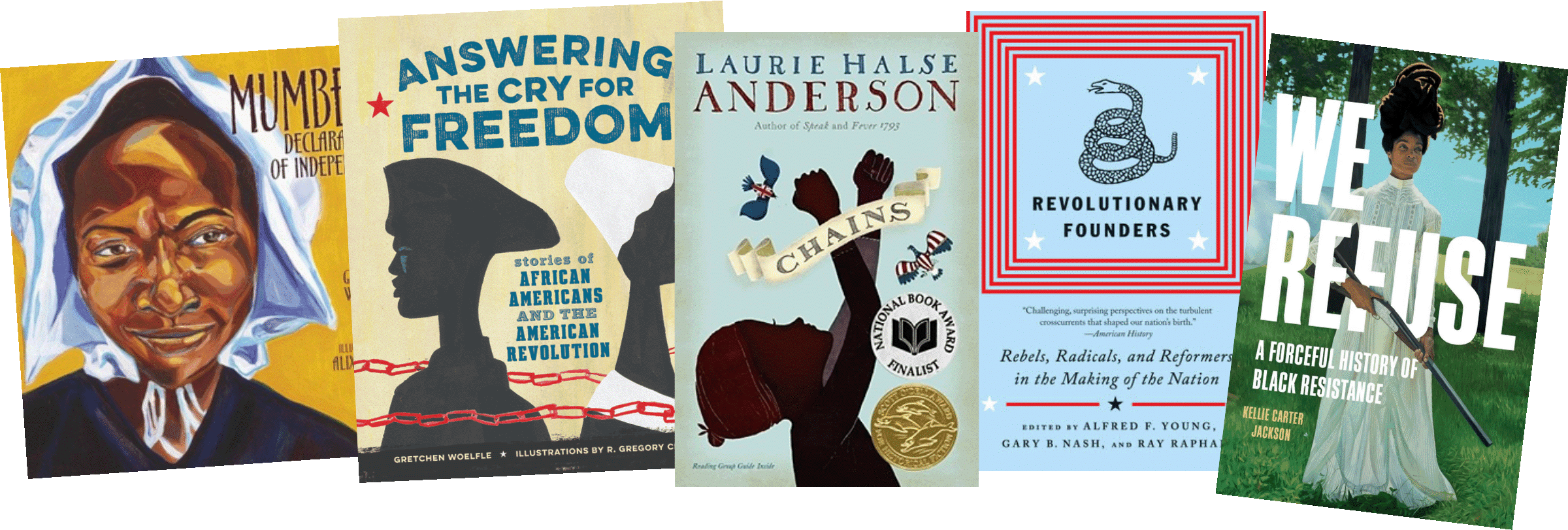
Both books provide readings on the American Revolution and the Constitution.
Teaching Activity. By Mimi Eisen. 2025. 51 pages.
A set of primary source documents and teaching activities reveal a profound cast of voices from the era of the American Revolution. None of them are “Founding Fathers.”
Teaching Activity. By Bill Bigelow. 2025. 36 pages.
This is a unit with three lessons. The first invites students to think critically about key issues that confronted the framers of the Constitution — examining the perspectives not only of the elites attending the actual Constitutional Convention, but also of enslaved African Americans, poor white farmers, and white workers. The other two lessons are: The Constitutional Convention: Who Really Won? — with students exploring whose interests the Constitution advanced — and Federalist Paper #10: Suppressing “Wicked Projects,” a critical reading activity on James Madison’s seminal defense of the Constitution.
Book — Non-fiction. By Robert Ovetz. 2022. 240 pages.
This collection of essays exposes the U.S. Constitution for what it really is — a rulebook to protect capitalism for the elites.
Share a story, question, or resource from your classroom.




Twitter
Google plus
LinkedIn