Teaching Activity. By Adam Sanchez. Rethinking Schools.
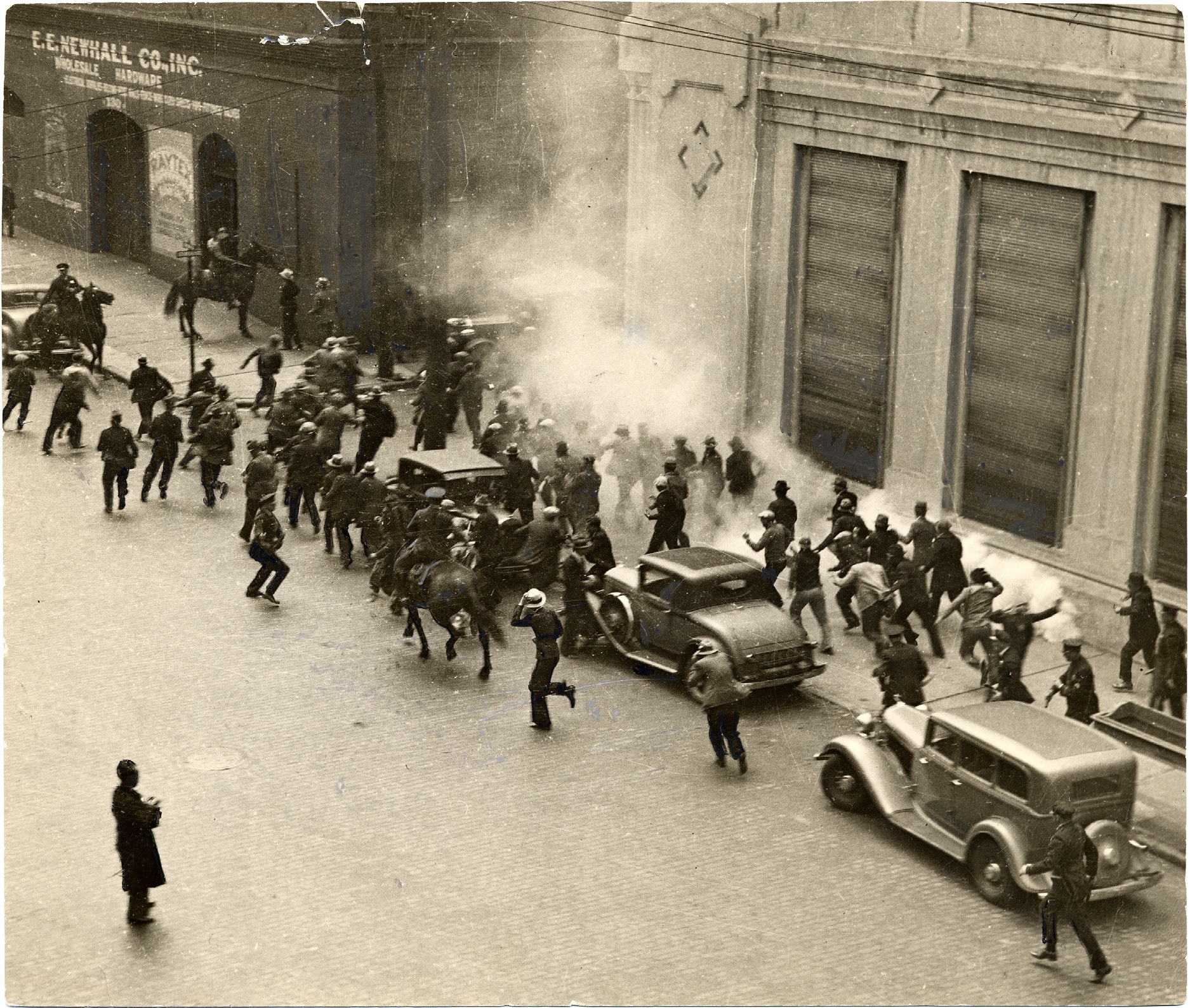
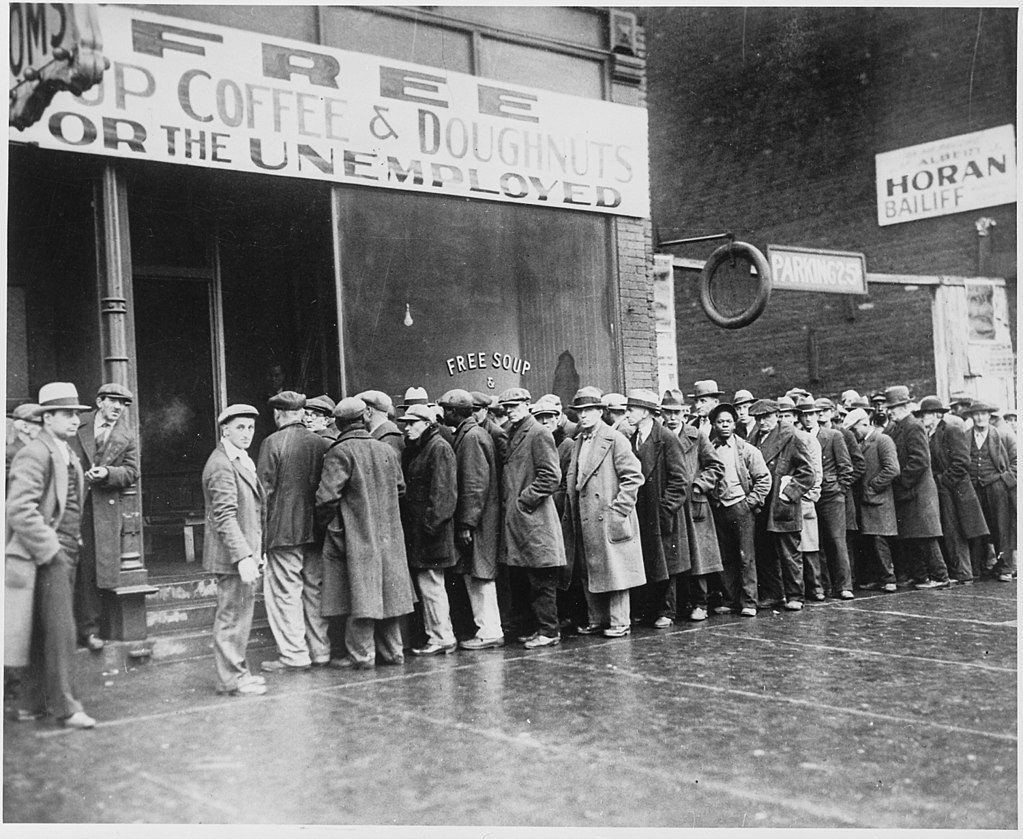
Through role play, students explore how different social groups influenced New Deal legislation.
Continue reading
Teaching Activity. By Adam Sanchez. Rethinking Schools.
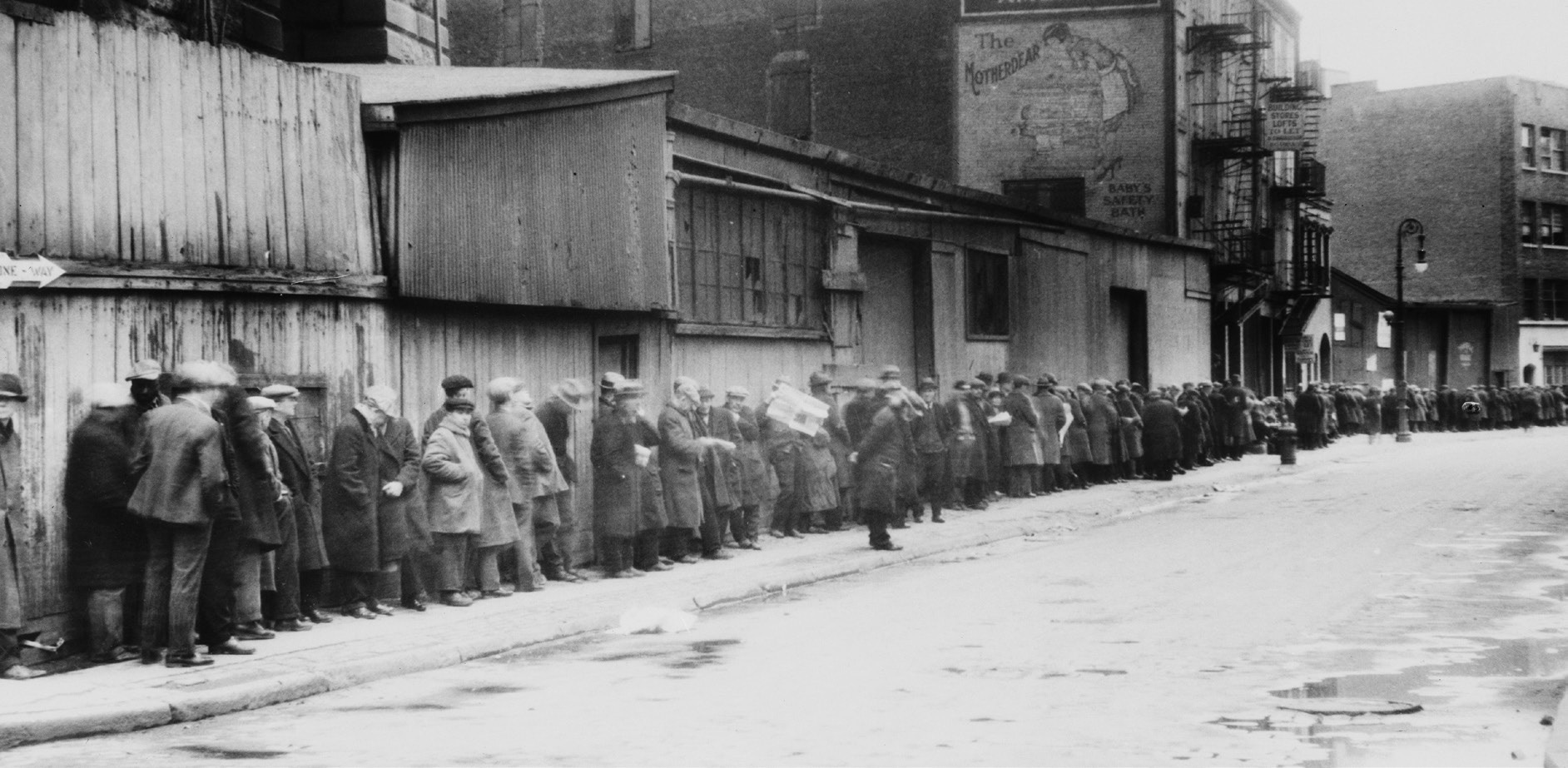
A simulation helps students understand the causes of economic crises.
Continue reading
Article. By the Rethinking Schools Editorial Board. Rethinking Schools, Summer 2019.
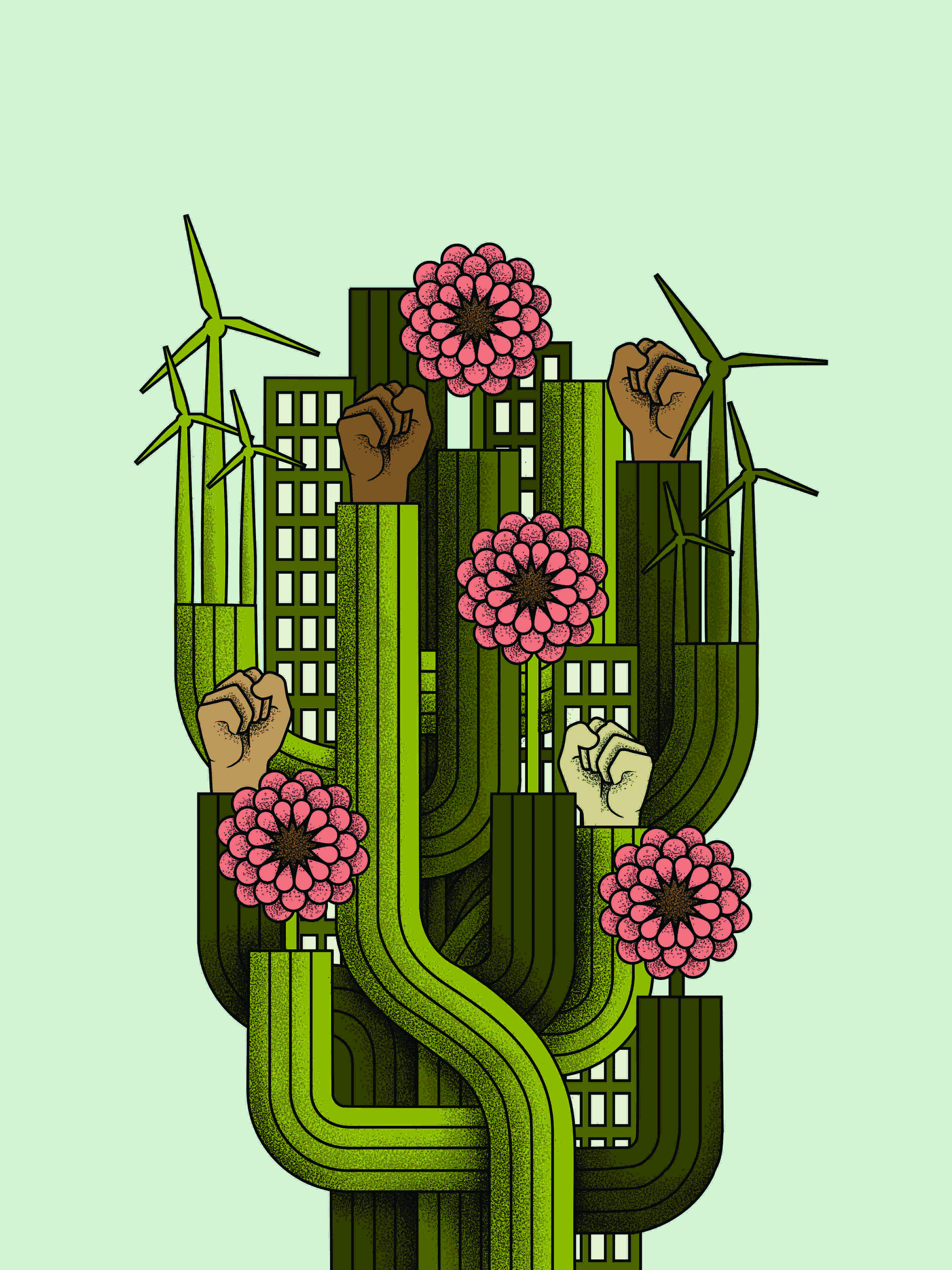
The Green New Deal will only be brought to life by people who grasp the enormity of the crisis that humanity faces and the radical changes necessary to address it. This requires that we teach a climate justice curriculum.
Continue reading
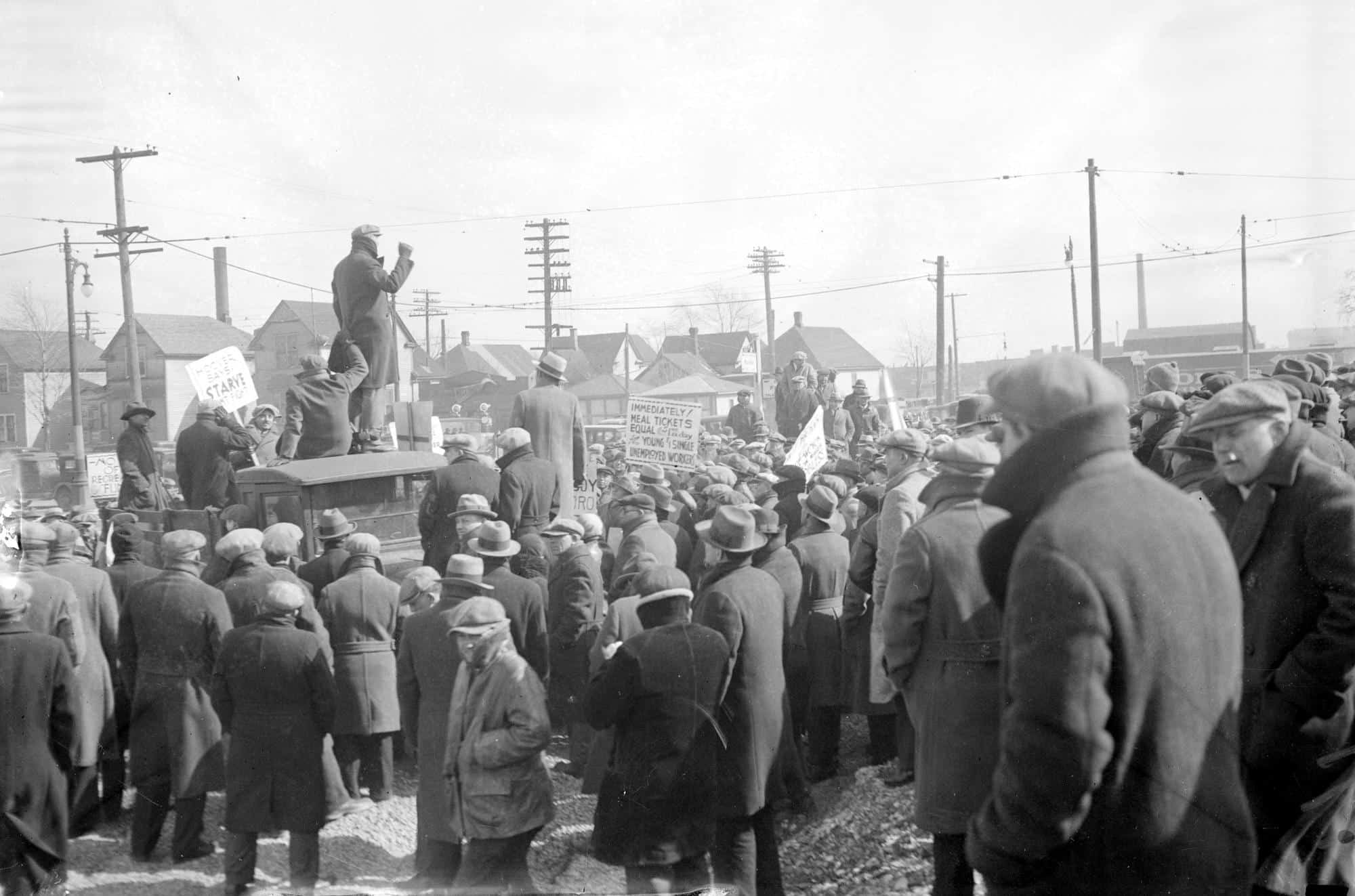
It’s times like these where we need to remember and learn from the last great world crisis of this magnitude — the Great Depression. Here are classroom lessons by high school teacher Adam Sanchez on the Great Depression and the New Deal.
Continue reading
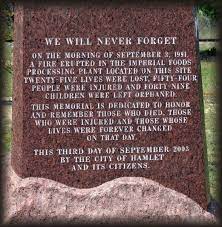
Chicken plant workers died when a preventable workplace “accident” trapped them in a burning building.
Continue reading
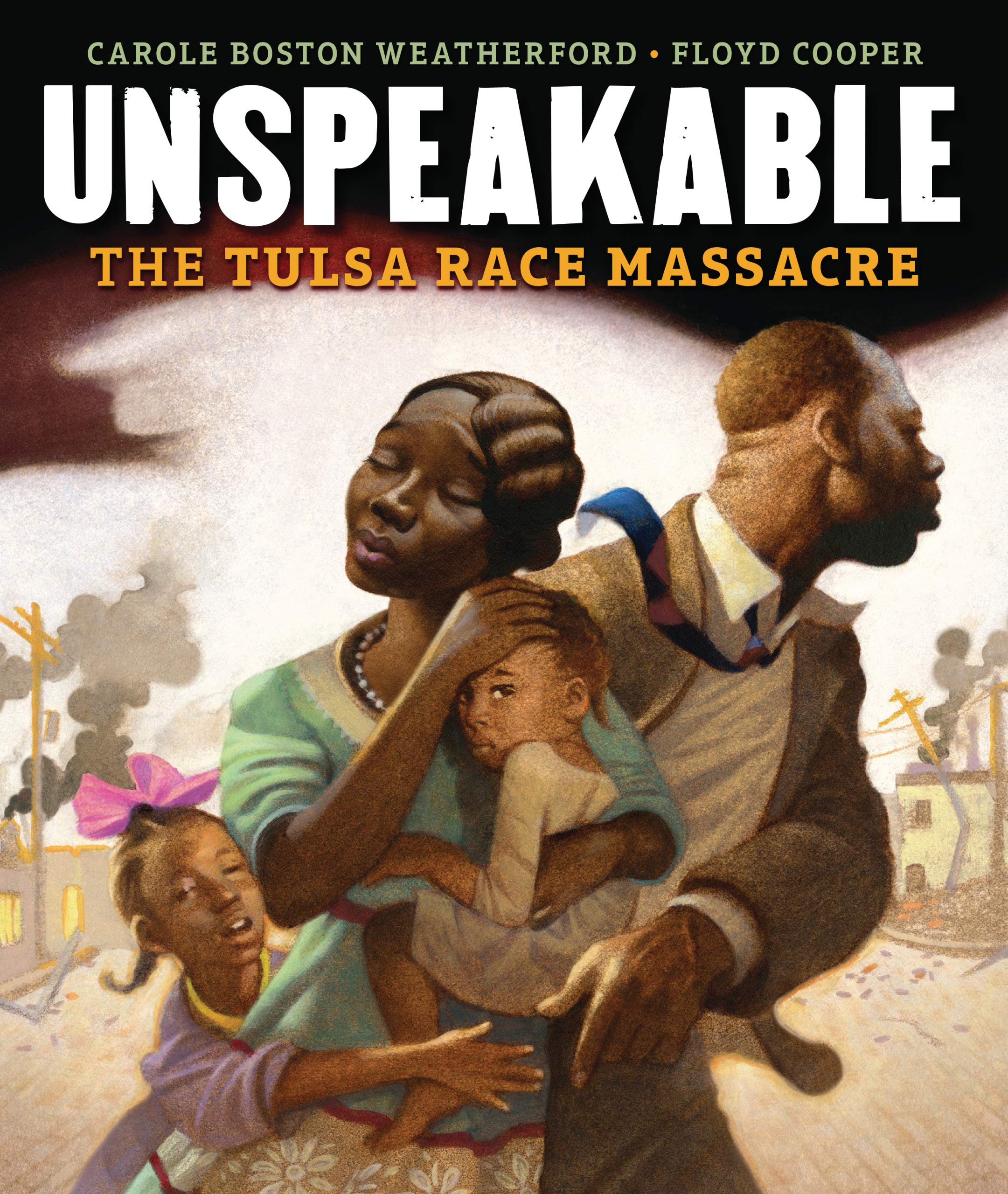
Picture book. By Carole Boston Weatherford and illustrated by Floyd Cooper. 2021. 32 pages.
This children's book centers the history of the thriving Black community of Greenwood before the 1921 Tulsa Massacre.
Continue reading
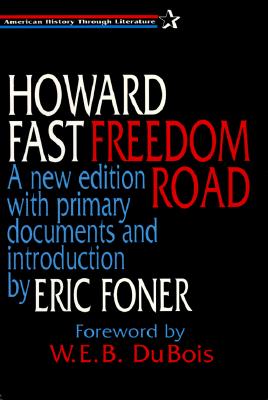
Book — Fiction. By Howard Fast. 1944. 294 pages.
The politics and economics of Reconstruction told through memorable historical fiction.
Continue reading
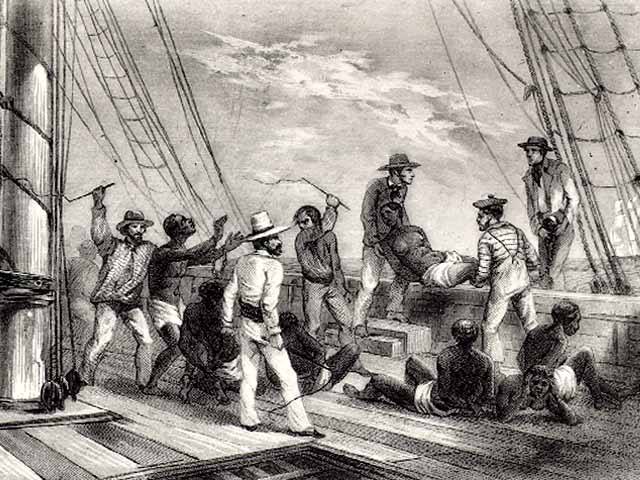
During the Zong Massacre, a ship captain ordered that 54 enslaved Africans be thrown overboard and killed.
Continue reading
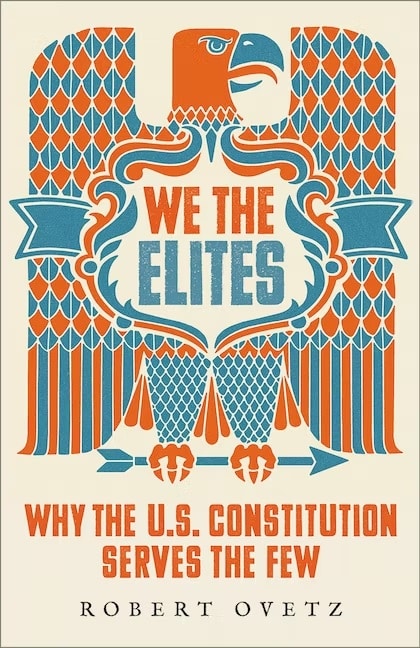
Book — Non-fiction. By Robert Ovetz. 2022. 240 pages.
This collection of essays exposes the U.S. Constitution for what it really is — a rulebook to protect capitalism for the elites.
Continue reading
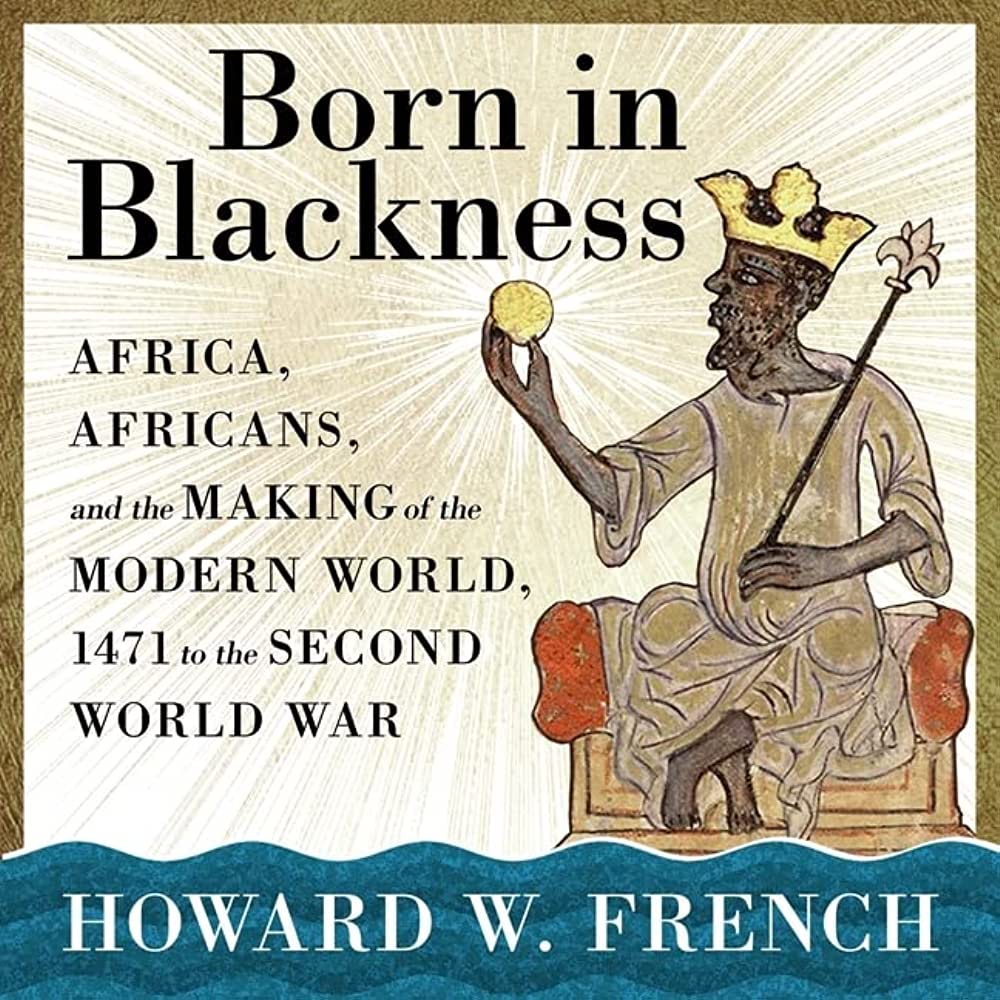
Book — Non-fiction. By Howard W. French. 2021. 521 pages.
This sweeping history reveals a long-concealed history of trivialization and, more often, elision in depictions of African history throughout the last five hundred years.
Continue reading
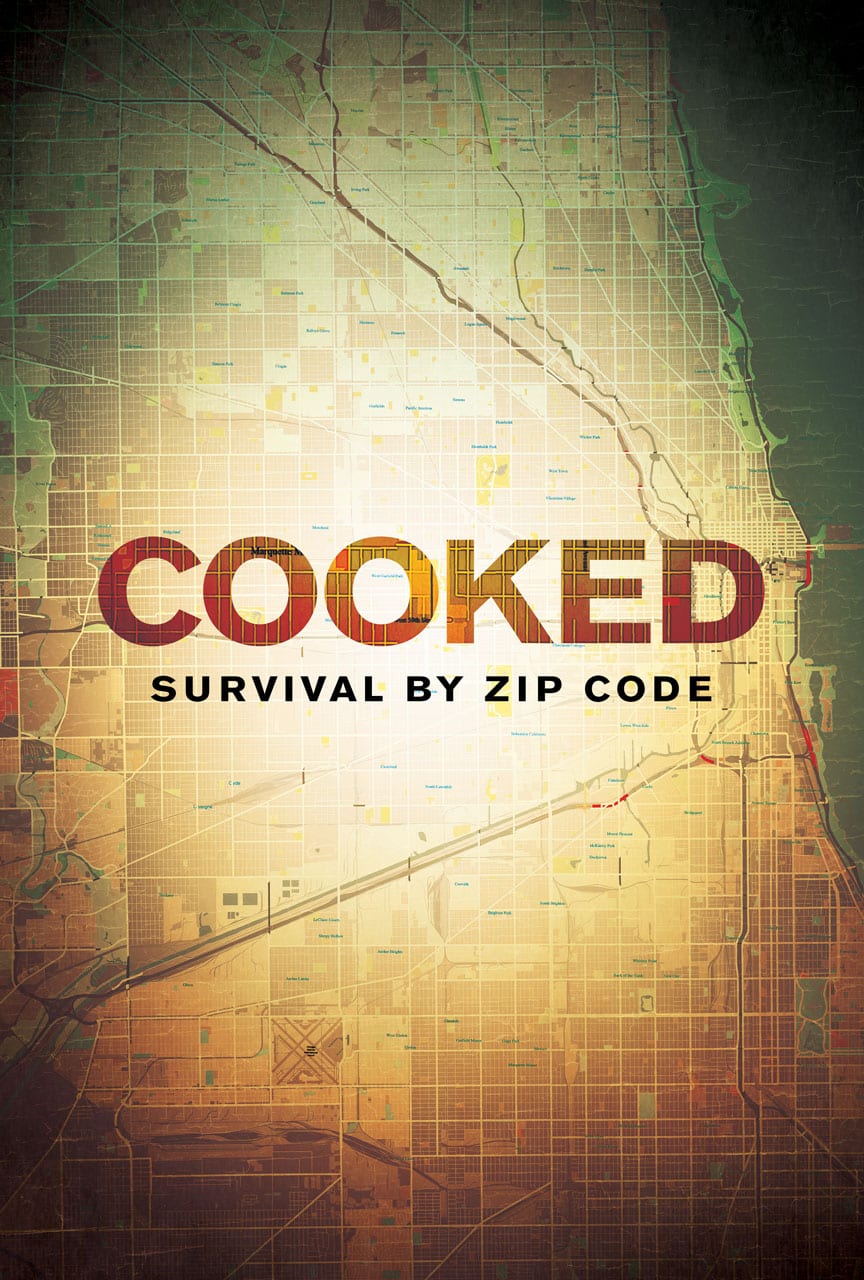
Film. Directed by Judith Helfand. 2020. 54 minutes.
This documentary focuses on Chicago’s heat wave to look at how a weeklong tragedy is really a story about the “slow-motion disaster” caused by race and class inequality.
Continue reading
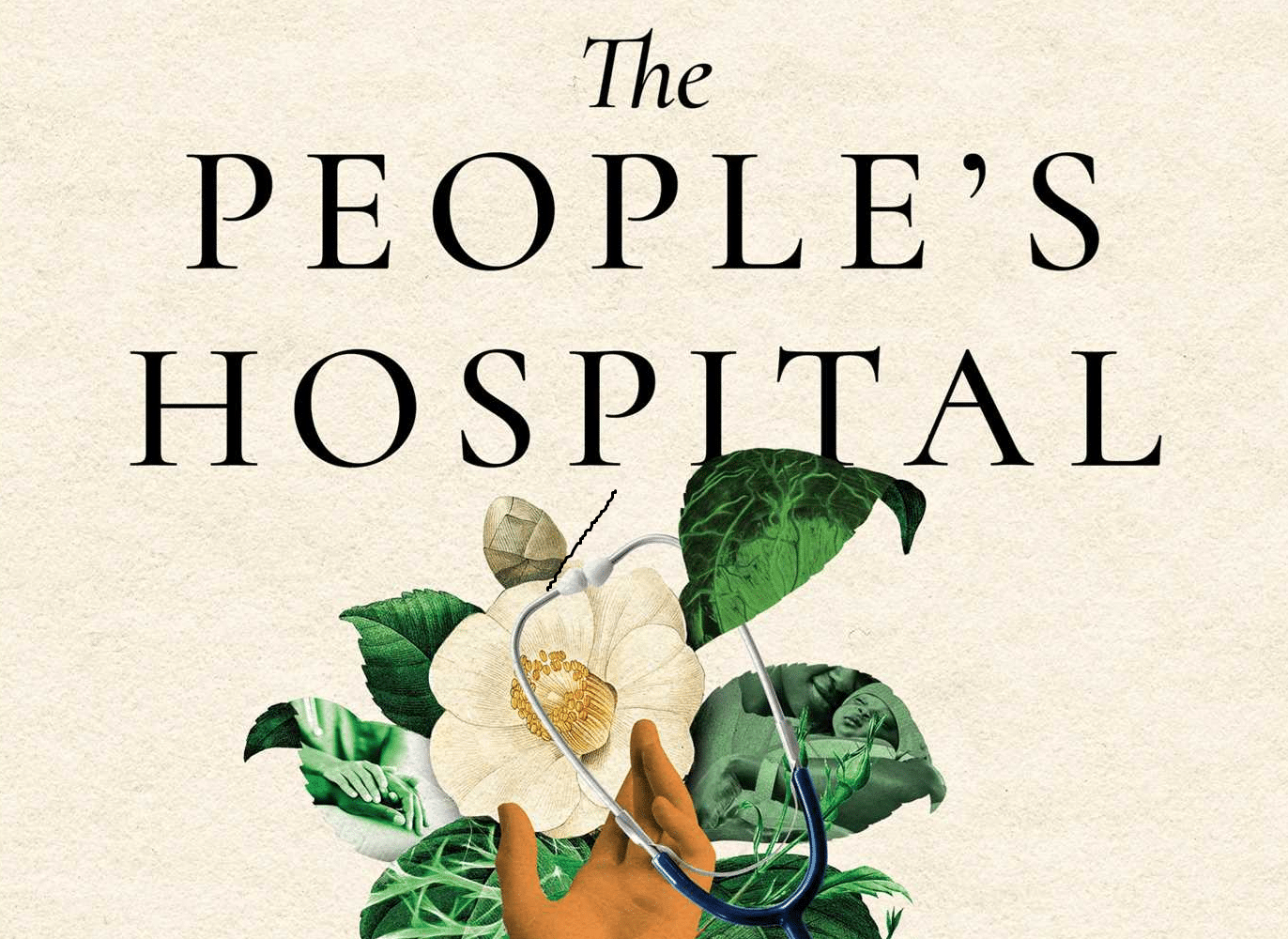
Book — Non-fiction. By Ricardo Nuila. 2023. 384 pages.
Tells the story of five uninsured Houstonians who are each struggling with life-threatening ailments and denied critical care until they arrive at Ben Taub Hospital, where they find a crucial model of innovative healthcare.
Continue reading
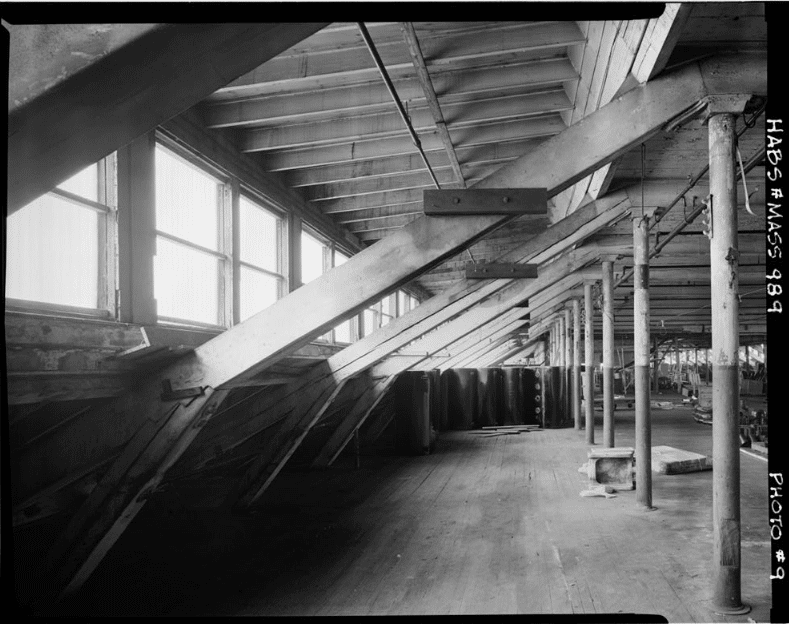
More than 100 textile workers died when a mill collapsed due to inadequate construction.
Continue reading
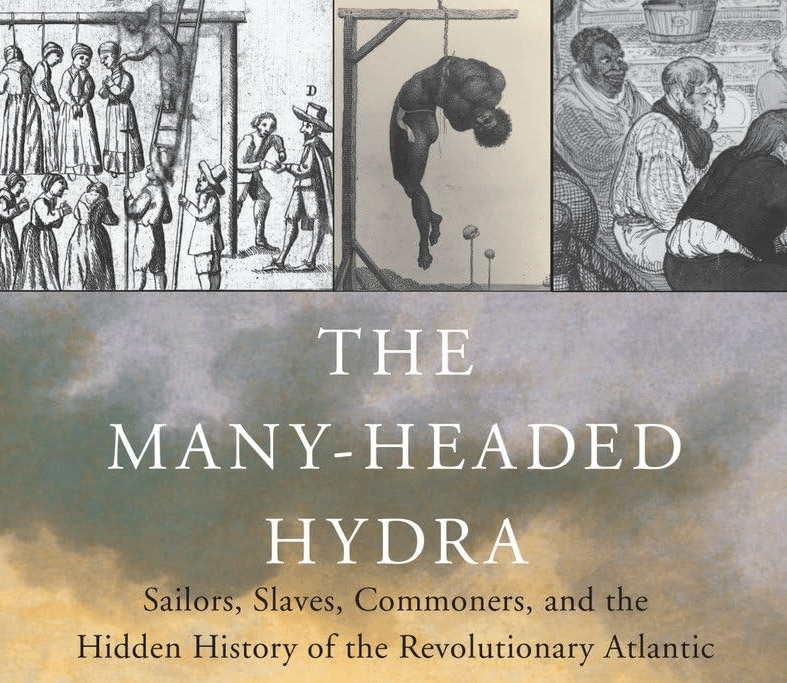
Book — Non-fiction. By Peter Linebaugh and Marcus Rediker. 2013. 448 pages.
A sweeping history of the role of the dispossessed in the making of the modern world.
Continue reading
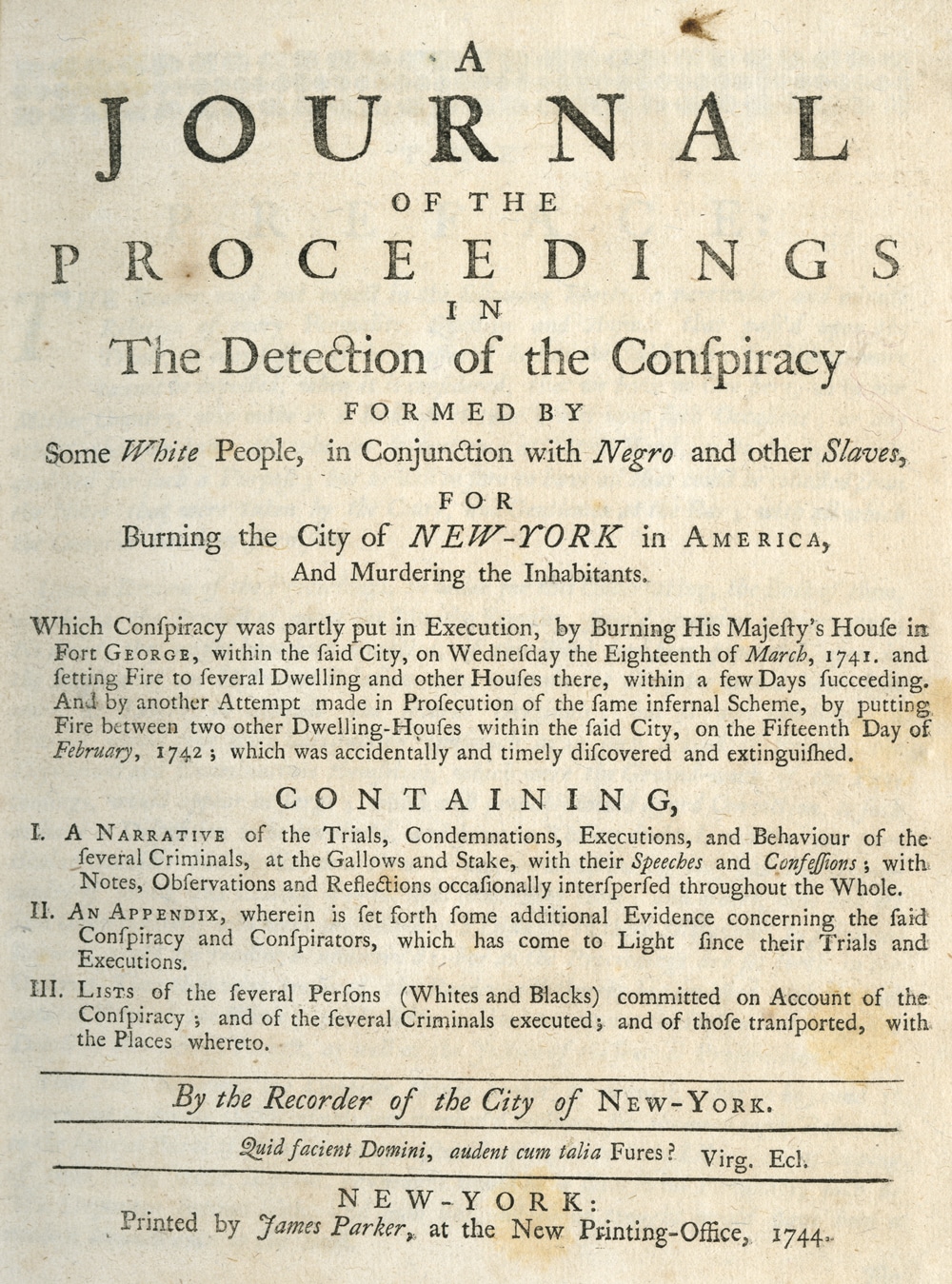
A purported conspiracy of the enslaved in New York City led to multiple fires and arsons followed by mass jailings, trials, and eventual executions of many involved.
Continue reading
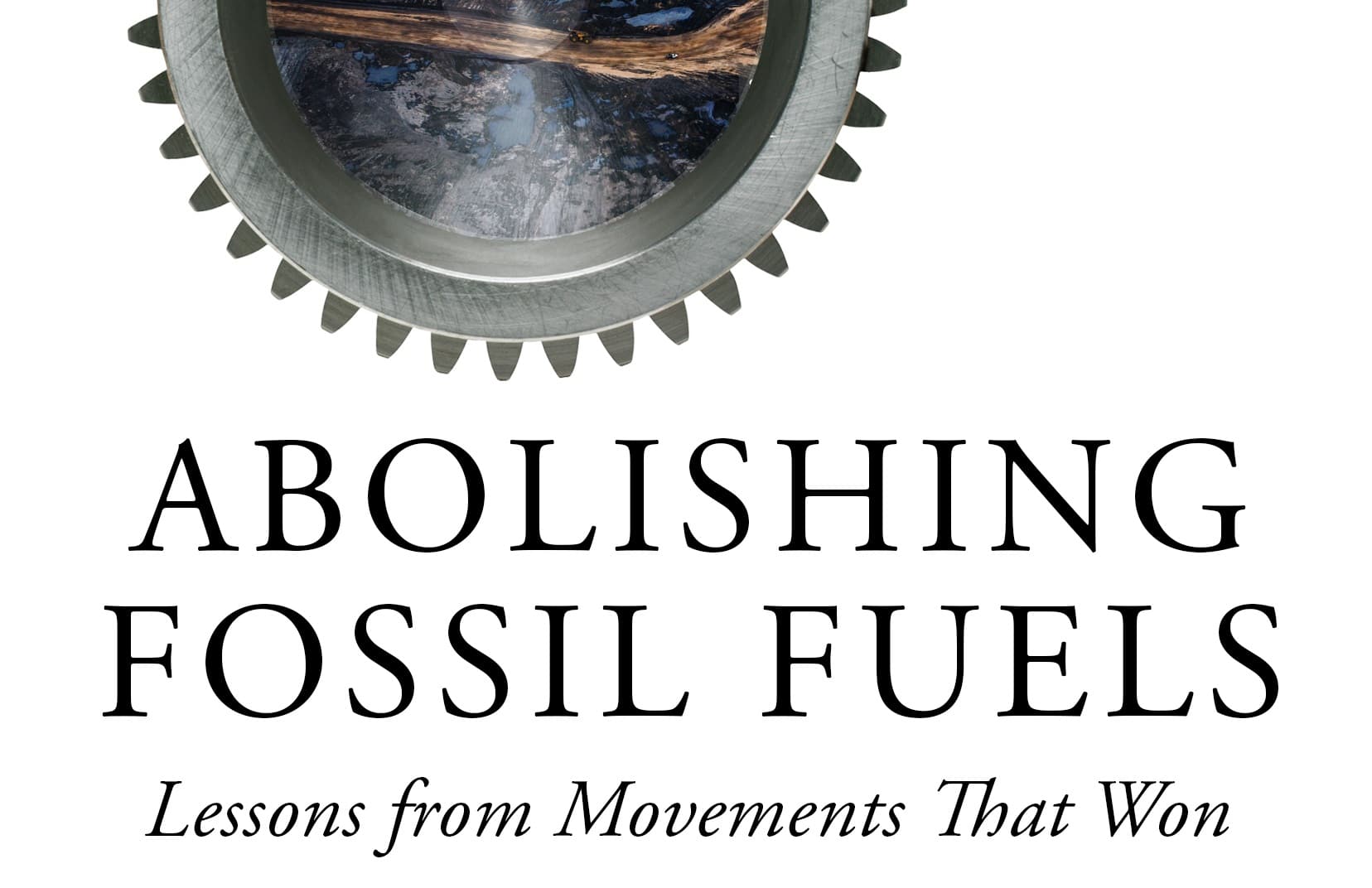
Book — Non-fiction. By Kevin A. Young. 2024. 264 pages.
Offers lessons for building a multiracial, working-class climate movement that can win a global green transition that’s both rapid and equitable.
Continue reading
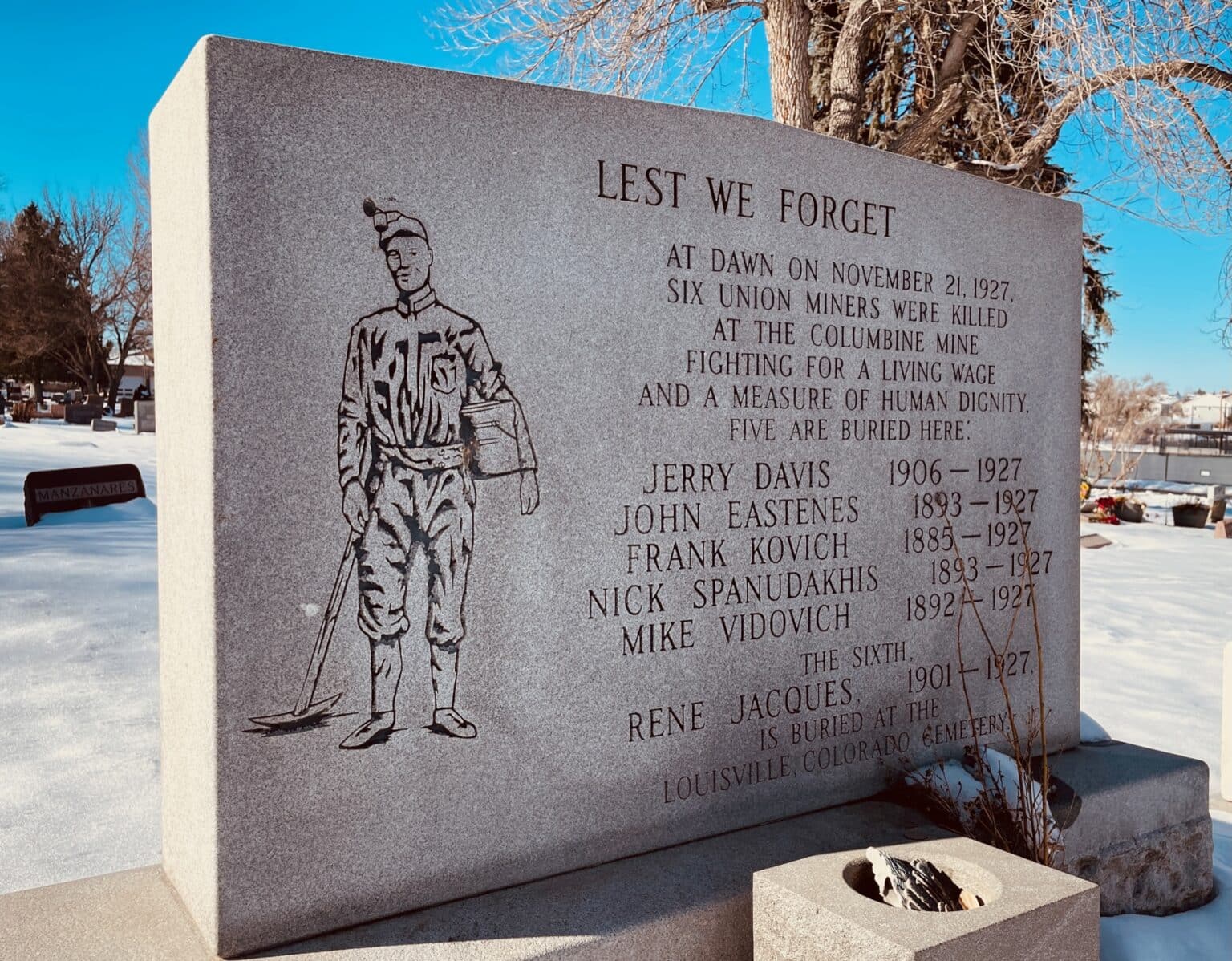
In the midst of the 1927–1928 Colorado Coal Strike, police indiscriminately opened fire on hundreds of coal miners and their families who were picketing the Columbine Mine.
Continue reading
The end of fighting at the Battle of Blair Mountain, which was the largest example of class war in U.S. history.
Continue reading
The federal government compensated the “owners” of enslaved people for their “loss of property.” The people whose labor, skills, knowledge, and families were stolen for generations were not compensated nor given any assistance for the transition to freedom.
Continue reading