Article. Background reading for teachers. By Bill Bigelow. 4 pages.
A review of Freedom's Unfinished Revolution, a collection of primary documents for high school on the Civil War and Reconstruction.
Continue reading
Teaching Activity. By Gayle Olson-Raymer. 18 pages.
Questions and teaching ideas for Chapter 11 of Voices of a People's History of the United States on the Gilded Age.
Continue reading
Book — Non-fiction and CD. Edited by Ira Berlin, Marc Favreau, and Steven F. Miller. Foreword by Robin D.G. Kelley. 2007. 359 pages.
Oral histories of first-person accounts of slavery.
Continue reading
Audio. By Howard Zinn. Read by Matt Damon. 2003. 8 hours, 44 minutes.
Audio book version of excerpted highlights from A People's History of the United States.
Continue reading
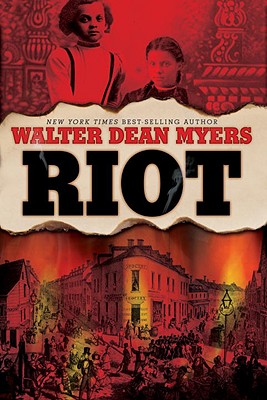
Book — Fiction. By Walter Dean Myers. 2011. 176 pages,
Historical novel about the 1863 draft riots in New York for young adults.
Continue reading
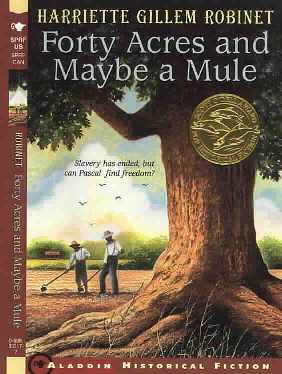
Book — Fiction. By Harriette Gillem Robinet. 1998. 144 pages.
Historical fiction featuring 12-year-old Pascal, 8-year-old Nellie, and their older brother Gideon, a Union Army aide, as they claim and farm the land promised to them during Reconstruction.
Continue reading
Film clip. Voices of a People's History.
Henry McNeal Turner's "Eligibility of Colored Members to Seats in the Georgia Legislature" (1868), read by Danny Glover.
Continue reading
Article. By William Katz. 2013.
An opportunity to highlight Congressman Thaddeus Stevens' fight for equality.
Continue reading
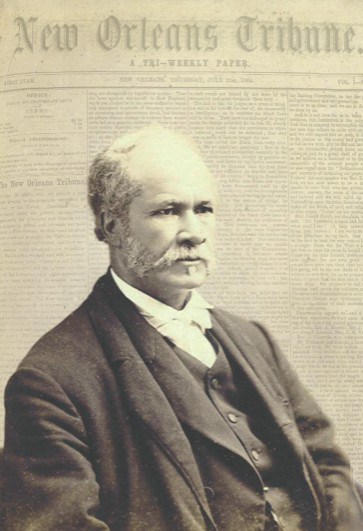
Digital collection. The work of Dr. Louis Charles Roudanez, founder of the first Black daily newspaper in the U.S., the New Orleans Tribune, with articles, excerpts, videos, and a timeline.
Continue reading
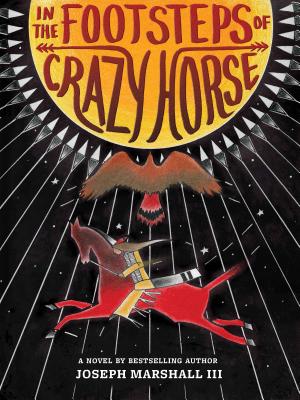
Book — Fiction. By Joseph Marshall III. Illustrations by Jim Yellowhawk. 2015. 176 pages.
A contemporary Native American boy learns about the history of Crazy Horse in a journey with his grandfather.
Continue reading
Lesson. By Bill Bigelow. 17 pages.
This role play engages students in thinking about what freedpeople needed in order to achieve — and sustain — real freedom following the Civil War. It's followed by a chapter from the book Freedom's Unfinished Revolution.
Continue reading
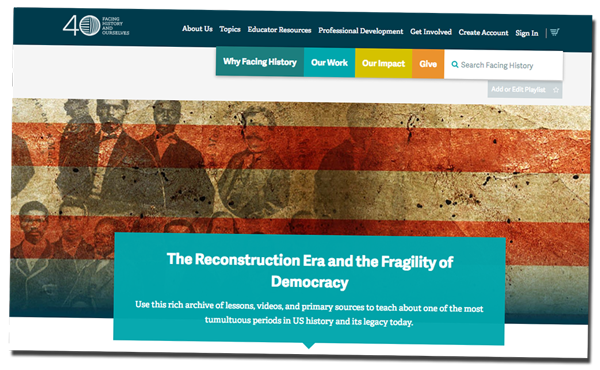
Teaching Guide. By Facing History and Ourselves. 2015.
A collection of lessons, videos, and primary sources to teach about Reconstruction.
Continue reading
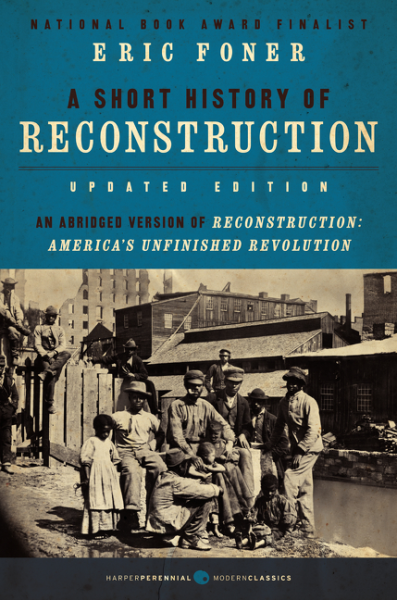
Book — Non-fiction. By Eric Foner. 2015. 352 pages.
A people's history view of the Reconstruction era.
Continue reading
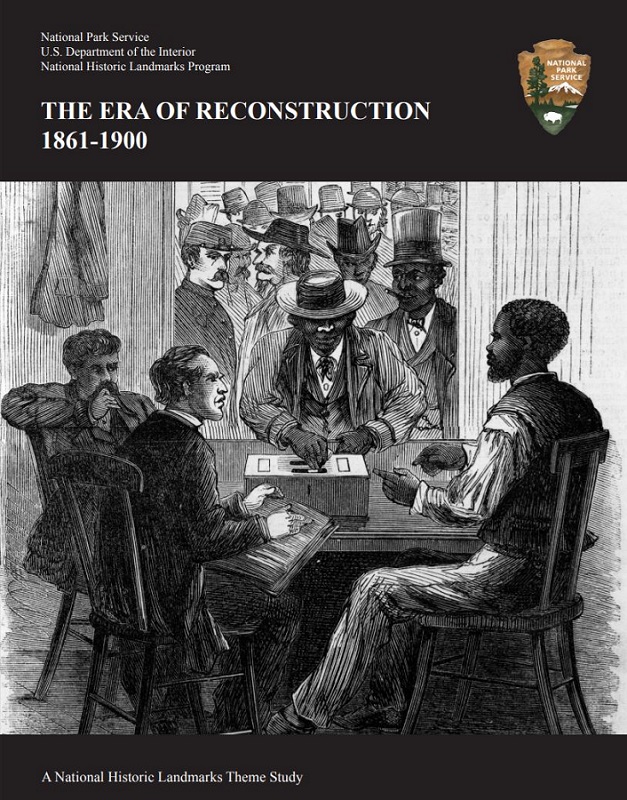
Book — Non-fiction. By National Park Service. 2017. 165 pages.
A theme study on the history of the Reconstruction era.
Continue reading
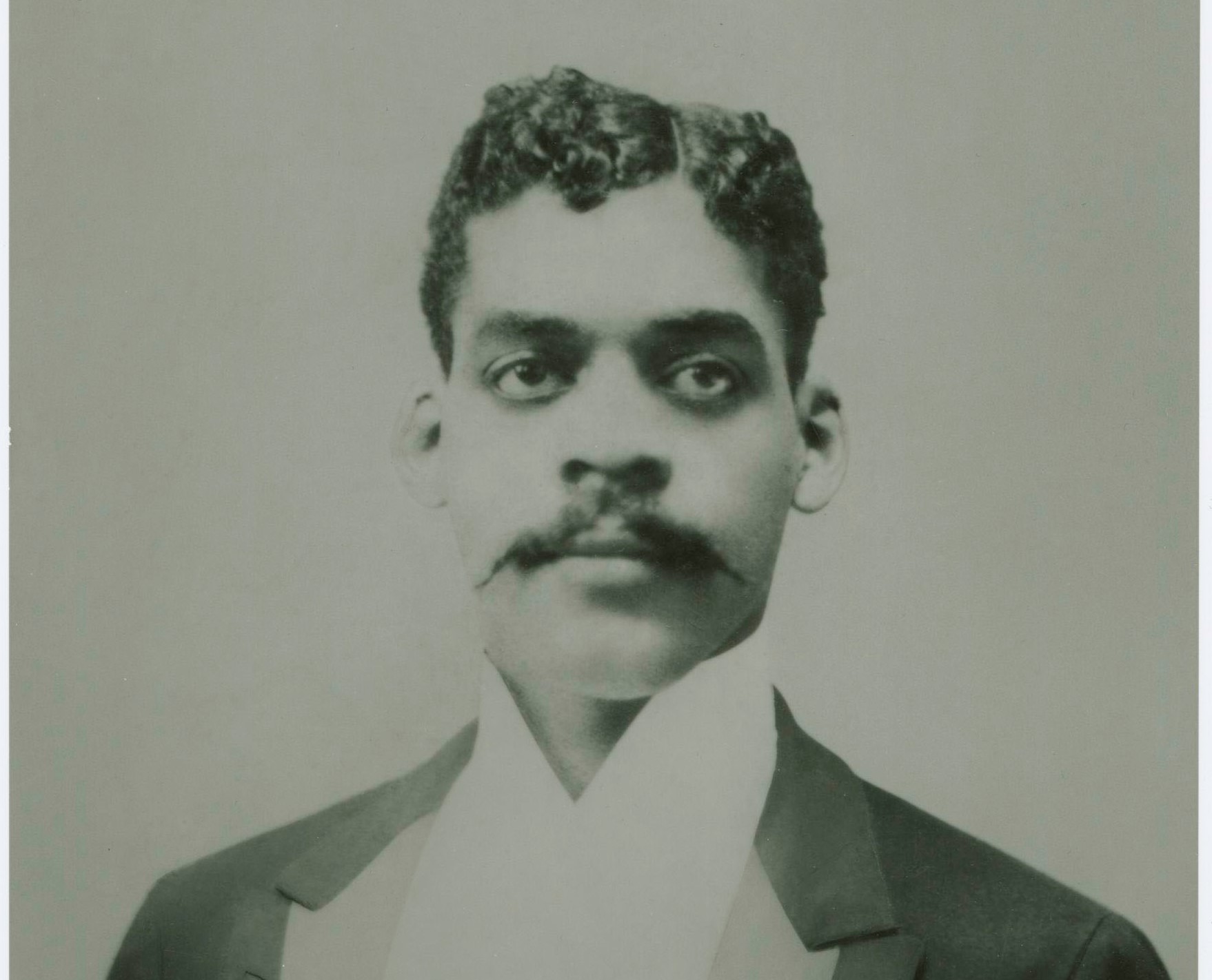
Arturo Alfonso Schomburg, bibliophile, collector, writer, who spent his life championing Black history, was born on this day.
Continue reading
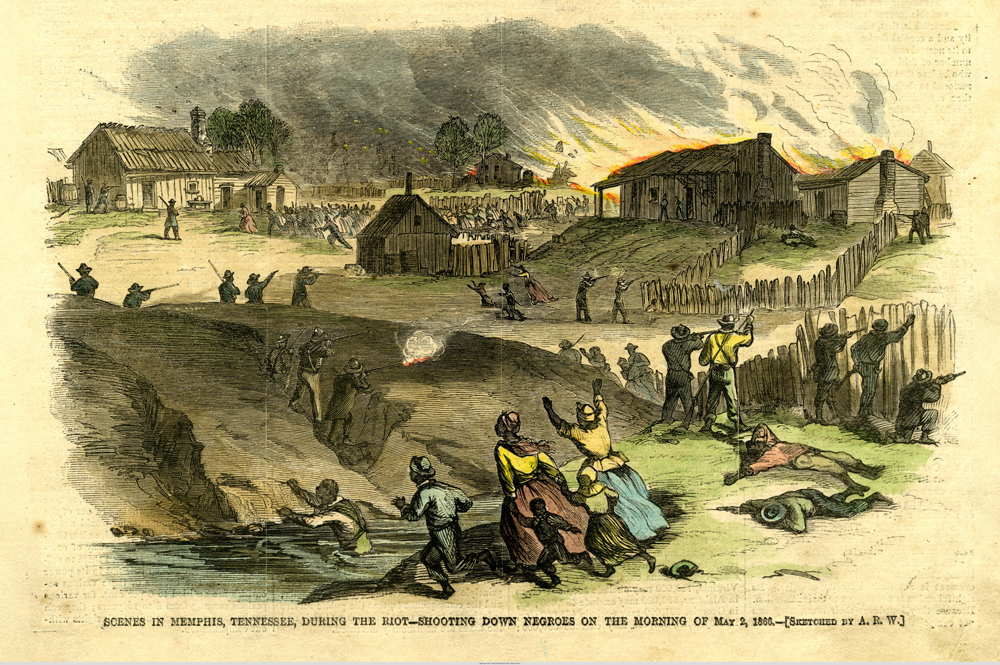
White civilians and police killed 46 African Americans and injured many more while burning houses, schools, and churches in Memphis, Tennessee.
Continue reading
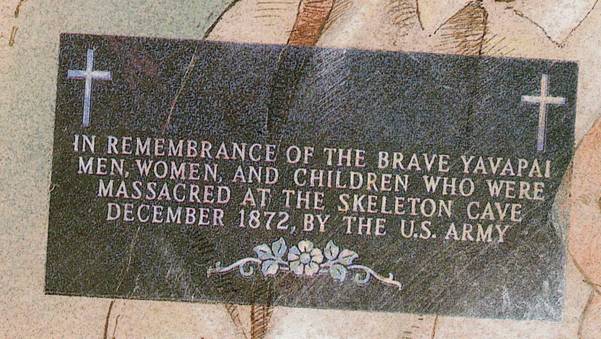
The Yavapai people’s shelter of Skeleton Cave in Arizona was attacked by the U.S. Army, trying to force them to reservations.
Continue reading
A group of Confederate veterans in Louisiana formed the White League with the goal of using terrorism to undermine Reconstruction.
Continue reading
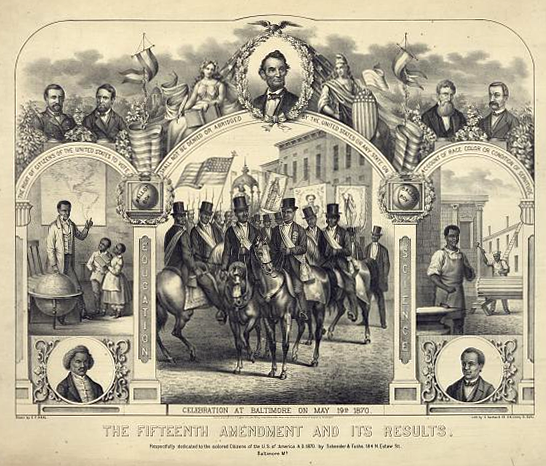
The 15th Amendment to the United States Constitution officially granted African American men the right to vote.
Continue reading
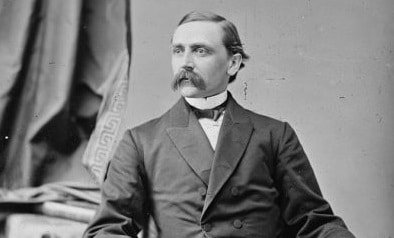
Adelbert Ames become the elected governor of Mississippi during the Reconstruction era.
Continue reading
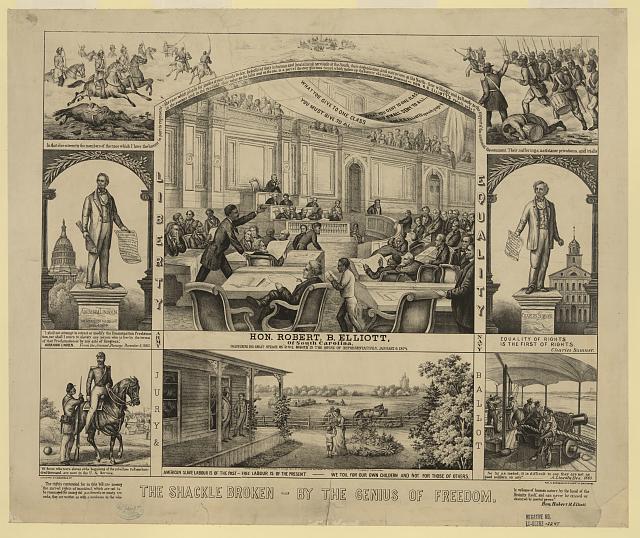
Rep. Robert B. Elliott gave a speech to advocate for the Civil Rights Act, which passed a year later.
Continue reading
Staged ride-ins during Reconstruction in South Carolina were among the first (recorded) organized protests of segregation on a streetcar.
Continue reading
The 15th Amendment to the United States Constitution was formally adopted.
Continue reading
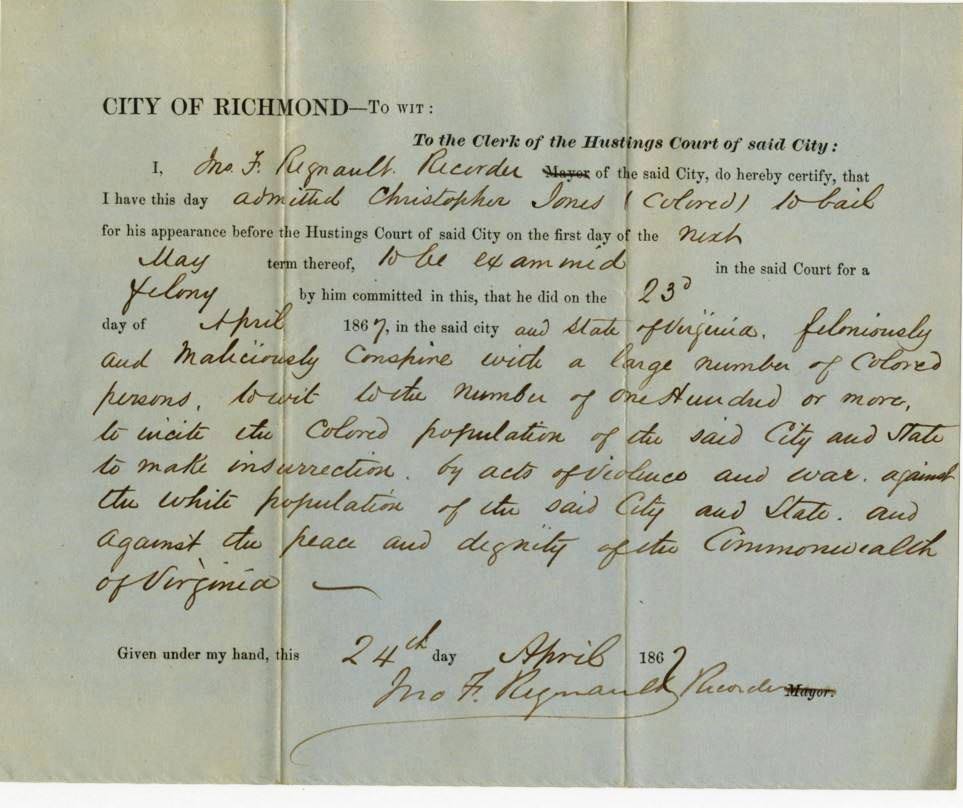
African Americans in Richmond, Virginia organized protests against segregated streetcars.
Continue reading
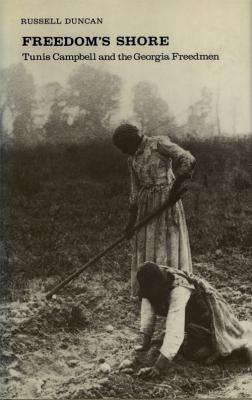
Book — Non-fiction. By Russell Duncan. 1986. 192 pages.
Freedom’s Shore tells the incredible story of Tunis Campbell, a Northern abolitionist minister who heads South after the Civil War to help freedpeople in Georgia.
Continue reading