

As young people consider how to challenge the illegal and immoral U.S.–Israeli war against Iran, it is helpful to look back at the history of the mass movement against the U.S. war in Vietnam.
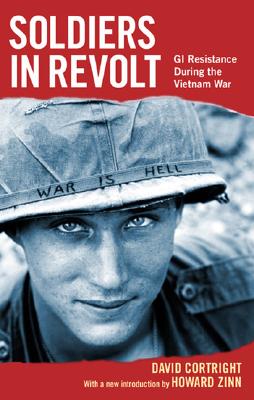
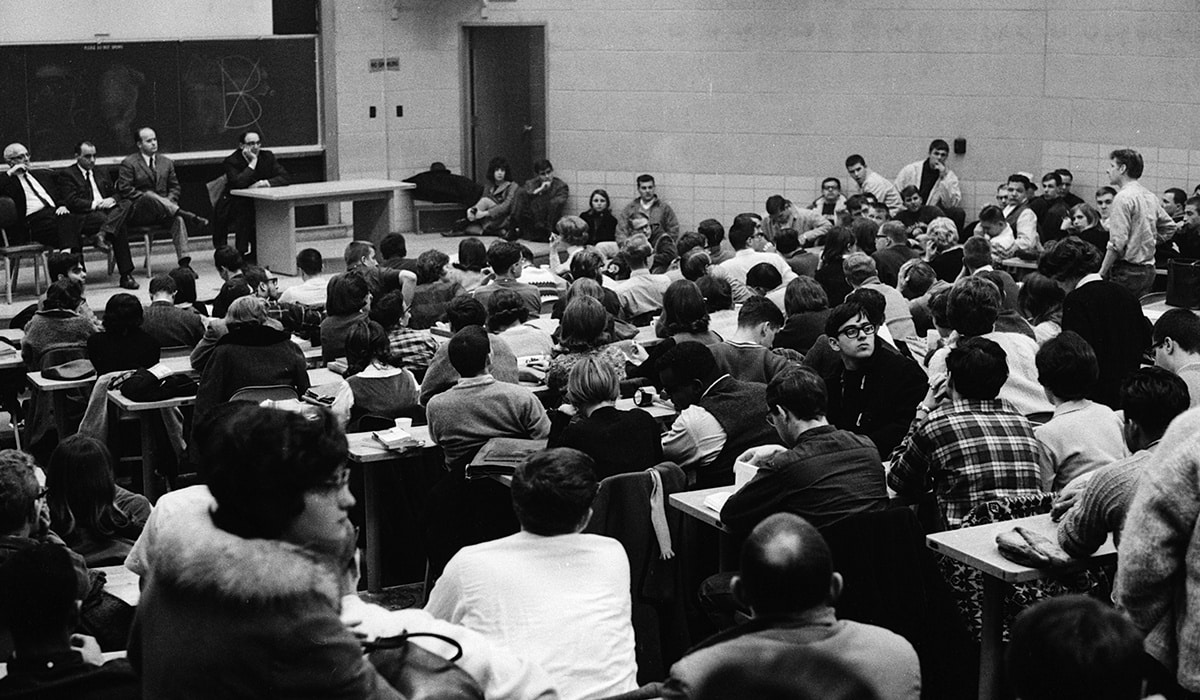
Textbooks often feature protests by white college students, ignoring the central role of African Americans in the South and of soldiers who published anti-war newspapers, joined marches, burned medals, and hosted informational coffeehouses.
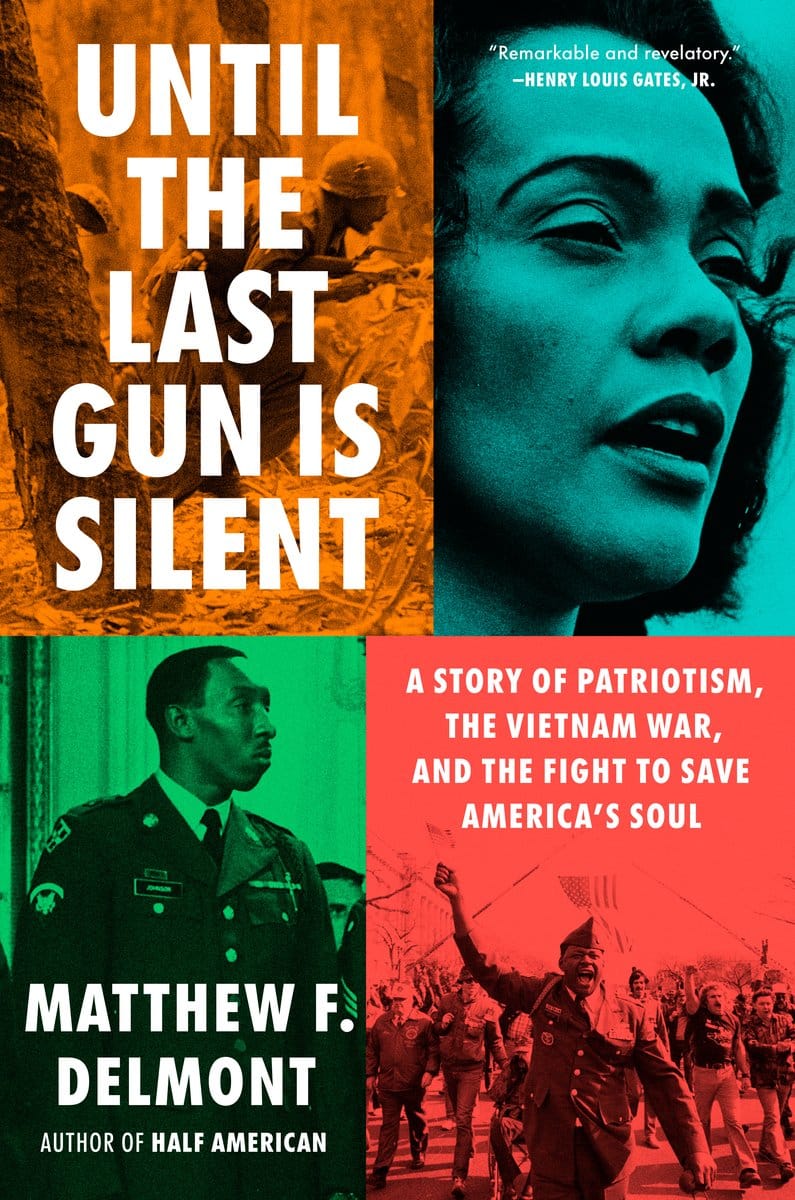
These are some of the stories Matt Delmont addresses in his new book, Until the Last Gun Is Silent, on the Vietnam War and the anti-war movement with a focus on African Americans.
Below, we offer lessons, films, and this day in people’s history entries to teach about the Vietnam War and the anti-war movement.
Teaching the Vietnam War: Beyond the Headlines
The best part of the Teaching the Vietnam War lessons is at the end when students are challenged to think about how they too can advocate for social justice and add their voice to a cause worth fighting. — Chris Peterson, High School Social Studies Teacher, Minneapolis, Minnesota
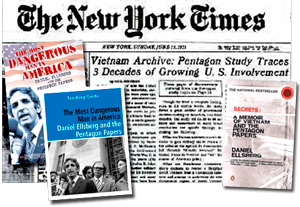
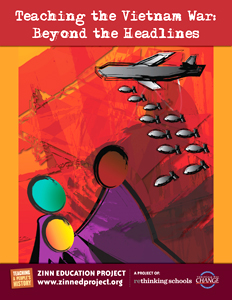 In this collection of eight lessons, students learn about the roles of presidents, generals, journalists, whistleblowers, and grassroots activists in the Vietnam War. The Zinn Education Project prepared this guide for secondary schools as a companion to the award-winning film, The Most Dangerous Man in America: Daniel Ellsberg and the Pentagon Papers.
Film: Sir! No Sir!
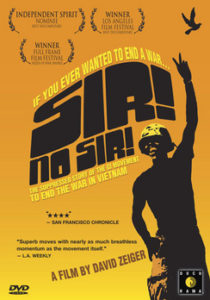 Sir! No Sir! is the most effective resource for showing the leadership role that defiant soldiers and veterans played in the anti-Vietnam war movement.
Even though it focuses on soldiers who resisted the war rather than the entire anti-war movement, it captures the ethos of the movement. This is a remarkable, classroom-friendly film that we highly recommend.
Podcast: A Matter of Conscience
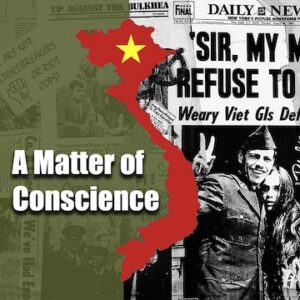 A Matter of Conscience is the story of the Vietnam War that the U.S. government and military don’t want you to know. Hosts Bill Short and Willa Seidenberg reveal a hidden history of the war born out of personal experience. The podcast shares the stories of GIs who took individual and collective action while in uniform to oppose the war — including refusing to go to Vietnam or to fight in the field, publishing underground GI newspapers, sabotaging operations, going AWOL (Absent Without Leave), and even deserting. These deeply personal stories remain highly relevant today in light of current wars and issues of free speech, the meaning of patriotism, and following your conscience.
This Day in People’s History
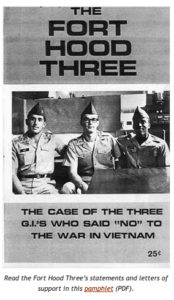 |
On June 30, 1966, Fort Hood soldiers James Johnson, David Samas, and Dennis Mora publicly refused deployment to Vietnam, saying:
We have made our decision. We will not be a part of this unjust, immoral, and illegal war . . . . We want no part of a war of extermination. We oppose the criminal waste of American lives and resources. We refuse to go to Vietnam! |
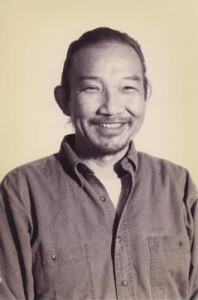 |
On April 26, 1968, Kiyoshi Kuromiya held a demonstration against the use of napalm in Vietnam by announcing that a dog would be burned alive with napalm in front of the university library. Thousands turned up to protest, only to be handed a leaflet reading:
Congratulations on your anti-napalm protest. You saved the life of a dog. Now, how about saving the lives of tens of thousands of people in Vietnam. |
More Vietnam War Protest Stories



Twitter
Google plus
LinkedIn