

By Mycah Hazel
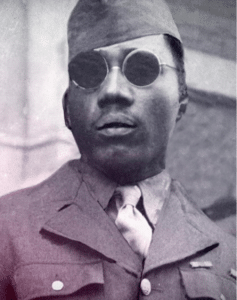
Isaac Woodard Jr. in Army uniform, 1946. Image courtesy of Woodard’s niece Laura Williams and Radio Diaries.
On February 12, 1946, Isaac Woodard Jr., a Black army sergeant, was beaten by a white police officer within hours of being discharged from the army. The beating left Woodard blind in both eyes.
Woodard had served on the Pacific Front during World War II, and was returning home on a Greyhound bus to South Carolina. When Woodard asked the bus driver if he could stop the bus so Woodard could use the restroom, the two got into a heated argument. The bus driver eventually let Woodard use the restroom, but upon Woodard’s return, summoned the police. Woodard was removed from the bus by police, arrested for being drunk and disorderly, and beaten with a blackjack. When Woodard awoke in the town jail the following day, he could not see. He did not know who had beat him, or where it occurred.
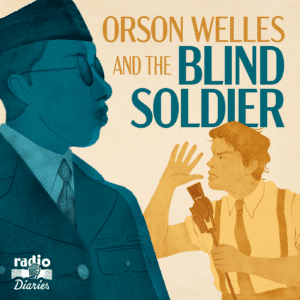
Woodard’s story was eventually picked up by the National Association for the Advancement of Colored People (NAACP). They knew that the story of a Black man beaten by police, hours after serving his country, could show America’s hypocrisy. So, they recruited famed director Orson Welles to share Woodard’s story on his radio show, Orson Welles Commentaries. Over the course of five episodes, Welles broadcast Woodard’s story to the nation, as NAACP and private investigators solved it. By the fourth episode, the name of the officer who’d blinded Sgt. Woodard, Lynwood Shull, police chief of Batesburg, South Carolina, was on the airwaves. Shull was federally charged with violating Sgt. Woodard’s civil rights a month later.
 Shull was tried by an all-white, all-male jury in Batesburg, and acquitted. But that didn’t stop the NAACP from pressuring President Truman to make progress on civil rights. A month after Shull’s trial, Truman formed a Committee on Civil Rights, which proposed the desegregation of the military. The desegregation of the military went into effect via executive order two years later.
Hear Isaac Woodard’s story as told by descendants, activists and the last known witness of the crime in Radio Diaries’ new series, Orson Welles and the Blind Soldier.
This post was written by Mycah Hazel, producer at Radio Diaries, a Peabody Award-winning podcast and producer of audio documentaries for public radio for nearly 30 years. You can listen to all of their episodes on the Radio Diaries Podcast.
Additional Resources
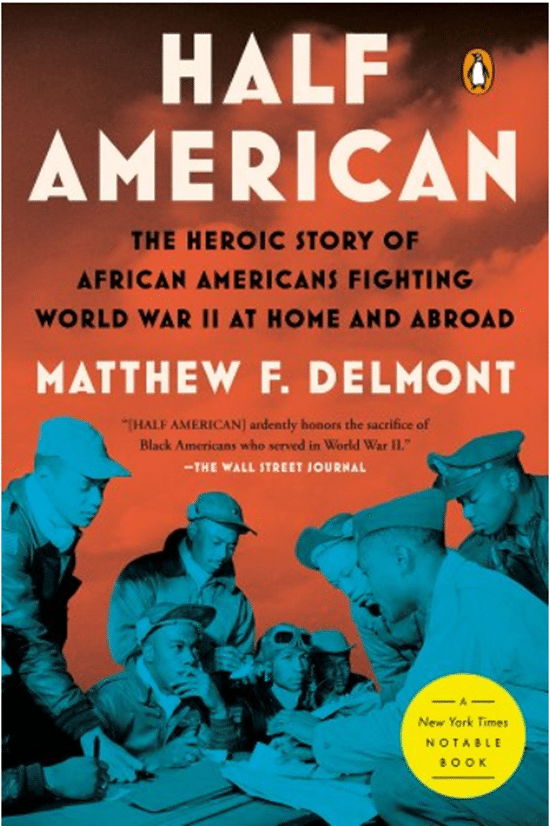
Unexampled Courage: The Blinding of Sgt. Isaac Woodard and the Awakening of America by Richard Gergel
How a 1946 Case of Police Brutality Against a Black WWII Veteran Shaped the Fight for Civil Rights by Olivia B. Waxman (Time Magazine)
Watch the PBS documentary The Blinding of Isaac Woodard below.




Twitter
Google plus
LinkedIn