

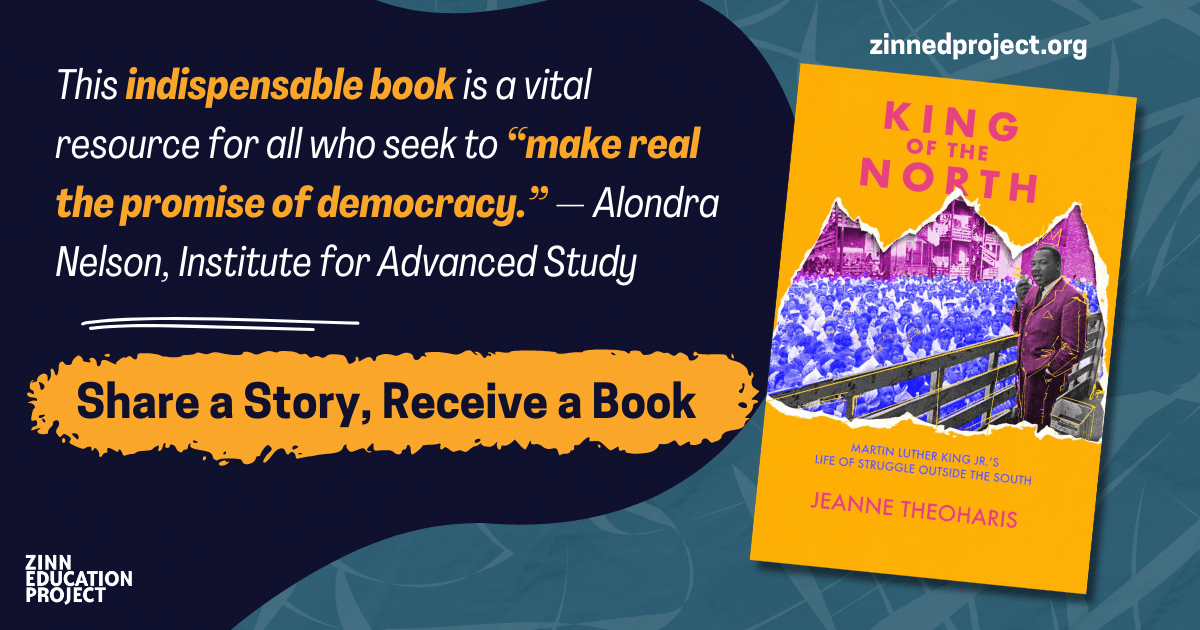
Thanks to generous donors, we can offer hardback copies of King of the North: Martin Luther King’s Freedom Struggle Outside of the South to teachers in exchange for stories about using any of our lessons about Martin Luther King and the Civil Rights Movement in the North, such as:
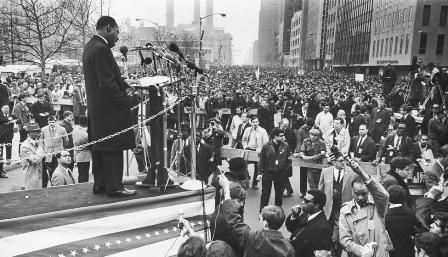
Martin Luther King in New York City by Jessica Lovaas and Jeanne Theoharis
Teaching the 1964 New York City School Boycott by Adam Sanchez
“Intolerable Conditions”: Teaching About Northern Racism Through Rosa Parks’s Detroit by Say Burgin, Jeanne Theoharis, and Ursula Wolfe-Rocca
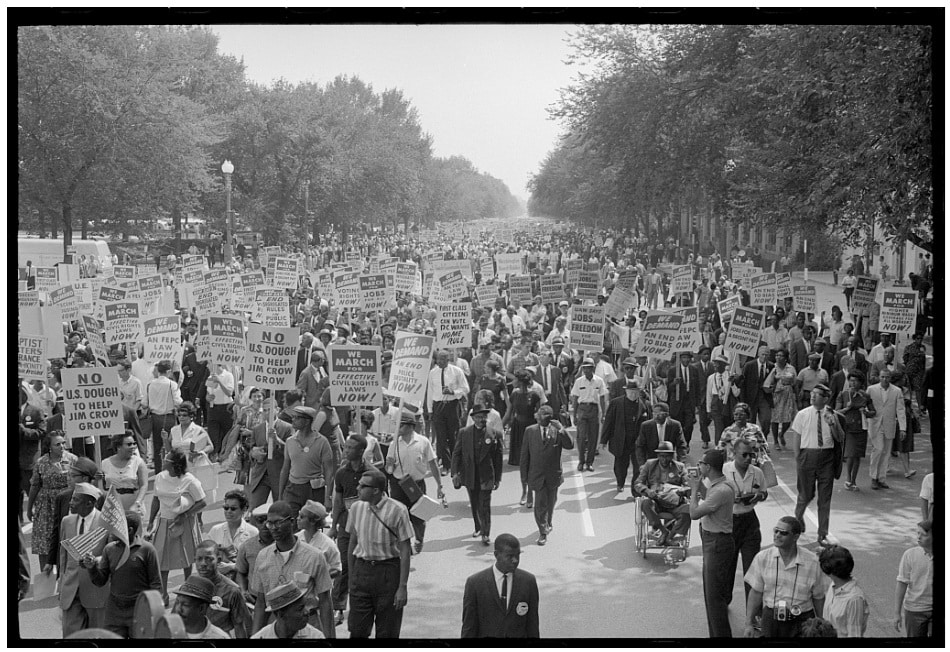
Teaching A People’s History of the March on Washington by Jessica Lovaas and Adam Sanchez
Share your story on the form and indicate that you would like to receive King of the North.
Note that we are only able to send books within the continental United States.
We still welcome donations so that we can purchase and distribute more copies of the books. One of the donors, Carrie Pingel in Salt Lake City, said,
I’m a teacher in Utah. We need this book and this message right now more than ever! I love getting to support making this book available in more classrooms. Thank you ZEP!
Please join Carrie Pingel with your donation today.




In my high school history classroom, the journey to understanding Dr. Martin Luther King Jr. often begins with a simplified, “flattened” version of his legacy. However, by integrating Dr. Peniel E. Joseph’s book, The Sword and the Shield, and the National Geographic series Genius: MLK/X, my students have moved beyond these myths to a far more nuanced perspective.
Historically, students viewed Dr. King and Malcolm X as polar opposites—the “good cop” versus the “bad cop” of the Civil Rights Movement. Using Dr. Joseph’s framework, my students began to see them as “revolutionary sides of the same coin”.
The Shield and the Sword: Through Dr. Joseph’s writing, students learned to view Dr. King not just as a conciliatory figure, but as the nation’s “chief defense attorney,” using nonviolence as a political shield to protect Black lives and force American power to recognize Black citizenship.
A “Prosecuting Attorney”: They compared this to Malcolm X’s role as Black America’s “prosecuting attorney,” indicting white supremacy for its “crimes” against dignity.
The visual storytelling of Genius: MLK/X (Season 4) further deepened their understanding by taking these leaders “off the t-shirts” and showing their humanity.
Vulnerability and Resolve: Episodes depicted Dr. King’s internal struggles with fear and paranoia under FBI surveillance, making his public courage feel more earned and real to the students.
Formidable Partners: The series brought Coretta Scott King and Betty Shabazz to the forefront, showing them as equal partners in the movement rather than peripheral figures.
The most transformative moment for the class was realizing how both leaders’ philosophies eventually converged.
A Shared Goal: By the end of their lives, students observed how King began using nonviolence as a “political sword” to confront poverty and systemic racism, while Malcolm X began embracing the necessity of political citizenship.
The Meeting: Using Episode 7, “The Sword and the Shield”, the class dissected their brief 1964 meeting in Washington D.C., recognizing it as a pivotal moment where their parallel paths finally crossed in pursuit of the Civil Rights Act.