

If there were ever a time we needed young people to learn from history, it is now — such as the mass kidnapping and deportation of Mexican Americans during the Great Depression. Historian Mae M. Ngai argues that this 1930s campaign of mass deportation had little to do with law; it was a program of “racial expulsion.” Just like it is today.
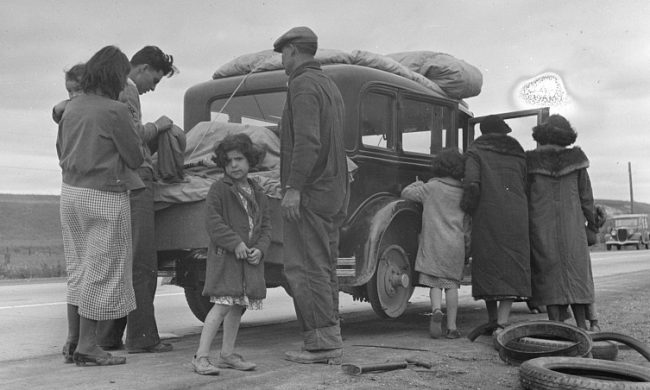
To help her high school students understand the causes of mass deportation in the 1930s and alert them to similar dynamics today, Ursula Wolfe-Rocca wrote a lesson that is free for teachers to download. She explains,
Just as students see that no single actor was responsible for the deportations of the 1930s, they can recognize that President Trump alone does not have the power to terrorize immigrants and their families. For that it takes the collaboration of the corporate media, ICE agents, for-profit detention centers, wall-builders and contractors, and an electorate primed by racism and capitalism to misplace blame for their own low wages or precarious social position.
If that is true, then it matters how every single one of us responds.
I want my students to take what they have learned about deportations of the 1930s and be like Jordon Dyrdahl-Roberts, the Montana Department of Labor worker who quit his job, explaining, “There were going to be ICE subpoenas for information that would end up being used to hunt down and deport undocumented workers. I refuse to aid in the breaking up of families. I refuse to just ‘follow orders.’”
I want my students to be like the more than 100 public defenders who walked off the job in New York City to protest ICE arrests in courthouses or like members of the Sanctuary Movement who are devising novel and brave ways to put themselves between ICE agents and their targets.
And I want my students to be like the 4th/5th graders in California who demanded they be taught about the deportations of the 1930s, who insisted that history matters, and that it might be the history that is not in the textbooks that matters the most.
| Deportations Lesson | More on Immigration |
 I used the Deportations on Trial lesson with my history class.
The students were shocked to learn that hundreds of thousands of native-born Mexican Americans were deported during the Great Depression. — Deana Forbes, high school social studies teacher, Lilburn Georgia
Uncovering Family History
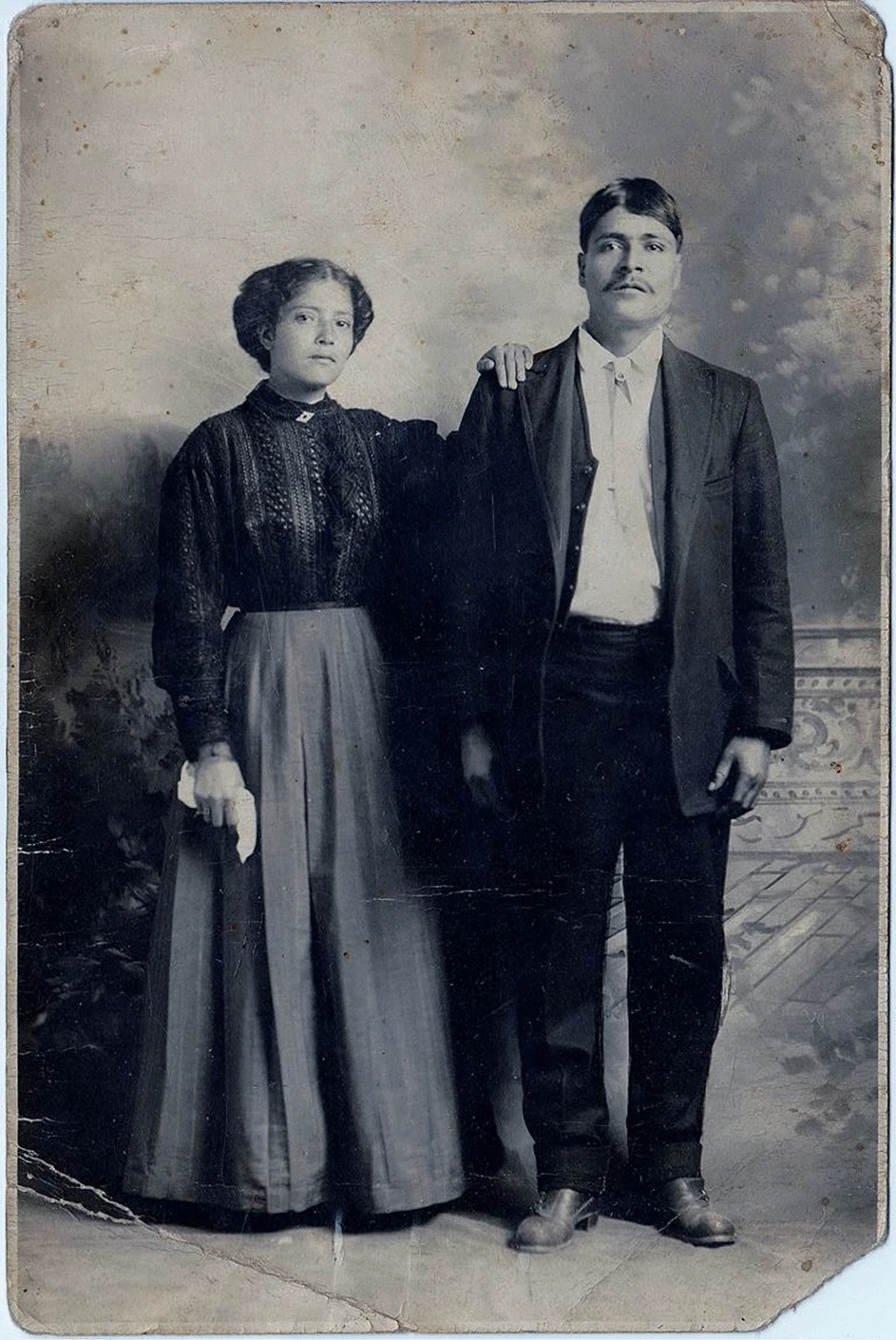
Luis G. Hernández (right) when he was a teacher in Mexico and his wife Petra Mosqueda. Courtesy of Mario Mejía.
I was one of those elementary school children in California who grew up not knowing about the Mexican deportations of the 1930s — even though I grew up in the town of Colton where the deportation trains from Los Angeles stopped to pick up families in my community.
I deeply appreciate the Zinn Education Project lesson and article about the Mexican deportations in the 1930s, not least of which because I come from a family of Mexican American school teachers.
Several years ago, I learned that a family member had written a corrido (narrative ballad) in Spanish about the Mexican repatriation that he witnessed in Colton. — Adriana Darielle Mejía Briscoe
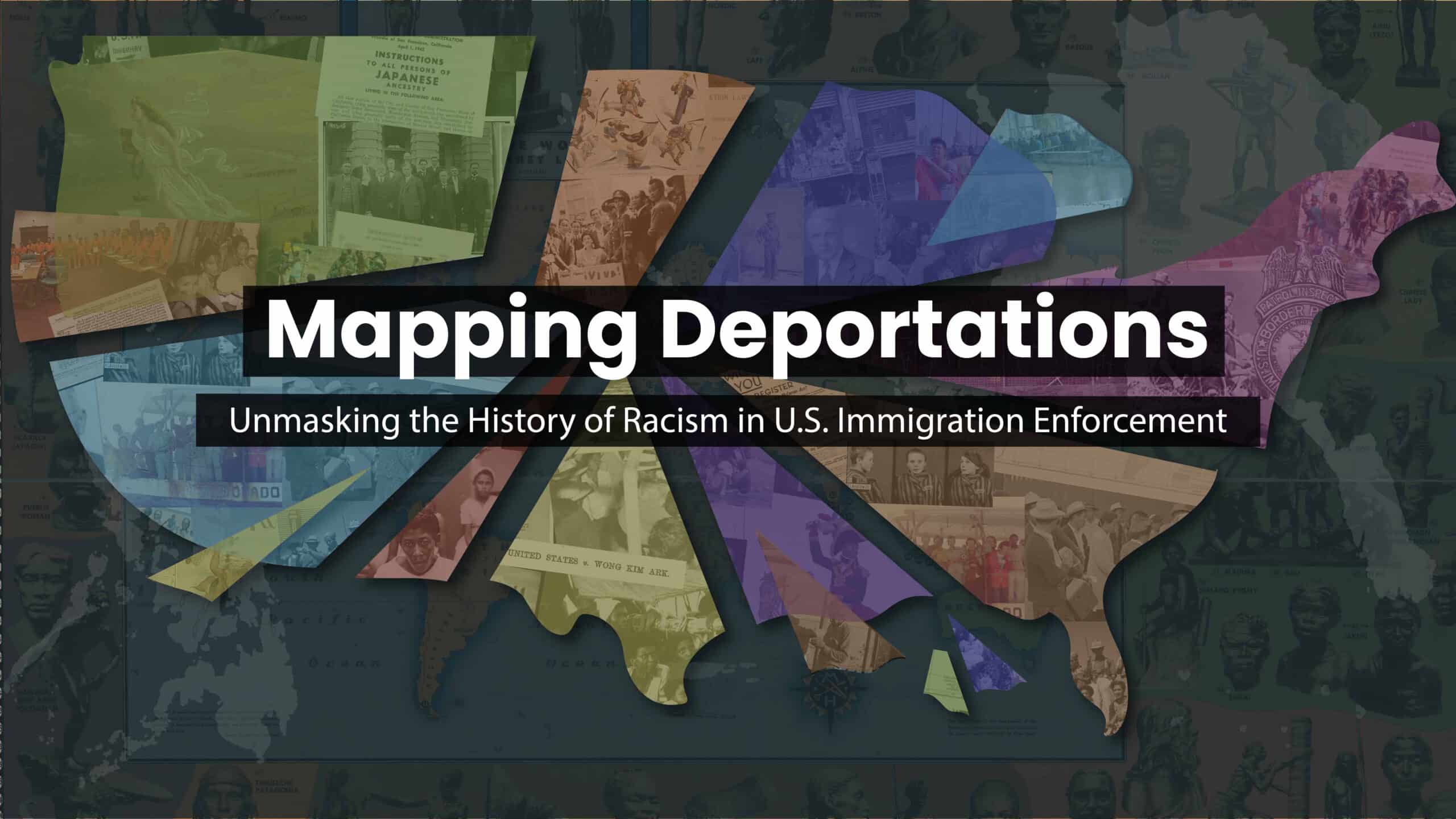
Digital Timeline: Mapping Deportations
 Deportation is just one tactic of immigration control. Mapping Deportations offers data visualizations and a timeline to delve deeper into the details of deportation as well as immigrant exclusion, punishment, and the informal process known as “voluntary departure.”
Mapping Deportations is a collaboration between the Center for Immigration Law and Policy (CILP) at the UCLA School of Law and Million Dollar Hoods.
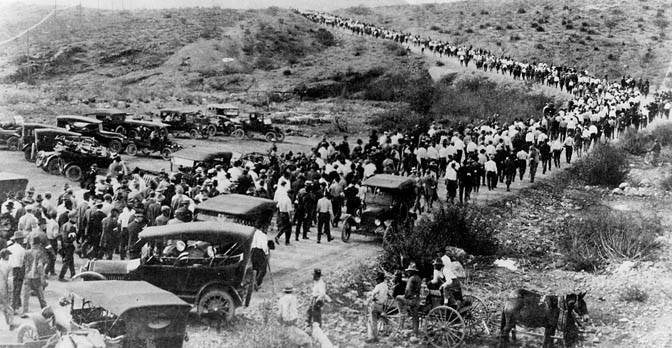
July 12, 1917: The Bisbee Deportation
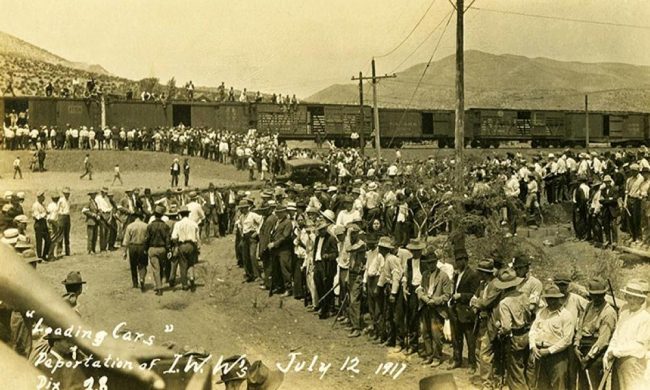
Striking miners and others being deported from Bisbee on the morning of July 12, 1917. The men are boarding the cattle cars provided by the El Paso and Southwestern Railroad.
One of the stories in our This Day in People’s History series is of the illegal deportation of more than 1,000 striking mine workers (in an IWW-led strike), their supporters, and citizen bystanders by 2,000 deputized vigilantes in Bisbee, Arizona, in 1917.





I suggest that details of the 1919 Palmer Raids be included into lesson plans as early as possible. Today’s ICE actions mimic these raids.
At a high school level, US labor history needs to be inserted when dealing with industrialization, using local examples whenever possible. This can be wrapped into a local history unit by having the students seek out physical sites: looking for history plaques, seeing examples of ethnic areas (like specific halls or monuments to various local people