

While there has been a lot of attention on the forced detention of immigrants in the prisons in Florida, Texas, and El Salvador, there are a growing number of detention centers that qualify as concentration camps around the country.
It is important to look at the history of concentration camps operated by the United States, to remind ourselves that “yes, it can happen here.”
Here are some examples of the U.S. government holding people in concentration camps:
late 1830s: Cherokee during Trail of Tears in Georgia, Tennessee, and Alabama
1862–1863: Dakota people at Fort Snelling, Minnesota
1901: In the Batangas and Laguna provinces, Philippines, under U.S. military rule
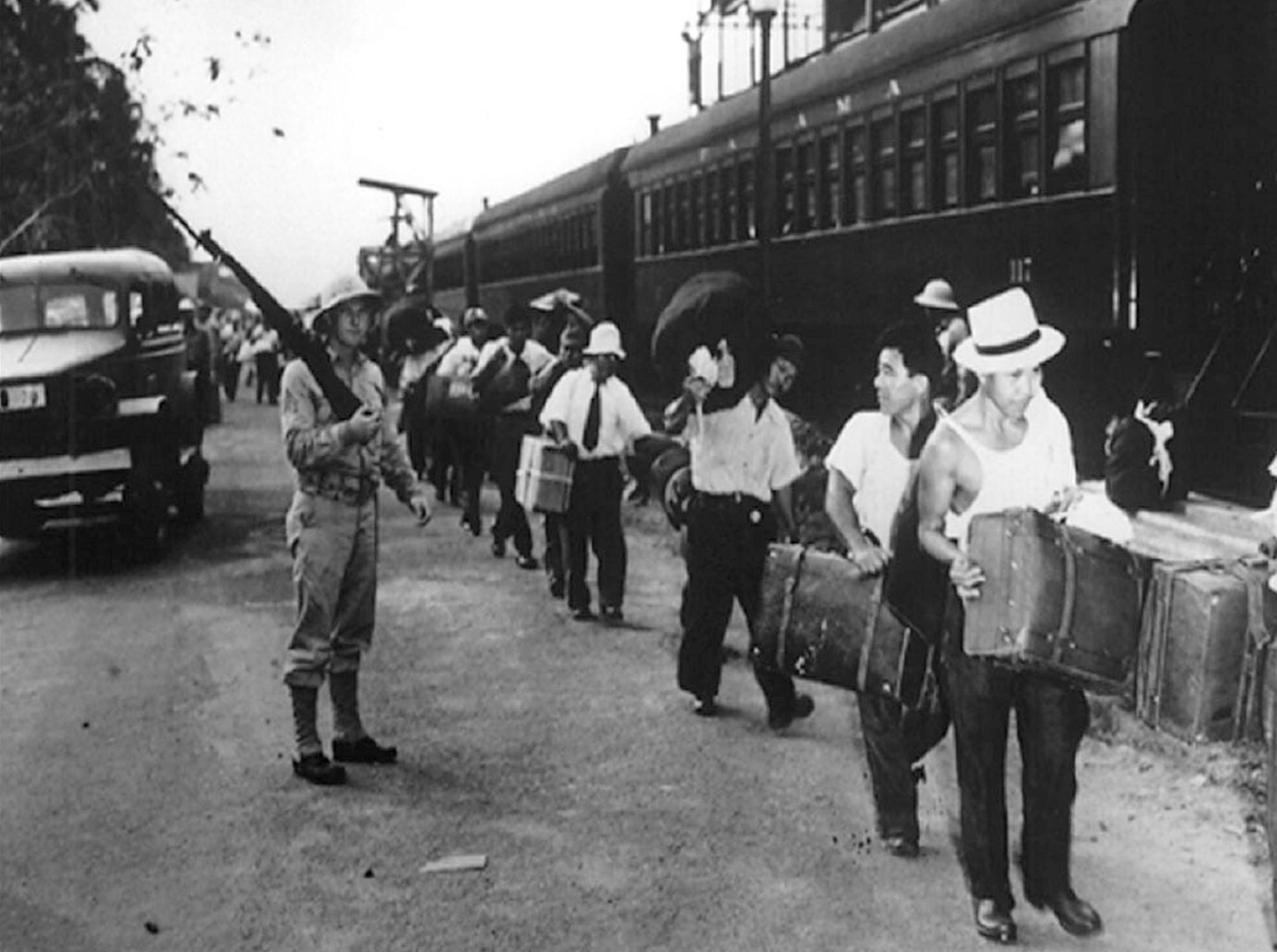
1942–1946: Japanese Americans during World War II
1942–1945: Indigenous Aleuts of Alaska
2014 to today: Central Americans and other immigrants at the border and beyond
According to the Leo Baeck Institute,
A concentration camp is a place where a large number of inmates, often those deemed political enemies or members of ethnic and religious minorities, are confined against their will and under guard, usually without having been charged with a crime. Punitive conditions of internment usually result in a high rate of mortality.
Andrea Pitzer adds,
Camps have been in existence continuously somewhere on the globe for more than a hundred years. A concentration camp exists wherever a government holds groups of civilians outside the normal legal process.
In One Long Night, Pitzer describes various types of concentration camps: internment, transit, labor, and extermination. She explains,
Camps require the removal of a population from a society with all its accompanying rights, relationships, and connections to humanity.
Journalist Rebecca Nagle notes that “Our government spent literal centuries rounding up civilians and putting them into concentration camps. But when contemporary Americans need an example, they look across the ocean.”
View this post on Instagram
And although they are not concentration camps, there are many parallels with the conditions of generations of people enslaved in forced labor camps for 250 years in the United States and contemporary mass incarceration. Pitzer describes some of the commonalities and distinctions regarding chattel slavery,
Concentration camps chiefly focus on removing groups labeled “undesirable” from the society the governing party runs, whereas plantations bring groups treated as inferior INTO a community, with the chief focus being on extracting forced labor. A concentration camp can (and often does) wind up with forced labor, but it’s not the primary reason for the creation of the system. The concentration camp system is created for the political benefit of the governing party or leader, as a way to garner more power or support from the public and threaten political opponents.
The trans-Atlantic slave trade was created to expand the population through the addition of a worker class forced to provide free labor, knowledge, and skills — stripping millions of people of their rights and using that labor as the engine powering society. This system was enforced by the government and civil society at every level, generation after generation. While there has sometimes been overlap in conditions of confinement and abuse, concentration camps and slavery represent two heinous but different approaches to dehumanization, both of which have inflicted boundless suffering.
Sources
The links below are to online articles, except for the book One Long Night.
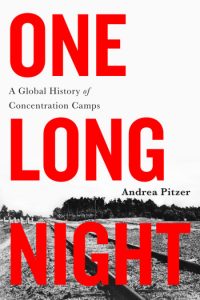 One Long Night: A Global History of Concentration Camps by Andrea Pitzer
A Brief History of U.S. Concentration Camps by Brett Wilkins, Common Dreams
Concentration Camps Existed Long Before Hitler Came to Power by the Leo Baeck Institute
Don’t call it ‘Alligator Alcatraz.’ Call it a concentration camp. This facility’s purpose fits the classic model, and its existence points to serious dangers ahead for the country, by Andrea Pitzer, MSNBC
Cherokee Indian Removal, Encyclopedia of Alabama
The U.S.–Dakota War of 1862 in Historic Fort Snelling, Minnesota Historical Society
“I’m a Jewish historian. Yes, we should call border detention centers ‘concentration camps.’ It isn’t just accurate. It’s necessary” by Anna Lind-Guzik, VOX
This Isn’t the 1st Time Americans Have Debated What to Call Detention Centers, All Things Considered, NPR
Stop comparing #AlligatorAlcatraz to Nazi concentration camps. The U.S. gov has built concentration camps before by Rebecca Nagle, Substack




Twitter
Google plus
LinkedIn