
On March 16, activist Mike Africa Jr. and scholar Dr. Krystal Strong joined Rethinking Schools editor Jesse Hagopian to discuss the story of the MOVE organization, repairing histories of state violence, and the “On a MOVE” curriculum project. (Watch our previous Teach the Black Freedom Struggle online classes and register for upcoming classes here.)
In the audiogram below, Dr. Krystal Strong discusses the student activism, organizing, memory work, and storytelling central to understanding the story of MOVE, commemorating the tragedy of the 1985 bombing, and fighting for reparative justice today.
Participants shared what they learned and additional reflections on the session:
The most important thing I learned was how long the MOVE members, including Mike Africa Jr.’s family, fought for justice and how strong they stayed despite everything they went through. It showed how important resilience and activism are.
I did not know about MOVE in general until I signed up for the class. However, in our breakout rooms, the other attendees helped make the connection between the stolen remains [of MOVE children] and the atrocities in Gaza and the stolen remains by Israel. This made me ask, “How do I make this history relevant to my students?” Yes, this was in the past, but the actions driven by hate are still very much alive, so how do we turn our understanding of history into action?
The concept of “memory work” was very important for me to hear. I have been thinking of teaching history like this, in terms of helping us understand our present so that we can take action for justice today, but the thinking of it as “memory work” makes it personal, and centers healing. And it should be personal to us all!
Event Recording
Transcript
Click below for the full transcript with resources mentioned in the discussion.
Transcript
Jesse Hagopian (he/him): We would like to welcome everybody for our Teach the Black Freedom Struggle class with Mike Africa Jr. and Dr. Krystal Strong. My name is Jesse Hagopian, and I’m a Zinn Education Project campaign director and a Rethinking Schools editor. Today’s class is hosted by the Zinn Education Project, which is coordinated by Rethinking Schools and Teaching for Change.
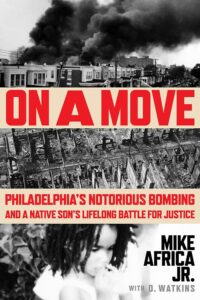
I am so happy to welcome activist Mike Africa Jr. and scholar Dr. Krystal Strong. Mike Africa is a revolutionary activist on a mission to preserve the historical legacy of the MOVE organization. He is the author of On a Move: Philadelphia’s Notorious Bombing. and a Native Son’s Lifelong Battle for Justice. He’s also the star of the HBO documentary, 40 Years a Prisoner. If y’all don’t have this book On a Move, you better get it. You’re sleepin’. And then, Dr. Strong is an associate professor of Black studies in education at Rutgers University, New Brunswick. She is a core organizer with Black Lives Matter Philly, where her political work centers on educational justice, abolition, and pan-African solidarity. Thank you both so much for joining us this evening. Educators are in for a treat this evening to really learn a history that so few of us ever got to learn in school. And it’s being hidden, so let’s jump into it. In On a Move, Mike, you write that many people, quote, “don’t know what MOVE is and never knew what it is about, and that includes some of the people who were in it.” So, can you please give us a brief introduction to MOVE before we go deeper into this history?
Mike Africa Jr.: Yes, thanks for having me, Jesse, and everybody here. I appreciate the invitation. I appreciate being here today, so thank you. First of all, the MOVE organization’s purpose and origin was one thing, but as time went on, it evolved. Things happened. My great uncle John Africa started the organization with a simple mission: to protect life, people, animals, and the environment. But when you have a mission to protect life, you’re talking about protecting people from injustice. You can see what happened to the Black Panther Party. You saw what happened to Dr. King. We saw what happened to Huey Newton, and we saw what happened to Malcolm X, right? Jesus Christ, too. If you’re trying to protect people from injustice, things happen. Governments come after you because of that, because they want to keep us enslaved. The protection for people led to many members of the organization being arrested, attacked by police. MOVE children, I’m talking about babies, were beaten out of MOVE women’s stomachs by the police.
And then MOVE said enough is enough. We ain’t taking this anymore. You come at us with sticks, we’ll match you with sticks. You come at us with guns, we got guns, too. This led to a confrontation where the police, by the hundreds, came to the MOVE house, shot MOVE’s house up with tear gas, the fire department shot MOVE’s house with water cannons, and then they shot a bunch of bullets, shooting MOVE men, MOVE women, and MOVE children. And, in the shooting, a police officer was shot and killed. Of course, the city blamed the shooting, the death of the police officer, on MOVE. They gave my mother, my father, my uncle Chuck, and all the other MOVE members 100 years in jail for that one killing.
So there was an evolution. MOVE believed in fighting against the unjust treatment of animals in the zoo, the exploitation and the abuse of animals in the circus, and against the pollution in the air, with the Three Mile Island nuclear power plant not far from where people lived. So it was an evolution. It started with, “Let’s just protect life and fight,” but then the city pushed MOVE into a position where they were forced to defend themselves. They were forced to bear arms and meet the city with what the city was dishing out to them. And that led to a lot more confrontations, and eventually led to the city of Philadelphia flying a helicopter over MOVE’s house and dropping a bomb, killing 11 MOVE members, including 5 children.
Hagopian: Ugh. So much trauma inflicted by the state. You write about it so movingly. It’s just so important that we understand the depth of brutality, and it’s really just a crime how little is understood by so many folks about that horrific bombing, but the ongoing harassment of folks who are trying to defend their communities. So, let’s get into the origins of MOVE, and tell us more about the start of MOVE as an organization in the 1970s, including the first huge instance of state violence against its members in August 1978, and the Move 9, for example.
Africa Jr.: MOVE was an organization that was just like the Black Panther Party, but for animals. They believed a lion ain’t supposed to be put in no zoo and exploited. Tigers aren’t made to jump through rings of fire, you know? They were bold about it. They would say things like, “If the circus owners think it’s so fun and so entertaining to make a baby tiger jump through a ring of fire, why doesn’t he make his own baby do it?” “These tigers are not made to be taken from their home in India, brought to a circus in Philadelphia, and beaten and prodded and stuck with electrical rods and steel spikes and starved and intimidated into jumping over hoops to entertain these people.” So that’s how it mostly started. MOVE’s first protest was at the Bronx Zoo in New York, and then they protested heavily at the Philadelphia Zoo. That’s how the organization started.
But it didn’t matter that MOVE people had the freedom of speech to the police. It didn’t matter to Frank Rizzo that the MOVE organization are not slaves, that just because they’re Black, they’re not slaves. This is not 18-something, this is 1972, 73. And the Rizzo administration, the racism, the brutality of the Philadelphia Police Department. Police commissioner Rizzo would say things like, “This police department in Philadelphia could invade Cuba and win. We’re here, we’re now trained and equipped to fight wars and break their heads. You’re dealing with criminals, barbarians. You’re safer in the jungle.” This is the man that’s supposed to be the head of the police department, the police department that is supposed to serve and protect the people. These are the things he’s saying. When MOVE members got hit in the head with nightsticks because they were at a protest against the zoo, Rizzo would say things like, “The nightstick broke over their heads. We really need to find a new vendor. Those nightsticks are cheap.” Instead of finding out how to resolve an issue, he was inciting violence. And MOVE just said, “Look, we ain’t doing this, no. If you wanna fight us, we’re gonna fight you back. We believe in self-defense. We’re not turning the other cheek.” And that’s what led to the confrontation that took my parents to prison. Rizzo was the kind of politician, the kind of police commissioner, that led with force, he led with violence, he led with racism. And, that’s what you saw on August 8th, 1978.
Hagopian: I was never taught about Rizzo. I think the first time I encountered him was in a Gil Scott Heron poem. We have to tell the stories of our resistance, or they won’t be told. You write that when you were 6 years old, on Mother’s Day 1985, the Philadelphia Police Department waged a war on my family, the MOVE organization. You said, quote, “It is the darkest day in modern Philadelphia history. The police dropped a bomb on my home, killing 5 of my MOVE brothers and sisters, 6 of my MOVE aunties and uncles, and destroying 61 houses. More than 250 of our neighbors were left homeless.” So, could you talk more about that 1985 MOVE bombing and your early experience in the fight for justice as the son of two MOVE 9 members?
Africa Jr.: Yeah, The MOVE 9 were put in prison and given that bogus 100-year sentence — 100 years each, for a total of 900 years. And even though MOVE members had police officers that were on the scene when this crime happened saying that MOVE didn’t actually commit the crime — they believed that it was friendly fire — there were politicians, like the mayor (he was the managing director at the time), his name was Wilson Goode, who said that he believed that the officer was killed by friendly fire. The judge that sentenced my family to prison said he had no idea who killed the cop but he was sending these people to prison anyway. Even before the trial began, he had meetings with the lawyers of the MOVE 9 telling them, before discovery, before there was any questions, anything about a court case, that those MOVE men are going to prison.
So, with all of this information, with all of this evidence, MOVE members started asking the city, “Well, when are you going to let our people out of prison? What’s the holdup?” And the city dragged their feet and said, “We’re going to talk about it. We’re going to try to figure things out.” One year turned into two, two years turned into five. MOVE members were so frustrated and fed up with this injustice that they began protesting every day. Every day, if they saw city council president Joe Coleman, they confronted him. “What’s up? Why are you keeping our people in prison?” When they saw Wilson Goode, they went down to his office. When they saw any politician, anybody that had any influence within City Hall, they would confront him and ask him, “What’s the holdup?” And then they would say, “This is only because these are Black people. This is only because these are MOVE people.”
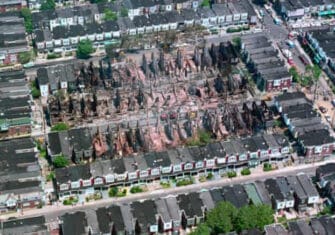
You know, locks are popular in 2026, but in 1985, I can assure you, they were not. So MOVE members look like aliens to these people. They look like Martians. There was a movie that came out shortly after that called Predator, and they put dreadlocks on this monster. This is the kind of atmosphere that MOVE members were living under. So, when MOVE people were fighting for justice, every complaint fell on deaf ears. And the city’s response to MOVE members complaining about their people getting this extreme length of time for this crime they never committed was to fly a helicopter over our house and drop a bomb. Then the bomb ignited a fire. The fire burned to over 2,000 degrees, the temperature that melts steel. The firefighters refused to put the fire out. They made a decision to let the fire burn. When the smoke cleared, after that fire burned for over 24 hours, the death toll was 11 MOVE members that were shot with the 10,000 rounds of ammunition that the police shot at them, and 5 of those people were children.
Hagopian: Man, I can’t imagine the kind of trauma that your family has had to experience, that you must still be working through. And my heart is with you and your family. Knowing the kind of depravity that this state is capable of is really hard to hear about, so thank you for sharing it so that we can really understand what we’re up against.
I wanted to also bring Krystal into the conversation. You’ve been doing such important scholarship and work to get this story told to youth, as well, so thank you for joining us. In the book On a Move, Mike writes that “the closeness among the members in MOVE has kept memories of those killed alive in heart, in mind, and in spirit.” What’s odd for me sometimes is that theirs was a very public death that made major international news, but it is so little remembered. and even more poorly understood. Krystal, you’ve been deeply involved in the work of preserving MOVE history, the collective memory of state violence, and also, importantly, of Black resistance. So let’s talk about the efforts at remembrance and repair. First remembrance. Tell us about the creation of a historic marker for the 1985 bombing, as well as the MOVE Activist Archive and its recent exhibit at the Paul Robeson House. And then, Mike, if you want to come in and add anything, we would love to hear from you, too.
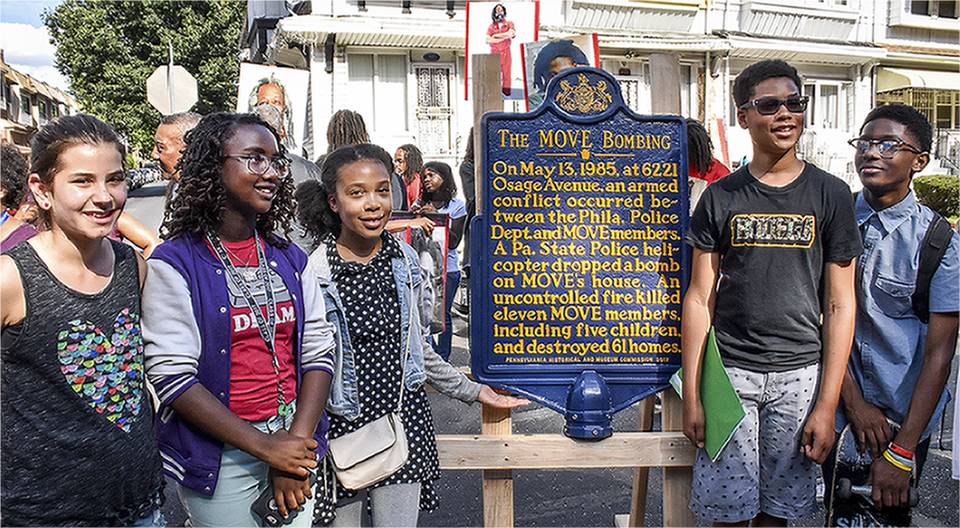
The five Jubilee student organizer-leaders at MOVE memorial unveiling, Philadelphia, June 24, 2017. Source: Workers World
Krystal Strong: I want to start out with a saying that has become a praxis of the Move Activist Archives work, which Mike himself imagined, which is that “We tell our own stories,” or “We steward the process of telling our stories,” or, “We protested.” That means that gone are the days where people get to tell the stories of our communities, that get to frame how we should understand the past and our role in it, and its role in the present. We’ll come back to that in just a moment.
You mentioned the MOVE historic marker, which sits at the corner of Osage Avenue and Cobbs Creek Parkway in West Philadelphia. It is the first monument to the tragedy, the horrific state violence that happened on May 13, 1985. And the reason why we have a MOVE historic marker is because of the children of the Jubilee School, and their teacher, Ms. Karen Falcon, who taught them about the bombing of MOVE. These elementary school children were so horrified that this happened in their own city, that they are the ones who proposed a historic marker. The Jubilee children’s example is one that continues to shift the landscape of memory and history in the city of Philadelphia.
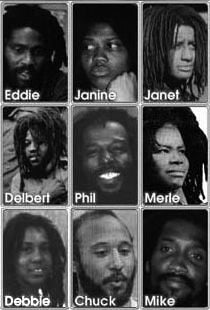
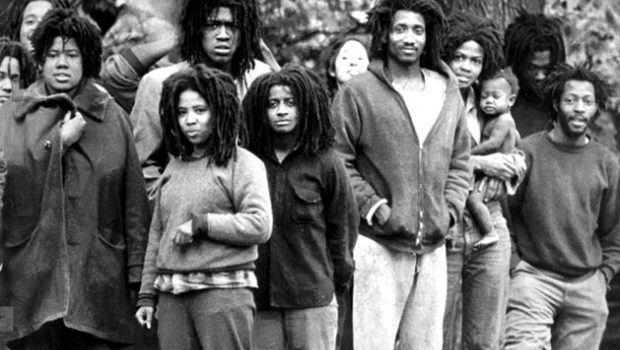
The MOVE 9 members, incarcerated for over 40 years. Source: The Philadelphia Tribune
We’ve got, on the one hand, these children’s courage to tell a new story. That was in 2017. In 2018, the MOVE 9 members that Mike mentioned, including his parents, including his uncle, and other MOVE members, started to be released from prison after over 40 years of political imprisonment. Between 2018 and 2020, the 7 surviving members of the MOVE 9 were released, including Mike’s parents. That created room to begin to shift and tell MOVE’s story. Someone that we haven’t mentioned in this conversation who deserves a lot of credit is Louise James Africa, Mike’s great aunt and sister of John Africa. It was actually her house that was bombed on May 13, 1985. She was a founding member of MOVE, but even more than that, she preserved MOVE’s history for 50 years. She is the reason why we can do the work of the MOVE Archive in the first place, because archival practice was actually a strategy of MOVE to try to win the release of their members. The media played a huge role in deriding MOVE, in shaping the narrative that made it okay for innocent people, young Black radicals, to be imprisoned, to have the key thrown away for 100 years. It was the media and also the political establishment that made that okay. So, to tell MOVE’s own story, to preserve MOVE’s own organizational history, was a consistent part of MOVE’s work over its more than 50 years of existence.
So 2020 becomes a really important period, where the work of the MOVE Activist Archive really begins to take shape, especially because we’re in the middle of a pandemic. But we’re also in the middle of a historic rebellion around state violence. Not a lot of people know this, but Philly had its own uprising that lasted for months. One of the things that became very important in our organizing work was to remind people that, yes, we are in solidarity with Minneapolis, but we don’t have to look to Minneapolis to talk about state violence. Within the first month of the rebellion in Philadelphia, we brought people back to Osage Avenue. Thousands of people came out to stand with MOVE, but also to honor this particular history of state violence.
And something else happened. In 2021, we found out that the Penn Museum had stolen the remains of at least two moved children, Delisha Africa and Tree Africa, without the knowledge and consent of their family members. Forensic anthropologists who were processing the scene of the bombing stole the remains of these children. And, as you can imagine, our work shifted around to justice for these children and the repatriation of their remains.
I’ll close in just a moment, but I want to say that this provides some of the context for the work of the MOVE Activist Archive. But let’s be clear, MOVE has been telling its own story for over 50 years. Ever since 1986, on the anniversary of May 13th, 1985, MOVE has been gathering and inviting the community to come together to commemorate the bombing. This happens every single year, and every year that the commemoration happens there’s a kind of retelling and reclaiming of the history. Even in the organizing we do, in our protests, we include history work, memory work in that process. I’ll mention one of Mike’s favorite actions that we’ve organized, the Wednesday action, which happened in April 2021. A couple of days after we found out about Penn stealing the remains of MOVE children, we marched to the Penn Museum, we took the streets of West Philadelphia, and we occupied the street in front of the President’s House at Penn. And we did something that we’ve been calling a live oral history interview, where we talked about what it was like for Mike to grow up as a MOVE child. We talked about the lives of MOVE children, of the people who were bombed on May 13, 1985. That’s just indicative of the ways that the MOVE Archive is organizing, with memory work and storytelling all coming together.
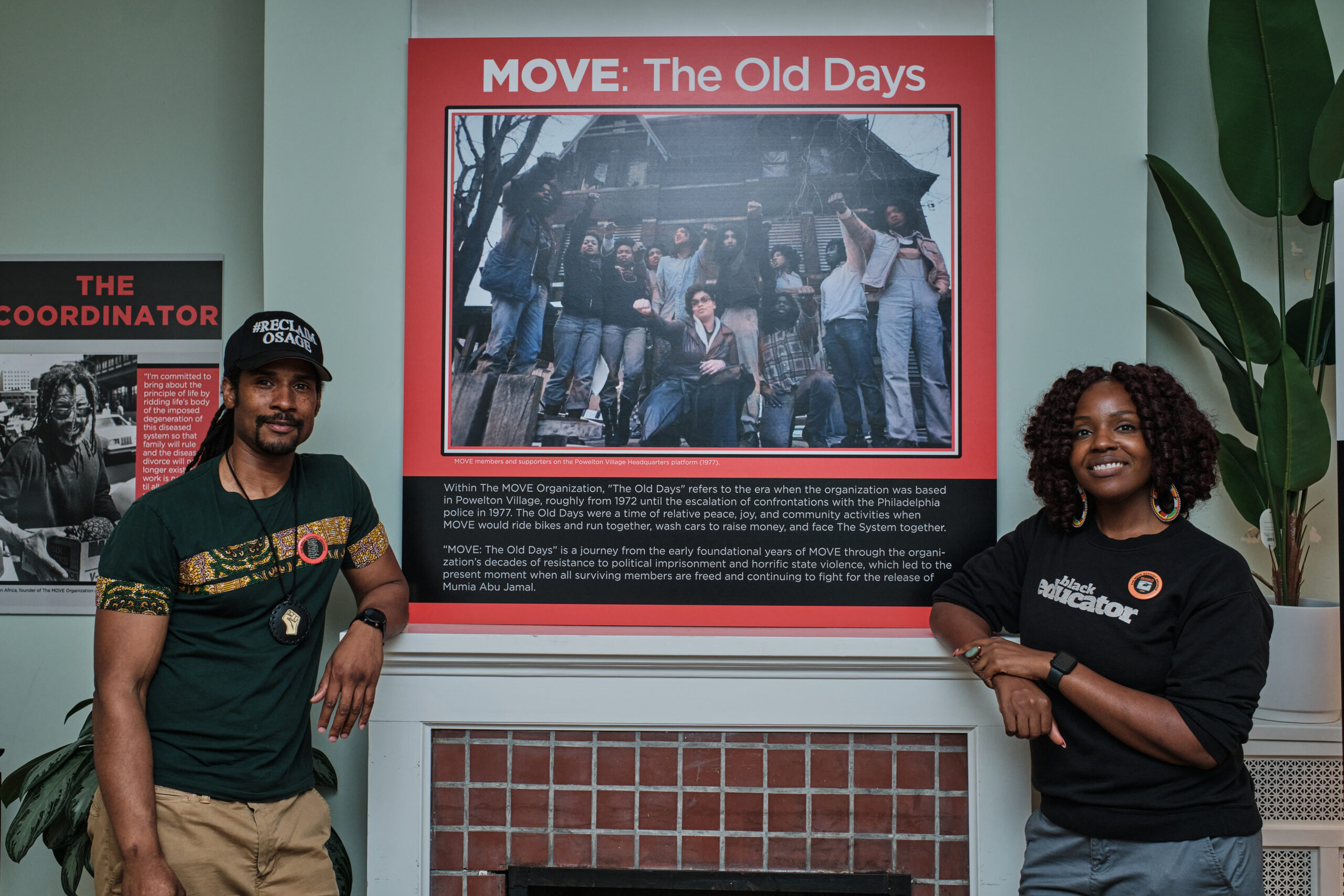
So, as you alluded to, we’ve been able to curate two exhibits. The first was called MOVE: The Old Days. That first happened in 2024. Then, more recently, last year, at the 40th anniversary, we held another exhibit called 40 Years, which was just a really beautiful process of being able to share with community members some of the artifacts that Mike’s great aunt so lovingly preserved, things that were rescued from the house in 1985. So it’s a really special experience to, number one, be able to bring people together to tell an intimate story in history, but also to connect them directly with these materials, many of which are available on our website. You can check it out with the curriculum, and you can also check out some of these materials on the website.
Hagopian: I love all that. The memory work you’re doing is just so crucial. I write in my book, Teach Truth, about the radical healing of organized remembering, and the idea that if we don’t recover the lessons of the past struggles, then we go into the new struggles without those lessons that are vital for how to resist and how to win. It’s just so inspiring to hear how you all are preserving those lessons and refusing to allow them to be erased.
For the next question, I want to bring in educator Tif Ani. Tif is a Zinn Education Project Prentiss Charney Fellow and has developed curriculum for the Montgomery County Public Schools in Maryland, and now in Philadelphia. Over the past couple of years, you all have developed high school lessons to ensure that the next generation learns this history. So, let’s get into the “On A MOVE” curriculum, its importance, and how it came to be. The curriculum was written by Tiferet Ani for and with the MOVE Activist Archive Curriculum Collective, which also includes Mike and Krystal and a group of Philadelphia teachers. So, Krystal and Mike and Tif, can y’all tell us more about this curriculum and how it came together and what the collaborative development process was like? What are the principles, really, of a reparative curriculum that’s designed to help shape this effort?
Tif Ani: The curriculum is a four-week unit that is fully available online. If you’re interested in teaching about MOVE to your students, you are invited to use lessons in that curriculum. The amazing archival work that both Mike and Krystal have done really is the reason why we could have such a robust curriculum that uses these archival materials from the MOVE family and the MOVE Activist Archive to challenge and confront dominant narratives that the police and the city have told about MOVE. Developing this collaboratively with them, giving them drafts, giving feedback, making corrections, has just been such an important way to shift curriculum development to me, and actually allow this to be a justice-oriented process that tells the stories that are not being told, that speak back to the dehumanization. We’ve had teachers give feedback, and students. I piloted the lessons with some students and got their feedback. Krystal and I have led a lot of PDs for teachers.
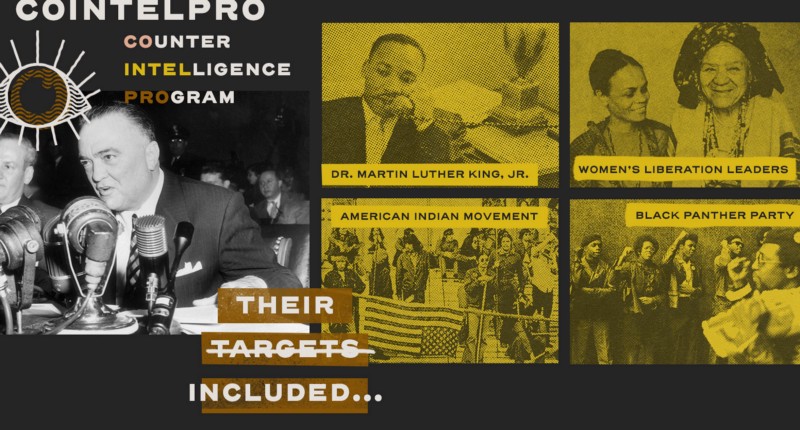
What we really wanted students to understand is, first and foremost, that MOVE was a family, a community, that they had ideals and love and wonderful practices, and they existed before and beyond police violence. So we’re not just beginning the story with police violence. We also wanted to really contextualize the amount of dehumanization that had to happen, the ways the Philadelphia government and police department were taking practices from the war on crime, from COINTELPRO, and implementing them right here. There’s a lesson where students actually compare the violence MOVE faced to that faced by Assata Shakur and Fred Hampton, to really give that context. Then thinking about the individual decisions that had to happen for people to let a fire burn, for them to get a bomb illegally from the FBI, for them to drop it on a house they knew children were in, and then let the fire burn, and shoot people as they’re trying to escape from the house. And then, of course, the resistance that MOVE was constantly engaged in to tell their story, to fight back against injustice, which includes Mike’s effort to Reclaim Osage, his great-aunt’s house, and the fight for ongoing memory, memorialization, and reparations.
The curriculum ends with students engaging in an actual project to take reparative action. There are many choices available to them, from becoming involved in the Free Mumia [Abu-Jamal] campaign to thinking about how else, besides this one marker, should this city memorialize this. We’re a city of murals, but there’s no mural to MOVE, or the victims of the bombing. So we’ve had students create projects where they’re engaging in oral histories with family members who experienced it. We had one student interview her grandmother, who actually knew some MOVE members and lived in the area. We’ve had students propose a marker for the 1978 confrontation, because there isn’t one that exists.

Political prisoner and MOVE supporter, Mumia Abu-Jamal, imprisoned since December 1981. Art by Anastasya Eliseeva. Source: Workers World
The idea is MOVE was always resisting. They were. And we need to learn about them outside of police violence. Students themselves can take action to correct the injustice and be part of that effort. Students at one school where Mike and Krystal came to speak, they were presenting their projects, and there happened to be this group of principals from Boston that day who were coming around and asking the kids about their projects, and the kids told me in a focus group afterwards that they felt like they were doing reparative work by educating people who didn’t know about the MOVE history, and that they were the teachers. They literally said, “We were the teachers in that moment.” And that’s the goal of education, right? And this curriculum does that, and it’s a gift that Mike and Krystal have given to the educators and students of the city and beyond.
Hagopian: That’s beautiful. Thank you for your labor to help create that curriculum, and for laying out how it worked. Krystal, I don’t know if there’s anything you want to add before we go into breakout rooms.
Strong: I just would like to put a fine point under this idea of reparative action. Within the DNA of the curriculum it is challenging and inviting students to reconsider these narratives, these accepted narratives, which is just an important practice for life. This is what will allow them to navigate not just how they understand the past, but how we navigate the present. But one of the things that I think is just such a beautiful connection with what led to this in the first place is that we’re inviting students to build on the Jubilee school students’ legacy of being activated by this history, and not just being activated through their consciousness, but allowing that to engender tangible, material action. I can think of nothing that could honor MOVE’s legacy more than to activate young people, and by extension, our communities, to question, but also to act.
So I just wanted to emphasize that, and also underline the point that there is still justice that is actively being sought. Mike was able to purchase the house that was bombed. It was taken by the city through eminent domain, sold to a private developer for $1, and then redeveloped. Mike had to purchase it for $400,000. The house that was his family’s house that was bombed. So one of our active campaigns in this moment is to reclaim Osage, to raise funds to own the house outright, and also to turn that site into a living memorial that allows us to grapple with this history in the very place that it happened. And so I just wanted to uplift that as ways that this work is really inviting us to action in the present.
Hagopian: Yes, I love that. We were talking just before we went live about the Chicago reparations curriculum around the police torture and the struggle there to make sure that all students get to learn about that state violence in Chicago, and how that was mandated in the curriculum in Chicago. The work you all are doing is really at the forefront of this struggle to make sure that the Black Freedom Struggle is not erased from our curriculum. So thank you all so much for doing that.
[breakout rooms]
Hagopian: Welcome back, everybody! We’re going to continue our conversation. I’m inviting back Krystal, Mike, and Tif for this conversation. One question that maybe y’all could just elaborate a little bit more on, is the efforts at repairing the history of state violence. Maybe you could tell us a little bit more about the city council’s apology and anything else you wanted to say about the campaign to Reclaim Osage.
Strong: I will jump in. Some important pieces to the context for the City of Philadelphia, specifically the city council’s public apology, is that it happened on the 35th anniversary of the bombing, or in the wake of the 35th anniversary of the bombing, in 2020. A huge part of that context was, of course, the 2020 rebellions and the ways that that compelled public pronunciations and moves to repair and to acknowledge these histories of state violence. That was significant, of course, because this is an organization that suffered unspeakable forms of state repression. We talked about the MOVE 9 members, but there were many more MOVE members who were in and out of prisons. The children who were murdered in 1985 were penal orphans, which means that they were orphans because their parents were political prisoners. So we’re talking about a kind of injury and harm that you can’t actually repair, fully. But nevertheless, it opened up more space for conversation, and more space for reconsideration of this history that has been very useful to us in the work that we’re doing.
But let’s also be clear about what an apology is not. An apology is not reparations. An apology is not a response to the reality that the city bombed this family and then stole the house that was bombed and refused to give it back. When we talk about reparations and the city’s apology, there’s a far distance to go between an apology and actual reparative justice. I see that Mike is back, so I will pass the mic to Mike. But I think another very important part of this story, too, is how the ongoing denial and refutation of truth-telling continues, not just at the city council level, but at the school district of Philadelphia.
Hagopian: Did you want to add anything to that one, Mike?
Africa Jr.: Krystal said it very well as far as the apology. Apology without action is meaningless. I mean, people apologize for things all the time and it doesn’t mean anything. It doesn’t mean anything without action, right? It’s like apologizing for the bombs you dropped on people and on their countries, and then not doing anything to help repair the damage that was done to those countries. We’ve seen that, we’re seeing that, and we’re going to see that again.
But I think the most important thing for me is that this story is told, and the legacy lives on so that we can prevent these things from happening to other people. I got a call from one of the council members who said during the uprisings in 2020, there were a few gatherings. We had an encampment on the parkway in Philadelphia that lasted for a long time. Listen, you kicked us out of our home, you took our homes from us, you raised rent so high, we can’t afford to live. So they just posted up on the parkway, in the park area, with tents, and people supported them. We all went down and supported them, gave them food, gave them money.
A few years before, a decade or so before that, there was this thing called Occupy Wall Street, and Philadelphia had its own Occupy here. When a councilman called me, he said the reason the police didn’t move on those people and break that up is because of what happened to MOVE and the resistance they got from that. But if people didn’t know about that, if people didn’t know the kind of reaction that they could have and that they were expecting, they wouldn’t . . . So I think the MOVE history brings about a level of humanity for people that would make them otherwise not pay much attention to war, bombs being dropped, or incidents that happen across the country where police are just in these situations where violence happens, and police brutality happens, and Sonya Massey is shot and killed. These are not isolated incidents, and the MOVE history brings that out, along with those other incidents of violence, like the killing of Fred Hampton and the execution of [Aubrey Geraldine] Graham [aka Shaka Sankofa] in Texas. We just have to keep this history going and keep this ball moving, and May 13th, we’re going to continue to do that.
Hagopian: Right on. Well, that feeds really nicely into the next question. Y’all are in the early stages of implementing the MOVE curriculum in Philadelphia schools, so maybe y’all could talk a little bit more about what that process has been like.
Ani: Well, we had teachers in our group when we were creating the curriculum to also give their feedback, and from the earliest stages, we’ve presented to students and teachers, again, because this is for them, so they should be able to weigh in and give their expertise. There are teachers who’ve been teaching about MOVE on their own for years. I would say it’s not very common, especially to do an extended unit, but there are teachers. We first started putting out their curriculum last year, in mid-spring, so teachers were starting to teach it last year. I’m working with 5 teachers who are teaching it, and I’m going to their classes and seeing how they’re teaching it, working with their students. The kids, by and large, don’t know this history and they’re shocked that they don’t know it, and they want to learn more about it. They are very engaged. I think local history is so proximate in time and place for them that it’s really important for them to learn it. And they feel that.
I want to address some of the things people are asking about the school district and the curriculum. Initially, we were told that all we had to do was work with a supervisor, and that we could get it in that way, and that’s what we did. I put a petition in the chat to defend Ismael Jimenez, who is the supervisor, and one thing that we didn’t realize is that he put it in the curriculum and it was taken out, apparently because we didn’t follow the right approval processes. We’re going to make sure we do that, and if we can’t get it back in the official curriculum, we’ll strategize about what to do next, maybe looking to Chicago’s example for things we need to do. But it’s local history, we have a mandated year-long African American history course that should absolutely be taught in that year, and there are amazing teachers who are continuing to do that. I was in a teacher’s classroom just today, and they were teaching about the 1978 confrontation, so we’re very confident that we are going to get it back in the curriculum. And we’re not going to stop our efforts until we do. But it is available, and there’s principals that want their staff to teach it, and there are community members that want it to be taught, as well. But, I do focus groups with students about the importance of learning it, and they echo the same things that I’ve said.
Hagopian: That’s great. I love this, and I’m glad you raised up the struggle for Ismael and other amazing educators who have been fighting for this curriculum to be accessible. The struggles are real and alive, and we want teachers to get involved and actively help shape their curriculum. I have a final question for everybody. Maybe y’all could just talk more about what you hope educators take away from this history of MOVE and your work to memorialize it and teach it. If you want to say anything more about the politics of MOVE, what they stood for, positions they took, feel free to throw that in. And really, just how might On a Move, this incredible book, be used in classrooms, and how educators could help develop local history curriculum in their own school districts? Or are there other similar curriculum projects folks should know about, like the reparations collaboration between the Chicago Torture Justice Center and local educators? I’ll turn it over to y’all for some final thoughts.
Strong: I’d be happy to jump in and start. It’s funny that you asked about other projects because through our work in developing a collaborative curriculum where educators are in conversation with community members and organizers, we have started to create a larger collaboration called Towards Just Histories. There are educators on the call, including Sally Stanhope, who is a part of the Stone Mountain Action Coalition, amongst many, many others from across the country. That actually relates to the final point I would love to make, which is that we can’t rely on institutions alone to lead this work. It’s never been the case that communities are not struggling and striving to tell their own stories. So I think our task is really how do we develop these collaborations, these community-centered, community-rooted collaborations that really put the community at the forefront in telling the story that allows us to understand where we are, how we got there, and where we can go in the future?
Hagopian: Oh, thank you so much, Krystal. Mike, you want to take us home? Any last words?
Africa Jr.: The battle continues. May 13, 2026. We are on a mission to raise $100,000. We’re trying to reclaim our house that was taken from us. It’s a $330,000 price tag, and by May we’re trying to raise $100,000. We’ve got a run, a MOVE 5k Day, and we got the city of Philadelphia to make May 13 an annual holiday — it’s called MOVE Day of Remembrance, and we want to encourage people to come out. We’re going to do MOVE-inspired activities, specifically running, because MOVE was very actively involved in their physical health. Long before Tabitha Brown had a cookbook about raw food, MOVE was eating raw fruits and vegetables. So we want people to come out. We’re going to do May 12, 13, and the 16, and we’d love to see people come out there and support that work.
Hagopian: Excellent. Thank you so much for writing this brilliant book, and for sharing this history. Thank you all for making this more accessible in the classrooms. I appreciate you, Mike, Krystal, and Tif.
While this transcript was edited, there may be minor errors or typos — if you notice something you believe to be incorrect, please contact us at [email protected].
Audio
Listen to the recording of the session on these additional platforms.


Resources
Here are many of the lessons, books, and other resources recommended by the presenters and participants:
Lessons
|
|
The “On a MOVE” curriculum project, a 4-week high school curricular unit written by Tiferet Ani for and with the MOVE Activist Archive Curriculum Collective Teaching Reparations Won: A Case Study in Police Torture, Racism And the Movement for Justice in Chicago, curriculum by the Chicago Torture Justice Center “Riots,” Racism, and the Police: Students Explore a Century of Police Conduct and Racial Violence by Ursula Wolfe-Rocca COINTELPRO: Teaching the FBI’s War on the Black Freedom Movement by Ursula Wolfe-Rocca How to Make Amends: A Lesson on Reparations by Ursula Wolfe-Rocca, Alex Stegner, Chris Buehler, Angela DiPasquale, and Tom McKenna ‘What We Want, What We Believe’: Teaching with the Black Panthers’ 10-Point Program by Wayne Au |
Books
Articles
|
|
40 Years After the MOVE Bombing, the Scars Remain by Hannah Epstein (The Nation) He was Six When Police Attacked Philadelphia’s Black Liberation Group – Now He’s Making a Memorial by Ed Pilkington (The Guardian) The History of the Black Radical Group MOVE and Its Infamous Bombing by Police by Kim Kelly (Teen Vogue) A Requiem for Delisha and Tree Africa by Krystal Strong (Anthropology News) The Ongoing Struggle Over the Meaning of the MOVE Bombing by Meir Rinde (WHYY) What Lessons Did Philadelphia Learn From MOVE Bombing May 13, 1985? by Marco Cerino (The Philadelphia Tribune) New Exhibit Chronicles Little-Known History of MOVE Before and After 1985 Bombing by Nina Baratti (KYW Newsradio) |

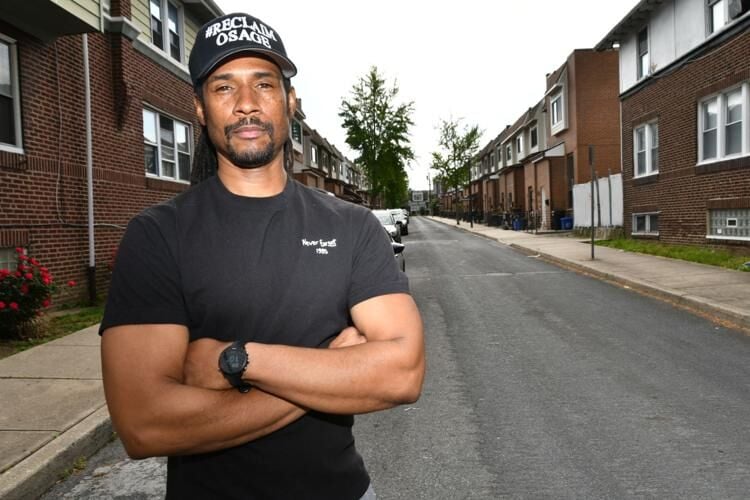
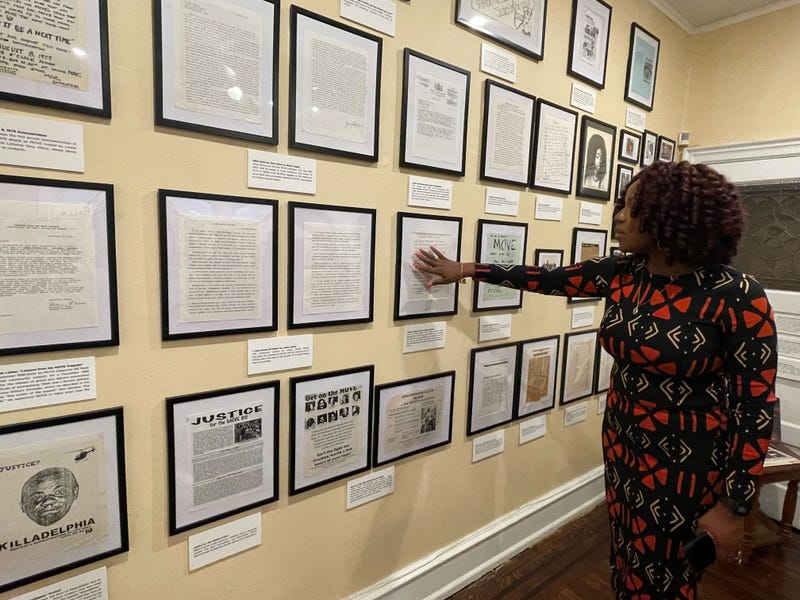
The Move Activist Archive
|
|
In addition to the MOVE curriculum mentioned above, check out these other projects of the MOVE Activist Archive.
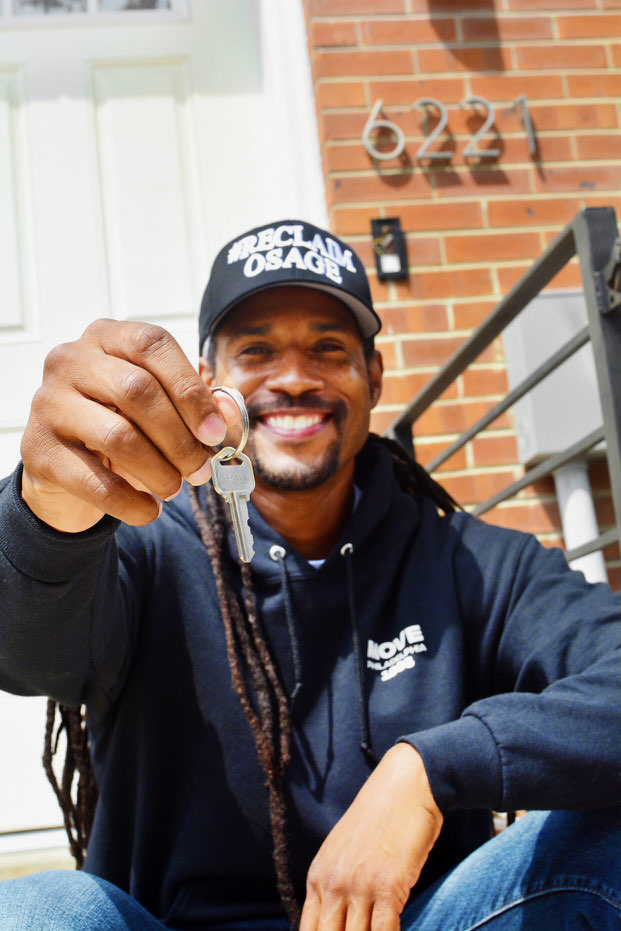
Reclaim Osage, the campaign to recover the MOVE family home that was bombed in 1985 and dedicate it to the memorialization of the MOVE Bombing victims. Black Resistance Tour, curated by Mike Africa Jr. and Krystal Strong and available virtually and in-person, this guided tour uplifts histories of resistance that showcase Black Philadelphia’s distinct approach to political and cultural organizing. MOVE: The Old Days, the first public exhibit of the MOVE Activist Archive, held at the Paul Robeson House and Museum in West Philadelphia from May 17–19, 2024. |
Documentaries
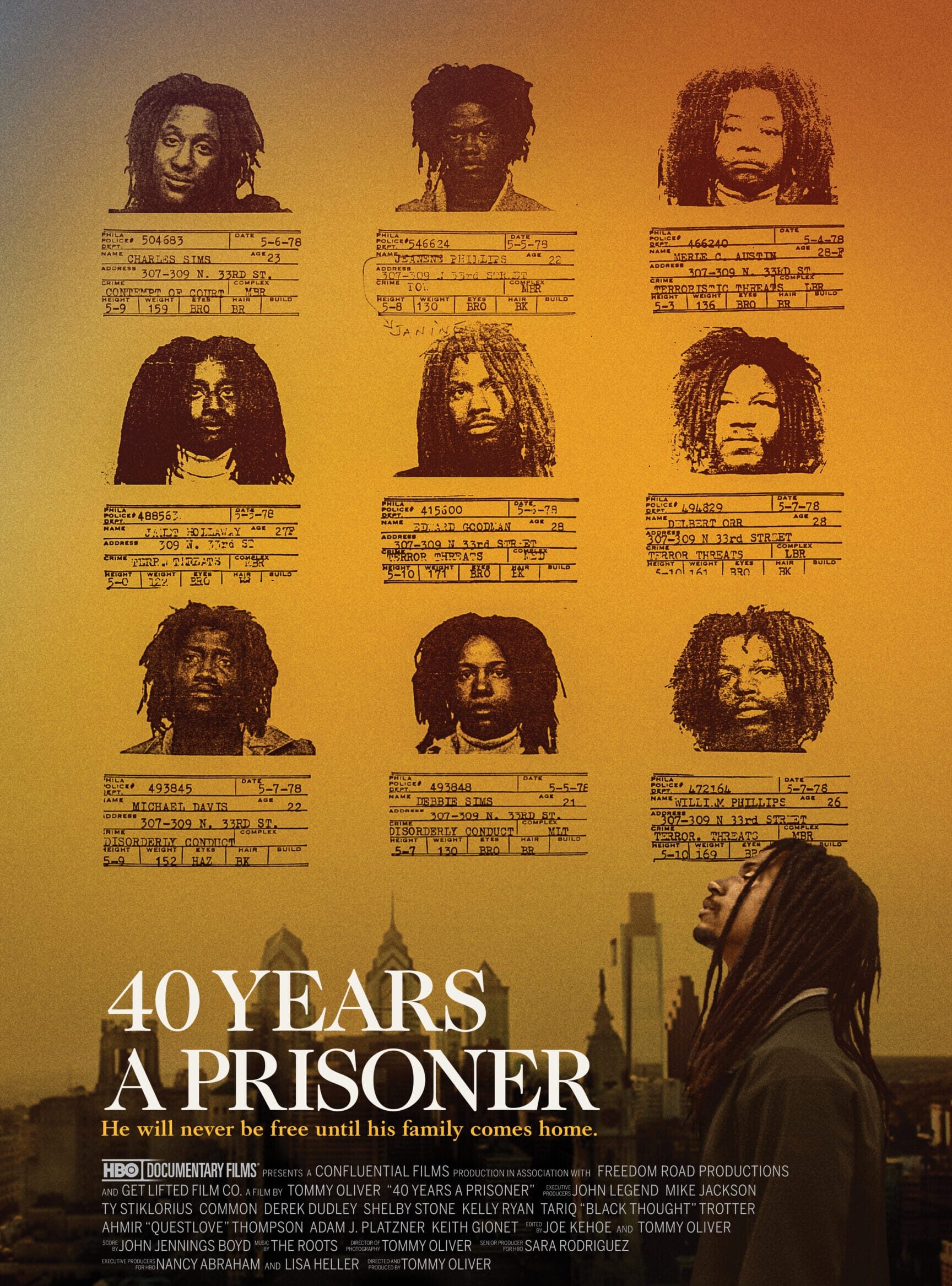 |
40 Years a Prisoner (HBO) Let the Fire Burn (The George Washington University) The Mike and Debbie Africa Story (hate5six) Philly on Fire (Espresso Media) |
This Day In History
The dates below come from our This Day in People’s History collection, which contains hundreds of entries all searchable by date, state, theme, and keywords.
|
|
Nov. 28, 1898: First National Convention of the Ex-Slave Mutual Relief, Bounty, and Pension Association Aug. 28, 1964: Columbia Avenue Uprising in Philadelphia March 8, 1971: FBI’s COINTELPRO Exposed Oct. 17, 1972: The Wilmington Ten Convicted Oct. 29, 1984: Eleanor Bumpurs Killed by the Police May 13, 1985: Philadelphia Police Bomb MOVE April 19, 1989: “Central Park Five” Arrested Nov. 22, 2019: Harlem Park Three Released from Prison |
Participant Reflections
With nearly 100 attendees, a poll of participants’ primary roles in education showed 41 percent K–12 teachers, 11 percent historians, 9 percent teacher educators, and more.
Here are more comments that participants shared in their end-of-session evaluation:
What was the most important thing (story, idea) you learned today?
I’m thankful for the real and raw history that was shared, as well as the insights of the work that still needs to be done to even provide a sliver of reparations owed.
That there is always more to learn about Black history in the United States.
Learning more about recent injustices that I never learned in school. As a teacher, it’s important to bring these lessons to the classroom.
All of the work that went into the process of unearthing the history of MOVE.
This story in and of itself about the MOVE community is important to preserve and share. I am still reeling that this actually happened in Philadelphia, where innocent people were murdered and wrongly imprisoned. What an amazing first hand experience to hear Mike Africa Jr. share his story.
As a curriculum writer with work centered on social justice education, this presentation was an affirming reminder of the importance of teaching social justice, education, and centering student voice.
The most important idea that I learned today was the generational struggle that is MOVE. I learned about MOVE through political prisoner Mumia Abu-Jamal, and people like Ramona Africa who survived the MOVE bombing. Mike’s work is carrying on that necessary work to keep the MOVE story alive.
I’ve been thinking a lot about how to facilitate research with students in our AI landscape. I think taking action in an inquiry based approach is so important, especially now. The memory work really resonated with me, encouraging students to research local history from our own community, to take ownership over the learning process, and encourage them to consider what steps for repair could or should be taken.
What will you do with what you learned?
As an educator, this reinforces the importance of bringing critical history and multiple perspectives into the classroom. I want to continue creating space for students to learn about lesser-taught and local historical events and to engage thoughtfully with issues of justice, media representation, and community resilience.
I will be more aware of injustices in history and today, and try to speak up more. It also made me want to learn more about stories that aren’t always taught in school.
I am teaching the Civil Rights Movement and it is interesting to consider how we could include this information in what we are teaching.
In teaching about the Tulsa Race Massacre, I briefly compare it to other incidents including the MOVE bombing. This curriculum will allow me to address it more fully.
I want to tie this history to other stories of theft of Black bodies and erasure of African American history in lessons.
This story moves me and reminds me of the need to emphasize student voices and personal stories in our curriculum and schools.
How was the format for the class?
Outstanding flow. Terrific!
Organized, efficient, effective — per usual!
The speakers were engaging, the stories kept my attention, and the breakout groups were helpful.
I liked all of it, particularly the speaking at the start and the share out. I liked how the facilitator filled quiet space with additional information and suggestions for resources and information.
Presenters
Mike Africa Jr. is a revolutionary activist on a mission to preserve the historical legacy of the MOVE Organization. Born in a jail cell to MOVE members Debbie and Mike Africa — who were released in 2018 after serving 40 years in prison for a crime they did not commit — at age 6 the police dropped a bomb on his family, and by age 13 he started working to free his parents. He is the author of On a Move: Philadelphia’s Notorious Bombing and a Native Son’s Lifelong Battle for Justice and the star of HBO documentary 40 Years a Prisoner.
Dr. Krystal Strong is a scholar, organizer, community archivist, and a Philadelphian. As associate professor of Black studies in education at Rutgers University-New Brunswick, her research and teaching focus on student and community activism, youth, global Black social movements, and education in Africa and the African Diaspora. She is a core organizer with Black Lives Matter Philly where her political work centers educational justice, abolition, and Pan-African solidarity.
Jesse Hagopian is an editor for Rethinking Schools, co-editor of Teaching for Black Lives, editor of More Than a Score: The New Uprising Against High-Stakes Testing, author of Teach Truth: The Struggle for Antiracist Education, and the Teaching for Black Lives campaign director for the Zinn Education Project. He previously taught Ethnic Studies and was the co-adviser to the Black Student Union at Garfield High School in Seattle.

Twitter
Google plus
LinkedIn