
By Aaron G. Fountain Jr.
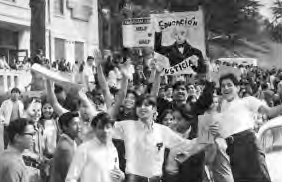
On November 25, 1968, more than 1,200 students at John Hay High School in Cleveland, Ohio, walked out of school and held an unauthorized assembly. The immediate spark dealt with a new disciplinary rule, but the students aired a long list of grievances: poor cafeteria food, unsanitary bathrooms, inadequate science labs, powerless student councils, canceled pep rallies, and security guards who, they charged, were arrogant and harassed female students.
The protest caught the attention of school officials but produced no real change. In the following weeks, students added new demands: stop teachers from using profanity around them, end two- to-three consecutive study hall days, include a Black holiday to the calendar, and have more student-body meetings.
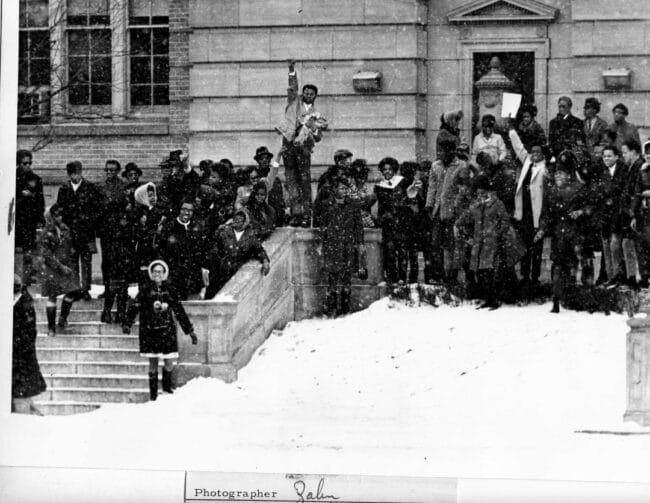
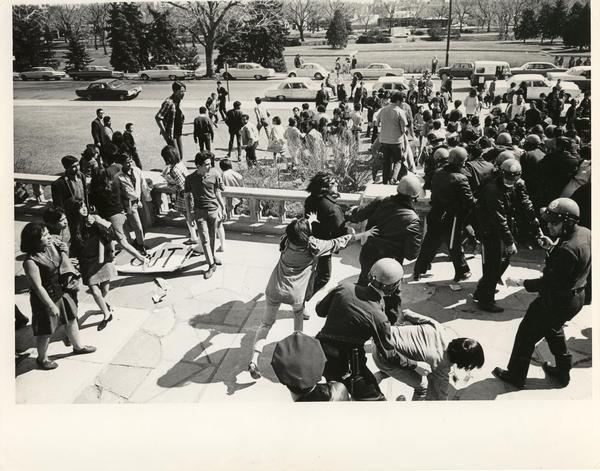
John Hay students assembled and walked out of school to protest disciplinary measures introduced by a new administration. Source: Cleveland State University Michael Schwartz Library Special Collections, Cleveland Press Collection.
Frustrated by the lack of action, about 600 students rallied off campus on January 31, 1969 to demand the principal’s resignation. On February 25, around 125 students marched downtown to the school administration building. They barricaded the doors, occupied the auditorium, and refused to leave until they met with the superintendent. Police waited downstairs, but the students only allowed school executives to enter. The next day, fresh unrest forced John Hay High to close for two weeks.
When classes resumed, the principal announced a series of concessions: the creation of an “operating unit system” to bring administrators closer to students, the addition of honors classes, exploration of a student lounge, cafeteria upgrades with more food choices, and discussions about teaching Swahili.
 Not all demands were met immediately, but in the following school year the school received a Black principal, making four of the city’s six majority-Black schools led by Black administrators.
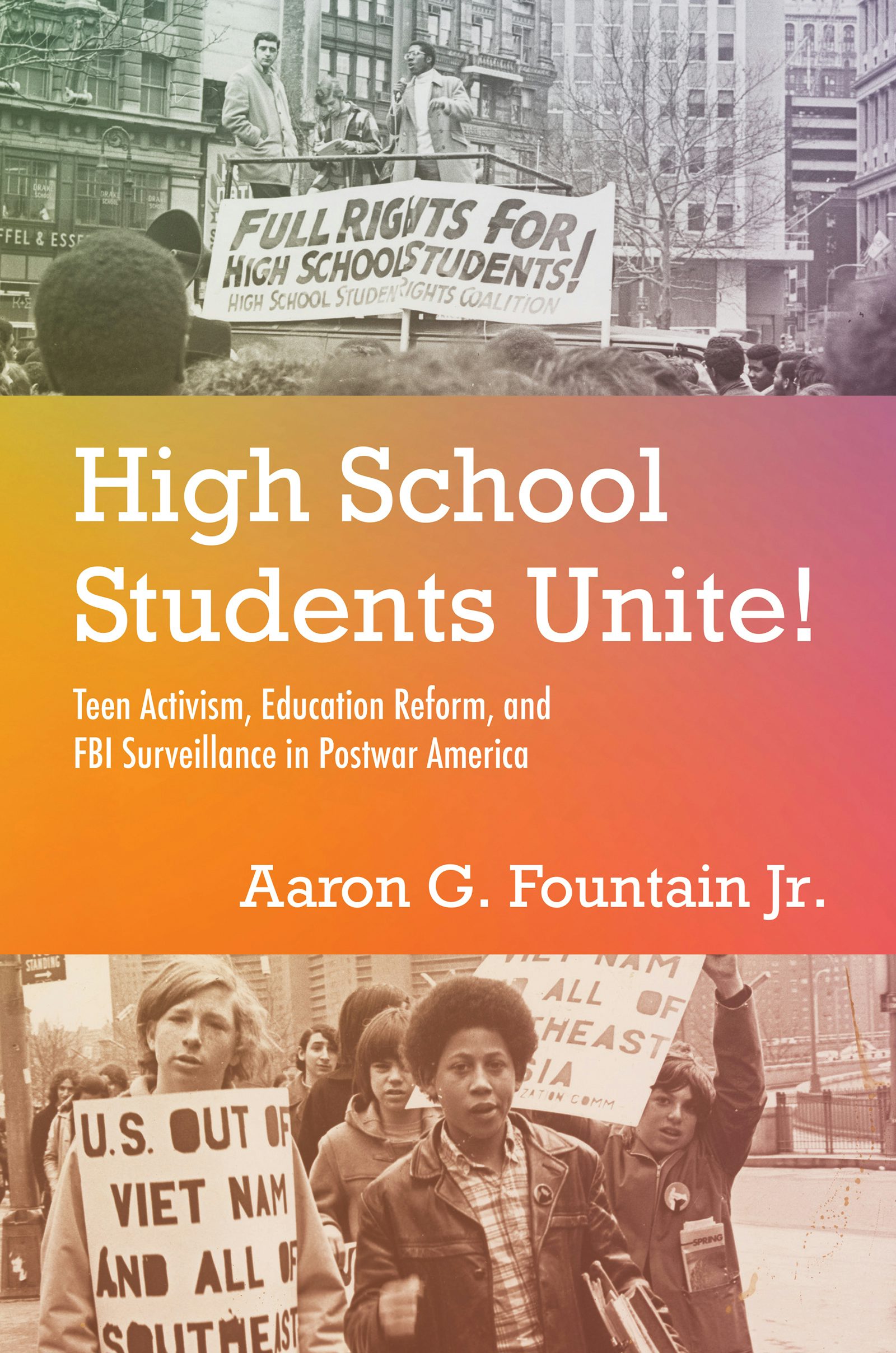
This “This Day in History” post was written by Aaron G. Fountain Jr., historian, writer, video editor, and author of High School Students Unite!: Teen Activism, Education Reform, & FBI Surveillance in Postwar America (UNC Press).


Twitter
Google plus
LinkedIn