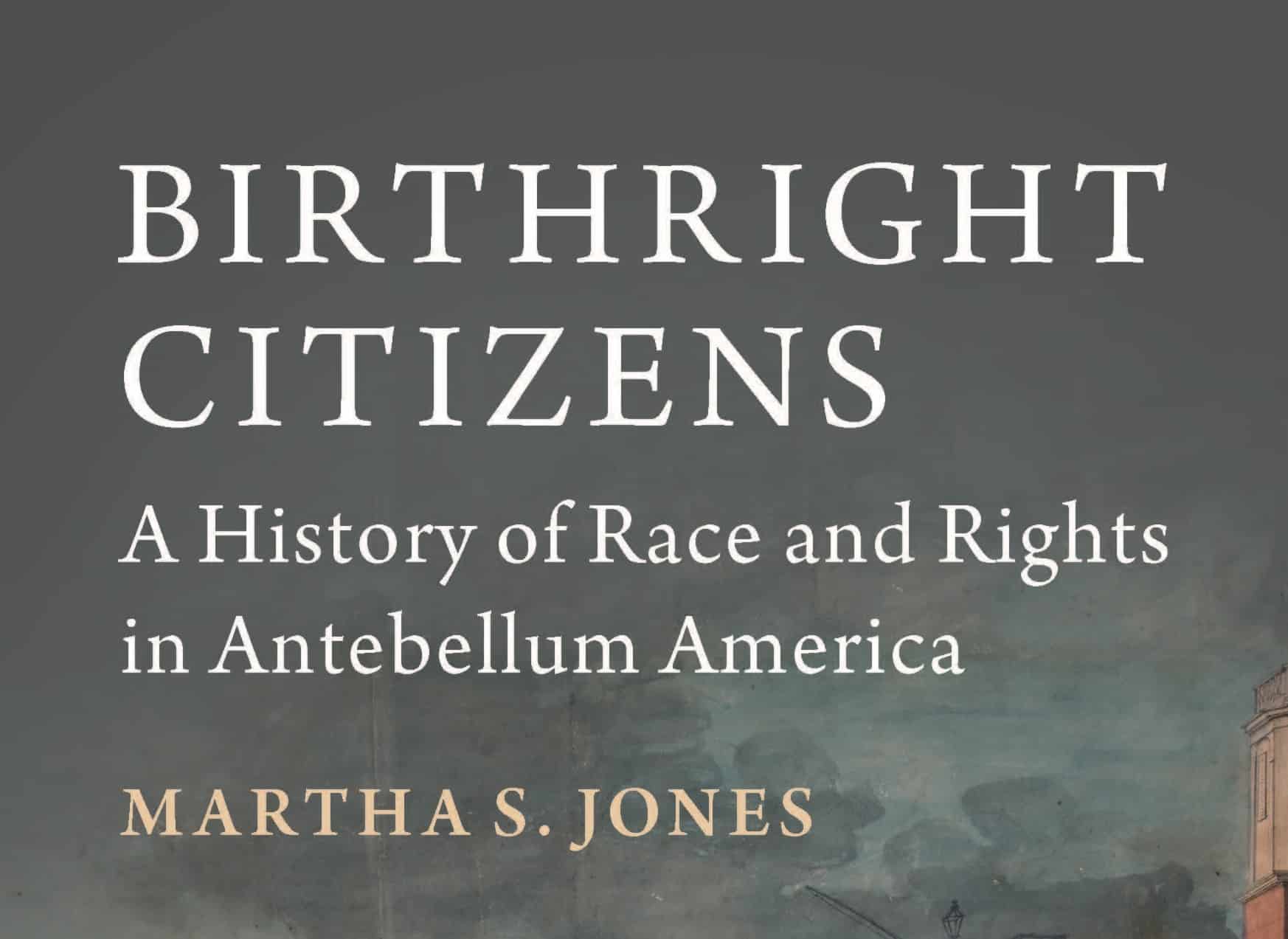
Book — Non-fiction. By Martha S. Jones. 2018. 266 pages.
The story of how African American activists remade national belonging through battles in legislatures, conventions, and courthouses.
Continue reading
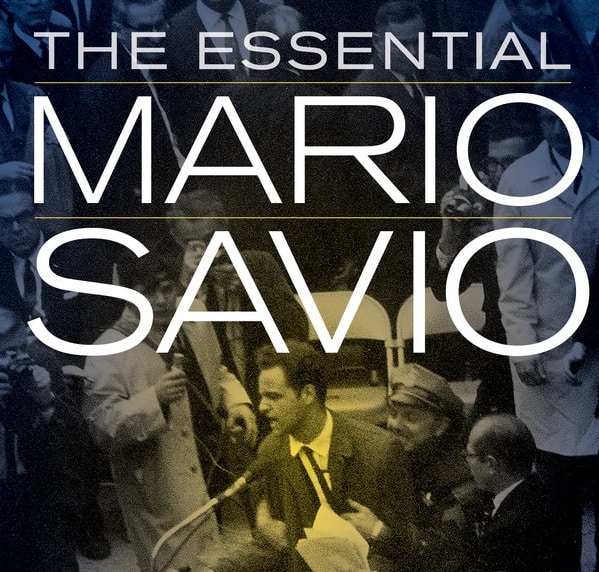
Book — Non-fiction. Edited by Robert Cohen, with a foreword by Tom Hayden and an afterword by Robert Reich. 2014. 320 pages.
Continue reading
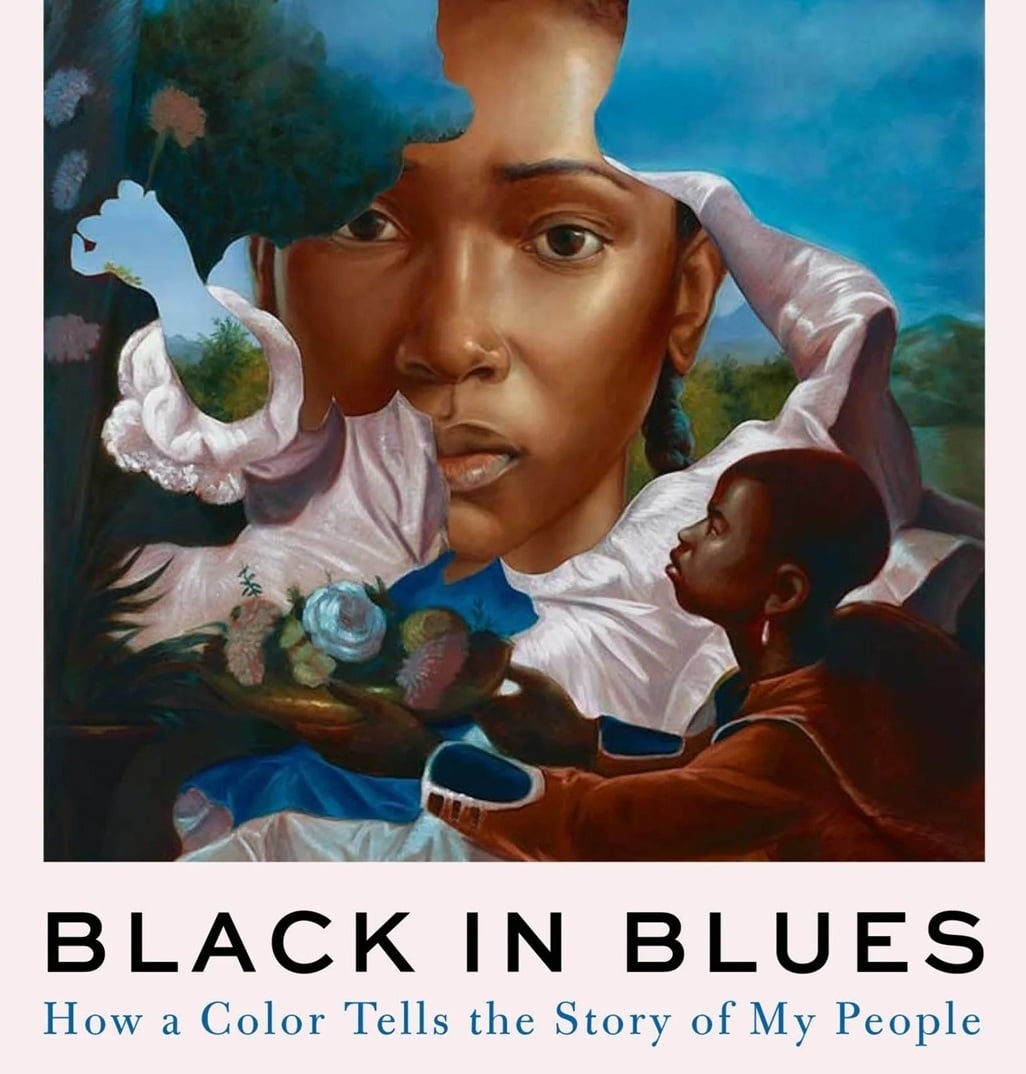
Book — Non-fiction. By Imani Perry. 2025. 256 pages.
A meditation on the color blue and its fascinating role in Black history and culture.
Continue reading
Book — Non-fiction. By Debbie Levy. 2025. 288 pages.
The story of John Scopes, a Tennessee teacher who was found guilty of teaching about evolution, and the nationwide debate that followed about what students should learn in school.
Continue reading
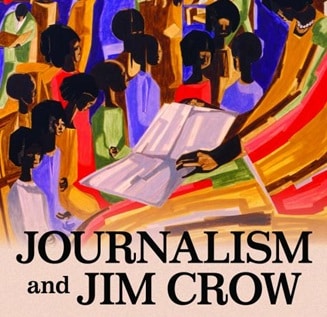
Book — Non-fiction. Edited by Kathy Roberts Forde and Sid Bedingfield. 2021. 360 pages.
A look at roles of the white press and Black press in the Jim Crow South.
Continue reading
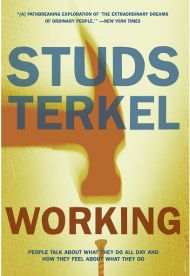
Book — Non-fiction. By Studs Terkel. 2004. 640 pages.
Interviews with people from all walks of life about their work.
Continue reading
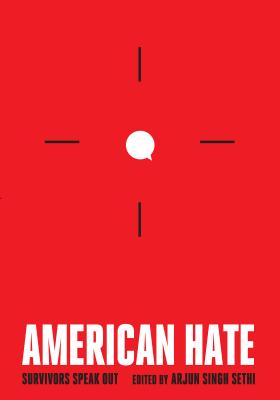
Book — Non-fiction. Edited by Arjun Singh Sethi. 2018. 192 pages.
Testimonials from people impacted by hate before and after the 2016 presidential election.
Continue reading
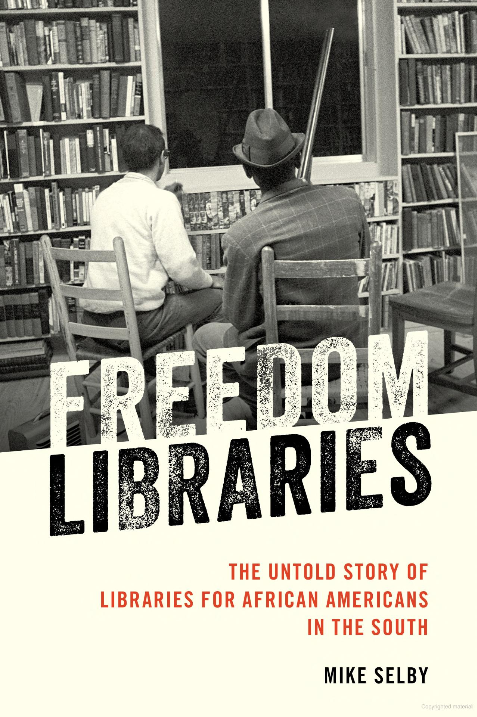
Book — Non-fiction. By Mike Selby. 2019. 208 pages.
This book reveals the histories of grassroots "freedom libraries" that were at the heart of the Civil Rights Movement in the Deep South and tells the stories of courageous people who operated and used them.
Continue reading
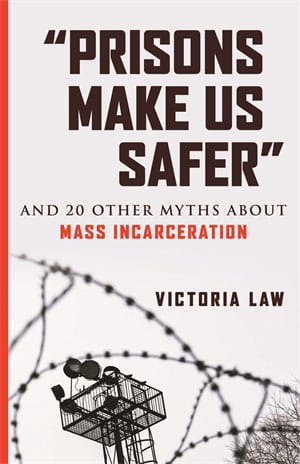
Book — Non-fiction. By Victoria Law. 2021. 240 pages
An accessible guide for activists, educators, and all who are interested in understanding how the prison system oppresses communities and harms individuals.
Teaching Activity by Victoria Law
Continue reading
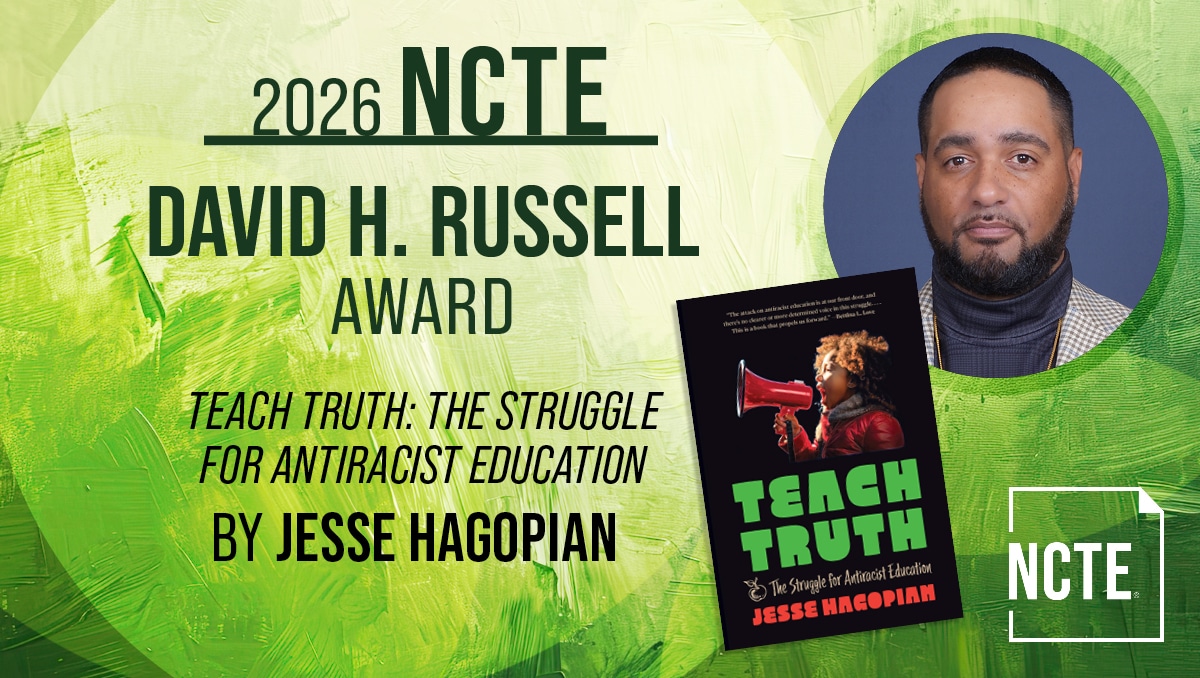
Book — Non-fiction. By Jesse Hagopian. 2025. 302 pages.
A call to defend honest education for our students, showing how we can reclaim suppressed history by creating beloved classroom communities and healthy social movements.
Continue reading
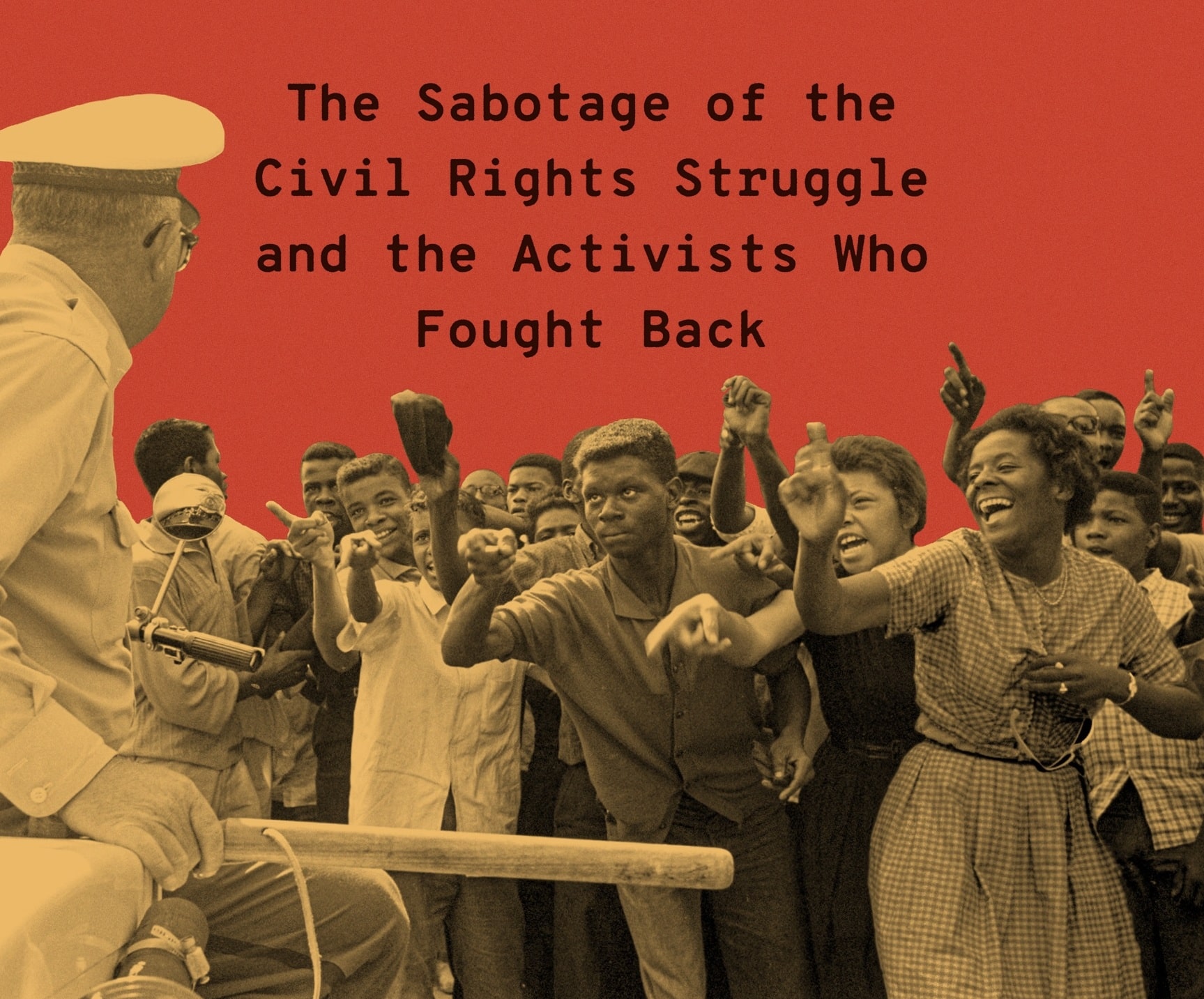
Book — Non-fiction. By Joshua Clark Davis. 2025. 424 pages.
An examination of the civil rights struggle through its work against police violence — and a prehistory of both the Black Lives Matter and Blue Lives Matter movements that emerged half a century later.
Continue reading
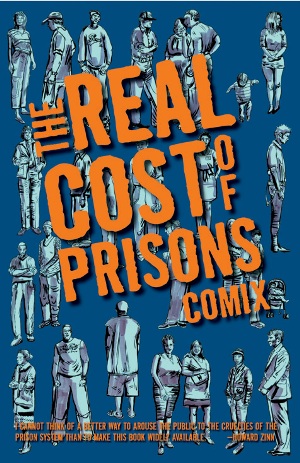
Book — Non-fiction. By Ellen Miller-Mack, Craig Gilmore, Lois Ahrens, Susan Willmarth, and Kevin Pyle. 2008. 104 pages.
This comic book presents the human stories behind the statistics.
Continue reading
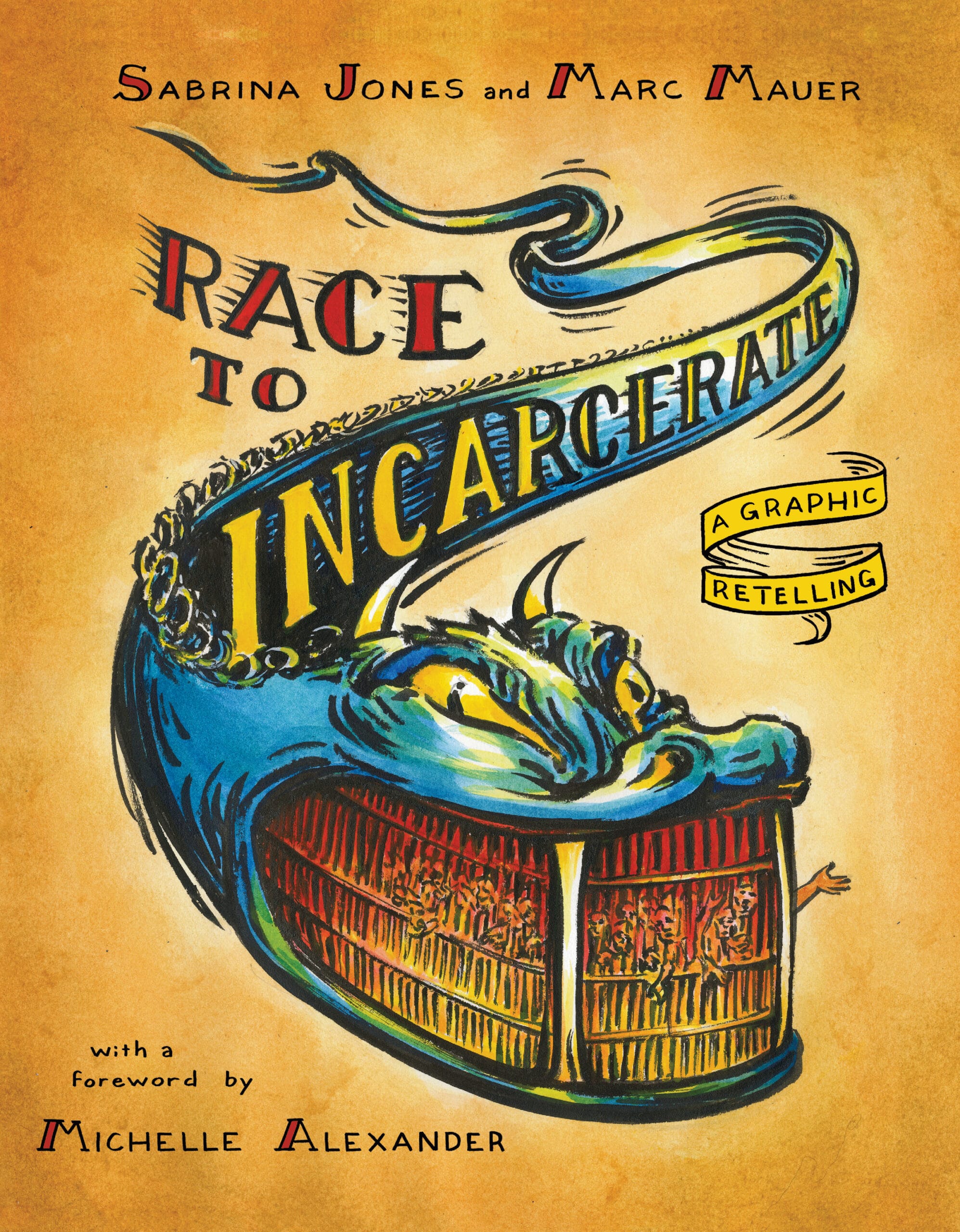
Book — Non-fiction. By Marc Mauer and Sabrina Jones. 2013. 128 pages.
Based on the popular book Race to Incarcerate, this graphic adaptation is a key resource to introduce a study of U.S. prison system to middle school readers and above.
Continue reading
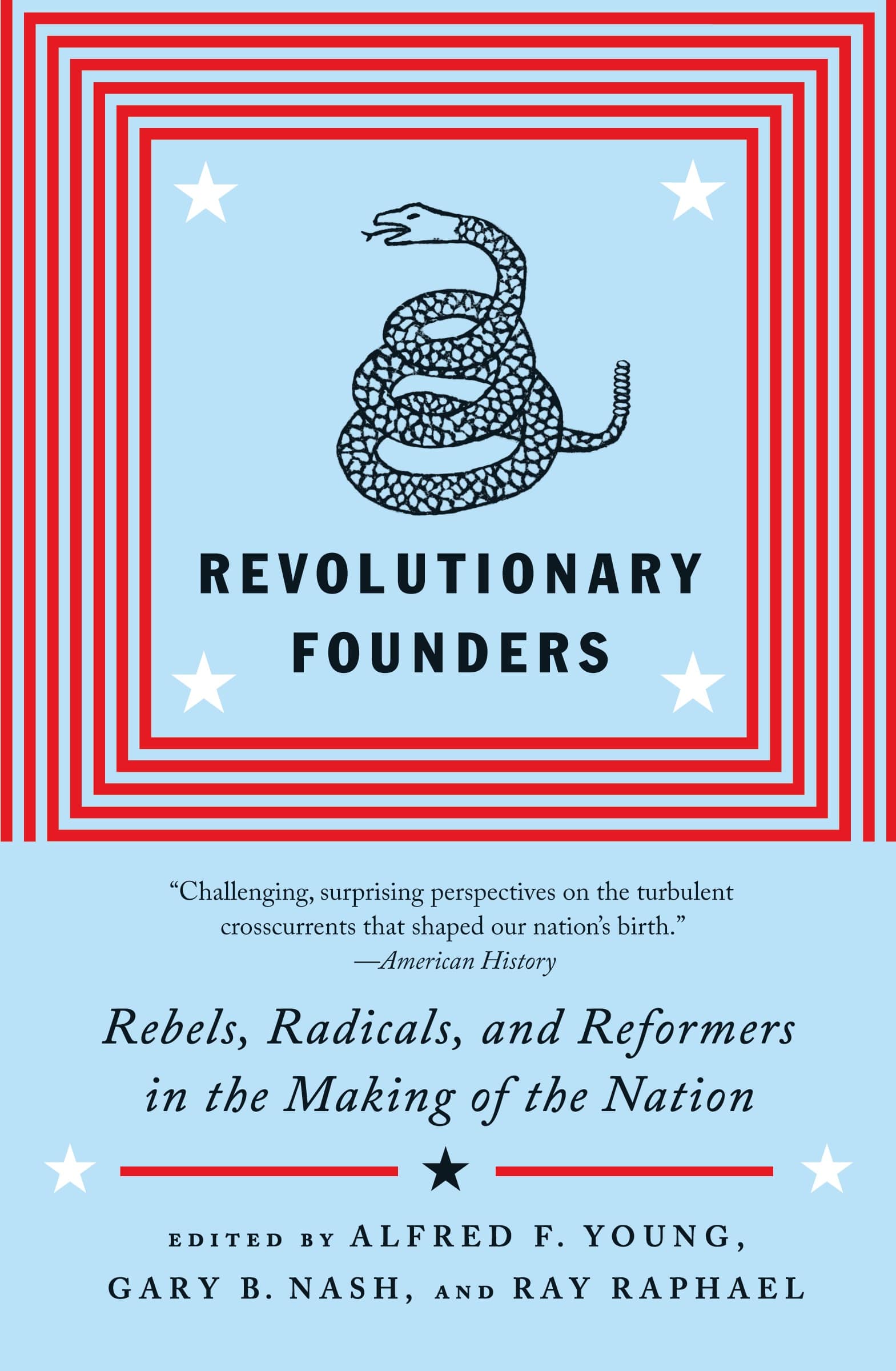
Book — Non-fiction. Edited by Alfred F. Young, Gary Nash, and Ray Raphael. 2012. 464 pages.
In twenty-two original essays, leading historians reveal the radical impulses at the founding of the American Republic.
Continue reading
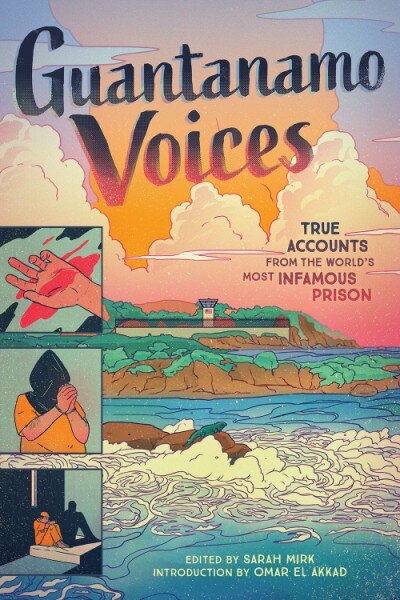
Book — Non-fiction. Edited by Sarah Mirk. 2020. 208 pages.
A graphic novel anthology of illustrated narratives about the prison and the lives it changed forever.
Continue reading
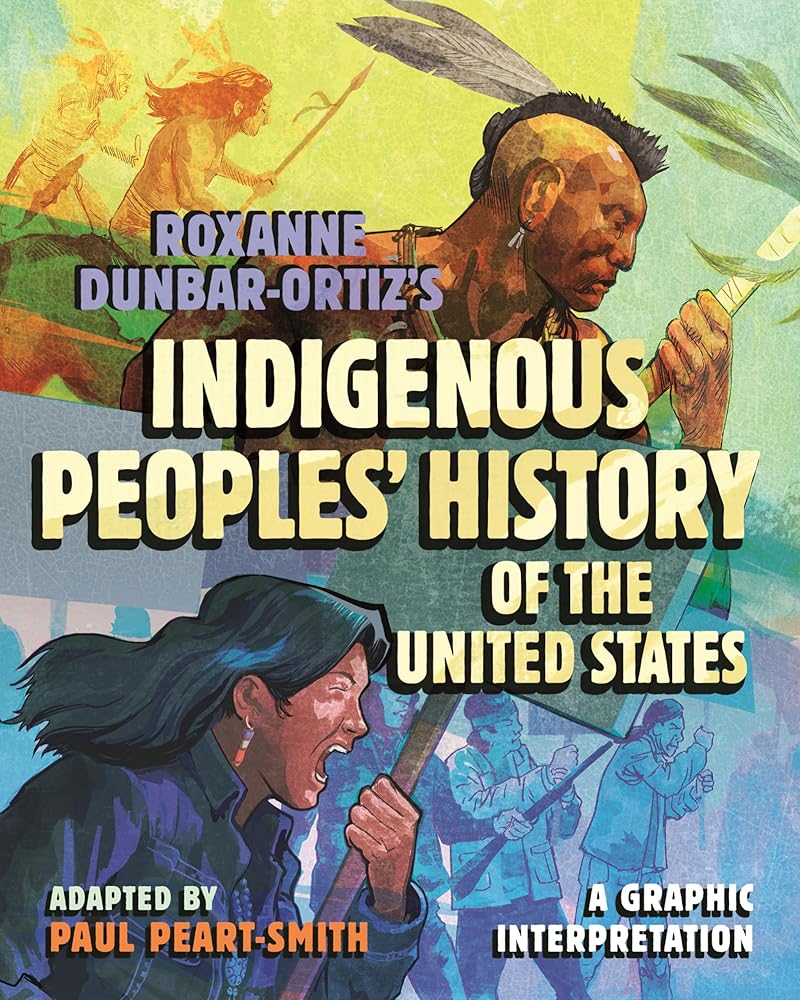
Book — Non-fiction. By Roxanne Dunbar-Ortiz. Adapted by Paul Peart-Smith. 2024. 120 pages.
A profound retelling of U.S. history, turning the “nation of immigrants” narrative on its head.
Continue reading
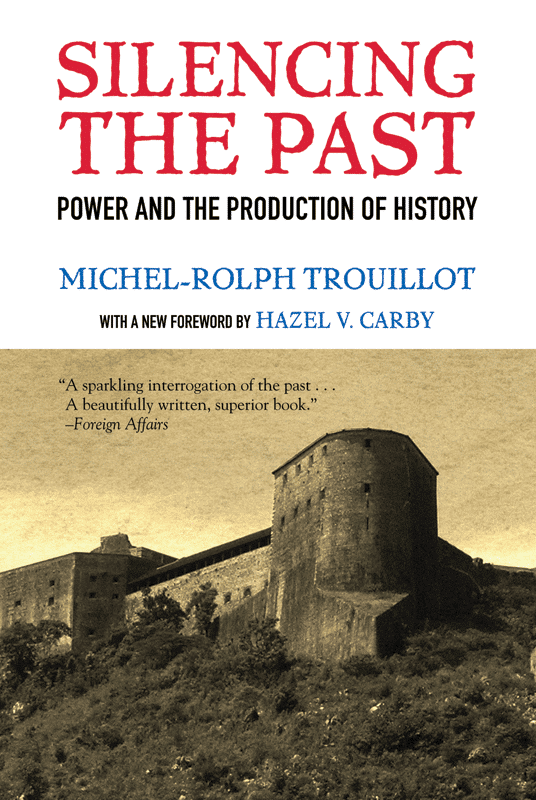
Book — Non-fiction. By Michel-Rolph Trouillot. 2015.
Placing the West’s failure to acknowledge the Haitian Revolution — the most successful slave revolt in history — alongside denials of the Holocaust and the debate over the Alamo, Trouillot offers a stunning meditation on how power operates in the making and recording of history.
Continue reading
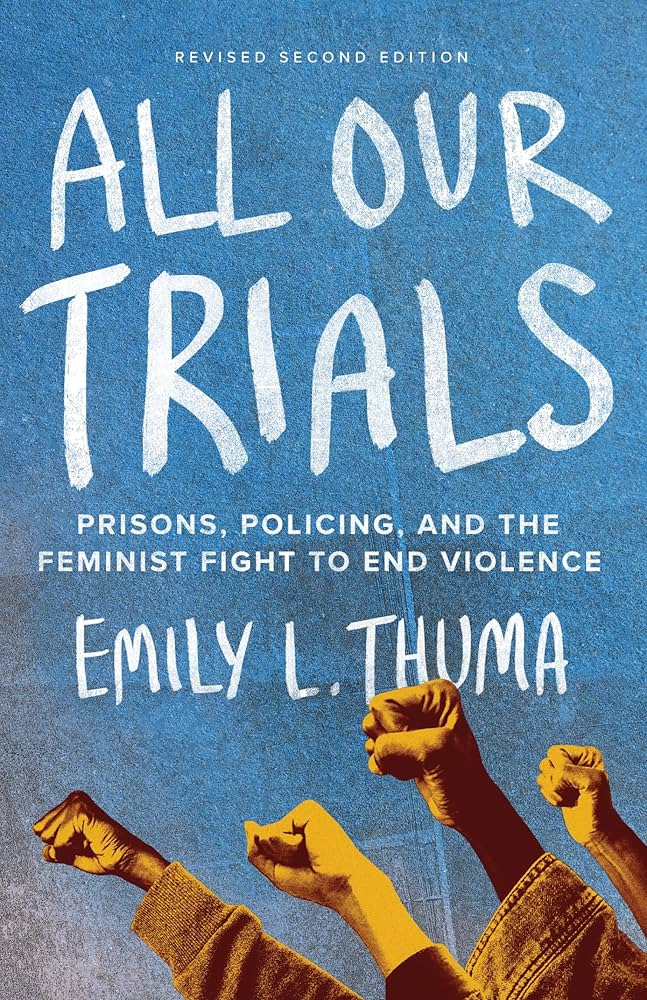
Book — Non-fiction. By Emily L. Thuma. 2024. 256 pages.
A vital history of organizing within and beyond the walls of women’s prisons in the 1970s, illuminating a crucial chapter in today’s abolition feminist struggles.
Continue reading
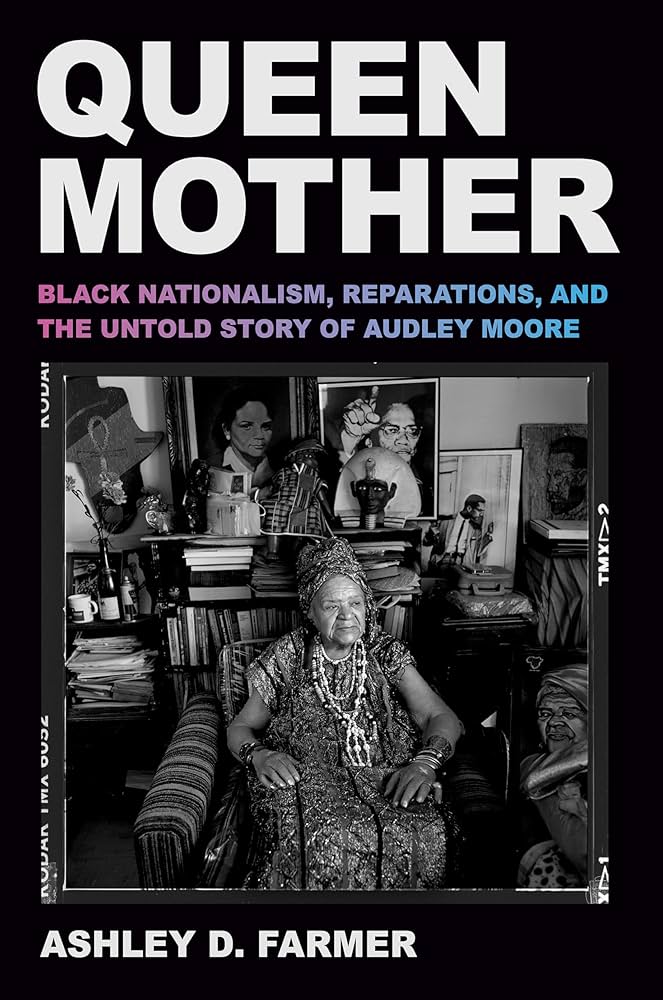
Book — Non-fiction. By Ashley D. Farmer. 2025. 496 pages.
A biography of Queen Mother Audley Moore — mother of modern Black Nationalism and trailblazer in the fight for reparations.
Continue reading
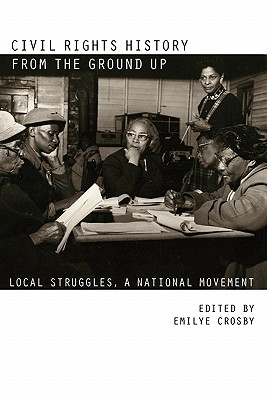
Book — Non-fiction. Edited by Emilye Crosby. 2011. 486 pages.
A grassroots history of the Civil Rights Movement.
Continue reading
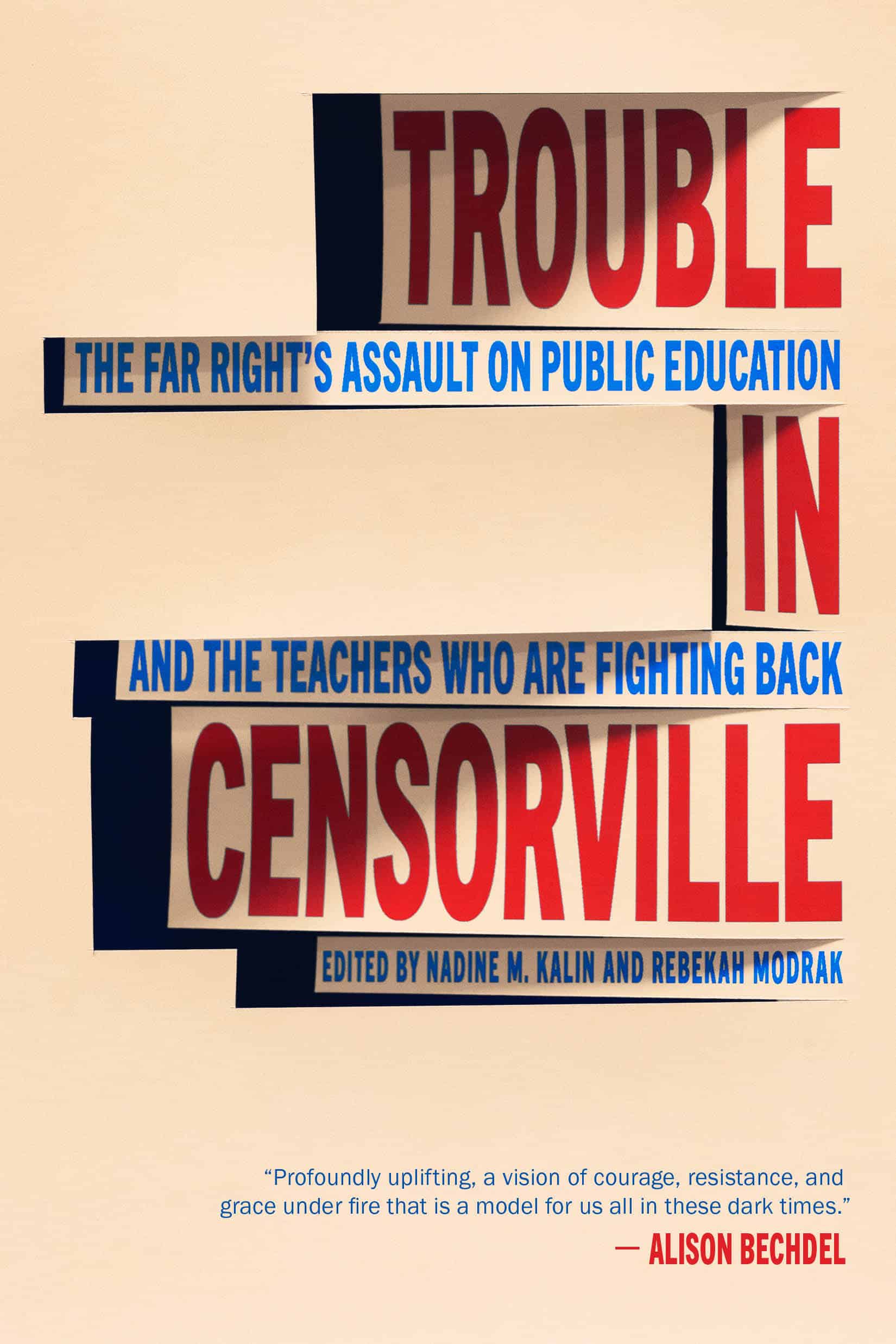
Book — Non-fiction. Edited by Nadine M. Kalin and Rebekah Modrak. 2024. 296 pages.
Gives readers a teacher’s-eye view of the radical right crusade to take down public education, coordinated by well-funded, well-connected far-right political interests.
Continue reading
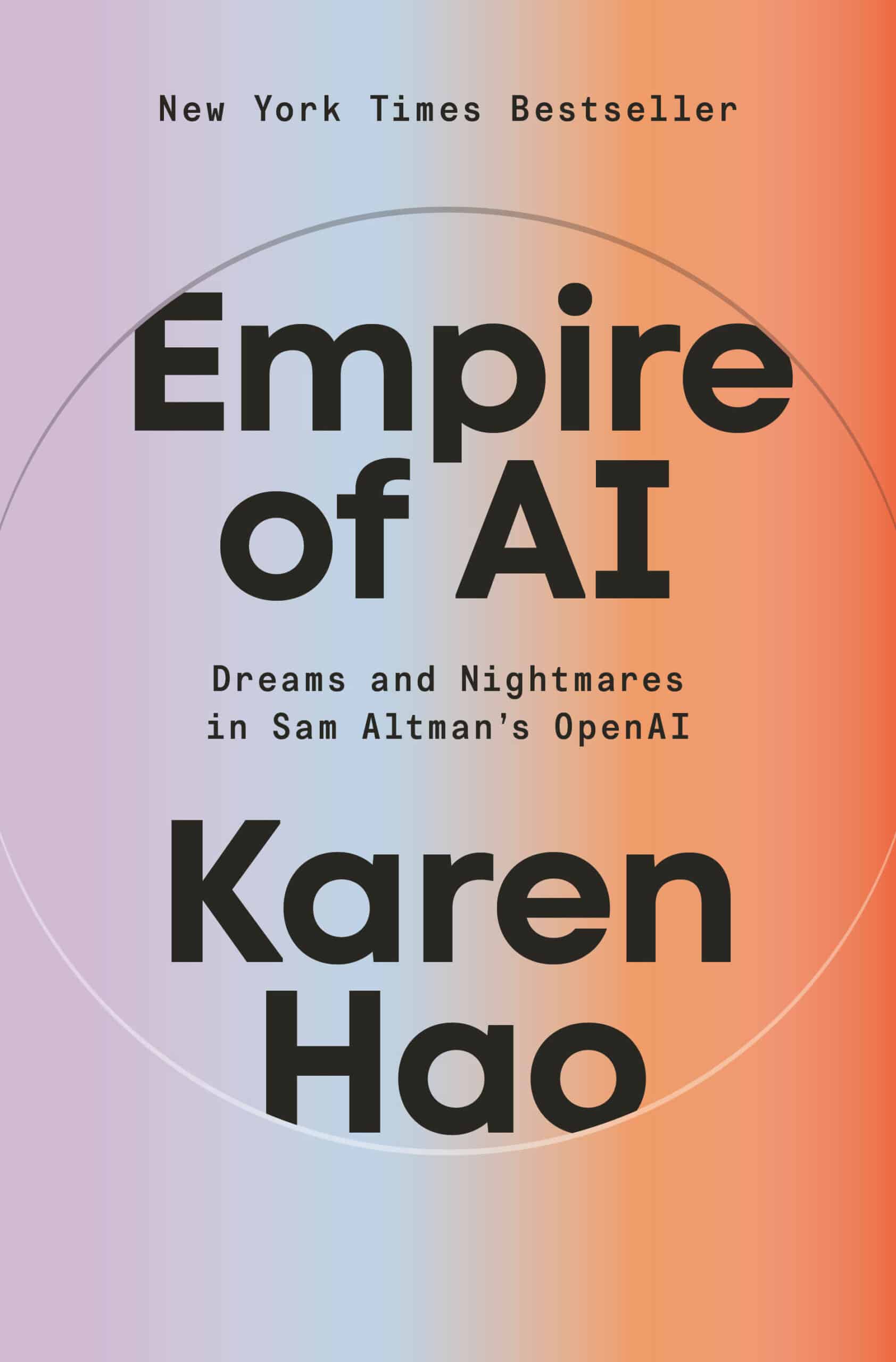
Book — Non-fiction. By Karen Hao. 2025. 496 pages.
By drawing on the viewpoints of Silicon Valley engineers, Kenyan data laborers, and Chilean water activists, Hao presents the fullest picture of AI and its impact we’ve seen to date, alongside a trenchant analysis of where things are headed.
Continue reading
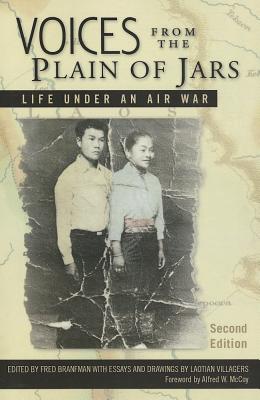
Book — Non-fiction. Edited by Fred Branfman. 2013 (original edition, 1972). 196 pages.
Essays, drawings, and poems by Laotian villagers who survived almost 10 years of widespread, persistent, and devastating bombing during the Vietnam War in a covert operation in Laos.
Continue reading
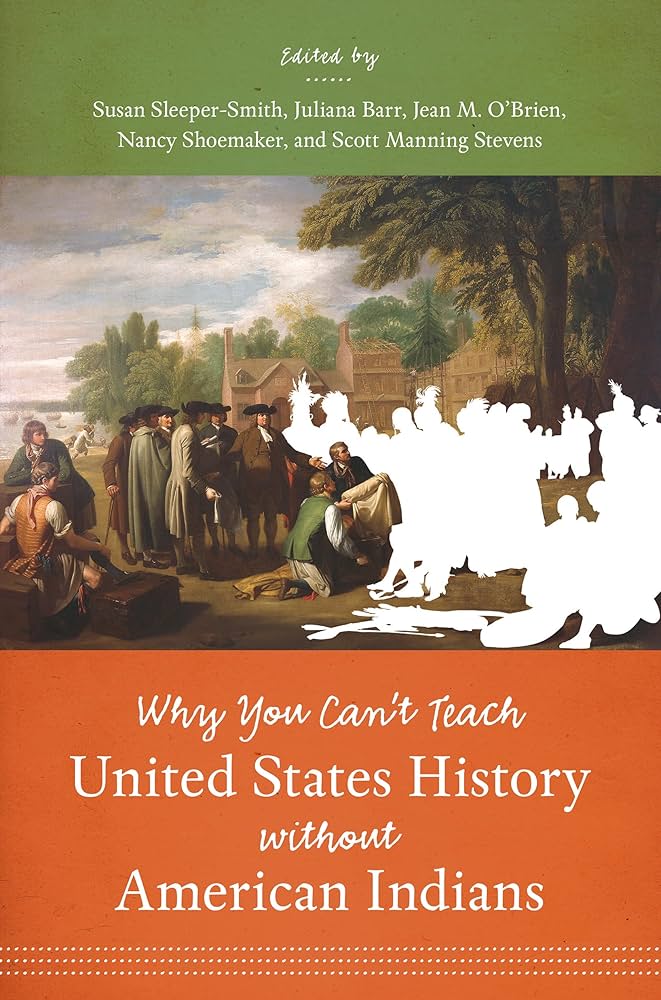
Book — Non-fiction. Edited by Susan Sleeper-Smith, Juliana Barr, Jean M. O’Brien, Nancy Shoemaker, and Scott Manning Stevens. 2015. 352 pages.
Written by leading scholars in the field of Native American history, these essays reflect the newest directions of the field and are organized to follow the chronological arc of the standard U.S. history survey.
Continue reading
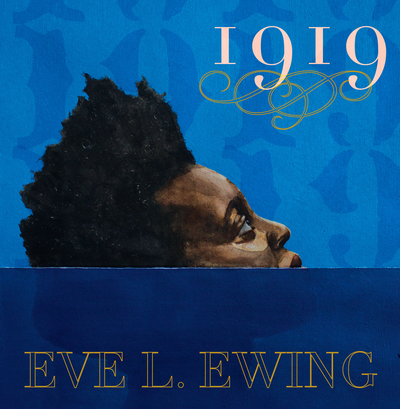
Book — Non-fiction. By Eve L. Ewing. 2019. 96 pages.
Poetic reflections on the Chicago Race Riots of 1919 — part of 'Red Summer' — in a history told through Ewing's speculative and Afrofuturist lenses.
Continue reading