

On Sept. 9, 1971, the Attica Prison Uprising began. From Sept. 9 to 13, prisoners took control of the Attica Correctional Facility in the most well-known prison uprising of the 20th century.
On Sept. 11, the prisoners presented a manifesto consisting of 28 demands to New York State officials.
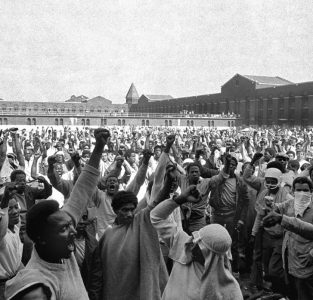
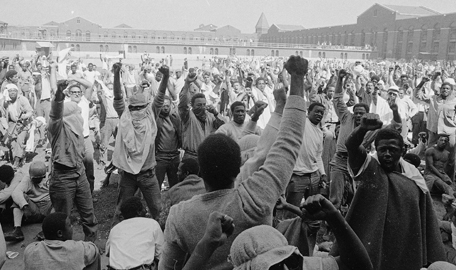
Attica prisoners raise fists in support of demands made during prison uprising, Sept. 10, 1971.
As Howard Zinn describes the uprising in A People’s History of the United States,
[Attica was] a rebellion that came from long, deep grievances. . . . 54% of the inmates were black; 100% of the guards were white. Prisoners spent 14 to 16 hours a day in their cells, their mail was read, their reading material restricted, their visits from families conducted through a mesh screen, their medical care disgraceful, their parole system inequitable, racism everywhere.
After four days, New York Gov. Nelson Rockefeller ordered that the prison be violently retaken in spite of ongoing, promising negotiations; 39 people — prisoners and hostages — were killed in an assault by state police. Those who survived the takeover faced torture and repression.
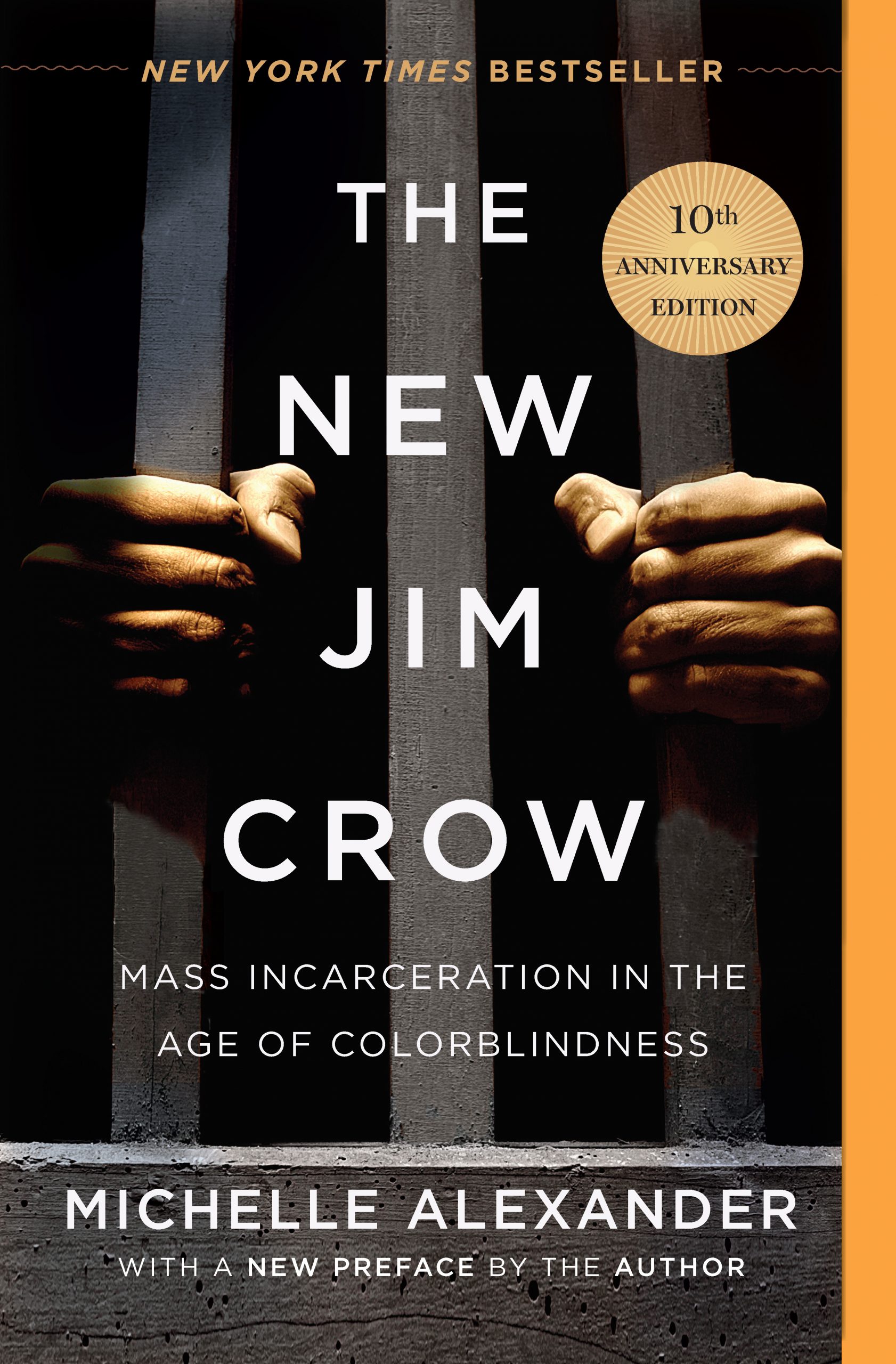
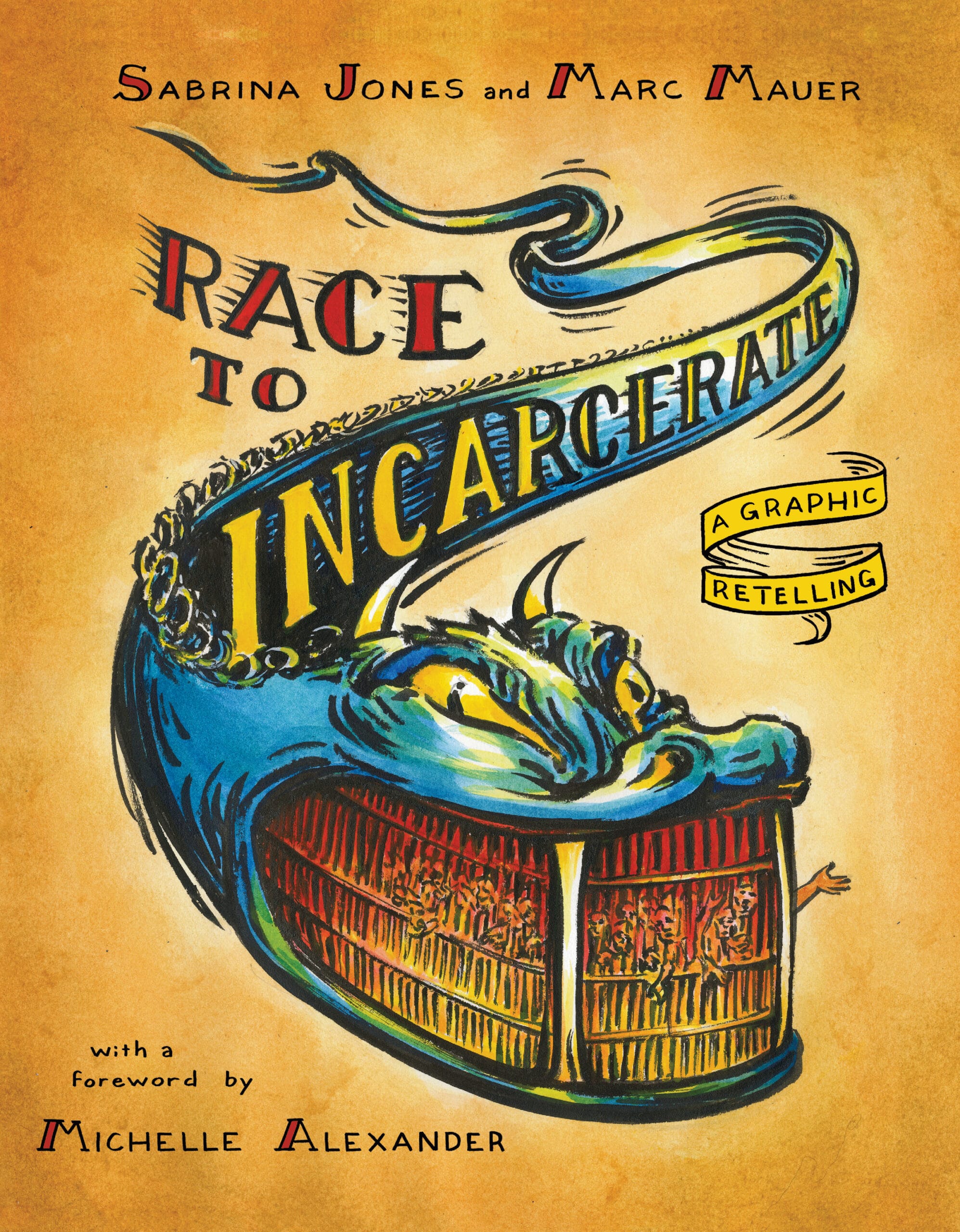
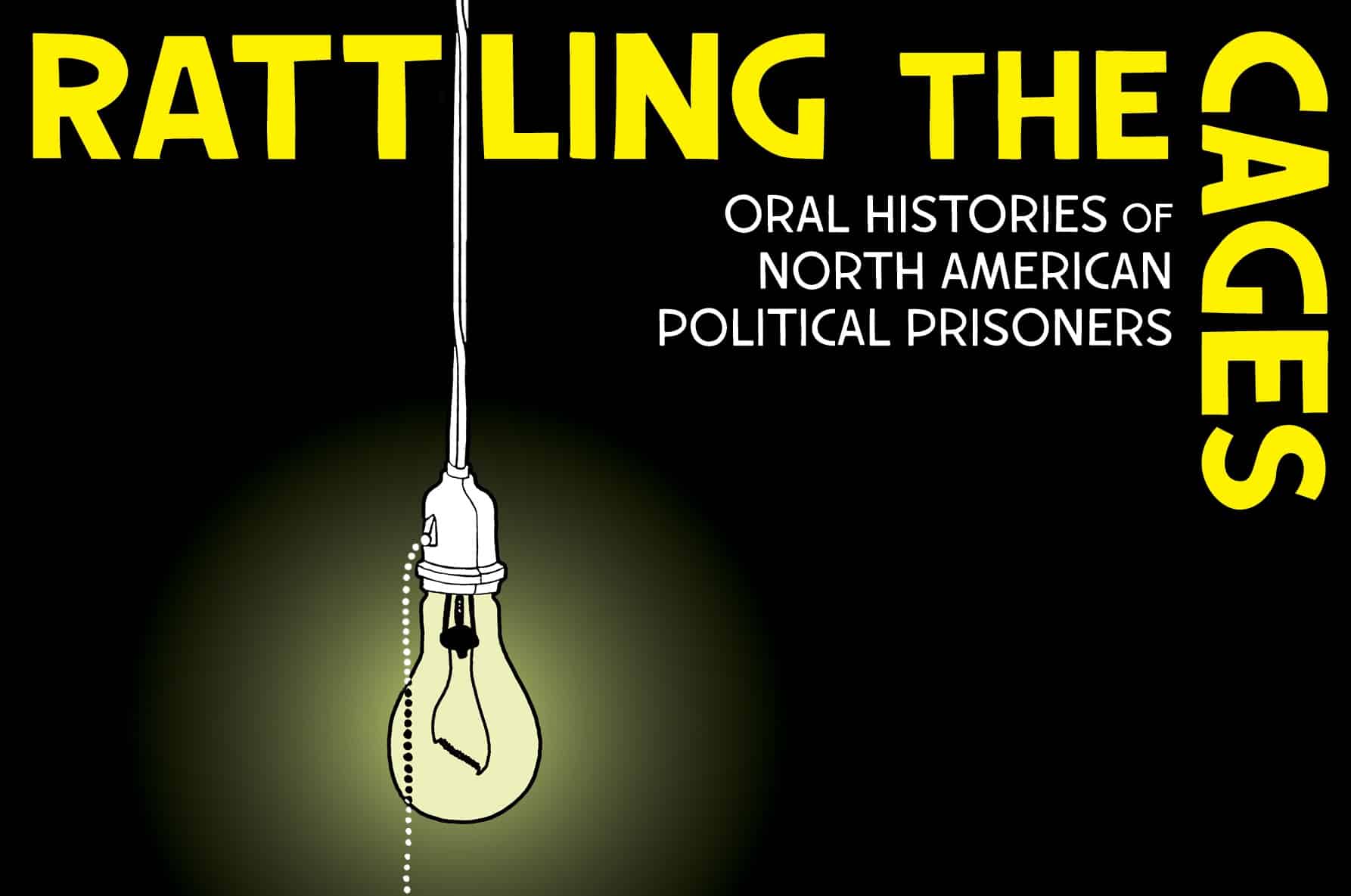
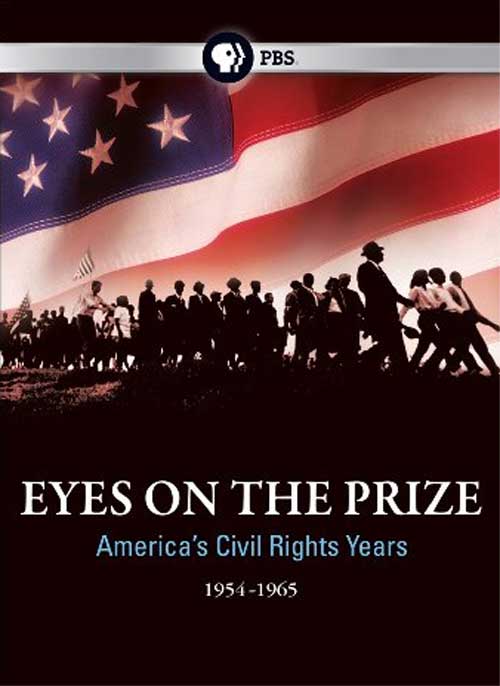
We offer a collection of recommended resources on Attica to bring this history to the classroom.
Although it has not received nearly enough mainstream media attention, a National Prison Strike was launched in 2018 on the anniversary of the murder of George Jackson at San Quentin Prison in 1971 (the catalyst for the Attica Prison Uprising) and ended on Sept. 9. The 10 demands of the strike are a rich text for discussion in our classrooms, and raise important questions about history, citizenship, and human rights:
- Immediate improvements to the conditions of prisons and prison policies that recognize the humanity of imprisoned men and women.
- An immediate end to prison slavery. All persons imprisoned in any place of detention under U.S. jurisdiction must be paid the prevailing wage in their state or territory for their labor.
- The voting rights of all confined citizens serving prison sentences, pretrial detainees, and so-called “ex-felons” must be counted. Representation is demanded. All voices count.
Learn More
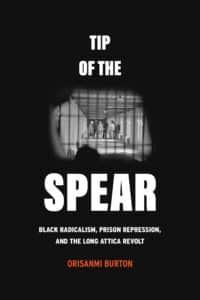 Listen to our conversation with scholar Orisanmi Burton spoke with Jesse Hagopian about his book, Tip of the Spear: Black Radicalism, Prison Repression, and the Long Attica Revolt, which argues that prisons are a site of hidden warfare within U.S. borders.
With this book, Burton explores what he terms the Long Attica Revolt, a criminalized tradition of Black radicalism that propelled rebellions in New York prisons during the 1970s. The reaction to this revolt illuminates what Burton calls prison pacification: the coordinated tactics of violence, isolation, sexual terror, propaganda, reform, and white supremacist science and technology that state actors use to eliminate Black resistance within and beyond prison walls.

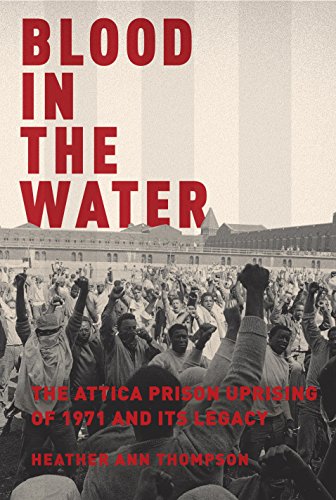




Twitter
Google plus
LinkedIn