
How would you spend $1 million in your neighborhood? What would be your priorities?
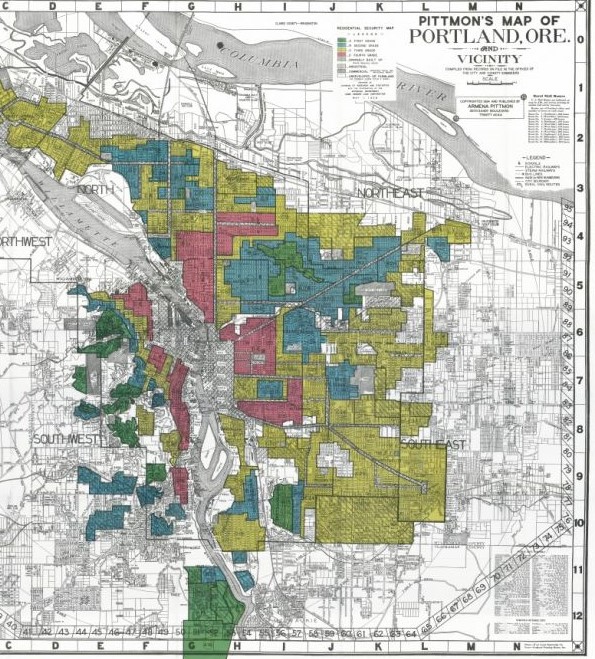
Students can be invited to imagine how their city’s money should be spent, and to realize that city budgets are not neutral documents.
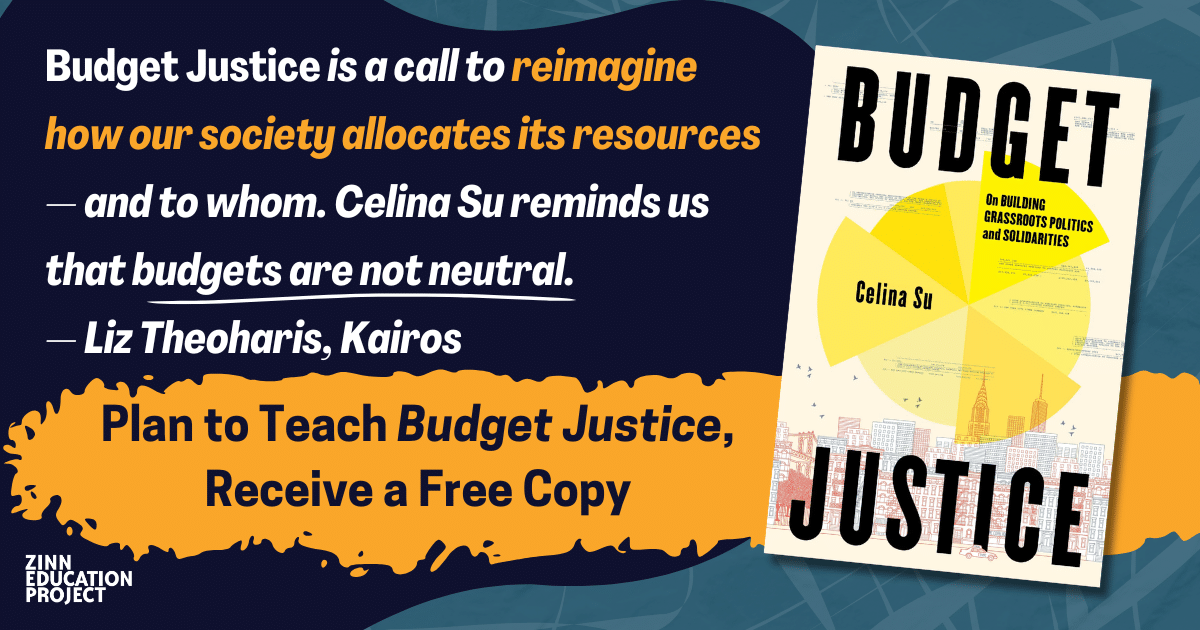
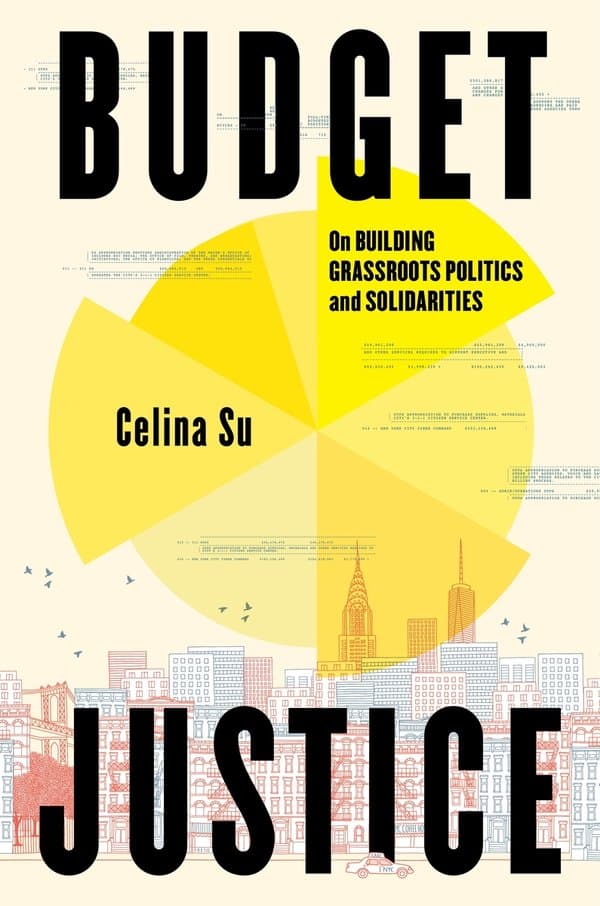
If you are interested in exploring this topic with your students, or maybe you already do, request a copy of the new book Budget Justice: On Building Grassroots Politics and Solidarities by Celina Su.
Budget Justice is an informative text for civics, economics, U.S. government, and history classes. As the publisher notes,
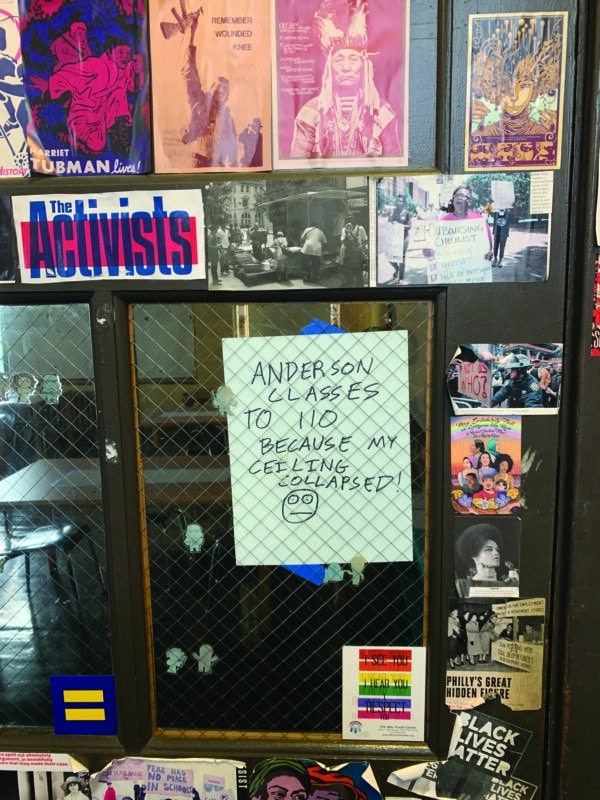
Amid political repression and a deepening affordability crisis, Budget Justice: On Building Grassroots Politics and Solidarities challenges everything you thought you knew about “dull” and daunting government budgets. It shows how the latter confuse and mislead the public by design, not accident. Arguing that they are moral documents that demand grassroots participation to truly work for everyone, the book reveals how everyday citizens can shape policy to tackle everything from rising housing and food costs to unabated police violence, underfunded schools, and climate change-driven floods and wildfires.
Drawing on her years of engagement with democratic governance in New York City and around the globe, Celina Su proposes a new kind of democracy — in which city residents make collective decisions about public needs through processes like participatory budgeting, and in which they work across racial divides and segregated spaces as neighbors rather than as consumers or members of voting blocs. Su presents a series of “interludes” that vividly illustrate how budget justice plays out on the ground, including in-depth interviews with activists from Porto Alegre, Brazil, Barcelona, Spain, and Jackson, Mississippi, and shares her own personal reflections on how changing social identities inform one’s activism.
Su has prepared a discussion guide which offers an overview of the contents and topics for the classroom.
The Marguerite Casey Foundation donated copies of the book to organizations designated by Su, who selected the Zinn Education Project and The Debt Collective. Su recognizes the importance of young people being informed about — and, in return, engaging or even reshaping — the public policies that govern their lives, and working together for a future in which they can truly thrive.

Twitter
Google plus
LinkedIn