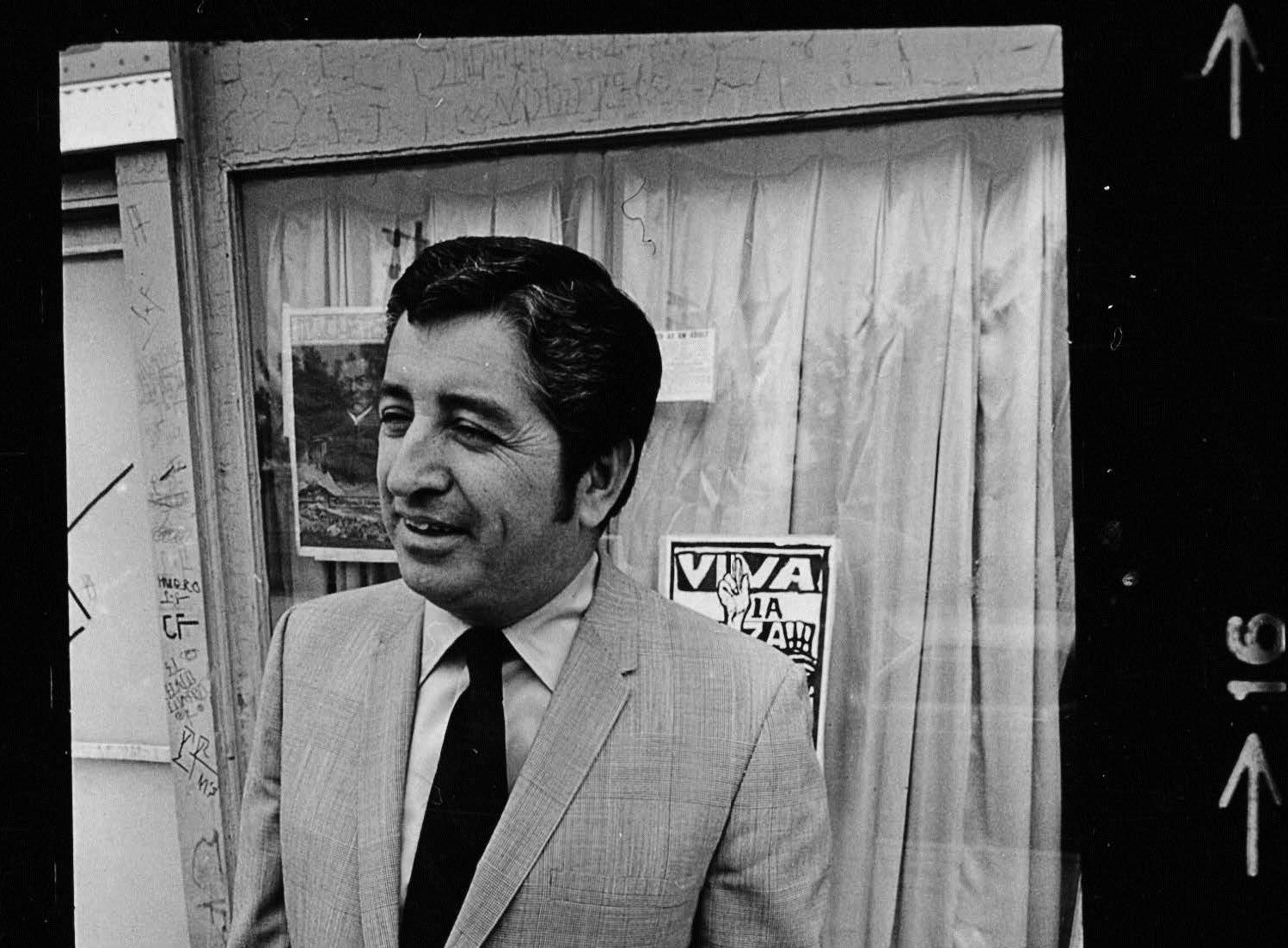
The National Chicano Moratorium March was held to protest the Vietnam War and Latino journalist Ruben Salazar was killed.
Continue reading
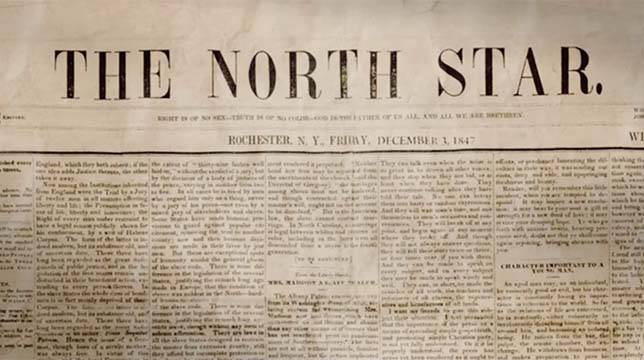
Frederick Douglass and Martin Delany launched the abolitionist North Star newspaper.
Continue reading
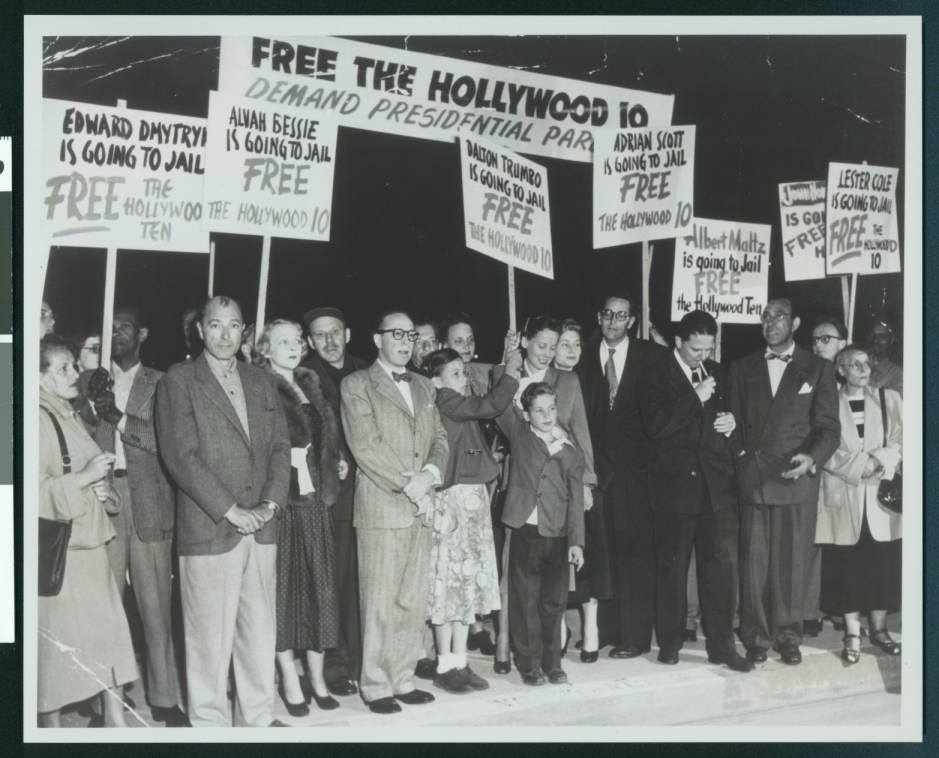
The “Hollywood 10” directors, producers, and writers who refused to testify at HUAC were held in contempt of Congress.
Continue reading
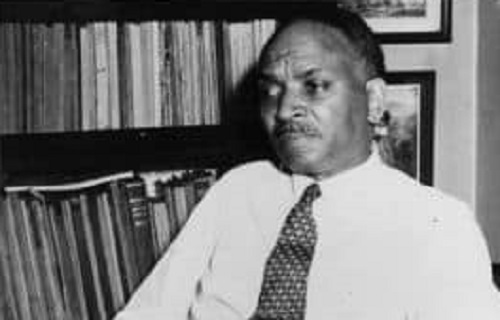
Entrepreneur Claude Albert Barnett launched the Associated Negro Press, or ANP, a nationwide and international news service that focused on current events, feature stories, opinions and other information important to African Americans but usually ignored by or unknown to white-owned mainstream media.
Continue reading
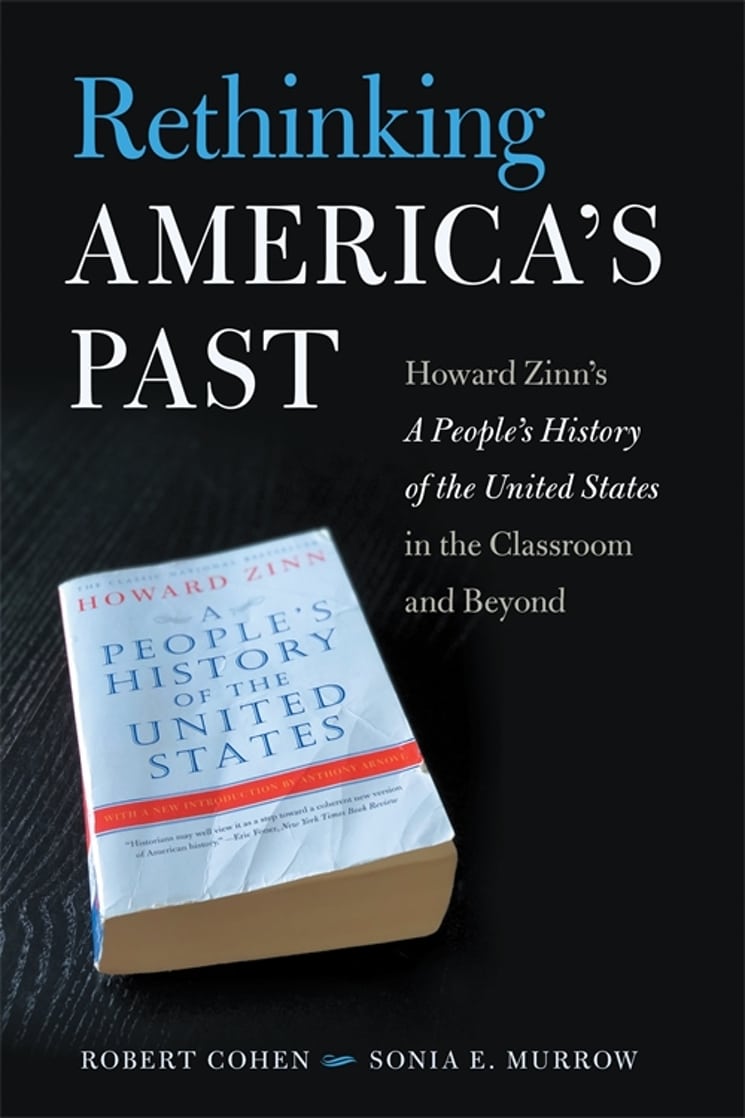
Book — Non-fiction. By Robert Cohen and Sonia E. Murrow. 2021. 344 pages.
The first work to use archival and classroom evidence to assess the impact that Zinn's classic work has had on historical teaching and learning and on U.S. culture.
Continue reading
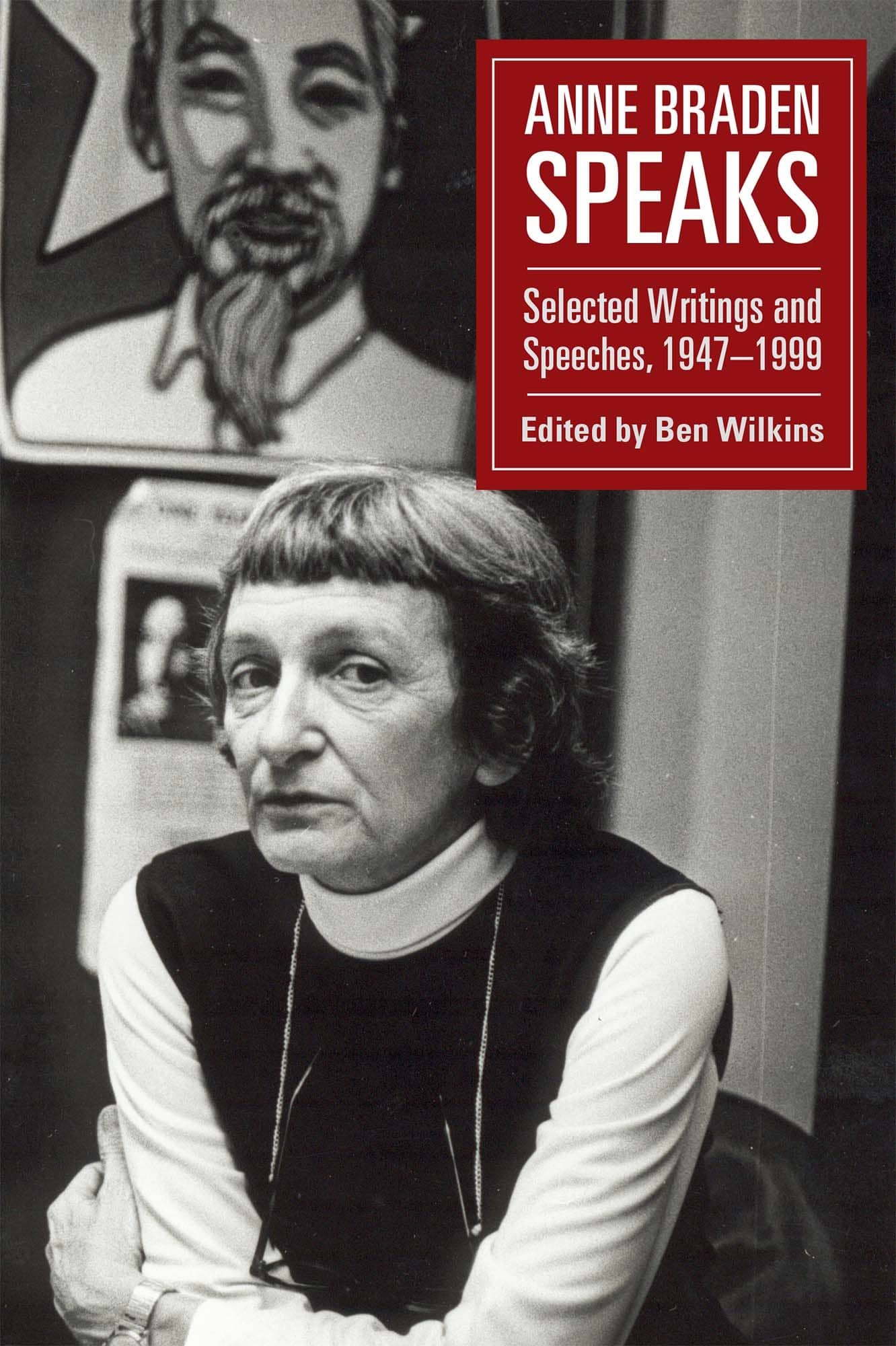
Book — Non-fiction. Edited by Ben Wilkins. 2022. 216 pages.
A representative collection of Anne Braden's writings, speeches, and letters, from the relationship between race and capitalism, to the role of the South in U.S. society, to the function of anti-communism.
Continue reading
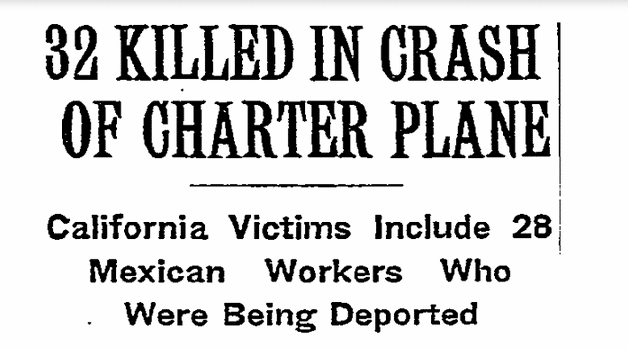
A plane crash near Coalinga, California, causing the death of 28 Mexican laborers and others, led to a popular song and belated recognition.
Continue reading
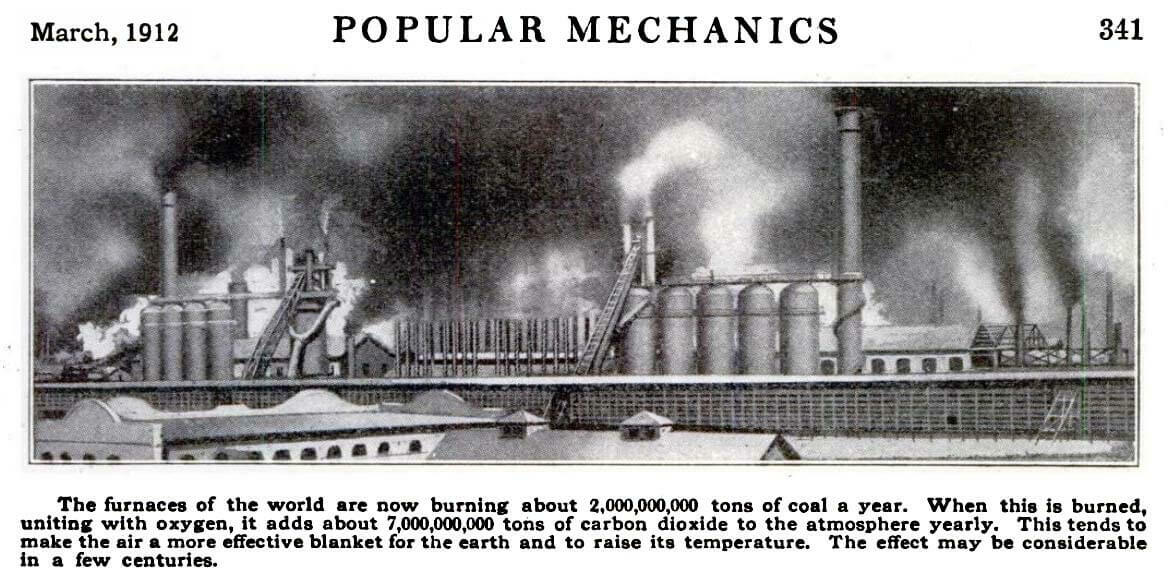
Francis Molina published an article in New York’s Popular Mechanics on March 1, 1912, which was then republished in New Zealand and other papers around the globe, becoming one of the first news items to directly connect increased coal burning, increased CO2 emissions, and increasing temperatures of the earth.
Continue reading
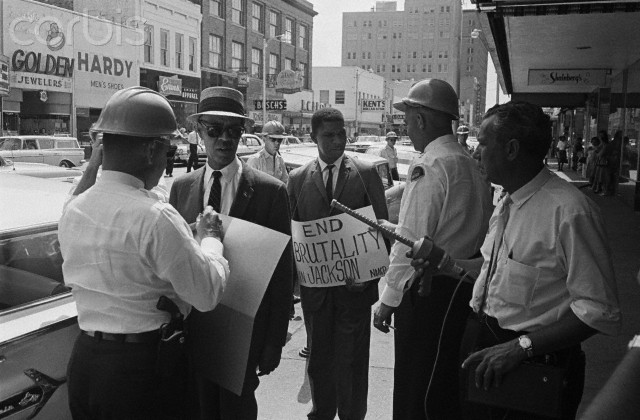
Medgar Evers made a 17-minute speech on WLBT in a rare and historic exception to the white supremacist only voice on Mississippi radio and television.
Continue reading
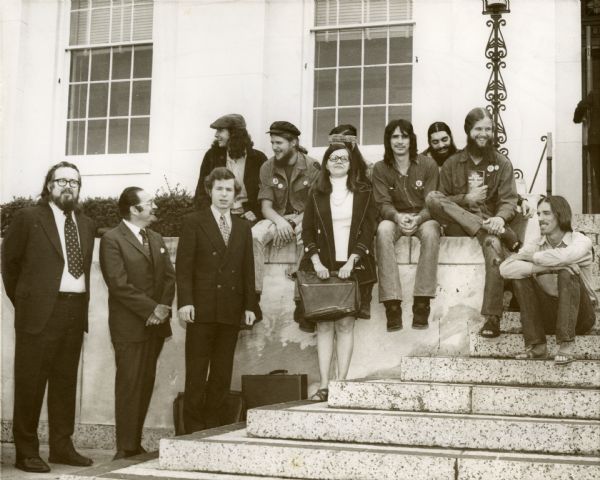
Members of the Vietnam Veterans Against the War (VVAW) were arrested and erroneously charged with inciting violence at the 1972 Republican National Convention in Miami. They were all later acquitted after a lengthy and much publicized trial.
Continue reading
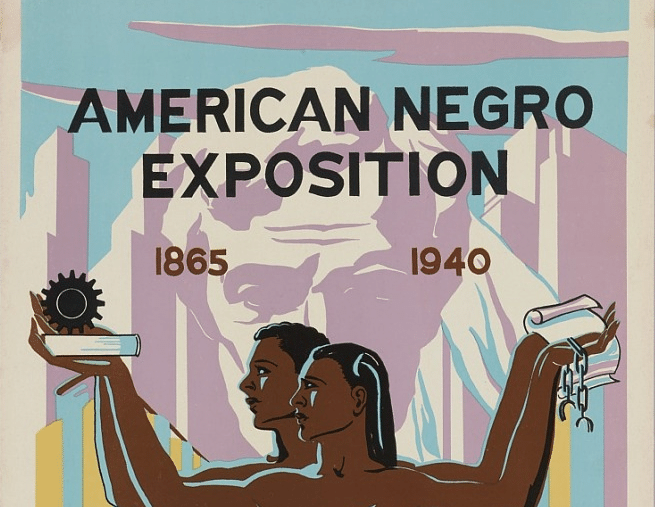
To celebrate the 75th anniversary of the ending of slavery in the United States, the Black World’s Fair, also known as the American Negro Exposition, was held at the Chicago Coliseum from July through September 1940.
Continue reading
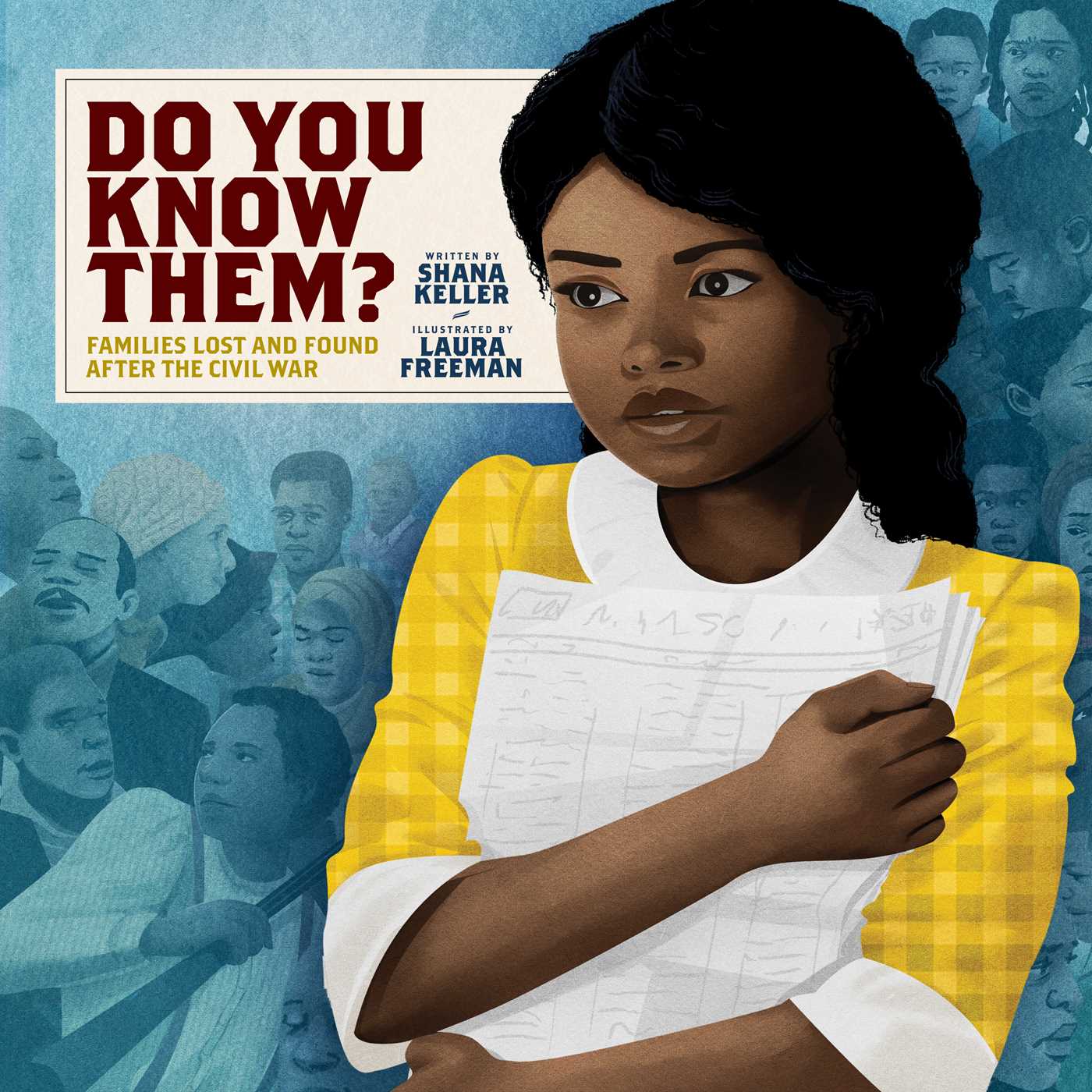
Picture book. By Shana Keller and illustrated by Laura Freeman. 2024. 40 pages.
Helps introduce young readers to the history of African American family members desperately trying to find their children, spouses, siblings, parents, and other loved ones during Reconstruction.
Continue reading
A cab driver, a day care provider, and two professors broke into an FBI office in Media, Pennsylvania, and stole more than 1,000 classified documents.
Continue reading
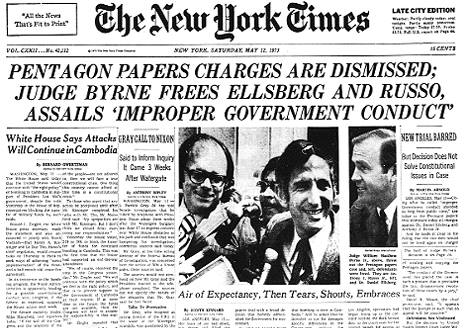
Judge Byrne dismissed all charges against Daniel Ellsberg and Anthony Russo in the Pentagon Papers trial.
Continue reading
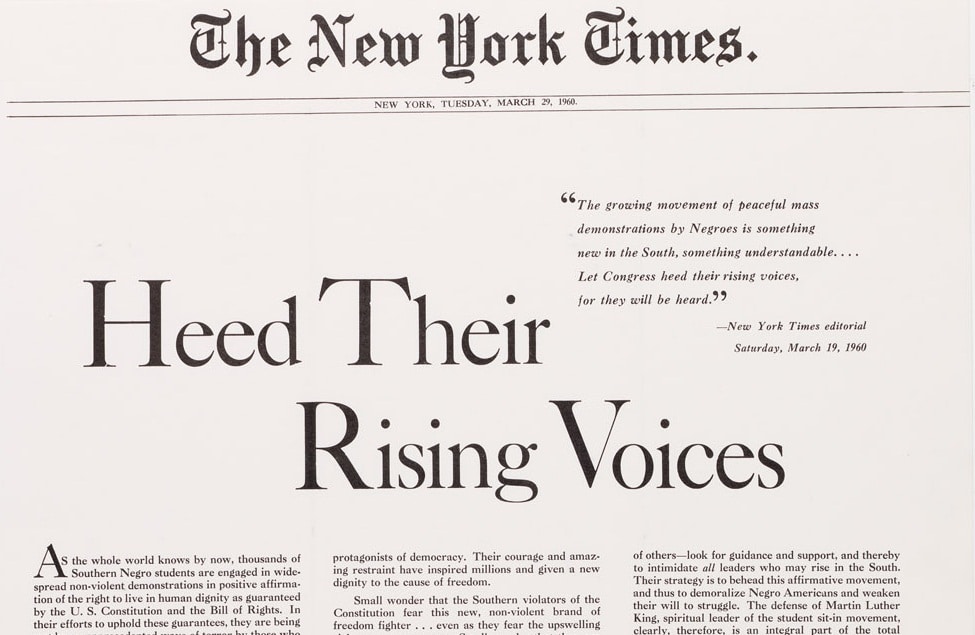
In a landmark decision, the Supreme Court ruled that the First Amendment protects newspapers that print inaccurate statements, as long as no “actual malice” was intended, thereby upholding freedom of speech and severely limiting public officials from suing for defamation.
Continue reading
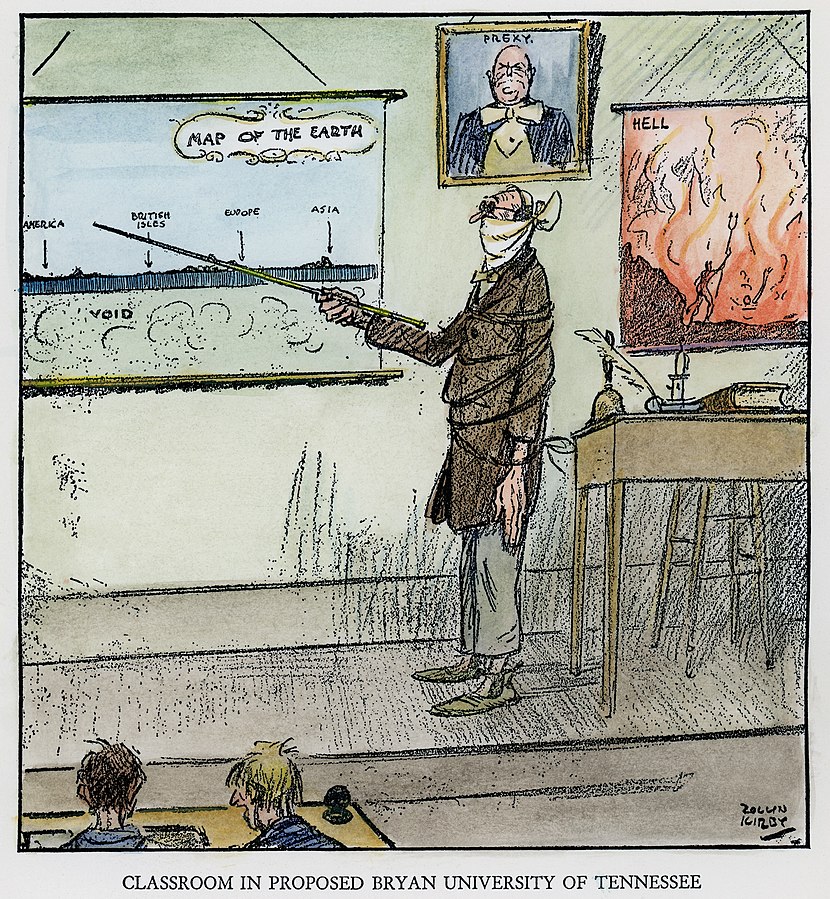
In the case of John T. Scopes v. the State of Tennessee, the defendant, Scopes, was found guilty and fined $100 for teaching about evolution — which was illegal in the state at the time.
Continue reading
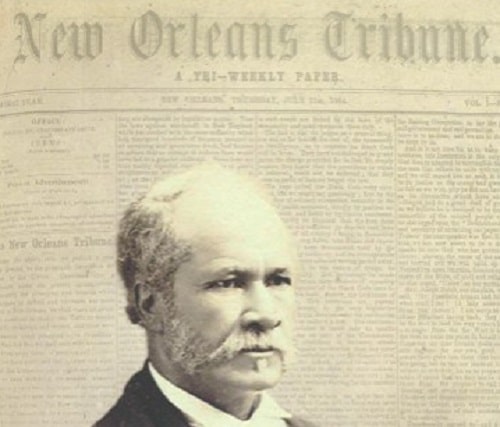
The New Orleans Tribune was launched and published daily in French and English by Louis Charles Roudanez.
Continue reading
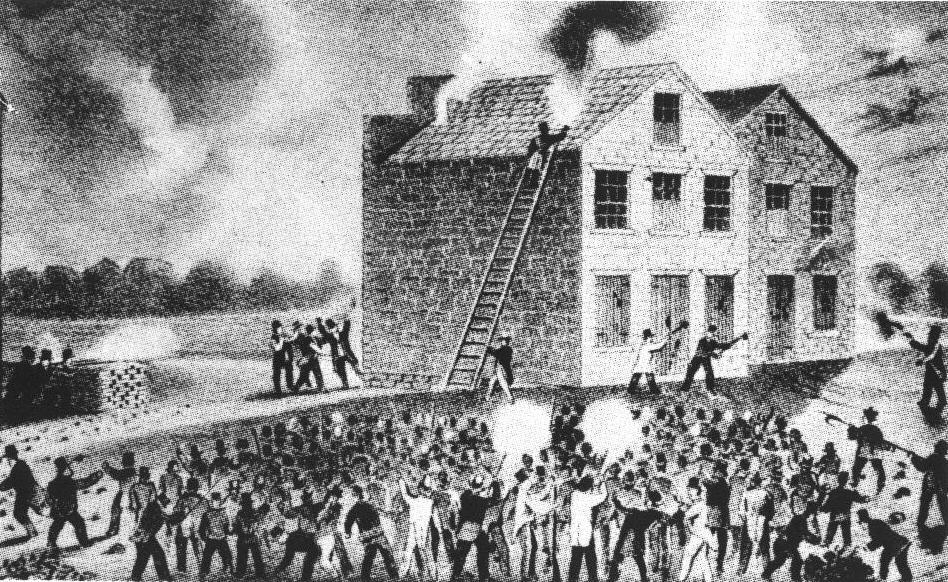
Minister, journalist, newspaper editor, and abolitionist Elijah Parish Lovejoy was murdered by a pro-slavery mob.
Continue reading
Teaching Activity. By the Zinn Education Project. 100 pages.
Eight lessons about the Vietnam War, Daniel Ellsberg, the Pentagon Papers, and whistleblowing.
Continue reading
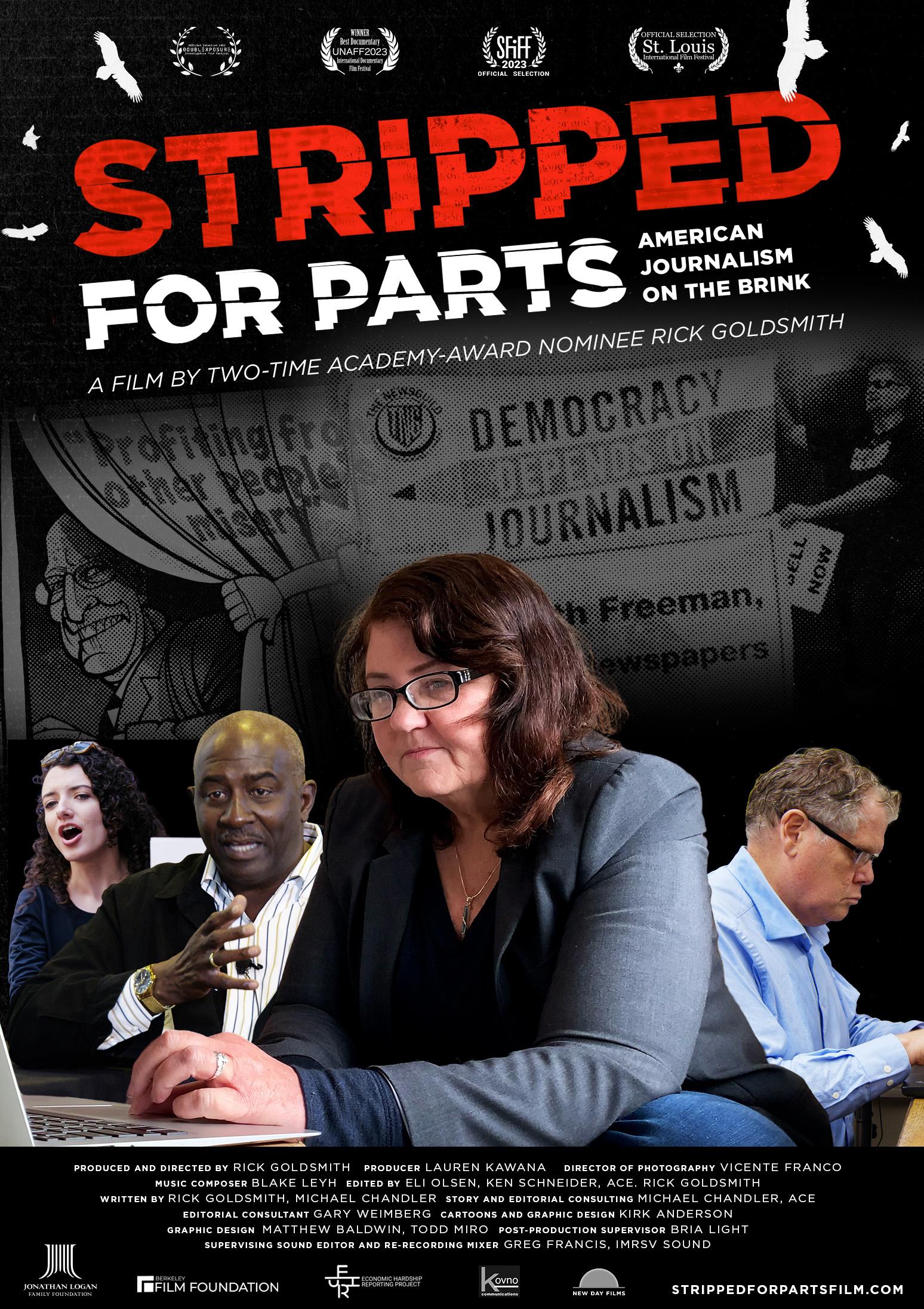
Film. Directed by Rick Goldsmith. 2025. 87 minutes.
The story of a secretive hedge fund that is plundering what is left of newspapers in the United States, and the journalists who are fighting back.
Continue reading
Profile. By Dernoral Davis.
Medgar Evers (July 2, 1925—June 12, 1963), Civil Rights Movement activist in Mississippi.
Continue reading
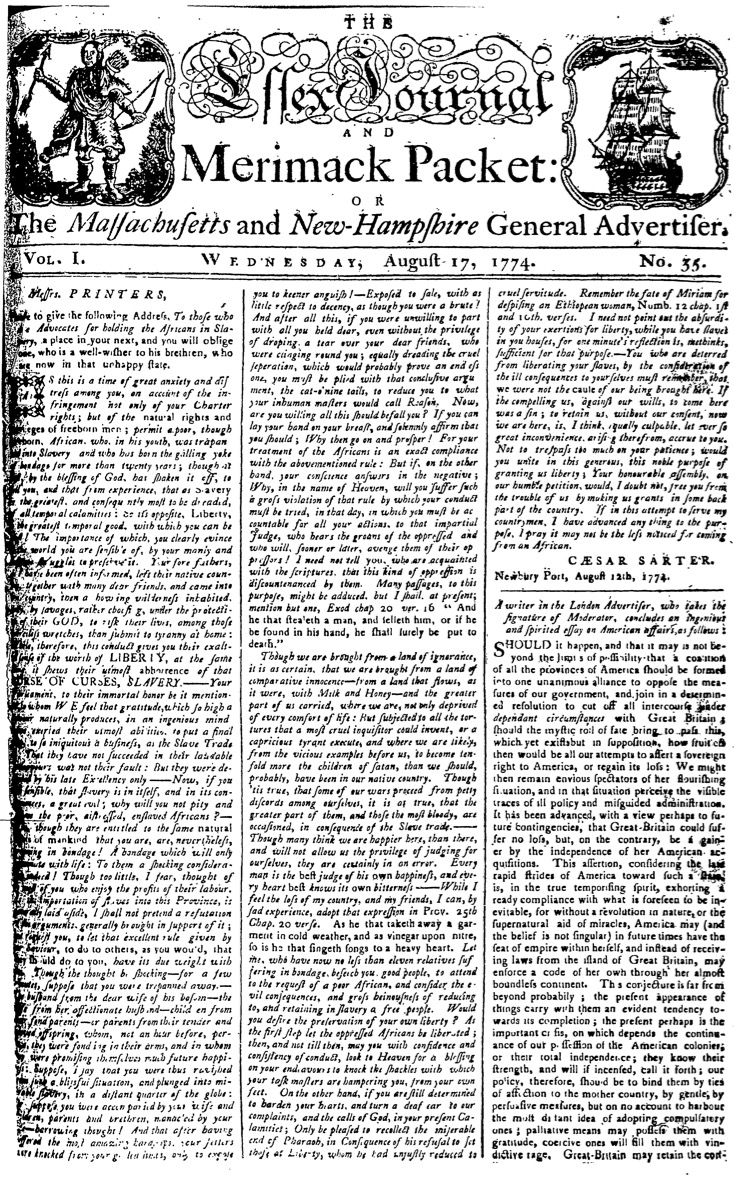
Just months after the Boston Tea Party, formerly enslaved African American Caesar Sarter made front-page news in Newburyport, Massachusetts when he wrote a an essay rebuking “revolutionary” enslavers.
Continue reading
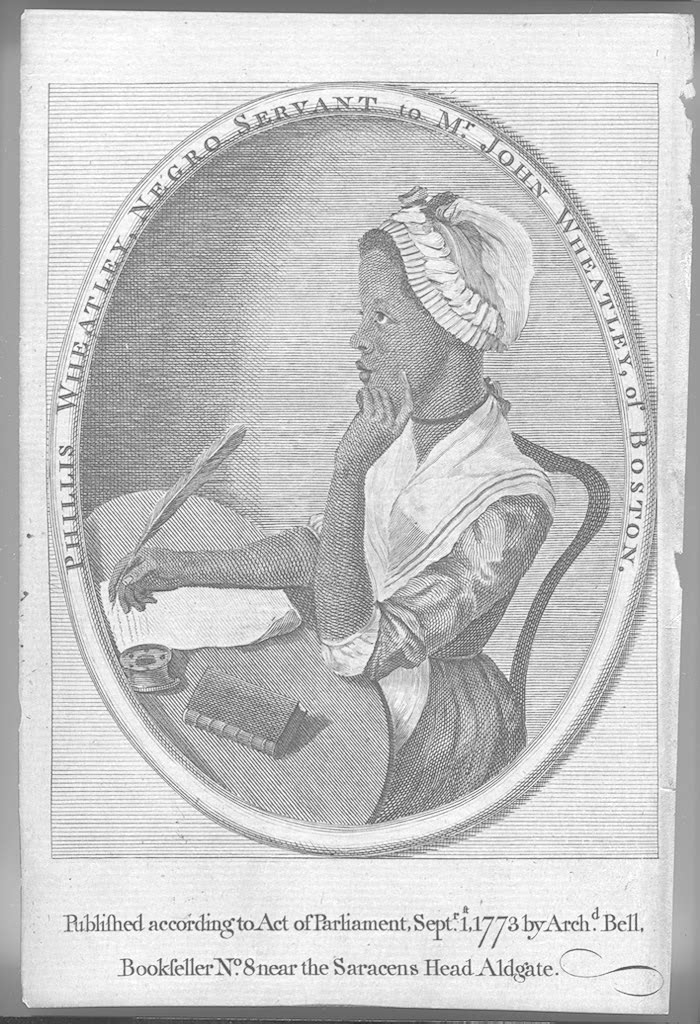
In a letter to a friend, Phillis Wheatley wrote of the idea of natural rights for African Americans, challenging patriot enslavers years before the Declaration of Independence.
Continue reading
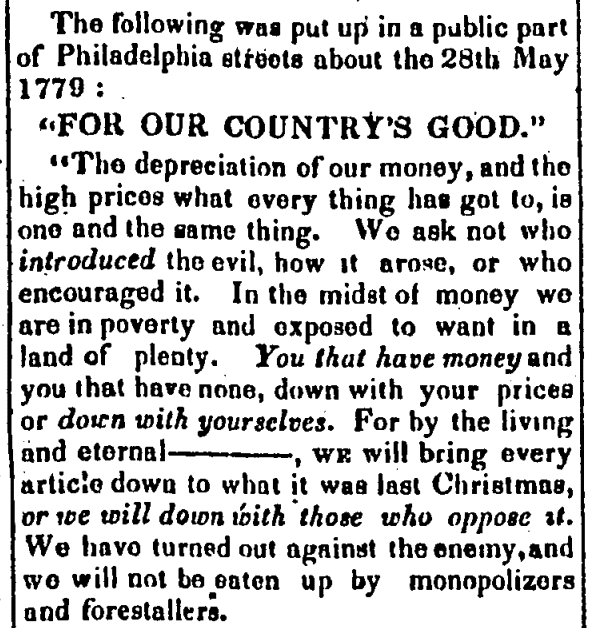
Following British occupation of the city, Revolutionary militia members in Philadelphia denounced and attacked wealthy merchants who benefited from wartime shortages.
Continue reading
Teaching Activity. By Jessica A. Rucker. 2021. Rethinking Schools.
A high school teacher and her students question “Who owns and controls hip-hop?” — and put the hip-hop industry on trial.
Continue reading