

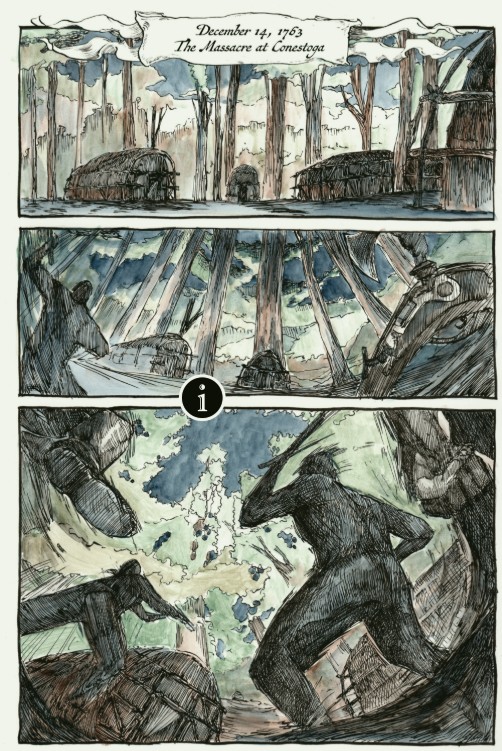
Page from Ghost River: The Fall and Rise of the Conestoga was part of Redrawing History: Indigenous Perspectives on Colonial America, supported by The Pew Center for Arts & Heritage. Art by Weshoyot Alvitre.
The Conestoga Massacre took place on December 14, 1763, when more than 50 white settlers — later called the Paxton Boys — attacked the 20 residents of the Conestoga Indian Town. Six of the Conestoga were brutally murdered in their homes, and the remaining 14 people were killed while seeking shelter in a nearby workhouse.
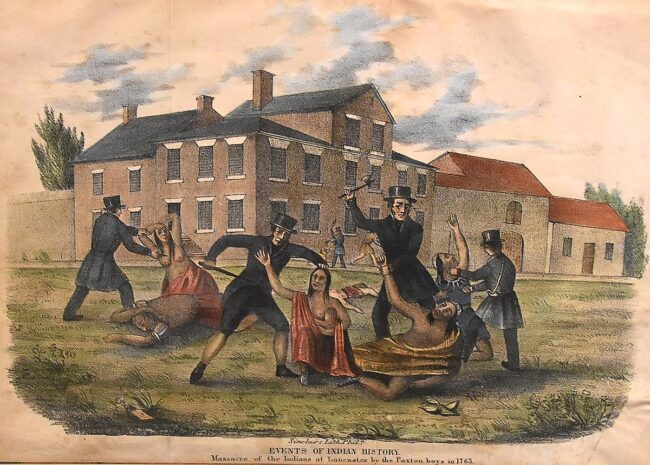
An 1841 painting of the Conestoga Massacre by an unknown artist. Source: Public domain
As reported by Jess Kung for NPR’s Code Switch,
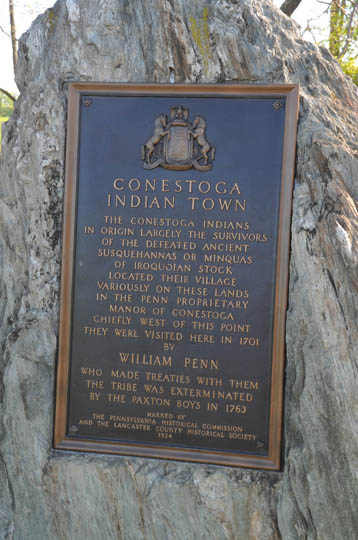
Conestoga Indian Town plaque. Source: Public domain
In addition to wiping out the Conestoga, the massacre ignited long-simmering tensions between Scots-Irish frontiersmen, which included the Paxton Boys, and the Quaker elite, who were perceived to be running the Pennsylvania government. People in the frontier believed that the Quakers gave resources to Native people at the expense of white settlers. Over the course of the next few weeks, those tensions escalated, and in early 1764, white frontiersmen numbering in the hundreds marched east toward Philadelphia with the thinly masked intention of wiping out even more Native people.
But before they arrived in Philadelphia, Benjamin Franklin was able to deescalate the mob. He persuaded folks to put down their weapons and, instead, print their grievances for the local government to read. What resulted was America’s first “pamphlet war.” In more than 60 pamphlets and 10 political cartoons, the settlers put their claims in writing. According to Ghost River, “At stake was much more than the conduct of the Paxton murderers. Pamphleteers staked claims about westward settlement, representation, and white supremacy in pre-Revolutionary Pennsylvania.”
But conspicuously absent from all the discourse about the massacre were the voices of any Native people.
Additional Resources
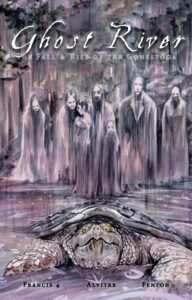 Ghost River: The Fall and Rise of the Conestoga by Lee Francis IV, with illustrations by Weshoyot Alvitre (The Pew Center for Arts & Heritage)
How a Graphic Novel Resurrected a Forgotten Chapter in American History by Jess Kung for NPR’s Code Sw!tch
River Roots: Pontiac’s War & The Paxton Boys, Susquehanna National Heritage Area
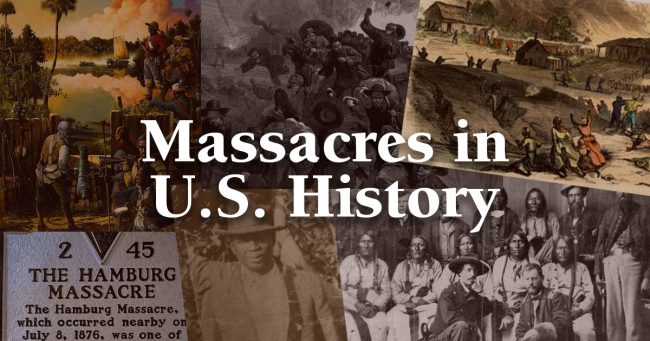
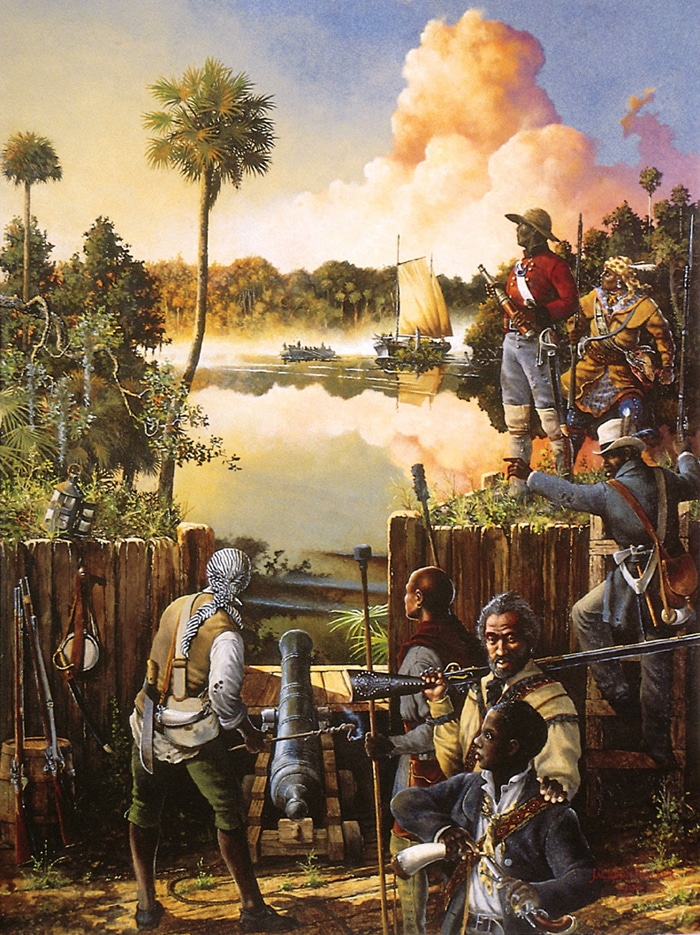
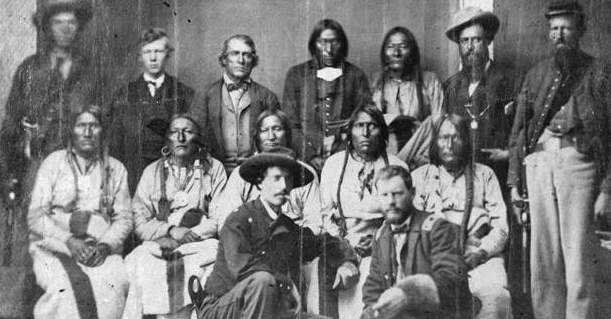
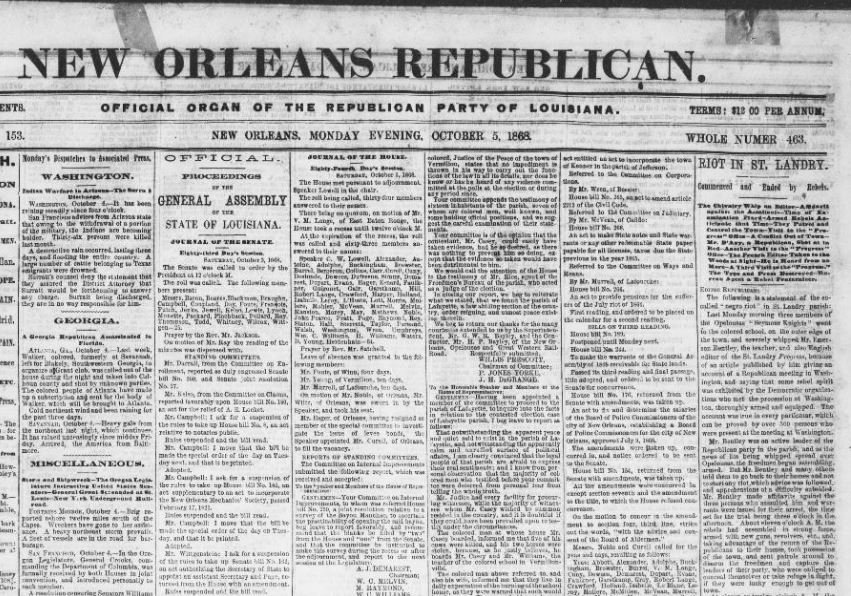
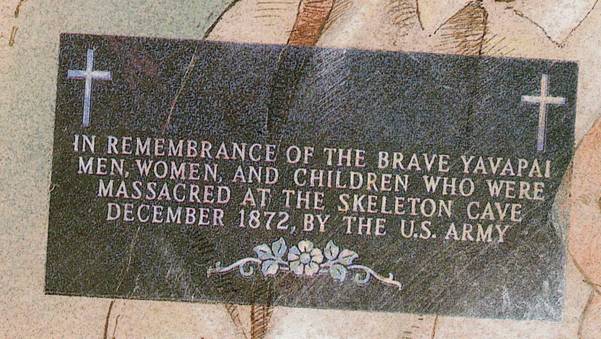
This is sadly one of countless massacres in the history of the United States. Most of these massacres were designed to suppress voting rights, land ownership, economic advancement, education, freedom of the press, religion, LGBTQ rights, and/or labor rights of African Americans, Latinos, Native Americans, Asians, and immigrants. While often referred to as “race riots,” they were massacres to maintain white supremacy.





Twitter
Google plus
LinkedIn