Background Reading. By Ray Raphael. 7 pages.
Based on his book Founding Myths, Raphael critiques the textbook portrayal of the American Revolution. The textbooks say that "a few special people forged American freedom" which "misrepresents, and even contradicts, the spirit of the American Revolution."
Continue reading
Article. By Ruth Shagoury.
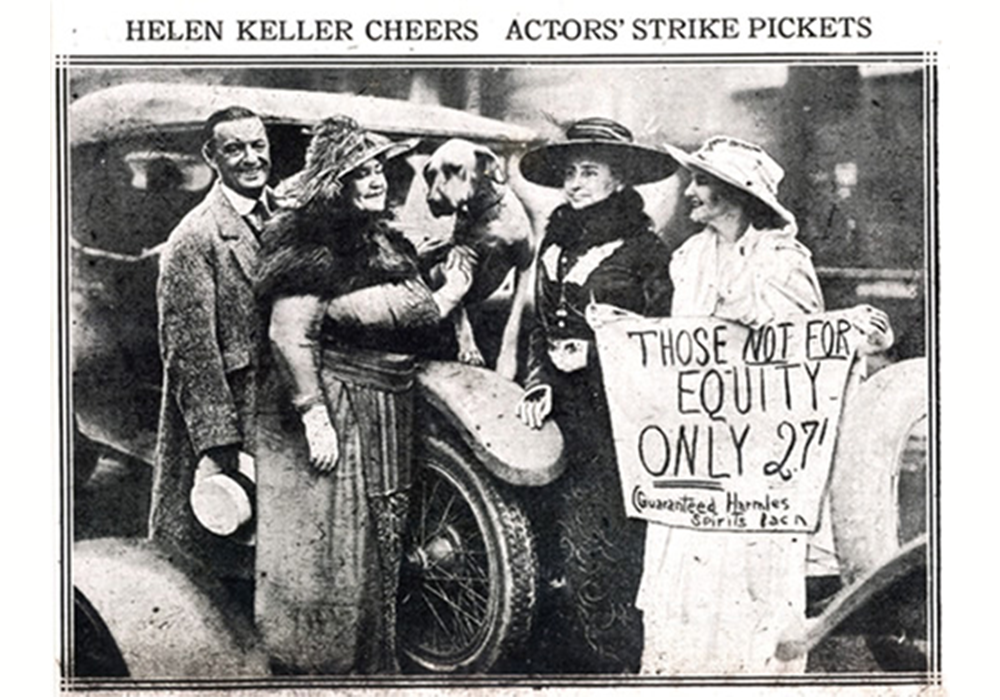
A review of children's picture books about the life of Helen Keller reveals the omission of any description of her active role in key social movements of the 20th century.
Continue reading
Article in PDF. By Jean-Bertrand Aristide. 5 pages.
An essay on the impact of globalization, with the story of Haiti as an example.
Continue reading
Background Reading. By Howard Zinn. 1994.
Interview conducted by Barbara Miner on a number of questions about the study of history.
Continue reading
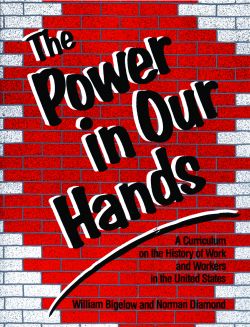
Article. By Bill Bigelow and Norm Diamond. 1988.
Teaching insights and introduction to using The Power In Our Hands curriculum book.
Continue reading
A historian’s guide to understanding Reconstruction and the lessons it offers for navigating our own fraught political moment.
Continue reading
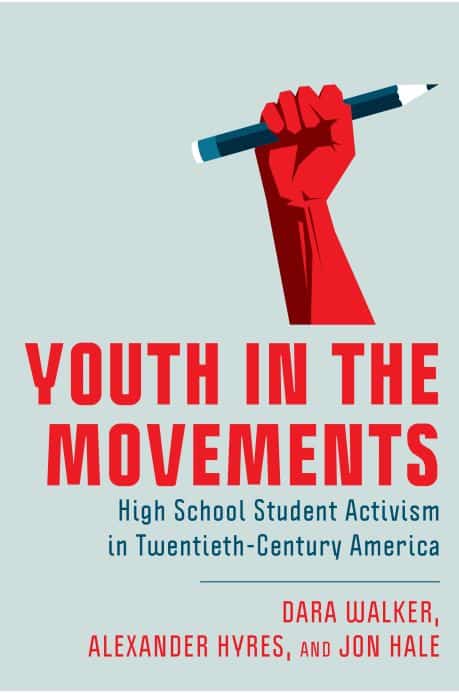
Book — Non-fiction. Edited by Dara Walker, Alexander D. Hyres, and Jon N. Hale. 2026. 266 pages.
Documents the history of the rise of high school and youth activism in the United States since the Second World War.
Continue reading
Book — Non-fiction. Edited by George Theoharis and John Rogers. 2026. 304 pages.
A compilation of leading education scholars on reenvisioning and creating equitable, inclusive, and democratic public schools.
Continue reading
Book — Non-fiction. By Scott Kurashige. 2026. 341 pages.
Tells the story of anti-Asian violence in the United States, highlighting how this violence has come to shape Asian America.
Continue reading
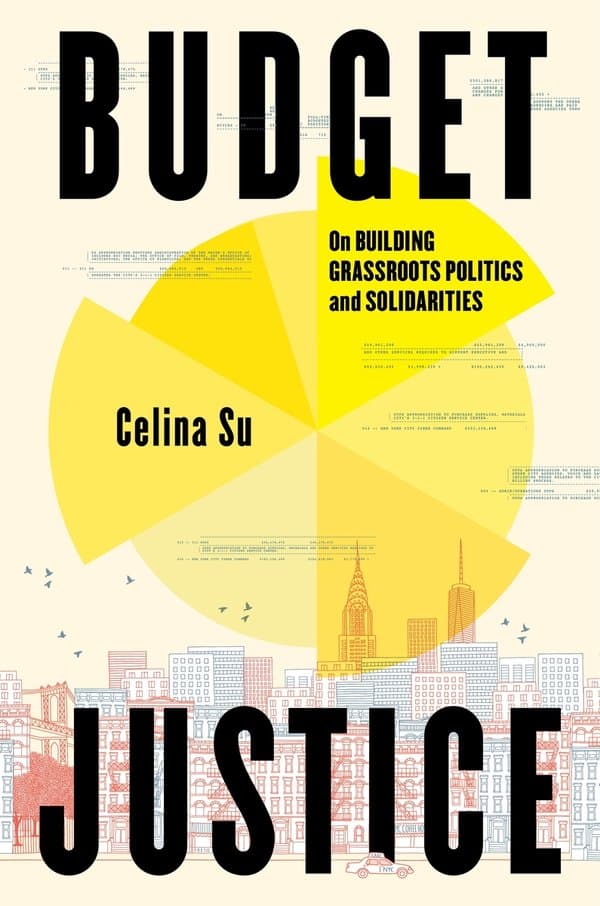
Book — Non-fiction. By Celina Su. 2025. 296 pages.
Explains why public budgets reflect a crisis not so much in accounting as in democracy, and enables everyone, especially those from historically marginalized communities, to imagine and enact people's budgets and policies that will enable their communities to thrive.
Continue reading
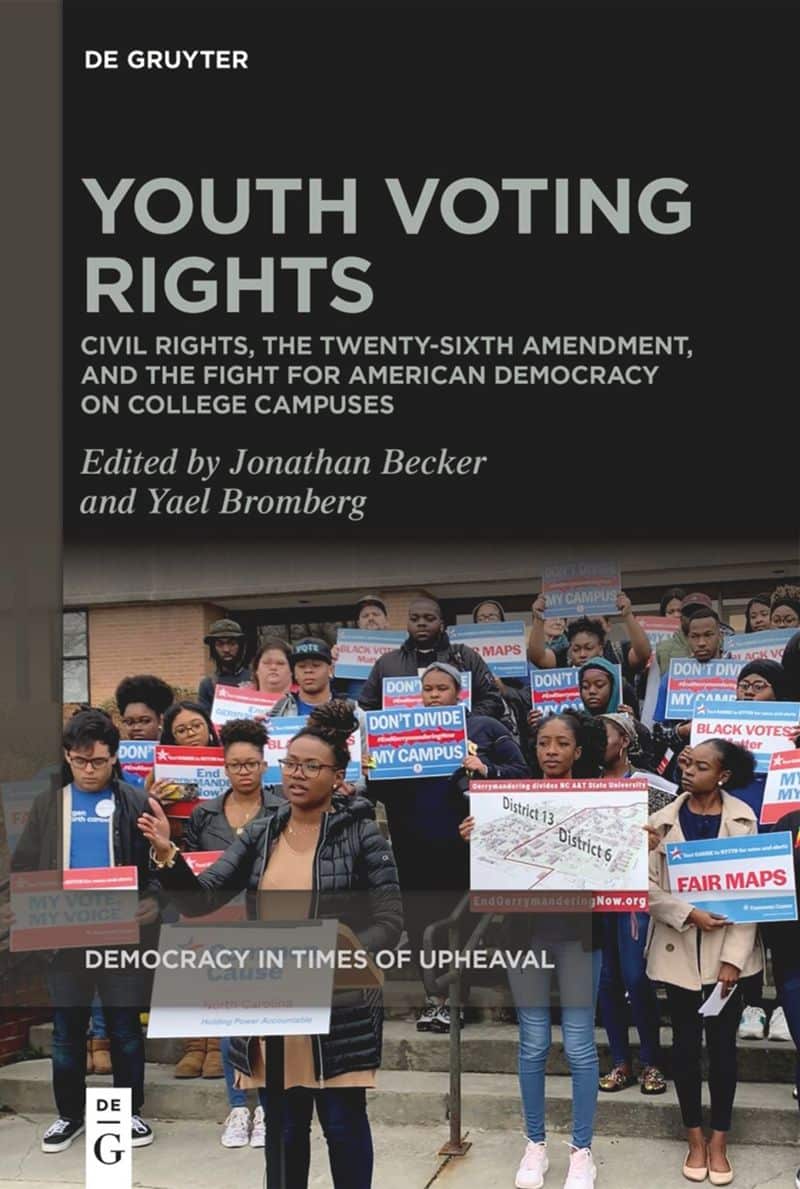
Book — Non-fiction. Edited by Jonathan Becker and Yael Bromberg. 2025. 304 pages.
Uses the history of the 26th Amendment and the ongoing fight to promote and defend youth voting rights as a prism through which to teach the history of the struggle for the fundamental right to vote in the United States.
Continue reading
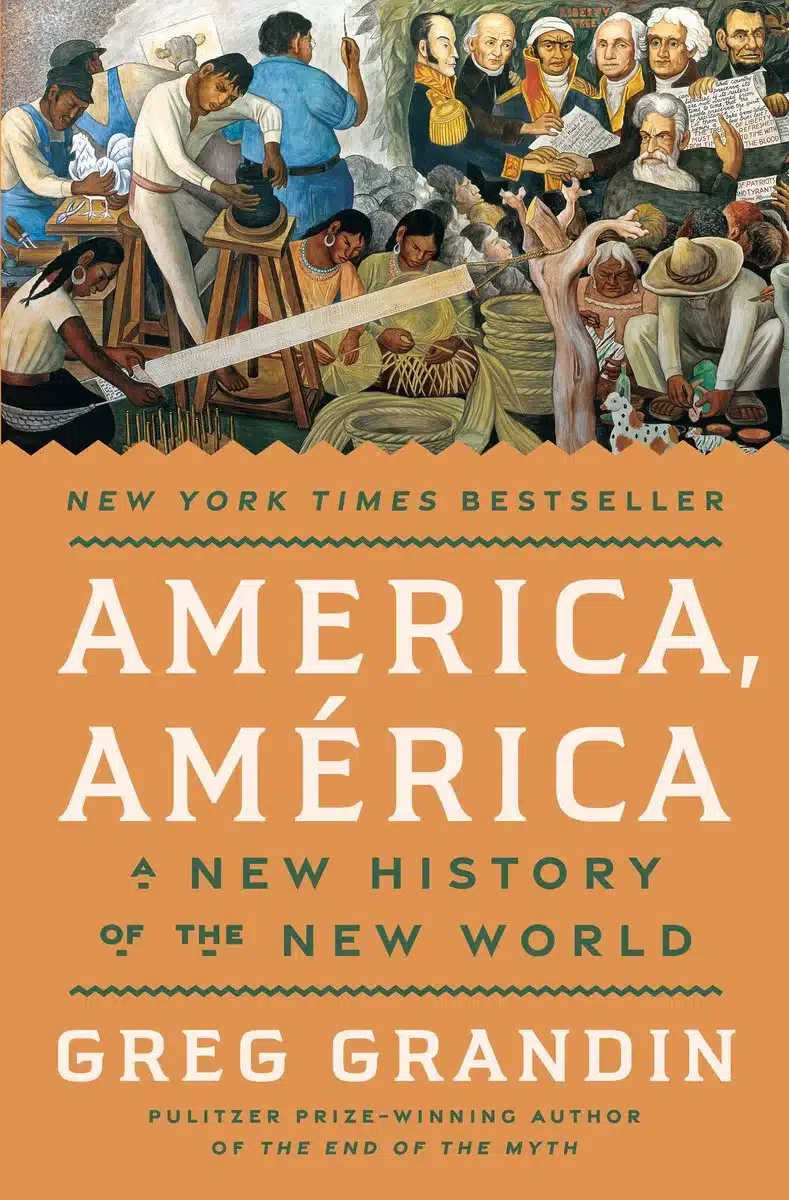
Book — Non-fiction. By Greg Grandin. 2026. 768 pages.
Reveals how the United States and Latin America were forged from a constant, turbulent engagement with each other.
Continue reading
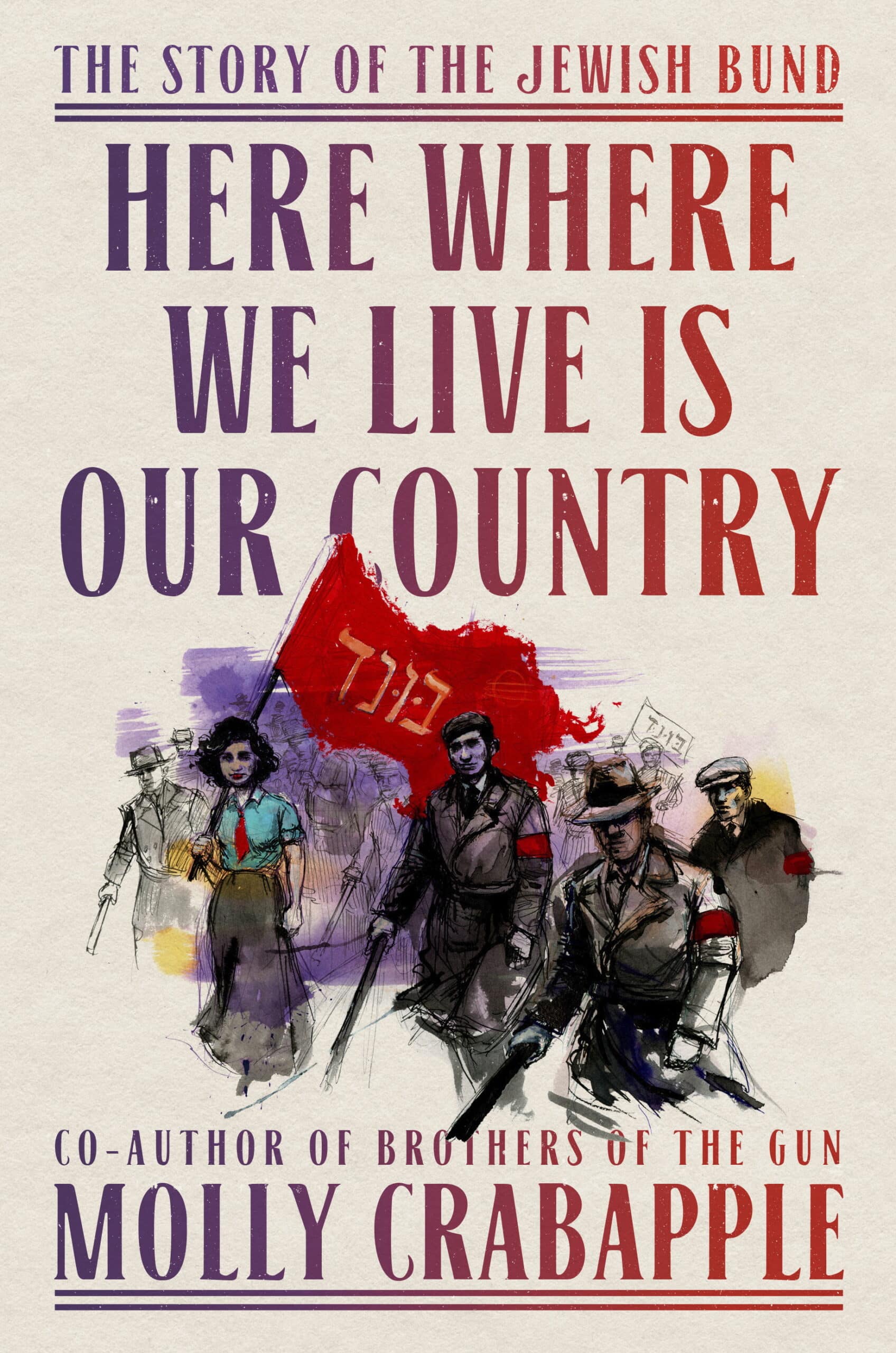
Book — Non-fiction. By Molly Crabapple. 2026. 480 pages.
The story of the Jewish Labor Bund, a secular, socialist, and uncompromisingly anti-Zionist organization that fought for dignity and equality, not in an imagined homeland in Palestine but “here where we live.”
Continue reading
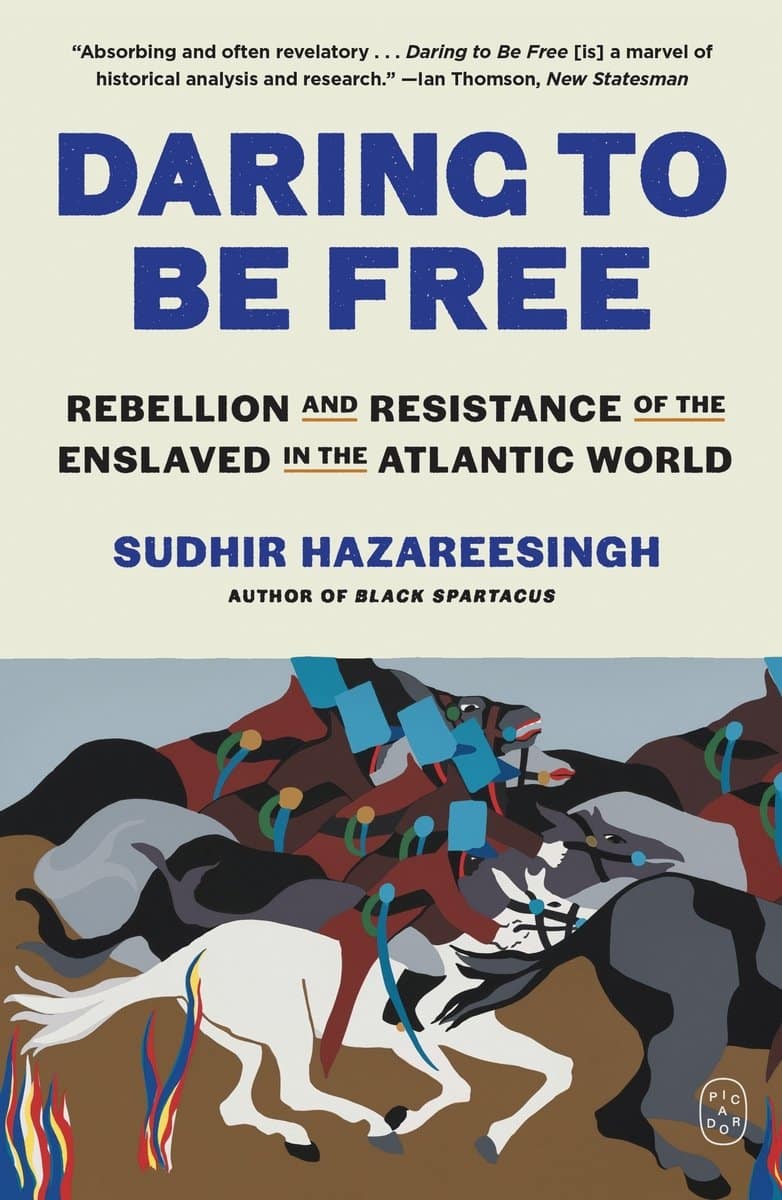
Book — Non-fiction. By Sudhir Hazareesingh. 2026. 464 pages.
Portrays the struggle for liberation from the perspective of the enslaved and, wherever possible, in their own words.
Continue reading
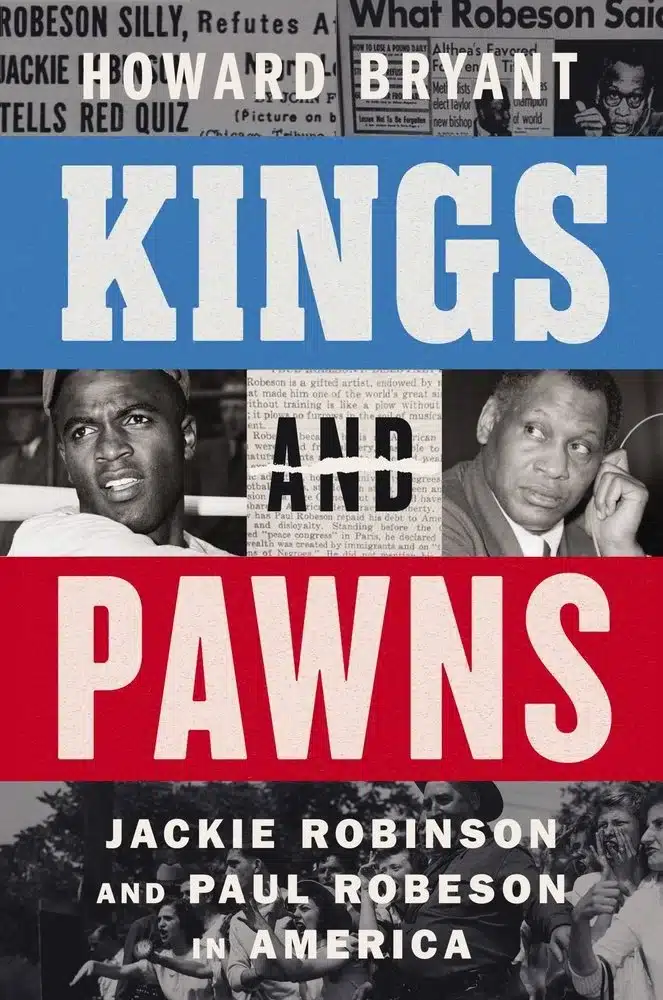
Book — Non-fiction. By Howard Bryant. 2026. 320 pages.
Highlighting the lives of Paul Robeson and Jackie Robinson, this book tells the story of sports and fame, Black life in the United States, and the promise of integration through the Cold War lens of two transformative events.
Continue reading
Book — Non-fiction. By Kelly Lytle Hernández. 2026. 320 pages.
Reveals how generations of lawmakers and law enforcers built the American immigration system to encourage white immigrants while targeting nonwhite migrants for exclusion, punishment, and removal.
Continue reading
Book — Non-fiction. By Jaz Brisack. 2026. 320 pages.
Highlighting the Starbucks and Tesla unionization efforts, this book tells the broader story of the new, nationwide labor movement unfolding in our era of political and social unrest.
Continue reading
Book — Non-fiction. By Gautham Rao. 2026. 320 pages.
Uncovers how slaveholders created their own white supremacist police and government to deny Black people rights, power, and humanity.
Continue reading
Book — Non-fiction. By David Conrad-Pérez. 2026. 336 pages.
A major reinterpretation of the Triangle Shirtwaist Factory fire of 1911 and its lasting impact.
Continue reading
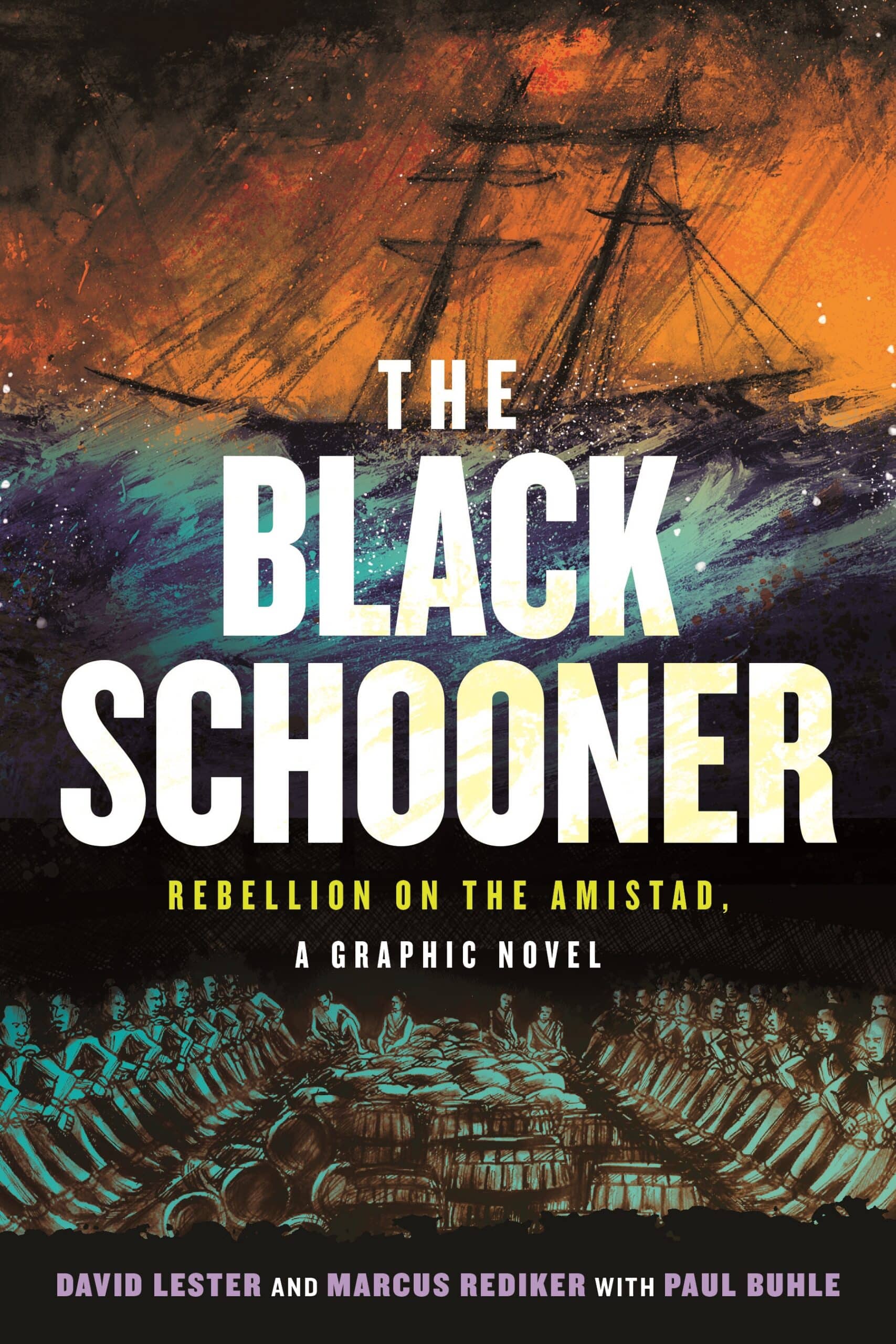
Book — Non-fiction. By David Lester and Marcus Rediker, and edited by Paul Buhle. 2026. 136 pages.
graphic history of how enslaved Africans on board the Amistad rebelled and captured the slave ship in 1839, challenging a whitewashed version of history and putting the Africans back at the center of their own freedom story.
Continue reading
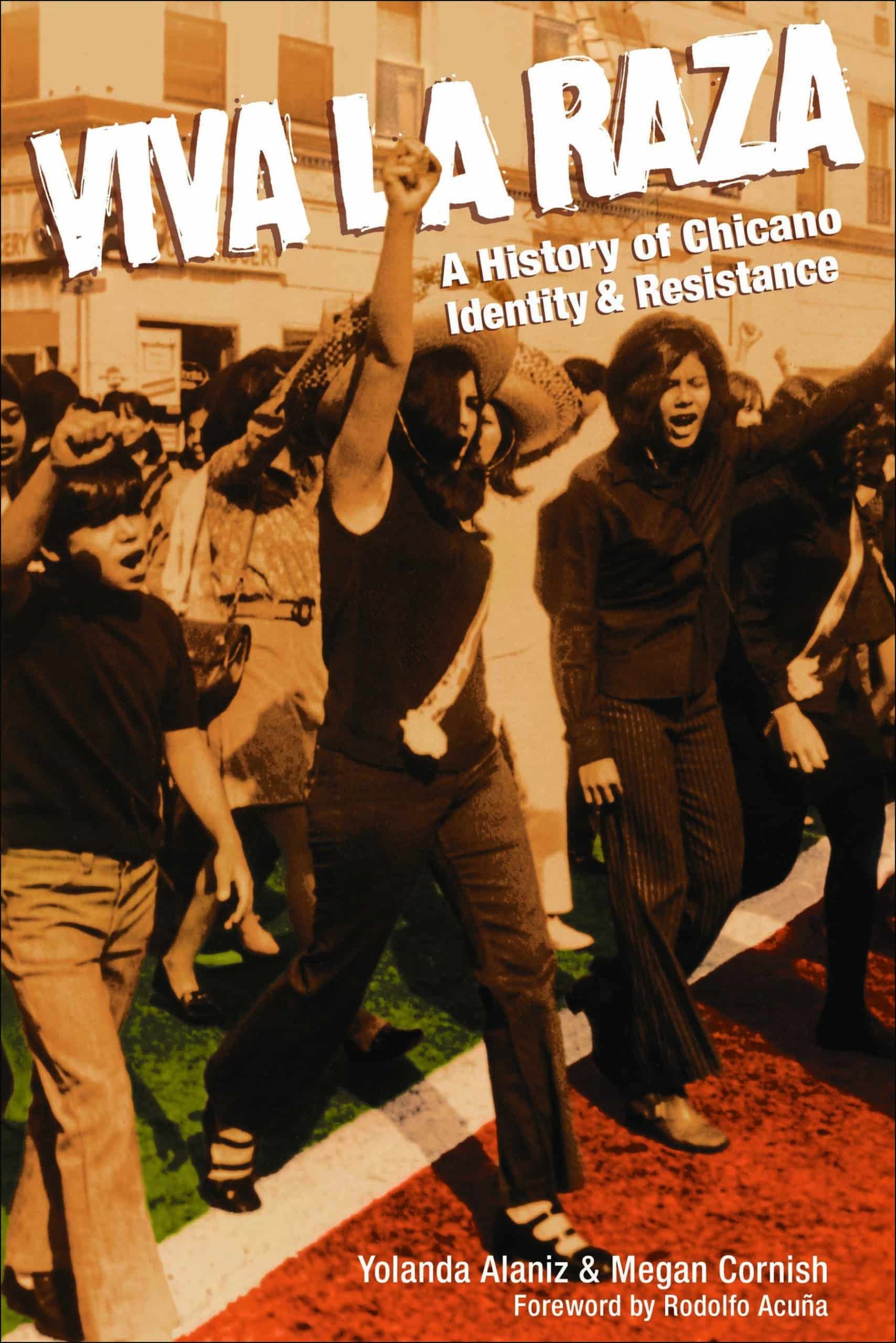
Book — Non-fiction. By by Yolanda Alaniz and Megan Cornish, with a foreword by Rodolfo Acuña. 2008. 368 pages.
A history of Chicana/o militancy, from the occupation of Northern Mexico to the 1990s.
Continue reading
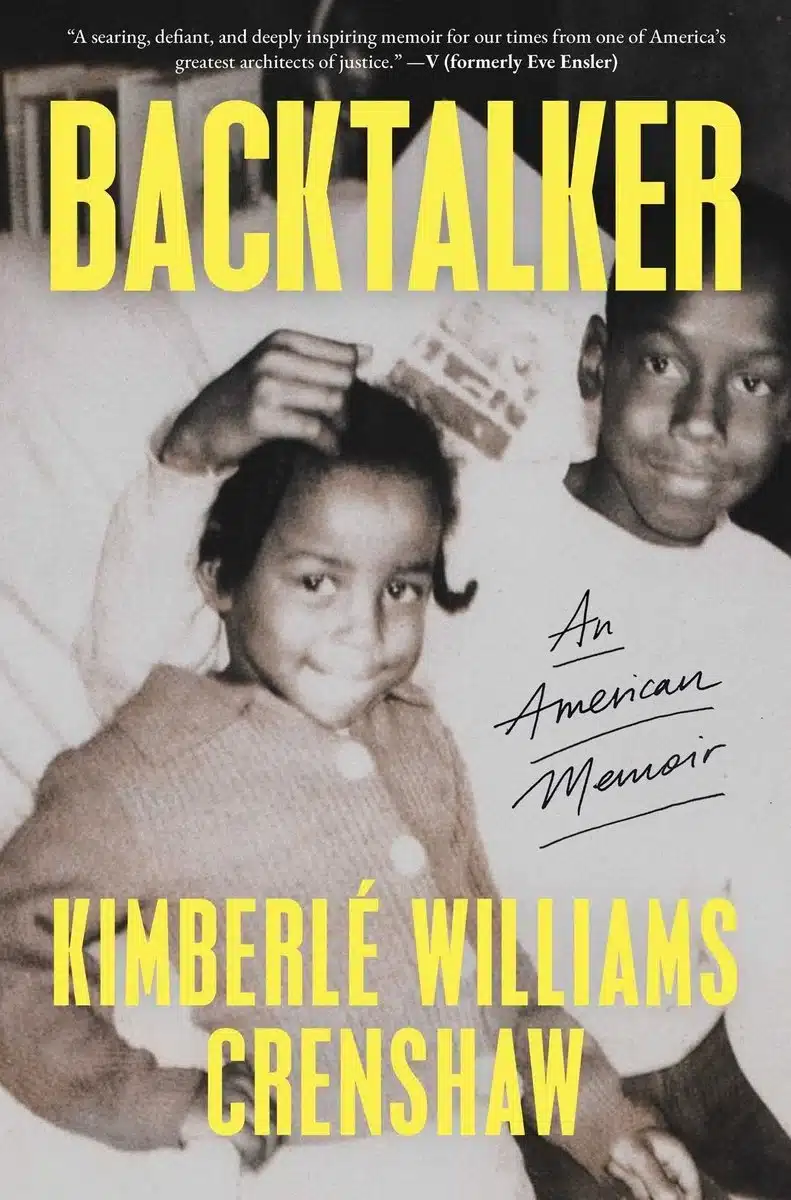
Book — Non-fiction. By Kimberlé Williams Crenshaw. 2026. 400 pages.
This memoir traces the way Crenshaw’s lived experiences led her to articulate the concepts of intersectionality and critical race theory.
Continue reading
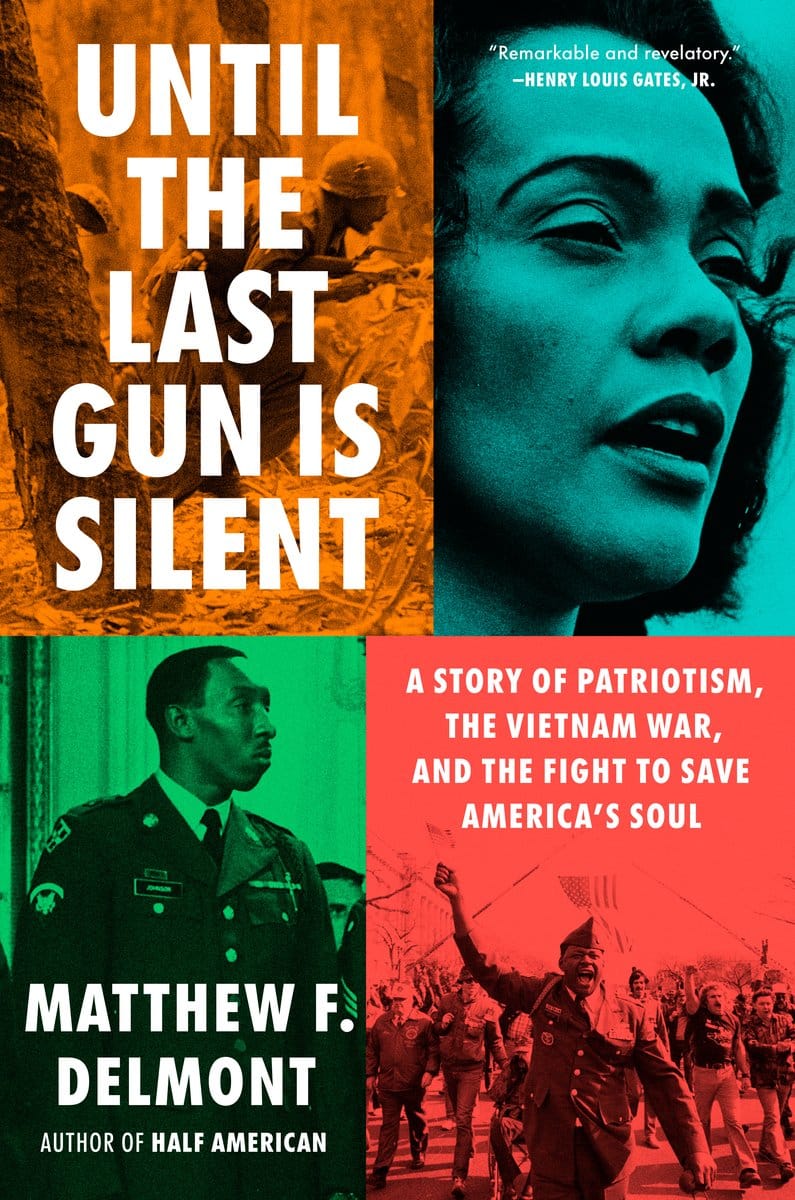
Book — Non-fiction. By Matthew F. Delmont. 2026. 368 pages.
The history of the Vietnam War with a focus on the African American experience in the antiwar movement and as returning soldiers.
Continue reading
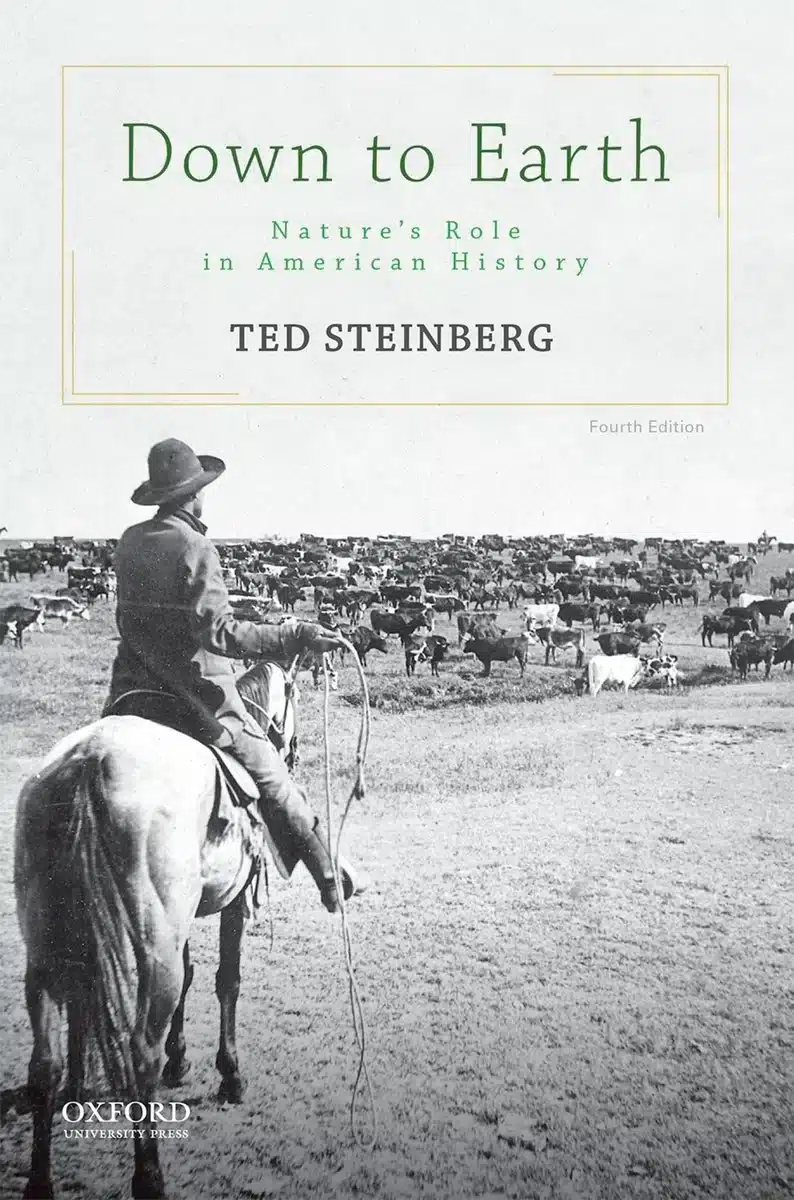
Book — Non-fiction. By Ted Steinberg. 2018. 370 pages.
A sweeping history of the United States — a history that places the environment at the very center of the narrative.
Continue reading
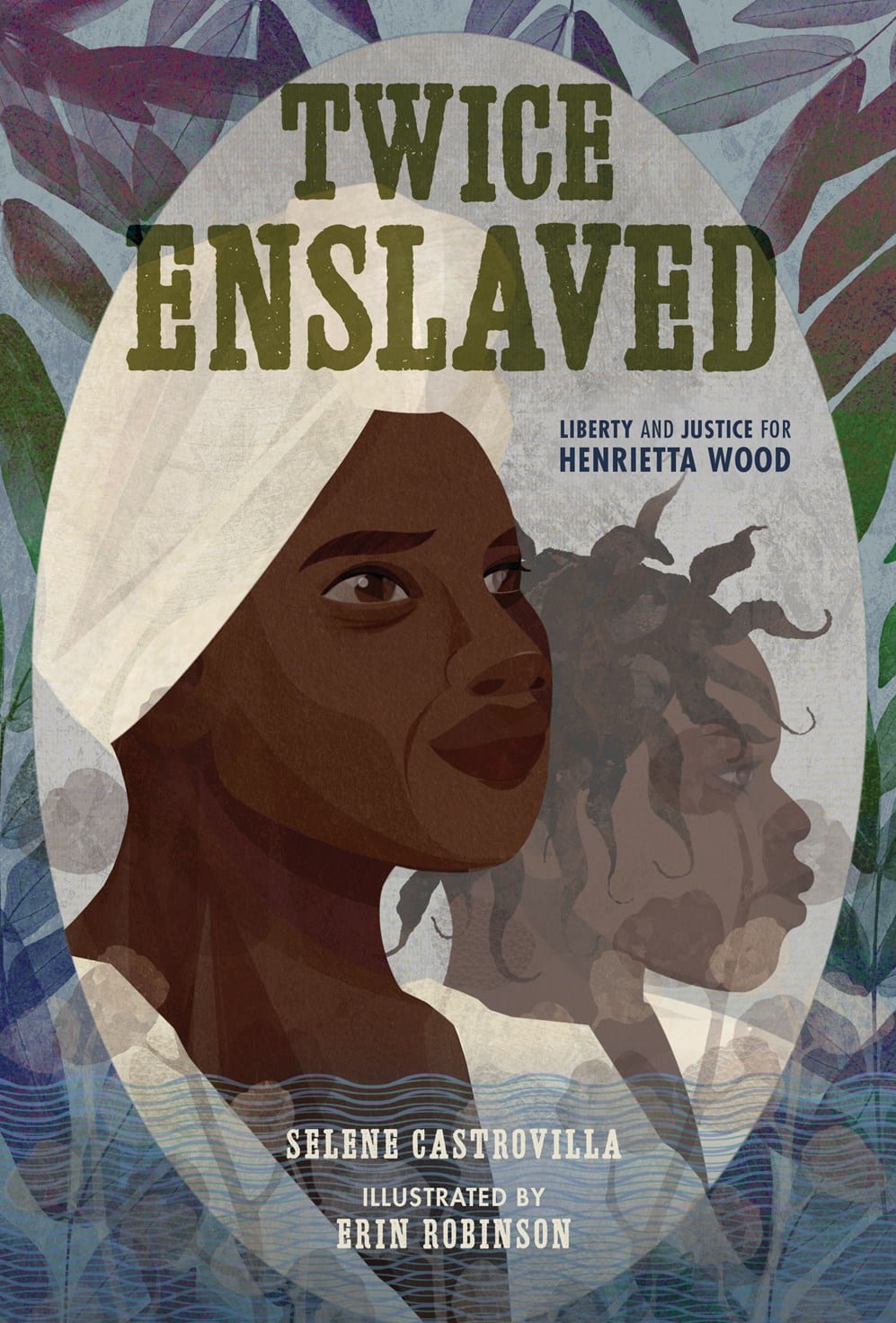
Book - Nonfiction. By Selene Castrovilla, illustrated by Erin K. Robinson. 2026. 80 pages.
The story of Henrietta Wood, who was enslaved twice — but who demanded justice and was awarded the largest reparations ever granted for enslavement.
Continue reading