
When we talk about American history, too often we forget that the Americas includes more than the United States.
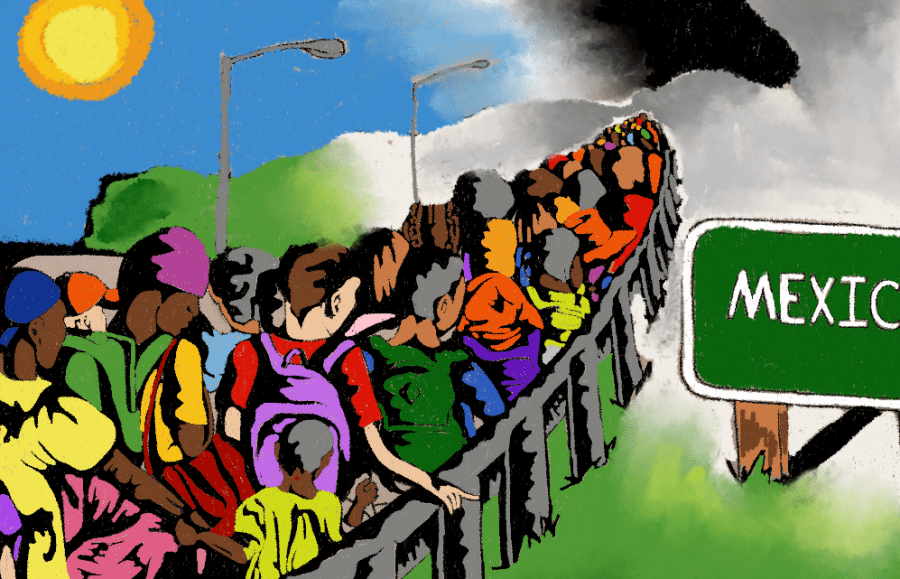
Latinx (also called Latine) Heritage Month is a good time to remember how all Americans are part of an interconnected history. That is especially true today, when millions of immigrants from the Americas are being slandered and criminalized by the current administration. People have fled their homes in Mexico, Central, and South America often because of decades of U.S. military, economic, and climate policies that have exploited people and turned so many into refugees. And let’s remember, too, that much of the United States used to be Mexico, and that Mexicans have a history that stretches back to before there even was a United States.
In response to the disruptions wrought by U.S. policy, people throughout the Americas have sought to build lives of dignity in their original homelands, and also here. Whether we think of the Cuban Revolution, the election of the socialist Salvador Allende in Chile, the union activism of U.S. farmworkers, the Chicano student blowouts in East L.A., or today’s struggles against the racism and lawlessness of ICE — Latinx Heritage Month means we should teach about everyone’s work for justice. We offer free lessons and recommendations for books and films, including the titles below.
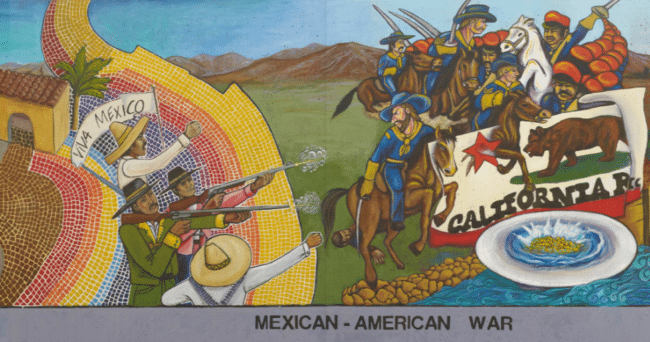
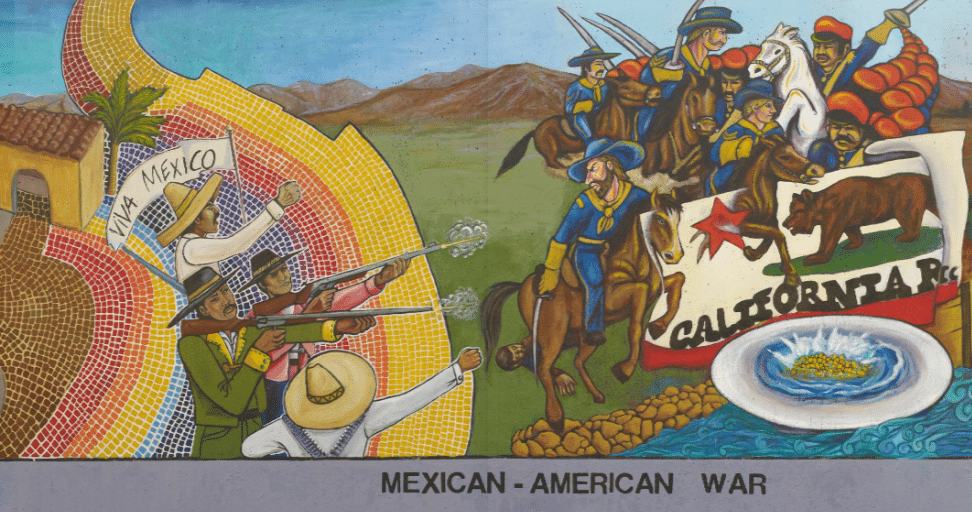
U.S. Mexico War: “We Take Nothing by Conquest, Thank God” by Bill Bigelow. A lesson on the history of the U.S.–Mexico border, with a reading by Howard Zinn.
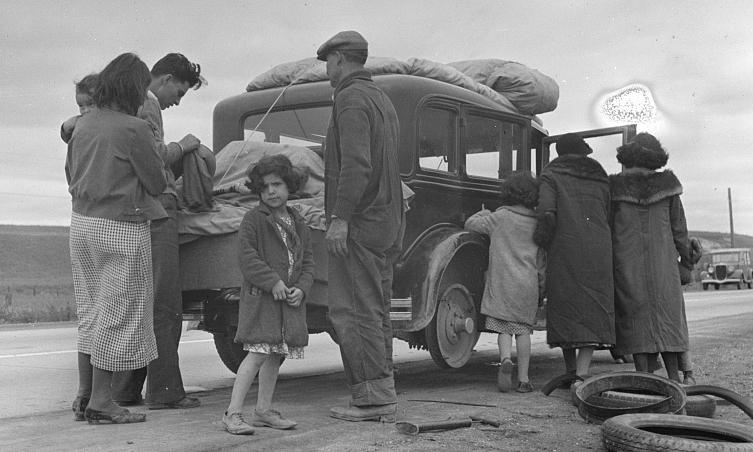
Some families relocated “voluntarily,” driven out by joblessness, harassment, and nativist fear-mongering, rather than the Immigration Service. By Dorothea Lange. Source: Library of Congress
Deportations on Trial: Mexican Americans During the Great Depression by Ursula Wolfe-Rocca. A lesson on the 1930s deportations alerts students that what they see in the news — and for some, their own neighborhoods — has historical precedents.
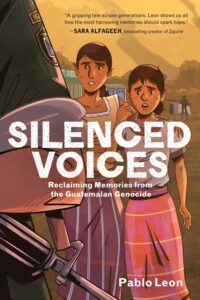 |
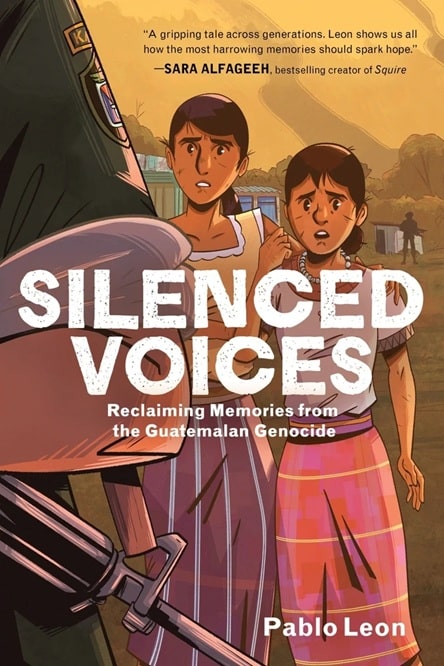
Silenced Voices: Reclaiming Memories from the Guatemalan Genocide by Pablo Leon. A graphic novel for age 14+. (More books.) |
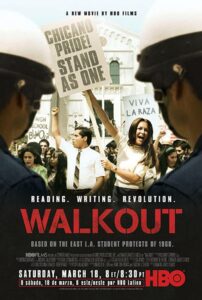 |
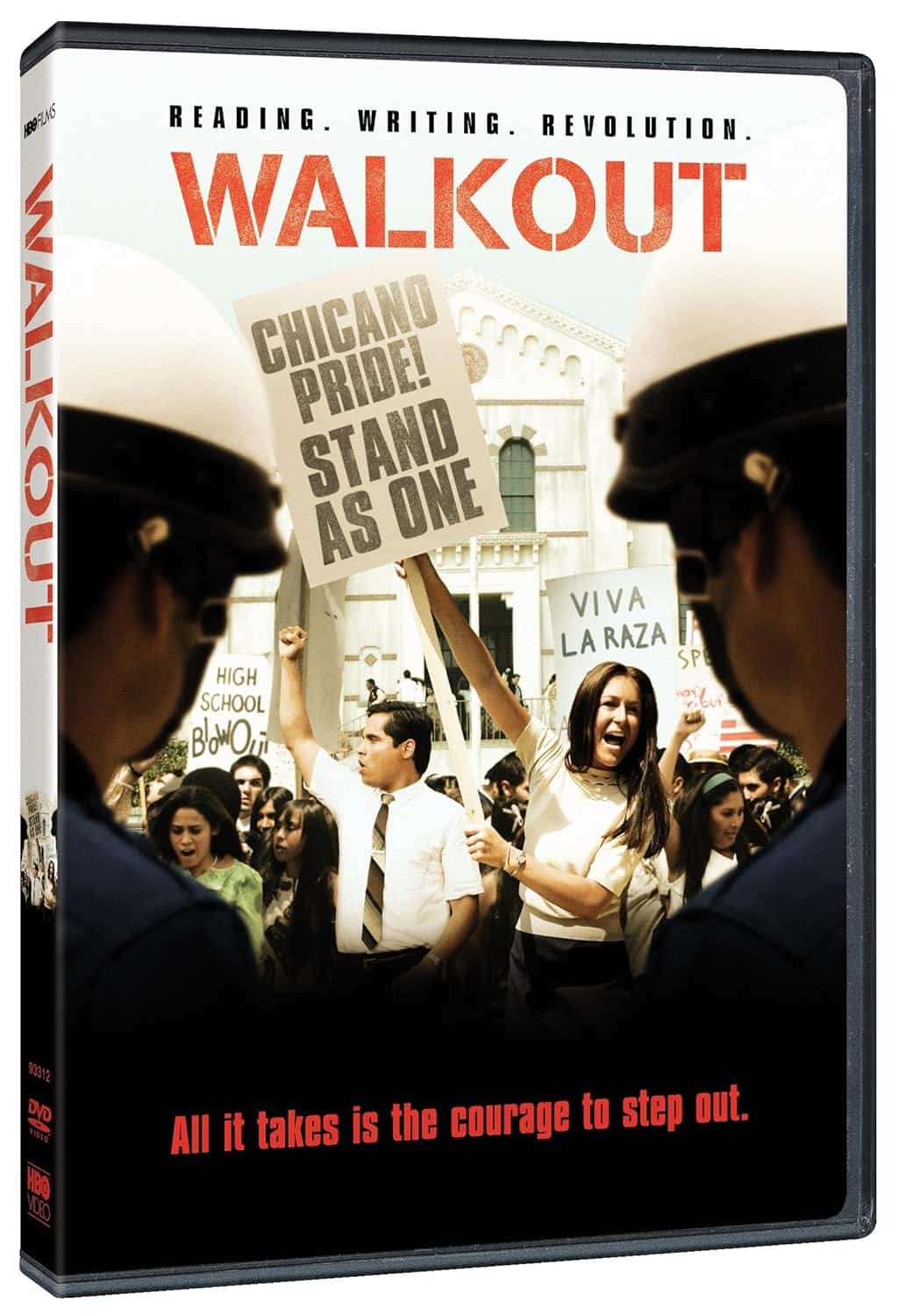
Walkout by Moctesuma Esparza. A documentary film about the 1968 protests by Chicano students in East Los Angeles. |
Sign up for Teach Central America Week (Oct. 6–10), hosted by Teaching for Change.



Twitter
Google plus
LinkedIn