

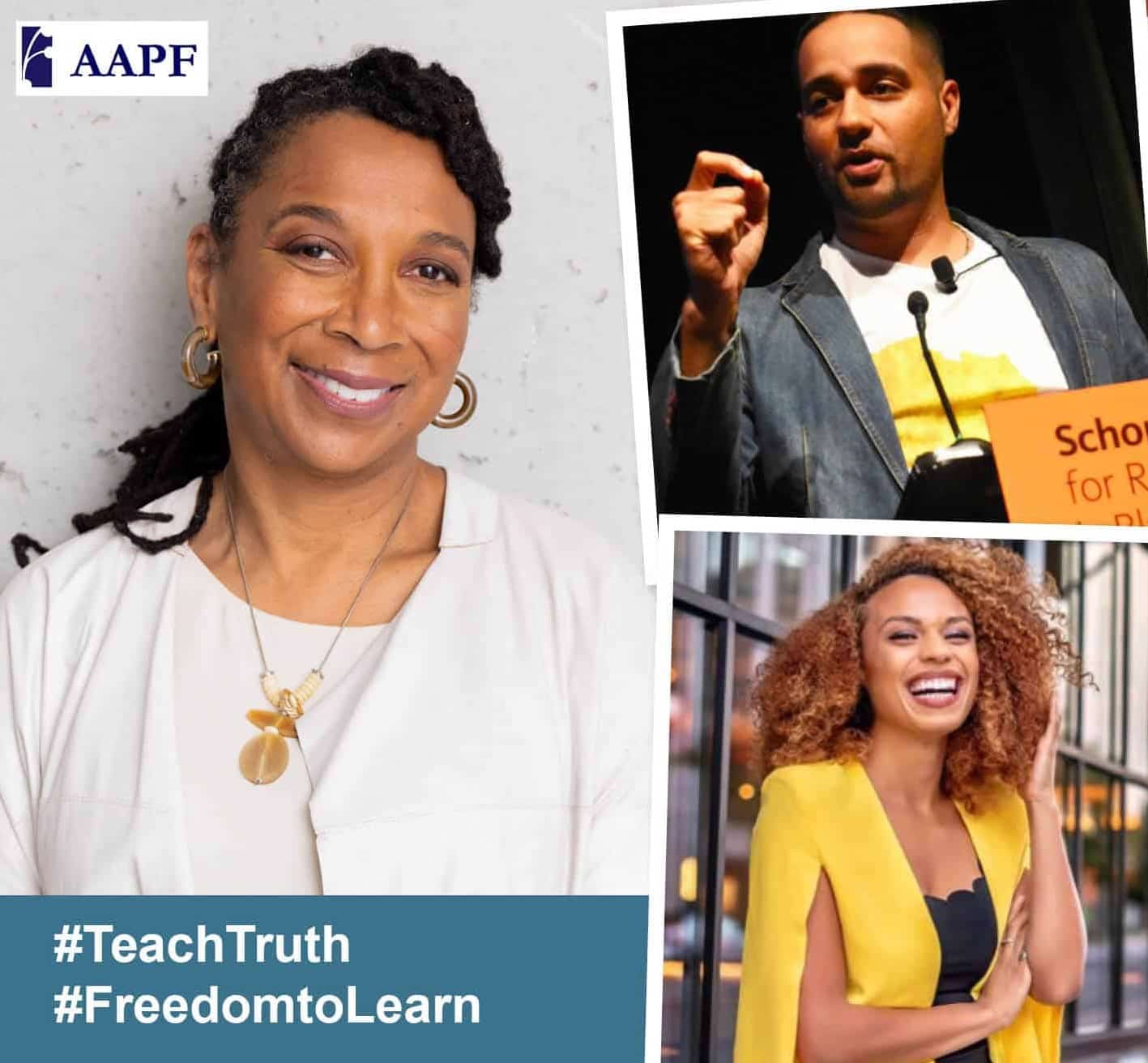
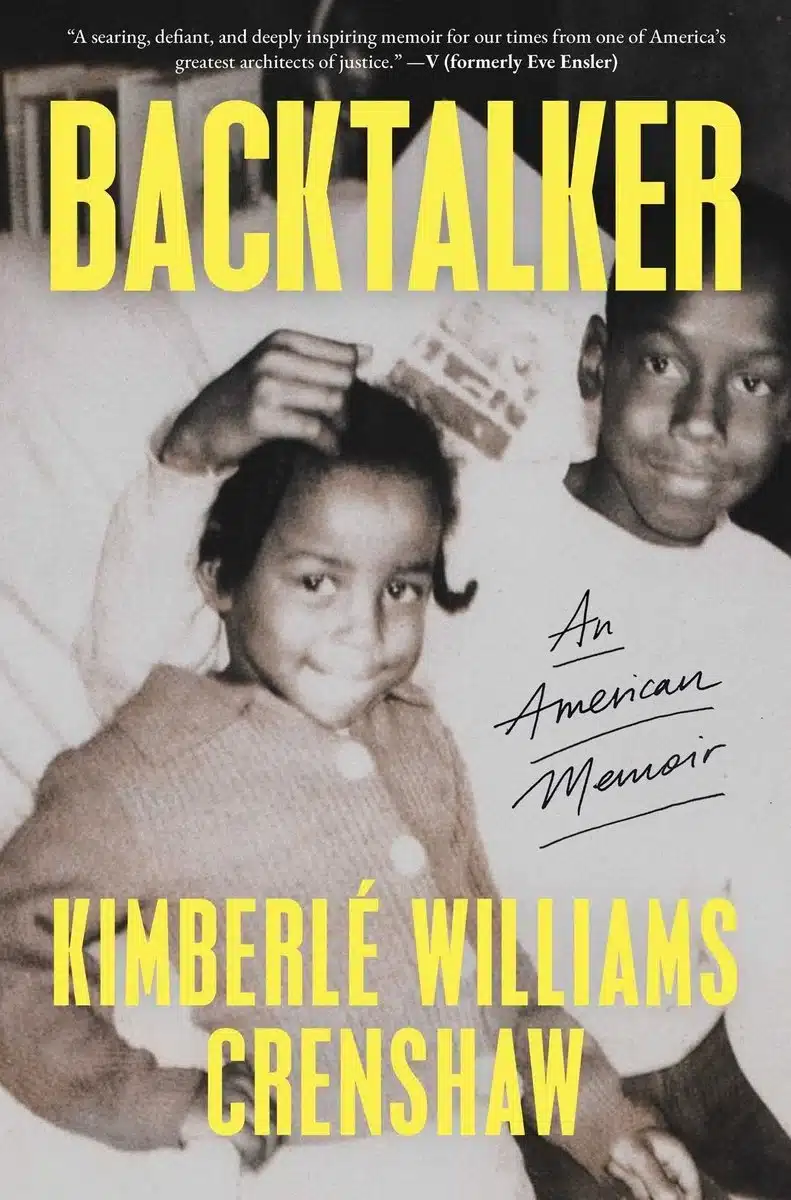
Professor Kimberlé W. Crenshaw, founder and director of the African American Policy Forum, explains why she supports the Zinn Education Project Teach Truth About the American Revolution campaign.
This three and a half minute video clip offers a valuable lesson on the dangers of the mis-representation of the American Revolution. The clip can serve as a prompt for discussion in high school and college courses.
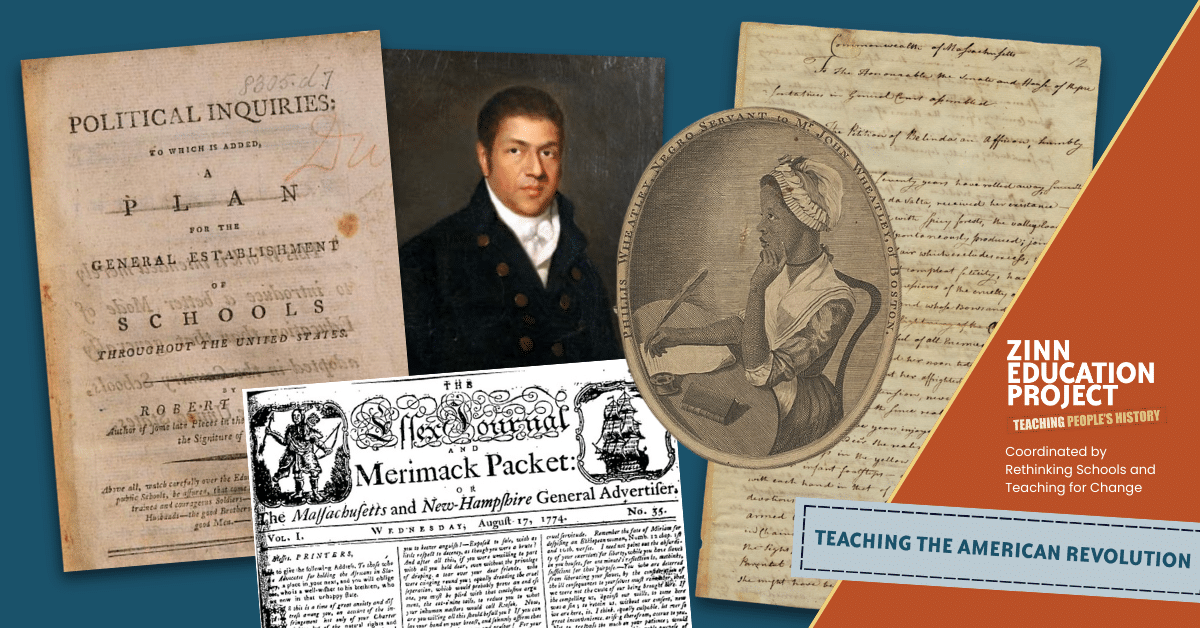
The African American Policy Forum is proud to support Zinn Education Project’s Decolonize 1776 initiative. As our nation prepares to celebrate 250 years of the American Revolution, one thing is certain: however loud the fireworks are sure to be, the silences will be louder.
We’ve been reading from the same script for generations, a heroic story of brave colonists achieving liberty against all odds. But from the perspective of Black and Indigenous peoples, that script has always been written over a void.
Today, there’s an organized effort to treat the less salutary parts of our past like an Etch-a-Sketch, shaking the frame to wipe the lines away so they are never discussed again.
These attacks on our accurate, yet difficult history are efforts to cement this narrow narrative into the center of our laws, our classrooms, and our museums. But we have to be honest.
The house America built for our democracy is not simply in need of a renovation. It was built upon a defective cornerstone of white supremacy. Systemic exclusion, it’s not a bug. It’s a foundational feature of the original American project.
That’s why we have to teach the truth to expose that foundation and demand a better one. The American Revolution is sold as an anti-imperial uprising, but independence didn’t stop conquest and dispossession. It merely changed the logo on the land deeds.
The new United States shredded treaties and treated Indigenous communities as obstacles that we needed to have erased.
Today, officials target curricula that name genocide because they know that if you ban the words, you can bless the myth. Then there’s enslavement. We hear of the bravery of soldiers, but less of the enslaved labor that financed them, nor the industrialized sexual abuse of Black women that created their wealth.
We also rarely grapple with the fact that some Black folks made a different revolutionary choice to fight for the British, who promised emancipation long before the founders dreamt of it. Don’t be fooled. These bans on teaching truth are not protecting children from indoctrination. They’re protecting a fragile myth from the light of the truth.
A revolution that centers theft of land, labor, and Black women’s sexual autonomy is taught as mission accomplished — rather than as an ongoing project in search of fulfillment.
The choice for this anniversary is clear. We can either have a feel-good pageant, or we can uplift the fact that the revolution was both a promise and a problem. Those of us who embrace the freedom to learn must ensure that the truth is not sacrificed for a comfortable lie. We must teach truth about what was sacrificed for American liberty and ensure those truths are remembered for the next 250 years.





Twitter
Google plus
LinkedIn