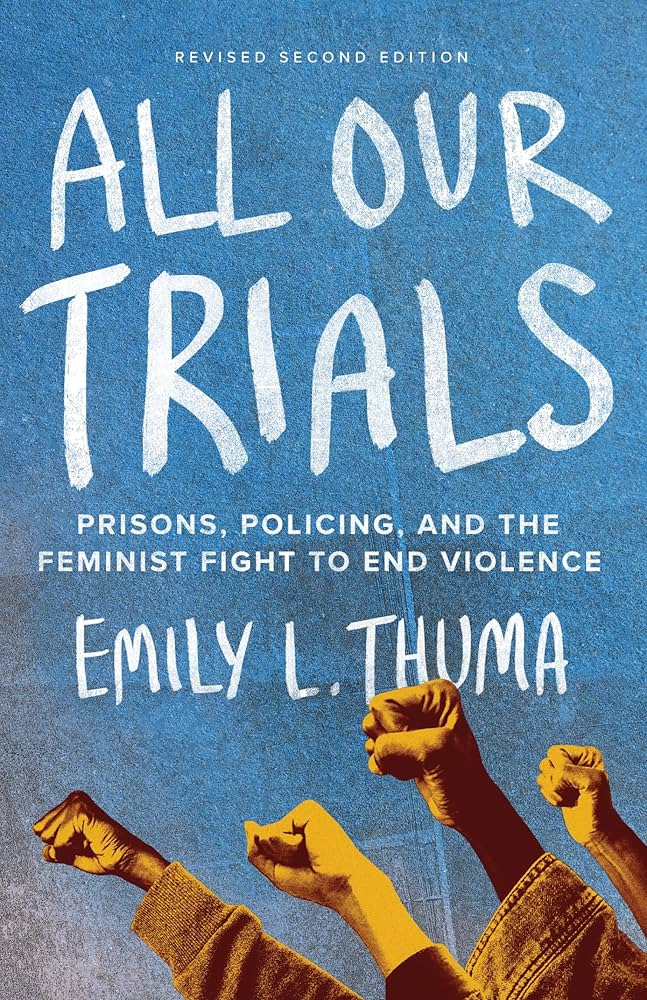
Book — Non-fiction. By Emily L. Thuma. 2024. 256 pages.
A vital history of organizing within and beyond the walls of women’s prisons in the 1970s, illuminating a crucial chapter in today’s abolition feminist struggles.
Continue reading
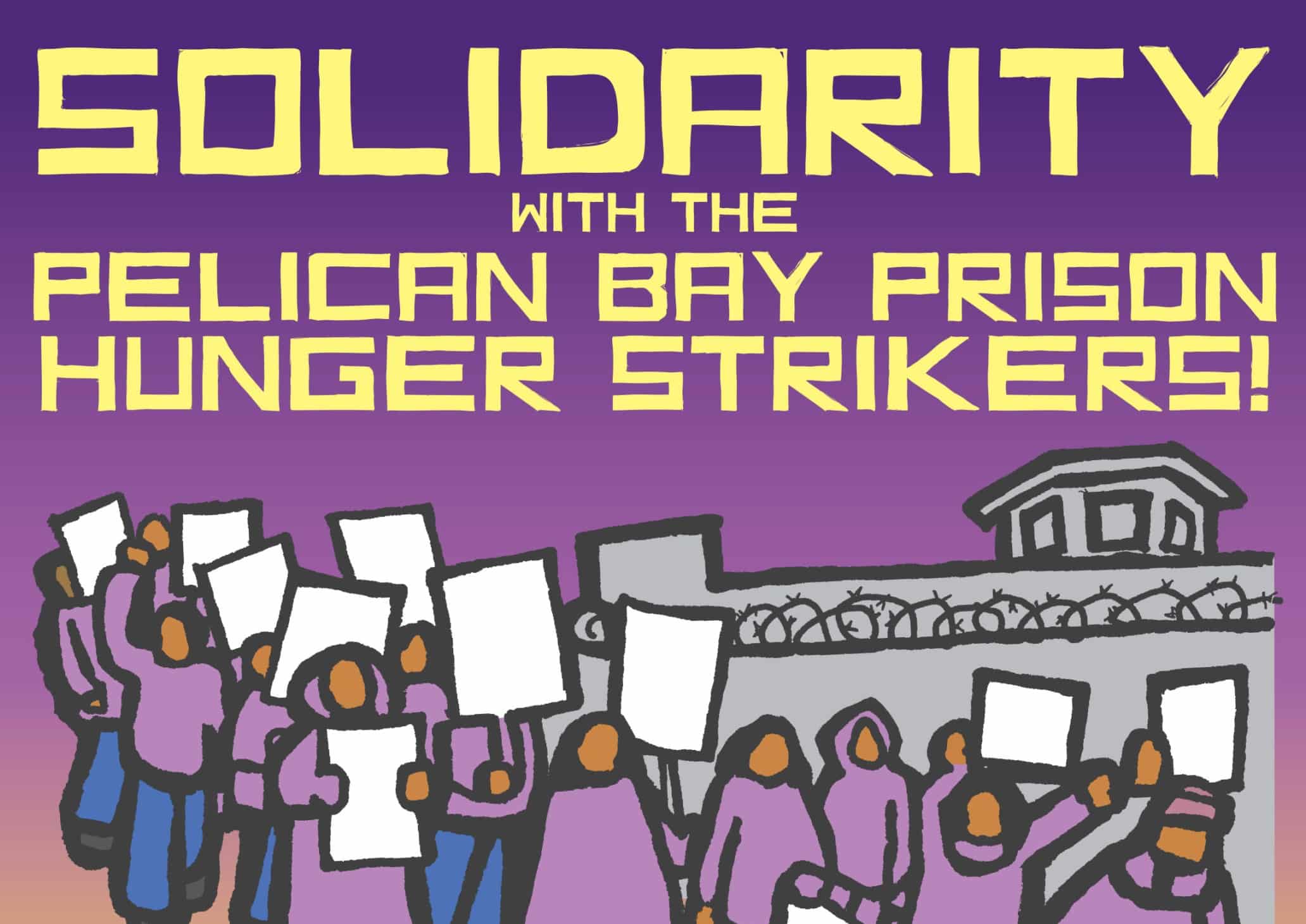
An estimated 30,000 prisoners across California prisons refused their meals, sparking a massive hunger strike that continued for two months, with solidarity hunger strikes happening around the world.
Continue reading
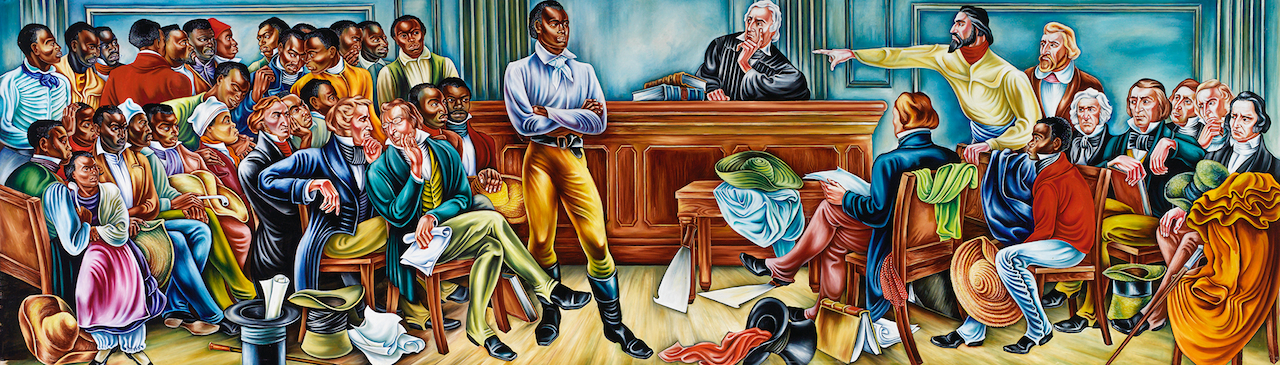
Africans on the Cuban schooner Amistad rose up against their captors, seizing control of the ship, which had been transporting them to chattel slavery.
Continue reading
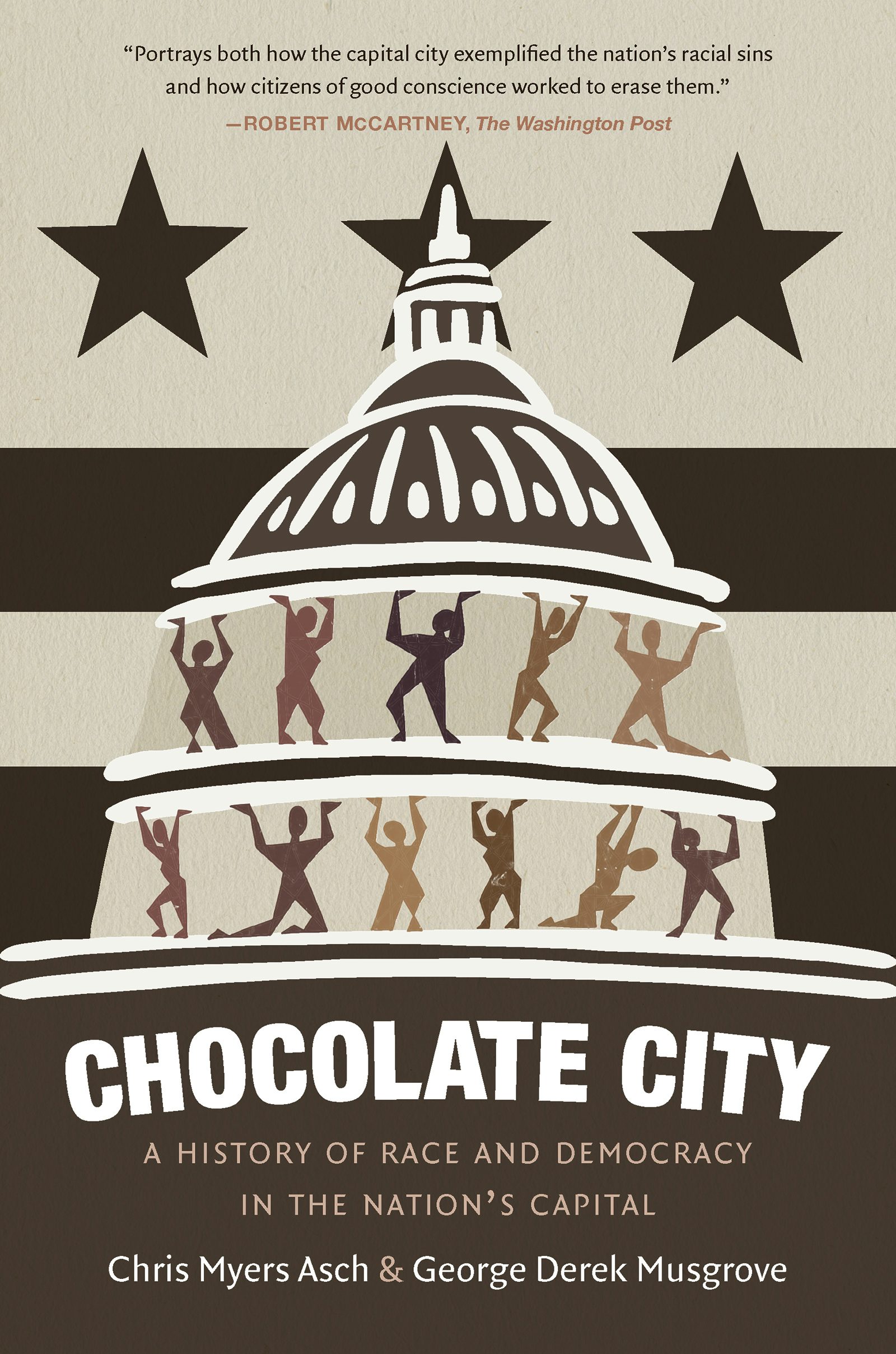
Book — Non-fiction. By Chris Myers Asch and George Derek Musgrove. 2019. 624 pages.
Tells the tumultuous, four-century story of race and democracy in our nation’s capital.
Continue reading
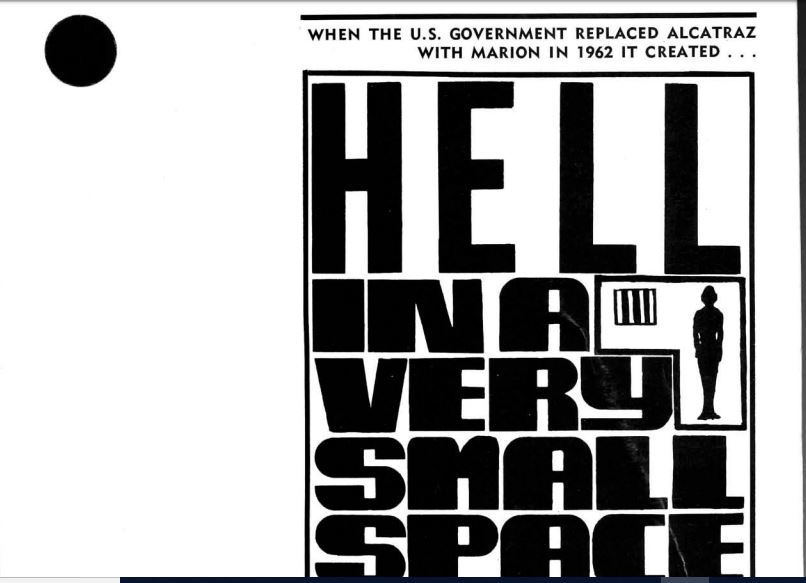
Inmates at United States Penitentiary (USP) Marion staged a hunger strike on the U.S. bicentennial in protest of inhumane treatment by the prison administration.
Continue reading
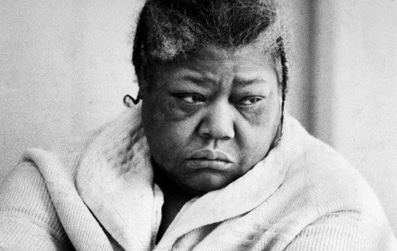
In the Morris Heights neighborhood of the Bronx, a white police officer shot and killed Eleanor Bumpurs, a 66-year-old Black disabled grandmother, in her own home.
Continue reading
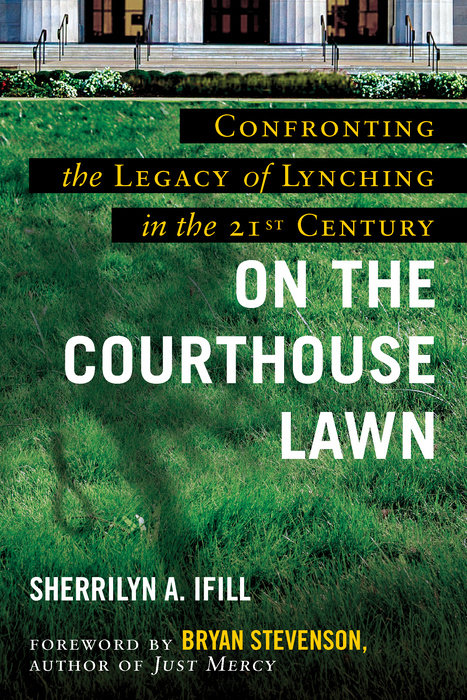
Book — Non-fiction. By Sherrilyn A. Ifill. 2018. 240 pages.
Examines the lynchings of Black Americans between 1890 and 1960 and the racial trauma still resounds across the country.
Continue reading
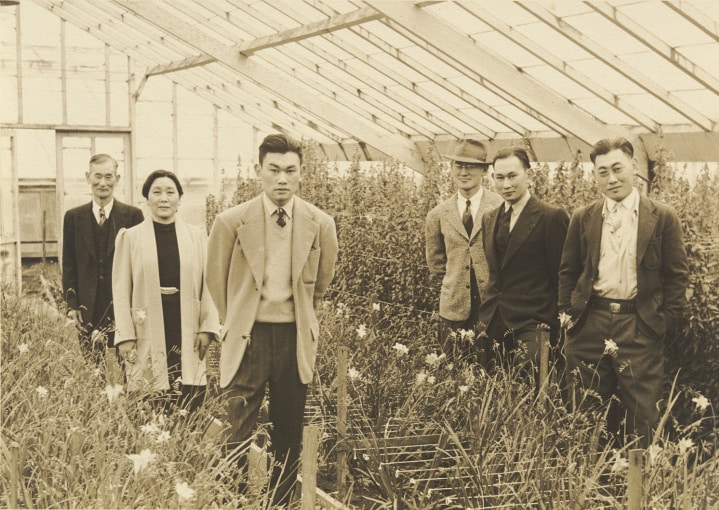
Fred Korematsu was arrested on a street corner in San Leandro, California for resisting Executive Order 9066, in which all people of Japanese descent were incarcerated in U.S. concentration camps.
Continue reading
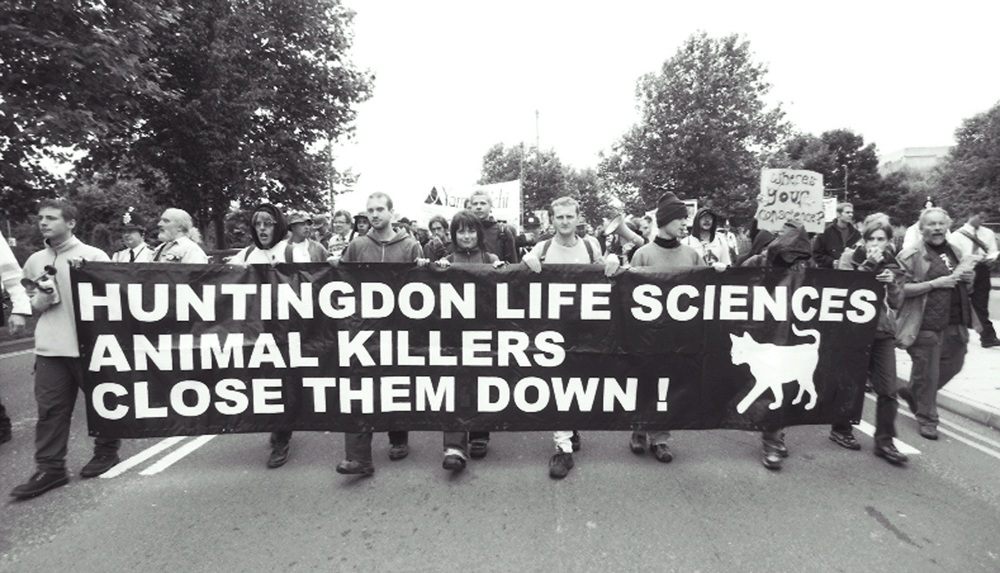
Stop Huntington Life Sciences (SHAC) was a global movement with organizers campaigning across five continents to bring an end to the animal use and experimentation at Huntington Life Sciences.
Continue reading
Teaching Activity. By Ursula Wolfe-Rocca.
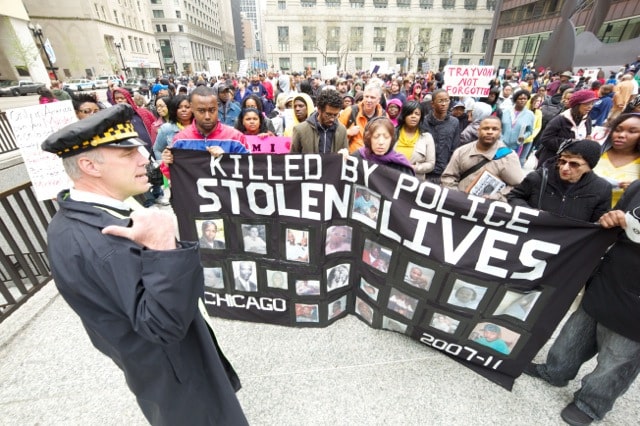
Students explore three documents produced in the wake of three major episodes of racial violence (1919, 1967, 2014) to understand the long trajectory of police violence in Black communities.
Continue reading
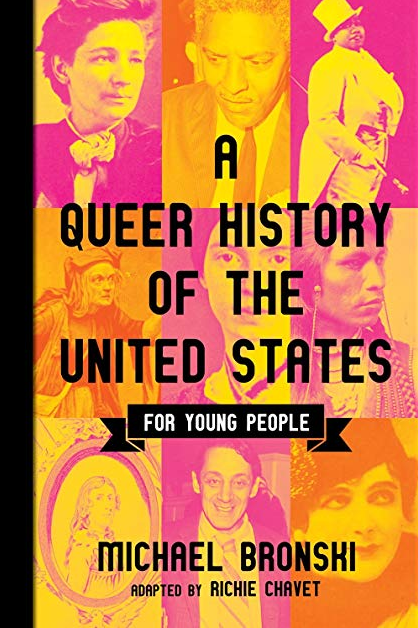
Book — Non-fiction. By Michael Bronski, adapted for by Richie Chevat. 2019. 336 pages.
A young adult readers edition of the original text explores the history of LGBTQ+ experiences in the U.S. since 1500.
Continue reading
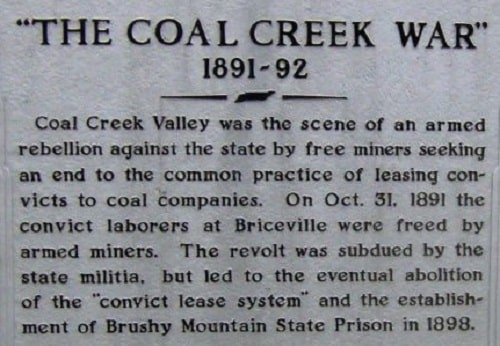
A labor uprising to protest convict leasing led to the Coal Creek War.
Continue reading
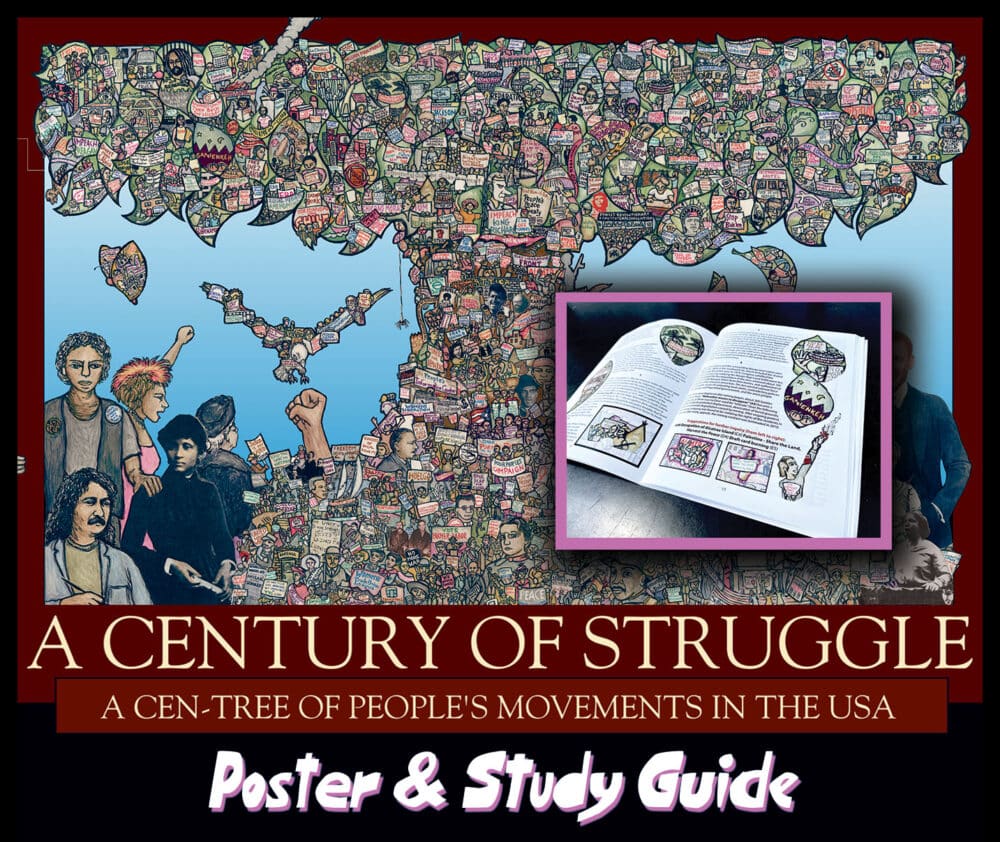
Poster. By Ricardo Levins Morales and Janna Schneider, with a Companion Guide by Jennings Mergenthal and Jaime Hokanson. 2025. 50 pages.
Chronicles U.S. social justice struggles, groups, activists, campaigns, slogans, publications, and events from 1900–2000.
Continue reading
Book — Non-fiction. Edited by Josh Davidson, with Eric King. 2023. 420 pages.
Oral histories of 36 current and former political prisoners of different liberation movements who describe what led them to prison, how they survived, and how they continue to struggle for a better world.
Continue reading
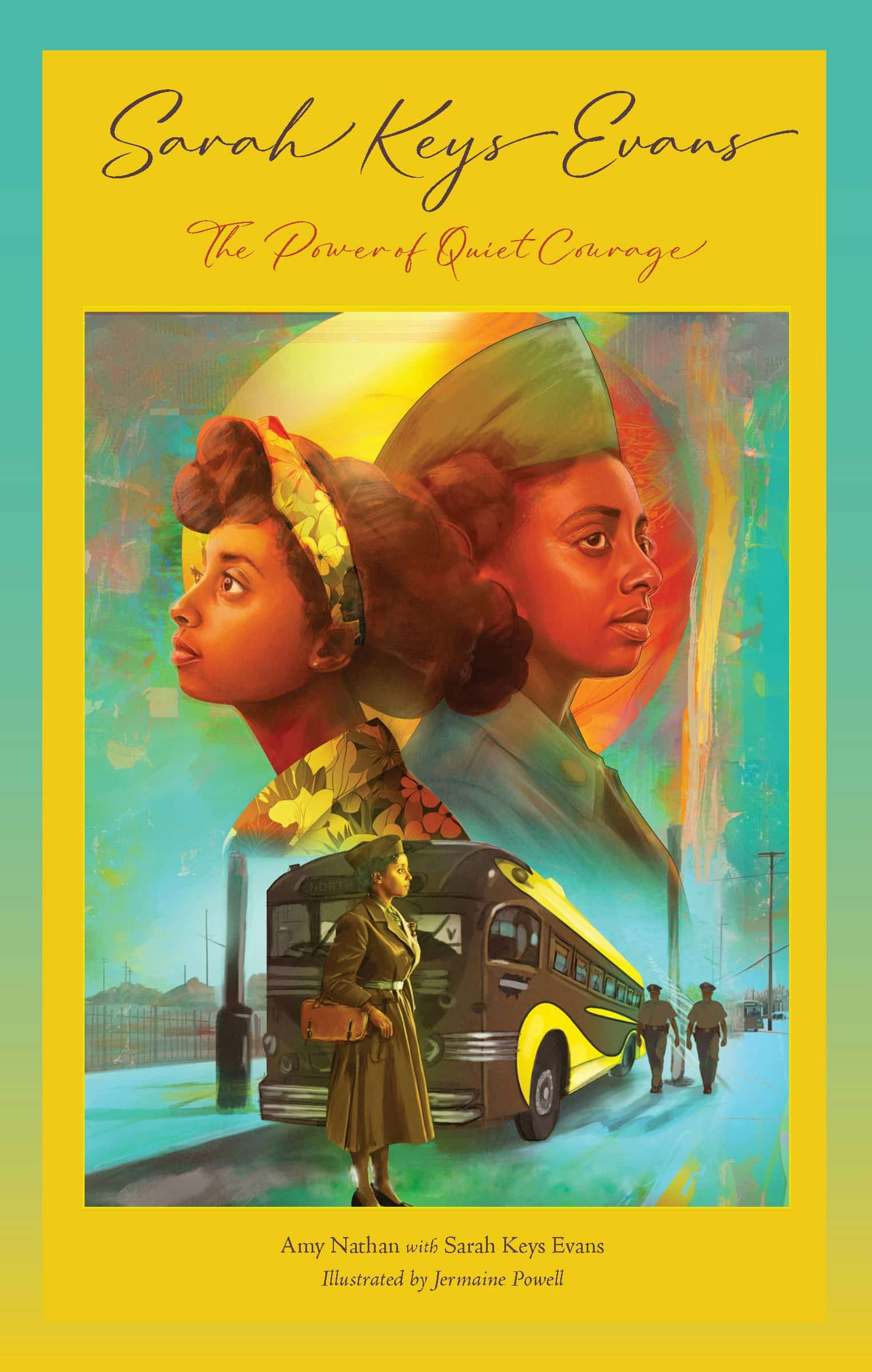
Book — Non-fiction. By Amy Nathan with Sarah Keys Evans, and illustrated by Jermaine Powell. 2025. 72 pages.
Chapter book about how Sarah Keys Evans was arrested at a North Carolina bus station in 1952 for not moving to the back of a bus. She went on to challenge the arrest in court.
Continue reading
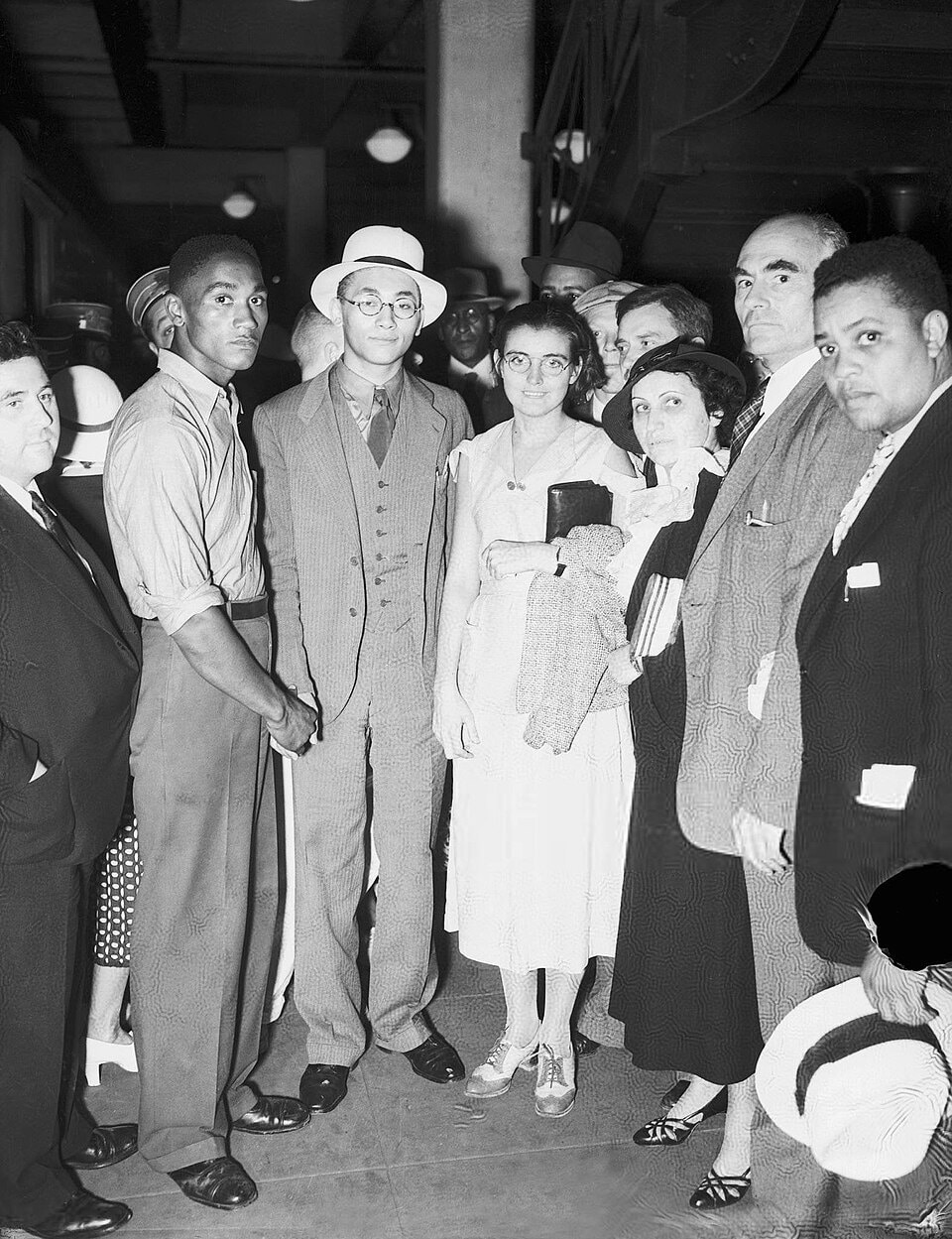
A Black labor organizer’s imprisoned for having “communist literature” was freed following a U.S. Supreme Court decision.
Continue reading
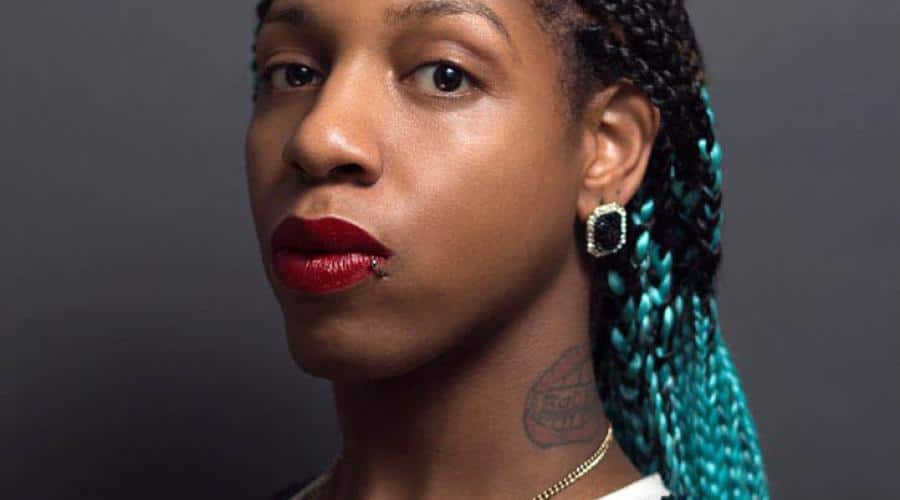
CeCe McDonald, a Black trans woman, was imprisoned following an act of white supremacist and transphobic violence in which McDonald defended herself and, in the process, her assailant was killed.
Continue reading
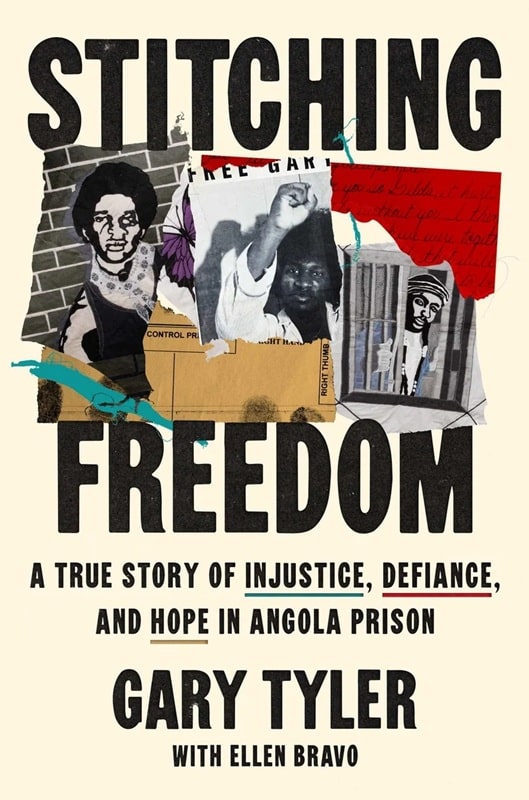
Book — Non-fiction. By Gary Tyler with Ellen Bravo. 2025. 288 pages.
In the tradition of books by Albert Woodfox and Angela Davis, this memoir of a wrongful conviction and time spent on death row in Angola prison shows how incarcerated people care for each other and fight for justice.
Continue reading
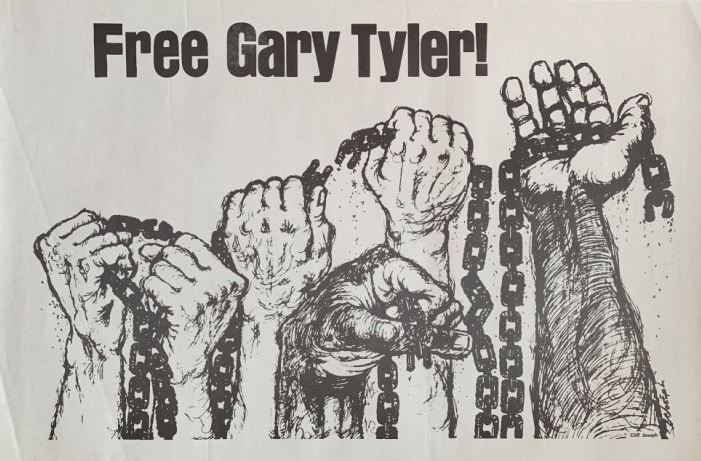
At 17 years old, Gary Tyler entered Louisiana State Prison — commonly known as Angola — as the state’s youngest Death Row prisoner and remained there for 41 years before gaining his freedom.
Continue reading
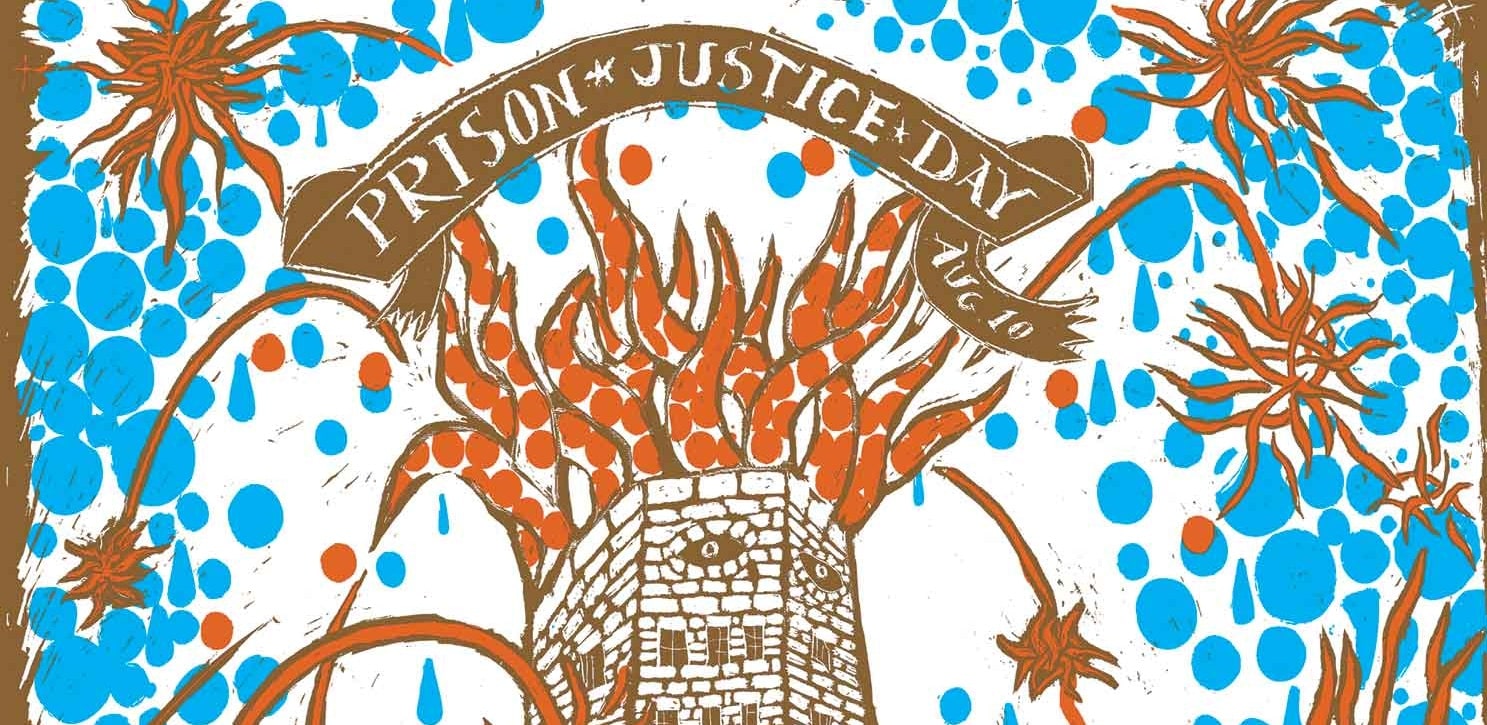
August 10 is recognized internationally as Prisoners’ Justice Day (PJD), a day of solidarity and organizing with the incarcerated, and remembrance of those who died behind bars, living in inhumane conditions.
Continue reading
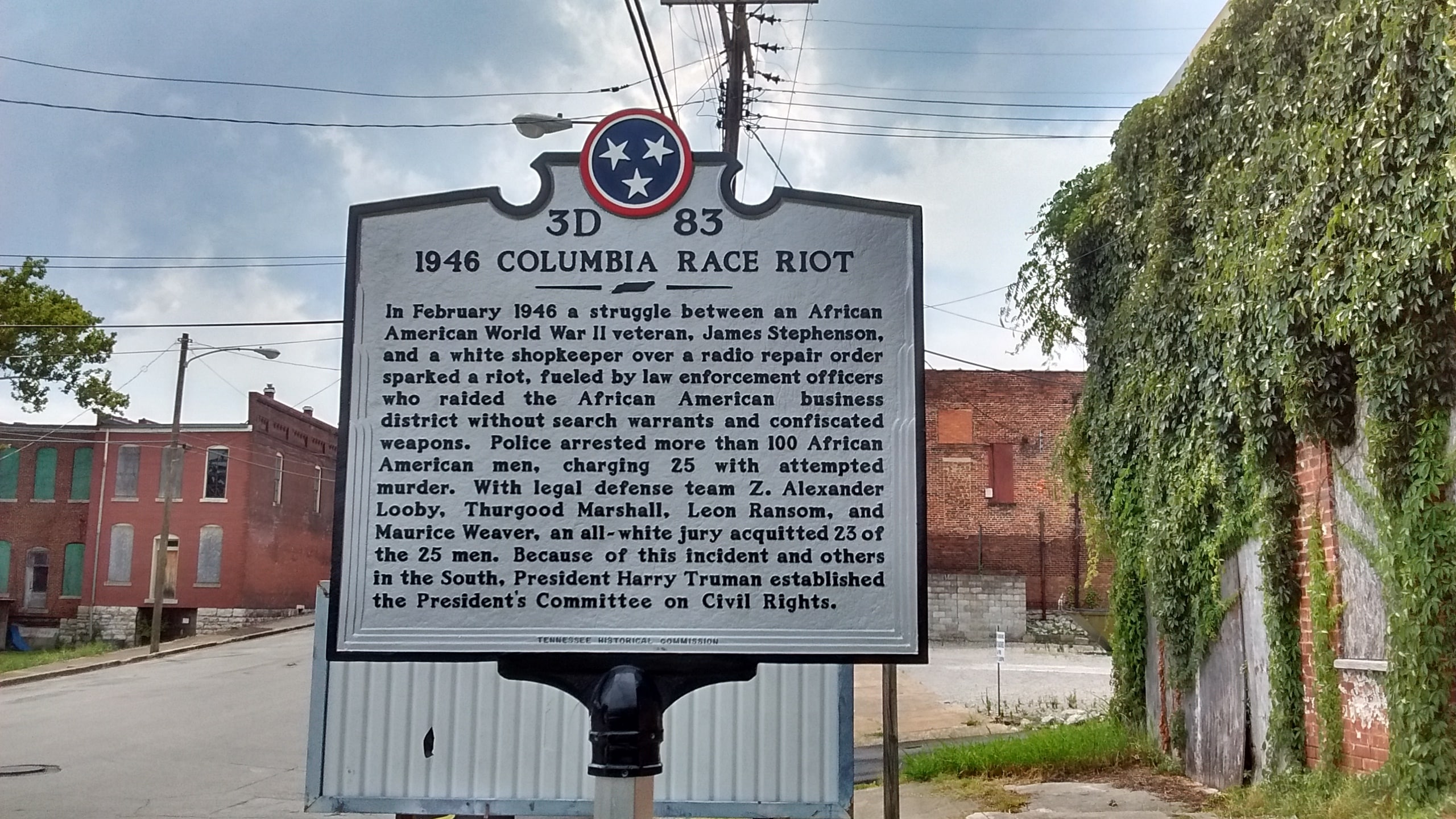
The Columbia Uprising took place in Columbia, Tennessee on February 26, 1946, when Black residents collectively defended themselves against rioting police officers and local white supremacist militants.
Continue reading
In one of the longest prison uprisings in U.S. history, incarcerated men at Ohio’s Lucasville prison launched an uprising that last for 11 days.
Continue reading
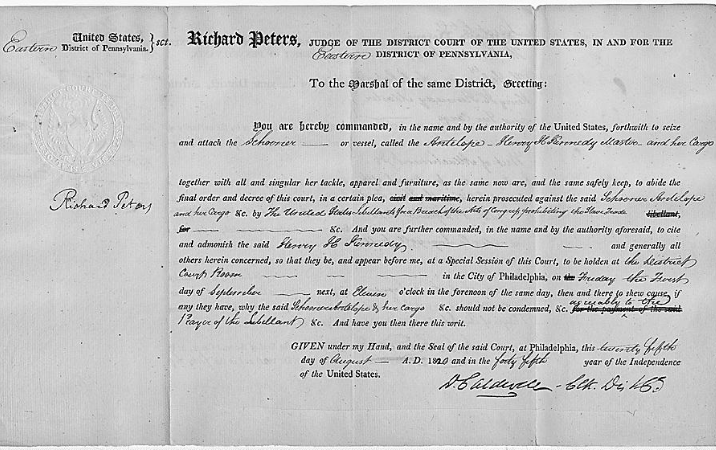
Two hundred and eighty one Africans aboard The Antelope ship were brought to Savannah by the U.S. Treasury.
Continue reading
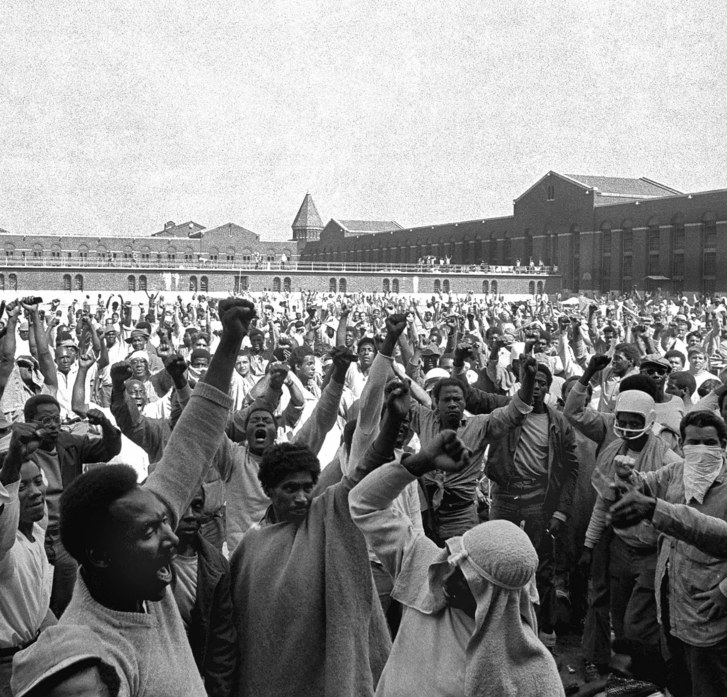
The Attica Prison Uprising began when prisoners took control of part of the prison in Upstate New York.
Continue reading
The Harlem Park Three — Alfred Chestnut, Andrew Stewart, and Ransom Watkins — spent decades imprisoned on a wrongful conviction before gaining their freedom in 2019.
Continue reading