
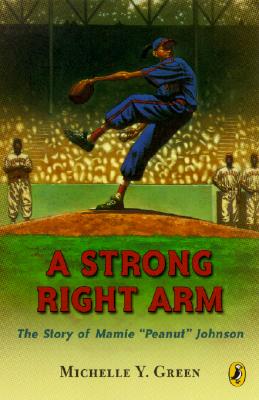
A Strong Right Arm: The Story of Mamie “Peanut” Johnson
Book — Non-fiction. By Michelle Y. Green. Illustrated by Kadir Nelson. 2004. 128 pages.
A biography on one of only three women to play baseball in the Negro Leagues.
Continue reading
A biography on one of only three women to play baseball in the Negro Leagues.
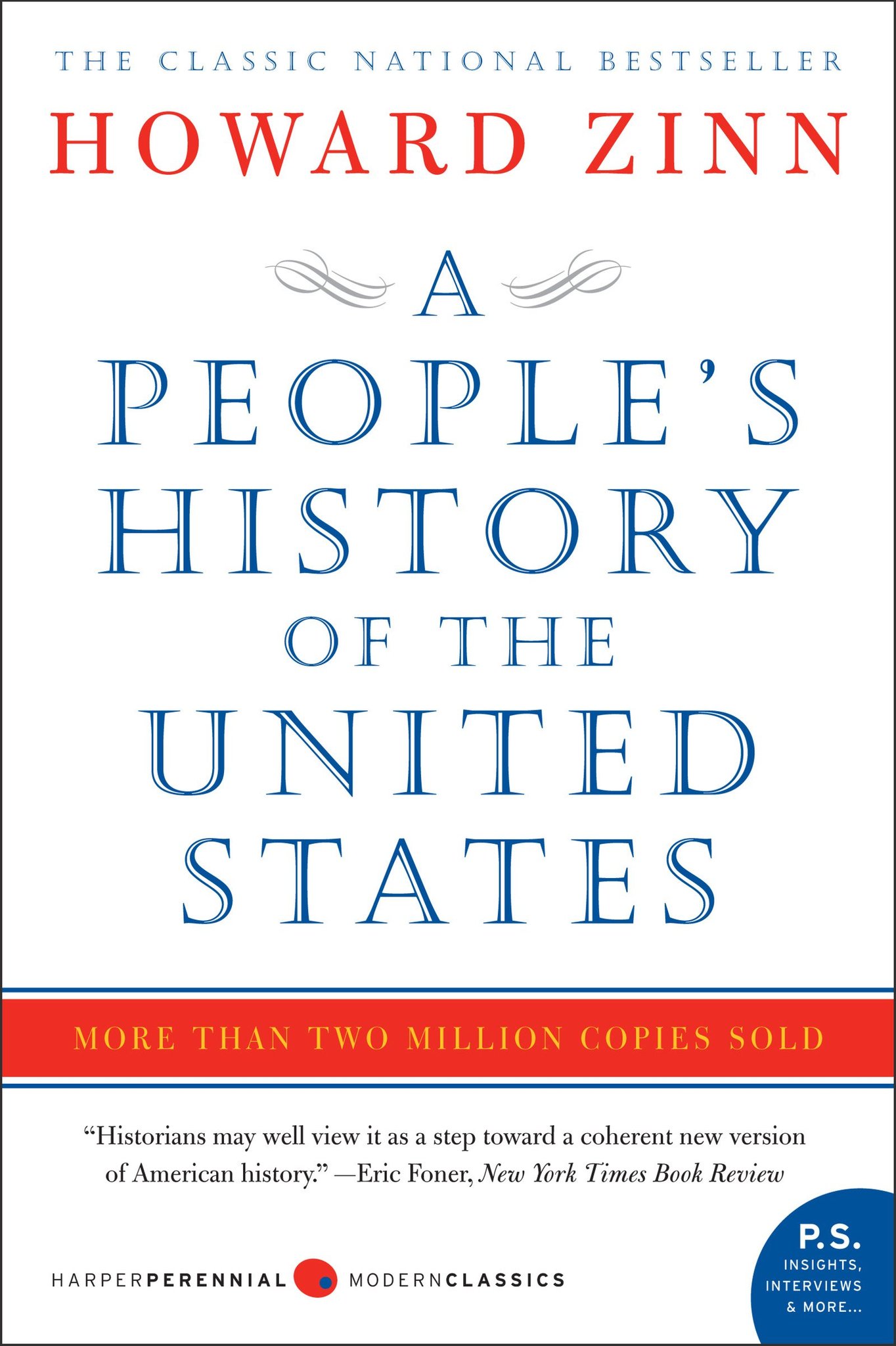
A People’s History of the United States: 1492 – Present
Book — Non-fiction. By Howard Zinn. 2005, with a new introduction by Anthony Arnove in 2015. 784 pages.
Howard Zinn's groundbreaking work on U.S. history. This book details lives and facts rarely included in textbooks—an indispensable teacher and student resource.
Continue reading
Howard Zinn's groundbreaking work on U.S. history. This book details lives and facts rarely included in textbooks—an indispensable teacher and student resource.
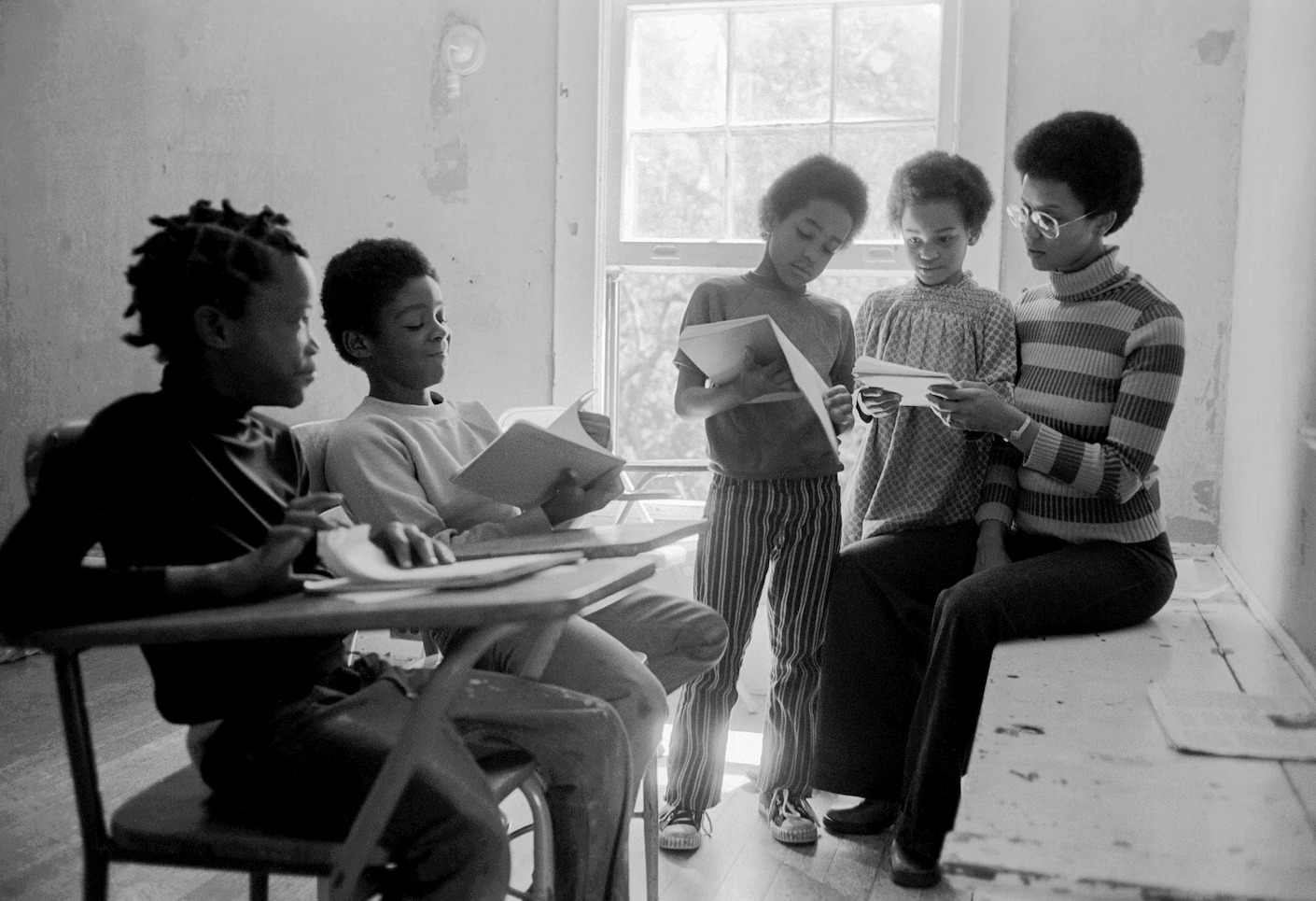
‘What We Want, What We Believe’: Teaching with the Black Panthers’ 10-Point Program
Teaching Activity. By Wayne Au. Rethinking Schools. 7 pages.
How students can use the Black Panther Party's 10-Point Program to assess issues in their own communities and to develop 10-Point Programs of their own. Available in Spanish.
Continue reading
How students can use the Black Panther Party's 10-Point Program to assess issues in their own communities and to develop 10-Point Programs of their own. Available in Spanish.
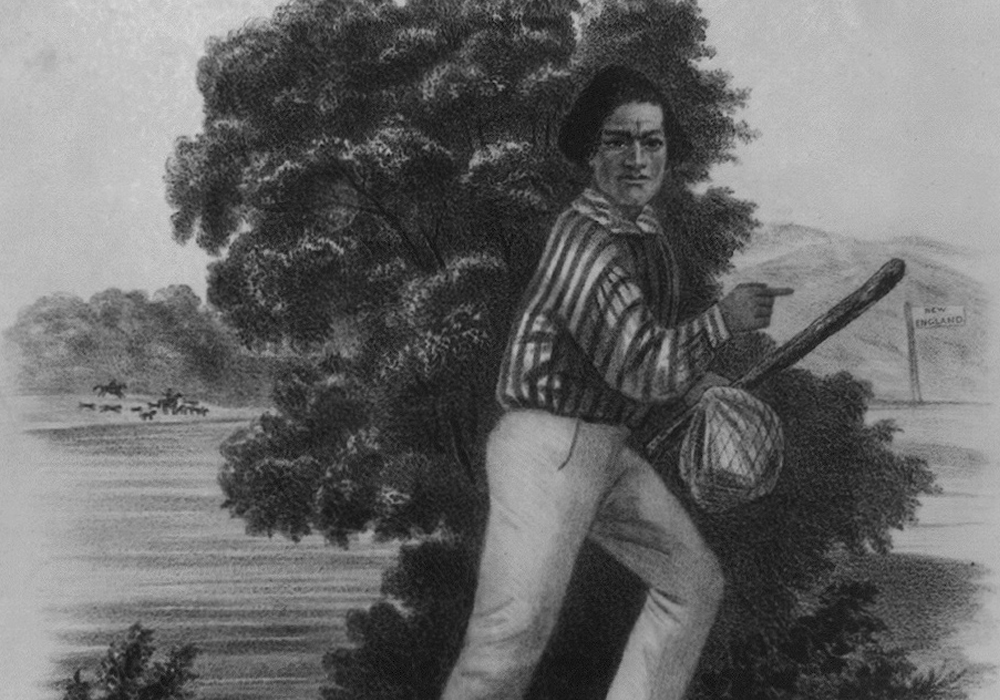
Frederick Douglass Fights for Freedom
Teaching Activity. By Bill Bigelow. 7 pages.
A lesson to introduce students to the numerous and varied ways African Americans resisted their enslavement, using the autobiographical Narrative of the Life of Frederick Douglass.
Continue reading
A lesson to introduce students to the numerous and varied ways African Americans resisted their enslavement, using the autobiographical Narrative of the Life of Frederick Douglass.
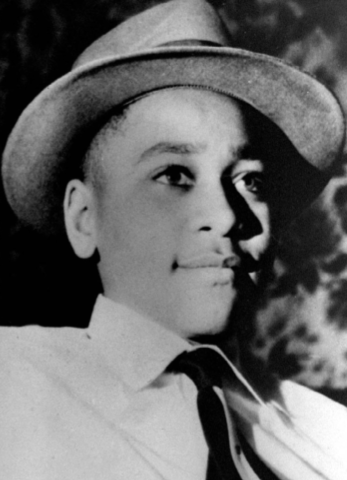
‘We Had Set Ourselves Free’: Lessons on the Civil Rights Movement
Teaching Activity. By Doug Sherman. Rethinking Schools. 4 pages.
The author describes how he uses biographies and film to introduce students to the role of people involved in the Civil Rights Movement beyond the familiar heroes. He emphasizes the role and experiences of young people in the Movement.
Continue reading
The author describes how he uses biographies and film to introduce students to the role of people involved in the Civil Rights Movement beyond the familiar heroes. He emphasizes the role and experiences of young people in the Movement.
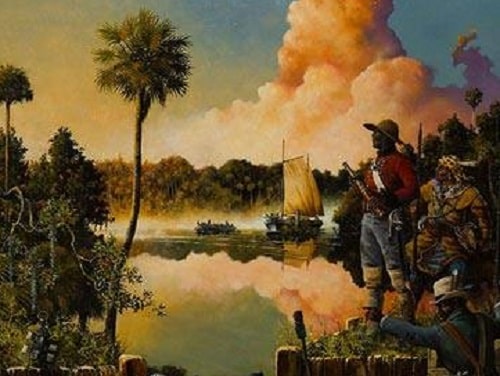
The Color Line
Teaching Activity. By Bill Bigelow. 6 pages.
A lesson on the countless colonial laws enacted to create division and inequality based on race. This helps students understand the origins of racism in the United States and who benefits.
Continue reading
A lesson on the countless colonial laws enacted to create division and inequality based on race. This helps students understand the origins of racism in the United States and who benefits.
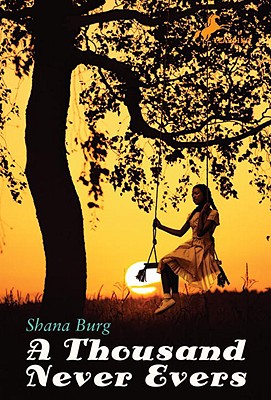
A Thousand Never Evers
Book — Fiction. By Shana Burg. 2008. 320 pages.
Set in 1963 Mississippi, this historical fiction introduces middle/high school readers to the life at that time through the experiences of a 12-year-old.
Continue reading
Set in 1963 Mississippi, this historical fiction introduces middle/high school readers to the life at that time through the experiences of a 12-year-old.
The Rise and Fall of Jim Crow
Film. 2002. 4 episodes — 56 minutes each.
Documentary on the history of the Jim Crow era.
Continue reading
Documentary on the history of the Jim Crow era.
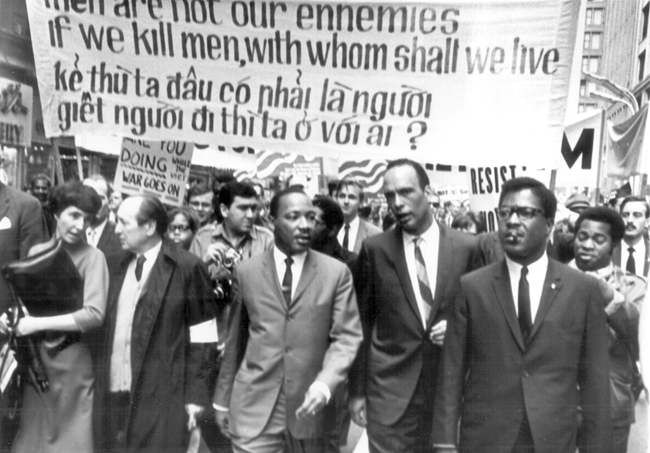
A Revolution of Values
Teaching Activity. By Rev. Dr. Martin Luther King Jr. 3 pages.
Text of speech by Dr. Martin Luther King Jr. on the Vietnam War, followed by three teaching ideas.
Continue reading
Text of speech by Dr. Martin Luther King Jr. on the Vietnam War, followed by three teaching ideas.
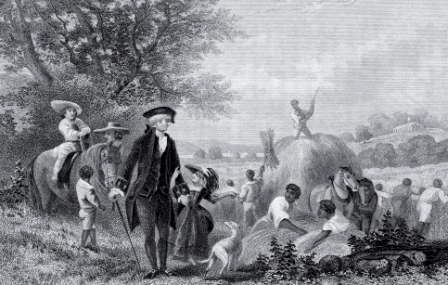
Presidents and the Enslaved: Helping Students Find the Truth
Teaching Activity. By Bob Peterson. Rethinking Schools. 7 pages.
How a 5th grade teacher and his students conducted research to answer the question: “Which presidents owned people?” Available in Spanish.
Continue reading
How a 5th grade teacher and his students conducted research to answer the question: “Which presidents owned people?” Available in Spanish.